
Compare Cat Breeds
Compare up to three breeds across all 53 characteristics. Values are shown directly so the differences are easier to scan.
| Characteristic | 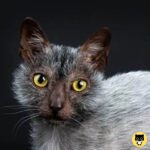 Lykoi |
|---|---|
| Body & development | |
| Adult size | Small to medium |
| Adult weight | Females 2.7–4.1 kg (6.0–9.0 lb); Males 3.2–5.4 kg (7.1–11.9 lb) Females are commonly about 2.7–4.1 kg (6.0–9.0 lb) and males about 3.2–5.4 kg (7.1–11.9 lb); their sparse coat can make the body look lighter than it is. |
| Build & distinguishing morphology | Small to medium · lean · athletic · wedge head The Lykoi is small-to-medium, lean and athletic with moderate bone and a modified wedge head; sparse hair makes its musculature appear especially defined. |
| Maturation | 12-18 months The medium, lean Lykoi generally reaches adult frame size during its first year, with musculature and the mature coat cycle settling through roughly 12–18 months. |
| Coat & appearance | |
| Coat length | Very short · variable Partially hairless phenotype with variable hair coverage; should not be treated as an ordinary shorthair value. |
| Coat texture & undercoat | Sparse roan · reduced undercoat · hair follicle cycling The Lykoi has a sparse roan coat with reduced undercoat and characteristic bare areas; follicles cycle hair unusually, so coat density can change markedly over time. |
| Colors & patterns | Black roan is the championship color; other colors occur Black roan is the championship color, although Lykoi can occur in other colors and patterns. |
| Eye colors | Gold · yellow · green Gold/yellow to green eyes are typical; warm yellow-gold is especially common in the breed’s roan phenotype. |
| Coat & routine care | |
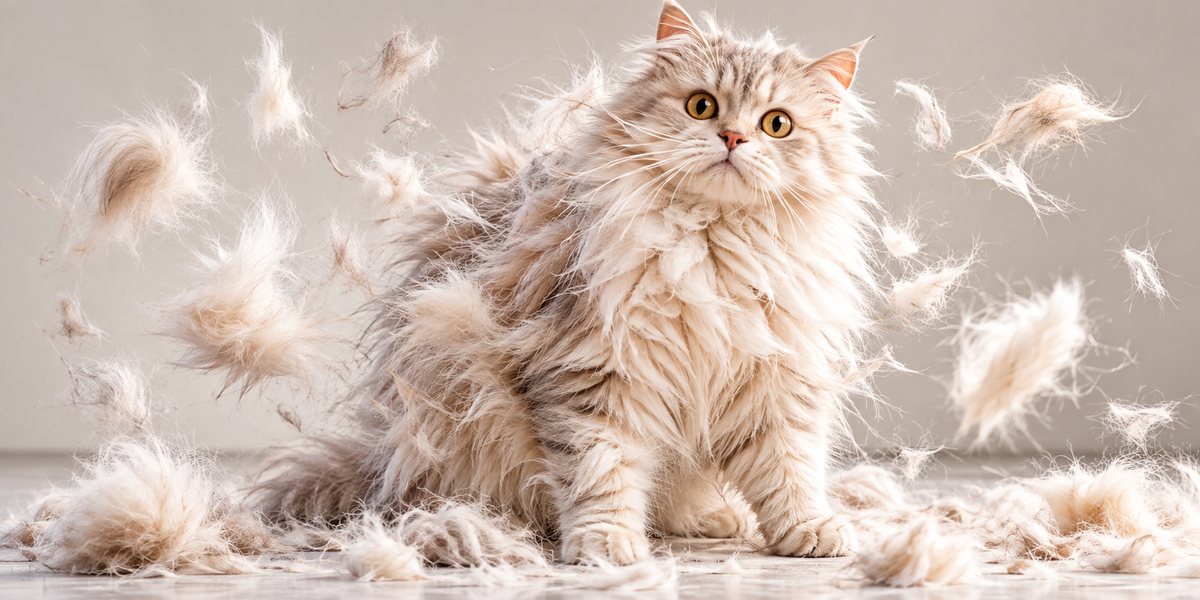
| Shedding | Low but variable Low overall hair volume, but shedding can be episodic and conspicuous because Lykoi may molt much of their sparse coat. |
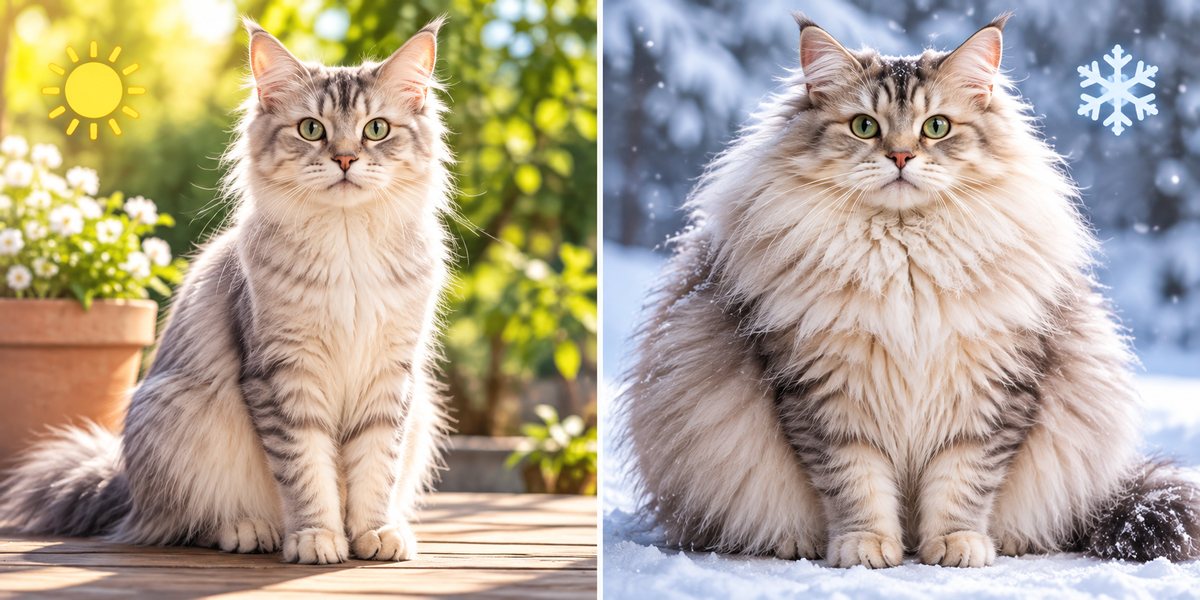
| Seasonal coat changes | Can molt dramatically Lykoi may shed or molt most of the coat at least once, producing striking changes in appearance. |
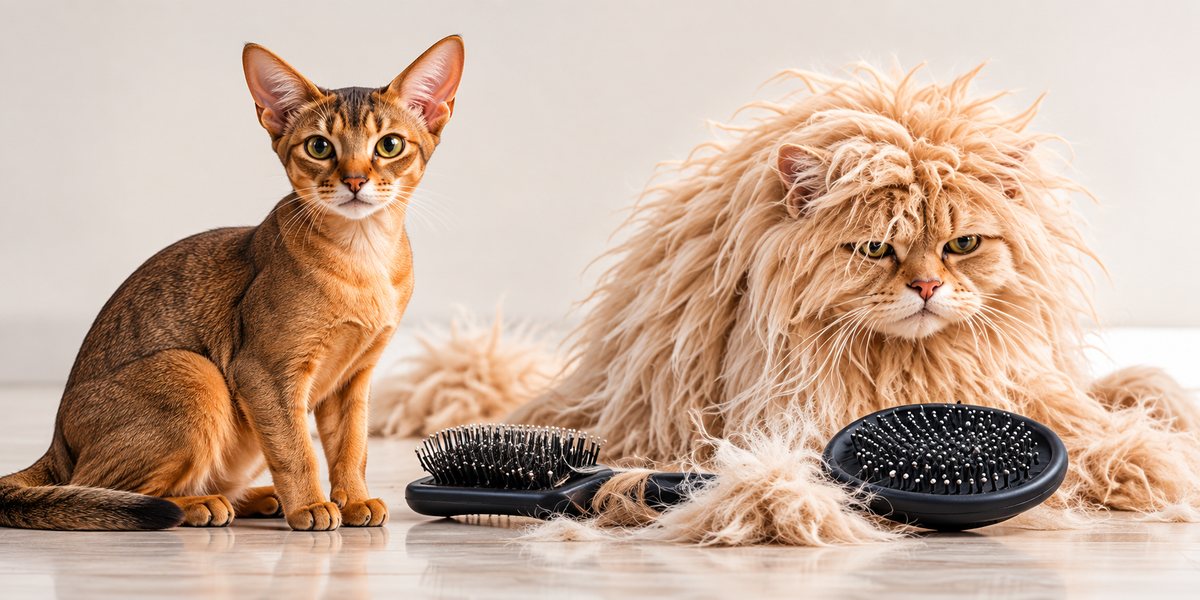
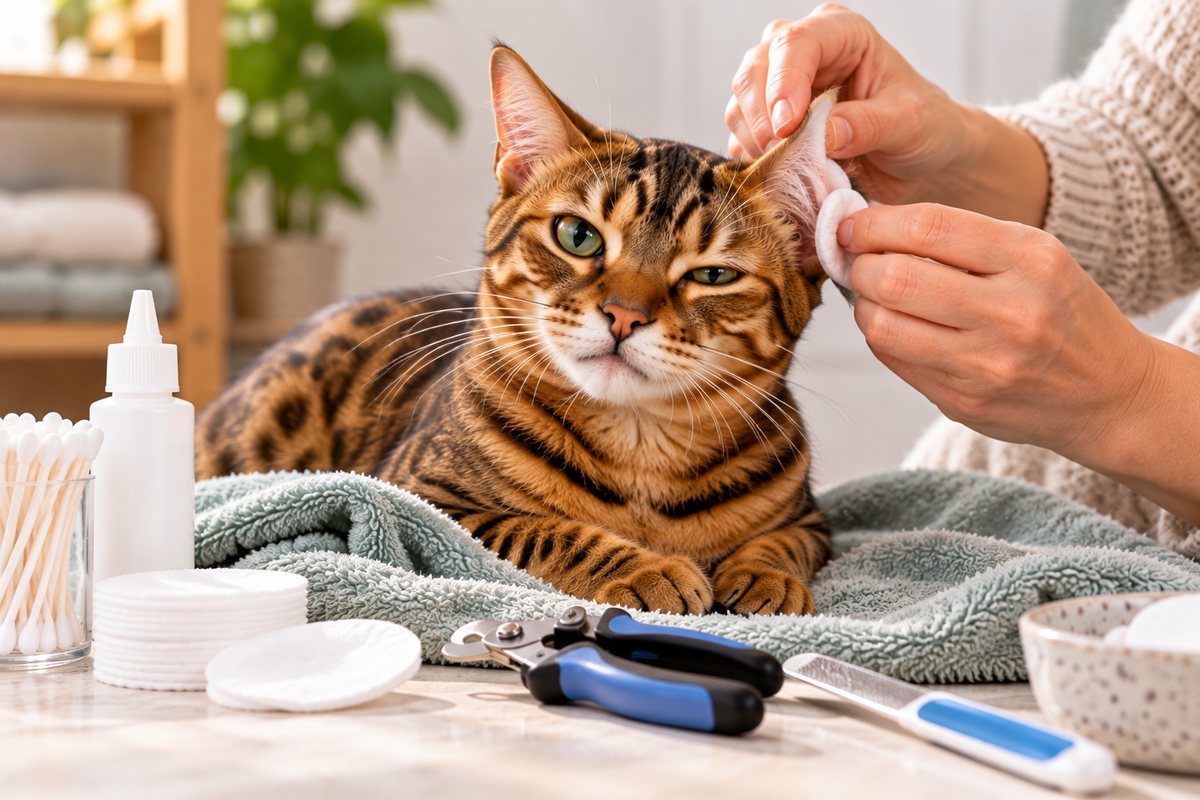
| Brushing & combing | Weekly or as needed Brush sparingly and very gently because the sparse coat and exposed skin can be delicate; skin checks matter more than routine combing. |
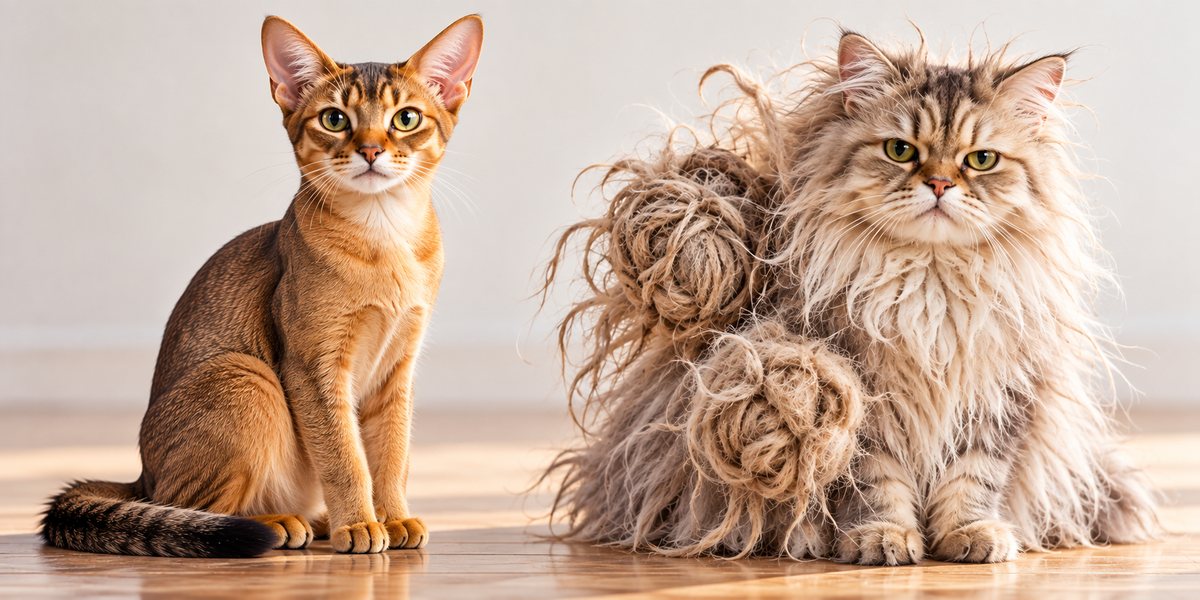
| Tangle & matting tendency | Negligible The sparse coat does not normally produce conventional mats; coat cycling and skin care are more relevant than detangling. |
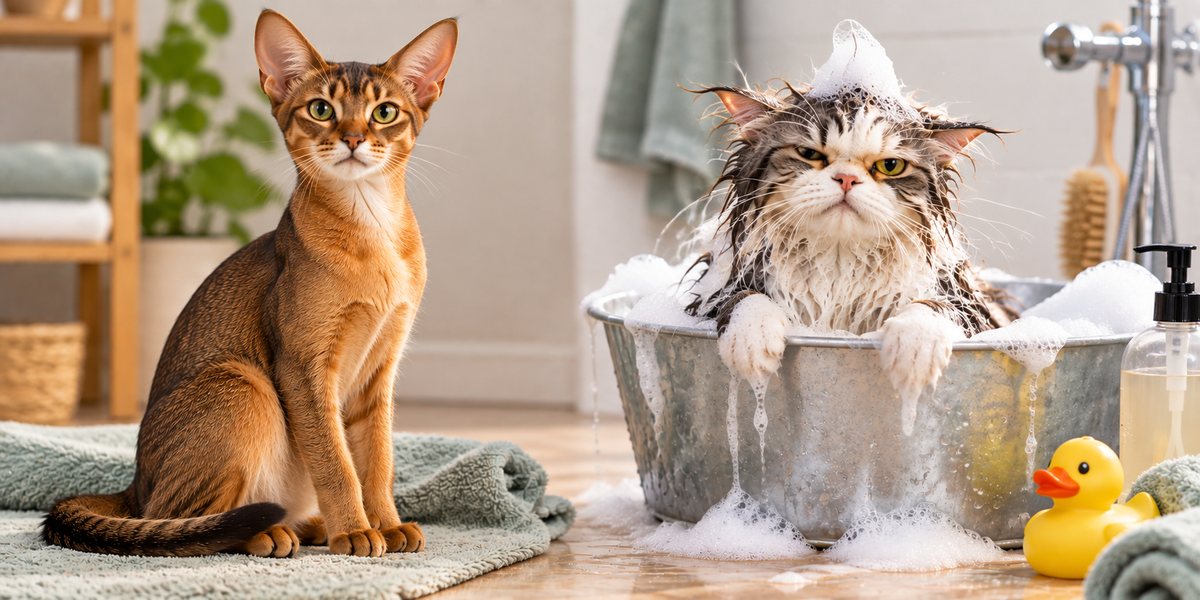
| Skin & bathing care | Bathing not routinely needed Routine bathing is generally unnecessary; bathe only when the coat is genuinely soiled or for a specific veterinary or grooming reason. |
| Distinctive routine care | Skin-focused routine care With little protective coat, routine care should emphasize skin condition, temperature comfort and gentle cleaning rather than conventional brushing. |
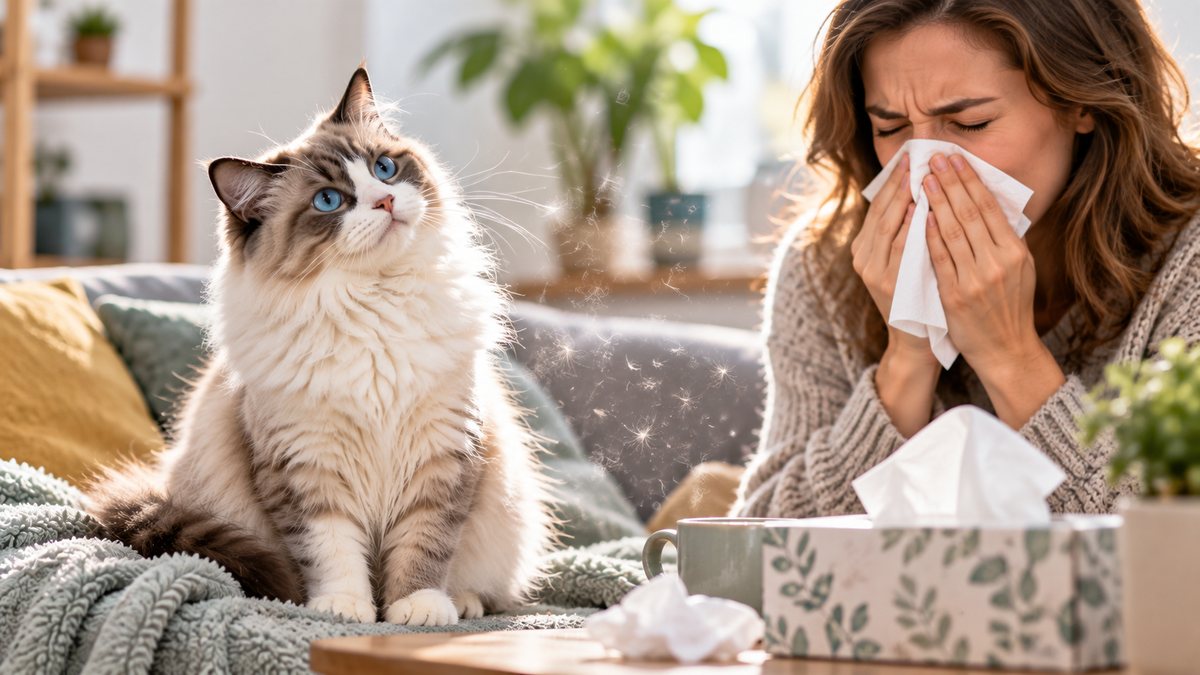
| Allergy & allergen evidence | No breed specific reduction established There is no known reason to regard this breed as hypoallergenic. All cats produce allergens, and coat length or shedding alone does not determine allergy risk. |
| Activity & intelligence | |
| Activity level | Very high |
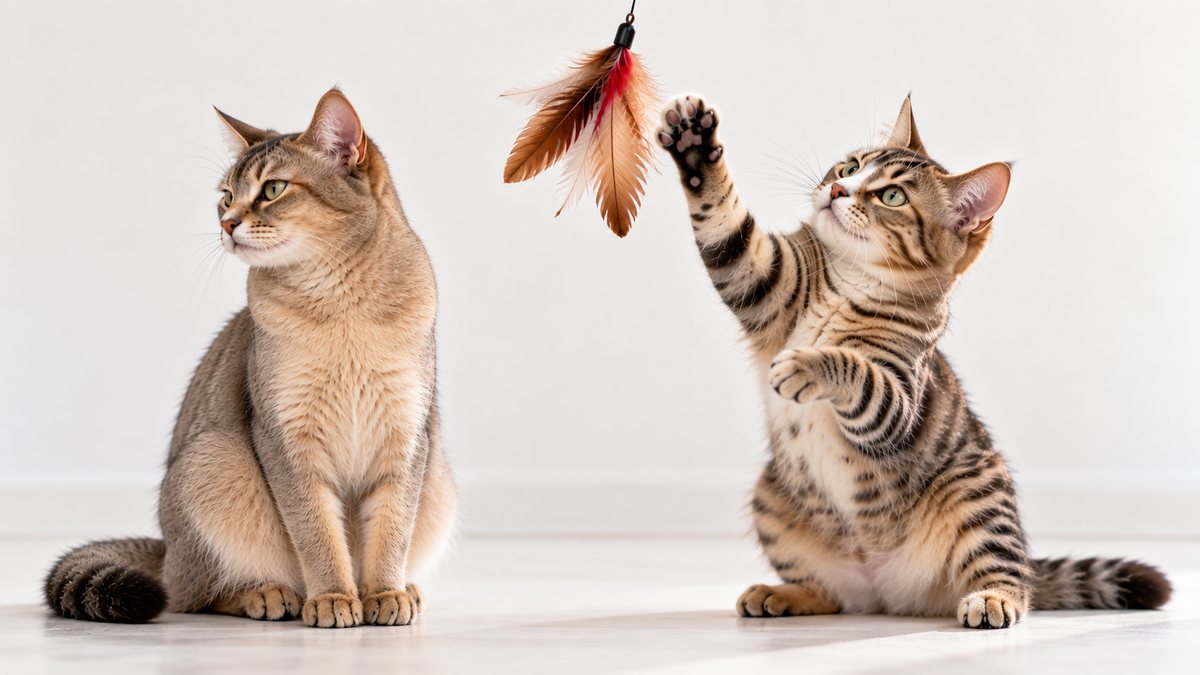
| Playfulness | Very high |
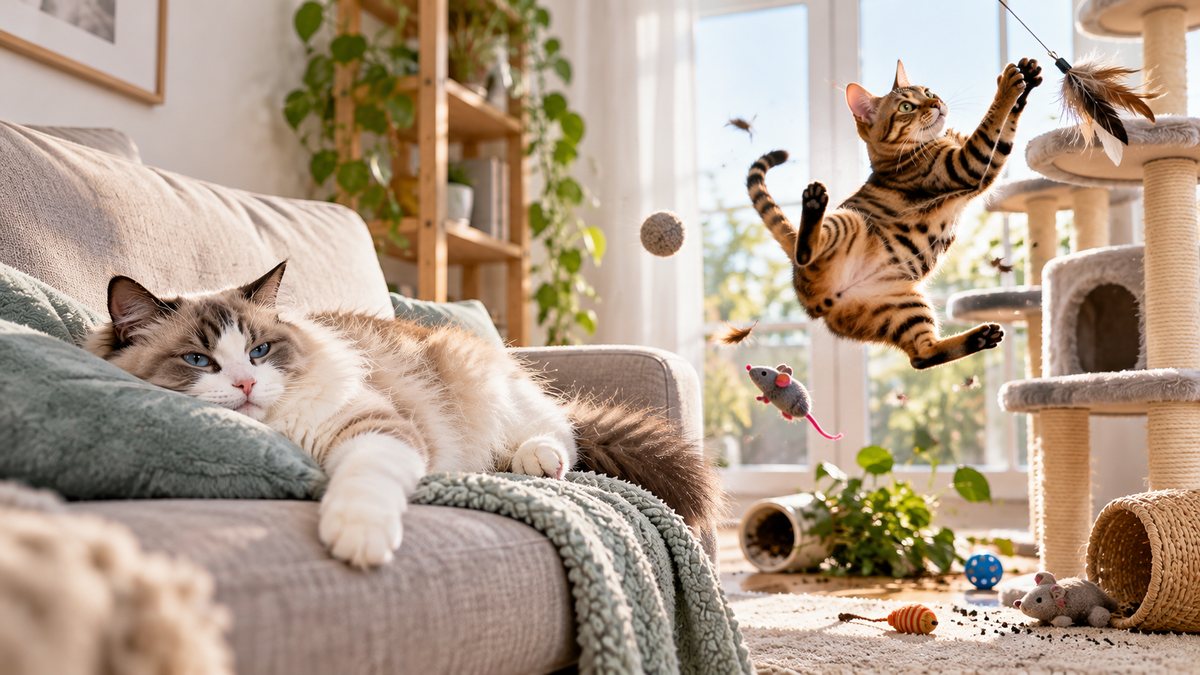
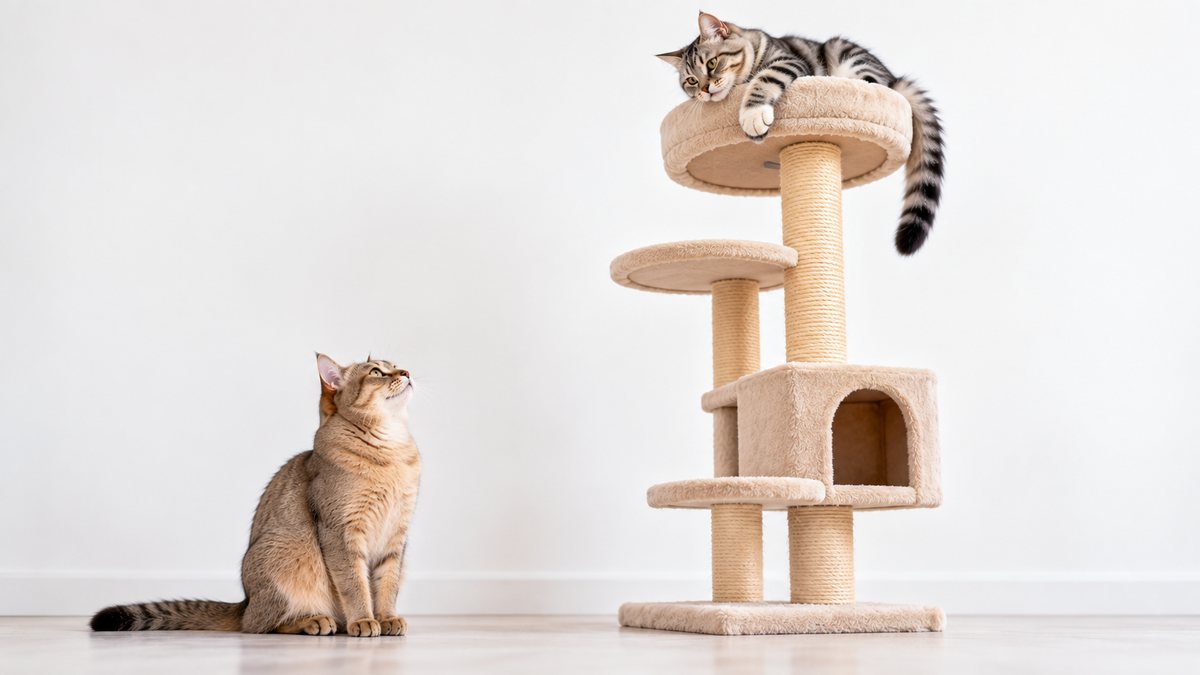
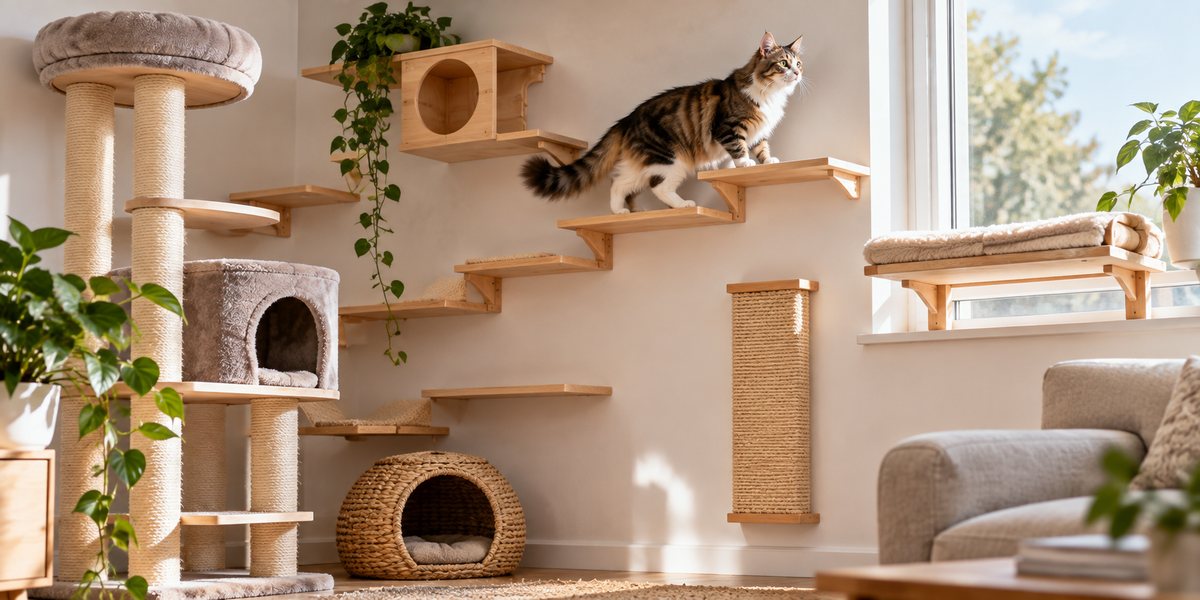
| Climbing & jumping | Very high The highly active, exploratory Lykoi has the agility and drive to use substantial vertical territory; tall cat trees and varied climbing routes are appropriate. |
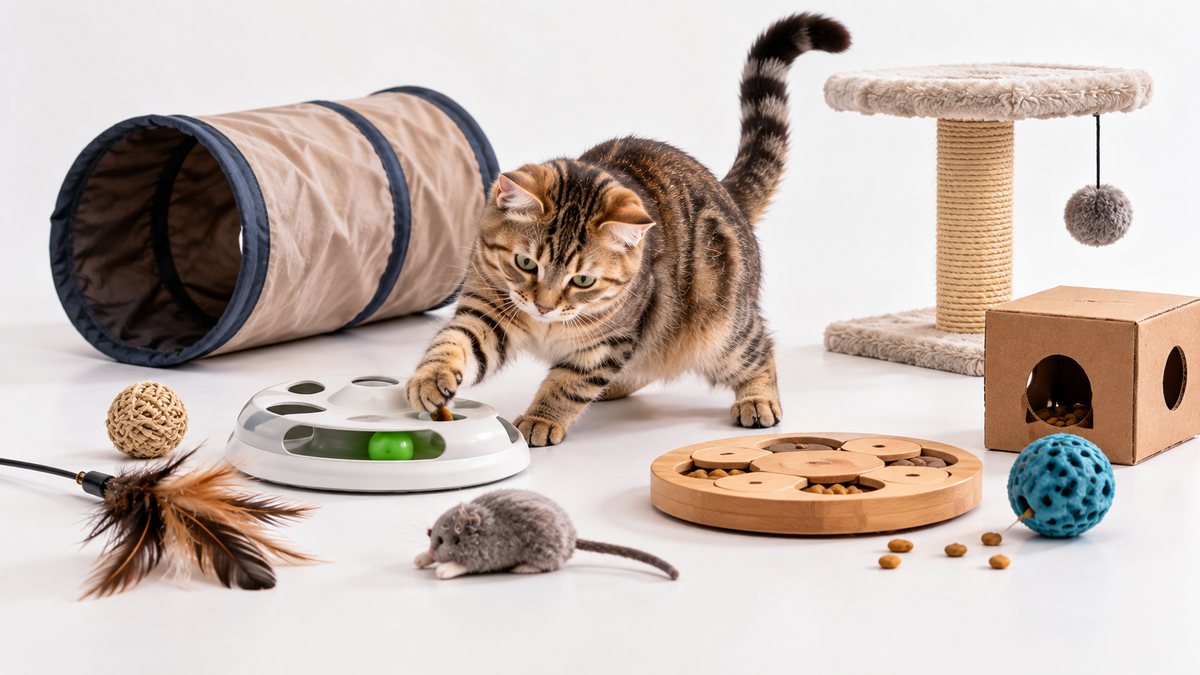
| Enrichment demand | Very high Very high enrichment demand: intense curiosity, activity and playfulness call for frequent hunting games, climbing, puzzles and opportunities to investigate new things. |
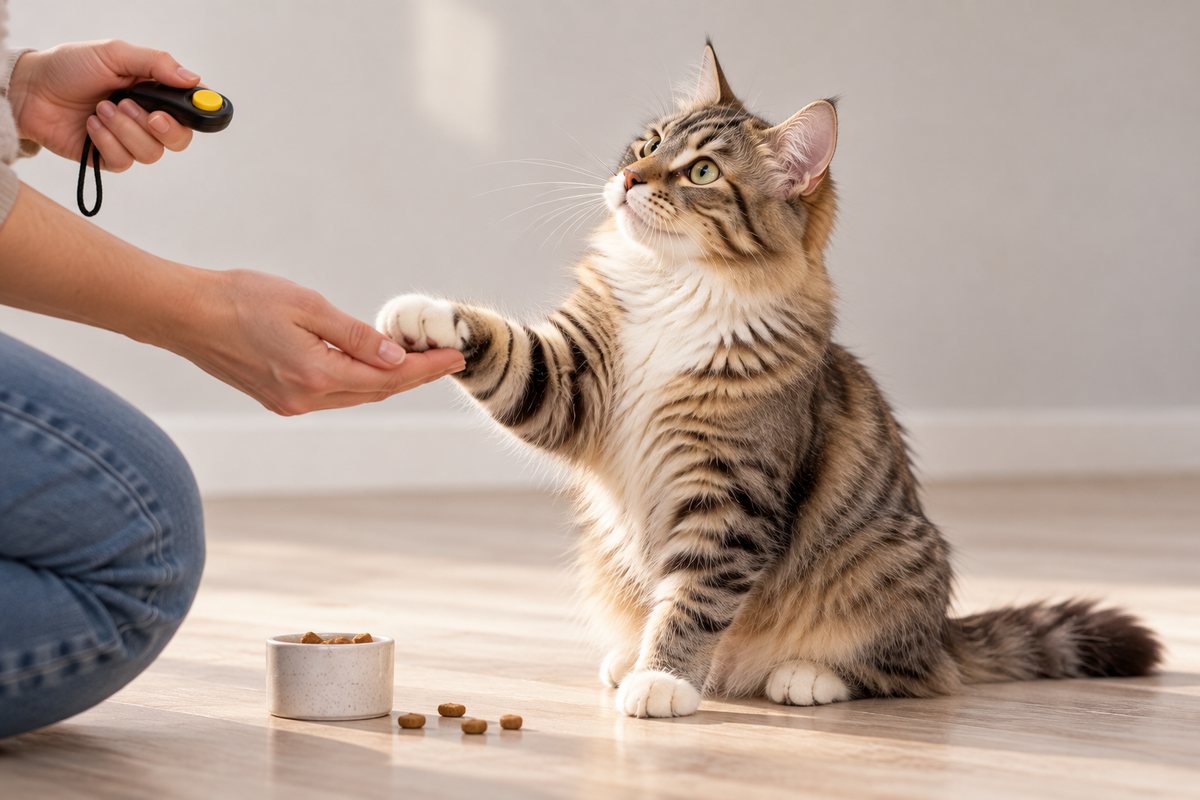
| Learning & training | Very high Lykoi are notably intelligent problem solvers and benefit from training and puzzle toys that require active investigation rather than passive play. |
| Curiosity & exploration | Very high Lykois are exceptionally curious cats with a strong tendency to search, inspect and investigate their environment, often combining exploration with prey-oriented play. |
| Hunting & chasing tendencies | Very high A strong prey drive is a notable part of the Lykoi profile; stalking, tracking, chasing and pouncing are likely to be unusually prominent behaviors. |
| Personality & social | |
| Sociability with familiar people | High Once bonded, Lykoi are notably loyal and form strong relationships with their people. |
| Affection | Loyal and protective Affection often appears as strong loyalty and attentiveness toward familiar people. |
| Lap & cuddling preference | Moderate Lykoi form strong bonds and can be very affectionate, but their energetic, investigative behavior means they often alternate cuddling with patrol, play and exploration. |
| Handling tolerance | Moderate Lykoi are curious and strongly engaged with familiar people but retain an alert, hunting-oriented style; routine handling is usually workable while prolonged restraint may be less appealing. |
| Independence & social demand | High social demand Lykois are active, curious and socially engaged cats that generally benefit from regular interaction with people or compatible animal companions. |
| Vocalization | Low to moderate; individual conversational style varies Usually moderate in vocality; Lykoi are interactive and curious but are not chiefly distinguished by a loud or continuous voice. |
| Response to unfamiliar people | Initially cautious Lykoi often watch unfamiliar people or pets carefully before deciding that they are safe. |
| Adaptability to change | High The Lykoi’s active, inquisitive temperament generally supports good adaptation to environmental change, although secure hiding places help during the first stage of a move or introduction. |
| Noise & busy-environment sensitivity | Low to moderate Active, inquisitive and strongly exploratory, Lykoi generally cope with normal household movement well, though individual caution around unfamiliar sounds remains important. |
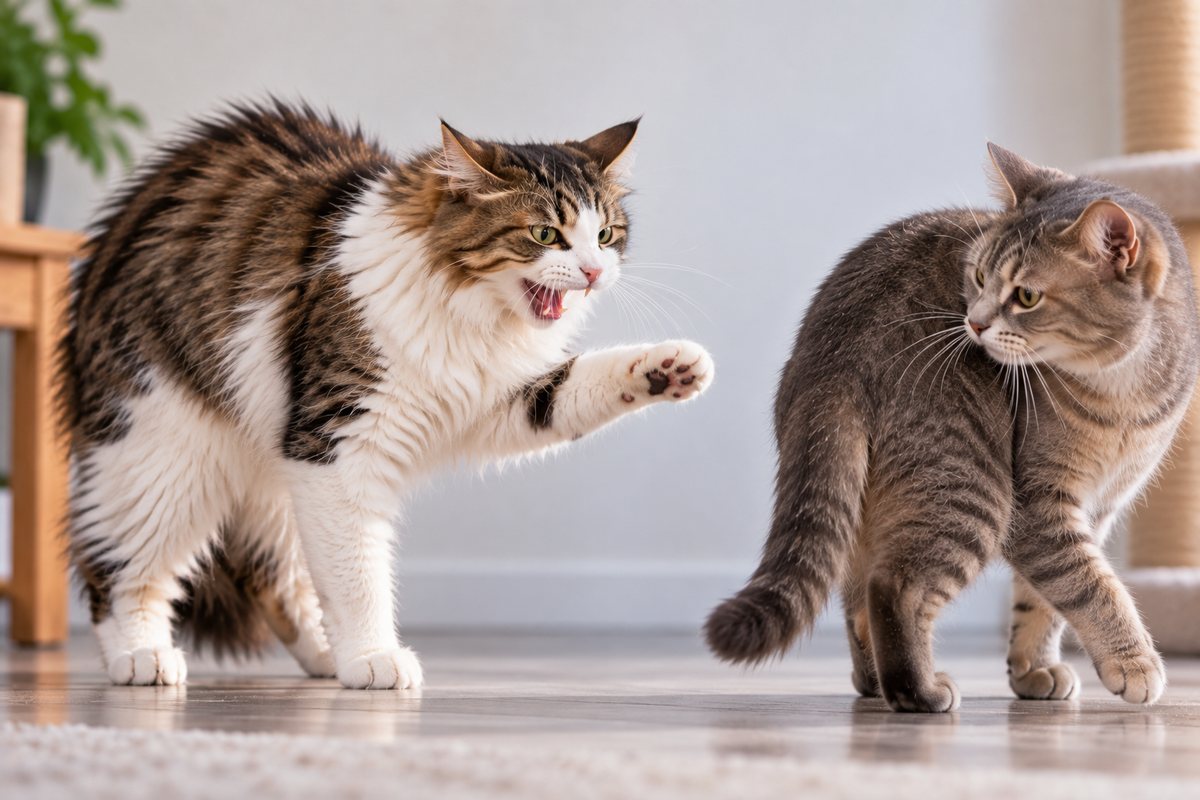
| Defensive & conflict behaviour | Moderate Lykois are active, alert and strongly exploratory, with a temperament sometimes compared with hunting-oriented domestic cats. They are not inherently aggressive, but high arousal and caution with novelty can produce quick warning or defensive responses when pressured. |
| Household & environment | |
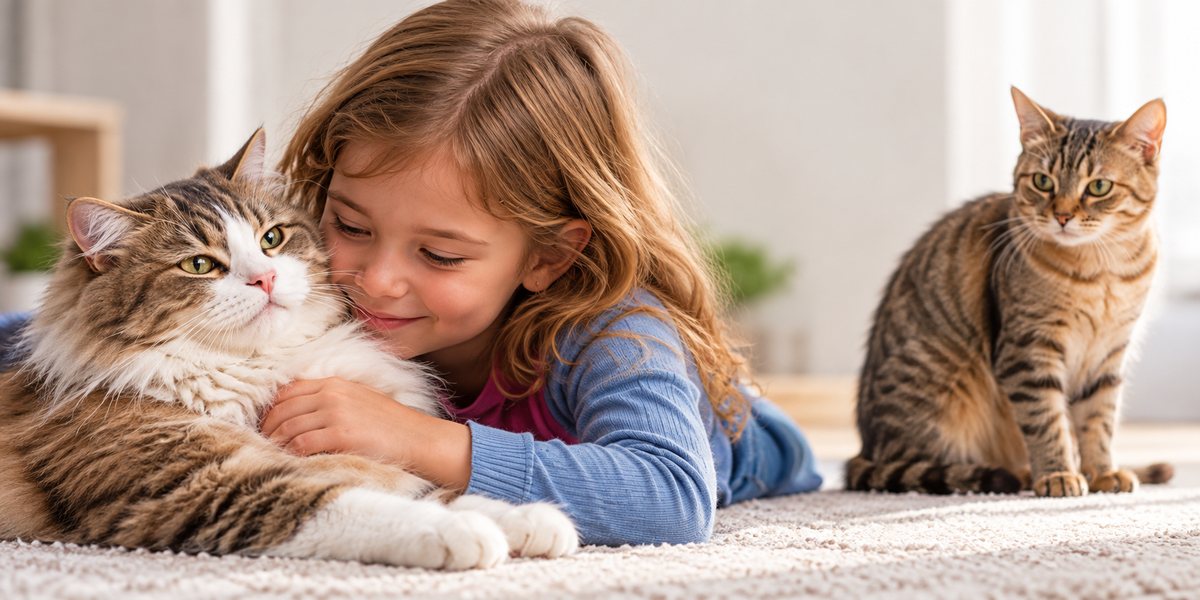
| Living with children | Moderate Lykois are active, intelligent and intensely exploratory cats. They can enjoy children who engage them with games and enrichment, but their high arousal and distinctive coat make calm handling and supervision preferable to rough physical play. |
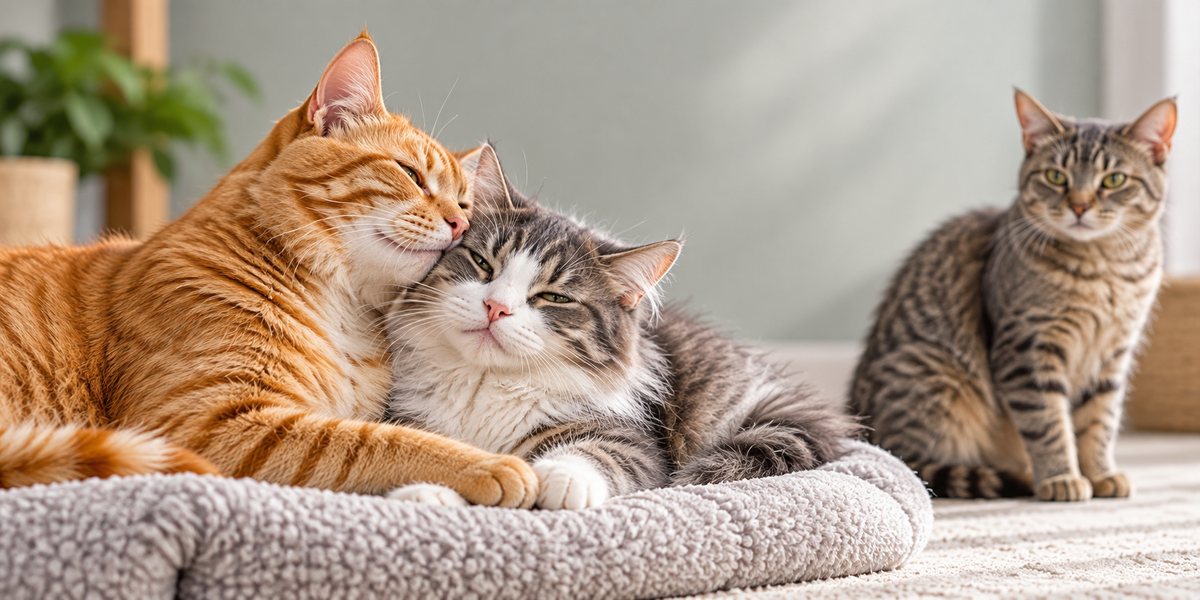
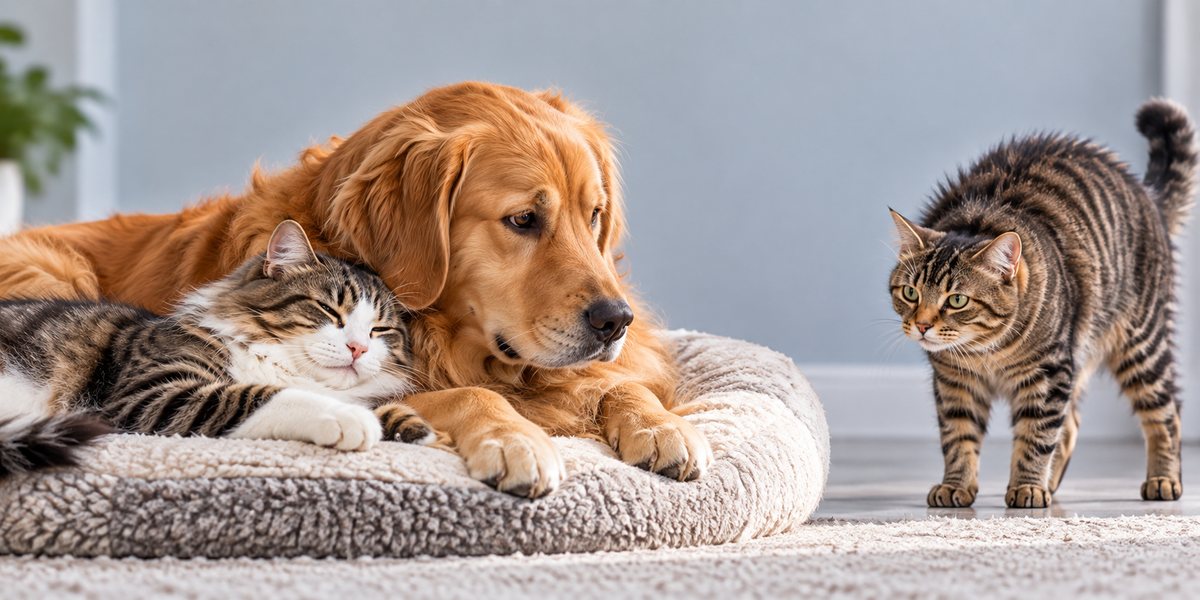
| Living with other cats | Favorable tendency Lykois are active, inquisitive and socially engaged, and many do well with other cats that can match their play and exploration. Their energetic hunting-style play makes temperament matching important, particularly with quiet or physically frail housemates. |
| Living with dogs | Moderate Lykois are active, alert and strongly exploratory cats. Their confidence may support dog companionship, but high arousal on either side can turn interaction into pursuit; a controlled introduction and a dog with good impulse control are important. |
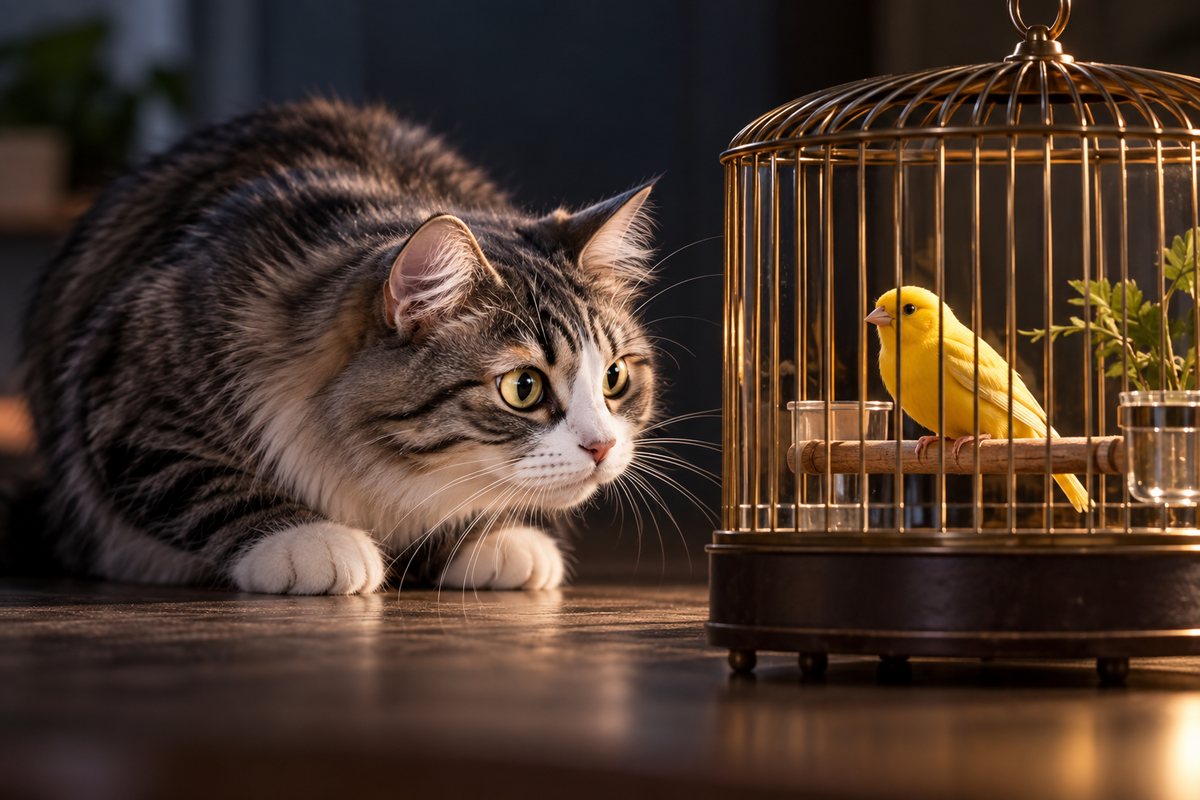
| Living around small pets | Additional caution Lykois have a pronounced stalking, chasing and pouncing style and can show strong prey-oriented play. Birds, rodents and other small pets should therefore be treated as high-risk around them and kept securely separated. |
| Indoor & home environment needs | High enrichment · interactive search play Problem-solving and prey-oriented play favor substantial enrichment. |
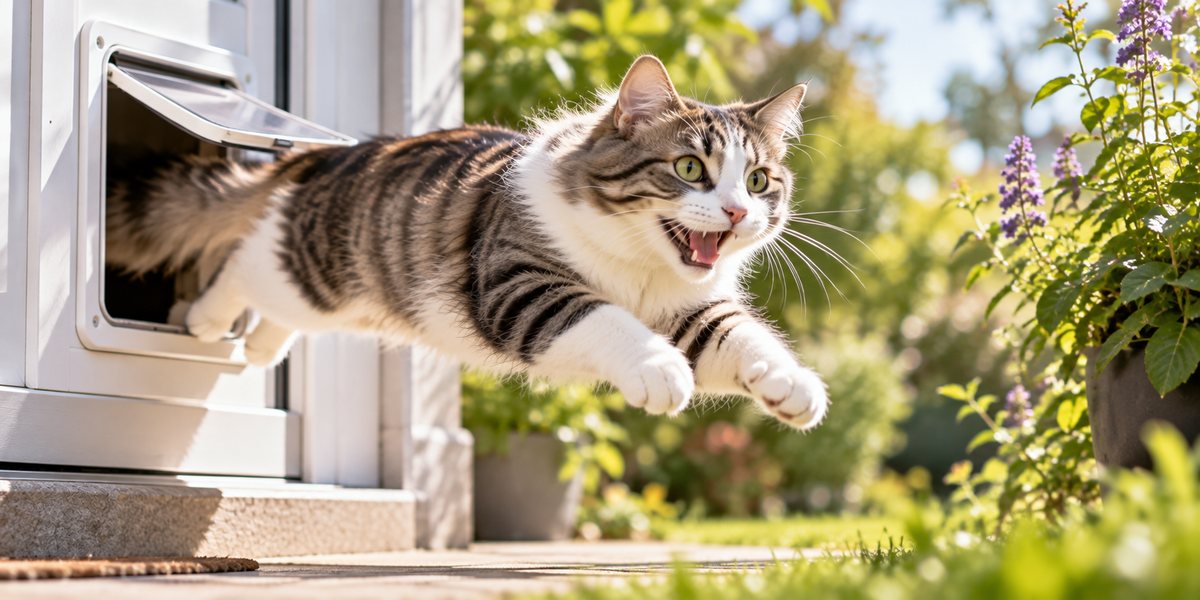
| Outdoor access considerations | Secure access · hunting management Strong prey drive makes hunting impact and secure access relevant. |
| Heat, cold & sun considerations | Sparse coat temperature sensitive Lykois have a sparse, partially hairless coat that provides less insulation and skin protection than a conventional coat. They need warm shelter in cold conditions and shade from intense sun, with direct skin exposure monitored carefully. |
| Caregiver time & experience | High High activity/problem-solving plus unusual coat/skin considerations create above-average involvement. |
| Health & welfare | |
| Documented health predispositions | No major breed-specific predisposition is currently prominent Despite their unusual coat, Lykoi are generally regarded as hardy, healthy cats without a prominent breed-specific disorder. |
| Screening & breeder questions | Ask for documentation relevant to the breed’s recorded health concerns Ask about skin disease, immune problems and heart disease in close relatives, how breeding cats' skin and coat health is evaluated, and how the breeder maintains genetic diversity in this young breed. |
| Conformation-related welfare | Moderate coat concern Lykois are selected for sparse roaned coat and partial hairlessness. Welfare breeding should prioritize healthy skin, normal thermoregulation and robust body condition and avoid selecting for ever greater nakedness simply to intensify the werewolf appearance. |
| Nutrition & weight management | Active lean condition led Lykois are active, lightly coated cats and may look unusually lean because of their sparse coat. Judge nutrition by muscle, ribs and fat cover rather than appearance alone, and match energy intake to actual activity and temperature. |
| Longevity | 12–17 years Lykoi are generally robust despite their unusual coat; about 12–17 years is a reasonable expectation, with some individuals reaching the later teens. |
| Cost & availability | |
| Purchase cost | Very high: $1,500–$3,000+ Lykoi: a practical breeder-market estimate is $1,500–$3,000+; unusual and still relatively rare breed with specialist demand. |
| Adoption & rehoming cost | Very rare in rescue: $100–$600 when genuinely available Lykoi: $100–$600 when genuinely available. The breed is scarce enough that a verified purebred rescue placement is unusual; transport may exceed the adoption fee. |
| Recurring ownership costs | Enrichment/toy replacement Lykois need modest skin and coat observation rather than expensive grooming, but seasonal coat changes can increase cleaning and skin-care attention. Routine food, litter, dental and preventive veterinary costs remain the core budget. |
| Availability, waits & import | Rare but established Lykois have a small but established international breeder network. They remain rare enough that waiting lists and travel are common, and prospective owners should verify skin-health practices and pedigree rather than relying on novelty-market sellers. |
| Identity & real-world context | |
| Ownership & import restrictions | No known breed specific restrictions There are no known breed-specific ownership restrictions. Ordinary animal-welfare, identification, vaccination and cross-border import rules still apply where relevant. |
| Registry recognition | CFA: recognized breed/division · TICA: Championship-recognized / current breed identity · FIFe: fully recognized breed / mapped breed identity Currently recognized in all three registries tracked by the FSC core matrix: CFA, TICA and FIFe. |
| Similar breeds & identity distinctions | Hairless Rex cats Lykois can be mistaken for partially hairless cats, but their characteristic roaning and sparse 'werewolf' coat comes from a distinct hair-follicle phenotype. They are not Sphynx or Donskoy crosses, and pedigree plus the roaned coat pattern distinguishes them. |
| Reported characteristic quirks | Reported 'werewolf' appearance combines with unusually explicit stalking/search play behavior. Lykois can undergo striking seasonal coat changes, sometimes losing much of their sparse coat and later regrowing it. That visual transformation can be more dramatic than ordinary shedding. |
Browse all 53 breed characteristics
Open any characteristic to compare all breeds on that dimension.








 English