
Compare Cat Breeds
Compare up to three breeds across all 53 characteristics. Values are shown directly so the differences are easier to scan.
| Characteristic |  LaPerm |
|---|---|
| Body & development | |
| Adult size | Small to medium |
| Adult weight | Females 2.7–4.1 kg (6.0–9.0 lb); Males 3.2–5.4 kg (7.1–11.9 lb) Females are commonly about 2.7–4.1 kg (6.0–9.0 lb) and males about 3.2–5.4 kg (7.1–11.9 lb). |
| Build & distinguishing morphology | Semi foreign · medium boning Build: semi foreign; medium boning. |
| Maturation | 18-24 months LaPerms generally reach their adult frame by around a year and continue filling out through roughly 18–24 months; longhaired individuals may take longer, sometimes approaching three years, to show their fullest mature coat. |
| Coat & appearance | |
| Coat length | Short · long Occurs in both shorthair and longhair forms, with curly or sometimes straight coat expression. |
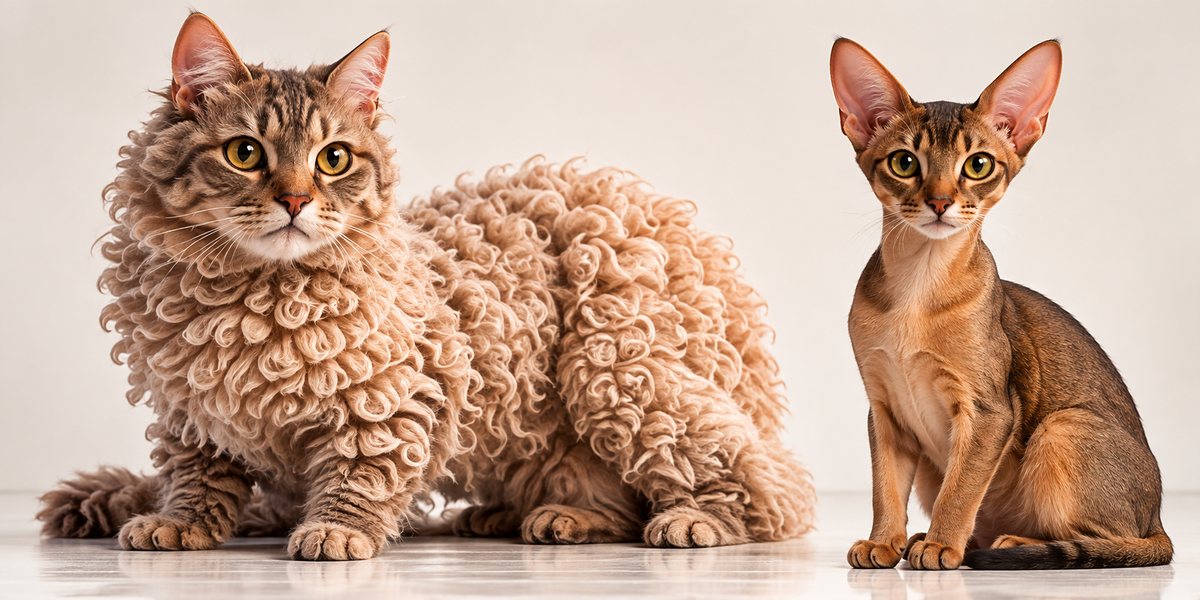
| Coat texture & undercoat | Curly · guard awn down present · light airy · little undercoat Coat: curly; guard awn down present; light airy; little undercoat. |
| Colors & patterns | Any color pattern Colors/patterns: any color pattern. |
| Eye colors | All eye colors; coat-dependent All usual feline eye colours occur, generally related to coat colour rather than restricted by breed. |
| Coat & routine care | |
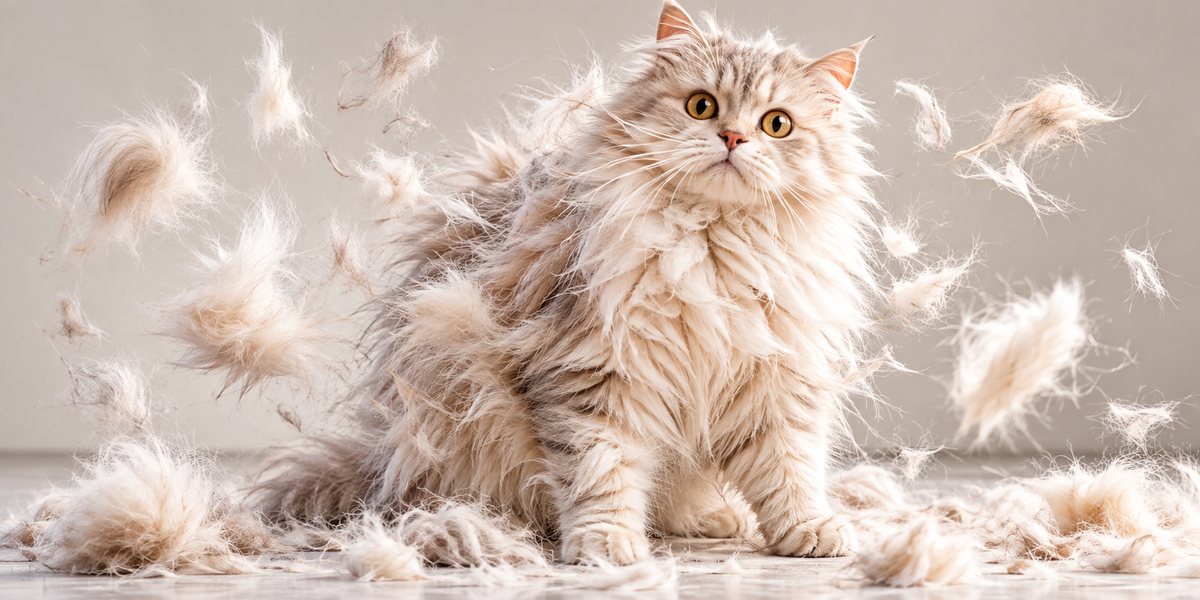
| Shedding | Low to moderate Low to moderate shedding; loose curls often retain shed hairs until combed, and seasonal coat changes can be conspicuous. |
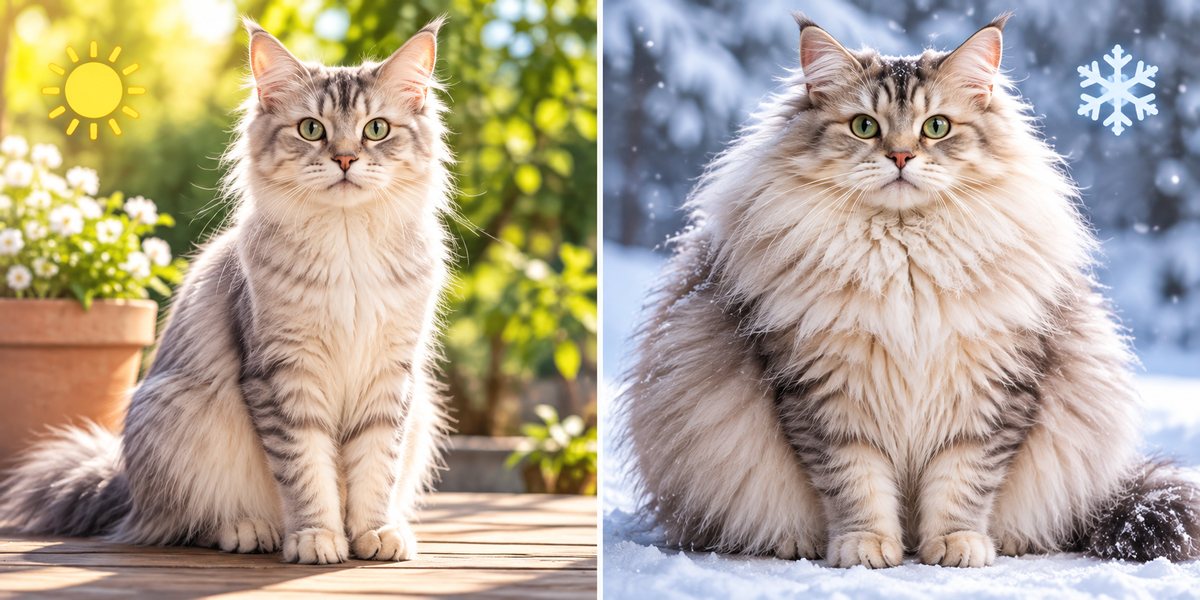
| Seasonal coat changes | Lighter summer coat · fuller winter ruff tail Seasonal coat: lighter summer coat; fuller winter ruff tail. |
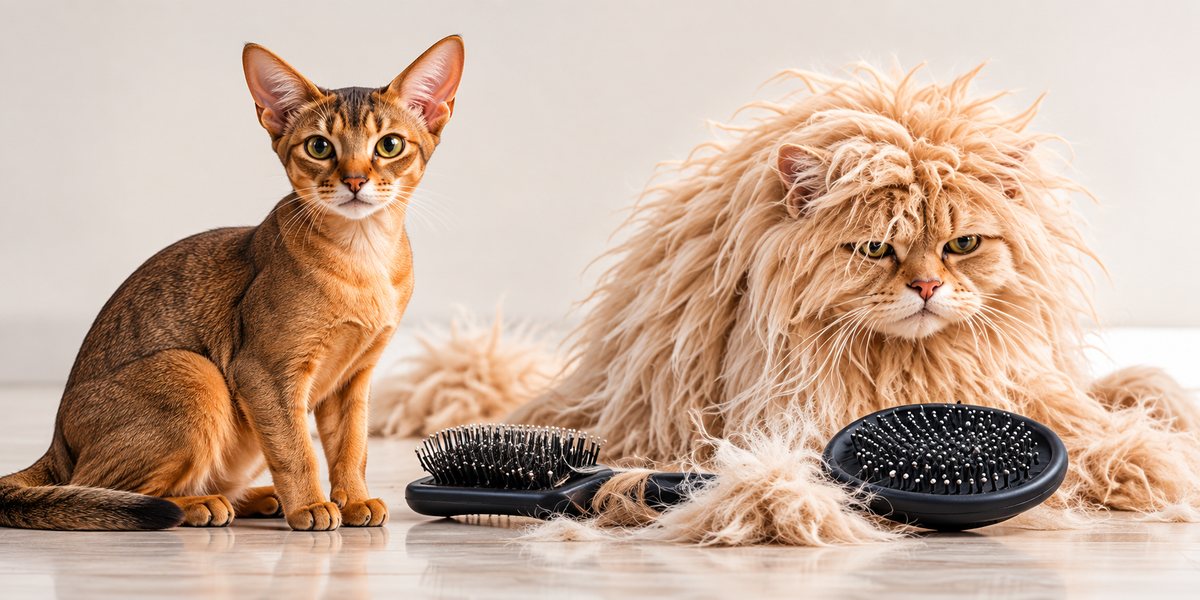
| Brushing & combing | Light comb Brushing/combing: light comb. |
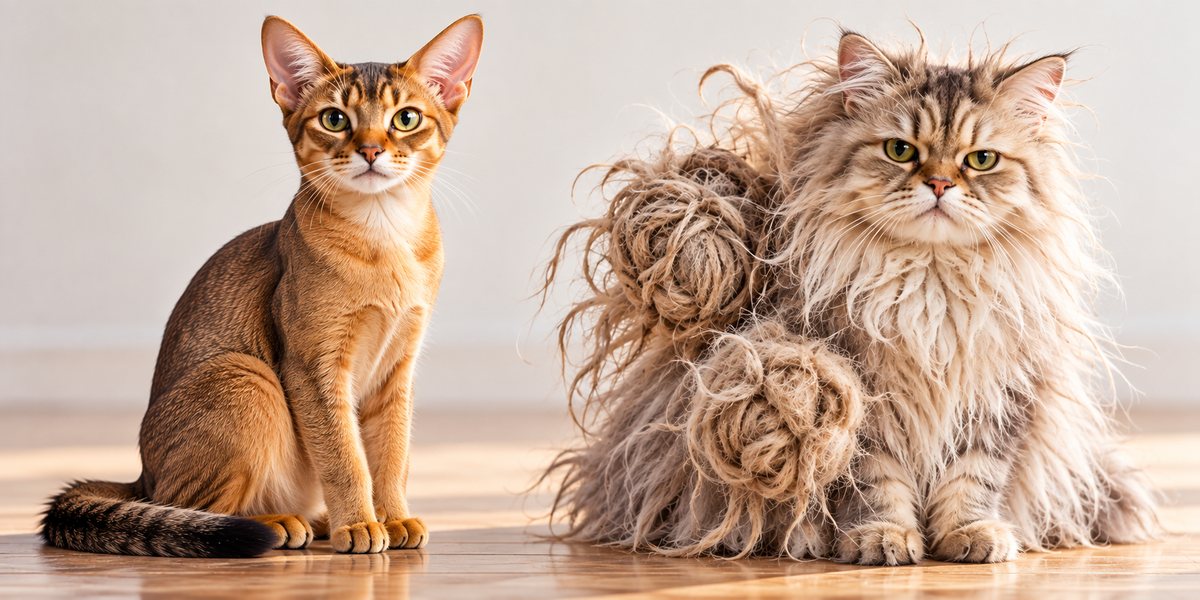
| Tangle & matting tendency | Low to moderate The airy curls carry little heavy undercoat and are often less mat-prone than they look, but ringlets can knot if allowed to felt together. |
| Skin & bathing care | Bath and towel dry optional · avoid blowdrying to preserve curl Skin/bathing: bath and towel dry optional; avoid blowdrying to preserve curl. |
| Distinctive routine care | Gentle curl care LaPerm curls are best maintained with gentle combing or finger grooming rather than heavy brushing that pulls the coat straight or breaks it. Check skin, ears, nails and teeth routinely and increase detangling when longer coats need it. |
| Allergy & allergen evidence | No breed specific reduction established There is no known reason to regard this breed as hypoallergenic. All cats produce allergens, and coat length or shedding alone does not determine allergy risk. |
| Activity & intelligence | |
| Activity level | High |
| Playfulness | Very high |
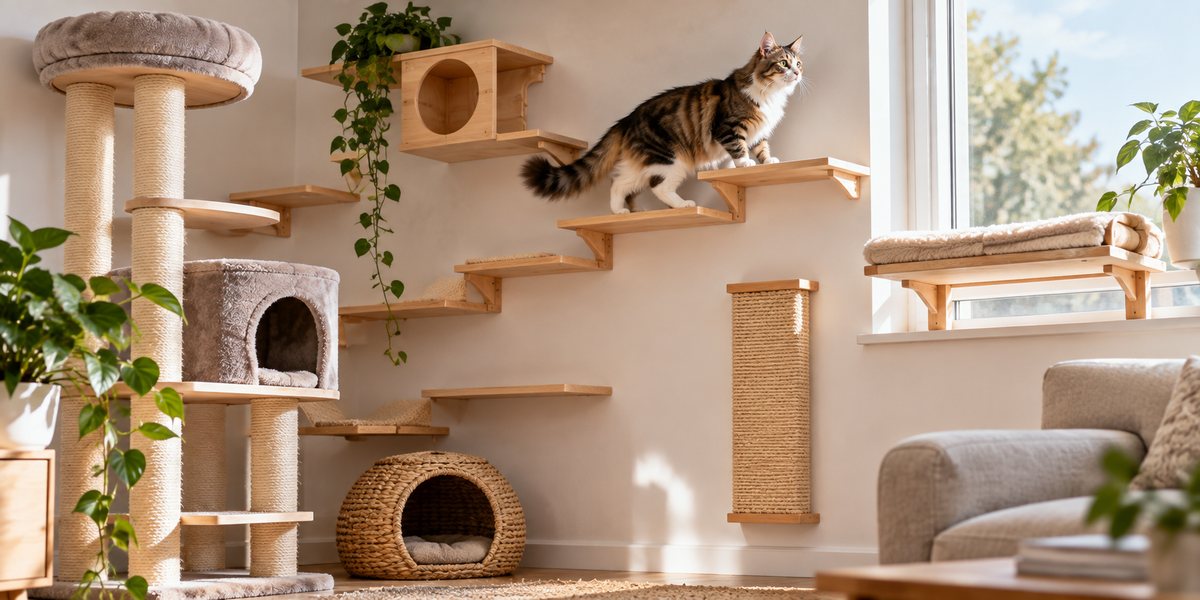
| Climbing & jumping | Very high LaPerms are active, curious and light on their feet, commonly exploring shoulders and high household positions; ample vertical territory suits them. |
| Enrichment demand | High High enrichment demand: frequent play, climbing and changing interactive activities suit its very playful, agile and inquisitive temperament. |
| Learning & training | High LaPerms are inquisitive and people-oriented enough to learn routines, handling cues and simple tricks readily, especially when training is gentle and interactive. |
| Curiosity & exploration | High LaPerms are active, people-oriented cats that commonly investigate their surroundings and seek interaction; curiosity is typically high without necessarily reaching Bengal-like intensity. |
| Hunting & chasing tendencies | High LaPerms are curious, active companions, so above-average chase play is likely, though their social orientation may make interactive games more attractive than solitary hunting. |
| Personality & social | |
| Sociability with familiar people | Very high LaPerms are notably people-oriented and affectionate, often seeking laps, shoulders or close proximity and taking an active interest in their family. |
| Affection | Lap contact · shoulder contact · following · physical LaPerm affection is notably physical: many seek laps or shoulders, follow their people and use touch and close proximity to maintain contact. |
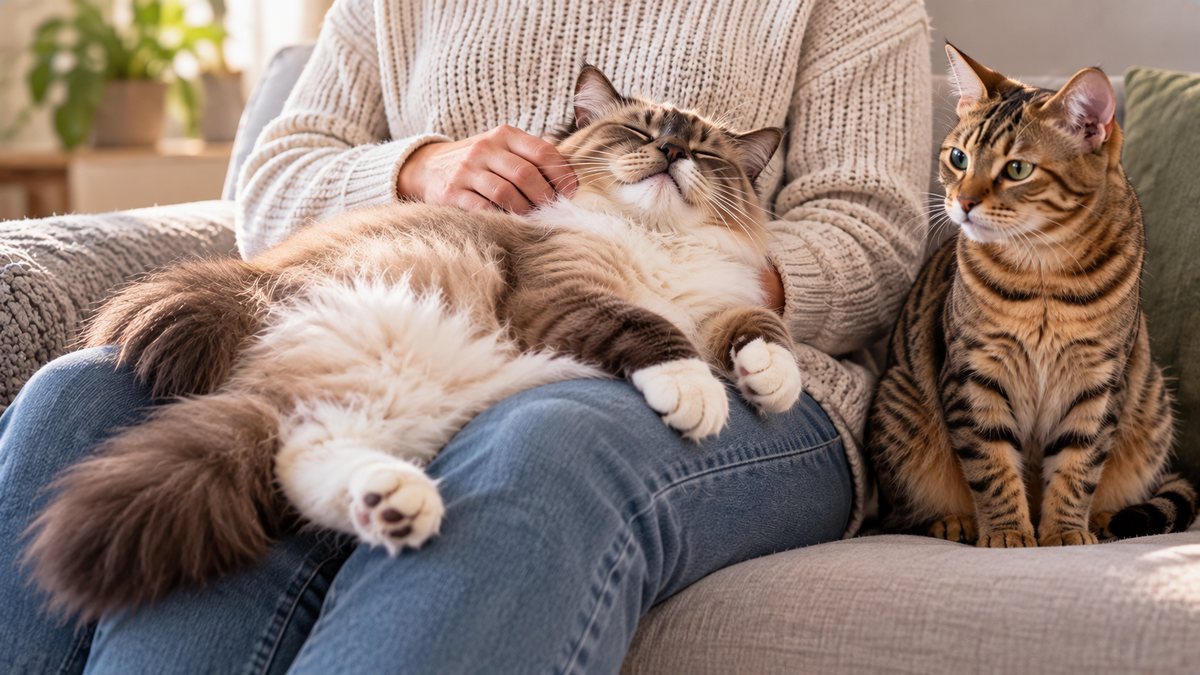
| Lap & cuddling preference | High LaPerms are notably people-oriented and often seek faces, shoulders and laps; physical closeness is a characteristic part of their affectionate style. |
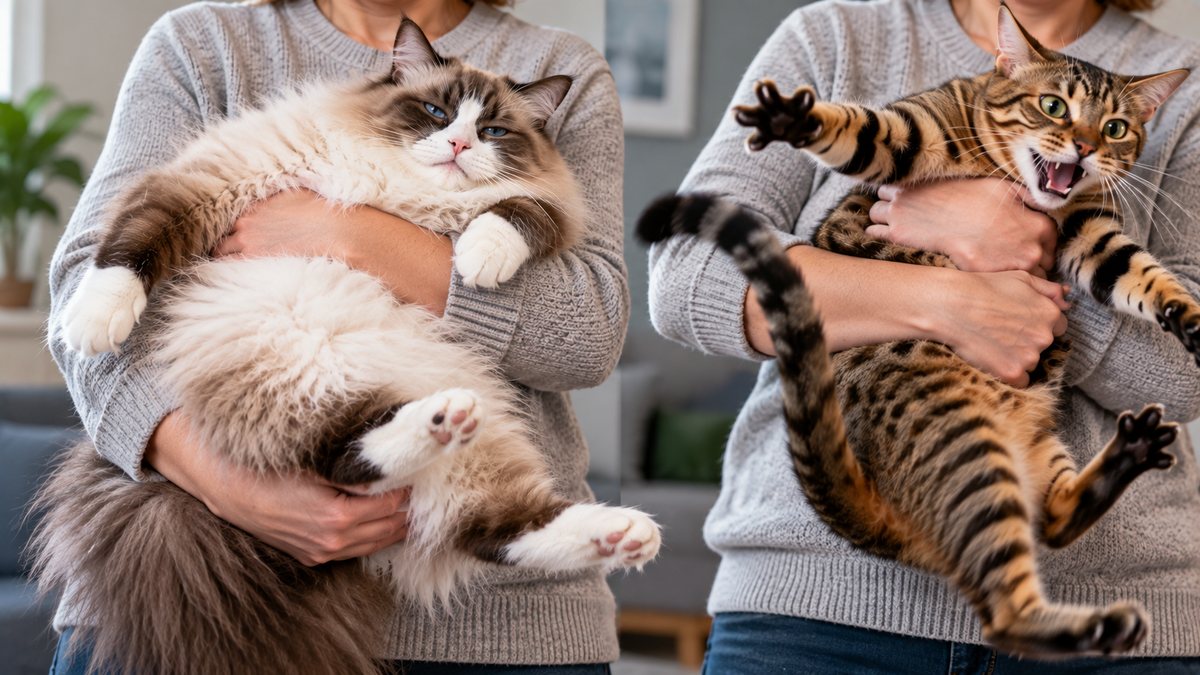
| Handling tolerance | High LaPerms are commonly affectionate, people-seeking cats and often enjoy shoulder or lap contact, translating into good tolerance of grooming and routine handling. |
| Independence & social demand | High social demand LaPerms are notably people-oriented and affectionate, often seeking proximity and interaction while still allowing periods of independent activity. |
| Vocalization | Low Generally not vocal. |
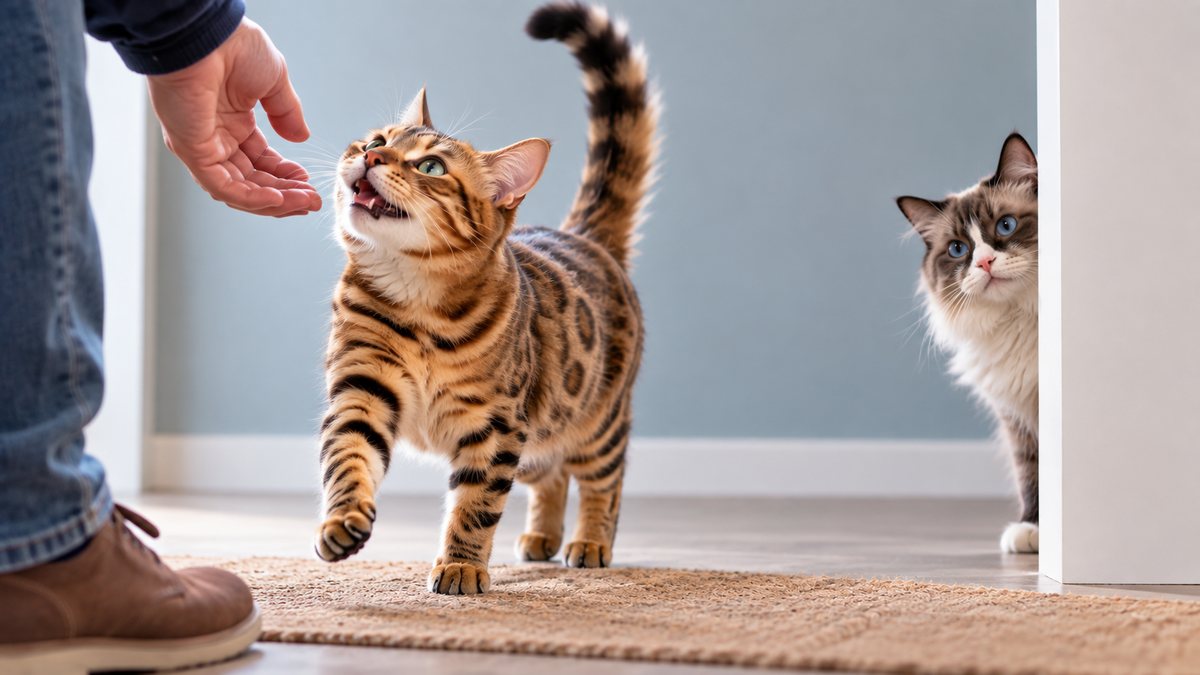
| Response to unfamiliar people | Very high LaPerms are notably affectionate, inquisitive and people-focused, and many readily approach visitors or seek contact after minimal hesitation. |
| Adaptability to change | High LaPerms are typically curious, affectionate, and socially flexible, a combination that usually makes moves, visitors, and routine changes comparatively easy to absorb. |
| Noise & busy-environment sensitivity | Low to moderate LaPerms are typically curious, affectionate and adaptable, and most should manage routine household activity well without being notably noise-sensitive. |
| Defensive & conflict behaviour | Low LaPerms are typically affectionate, curious and people-oriented. They generally favor approach or withdrawal over confrontation, with defensive reactions most likely when restraint is prolonged or the cat cannot disengage. |
| Household & environment | |
| Living with children | Good LaPerms are typically affectionate, curious and people-oriented, and many enjoy interactive family life. They can suit respectful children well; their curly coat should be handled gently and the cat allowed to end contact when it chooses. |
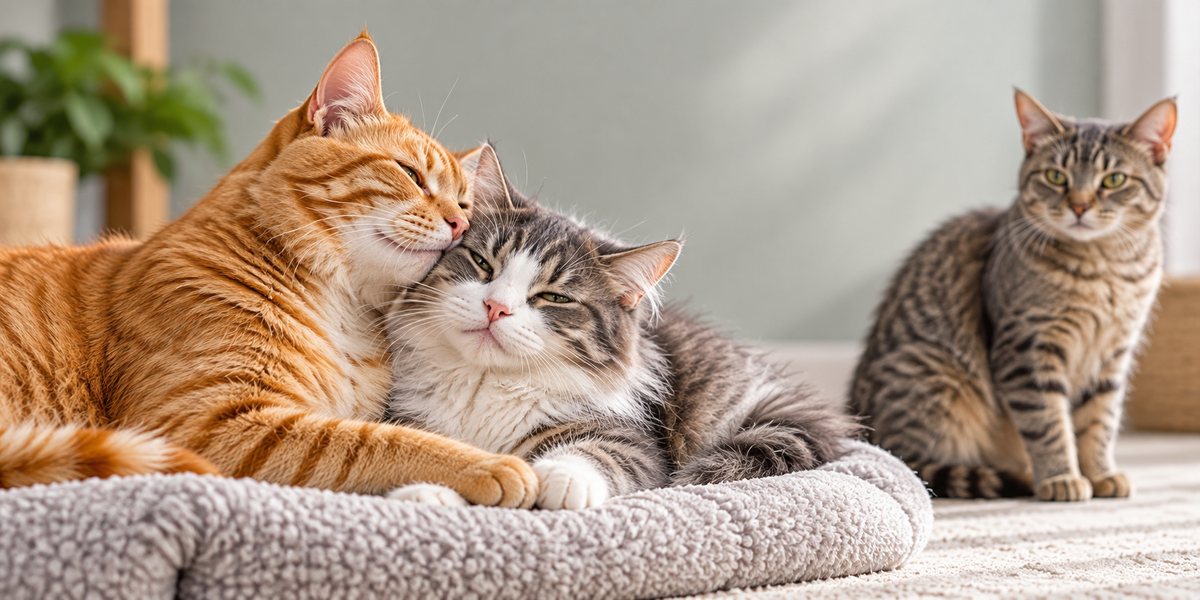
| Living with other cats | Favorable tendency Strong companionship needs make a compatible cat or cat-friendly dog a useful household companion. |
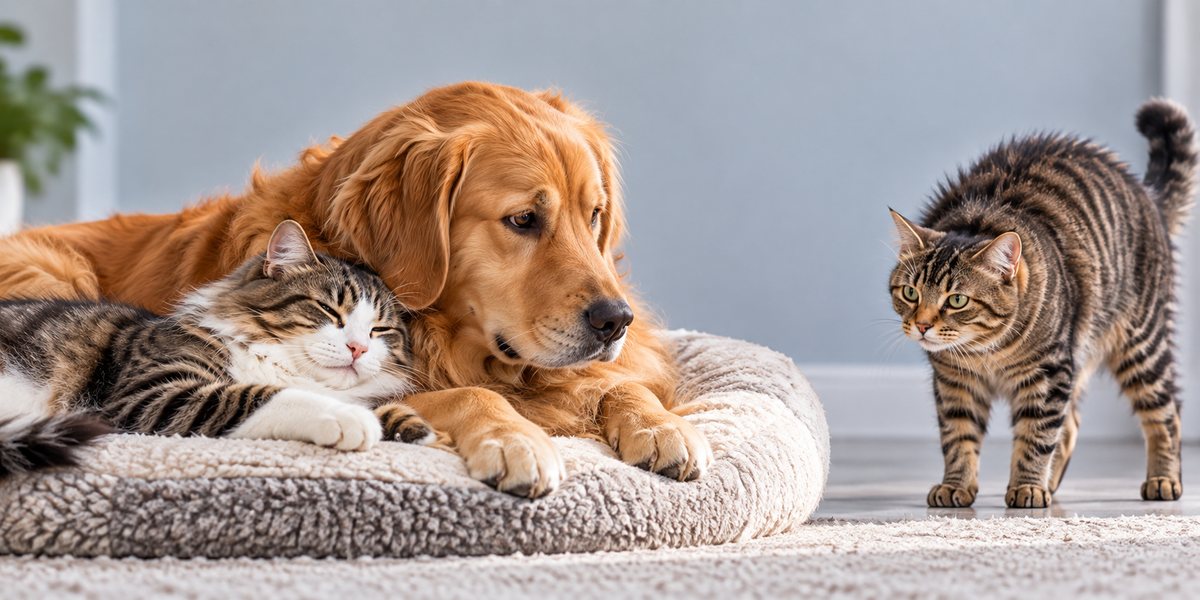
| Living with dogs | Good LaPerms are typically affectionate, curious and socially engaged. Many can adapt well to a friendly dog, especially when introductions are gradual and the cat can choose whether to interact or retreat. |
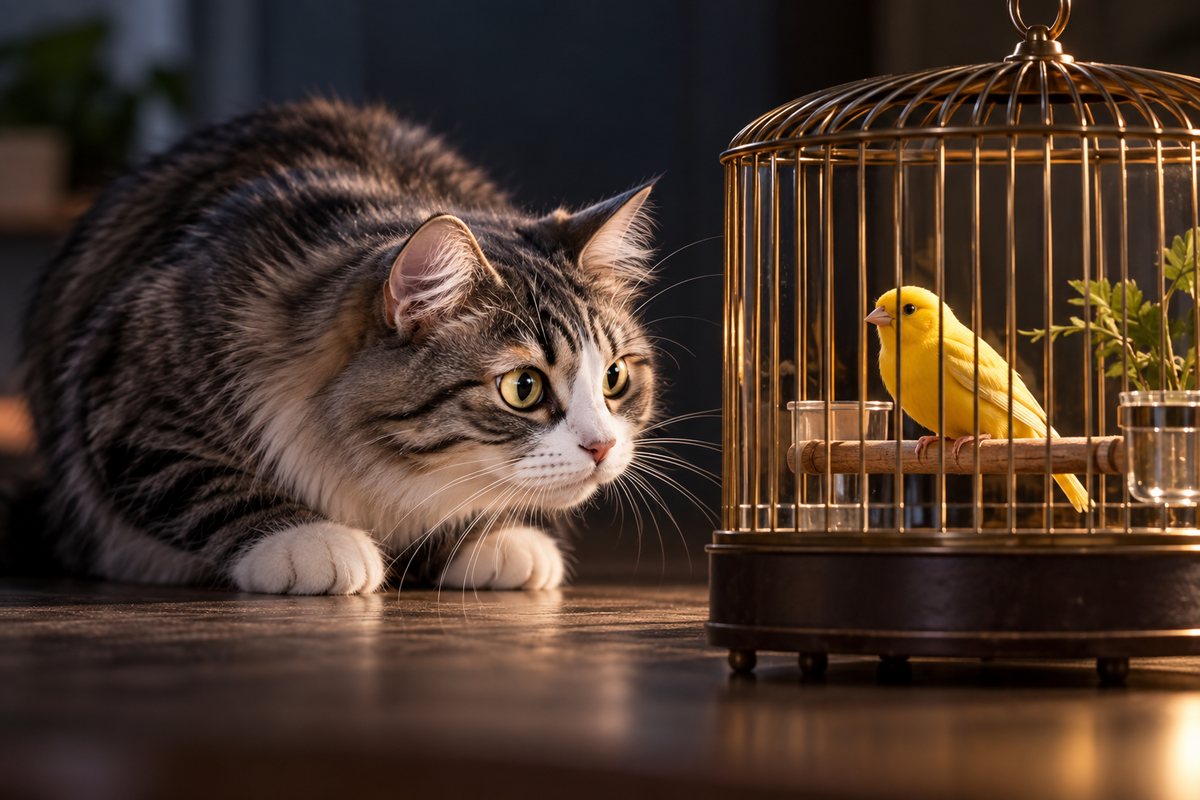
| Living around small pets | Normal predatory caution LaPerms are curious and playful, but the breed is not distinguished by an exceptional prey-drive profile. They still retain ordinary feline stalking and pouncing, so vulnerable small pets require secure separation. |
| Indoor & home environment needs | Social enriched indoor LaPerms are affectionate, curious and moderately active. They generally thrive indoors with accessible climbing and observation points, scratching surfaces, regular interactive play and opportunities to remain near their people. |
| Outdoor access considerations | Secure optional LaPerms are curious, playful companions and can enjoy outdoor sights and scents without needing to roam. A catio, secure garden or supervised access adds variety while preserving safety. |
| Heat, cold & sun considerations | Variable coat adaptable LaPerm coats vary from short to long and from relatively sparse to fuller curls, so climate tolerance varies between individuals. Lightly coated cats may seek extra warmth, while fuller-coated cats need cool retreats and hydration in hot weather. |
| Caregiver time & experience | Moderate LaPerms are affectionate, curious cats with coat care that varies by curl and length but is usually manageable. Regular social interaction, play and gentle grooming suit them; specialist experience is not normally necessary. |
| Health & welfare | |
| Documented health predispositions | No prominent breed-specific disorder is established The LaPerm is generally regarded as a healthy breed without a prominent breed-specific disorder defining routine care. |
| Screening & breeder questions | Ask for documentation relevant to the breed’s recorded health concerns Ask about hypertrophic cardiomyopathy, kidney disease, patellar luxation and recurring skin problems in the family, and what veterinary or genetic screening the breeder uses for their particular lines. |
| Conformation-related welfare | Low coat concern LaPerms are structurally moderate and distinguished mainly by their curly coat. Welfare selection should maintain healthy skin, whiskers and adequate coat coverage while preserving ordinary feline proportions and movement. |
| Nutrition & weight management | Active condition led LaPerms are playful, active cats without a special dietary requirement. Feed a complete diet according to body condition and exercise, adjusting portions as activity changes rather than relying on a breed formula. |
| Longevity | 12–15 years; some reach about 20 A typical reported life span is about 12–15 years, with some LaPerms reported to reach around 20. |
| Cost & availability | |
| Purchase cost | High: $800–$2,000 LaPerm: a practical breeder-market estimate is $800–$2,000. This reflects that it is an recognized rex breed with a modest specialist breeder base. |
| Adoption & rehoming cost | Uncommon in rescue: $100–$500 typical rescue/adoption fee LaPerm: $100–$500 typical rescue/adoption fee. The breed does appear in rescue, but much less often than mixed-breed cats or the most numerous pedigrees. |
| Recurring ownership costs | Enrichment/toy replacement LaPerm grooming is usually inexpensive when gentle home combing is consistent. Food, litter, preventive care and interactive enrichment are the main recurring costs; professional coat care is rarely an inherent necessity. |
| Availability, waits & import | Moderately available LaPerms have established breeders in North America, Europe and several other regions but remain a minority breed. Prospective owners can often find a breeder regionally, though waiting and travel are common. |
| Identity & real-world context | |
| Ownership & import restrictions | No known breed specific restrictions There are no known breed-specific ownership restrictions. Ordinary animal-welfare, identification, vaccination and cross-border import rules still apply where relevant. |
| Registry recognition | CFA: recognized breed/division · TICA: Championship-recognized / current breed identity · FIFe: fully recognized breed / mapped breed identity Currently recognized in all three registries tracked by the FSC core matrix: CFA, TICA and FIFe. |
| Similar breeds & identity distinctions | Other Rex breeds LaPerms have a loose, springy curly coat that may be short or long and a moderate body. Unlike the very short close waves of Cornish Rex or sparse Devon coat, LaPerm curls often form ringlets and waves with a softer, less structurally extreme overall type. |
| Reported characteristic quirks | Individual quirks often center on play and exploration LaPerms are often unusually tactile with people, using paws, head rubs and close face contact; some readily ride on shoulders or settle around the neck. |
Browse all 53 breed characteristics
Open any characteristic to compare all breeds on that dimension.




 English