
Compare Cat Breeds
Compare up to three breeds across all 53 characteristics. Values are shown directly so the differences are easier to scan.
| Characteristic | 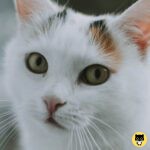 Korean Bobtail |
|---|---|
| Body & development | |
| Adult size | Medium |
| Adult weight | 3.0–5.5 kg (6.6–12.1 lb) The Korean Bobtail is a medium natural type; about 3.0–5.5 kg (6.6–12.1 lb) is a reasonable working range. |
| Build & distinguishing morphology | Medium · balanced athletic · strong hindquarters · bobtail The Korean Bobtail is best approximated as a medium, balanced natural cat with athletic hindquarters and the characteristic shortened or kinked tail. |
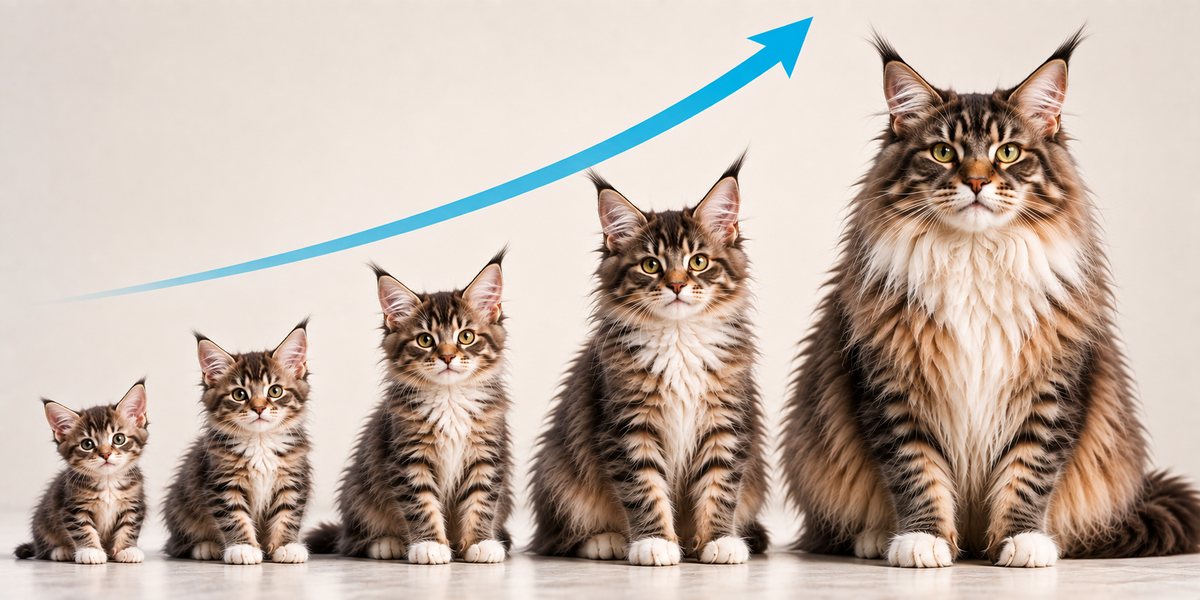
| Maturation | 12-18 months As a moderate natural bobtail type, most skeletal growth is expected within the first year, followed by adult filling-out through roughly 12–18 months. |
| Coat & appearance | |
| Coat length | Short · long Breed/landrace references commonly describe short and long coat forms. |
| Coat texture & undercoat | Short to medium · dense seasonal undercoat The Korean Bobtail natural type has a practical short-to-medium coat with a seasonally denser undercoat suited to a temperate climate. |
| Colors & patterns | Broad natural palette; tabby · bicolor · calico · solid The natural Korean bobtail population spans common domestic colours, especially tabbies, bicolours and calicos, as well as solids. |
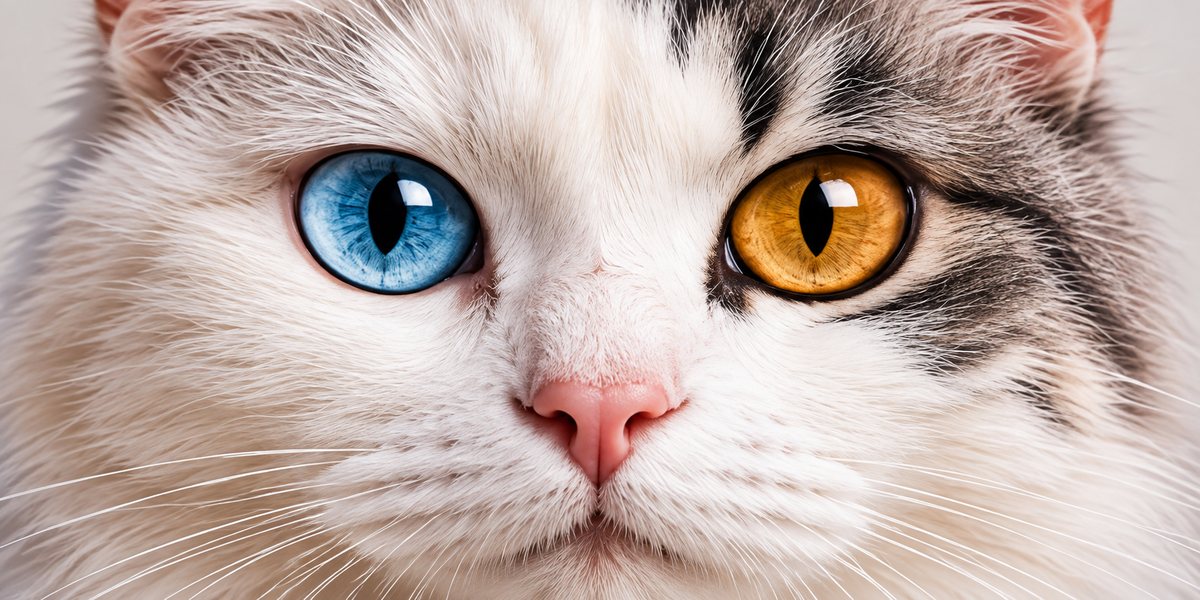
| Eye colors | Green · gold · copper · blue; coat-dependent A broad natural-population range is expected, commonly green, gold or copper, with blue possible in white cats. |
| Coat & routine care | |
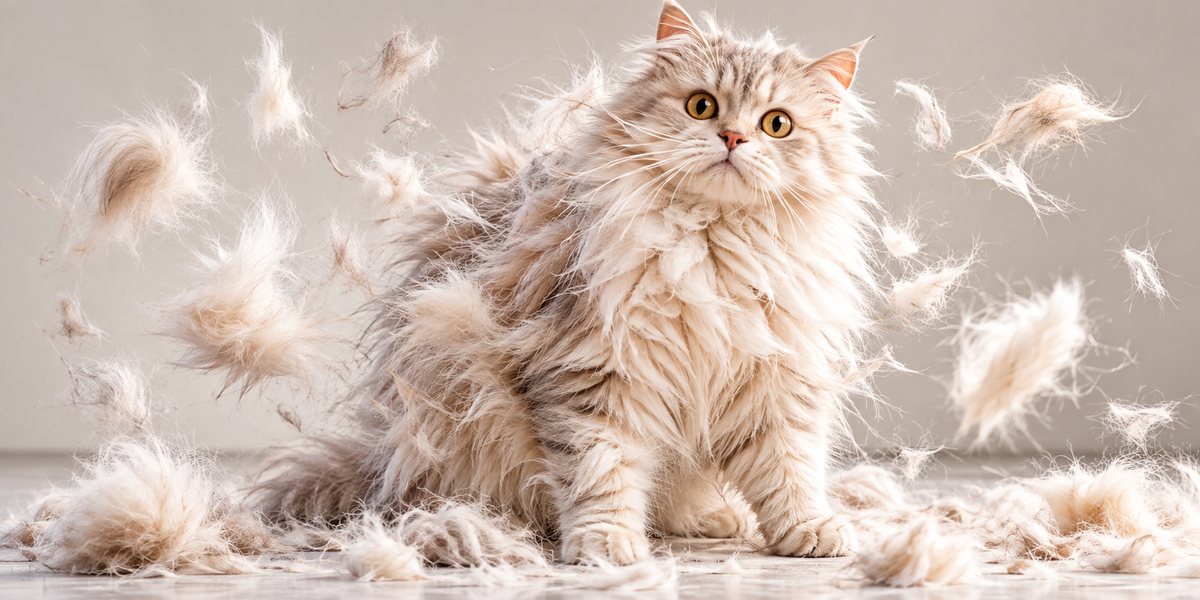
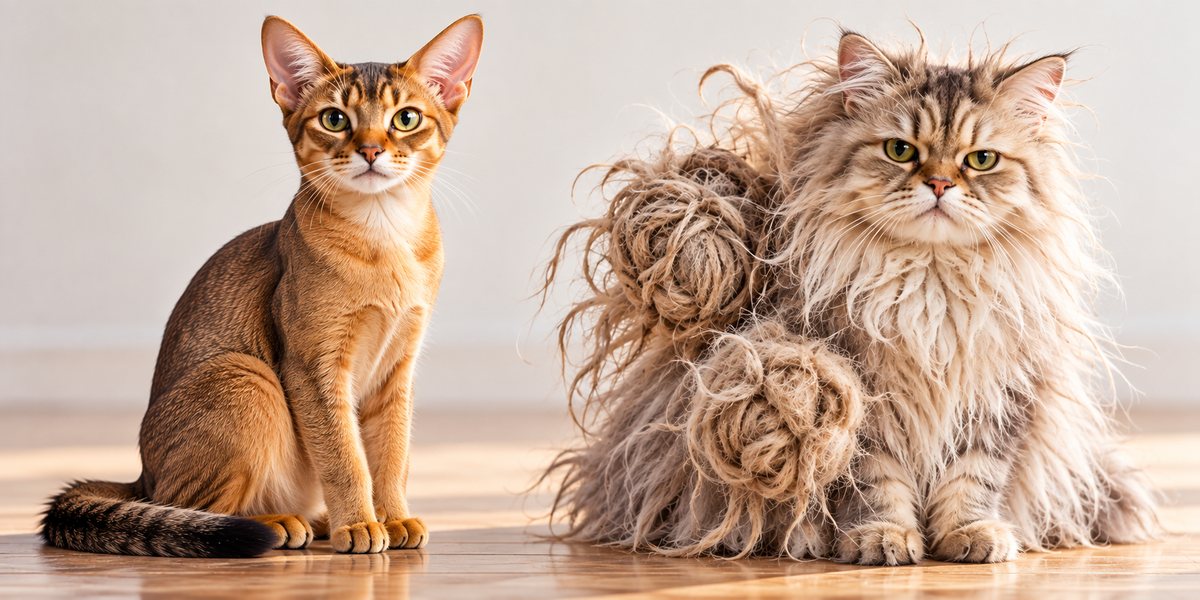
| Shedding | Moderate seasonal Moderate seasonal shedding is the best estimate for this naturally adapted bobtail population, with coat density varying by line. |
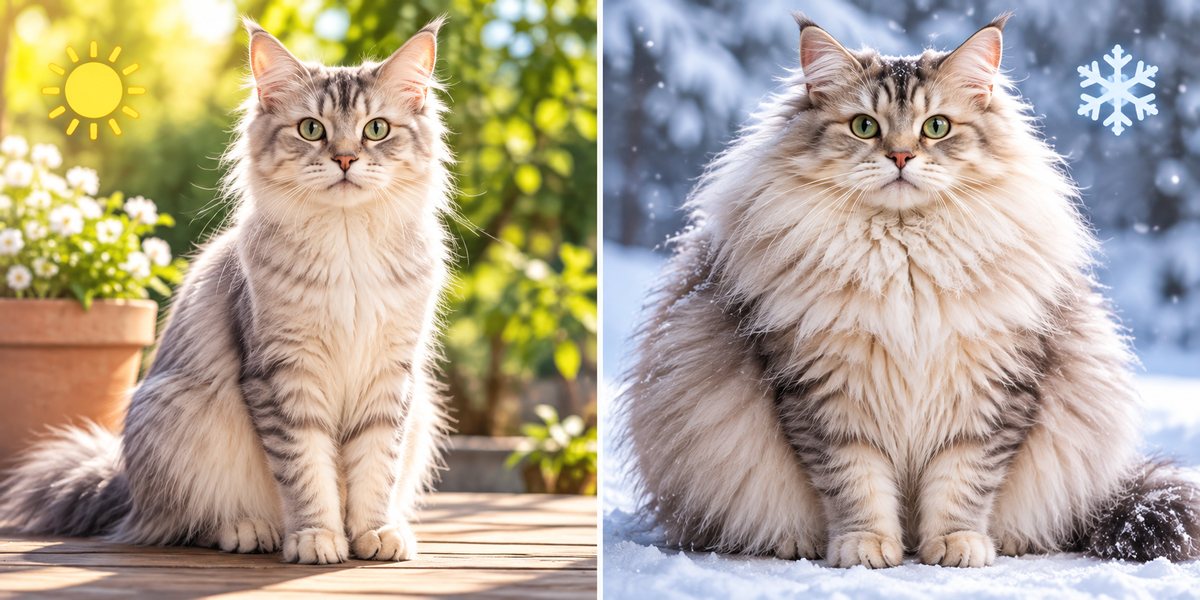
| Seasonal coat changes | Moderate spring shed The Korean Bobtail’s weather-adapted coat typically carries more undercoat in cold weather and sheds it noticeably as temperatures rise in spring. |
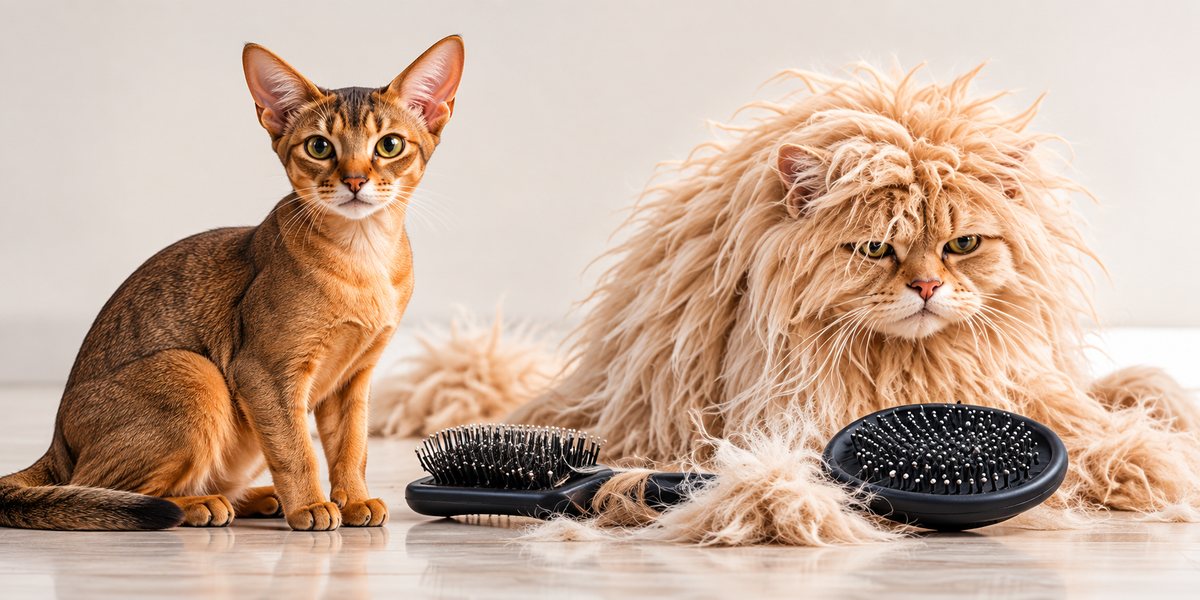
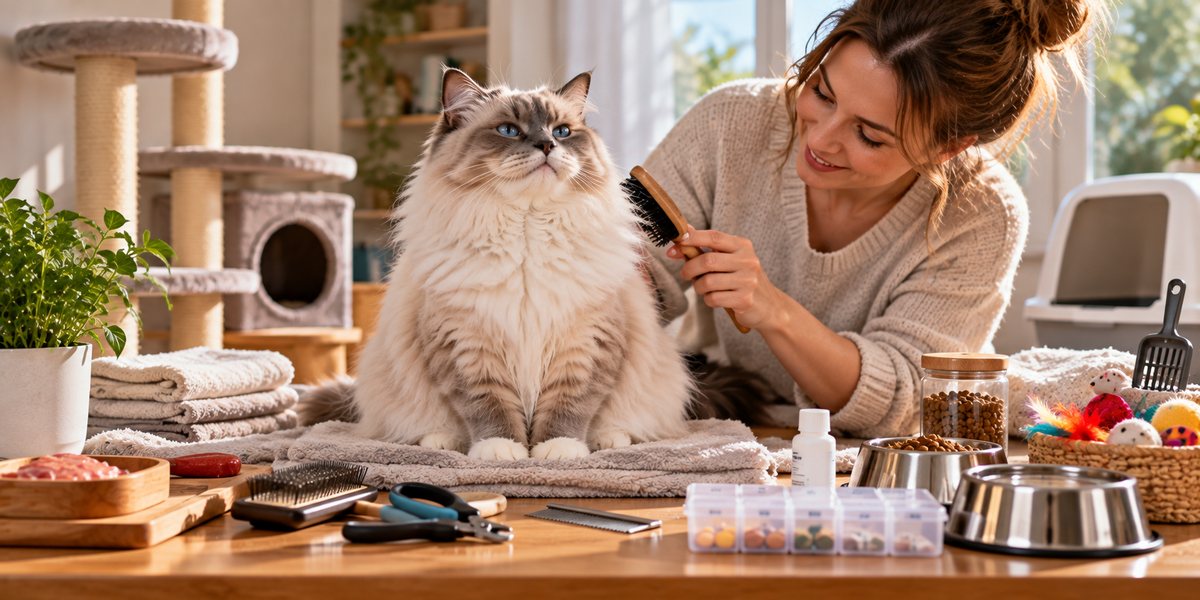
| Brushing & combing | 3x week or as needed A weekly combing is a reasonable minimum, increasing to several sessions during seasonal coat release or for fuller-coated individuals. |
| Tangle & matting tendency | Low to moderate seasonal The short-to-medium natural coat is usually manageable, but denser seasonal undercoat can knot in fuller-coated individuals. |
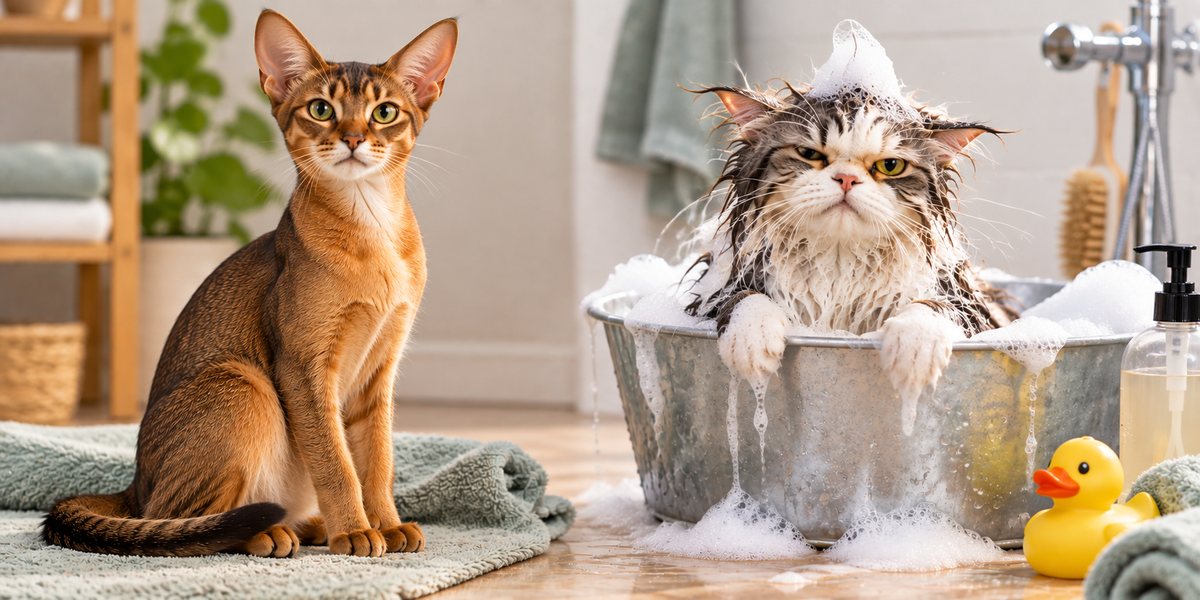
| Skin & bathing care | Bathing not routinely needed Routine bathing is generally unnecessary; bathe only when the coat is genuinely soiled or for a specific veterinary or grooming reason. |
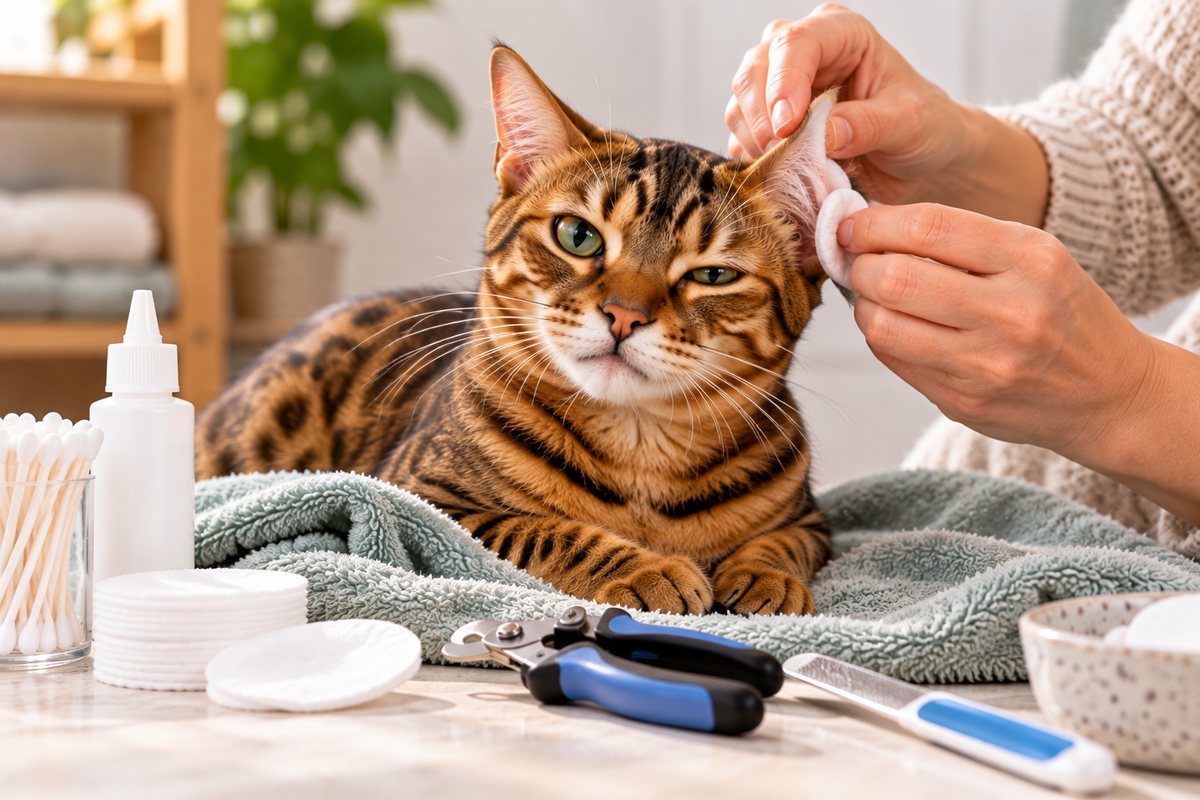
| Distinctive routine care | Coat tail check Routine brushing should match the individual's coat length, with ordinary nail, ear and dental care. Because breed documentation is limited, also make a habit of noticing tail comfort, spinal movement and gait rather than assuming the bobtail is always functionally irrelevant. |
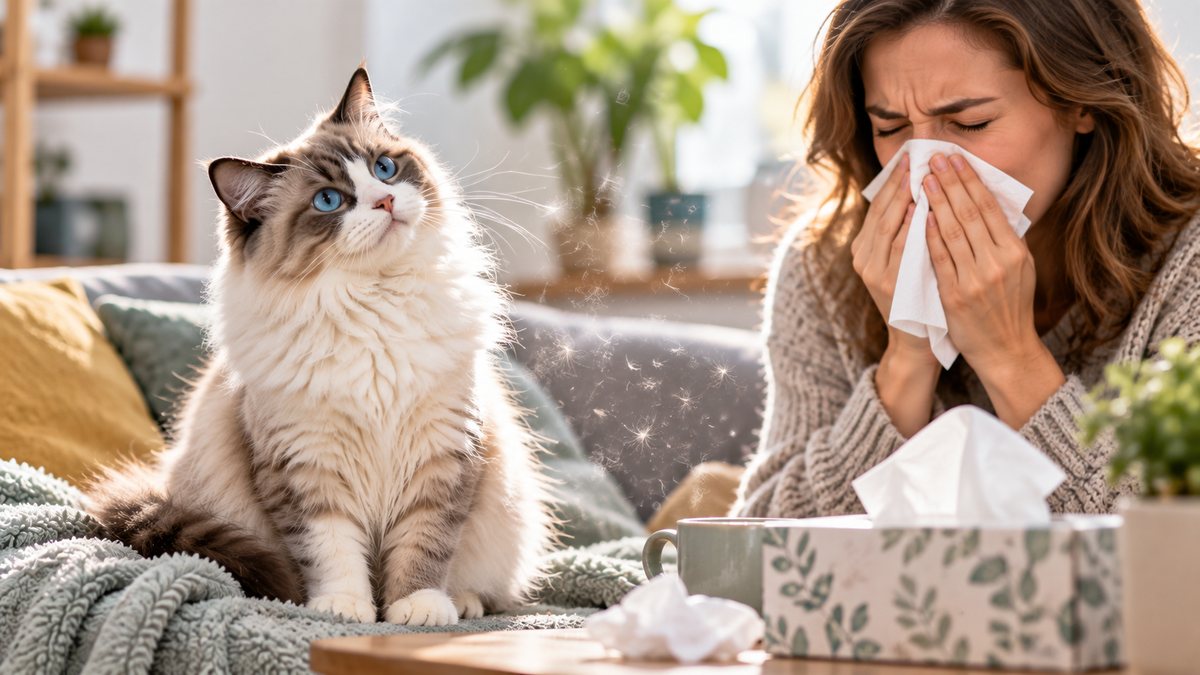
| Allergy & allergen evidence | No breed specific reduction established There is no known reason to regard this breed as hypoallergenic. All cats produce allergens, and coat length or shedding alone does not determine allergy risk. |
| Activity & intelligence | |
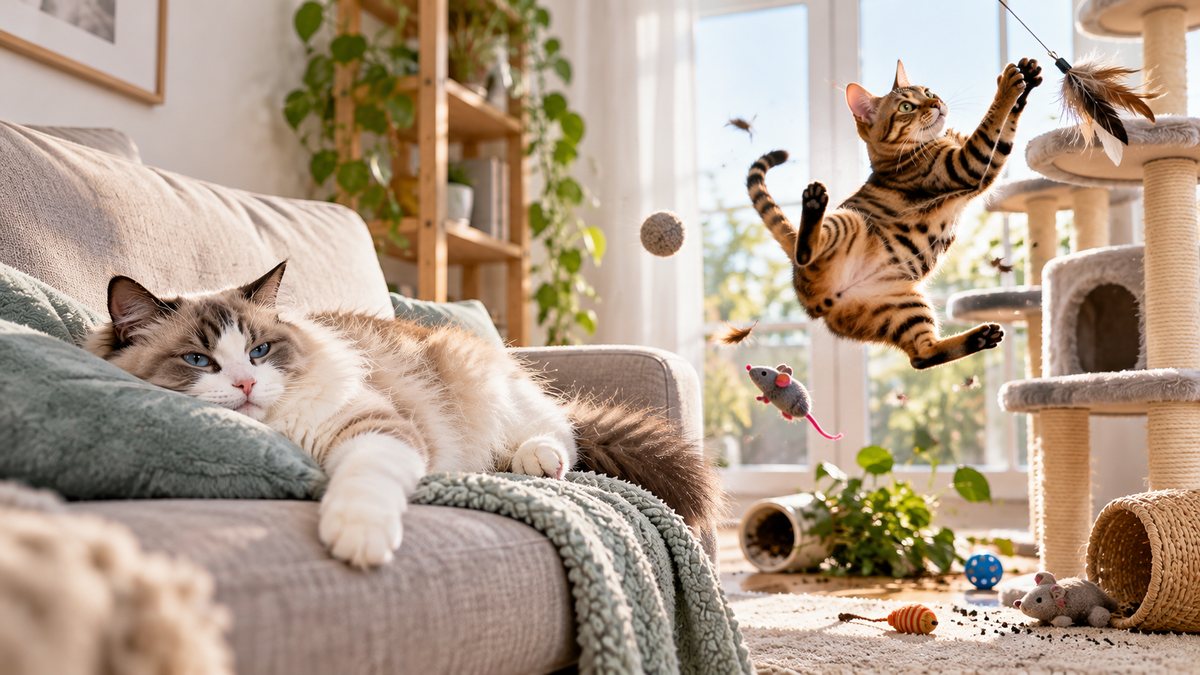
| Activity level | Moderate to high Moderate to high activity is a reasonable estimate for this natural bobtail population, with agile exploration and hunting behavior likely to remain prominent. |
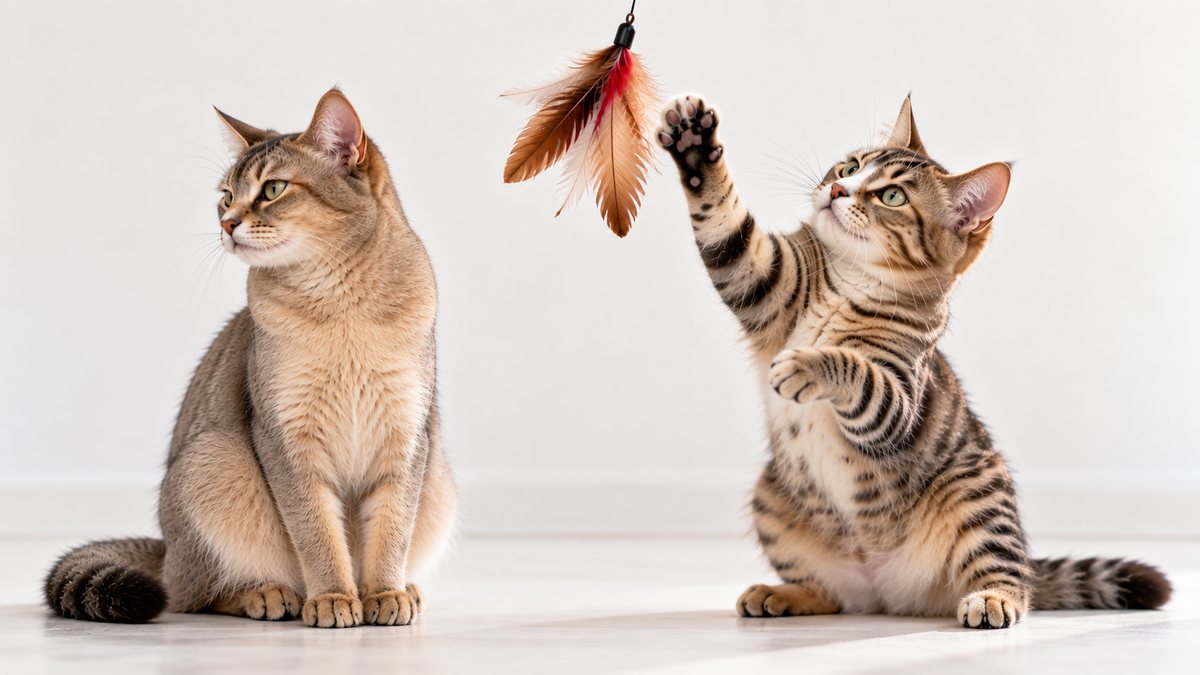
| Playfulness | Moderate to high Moderately to highly playful is the best estimate, with natural-cat agility and hunting-style games likely to be prominent. |
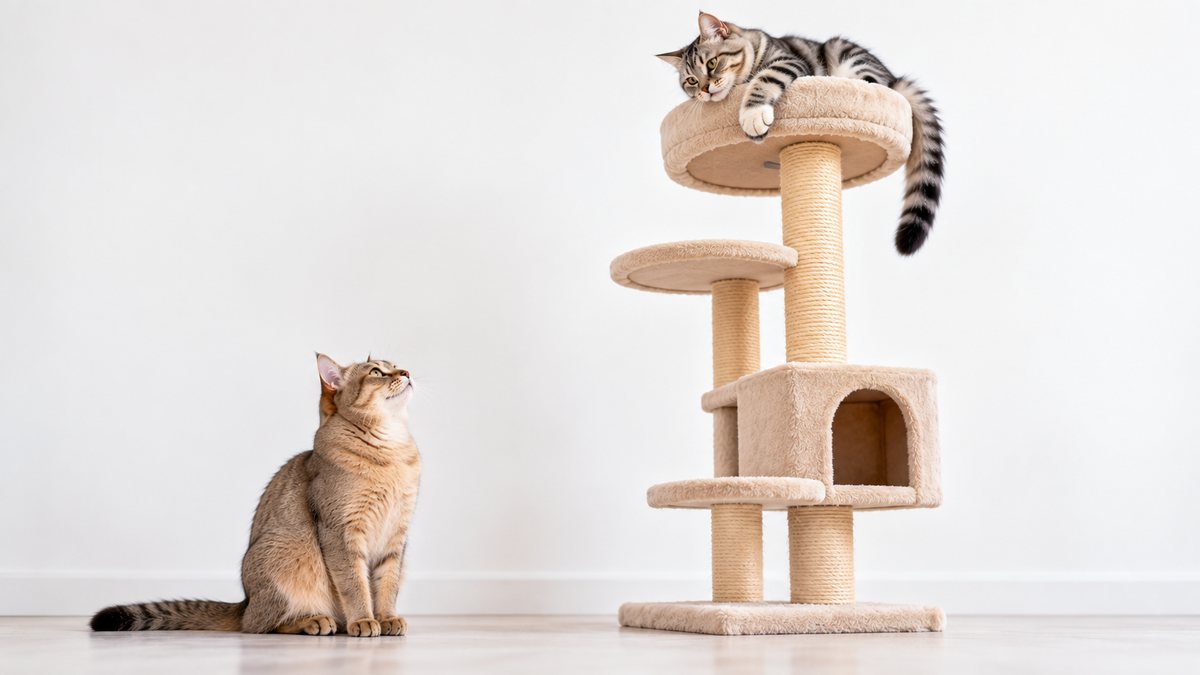
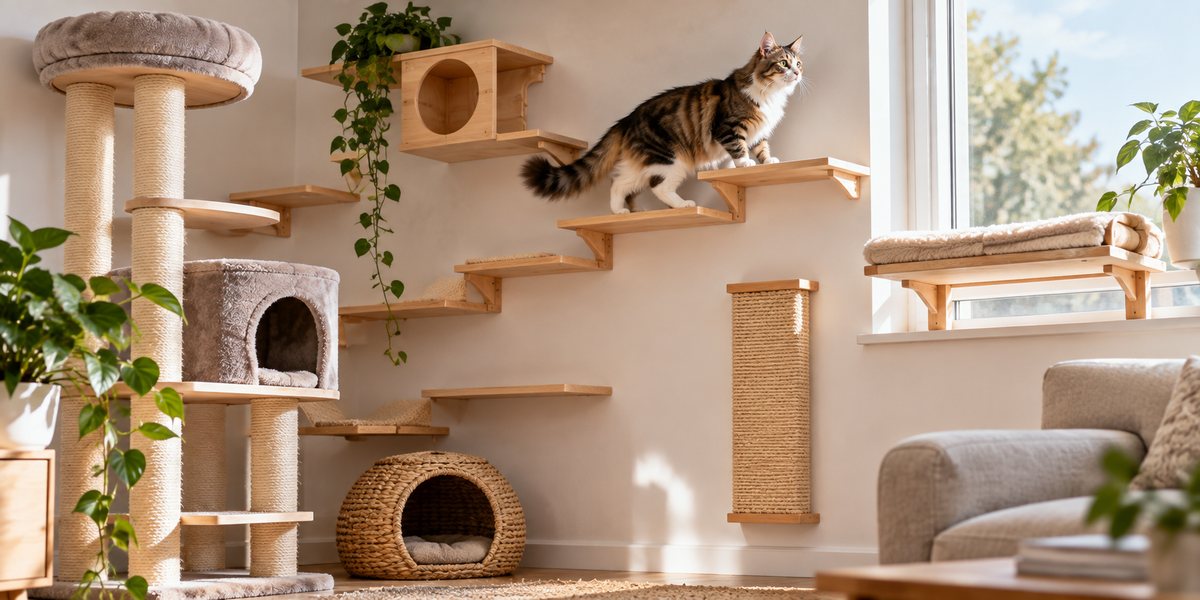
| Climbing & jumping | Moderate The Korean Bobtail should have normal athletic feline ability and moderate interest in height; cat trees and secure window perches provide suitable outlets. |
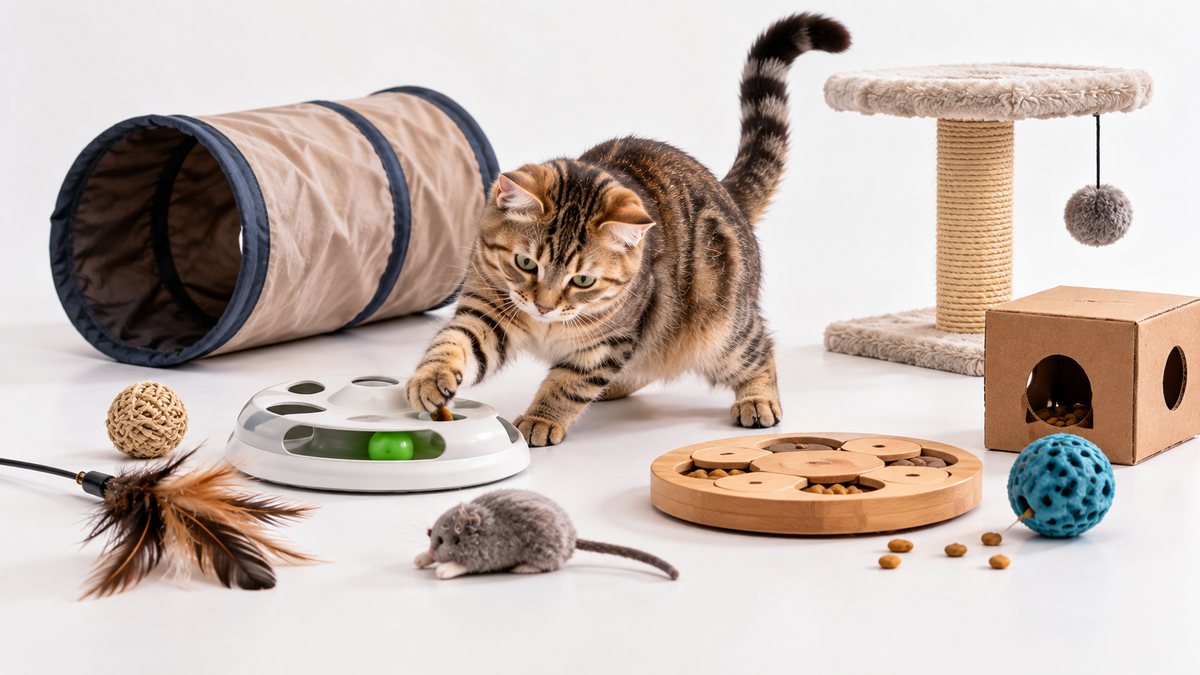
| Enrichment demand | Moderate Moderate-to-high enrichment demand: regular active play, exploration and environmental variety are appropriate without requiring an extreme exercise program. |
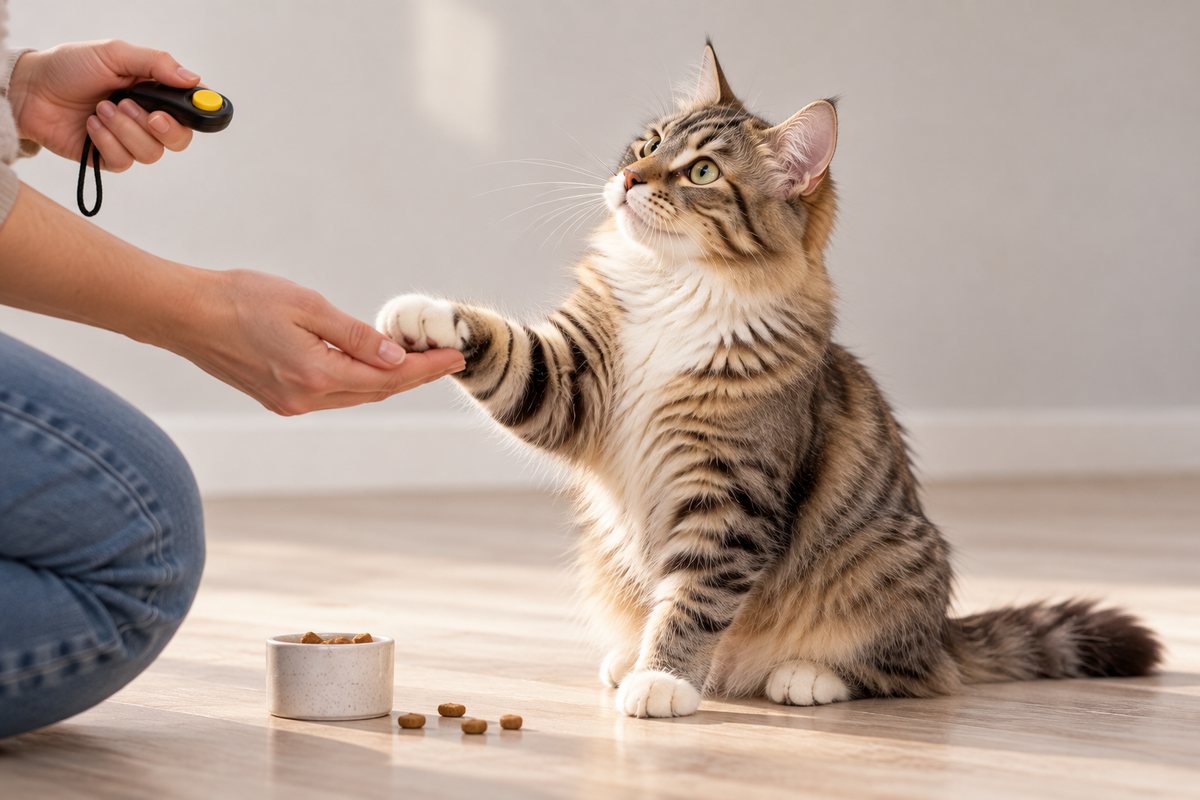
| Learning & training | High The Korean Bobtail is best assessed as an alert, adaptable learner likely to handle household routines and interactive reward-based tasks well, though breed-specific training evidence is limited. |
| Curiosity & exploration | Moderate Evidence is limited, but the Korean Bobtail is best treated as an alert natural domestic type with moderate curiosity rather than assuming either unusually low or extreme exploratory drive. |
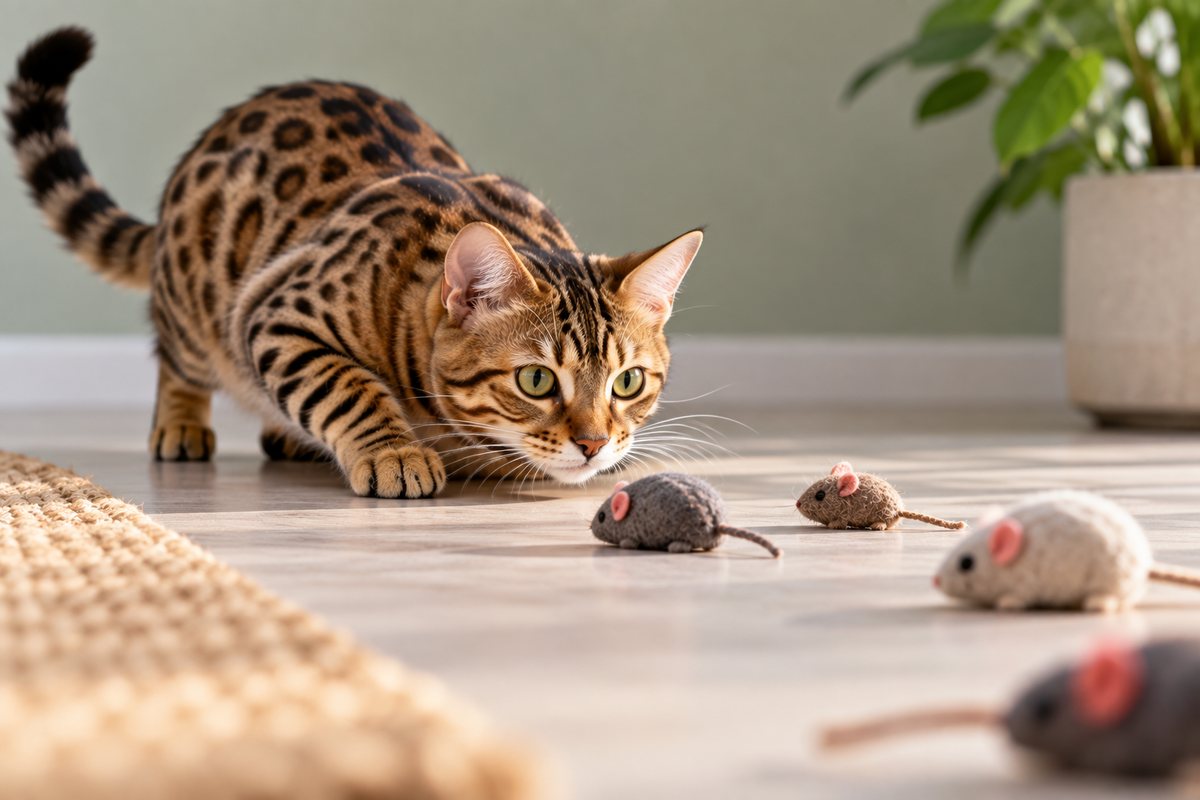
| Hunting & chasing tendencies | Moderate to high A moderate-to-strong hunting tendency is plausible for this natural bobtail population; agile individuals should show normal robust stalk-and-pounce behavior. |
| Personality & social | |
| Sociability with familiar people | High Korean Bobtails are generally regarded as friendly household cats that form comfortable bonds with familiar people while retaining a lively, self-possessed streak. |
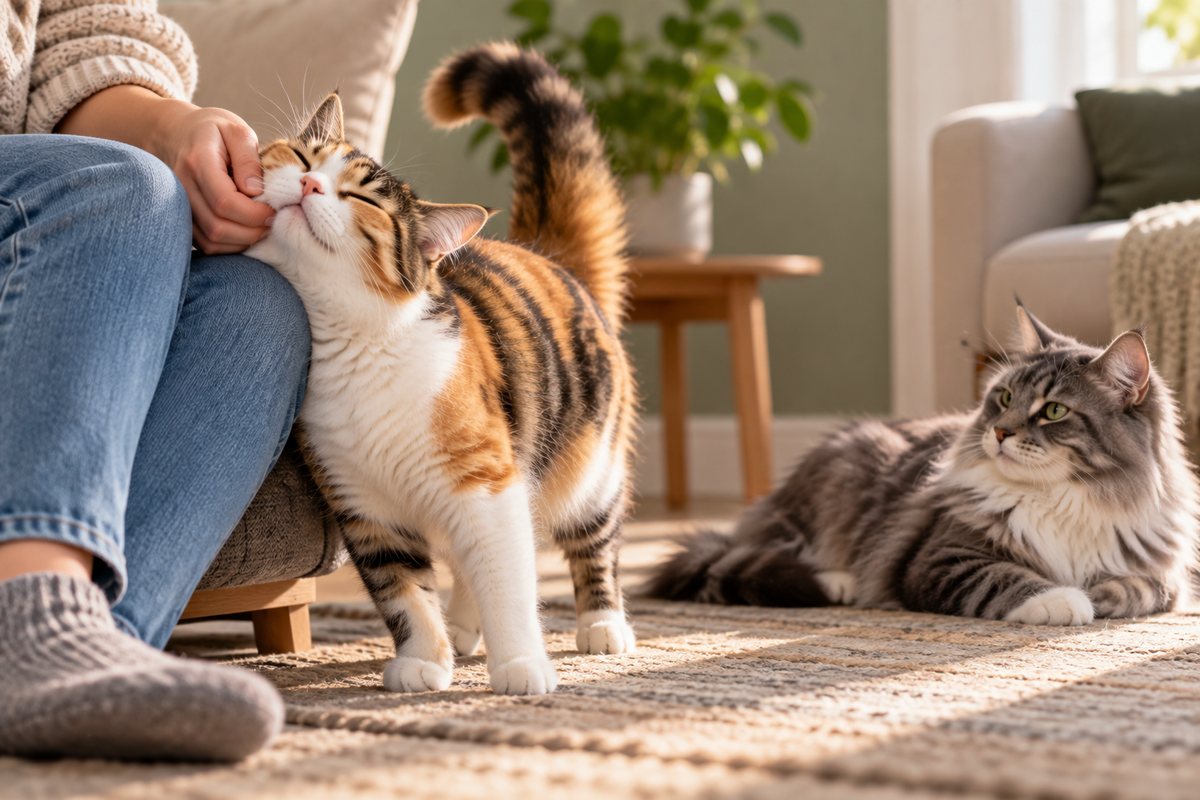
| Affection | Proximity · interactive · loyal Korean Bobtails tend to express affection as loyal companionship, staying involved with familiar people and engaging readily when invited. |
| Lap & cuddling preference | Moderate Korean Bobtails are generally social household cats, but the limited standardized behavioral record supports a moderate expectation: affectionate contact without assuming persistent lap seeking. |
| Handling tolerance | Moderate As a natural bobtail type, it is reasonable to expect workable routine handling with socialization but more individual variation than in breeds intensively selected for a lap-cat temperament. |
| Independence & social demand | Moderate The Korean Bobtail is best assessed as a socially adaptable cat with ordinary companionship needs rather than either extreme dependence or aloofness. |
| Vocalization | Low to moderate; individual conversational style varies Moderate vocality is the best current estimate; as a natural bobtail population, individual variation is likely greater than in tightly selected breeds. |
| Response to unfamiliar people | Moderate Korean Bobtails are best assessed as balanced with newcomers: typically observant at first, then accepting when the visitor is calm and nonthreatening. |
| Adaptability to change | Moderate to high As an active, socially engaged landrace-type cat, the Korean Bobtail is expected to handle ordinary household changes reasonably well when given time to map a new territory. |
| Noise & busy-environment sensitivity | Moderate Limited breed-specific behavioral data suggest a typical adaptable domestic-cat response: ordinary household sound should be manageable, with caution around unfamiliar intense noise. |
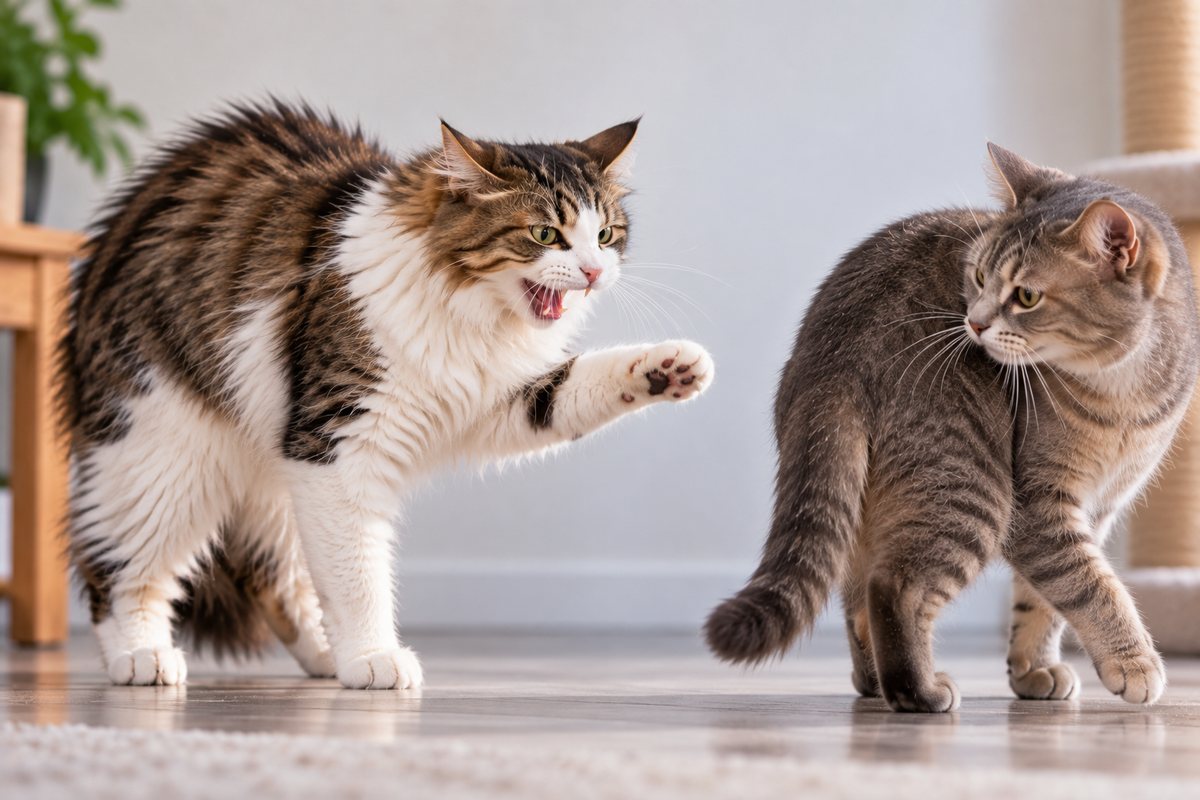
| Defensive & conflict behaviour | Moderate Reliable breed-wide behavioural evidence for the Korean Bobtail is limited, so a moderate assessment is most defensible. Its natural domestic-cat background suggests ordinary territorial and defensive responses rather than either unusually placid or unusually confrontational behaviour. |
| Household & environment | |
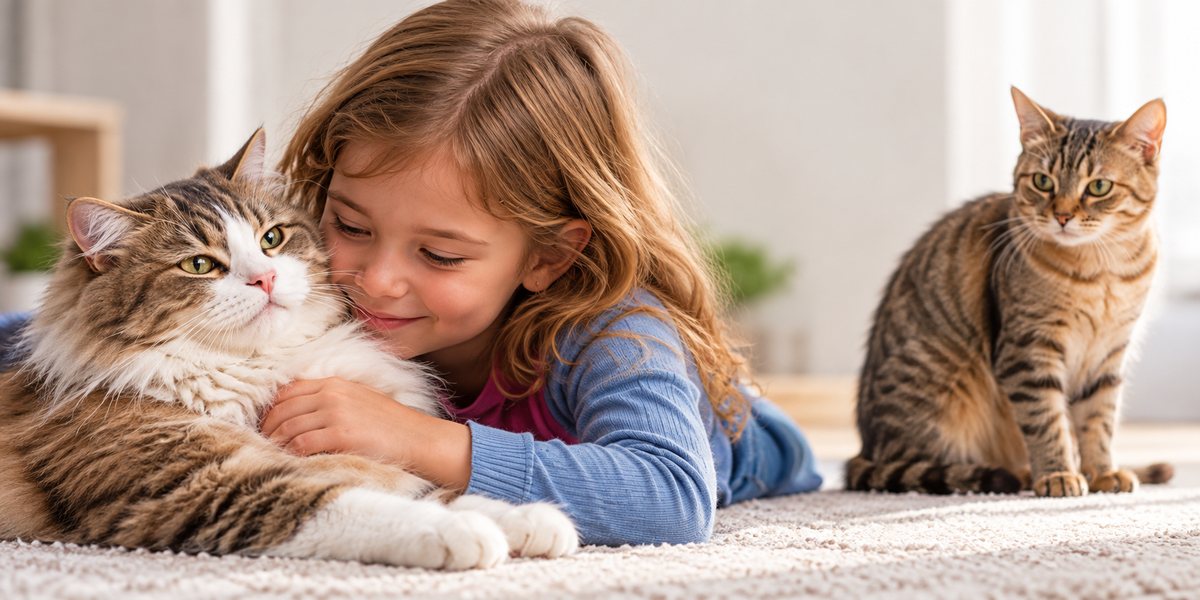
| Living with children | Moderate Breed-wide evidence for Korean Bobtail temperament is limited, so compatibility should be judged primarily from the individual cat. A well-socialized cat can live well with gentle children, with ordinary supervision and reliable retreat spaces. |
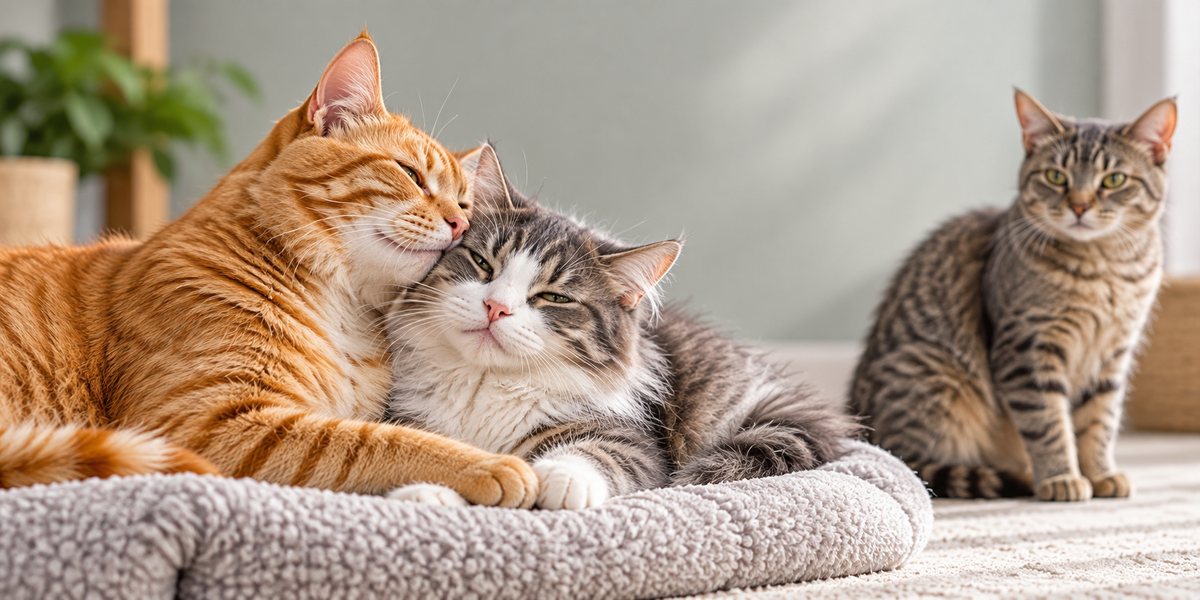
| Living with other cats | Often workable Korean Bobtails are generally described as friendly, adaptable companion cats, giving them reasonable prospects in a multi-cat household. Because breed-specific evidence is limited, compatibility should be judged primarily from the individual cat and managed with gradual introductions. |
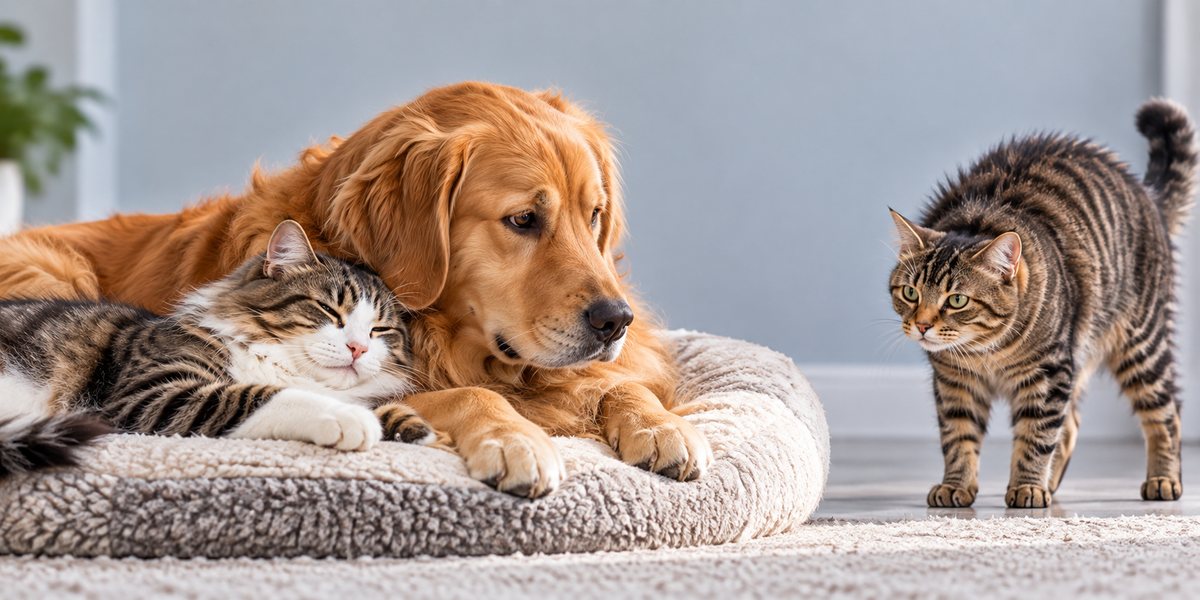
| Living with dogs | Moderate Reliable breed-wide evidence is limited for the Korean Bobtail, so dog compatibility should be judged primarily from the individual cat. A well-socialized cat can succeed with a calm, cat-friendly dog when introductions are gradual. |
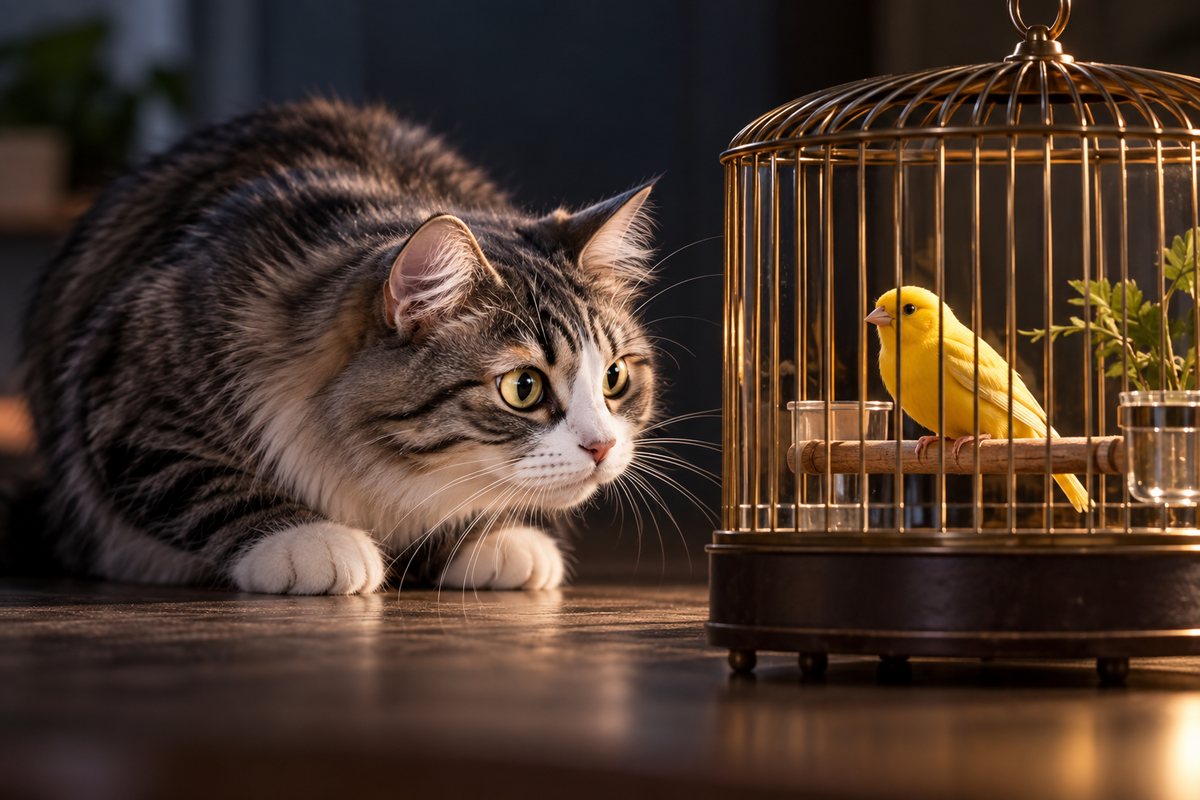
| Living around small pets | Additional caution Behavioral documentation for Korean Bobtails is limited, but their natural domestic-cat background gives no basis for assuming reduced hunting behavior. A precautionary assessment is appropriate: small animals should remain securely separated. |
| Indoor & home environment needs | Balanced indoor Korean Bobtails lack enough breed-wide behavioral evidence for specialized housing claims. Provide a versatile indoor environment with vertical territory, hiding and observation points, scratching resources and daily interactive play, then adjust to the individual's activity. |
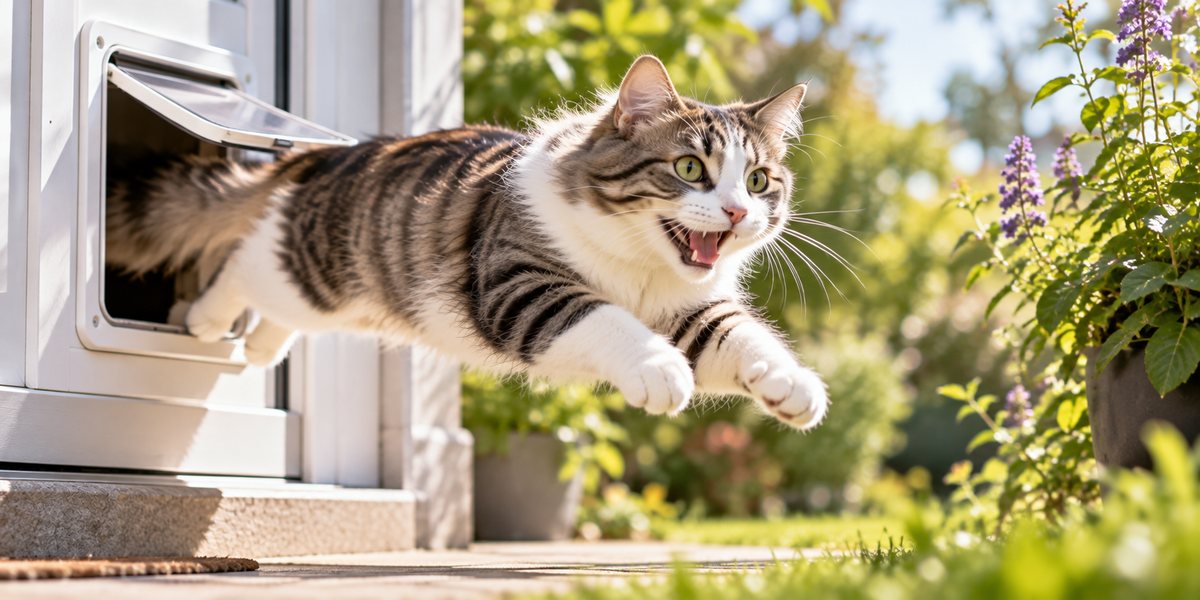
| Outdoor access considerations | Secure optional There is too little breed-wide evidence to justify special outdoor requirements for Korean Bobtails. Treat outdoor access as optional enrichment and use secure containment rather than assuming a natural need or aptitude for free roaming. |
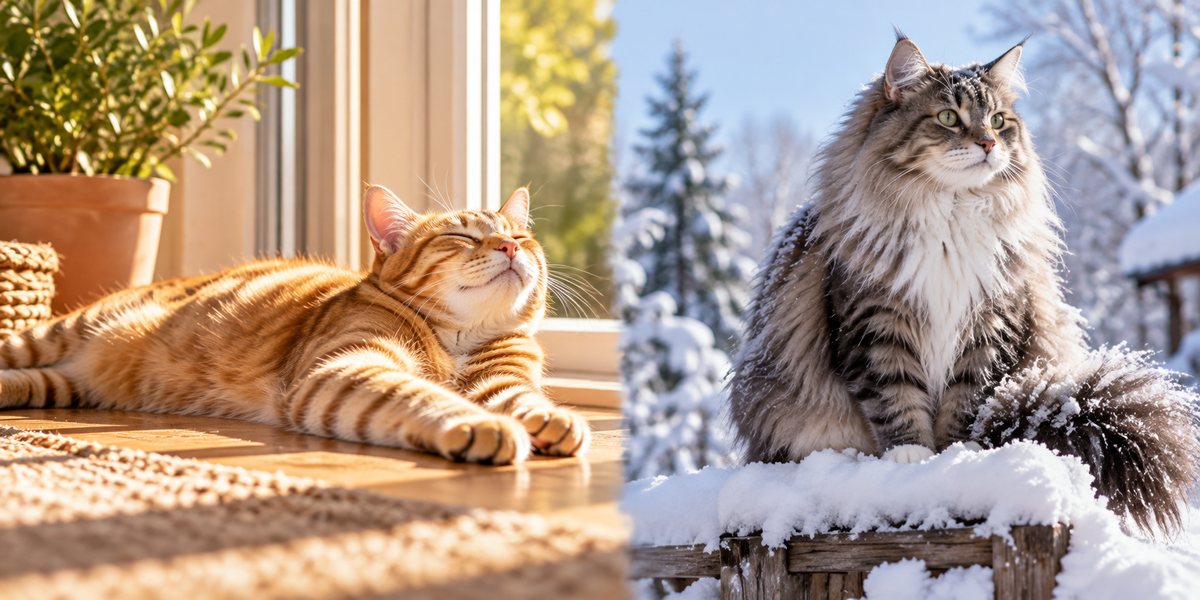
| Heat, cold & sun considerations | Seasonal coat adaptable Korean Bobtails are too sparsely standardized for a precise climate claim, but their natural domestic-cat background supports ordinary seasonal adaptability. Provide dry shelter and warmth in severe cold and reliable shade and water during heat. |
| Caregiver time & experience | Moderate Korean Bobtails are too sparsely documented to justify specialist-care claims. A moderate commitment is the best current estimate: daily play and companionship, routine grooming and health observation, with care adjusted to the individual cat. |
| Health & welfare | |
| Documented health predispositions | Limited specific risk Korean Bobtails are sparsely documented and no reliable breed-wide inherited disease pattern is established. Tail and spinal anatomy should be comfortable and functional, while broader health assessment should rely on the individual and family history. |
| Screening & breeder questions | Ask what health problems are tracked in the lines and request actual test results Ask whether bobtails in the line have normal spinal, pelvic and hind-limb function, what health problems recur in relatives, and what veterinary screening is used in this sparsely documented population. |
| Conformation-related welfare | Moderate tail monitoring Korean Bobtails are selected for shortened or kinked tails, so welfare assessment should confirm normal spine, pelvis, gait and elimination. Sparse documentation makes functional evaluation more important than assumptions based on appearance. |
| Nutrition & weight management | Moderate condition led Korean Bobtails have no established special nutritional requirement. Feed a complete diet to individual body condition and activity, with regular weight monitoring especially useful because the breed-wide evidence base is limited. |
| Longevity | 13–17 years As a naturally occurring bobtail type with otherwise moderate conformation, the Korean Bobtail is reasonably expected to live about 13–17 years. |
| Cost & availability | |
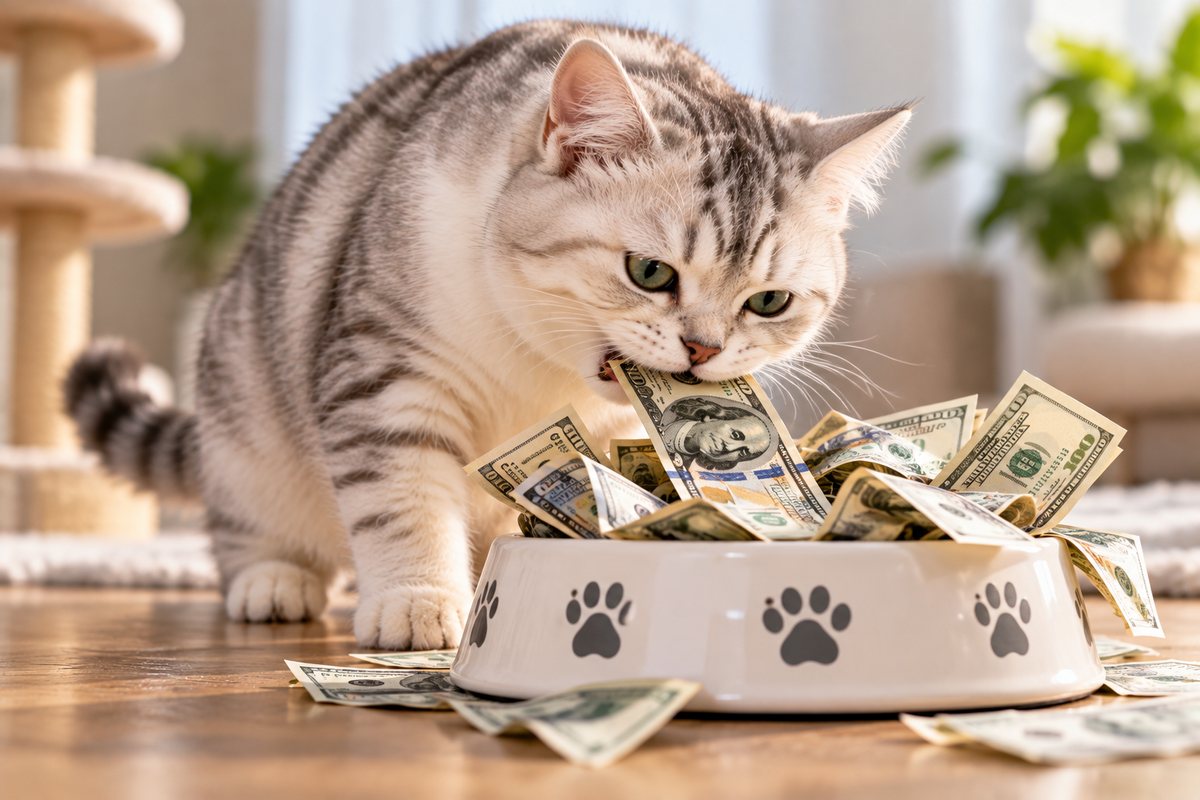
| Purchase cost | Very high: $1,000–$3,000+ Korean Bobtail: a practical breeder-market estimate is $1,000–$3,000+. This reflects that it is an rarely available as a standardized pedigree breed internationally. |
| Adoption & rehoming cost | Very rare in rescue: $100–$600 when genuinely available Korean Bobtail: $100–$600 when genuinely available. The breed is scarce enough that a verified purebred rescue placement is unusual; transport may exceed the adoption fee. |
| Recurring ownership costs | Coat maintenance Assuming a healthy cat, recurring costs should be conventional: food, litter, coat-appropriate brushing, dental/preventive care and enrichment. Sparse breed data make a general veterinary reserve more defensible than a claimed specialized routine expense. |
| Availability, waits & import | Very rare as pedigree Korean Bobtails may be encountered as a regional natural type, but formal pedigreed breeding availability is extremely limited internationally. Claims of established breed-line kittens warrant careful pedigree verification. |
| Identity & real-world context | |
| Ownership & import restrictions | No known breed specific restrictions There are no known breed-specific ownership restrictions. Ordinary animal-welfare, identification, vaccination and cross-border import rules still apply where relevant. |
| Registry recognition | No separate current CFA/TICA/FIFe recognition Korean Bobtail is not a separately recognized current breed identity in CFA, TICA or FIFe within the FSC core registry matrix; recognition by smaller, national or experimental registries can differ. |
| Similar breeds & identity distinctions | Japanese Bobtail Korean Bobtails can resemble Japanese Bobtails and regional short-tailed domestic cats. Because the Korean population is poorly standardized internationally, documented Korean ancestry plus tail structure and overall type are more reliable than tail length alone. |
| Reported characteristic quirks | Individual quirks often center on play and exploration Korean Bobtails are associated with expressive short tails whose movement can be conspicuous during greeting or excitement. The population is too sparsely documented to assign a more specific universal behavioral hallmark. |
Browse all 53 breed characteristics
Open any characteristic to compare all breeds on that dimension.
 English