
Compare Cat Breeds
Compare up to three breeds across all 53 characteristics. Values are shown directly so the differences are easier to scan.
| Characteristic | 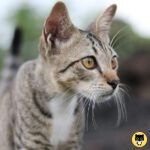 Kanaani |
|---|---|
| Body & development | |
| Adult size | Medium to large |
| Adult weight | 3.2–5.4 kg (7.1–11.9 lb) Adults are commonly around 3.2–5.4 kg (7–12 lb); individual build and sex can shift where a cat falls within the range. |
| Build & distinguishing morphology | Slender · muscular · athletic · elegant · long legs The Kanaani is slender, muscular and athletic while remaining elegant, with long legs and a long tapering tail. |
| Maturation | 18-24 months The athletic, long-legged Kanaani reaches most skeletal size around its first year and can continue muscular development into roughly 18–24 months. |
| Coat & appearance | |
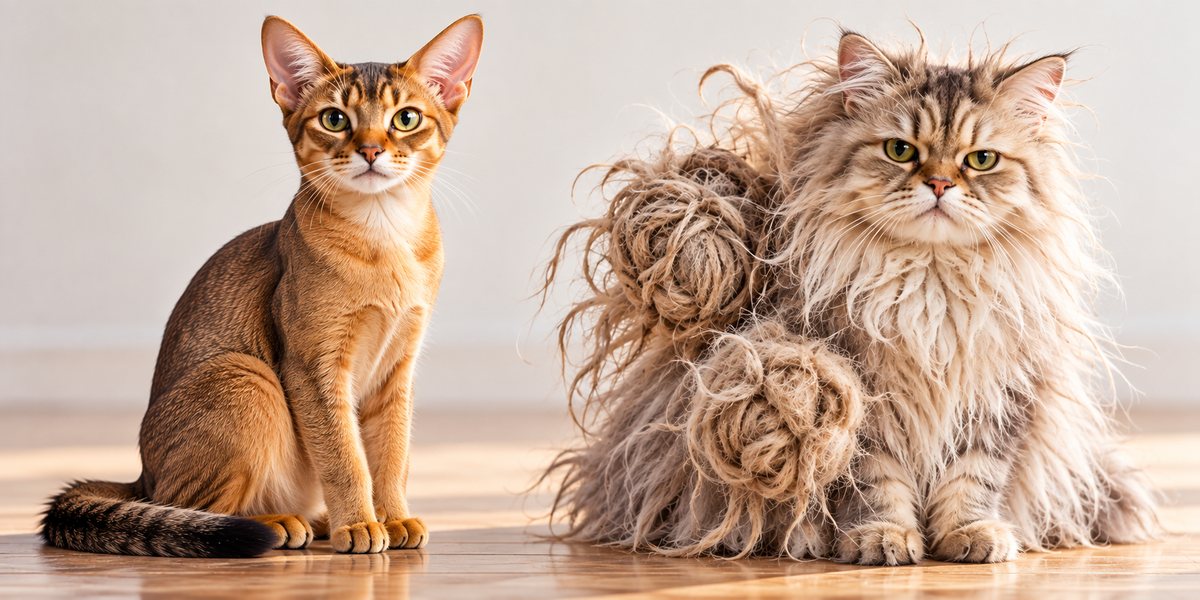
| Coat length | Short |
| Coat texture & undercoat | Short · close lying · little undercoat · rather coarse The coat is short and close-lying with little undercoat and a relatively coarse texture. |
| Colors & patterns | Seal chocolate cinnamon · spotted or marbled · no silver The breed uses seal, chocolate and cinnamon-based spotted or marbled patterns on a beige-to-cinnamon ground; silver is not accepted. |
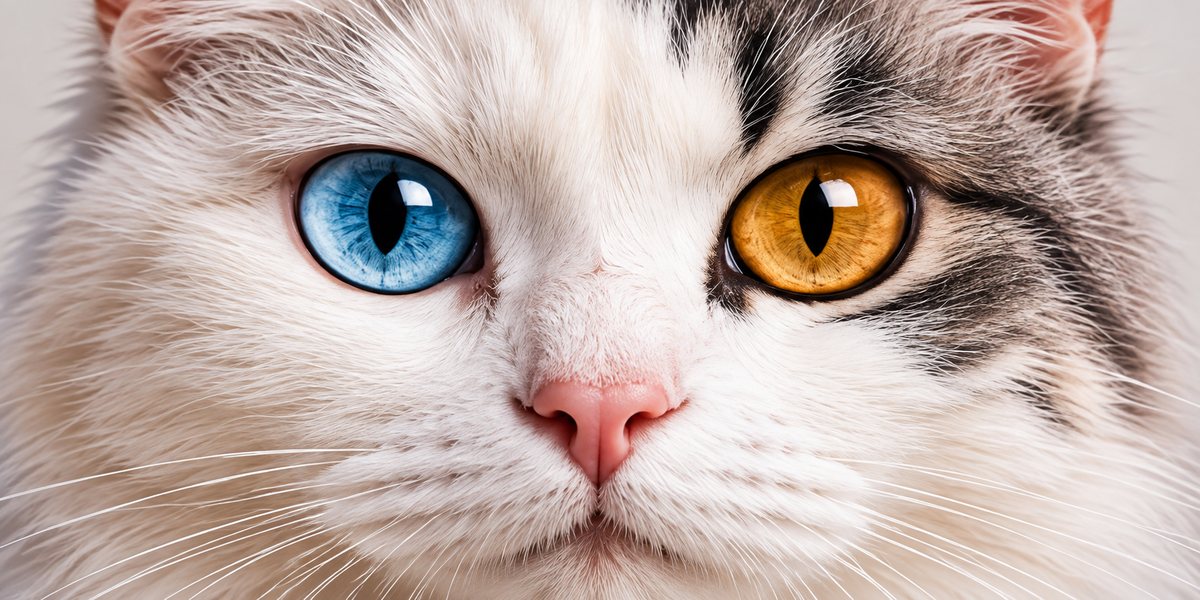
| Eye colors | Green · yellow-green · gold Green to yellow-green or gold fits the breed’s spotted/tabby phenotype; blue is not typical. |
| Coat & routine care | |
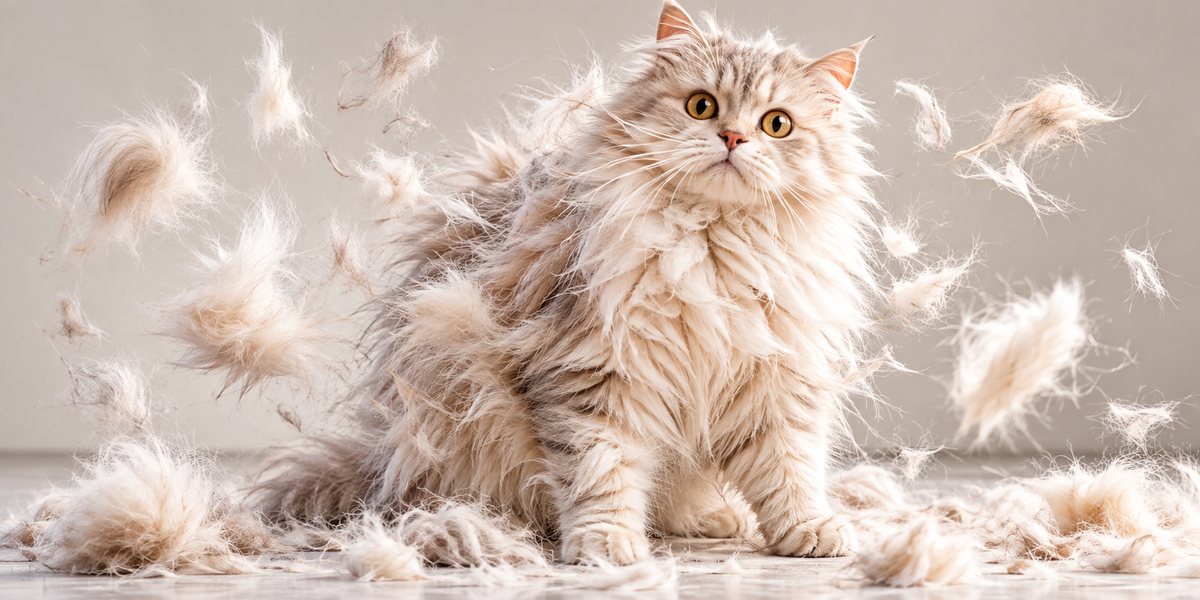
| Shedding | Low to moderate Low to moderate shedding from the short, close coat; seasonal change is generally modest. |
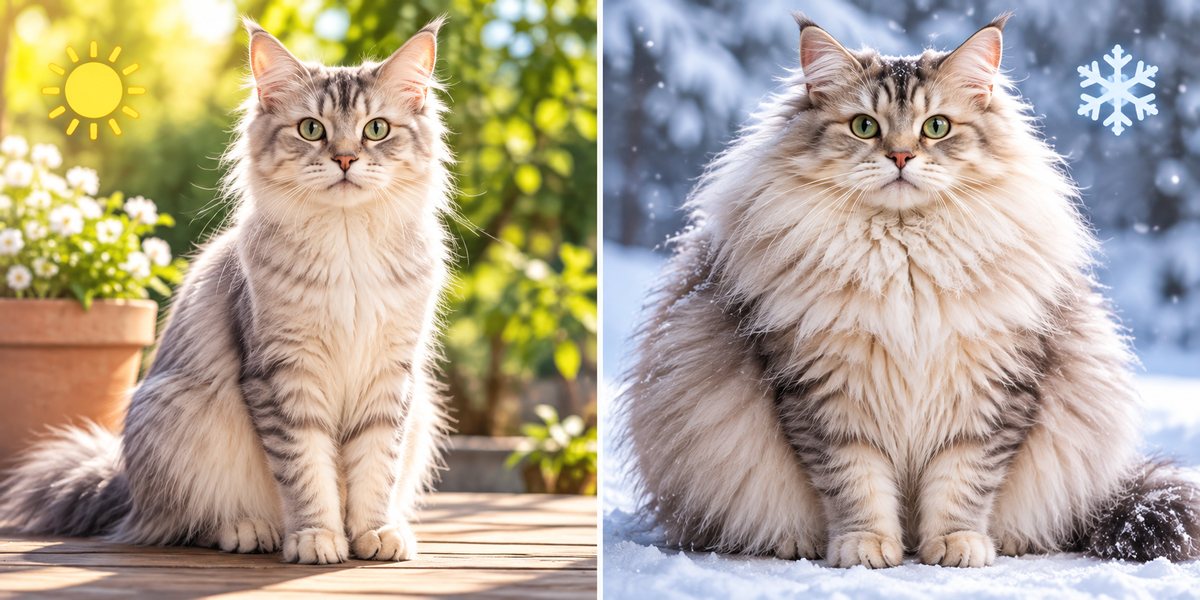
| Seasonal coat changes | Mild seasonal change The Kanaani’s close short coat carries little undercoat, so seasonal change should be mild, with somewhat more loose hair during transitional months. |
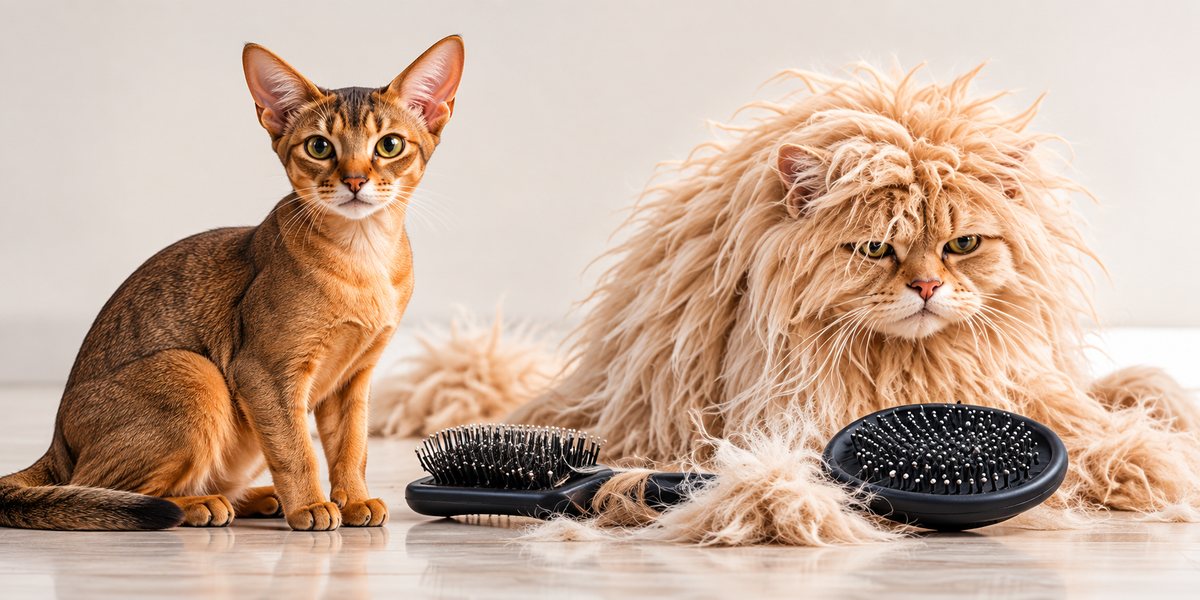
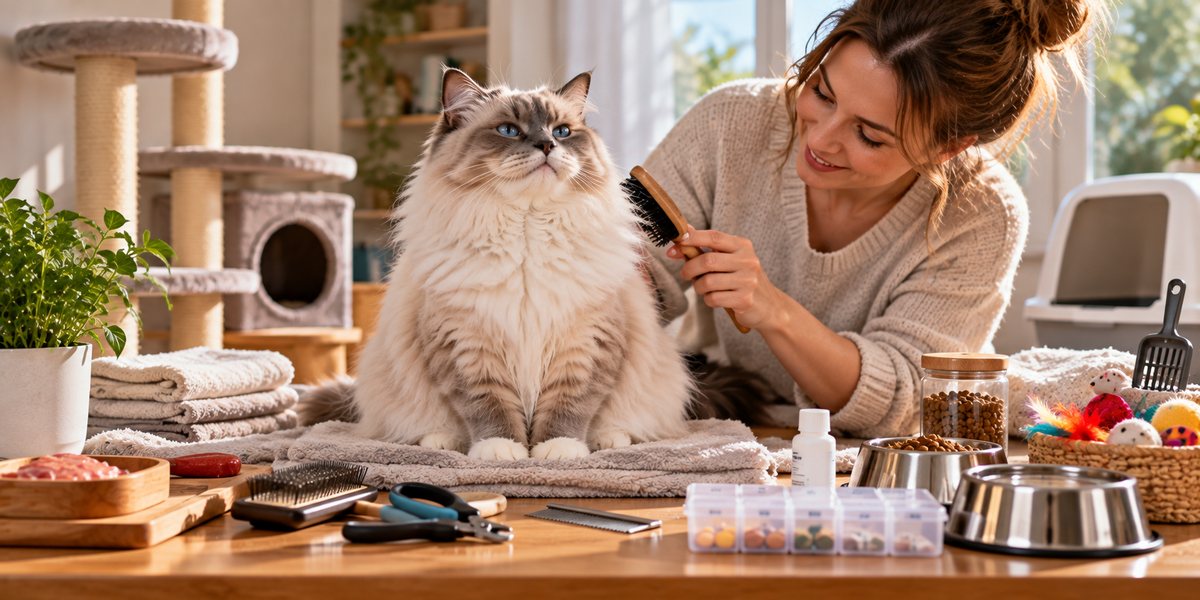
| Brushing & combing | Weekly or as needed Light weekly brushing is sufficient for the close athletic shorthair, mainly to remove loose hairs and inspect the skin. |
| Tangle & matting tendency | Very low The short close coat with little undercoat is not prone to tangling. |
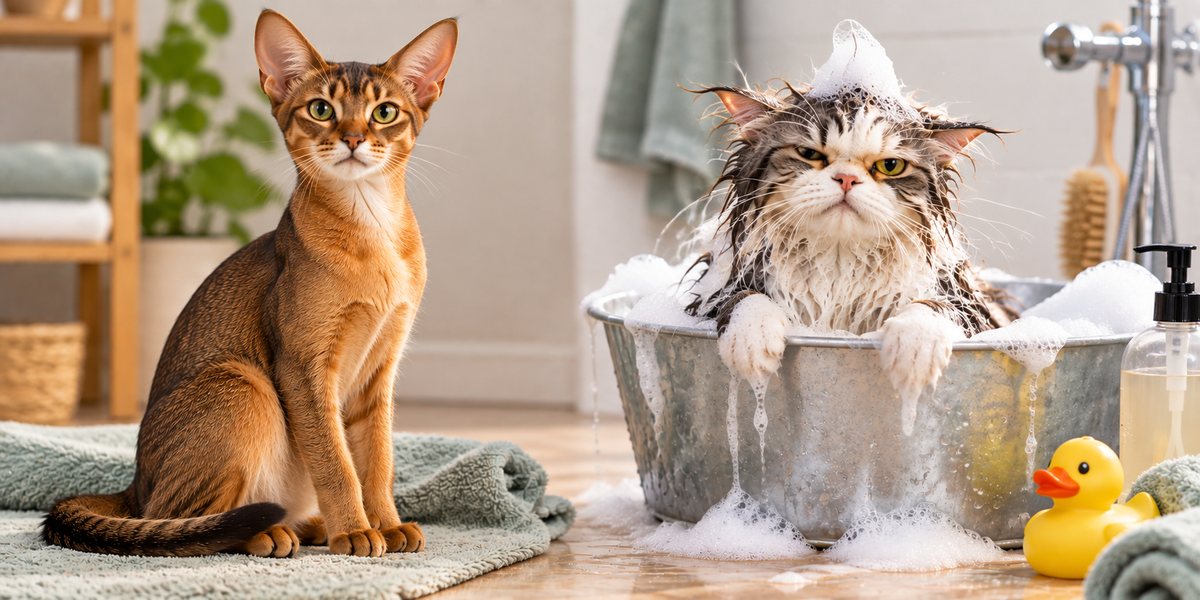
| Skin & bathing care | Bathing not routinely needed Routine bathing is generally unnecessary; bathe only when the coat is genuinely soiled or for a specific veterinary or grooming reason. |
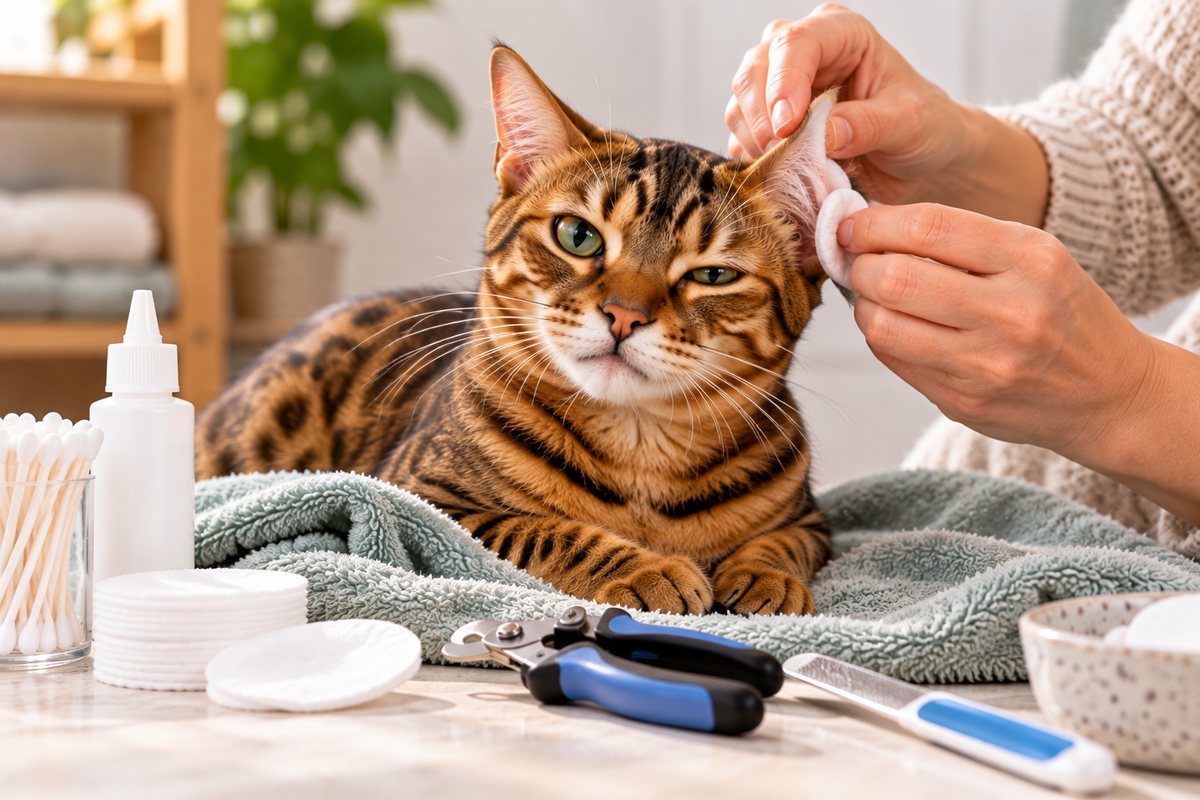
| Distinctive routine care | Simple coat high activity Kanaani cats need little coat maintenance, but their athletic temperament makes vigorous daily play and secure enrichment a recurring necessity. Standard nail, ear and dental care still applies. |
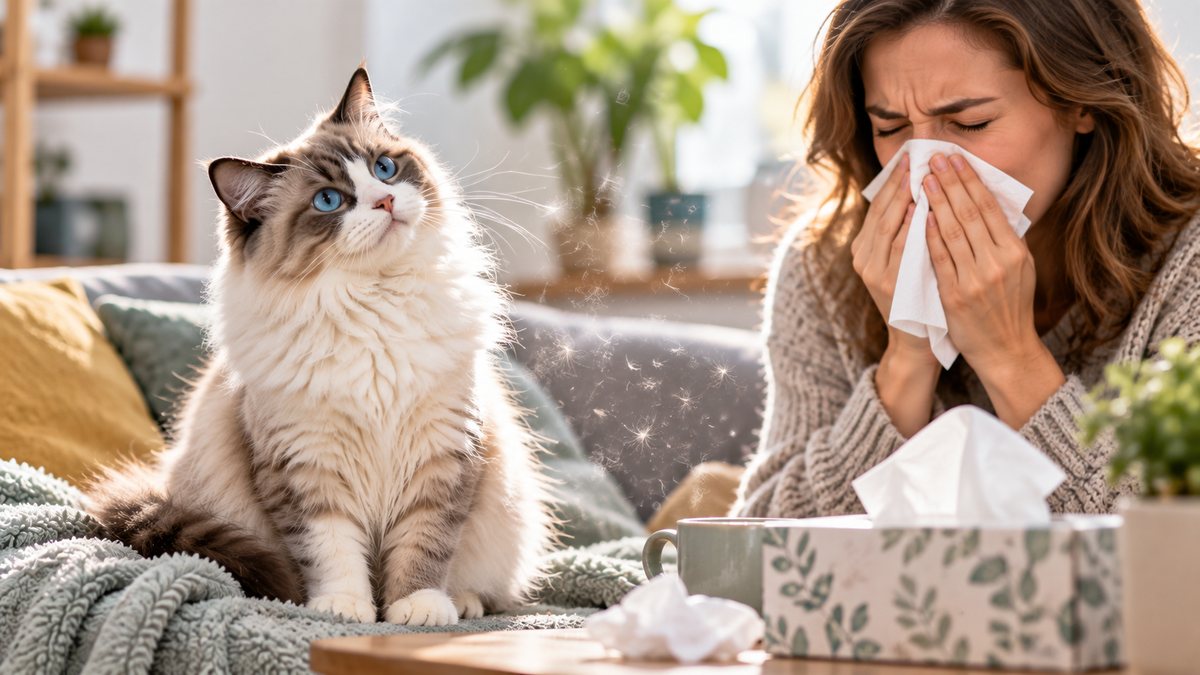
| Allergy & allergen evidence | No breed specific reduction established There is no known reason to regard this breed as hypoallergenic. All cats produce allergens, and coat length or shedding alone does not determine allergy risk. |
| Activity & intelligence | |
| Activity level | High The Kanaani is an energetic breed that benefits from substantial daily activity. |
| Playfulness | High Play is an important outlet for the Kanaani’s lively temperament. |
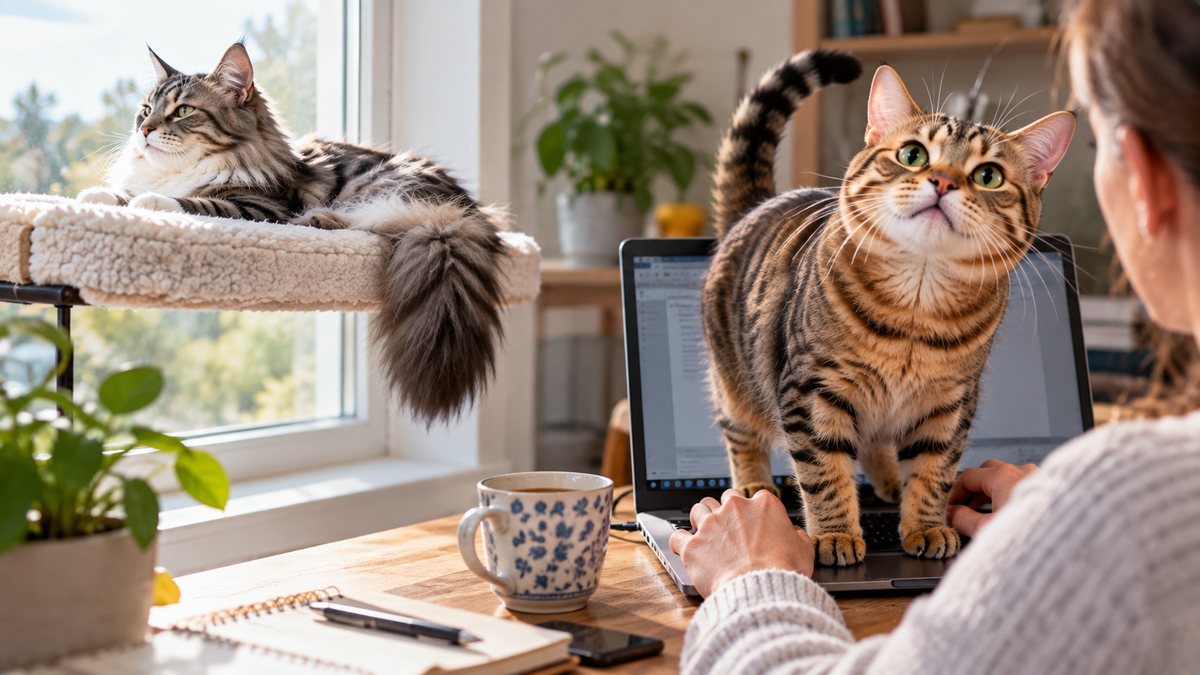
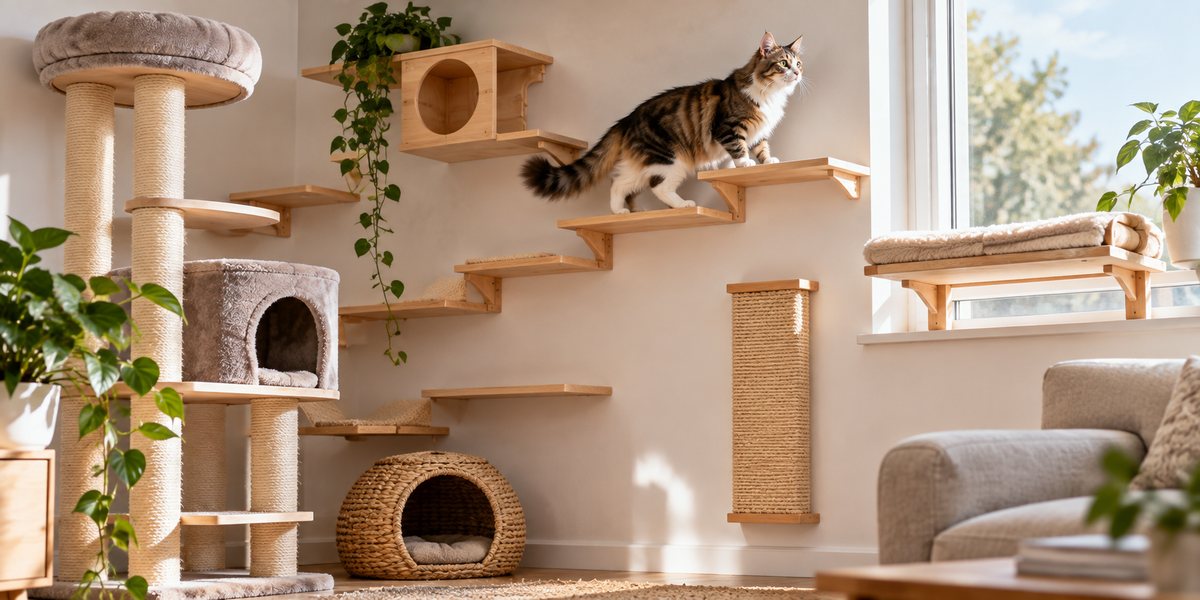
| Climbing & jumping | High The Kanaani is agile and benefits from ample vertical space and opportunities to climb. |
| Enrichment demand | High High enrichment demand: active play, climbing, chase opportunities and environmental variety help satisfy this athletic and curious cat. |
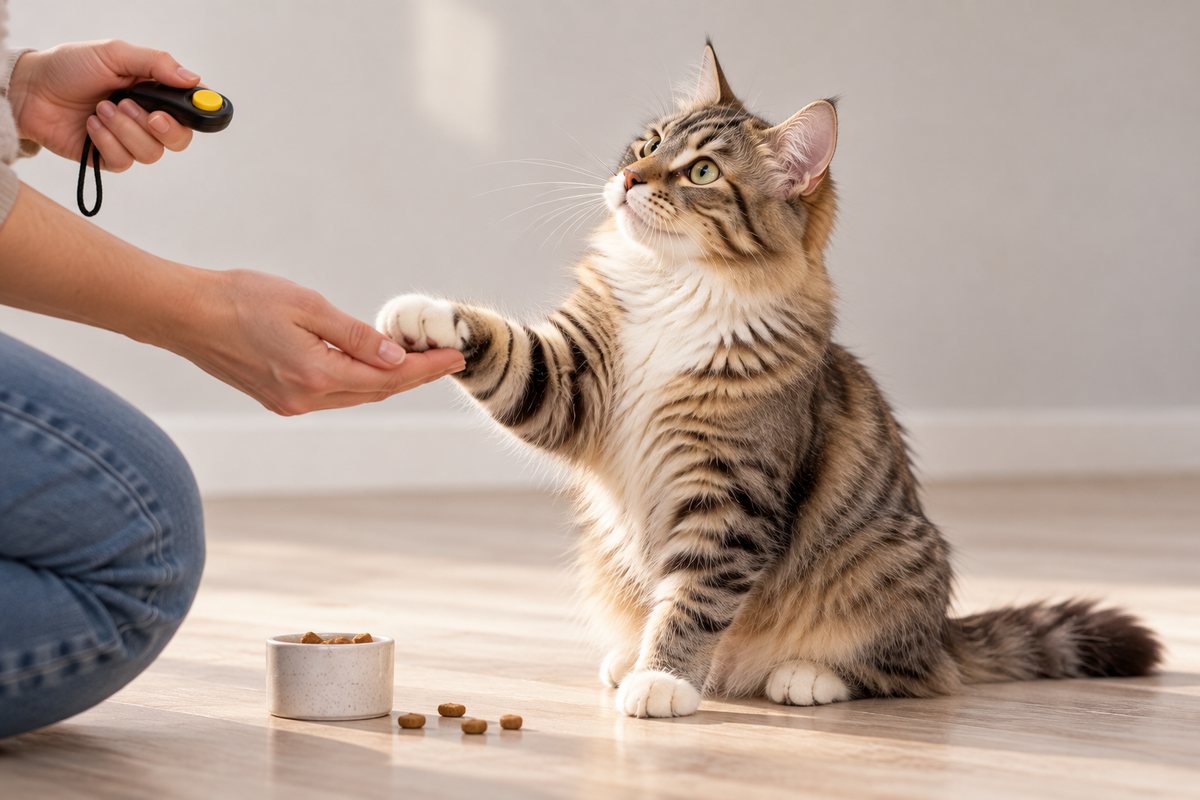
| Learning & training | High The Kanaani’s active, alert temperament suggests a quick learner that benefits from puzzle work and short reward-based sessions rather than passive repetition. |
| Curiosity & exploration | High The Kanaani is lively and adventure-oriented, with a strong tendency to explore. |
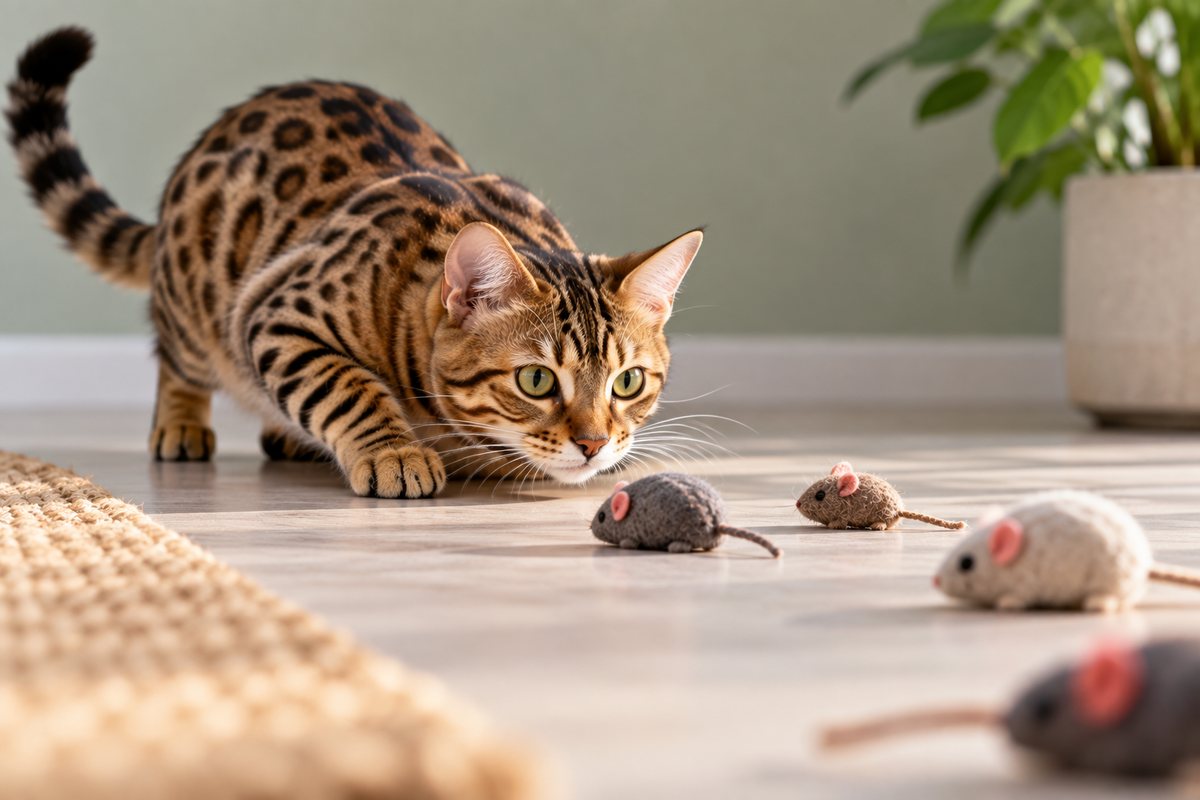
| Hunting & chasing tendencies | Very high A very strong hunting and chasing tendency is expected; the breed's athletic type and foundation history make prey-style behavior particularly relevant. |
| Personality & social | |
| Sociability with familiar people | Moderate Kanaani cats can bond closely with their household but often retain a more independent, active temperament than strongly people-dependent companion breeds. |
| Affection | Interactive playful · proximity · independent Kanaani affection is more likely to appear through play, interest and chosen proximity than prolonged cuddling, reflecting the breed’s active independent side. |
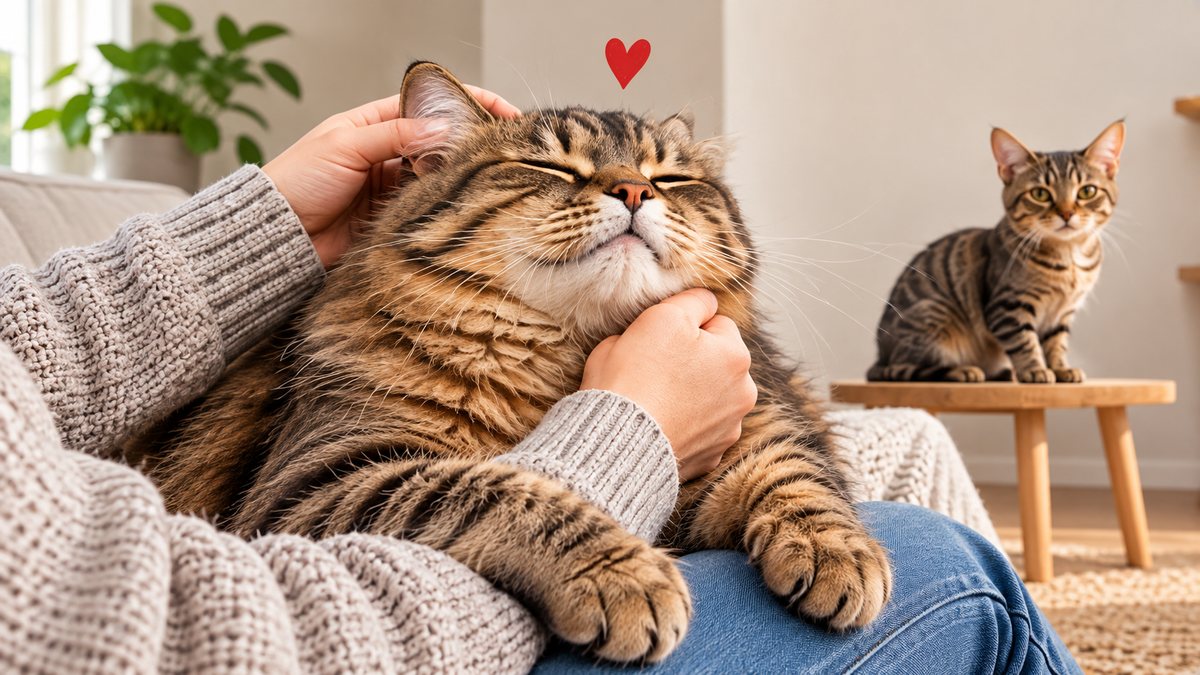
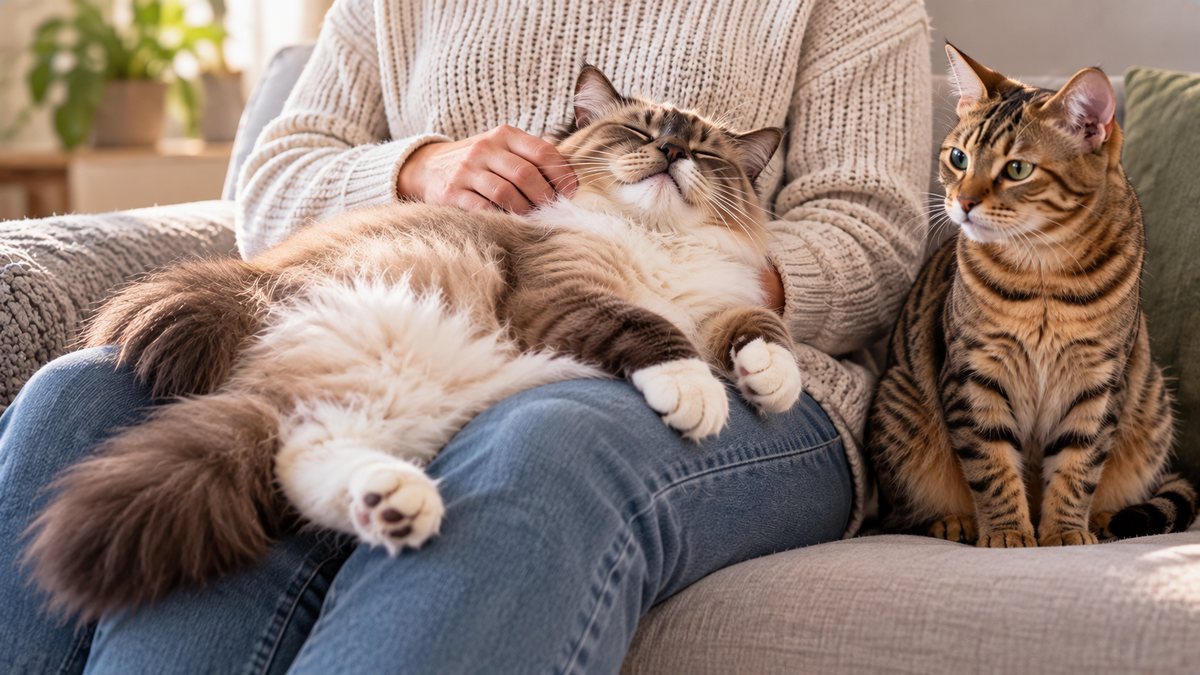
| Lap & cuddling preference | Low to moderate Many Kanaani prefer being near their people to prolonged lap sitting; individual cats still vary. |
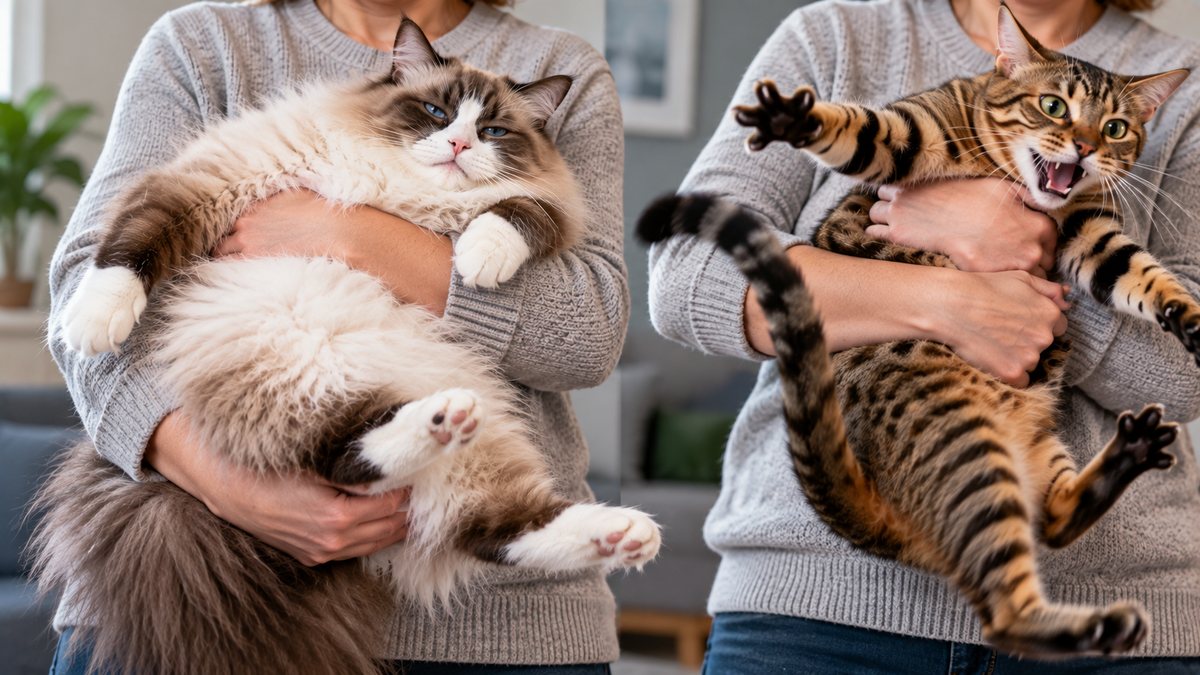
| Handling tolerance | Low to moderate The Kanaani is athletic and relatively natural in type; socialized cats can be handled routinely, but prolonged restraint is less likely to suit this alert, independent temperament. |
| Independence & social demand | High independence The breed is affectionate but notably independent, often preferring interaction on its own terms. |
| Vocalization | High The Kanaani tends toward a relatively vocal style of communication. |
| Response to unfamiliar people | Low The Kanaani's athletic, alert and relatively independent profile suggests more caution with unfamiliar people than is typical of highly social companion breeds. |
| Adaptability to change | Moderate to high The Kanaani’s active, alert nature can support adjustment to a new environment, but a secure territory and ample climbing and exploration opportunities help it settle. |
| Noise & busy-environment sensitivity | Low Athletic, alert and relatively natural in type, the Kanaani is expected to cope with an active environment well when socialized, rather than require an unusually quiet home. |
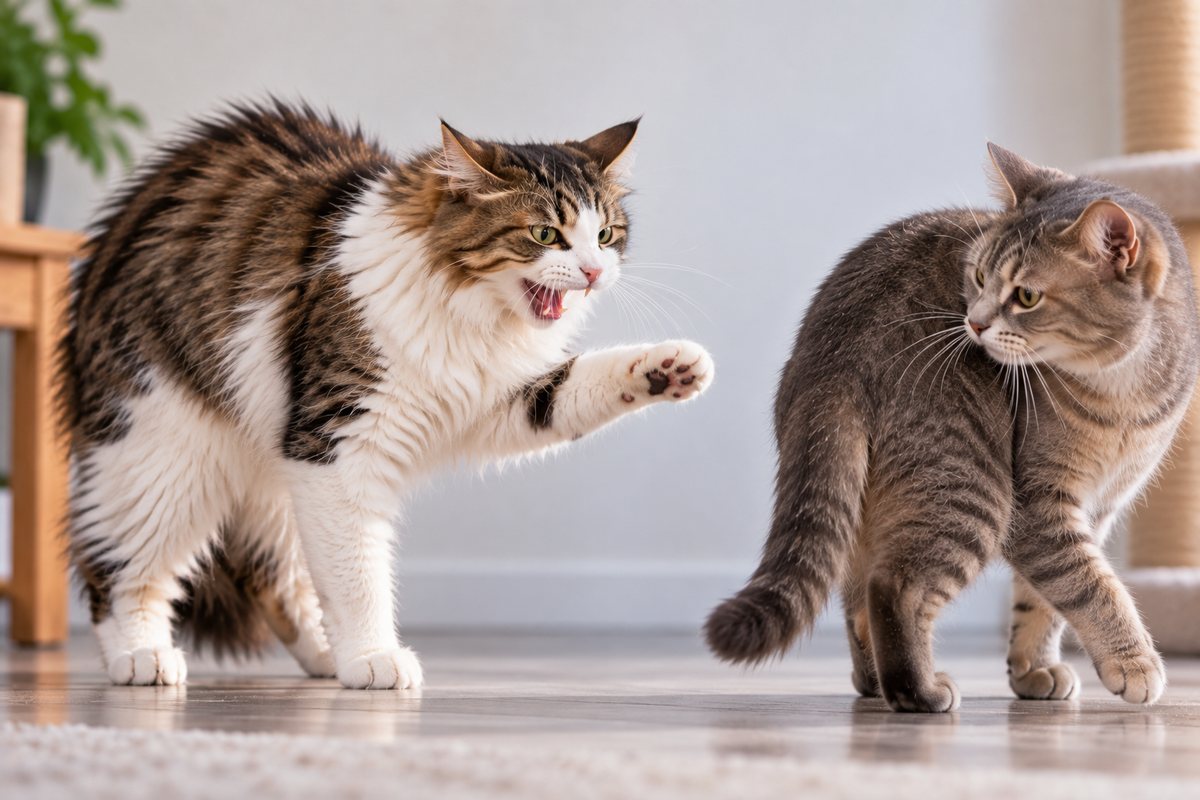
| Defensive & conflict behaviour | Moderate Kanaani cats have an athletic, alert, natural-cat profile and can be more independent than strongly companion-selected breeds. They are not assumed aggressive, but may respond to pressure with faster avoidance, territorial signaling, or defensive action if escape options are limited. |
| Household & environment | |
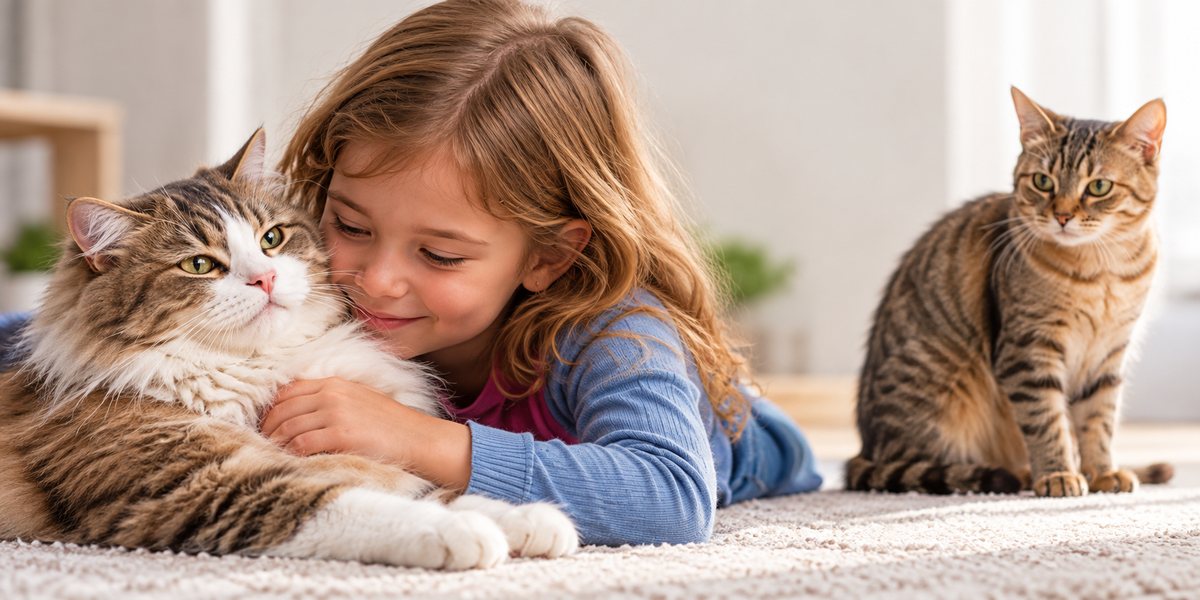
| Living with children | Moderate Kanaani cats are athletic, alert and relatively independent. They can suit older or cat-savvy children who enjoy interactive play and respect withdrawal signals, but are less predictable as a match for persistent handling by very young children. |
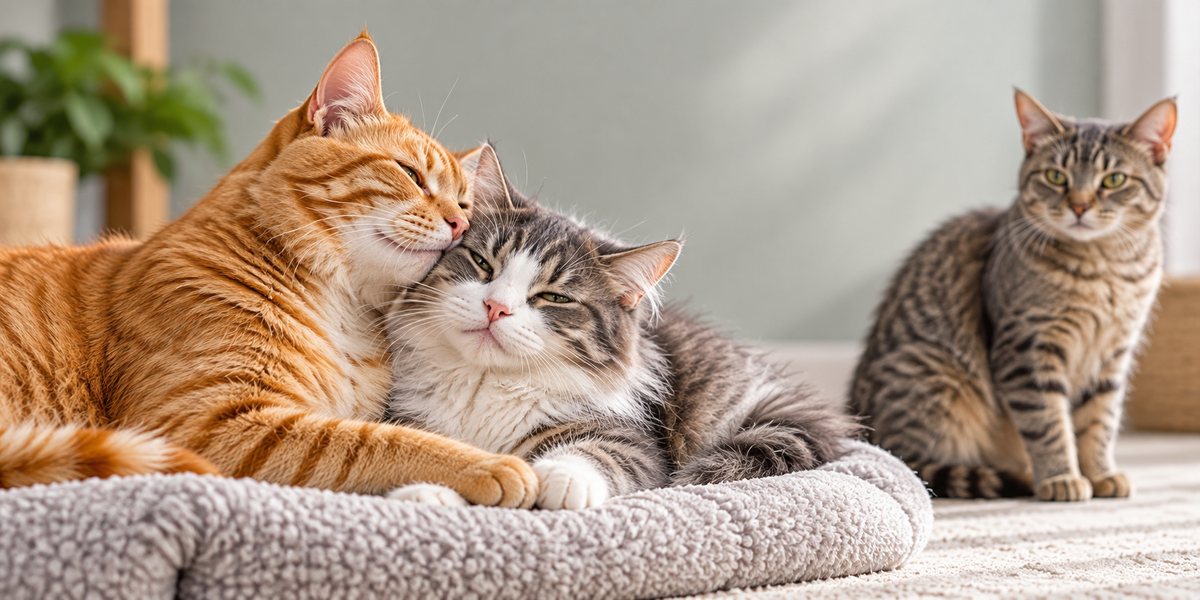
| Living with other cats | Often workable Kanaani cats are athletic, alert and comparatively independent, so another cat can be workable without being essential. They are best paired with a confident housemate that tolerates energetic play and given enough vertical territory and separate resources to avoid competition. |
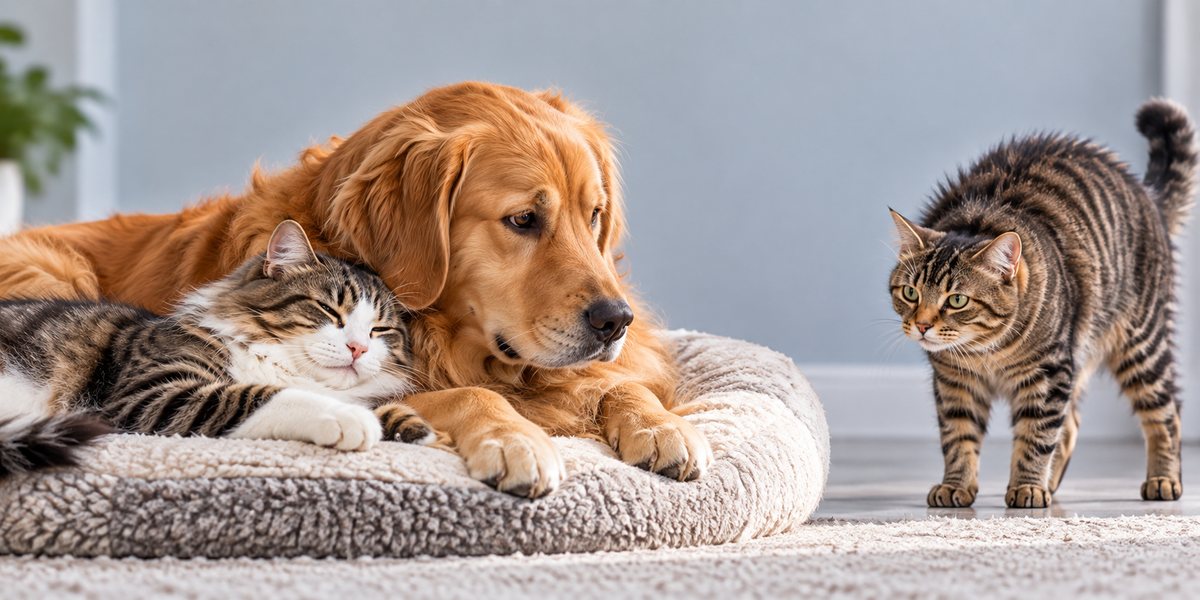
| Living with dogs | Moderate Kanaani cats are athletic, alert and relatively independent. They can share a home with a respectful dog, but territorial caution and high activity make controlled introductions and reliable escape routes particularly important. |
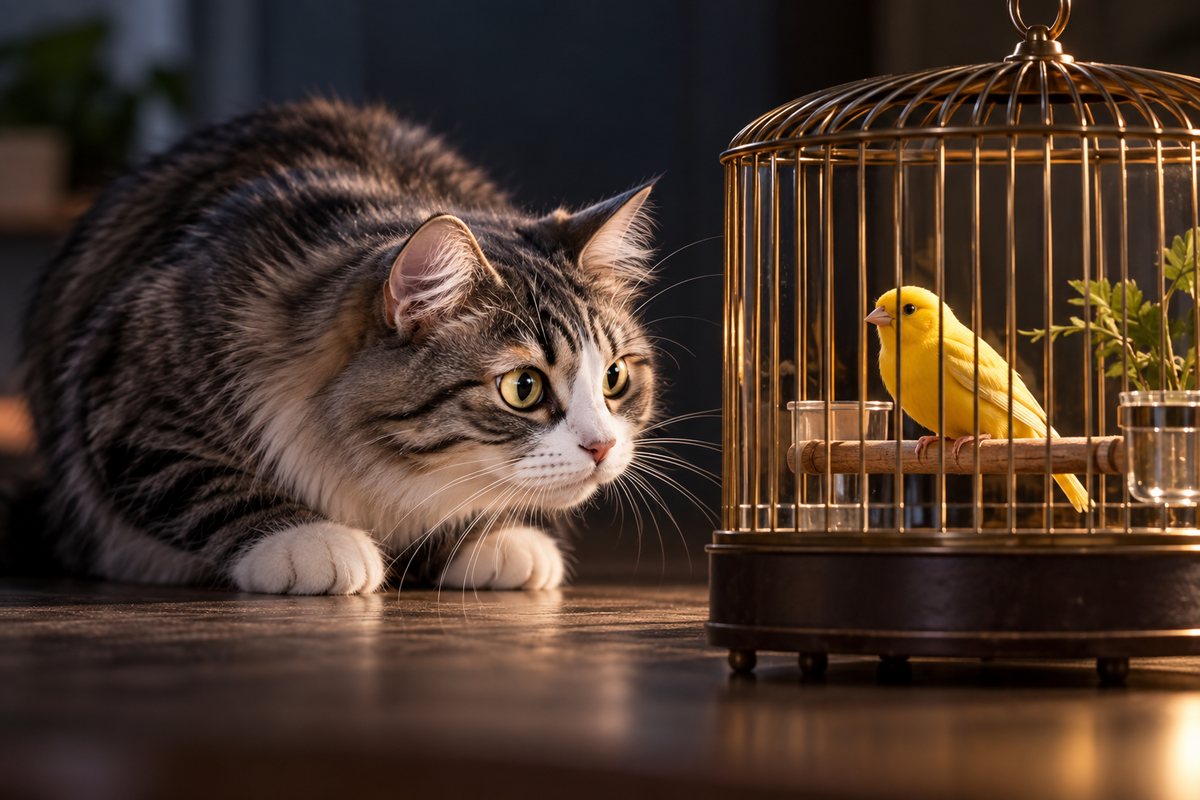
| Living around small pets | Additional caution Kanaani cats have an athletic, natural-type profile and substantial interest in exploration and movement. Their likely hunting competence warrants extra caution around birds, rodents and other small pets; physical separation is the safest policy. |
| Indoor & home environment needs | Active indoor enrichment Kanaani cats are athletic, alert and relatively independent. Indoor homes should provide extensive vertical routes, opportunities to run and stalk, secluded resting places and varied enrichment so the cat can control both activity and social distance. |
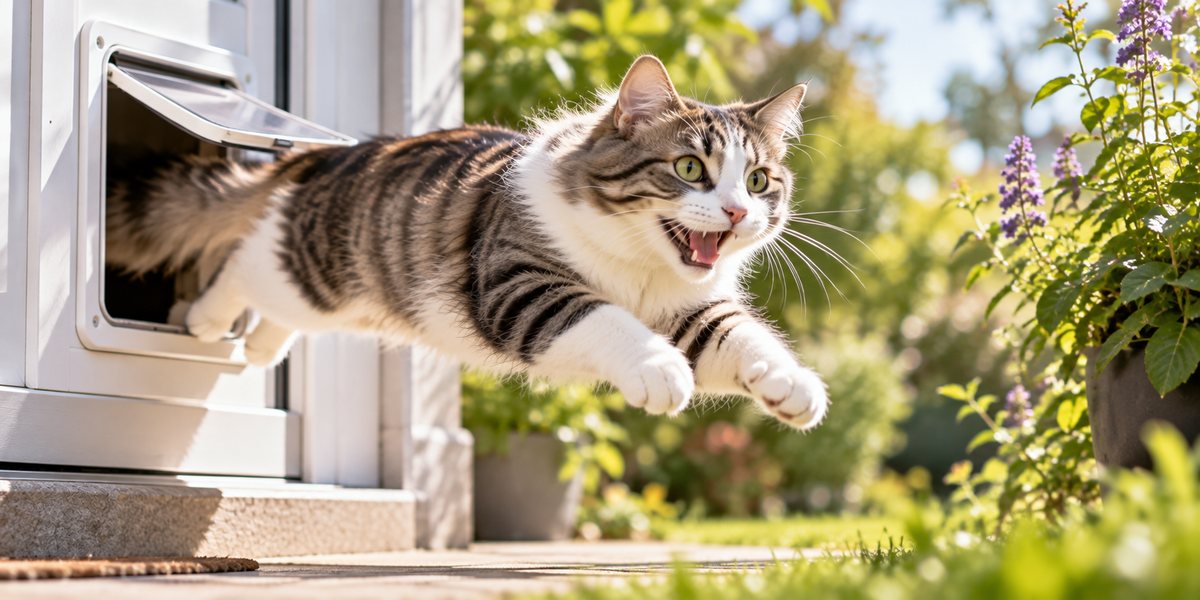
| Outdoor access considerations | Secure high activity Kanaani cats are athletic, alert and natural in type, making complex outdoor enrichment attractive. A secure garden or large enclosure can provide exploration and movement while controlling hunting and preventing a capable cat from roaming widely. |
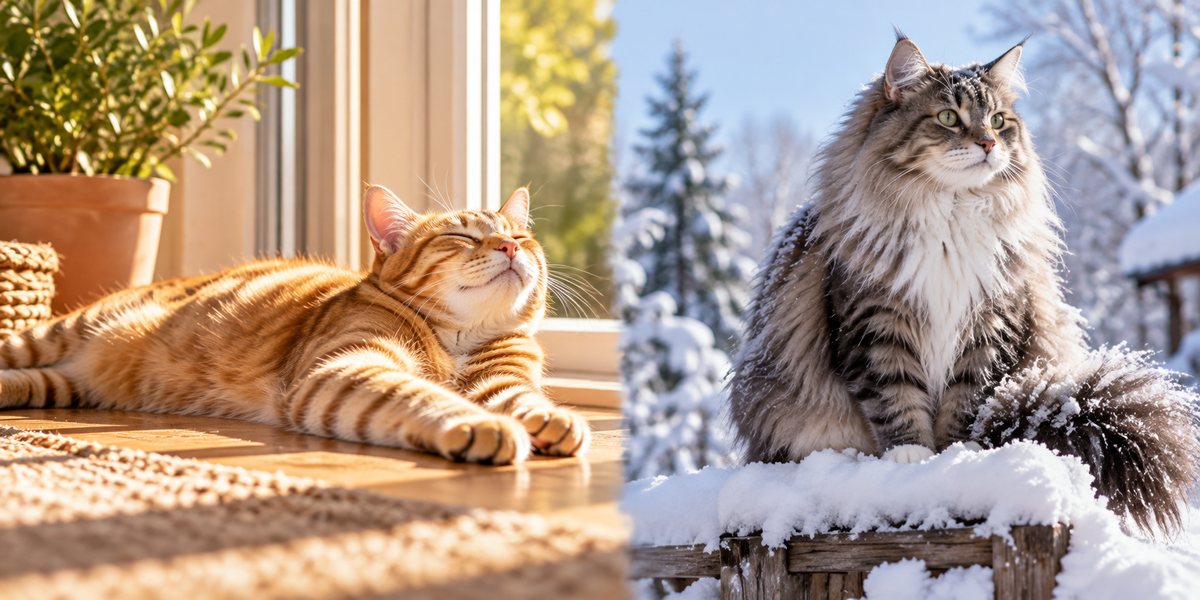
| Heat, cold & sun considerations | Shortcoat warm climate Kanaani cats have a short, athletic natural-type coat and ancestry associated with a warm region. They generally handle warmth well when hydrated and shaded, but should have protected warm shelter during cold weather. |
| Caregiver time & experience | Above average Kanaani cats are athletic, alert and relatively independent. Their coat is easy, but they need substantial environmental enrichment, vigorous play and secure management, making them better suited to caregivers comfortable with active natural-type cats. |
| Health & welfare | |
| Documented health predispositions | Limited specific risk Kanaani cats are rare and have no firmly established signature inherited disease. Their small breeding population makes genetic diversity and transparent family health history especially important, alongside ordinary feline cardiac, dental and preventive care. |
| Screening & breeder questions | Ask what health problems are tracked in the lines and request actual test results Ask for multigenerational health and longevity records, including cardiac, kidney and orthopedic problems, and how the breeder manages inbreeding and genetic diversity in this rare population. |
| Conformation-related welfare | Low conformation concern Kanaani cats have an athletic natural-type build without a defining structural mutation. Preserving balanced proportions, sound joints and genetic diversity is more important than pushing the breed toward a more extreme wild appearance. |
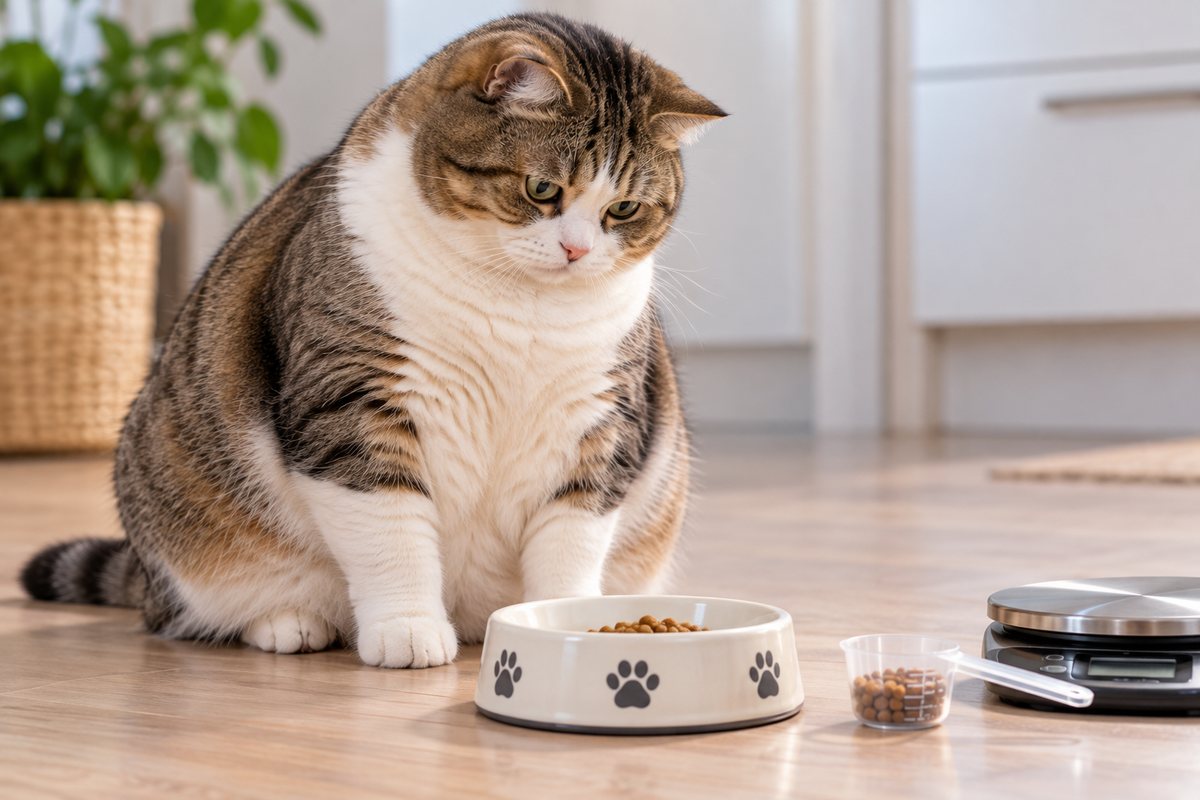
| Nutrition & weight management | High activity condition led Kanaani cats are athletic and natural in type. Feed to maintain strong muscle and a lean waist, adjusting portions if a secure indoor lifestyle provides less exercise than their energetic build would otherwise support. |
| Longevity | 12–16 years The Kanaani is an athletic, moderate-bodied breed with domestic and wild-looking selection rather than extreme conformation; about 12–16 years is a reasonable estimate. |
| Cost & availability | |
| Purchase cost | Very high: $1,000–$3,000+ Kanaani: a practical breeder-market estimate is $1,000–$3,000+. This reflects that it is an very rare breed with highly limited breeder availability. |
| Adoption & rehoming cost | Very rare in rescue: $100–$600 when genuinely available Kanaani: $100–$600 when genuinely available. The breed is scarce enough that a verified purebred rescue placement is unusual; transport may exceed the adoption fee. |
| Recurring ownership costs | Typical cat costs The short coat is inexpensive to maintain, but the athletic build benefits from sturdy climbing and play equipment. Otherwise recurring costs are conventional food, litter and preventive veterinary care. |
| Availability, waits & import | Very rare Kanaani cats have a very small breeder population and are rare outside parts of Europe. Prospective owners should expect limited choice, possible cross-border sourcing and a need to verify genuine pedigree continuity. |
| Identity & real-world context | |
| Ownership & import restrictions | No known breed specific restrictions There are no known breed-specific ownership restrictions. Ordinary animal-welfare, identification, vaccination and cross-border import rules still apply where relevant. |
| Registry recognition | No separate current CFA/TICA/FIFe recognition Kanaani is not a separately recognized current breed identity in CFA, TICA or FIFe within the FSC core registry matrix; recognition by smaller, national or experimental registries can differ. |
| Similar breeds & identity distinctions | Bengal spotted domestics Kanaani cats can resemble Bengals or spotted domestic shorthairs because of their athletic spotted/tabby appearance. They are a separate domestic breeding population without Bengal leopard-cat ancestry; pedigree and the breed's particular long-legged natural type are decisive. |
| Reported characteristic quirks | Individual quirks often center on play and exploration Kanaani cats can be notably vertical and exploratory, often preferring high shelves, tall cat trees and active patrol routes through the home. |
Browse all 53 breed characteristics
Open any characteristic to compare all breeds on that dimension.



 English