
Compare Cat Breeds
Compare up to three breeds across all 53 characteristics. Values are shown directly so the differences are easier to scan.
| Characteristic |  Japanese Bobtail |
|---|---|
| Body & development | |
| Adult size | Medium |
| Adult weight | 2.5–4.5 kg (5.5–9.9 lb) Japanese Bobtails are slender, athletic medium cats; adults commonly weigh about 2.5–4.5 kg (5.5–9.9 lb). |
| Build & distinguishing morphology | Muscular · long hindlegs · pom pom bobtail Build: muscular; long hindlegs; pom pom bobtail. |
| Maturation | 12-18 months The lean, medium Japanese Bobtail usually reaches adult frame size within its first year and finishes developing muscle and adult body condition through about 12–18 months. |
| Coat & appearance | |
| Coat length | Short · long Occurs in both shorthair and longhair forms. |
| Coat texture & undercoat | Soft silky · very little undercoat · short or long Coat: soft silky; very little undercoat; short or long. |
| Colors & patterns | Broad palette · mi ke favored Colors/patterns: broad palette; mi ke favored. |
| Eye colors | Gold · copper · green · blue · odd-eyed Gold, copper, green, blue and odd eyes occur; blue/odd eyes are particularly associated with white cats. |
| Coat & routine care | |
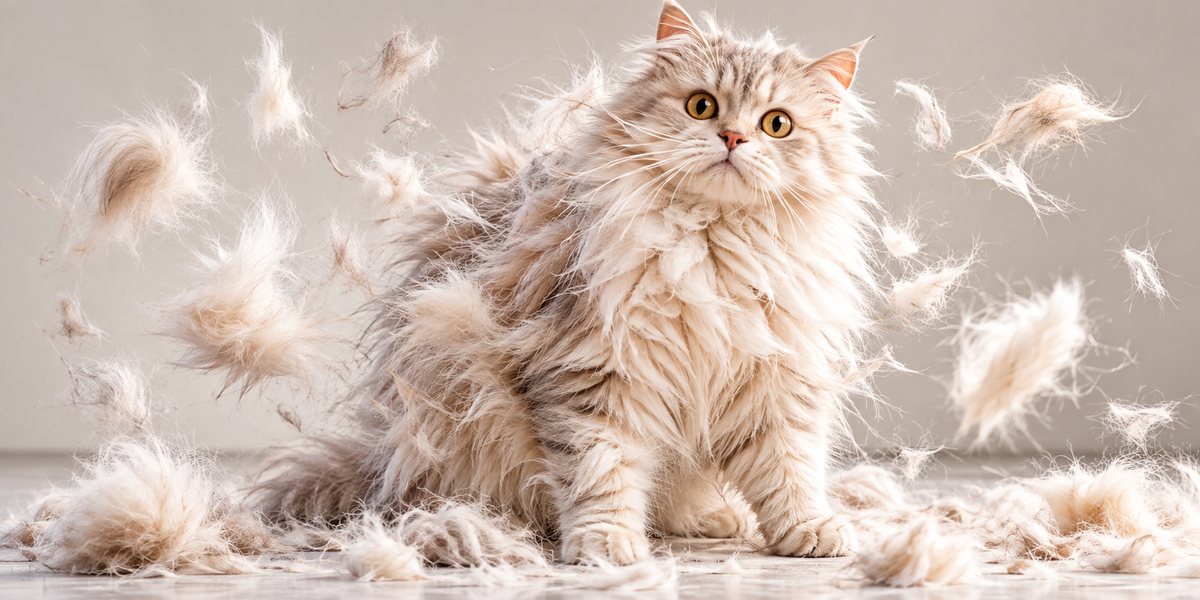
| Shedding | Low to moderate seasonal Usually low to moderate shedding, with a more noticeable seasonal shed despite the relatively low-undercoat silky coat. |
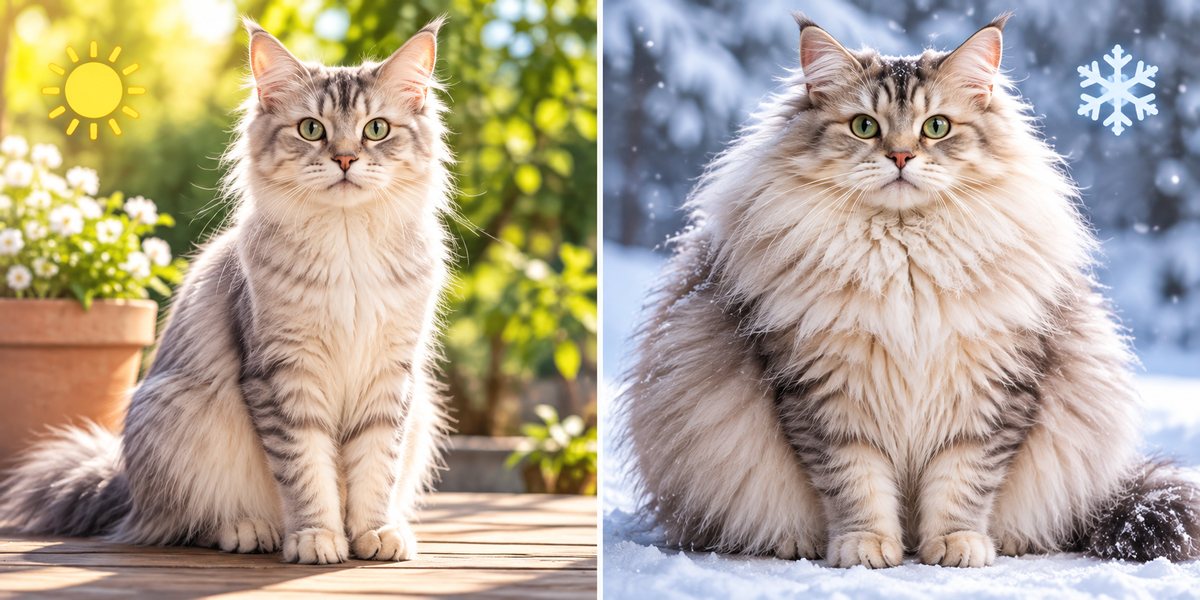
| Seasonal coat changes | Spring fall shed Seasonal coat: spring fall shed. |
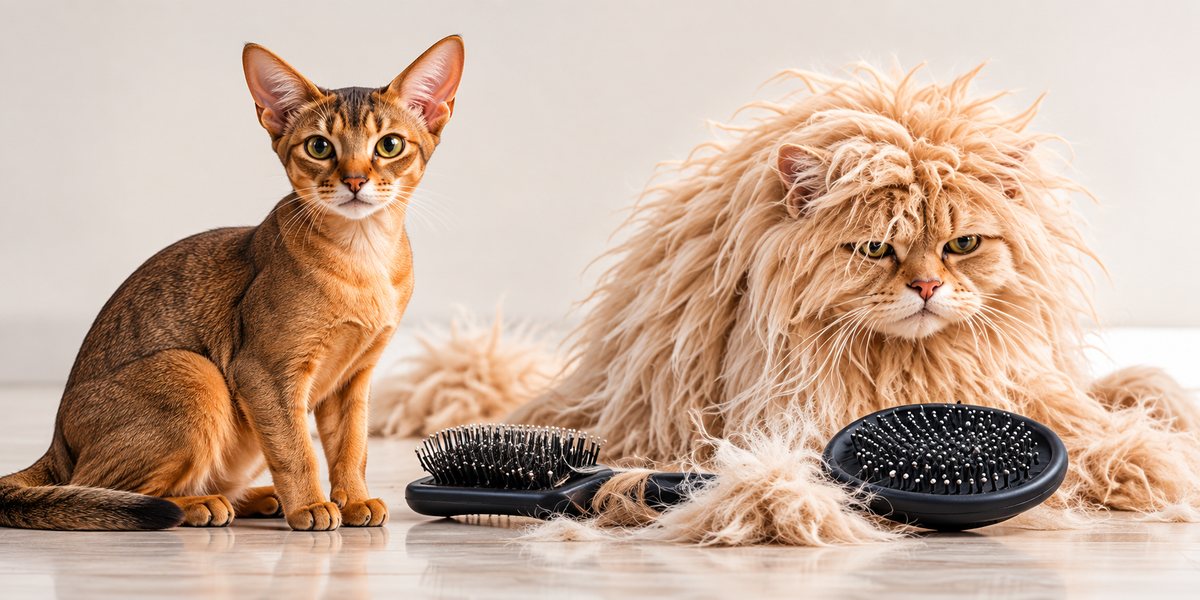
| Brushing & combing | Light regular · more seasonal Brushing/combing: light regular; more seasonal. |
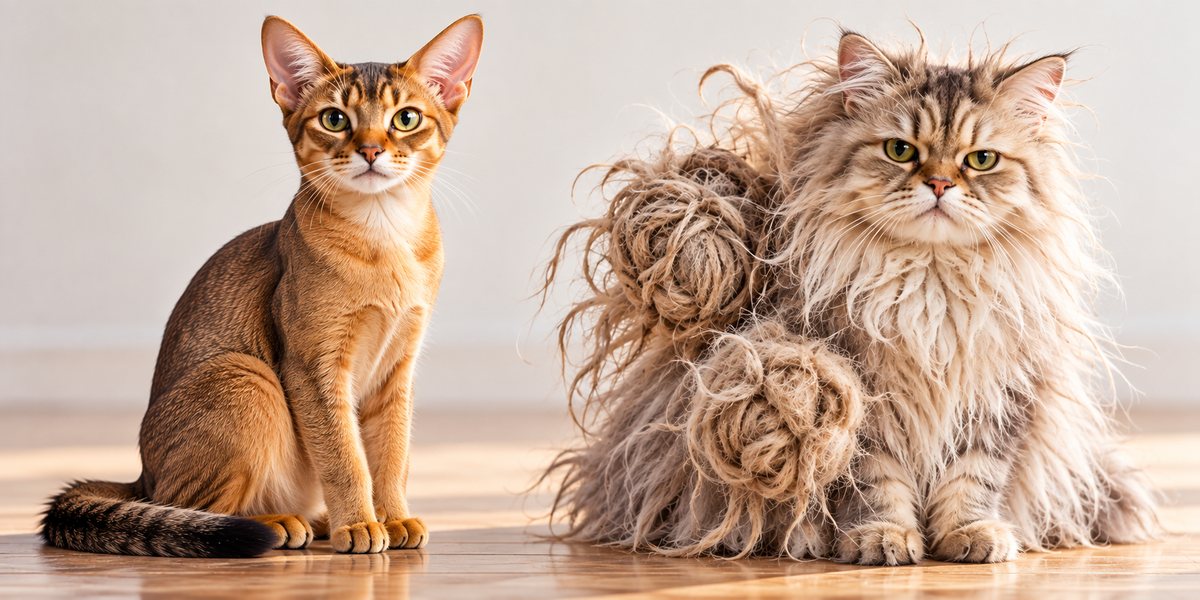
| Tangle & matting tendency | Very low Both coat lengths have very little undercoat, so even longhaired Japanese Bobtails are unusually resistant to matting. |
| Skin & bathing care | Bathing not routinely needed Routine bathing is generally unnecessary; bathe only when the coat is genuinely soiled or for a specific veterinary or grooming reason. |
| Distinctive routine care | Light regular brushing; increase during seasonal shedding The silky coat is easy to maintain; brushing should become more frequent during spring and fall shedding. |
| Allergy & allergen evidence | No breed specific reduction established There is no known reason to regard this breed as hypoallergenic. All cats produce allergens, and coat length or shedding alone does not determine allergy risk. |
| Activity & intelligence | |
| Activity level | Very high |
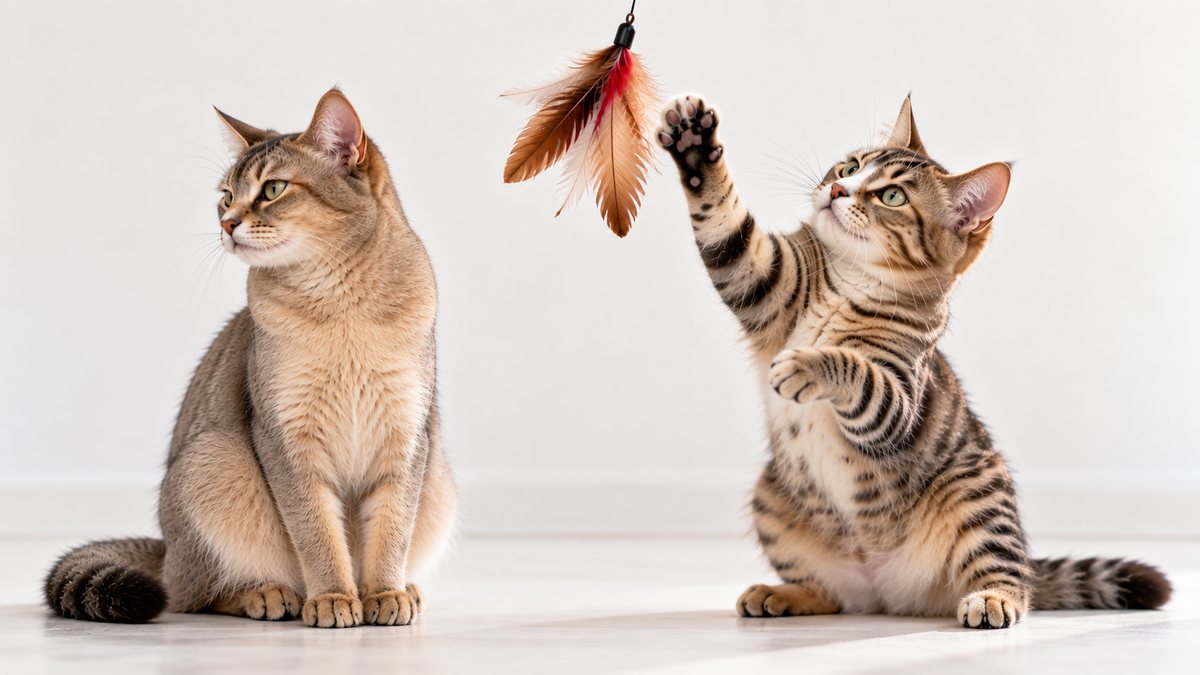
| Playfulness | Very high |
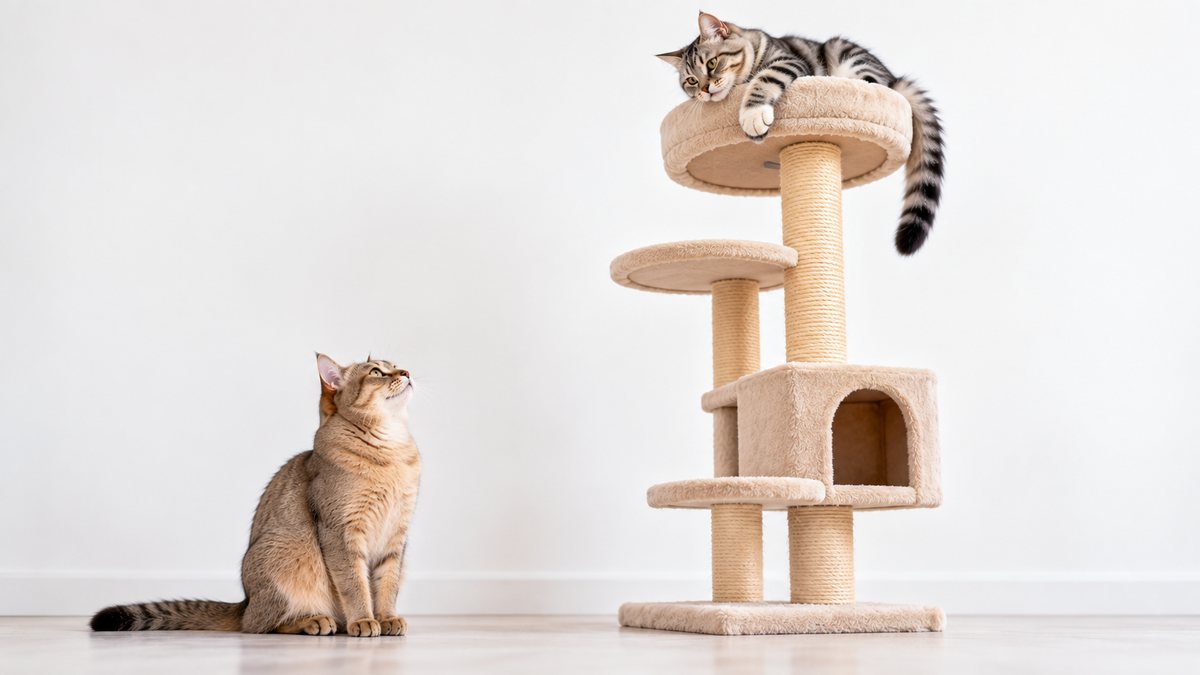
| Climbing & jumping | Very high |
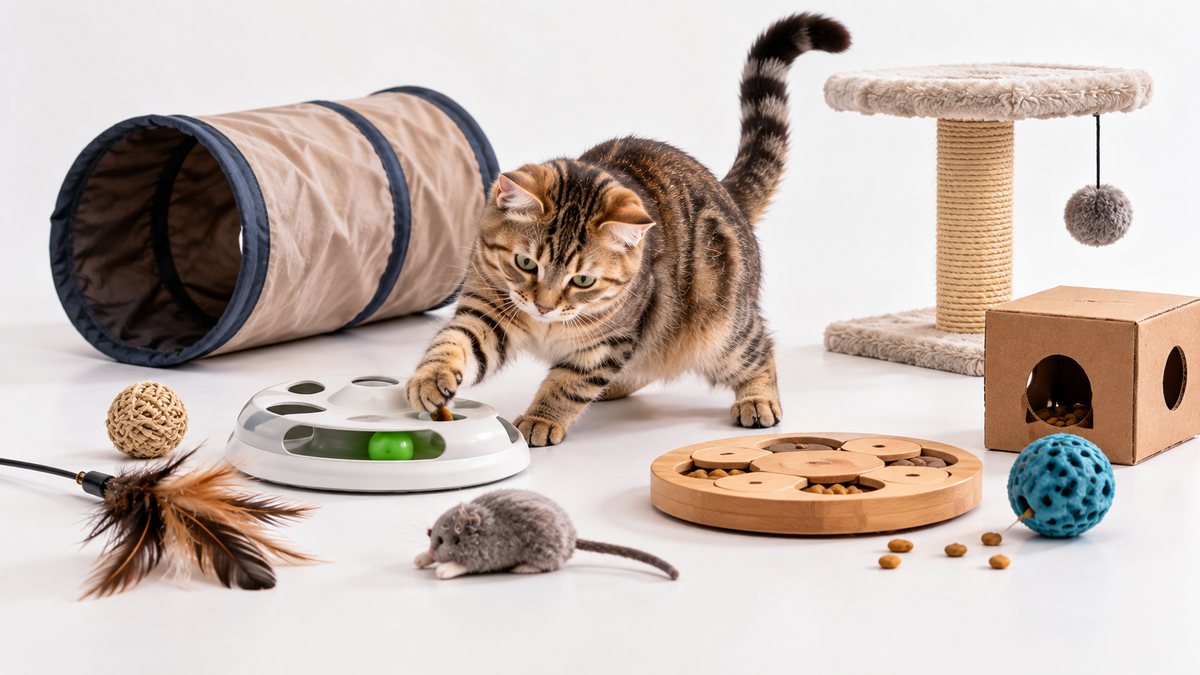
| Enrichment demand | High Very high enrichment demand: frequent interactive games, training, climbing and varied challenges suit its exceptionally playful, active and exploratory nature. |
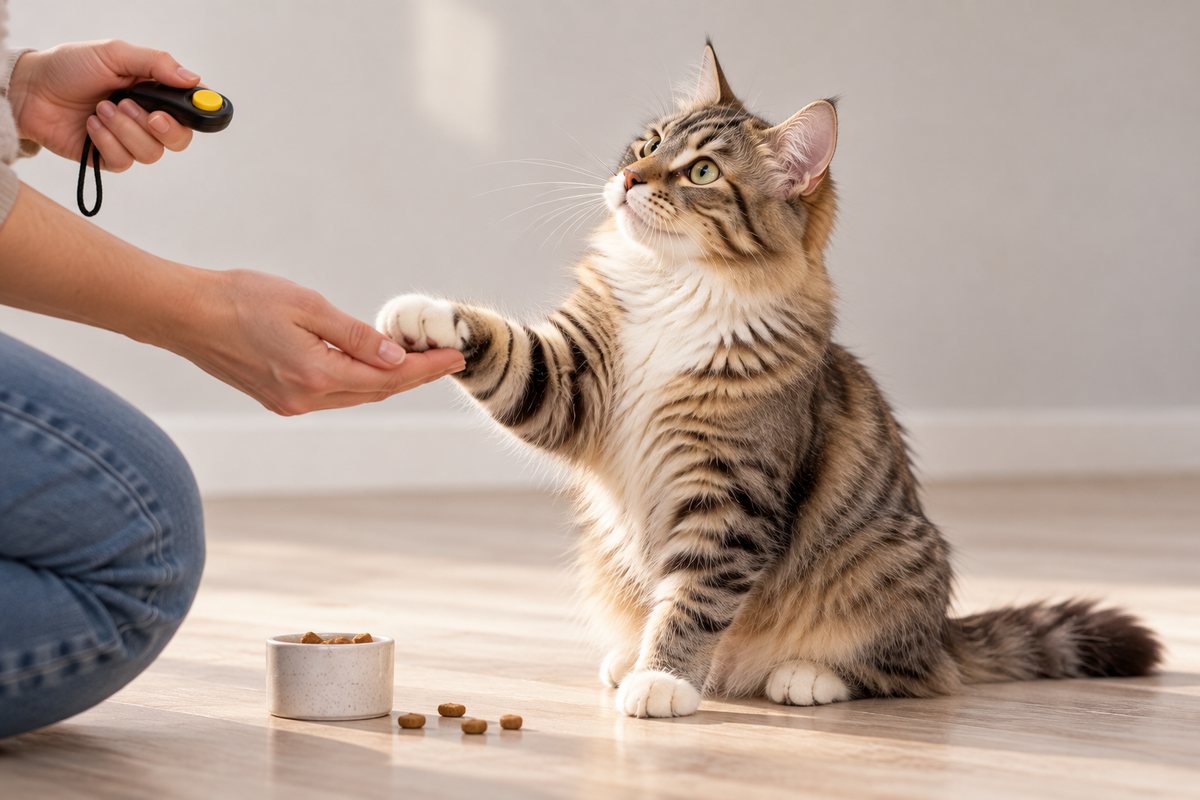
| Learning & training | Very high Japanese Bobtails are versatile learners well suited to tricks, fetch, puzzle work and even agility-style activities. |
| Curiosity & exploration | Very high Japanese Bobtails are highly curious, active cats that readily explore cupboards, rooms and household spaces and often turn investigation into interactive play. |
| Hunting & chasing tendencies | High Strong chasing is likely: Japanese Bobtails are agile, active and playful, with a long history as capable domestic mousers. |
| Personality & social | |
| Sociability with familiar people | Very high Japanese Bobtails are highly interactive family companions that generally enjoy frequent engagement with familiar people. |
| Affection | Vocal communicative · interactive playful · following Affection is active, conversational and participatory. |
| Lap & cuddling preference | Moderate Close companionship occurs, but active participation is more characteristic than persistent lap sitting. |
| Handling tolerance | High Outgoing, confident and human-oriented, the Japanese Bobtail generally accepts routine handling well, although its active temperament often favors interaction over sitting motionless in someone’s arms. |
| Independence & social demand | High High interaction and intelligence create substantial social engagement needs. |
| Vocalization | High Distinctly talkative, using a broad repertoire of chirps and meows often described as songlike. |
| Response to unfamiliar people | Very high Outgoing confident temperament supports strong visitor sociability. |
| Adaptability to change | Very high Confident, adaptable social temperament is widely emphasized in registry profiles. |
| Noise & busy-environment sensitivity | Low Confident, outgoing and active, Japanese Bobtails commonly handle lively households well and tend to remain socially involved despite normal domestic noise. |
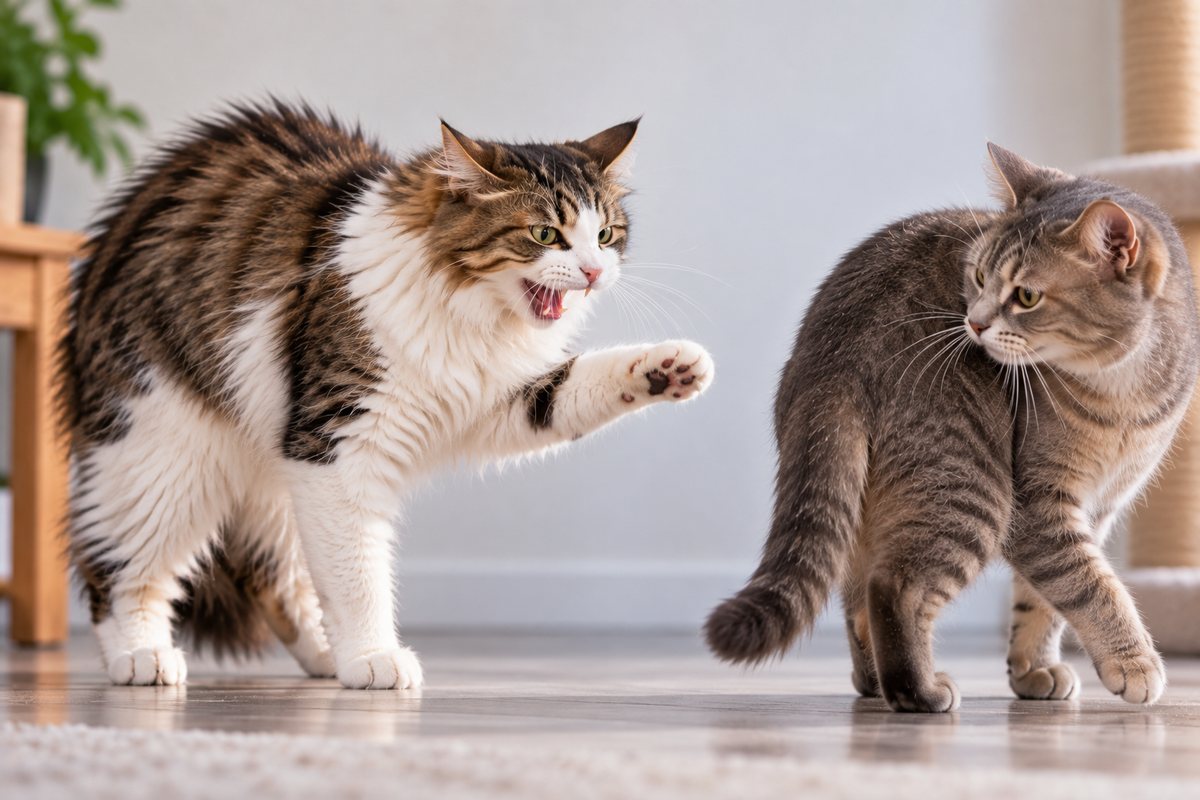
| Defensive & conflict behaviour | Low Japanese Bobtails are typically confident, social and active, traits that reduce fear-based defensiveness in ordinary household life. They may be assertive about play or attention, but serious escalation is not expected when socialized and given room to disengage. |
| Household & environment | |
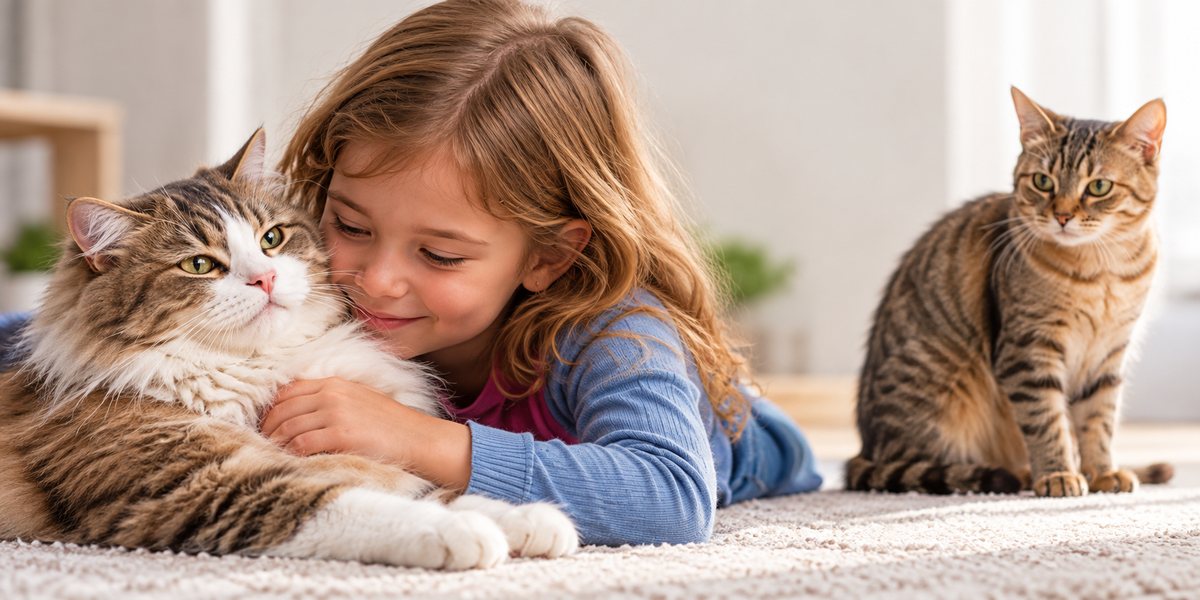
| Living with children | Favorable tendency Outgoing, active family temperament generally suits respectful children. |
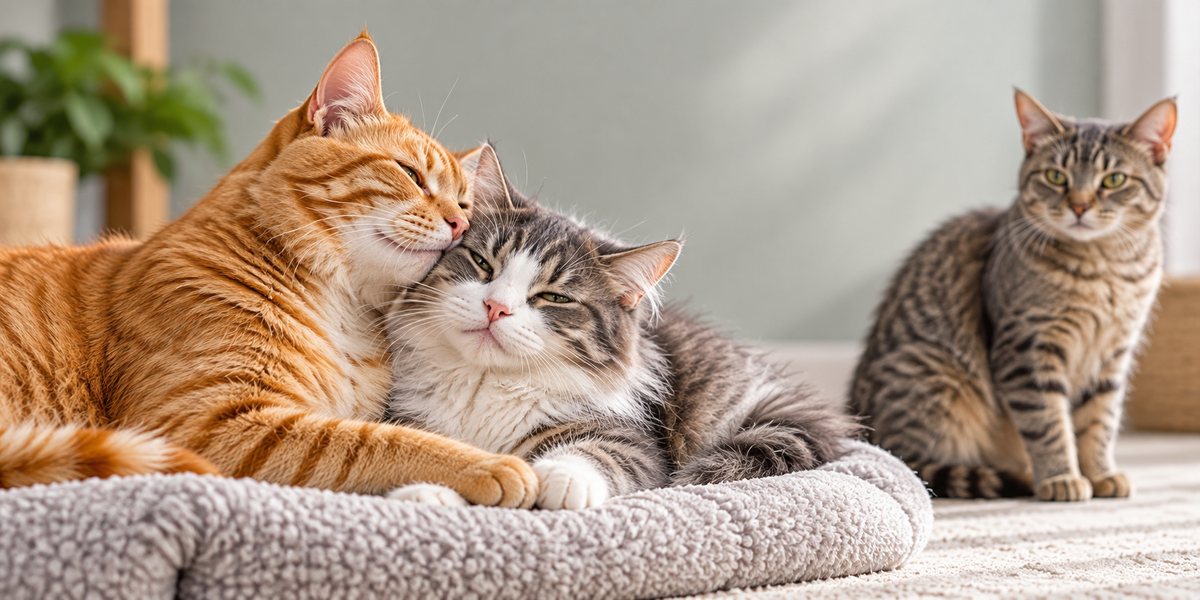
| Living with other cats | Favorable tendency Generally adapts well to other pets and is reported to get along well in multi-pet homes. |
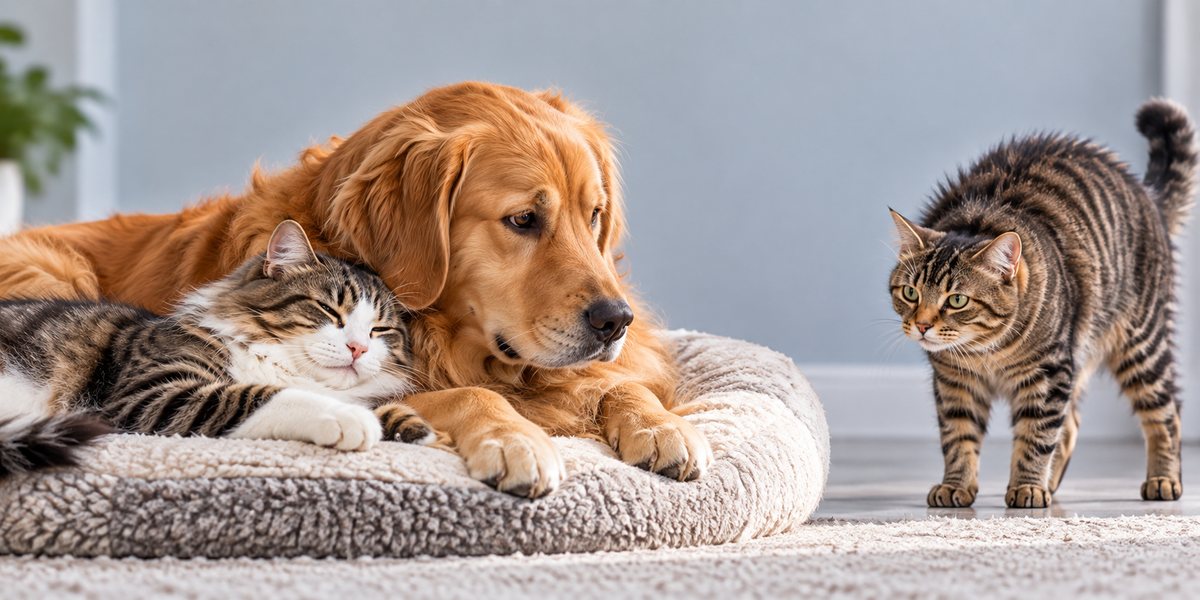
| Living with dogs | Good Confident adaptable temperament commonly supports compatible dogs. |
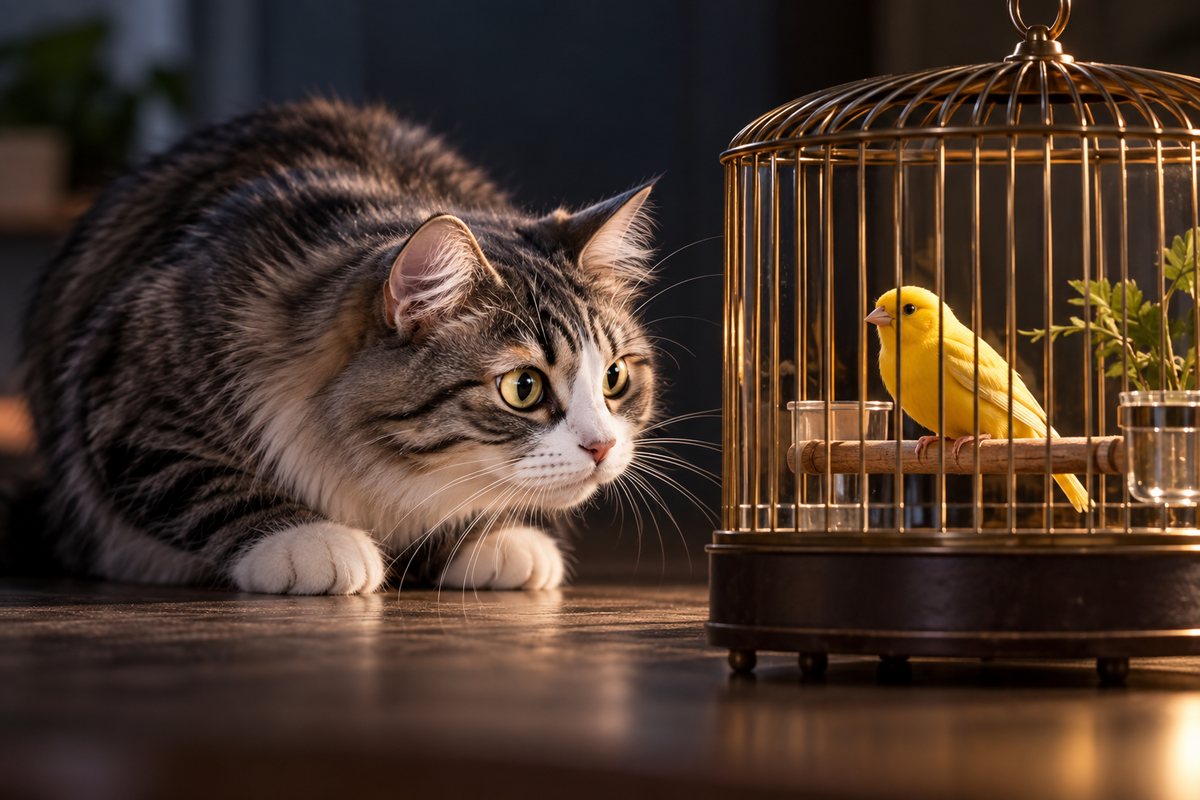
| Living around small pets | Additional caution Japanese Bobtails are active, agile and playful cats with a long domestic history that includes practical hunting ability. Small pets can trigger chasing and pouncing, so secure separation is preferable to testing individual tolerance. |
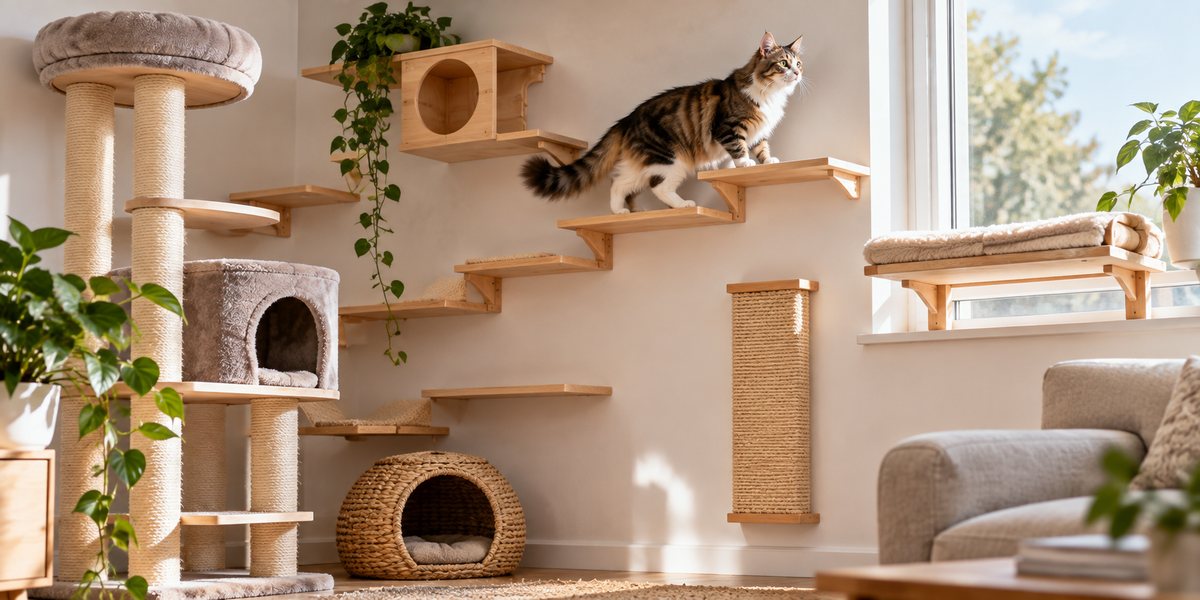
| Indoor & home environment needs | Interactive home · vertical space · puzzle enrichment Japanese Bobtails are agile, social and intelligent. Indoor homes should offer jumping and climbing opportunities, puzzle activities, training or fetch-style games and regular family involvement to channel their active curiosity. |
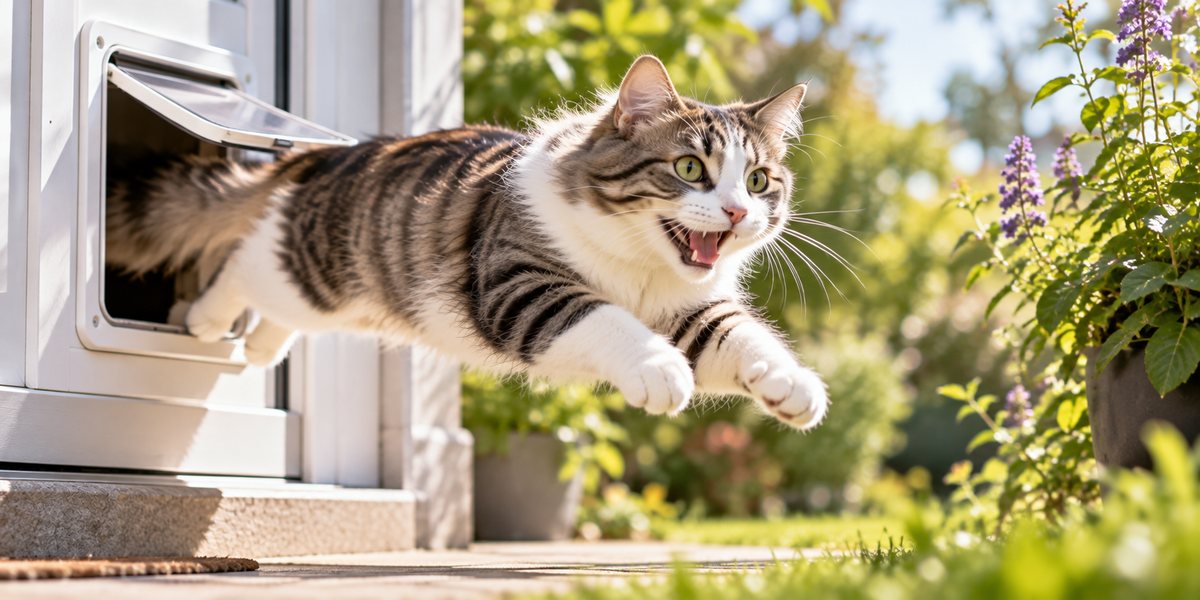
| Outdoor access considerations | Secure high activity Japanese Bobtails are agile, active and exploratory. A secure garden or catio can provide jumping, observation and sensory opportunities without exposing a capable hunter and traveller to unrestricted outdoor hazards. |
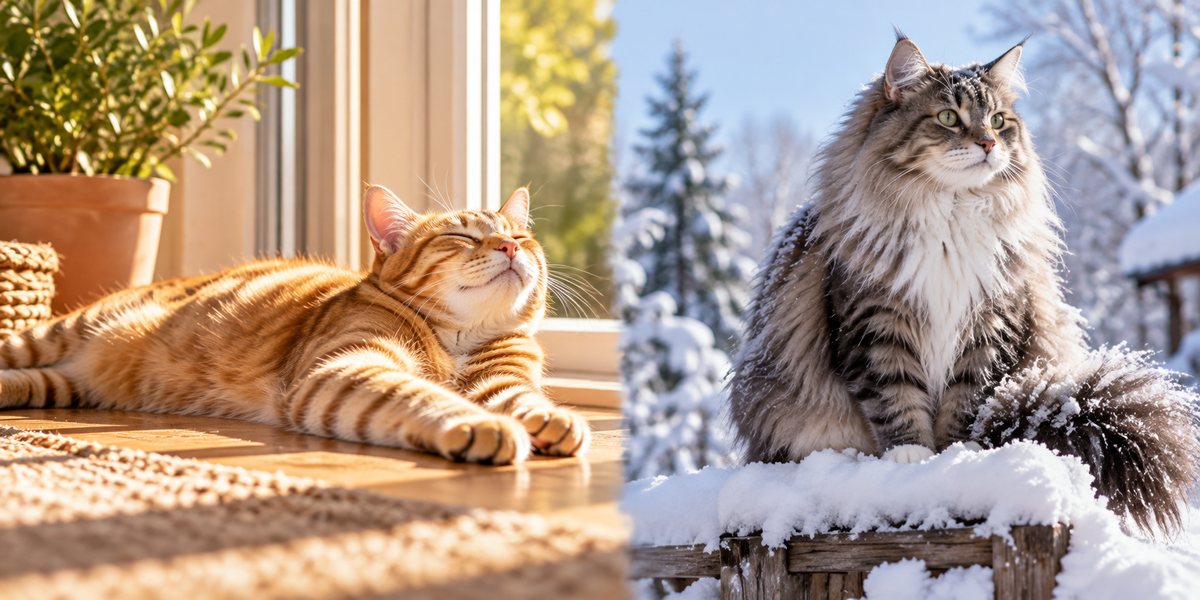
| Heat, cold & sun considerations | Seasonal coat adaptable Japanese Bobtails have a relatively light coat that changes seasonally and generally adapts well to ordinary household climates. They need normal shade and hydration in heat and warm dry shelter during cold weather, without a strong extreme-climate specialization. |
| Caregiver time & experience | High High activity/intelligence create substantial engagement needs despite relatively straightforward coat care. |
| Health & welfare | |
| Documented health predispositions | No major breed-specific predisposition is known The Japanese Bobtail is generally regarded as a healthy breed, without a prominent breed-specific disease pattern. |
| Screening & breeder questions | Ask for documentation relevant to the breed’s recorded health concerns Ask about heart, kidney and orthopedic disease in close relatives, whether the bobtail trait has ever been associated with spinal or mobility problems in the line, and request health-screening documentation. |
| Conformation-related welfare | Moderate tail concern Japanese Bobtails have shortened kinked tails. The tail should be pain-free and accompanied by normal spine, pelvis, gait and elimination; selection should favor healthy function rather than the shortest or most tightly kinked tail. |
| Nutrition & weight management | High activity condition led Japanese Bobtails are agile, active cats that often remain playful into adulthood. A complete diet adjusted to actual activity is appropriate, with body-condition monitoring preventing energetic youngsters from becoming heavier as they mature. |
| Longevity | 9–13+ years A typical reported life expectancy is about 9–13 years or longer. |
| Cost & availability | |
| Purchase cost | High: $800–$2,000 Japanese Bobtail: a practical breeder-market estimate is $800–$2,000. This reflects that it is an established but relatively uncommon outside specialist breeders. |
| Adoption & rehoming cost | Uncommon in rescue: $100–$500 typical rescue/adoption fee Japanese Bobtail: $100–$500 typical rescue/adoption fee. The breed does appear in rescue, but much less often than mixed-breed cats or the most numerous pedigrees. |
| Recurring ownership costs | Coat maintenance · enrichment/toy replacement Routine costs are moderate, with simple coat care and ordinary food and litter. Their playful temperament can justify regular toy/enrichment replacement, while the bobtail itself should not require routine medical spending in a healthy cat. |
| Availability, waits & import | Moderately available Japanese Bobtails have established breeders in Japan, North America and parts of Europe but are not numerous. A specialized breeder can usually be located in major regions, though local availability may be intermittent. |
| Identity & real-world context | |
| Ownership & import restrictions | No known breed specific restrictions There are no known breed-specific ownership restrictions. Ordinary animal-welfare, identification, vaccination and cross-border import rules still apply where relevant. |
| Registry recognition | CFA: recognized breed/division · TICA: Championship-recognized / current breed identity · FIFe: fully recognized breed / mapped breed identity Currently recognized in all three registries tracked by the FSC core matrix: CFA, TICA and FIFe. |
| Similar breeds & identity distinctions | Kurilian Mekong bobtails Japanese Bobtails have a distinctive pom-pom tail formed by kinked vertebrae and a relatively fine, athletic body. Kurilian Bobtails are generally more robust with a different tail structure, while Mekong Bobtails are colorpointed and more Siamese-derived in type. |
| Reported characteristic quirks | Distinctive conversational repertoire and strong fetch/agility tendencies. Japanese Bobtails are often highly interactive and can learn retrieval games; many use a broad range of chirps and trills, giving rise to the familiar impression of a cat that 'sings' to its people. |
Browse all 53 breed characteristics
Open any characteristic to compare all breeds on that dimension.








 English