
Compare Cat Breeds
Compare up to three breeds across all 53 characteristics. Values are shown directly so the differences are easier to scan.
| Characteristic | 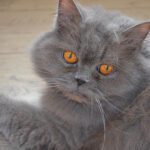 Highlander |
|---|---|
| Body & development | |
| Adult size | Medium to large |
| Adult weight | 4.0–7.0 kg (8.8–15.4 lb) Highlanders are substantial, muscular cats; about 4.0–7.0 kg (8.8–15.4 lb) is a practical adult range, with males often larger. |
| Build & distinguishing morphology | Substantial · powerful · muscular · long hind legs The Highlander is substantial and powerfully muscular, with long flexible hind legs, large feet and a naturally short expressive tail. |
| Maturation | 2-3 years The Highlander is a substantial, muscular breed; it can continue broadening and developing adult musculature beyond the first year, with full maturity around 2–3 years. |
| Coat & appearance | |
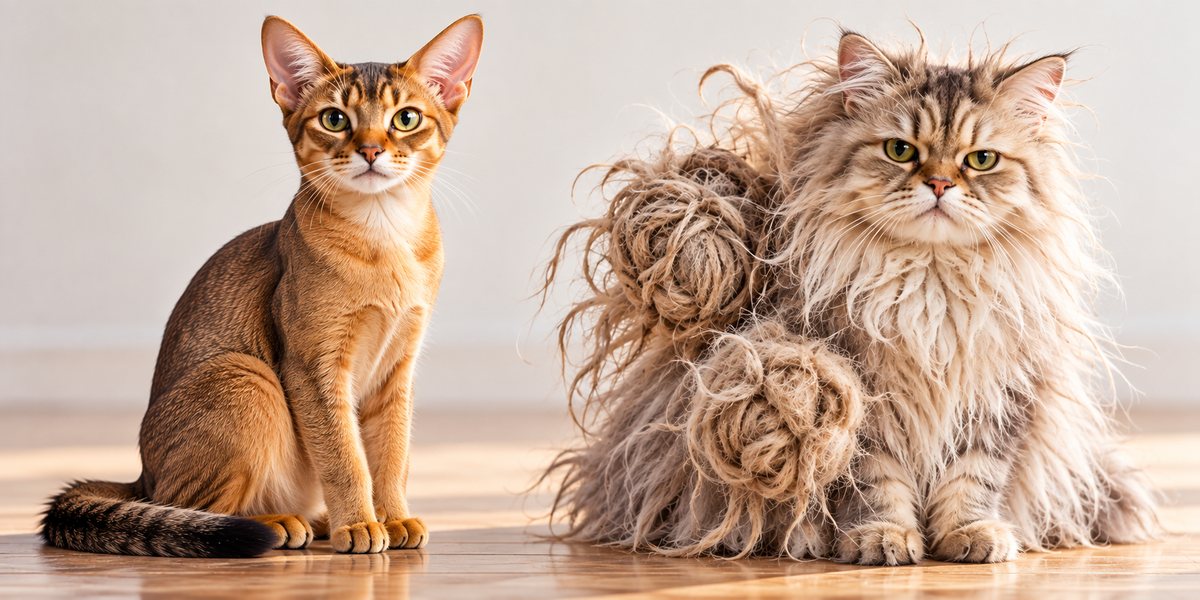
| Coat length | Short · long Occurs in both shorthaired and longhaired forms. |
| Coat texture & undercoat | Short or long · dense · moderate undercoat Highlanders occur in short and long coats; both are generally dense and substantial, with a moderate undercoat and more obvious furnishings in longhairs. |
| Colors & patterns | Broad palette; tabby · spotted · solid · tortie · bicolor Highlanders occur in a broad palette; tabby and spotted expressions are common alongside solids, torties and white spotting. |
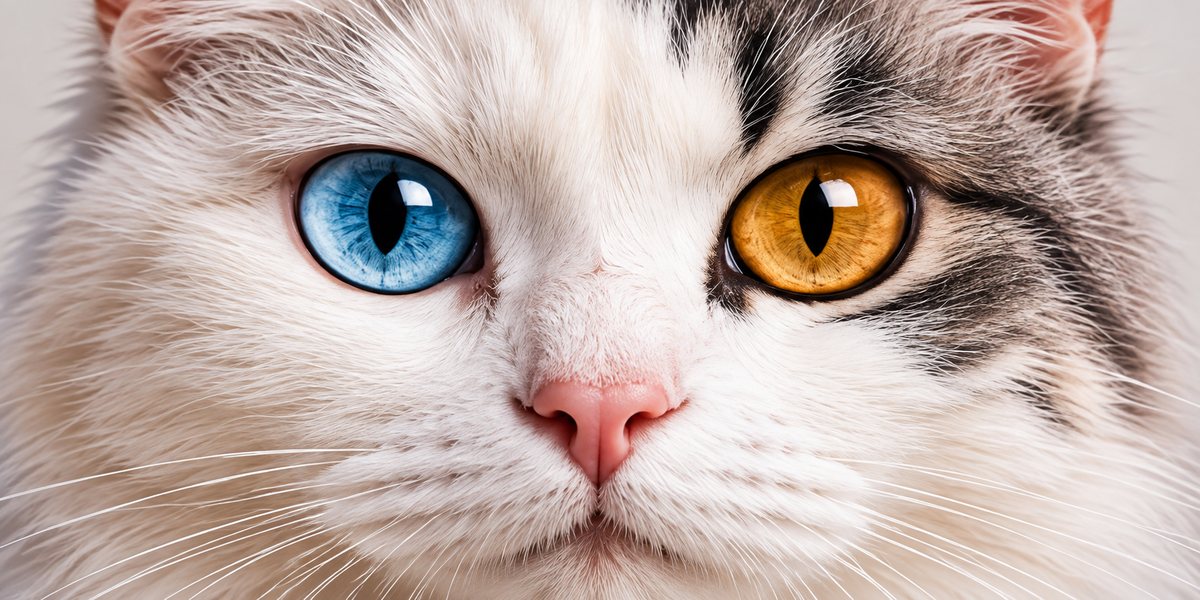
| Eye colors | Gold · green · hazel · blue; coat-dependent Gold, green and hazel are common possibilities; blue can occur where coat genetics permit. |
| Coat & routine care | |
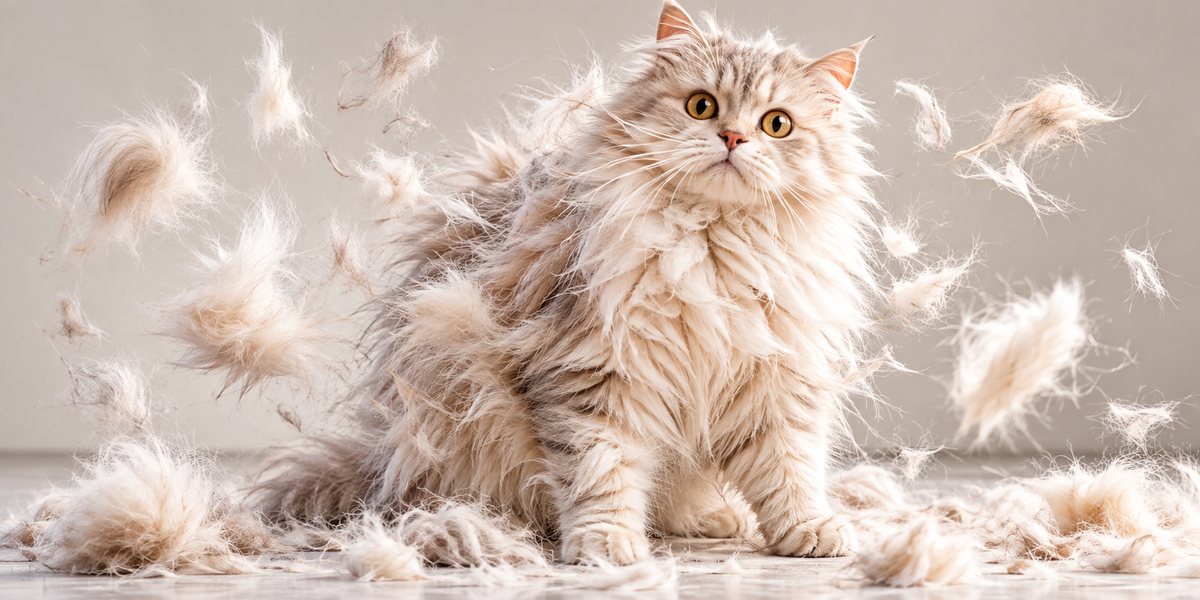
| Shedding | Moderate Moderate shedding; coat length varies, with longhaired Highlanders leaving more visible loose hair. |
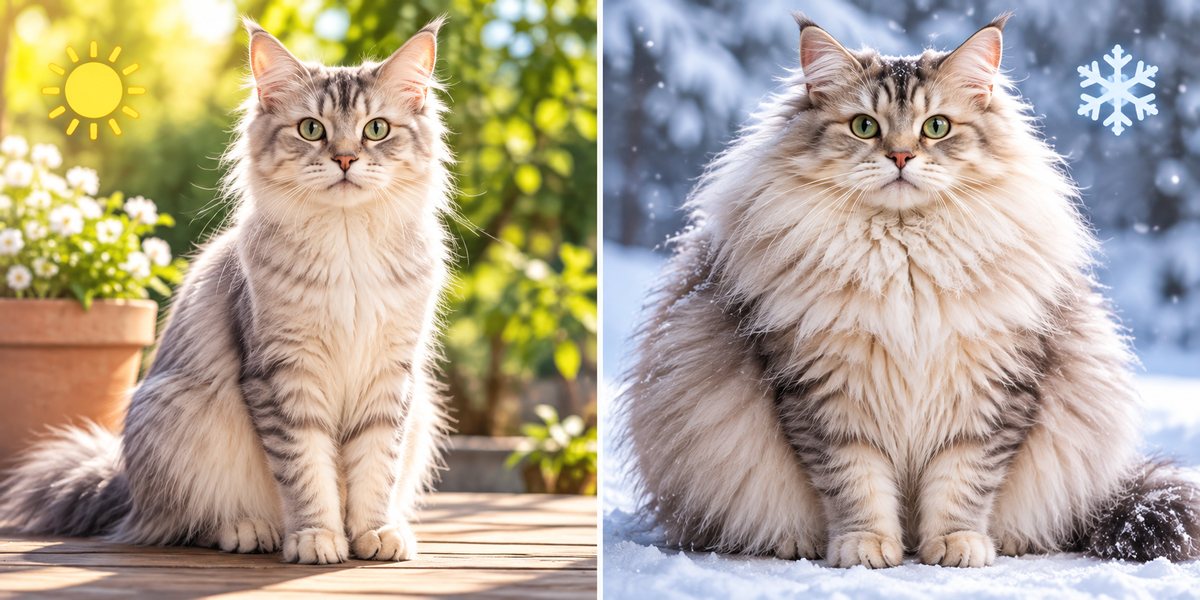
| Seasonal coat changes | Moderate seasonal shed Highlanders generally shed more during seasonal coat turnover; the change is more obvious in longhaired cats and in individuals with a denser undercoat. |
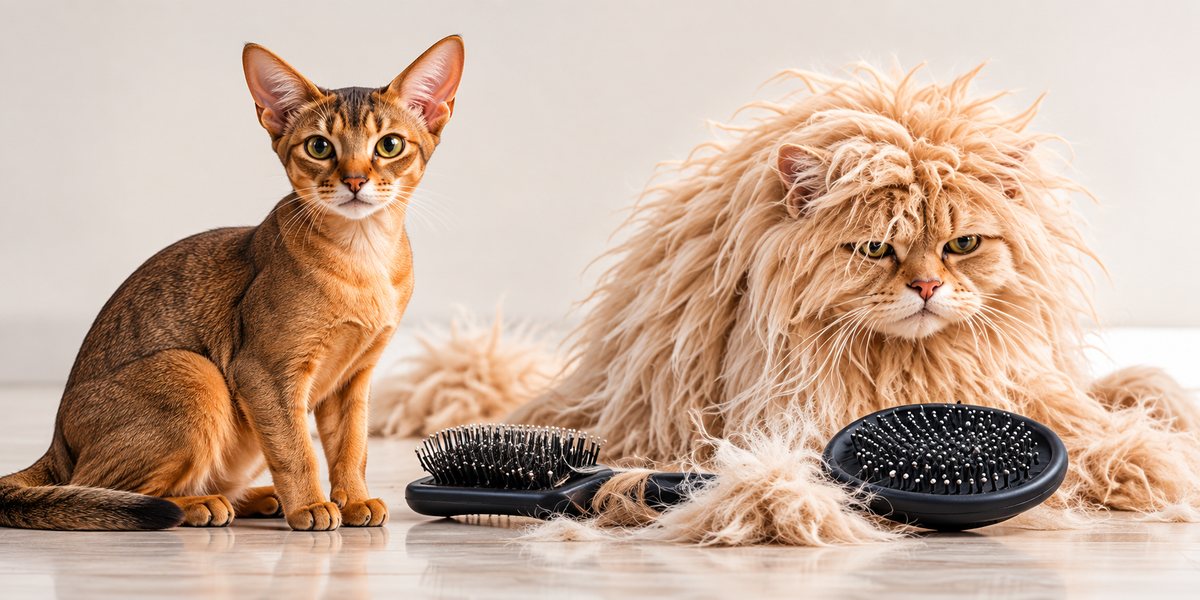
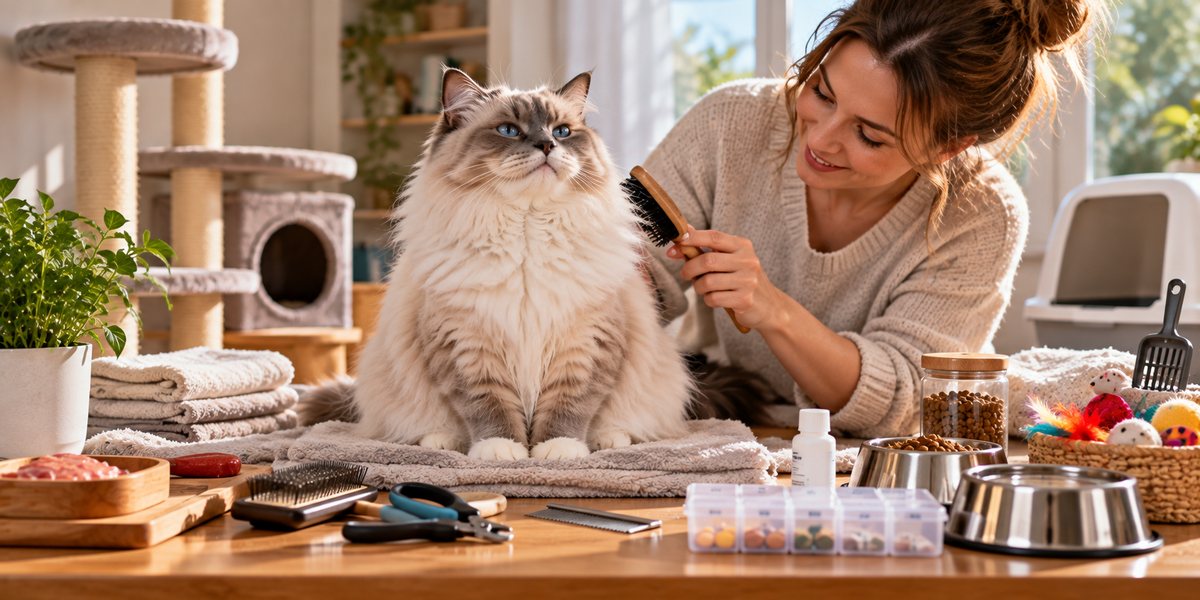
| Brushing & combing | 3x week or as needed Weekly brushing generally suits shorthairs, while longhaired Highlanders need combing several times a week around the ruff, belly and hindquarters. |
| Tangle & matting tendency | Low to moderate by length Shorthairs rarely mat; longhaired Highlanders can develop knots in furnishings and friction areas, particularly during seasonal shedding. |
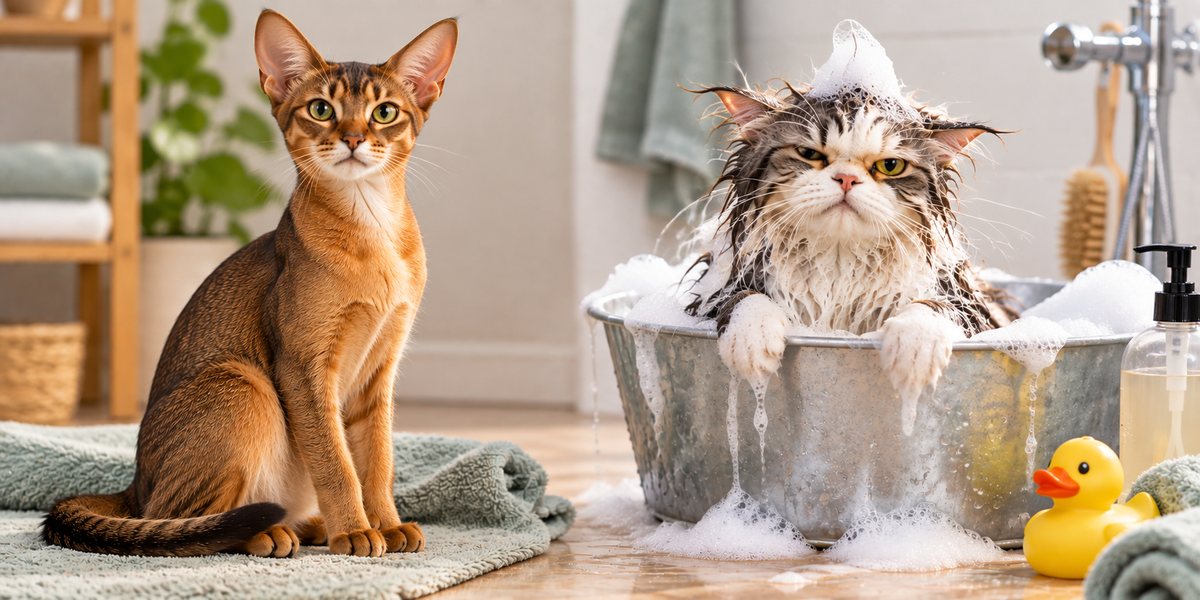
| Skin & bathing care | Bathing not routinely needed Routine bathing is generally unnecessary; bathe only when the coat is genuinely soiled or for a specific veterinary or grooming reason. |
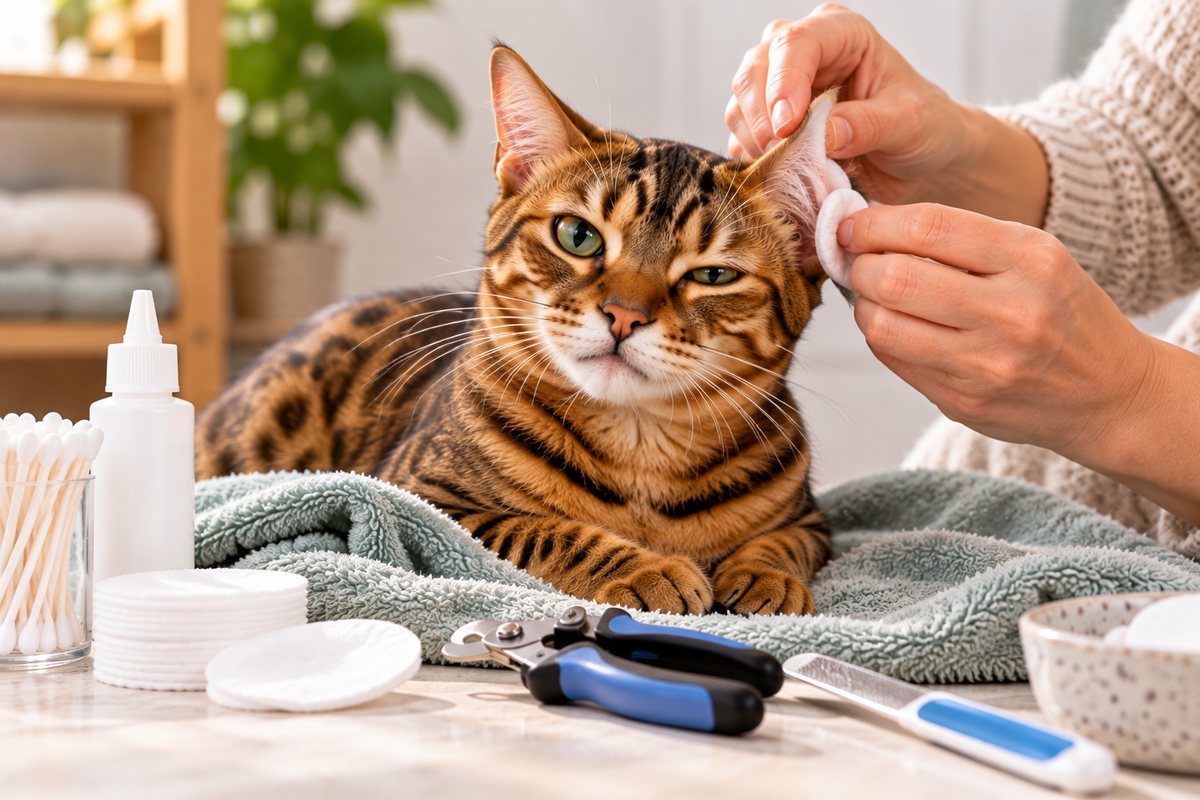
| Distinctive routine care | Coat ear joint check Highlanders need grooming appropriate to coat length plus routine checks of the curled ears without forceful manipulation. Their large, athletic body also makes weight, joints and mobility useful things to monitor. |
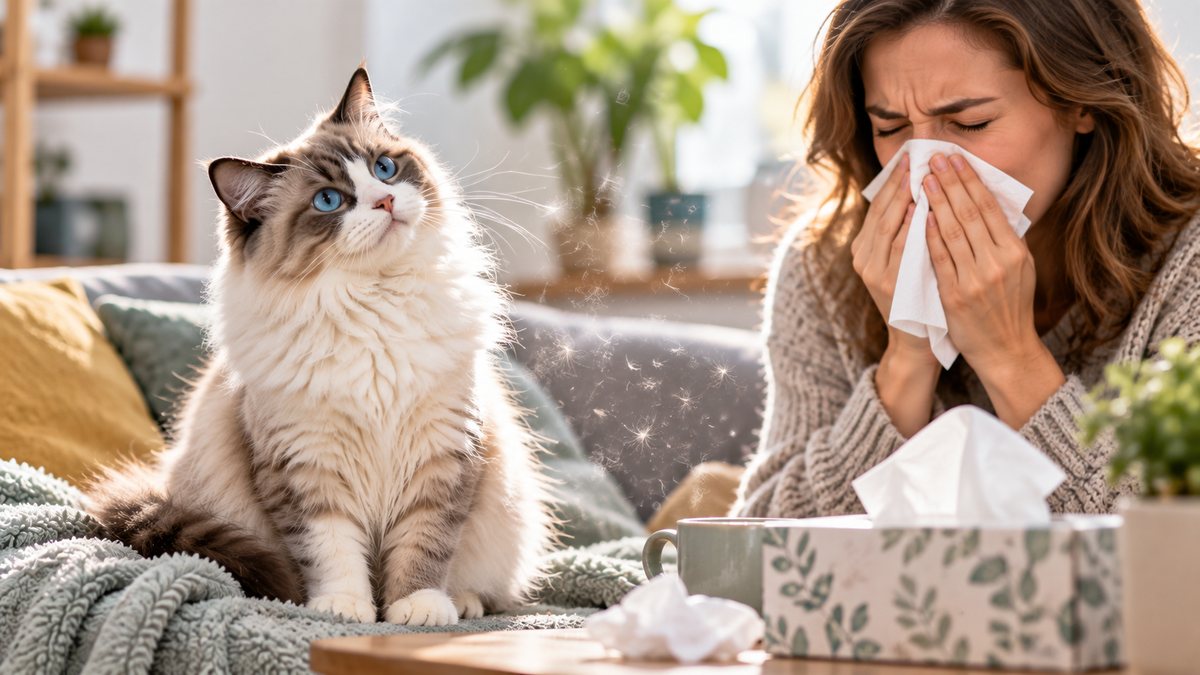
| Allergy & allergen evidence | No breed specific reduction established There is no known reason to regard this breed as hypoallergenic. All cats produce allergens, and coat length or shedding alone does not determine allergy risk. |
| Activity & intelligence | |
| Activity level | Very high Highlanders are high-energy cats whose active play helps build their powerful musculature. |
| Playfulness | Very high Play and chase games are central to the Highlander temperament. |
| Climbing & jumping | High A highly active cat of this type should be expected to make substantial use of climbing and jumping opportunities. |
| Enrichment demand | High High enrichment demand: vigorous daily play, climbing and exploration are important for this highly active and playful cat, even when its curiosity is socially focused. |
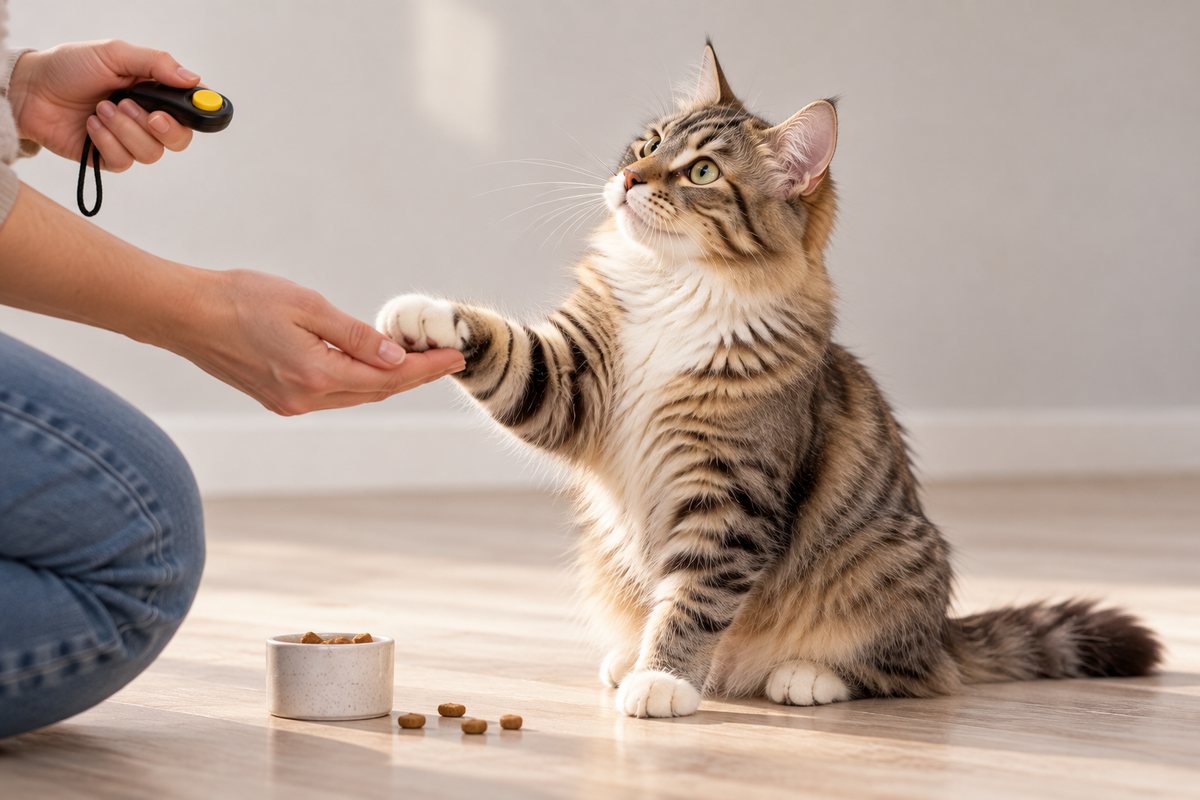
| Learning & training | High The Highlander’s playful, outgoing temperament supports good trainability, especially for interactive games, target work and routines that channel its physical energy. |
| Curiosity & exploration | High Highlanders are energetic, playful cats with a bold domestic hybrid-type look; they are generally confident investigators that benefit from climbing, play and environmental novelty. |
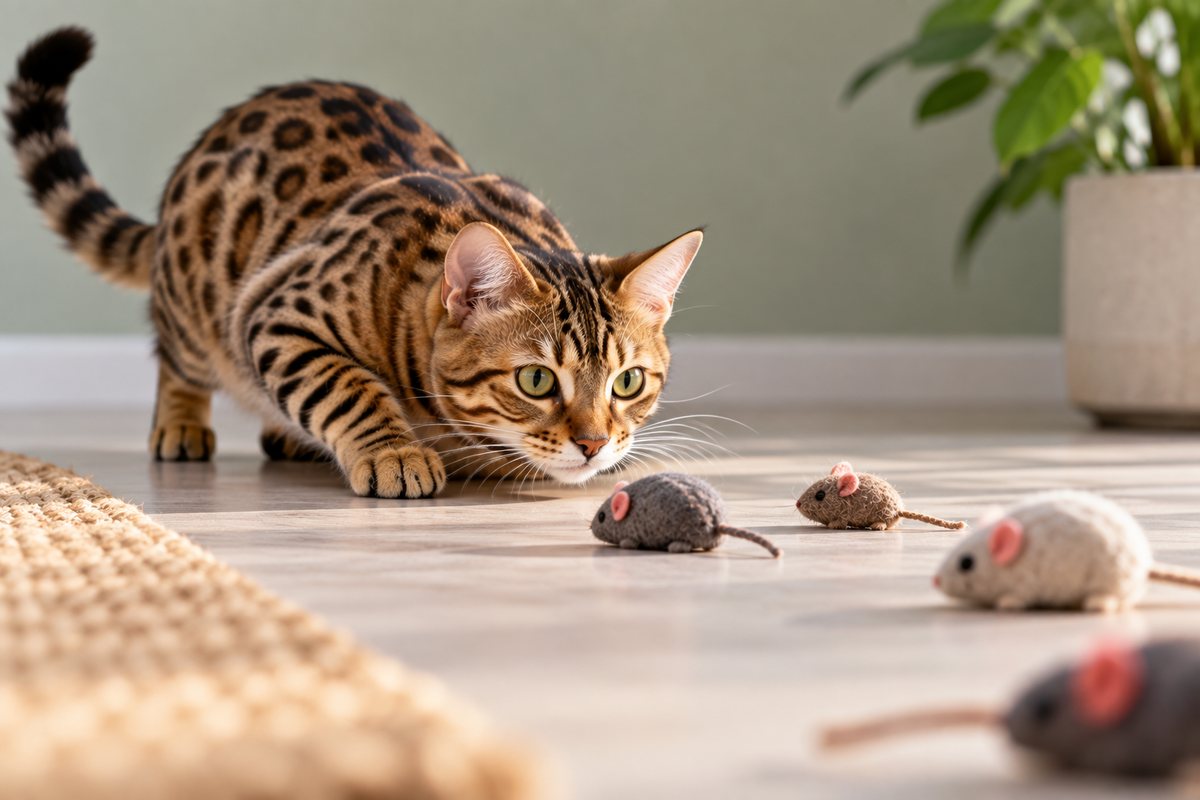
| Hunting & chasing tendencies | Moderate to high Expect strong chase-and-pounce play; Highlanders are typically energetic, athletic and playful, so vigorous pursuit games are appropriate enrichment. |
| Personality & social | |
| Sociability with familiar people | Very high Highlanders love human company and actively seek attention. |
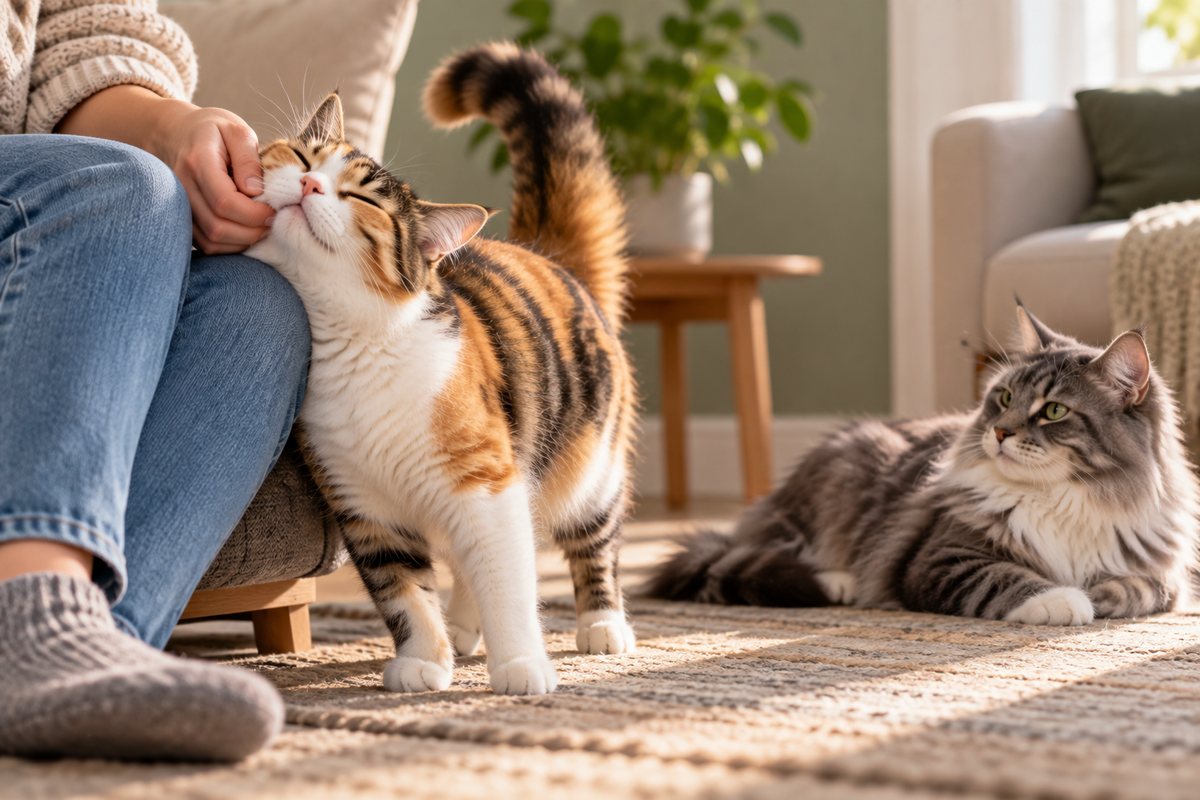
| Affection | Attention seeking · interactive · people oriented Affection is outgoing and interactive: Highlanders tend to seek attention and involvement with people. |
| Lap & cuddling preference | Moderate Highlanders are interactive and people-friendly but notably playful and athletic, so lap time tends to alternate with active engagement rather than dominate their affection style. |
| Handling tolerance | High Usually outgoing and people-oriented despite the wild-looking exterior, Highlanders commonly tolerate ordinary handling well; their substantial, athletic body should be securely supported. |
| Independence & social demand | High social demand This strongly people-oriented breed generally prefers regular companionship and involvement in household life. |
| Vocalization | Low |
| Response to unfamiliar people | High Highlanders are generally confident enough to greet and perform for visitors rather than disappearing. |
| Adaptability to change | High Confident, playful Highlanders generally cope well with new routines and household activity, especially when changes preserve opportunities for play and social contact. |
| Noise & busy-environment sensitivity | Low Outgoing, confident and playful, the Highlander generally suits an active household and is not expected to be unusually troubled by ordinary noise and movement. |
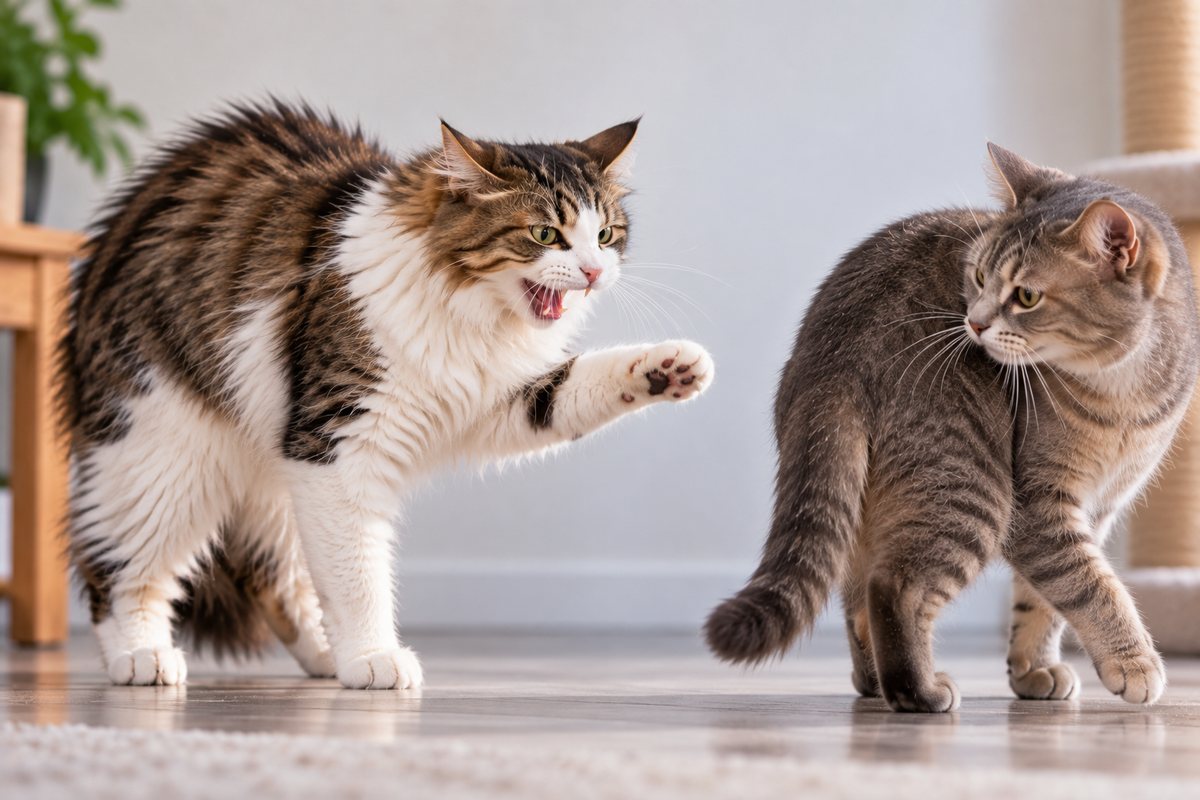
| Defensive & conflict behaviour | Moderate Highlanders are confident, energetic cats with a robust play style. They are not generally expected to seek conflict, but high arousal and physical play can look forceful, and poorly managed introductions may produce firmer territorial responses than in very placid breeds. |
| Household & environment | |
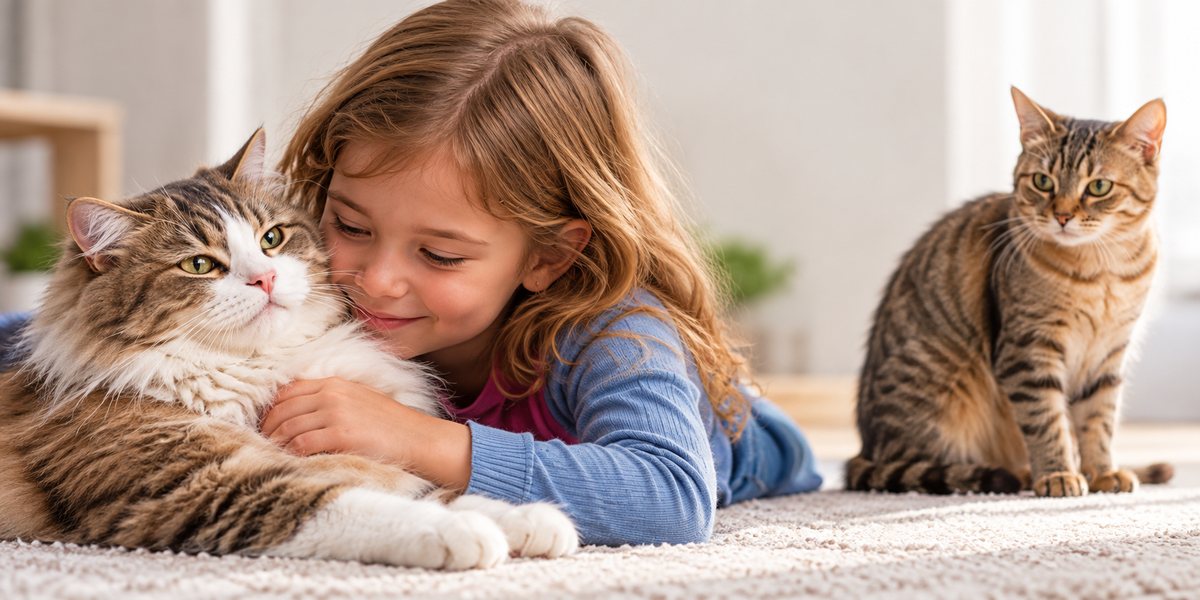
| Living with children | Good Highlanders are confident, energetic and playful cats that can be rewarding companions for active children. Their robust play style needs appropriate toys and supervision so excitement is directed away from hands and feet. |
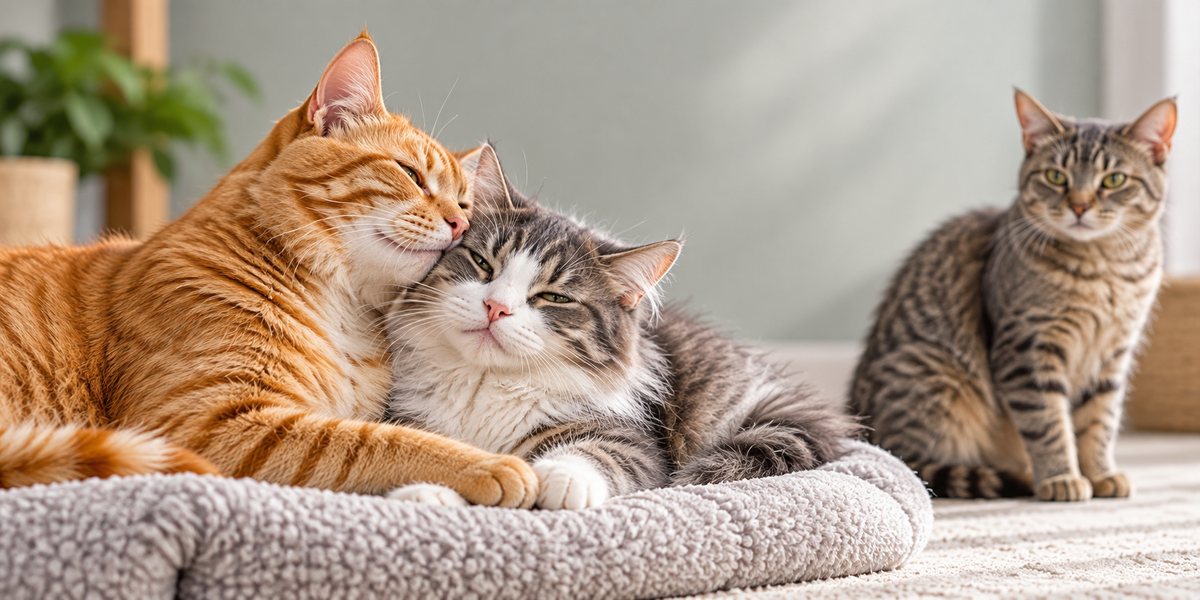
| Living with other cats | Favorable tendency Highlanders are usually outgoing, playful and socially confident. Many are well suited to another active, friendly cat, although their energetic play style can overwhelm a timid or elderly companion unless activity levels are matched. |
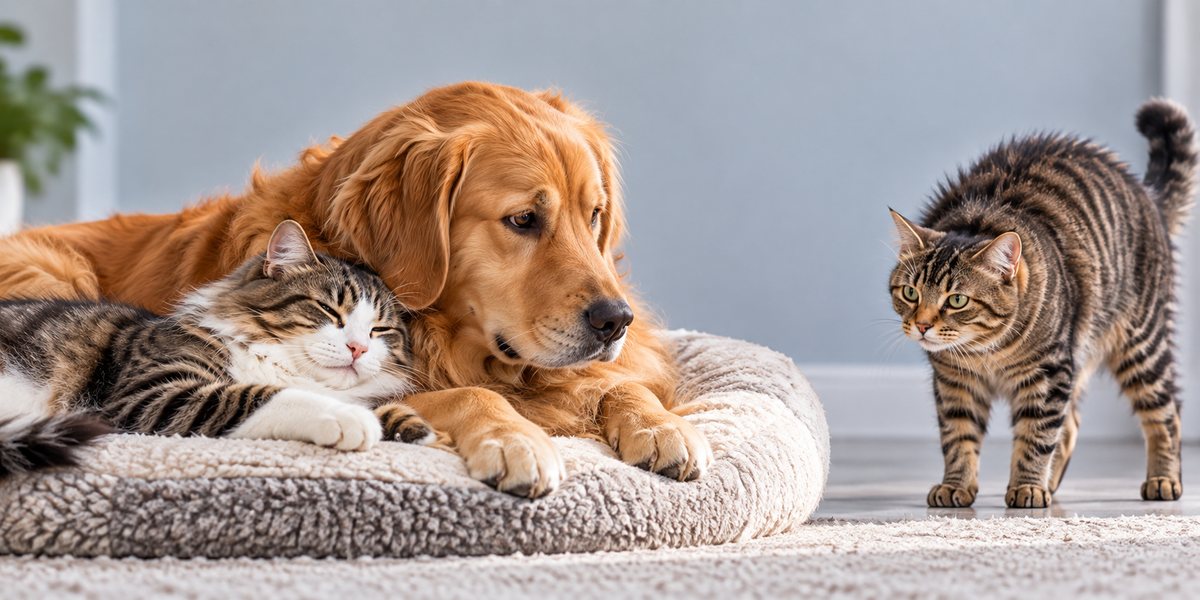
| Living with dogs | Good Highlanders are confident, energetic and playful, which can make them good companions for an equally social, cat-safe dog. Their vigorous play style still requires supervision so excitement does not become chasing or physical overwhelm. |
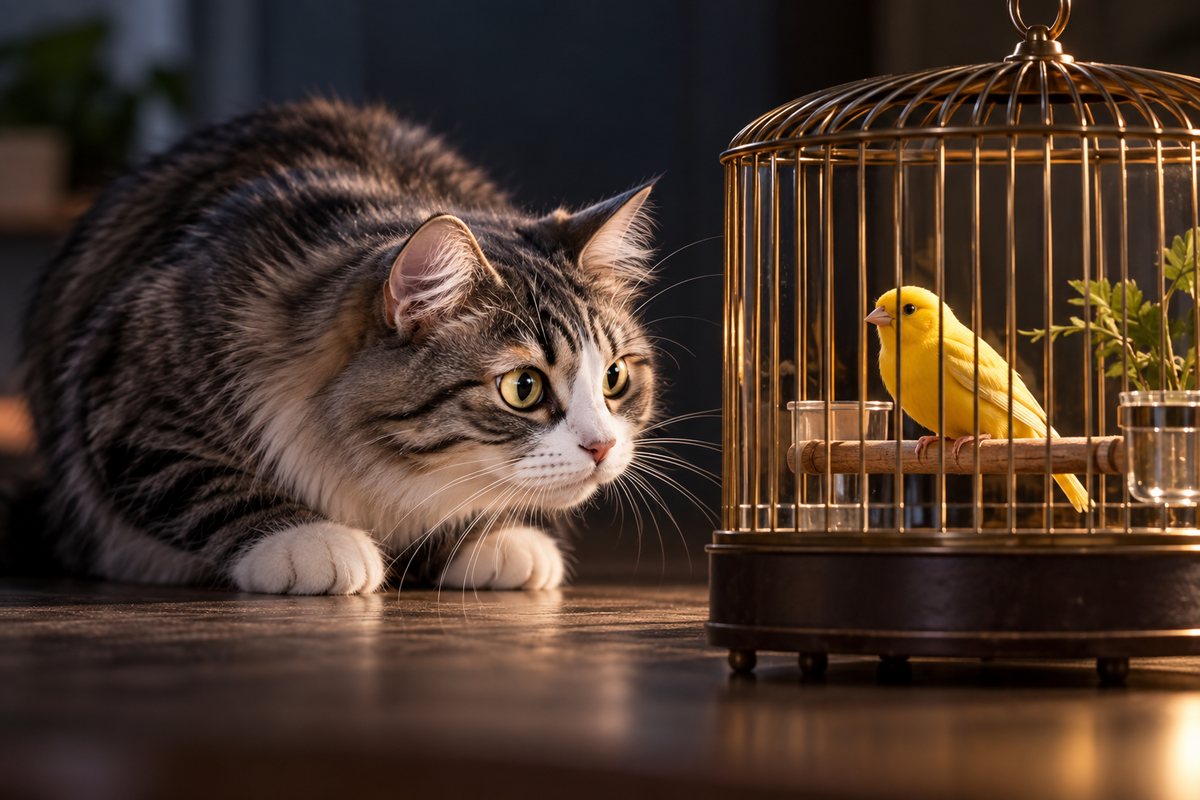
| Living around small pets | Additional caution Highlanders are athletic, energetic cats with vigorous play and strong interest in movement. Those traits can translate into persistent chasing, so birds, rodents and other small animals require particularly secure separation. |
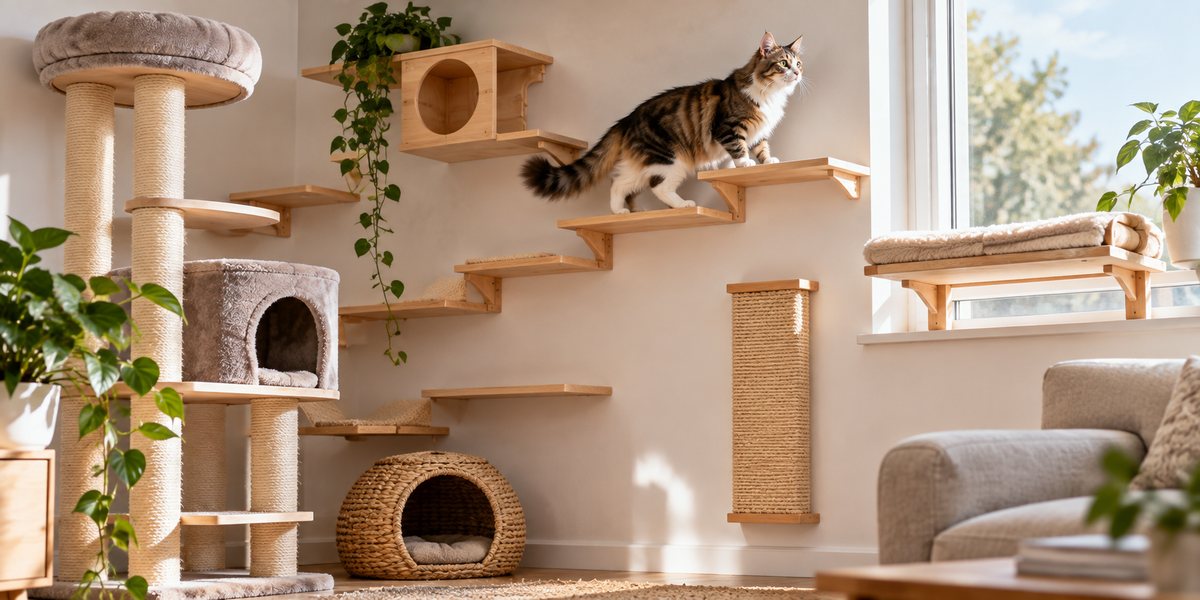
| Indoor & home environment needs | High activity indoor Highlanders are energetic, powerful players that need more than ordinary floor space. Tall sturdy climbing structures, large scratching surfaces, vigorous daily play and puzzle feeding are especially useful for keeping an indoor Highlander physically and mentally occupied. |
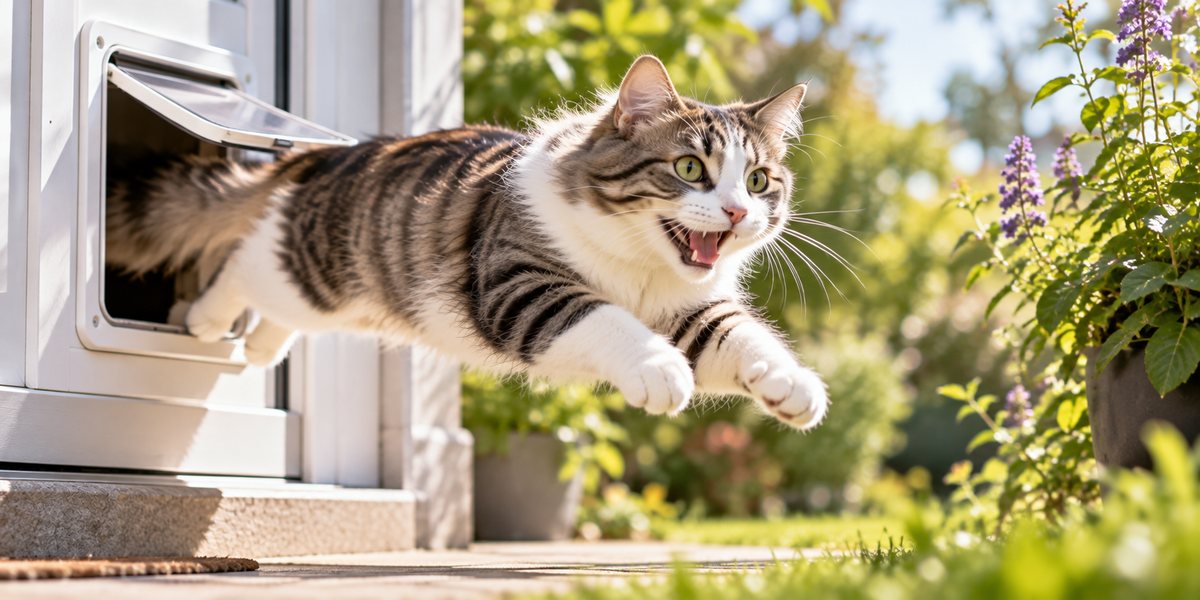
| Outdoor access considerations | Secure high activity Highlanders are powerful, energetic cats with strong climbing and chase-oriented play. A robust enclosed garden or catio is a good outdoor outlet, while secure containment is especially important for an athletic cat capable of testing ordinary barriers. |
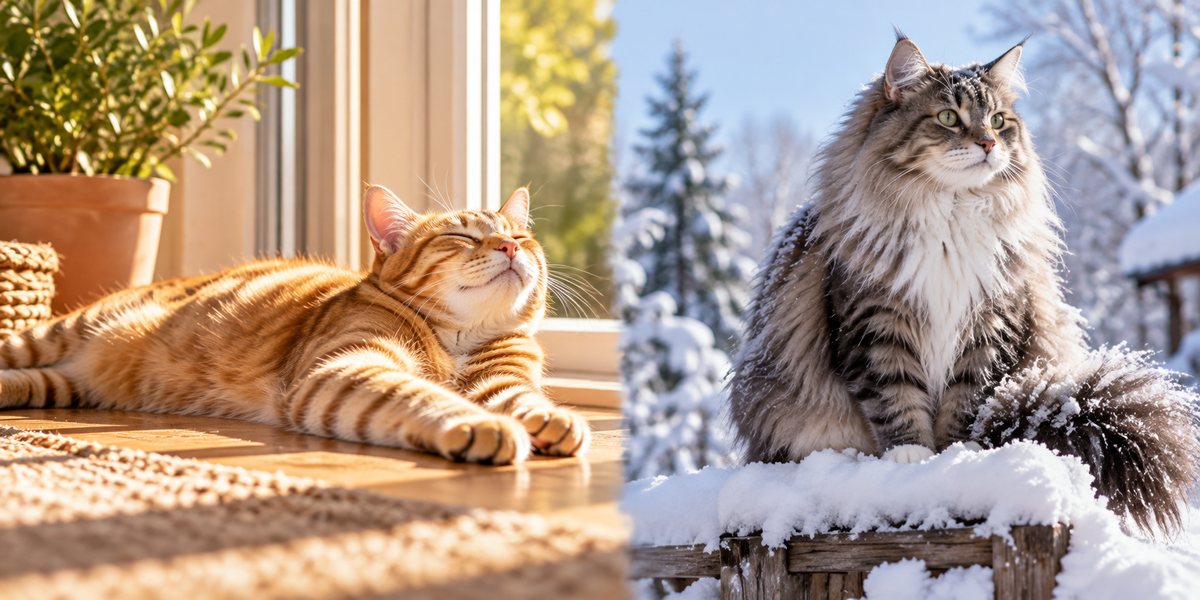
| Heat, cold & sun considerations | Moderate coat adaptable Highlanders generally have short to medium coats and no extreme climate specialization. Their high activity can increase heat load, so vigorous play is best shifted away from the hottest part of the day and cool water and shade should remain available. |
| Caregiver time & experience | Above average Highlanders are powerful, energetic players that need substantial daily physical and mental engagement. Grooming is usually manageable, but their activity level and need for robust enrichment make them better suited to caregivers who enjoy active participation. |
| Health & welfare | |
| Documented health predispositions | Moderate conformation risks Highlanders combine a distinctive curled-ear phenotype with a large, athletic build, and some lines also include short tails or polydactyly. The breed is too young for a mature disease profile, so joint, spine and ear health plus genetic diversity deserve particular attention. |
| Screening & breeder questions | Ask what health problems are tracked in the lines and request actual test results Ask how the breeder monitors hip, knee, spine and tail function, whether curled ears have produced chronic ear problems, and what cardiac screening and family health records are available in this young breed. |
| Conformation-related welfare | Moderate multi trait concern Highlanders may combine curled ears, shortened tails and a large muscular build. Welfare-focused breeding should require flexible healthy ears, normal spinal and tail function and sound joints, rather than stacking increasingly exaggerated novelty traits. |
| Nutrition & weight management | Large active condition led Highlanders are powerful, active cats and can have substantial energy needs, but their large build should remain lean and muscular. Feed according to exercise and body condition rather than using size as justification for unrestricted portions. |
| Longevity | 12–16 years Highlanders are sturdy, active cats of relatively recent development; about 12–16 years is a reasonable practical range while long-term breed data remain limited. |
| Cost & availability | |
| Purchase cost | High: $800–$2,000 Highlander: a practical breeder-market estimate is $800–$2,000. This reflects that it is an newer specialty breed with limited breeder availability. |
| Adoption & rehoming cost | Very rare in rescue: $100–$600 when genuinely available Highlander: $100–$600 when genuinely available. The breed is scarce enough that a verified purebred rescue placement is unusual; transport may exceed the adoption fee. |
| Recurring ownership costs | Coat maintenance Large size and high activity can raise food and durable-equipment spending. Coat care depends on hair length, while curled-ear checks and mobility monitoring are routine; insurance is sensible where orthopedic treatment would strain the budget. |
| Availability, waits & import | Uncommon Highlanders have a modest breeder base, strongest in North America, but are uncommon in many other regions. Prospective owners outside their core market may need to travel or import and should verify the exact breed program and health practices. |
| Identity & real-world context | |
| Ownership & import restrictions | No known breed specific restrictions There are no known breed-specific ownership restrictions. Ordinary animal-welfare, identification, vaccination and cross-border import rules still apply where relevant. |
| Registry recognition | TICA: Championship-recognized / current breed identity Currently recognized by TICA in the FSC core matrix; it is not a separately recognized CFA or FIFe breed identity there. |
| Similar breeds & identity distinctions | American Curl bobtail types Highlanders may be confused with American Curls or bobtailed wild-look breeds because they combine curled ears with a shortened tail. The simultaneous presence of the Highlander's large muscular type, curl ears and tail phenotype, backed by pedigree, is the useful distinction. |
| Reported characteristic quirks | Tail wags · clownish antics The expressive short tail may wag with excitement, and the breed is known for clownish, attention-seeking antics. |
Browse all 53 breed characteristics
Open any characteristic to compare all breeds on that dimension.

 English