
Compare Cat Breeds
Compare up to three breeds across all 53 characteristics. Values are shown directly so the differences are easier to scan.
| Characteristic |  Havana Brown |
|---|---|
| Body & development | |
| Adult size | Medium |
| Adult weight | Females 2.7–3.6 kg (6.0–7.9 lb); Males 3.6–4.5 kg (7.9–9.9 lb) Females are commonly about 2.7–3.6 kg (6.0–7.9 lb) and males about 3.6–4.5 kg (7.9–9.9 lb). |
| Build & distinguishing morphology | Semi foreign · firm lithe muscular Build: semi foreign; firm lithe muscular. |
| Maturation | 18-24 months Havana Browns generally reach near-adult dimensions around a year, then continue developing their firm muscular body and mature head through roughly 18–24 months. |
| Coat & appearance | |
| Coat length | Short Short glossy coat. |
| Coat texture & undercoat | Short · smooth · silky · glossy Coat: short; smooth; silky; glossy. |
| Colors & patterns | Mahogany red brown · lilac Colors/patterns: mahogany red brown; lilac. |
| Eye colors | Green Clear green eyes are characteristic and strongly associated with the breed. |
| Coat & routine care | |
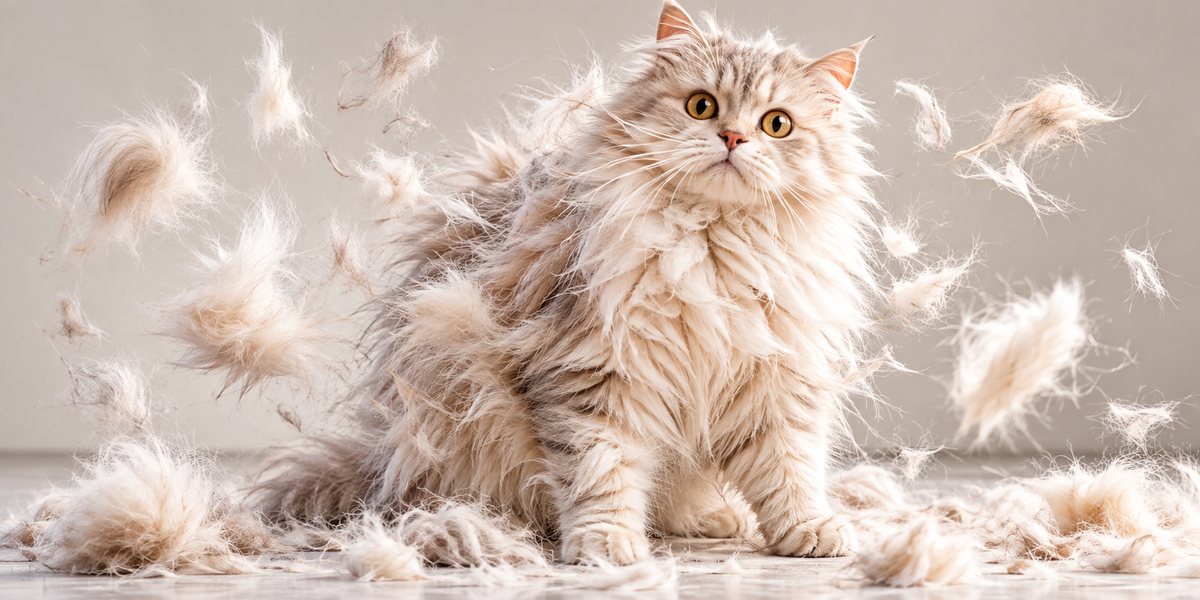
| Shedding | Low Low shedding from the short, smooth, close-lying coat. |
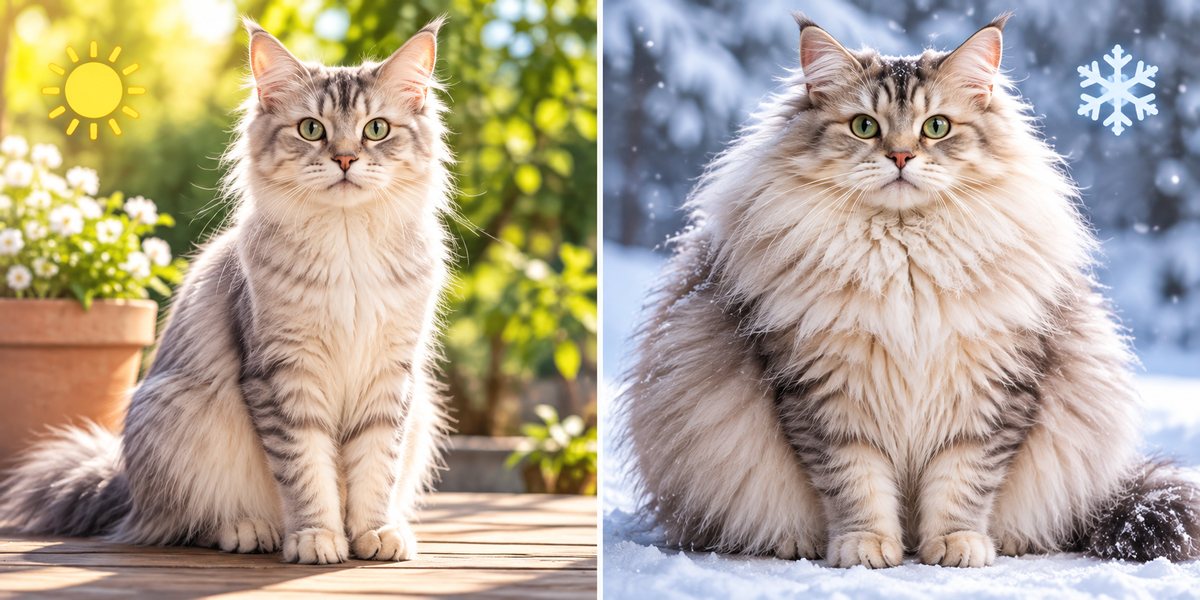
| Seasonal coat changes | Low seasonal coat burden The short silky coat is not a heavy shedder, so seasonal coat changes are usually modest. |
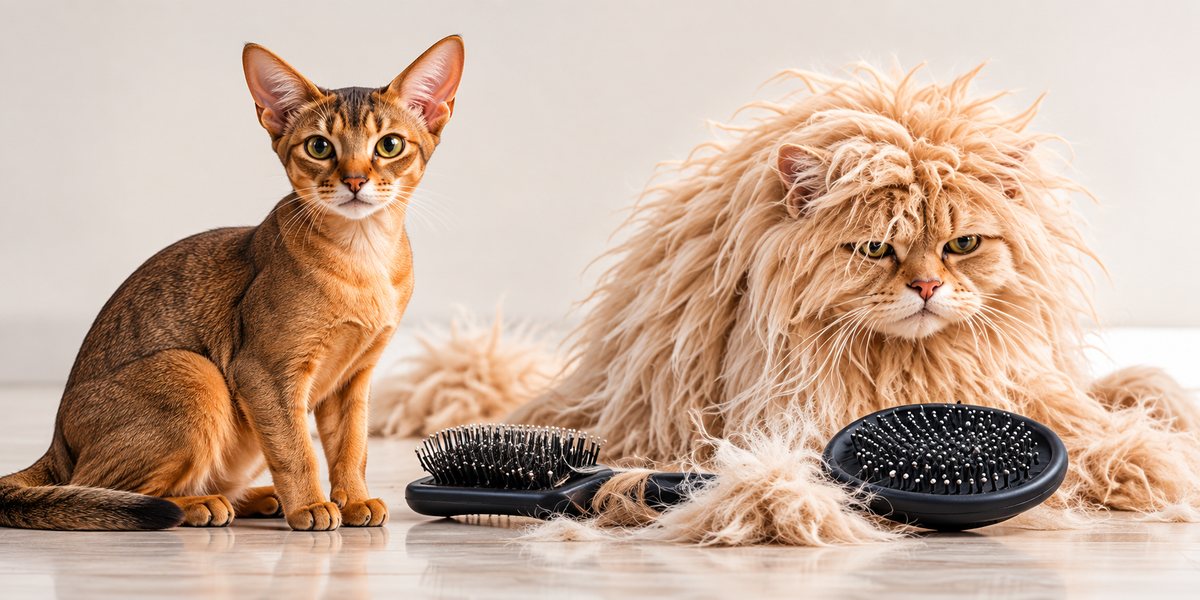
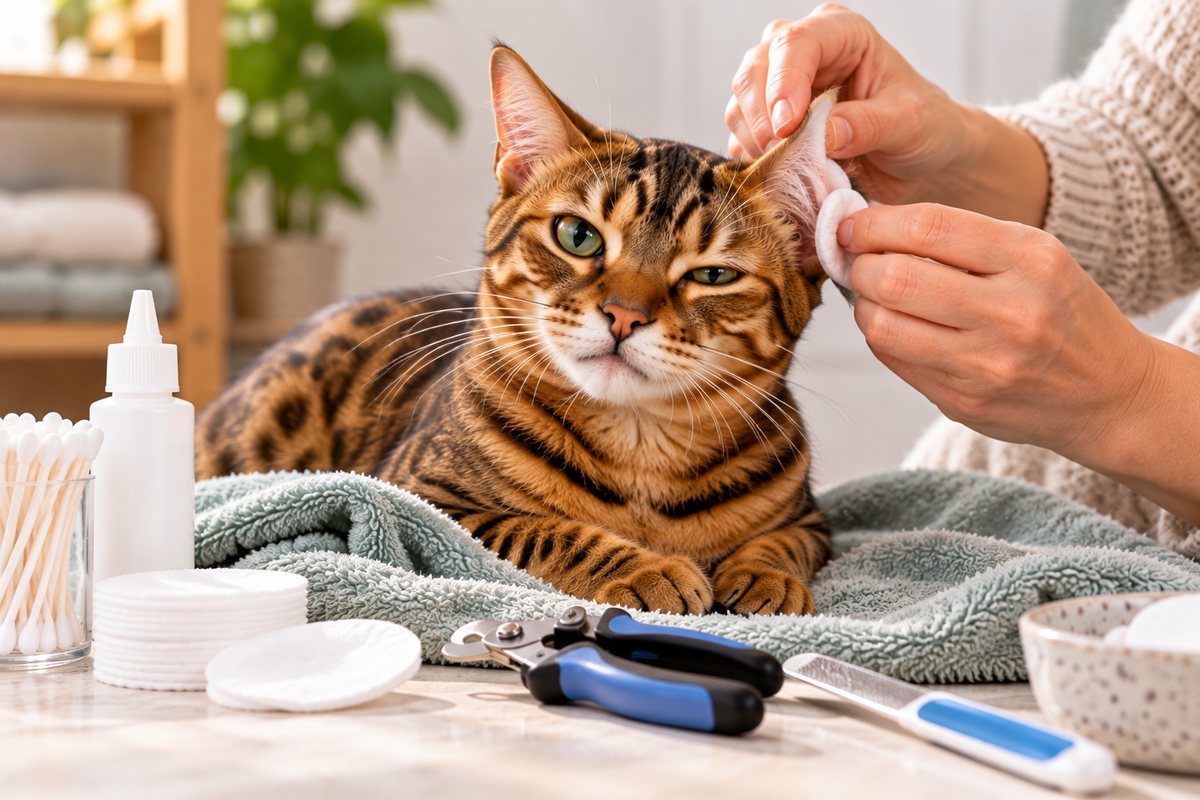
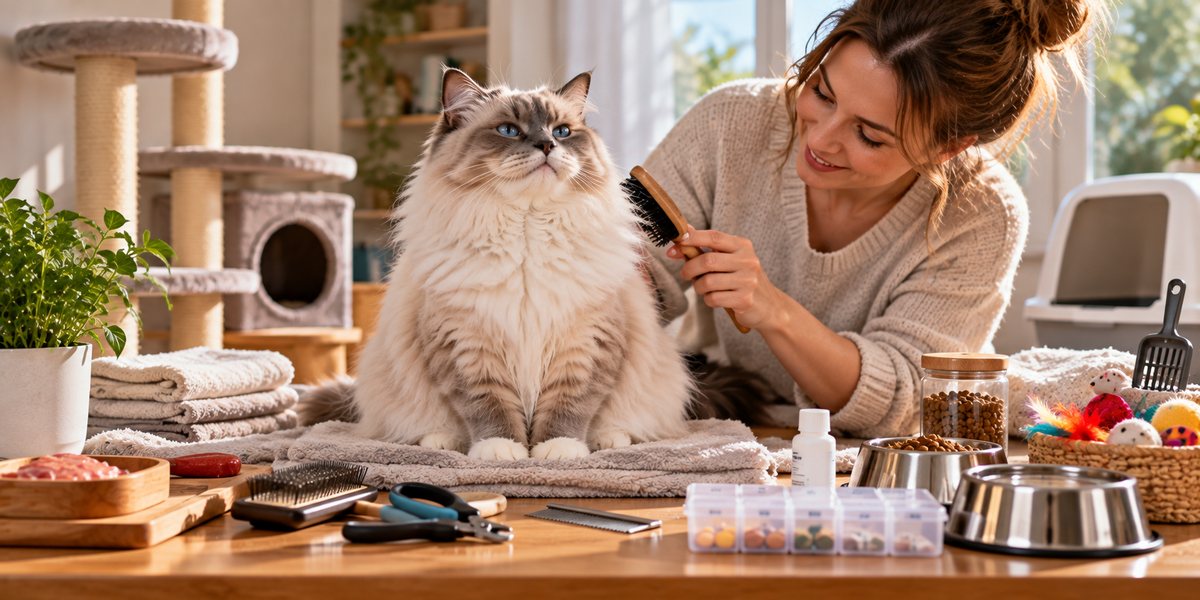
| Brushing & combing | Weekly A weekly grooming mitt or very soft brush is enough for the short glossy coat; heavy combing is unnecessary. |
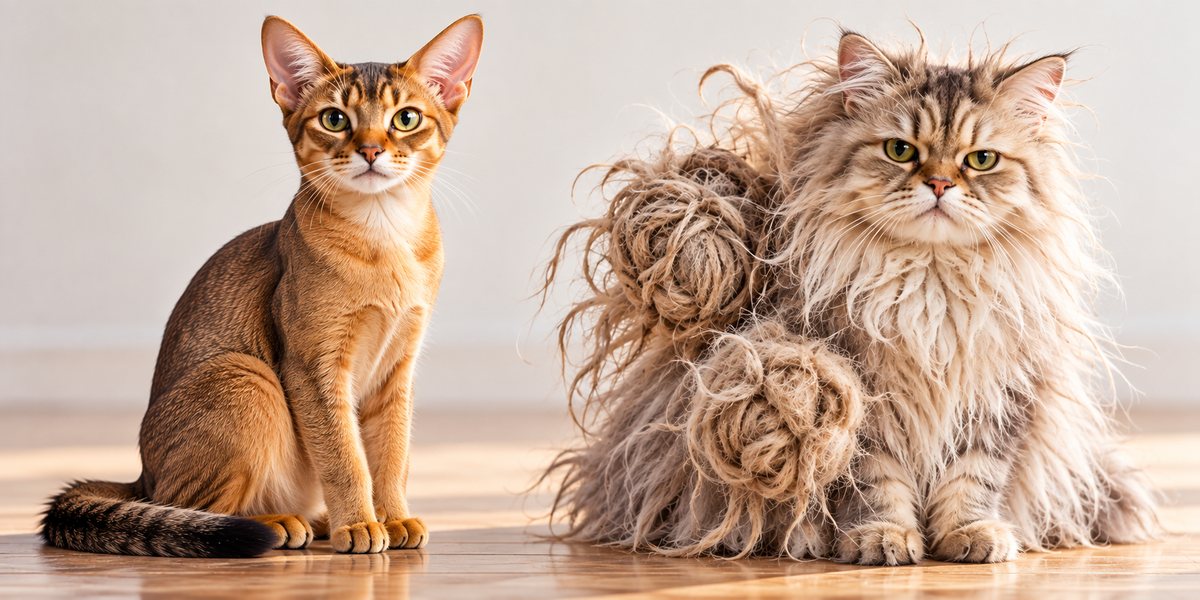
| Tangle & matting tendency | Very low The short smooth coat has negligible tangle risk. |
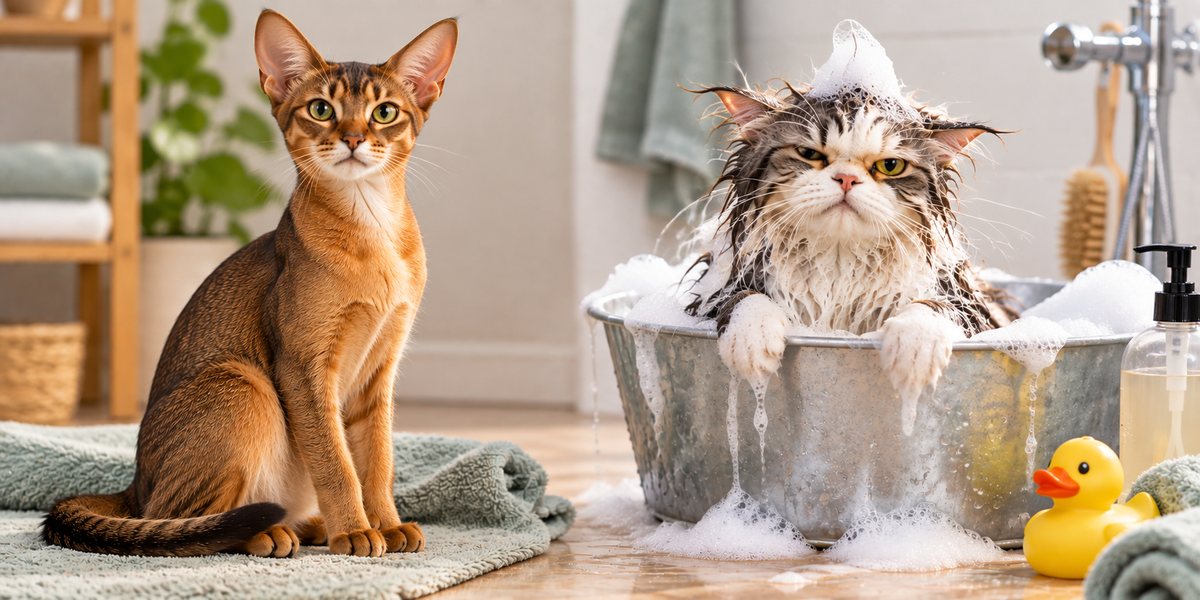
| Skin & bathing care | Bathing not routinely needed Routine bathing is generally unnecessary; bathe only when the coat is genuinely soiled or for a specific veterinary or grooming reason. |
| Distinctive routine care | Very easy coat care; bathing rarely needed The short silky coat is easy to maintain and regular bathing is usually unnecessary. |
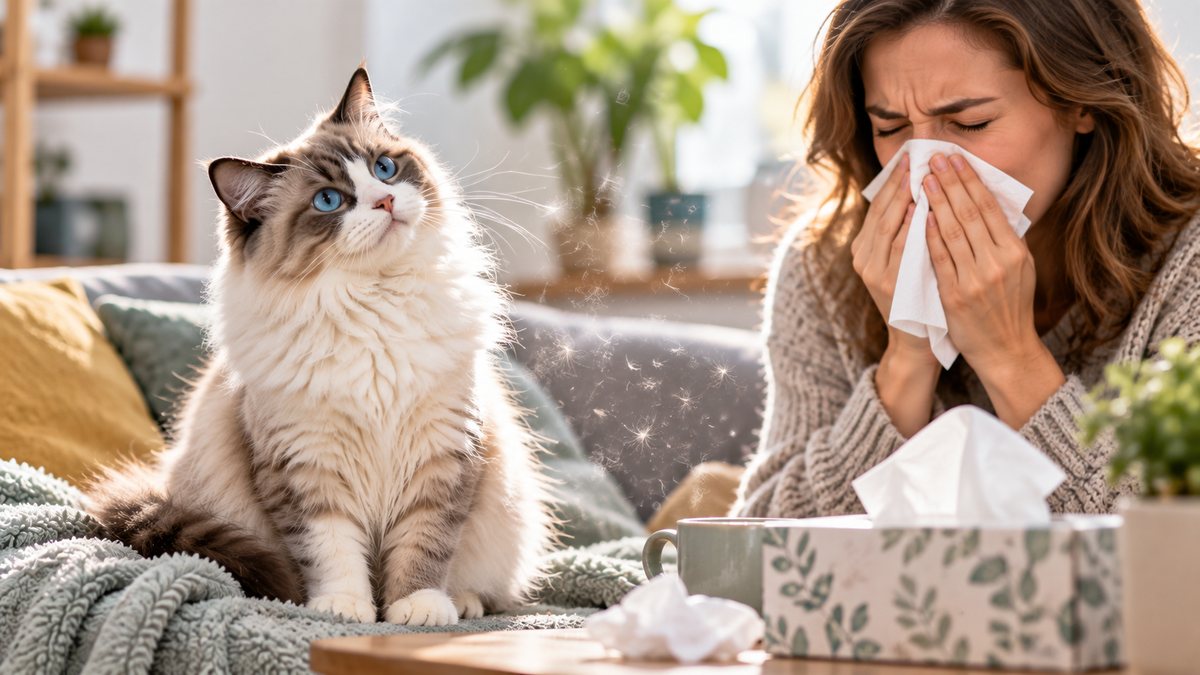
| Allergy & allergen evidence | No breed specific reduction established There is no known reason to regard this breed as hypoallergenic. All cats produce allergens, and coat length or shedding alone does not determine allergy risk. |
| Activity & intelligence | |
| Activity level | Lively and moderately active. |
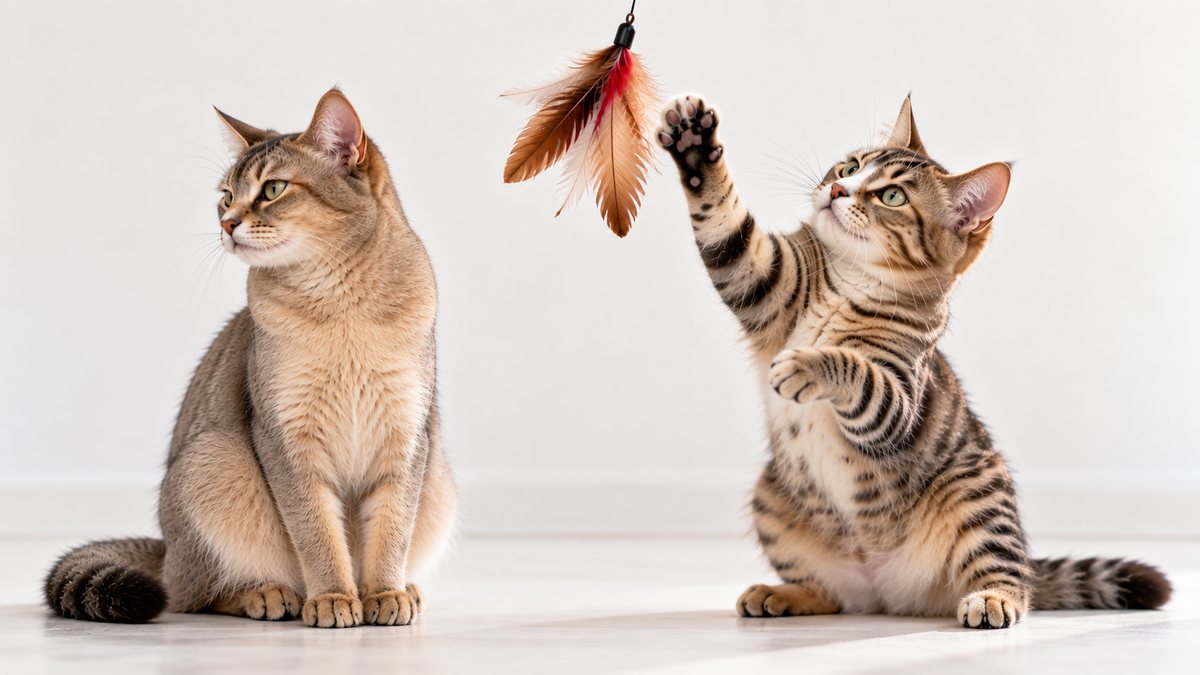
| Playfulness | Playful and strongly interested in interactive games. |
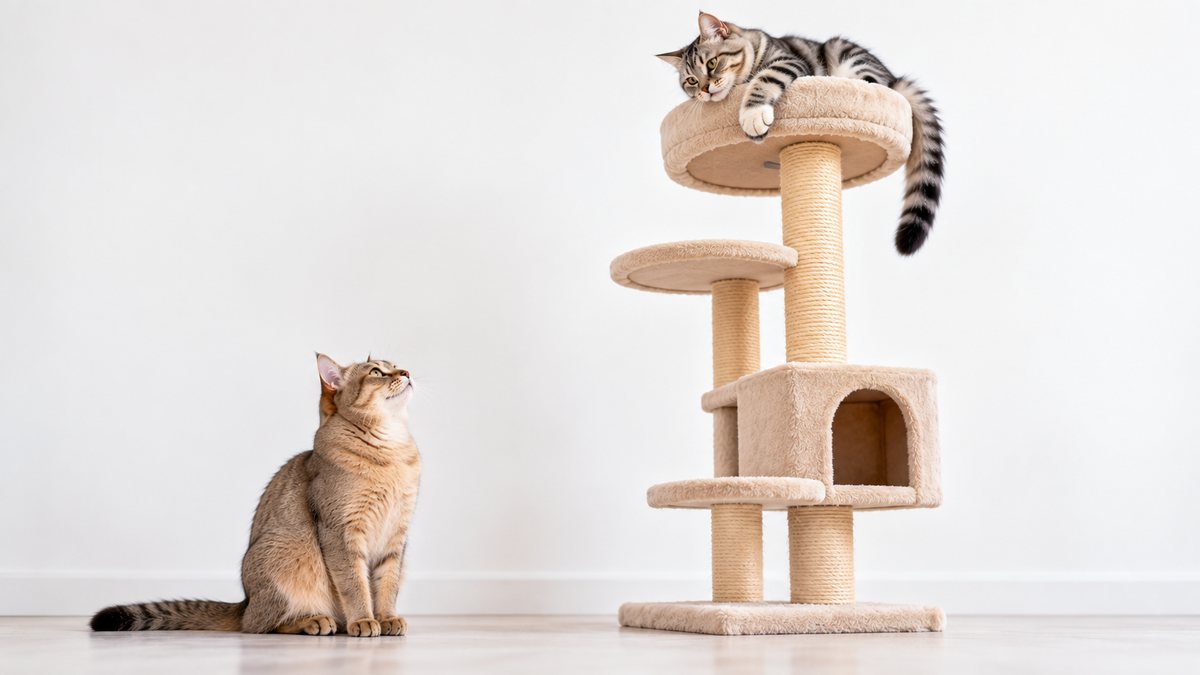
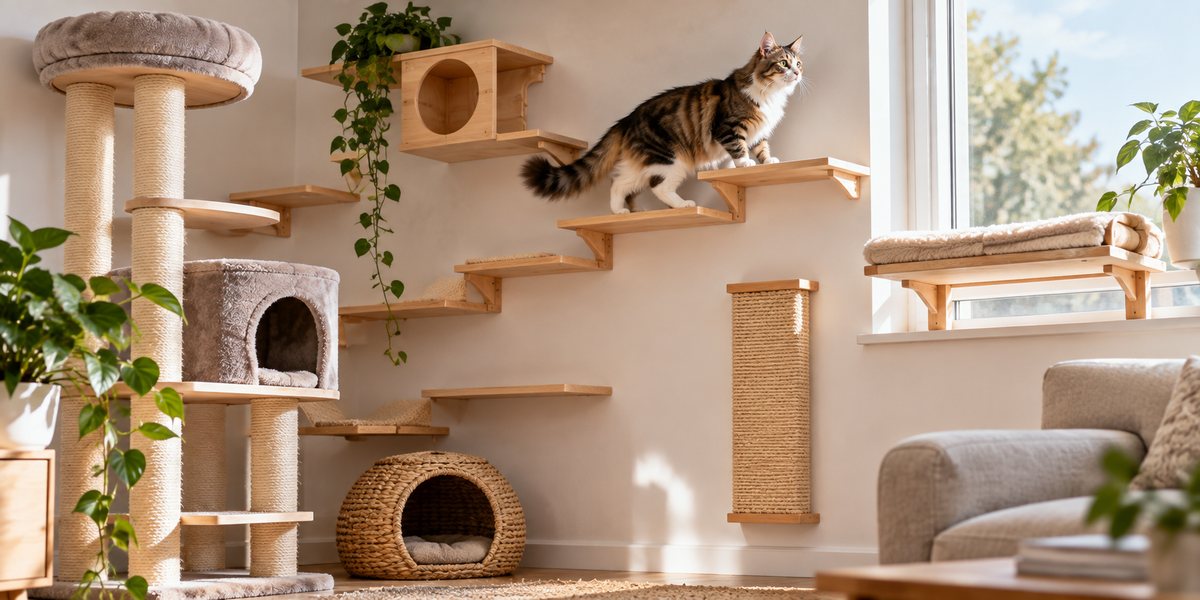
| Climbing & jumping | High Havana Browns are inquisitive, people-oriented athletes that like to investigate their surroundings; stable cat trees and high observation points are well used. |
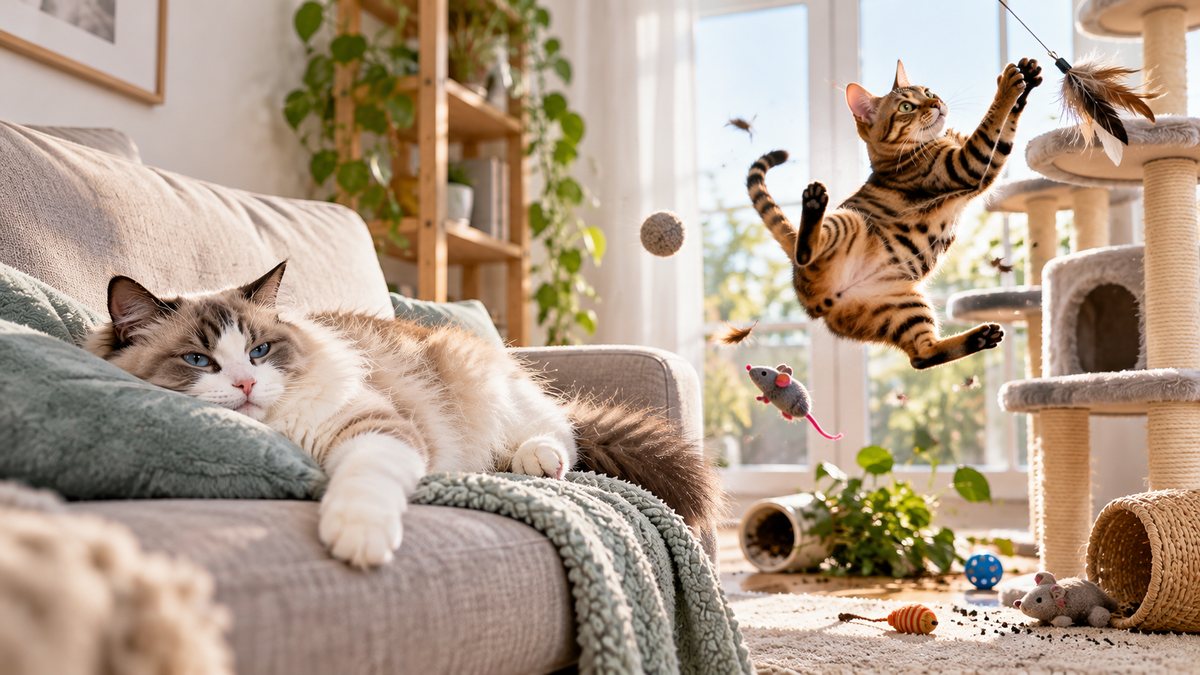
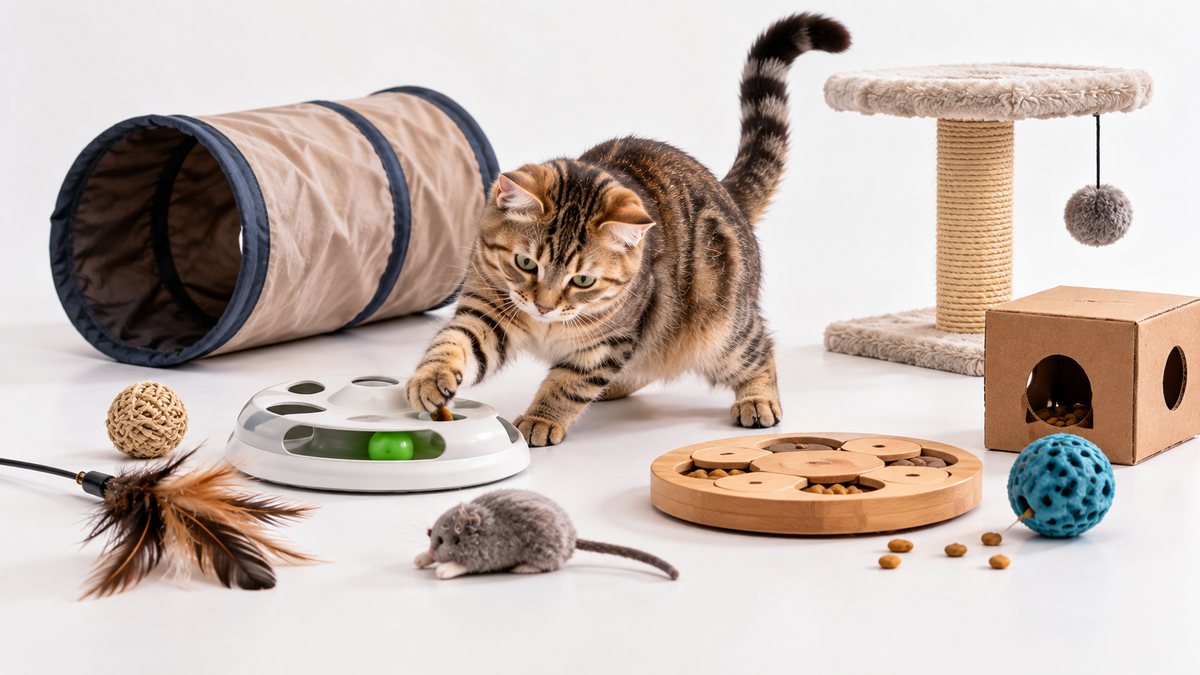
| Enrichment demand | High High enrichment demand: this inquisitive, interactive cat benefits from puzzle toys, fetch or chase games, climbing and frequent involvement with its people. |
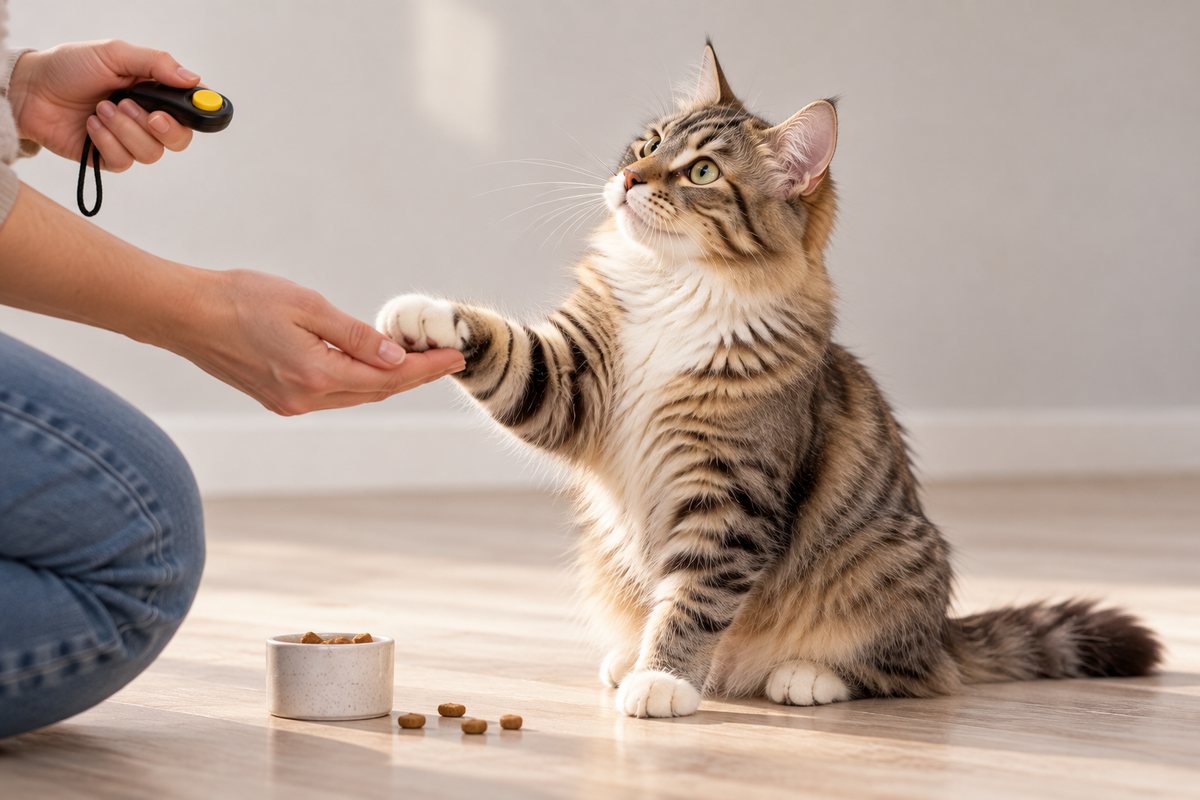
| Learning & training | High Havana Browns are highly intelligent, hands-on learners that respond well to trick teaching and puzzle toys they can manipulate. |
| Curiosity & exploration | High Havana Browns are curious, tactile investigators that like to inspect household activity and often use their paws to examine unfamiliar objects. |
| Hunting & chasing tendencies | High Havana Browns are curious, interactive cats and likely show moderately strong chasing behavior, often combining prey play with close involvement in household activity. |
| Personality & social | |
| Sociability with familiar people | Very high Havana Browns are people-oriented cats that form close bonds and like being strongly involved in household life. |
| Affection | Following · interactive playful · touch contact Havanas characteristically use paws/touch and active participation to engage people. |
| Lap & cuddling preference | High Strong close companionship is common, though touch/interaction is especially distinctive. |
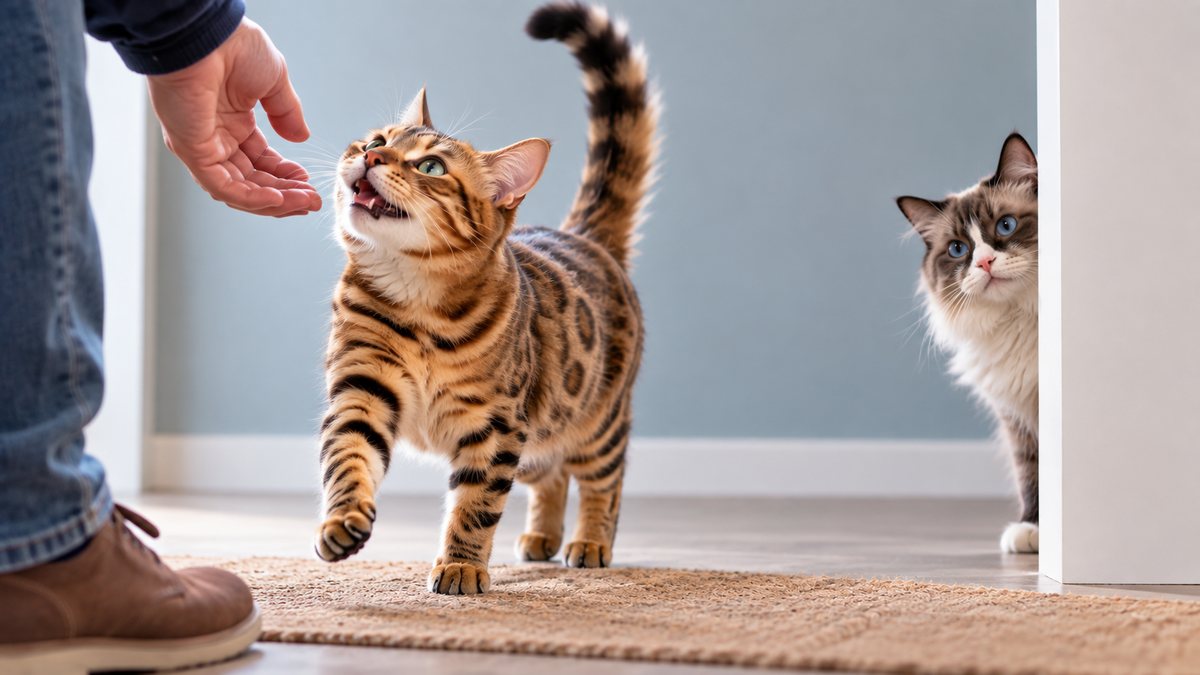
| Handling tolerance | High Havana Browns are notably people-focused and often use their paws to initiate contact; accustomed cats generally accept close handling well and tend to prefer involvement with their people. |
| Independence & social demand | Very high |
| Vocalization | Moderate Enjoys chatting with familiar people in a soft voice. |
| Response to unfamiliar people | High Curious social temperament supports relatively ready visitor engagement. |
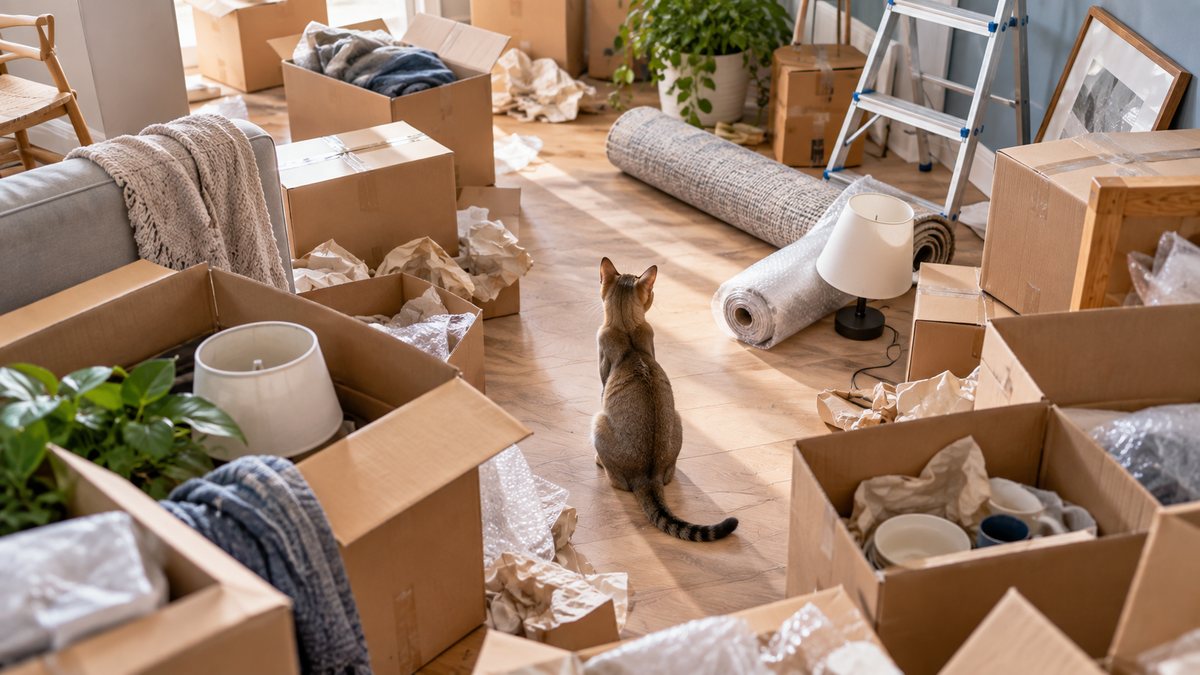
| Adaptability to change | Generally adaptable to new situations. |
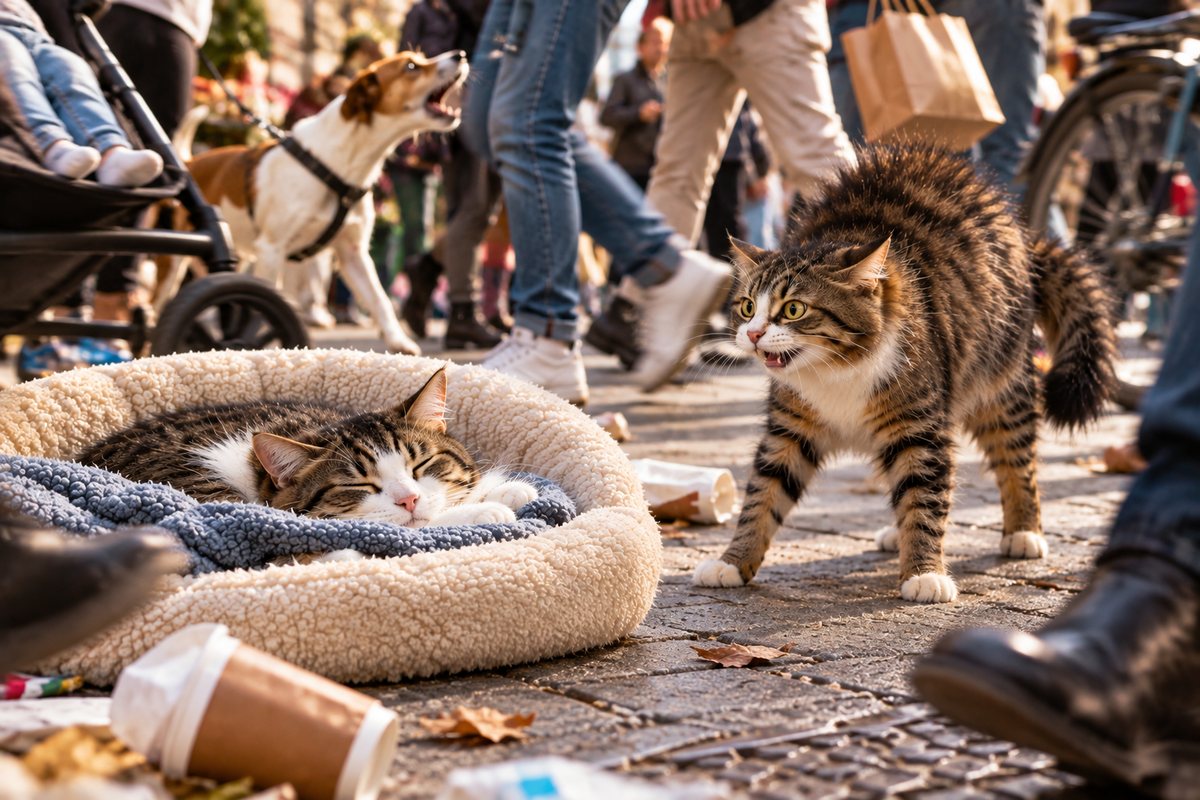
| Noise & busy-environment sensitivity | Moderate Havana Browns are social and curious but can be sensitive to environmental change; familiar household noise is usually acceptable, while abrupt disruption may require adjustment. |
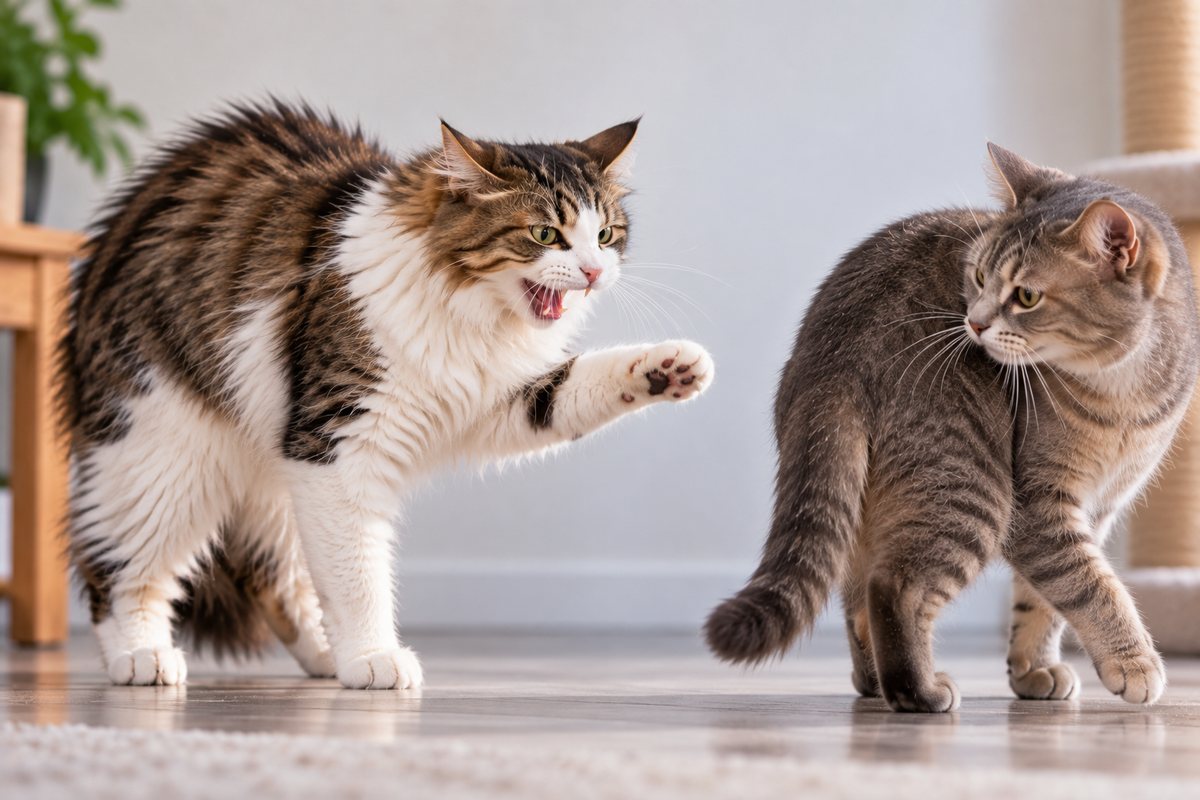
| Defensive & conflict behaviour | Low Havana Browns are usually interactive, curious and strongly people-focused. They tend to investigate or seek contact rather than respond defensively, although their social intensity means frustration and unwanted restraint can produce clear boundary-setting. |
| Household & environment | |
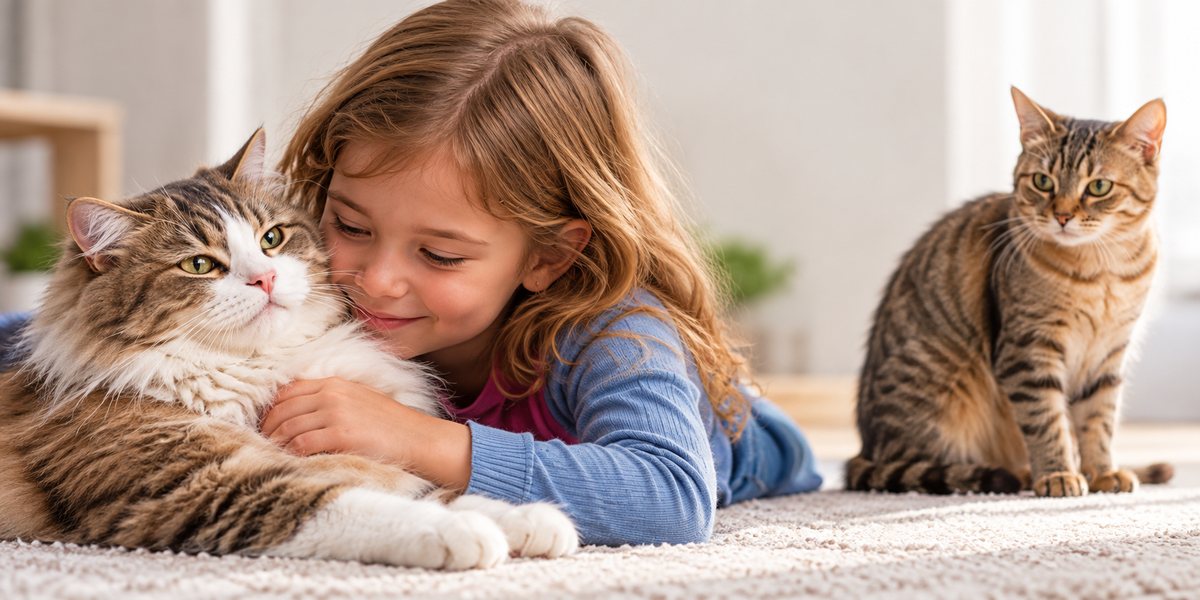
| Living with children | Good Havana Browns are interactive, curious and strongly people-focused, often enjoying games and household involvement. They can do very well with considerate children who want an engaged companion rather than a cat to carry or restrain. |
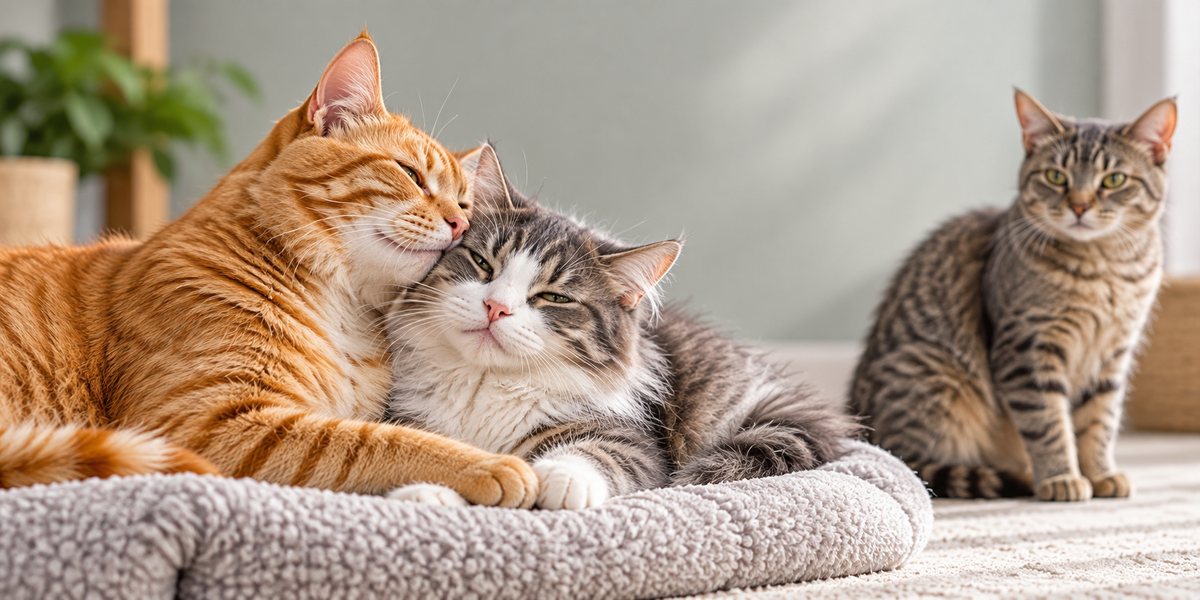
| Living with other cats | Favorable tendency |
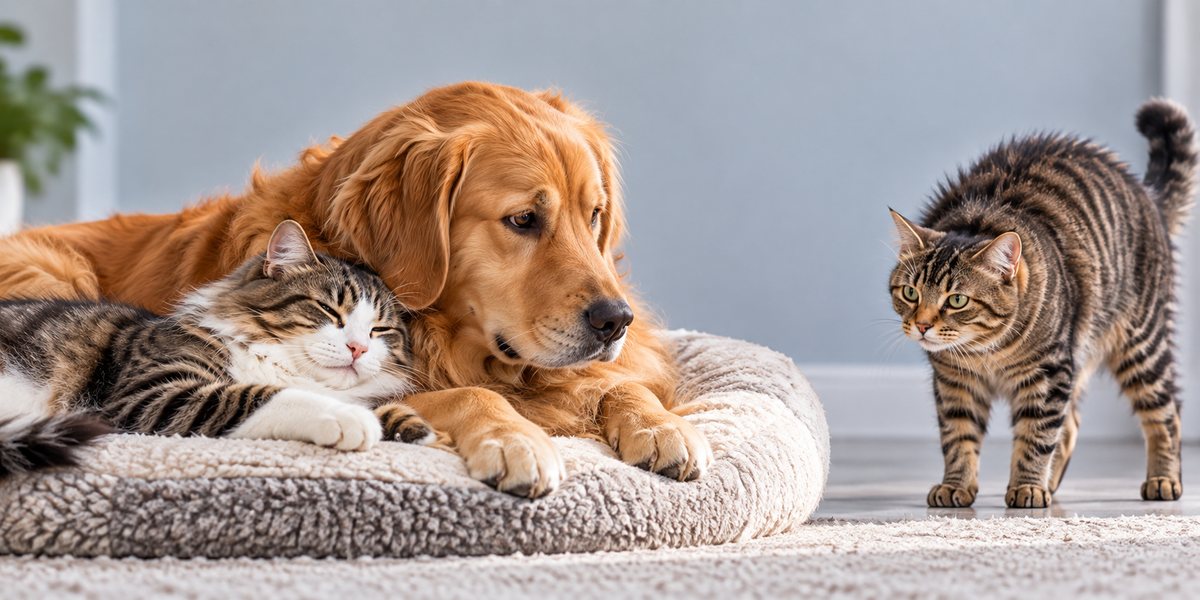
| Living with dogs | Good Generally friendly toward cat-compatible dogs. |
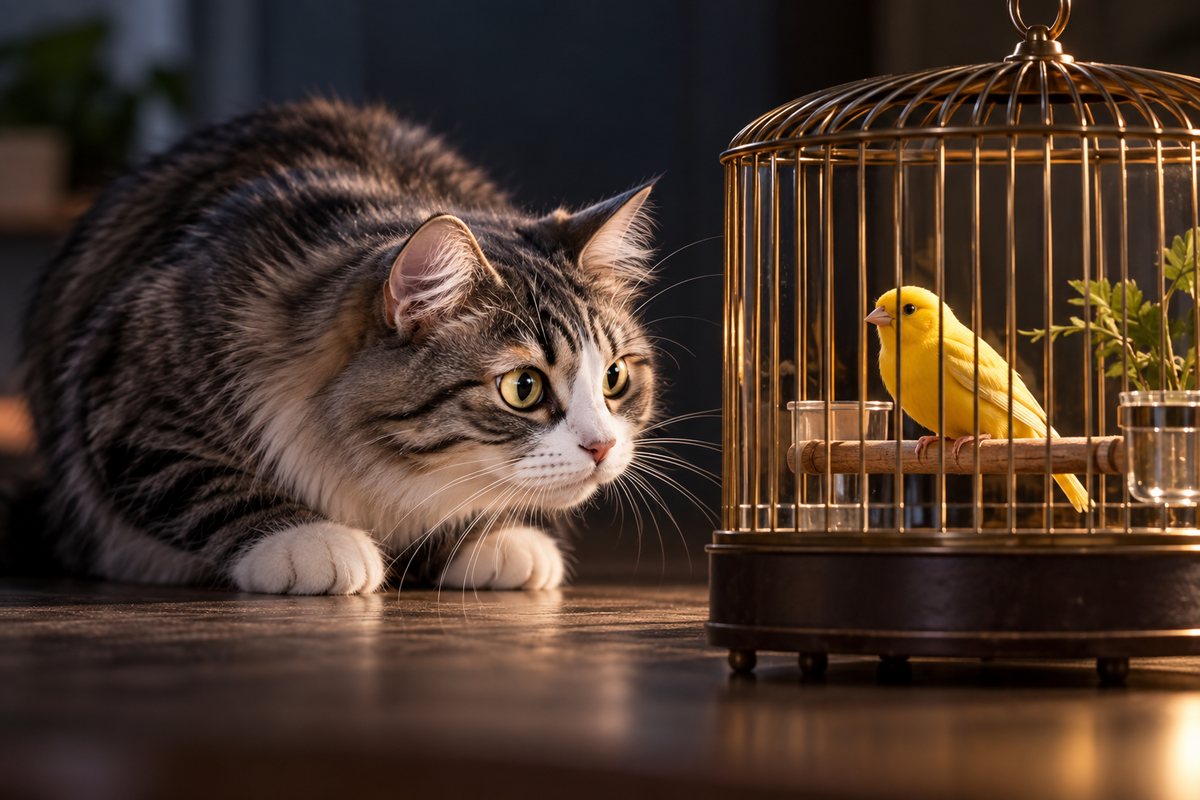
| Living around small pets | Additional caution Havana Browns are inquisitive, interactive cats that readily investigate and paw at moving objects. Their active play style supports extra caution around small pets, especially birds and rodents that can trigger pursuit. |
| Indoor & home environment needs | Social enriched indoor Havana Browns are inquisitive, interactive cats that like to investigate household activity. A good indoor home offers climbing, puzzle toys, scratching areas and frequent hands-on play, with quiet retreats available when the cat chooses downtime. |
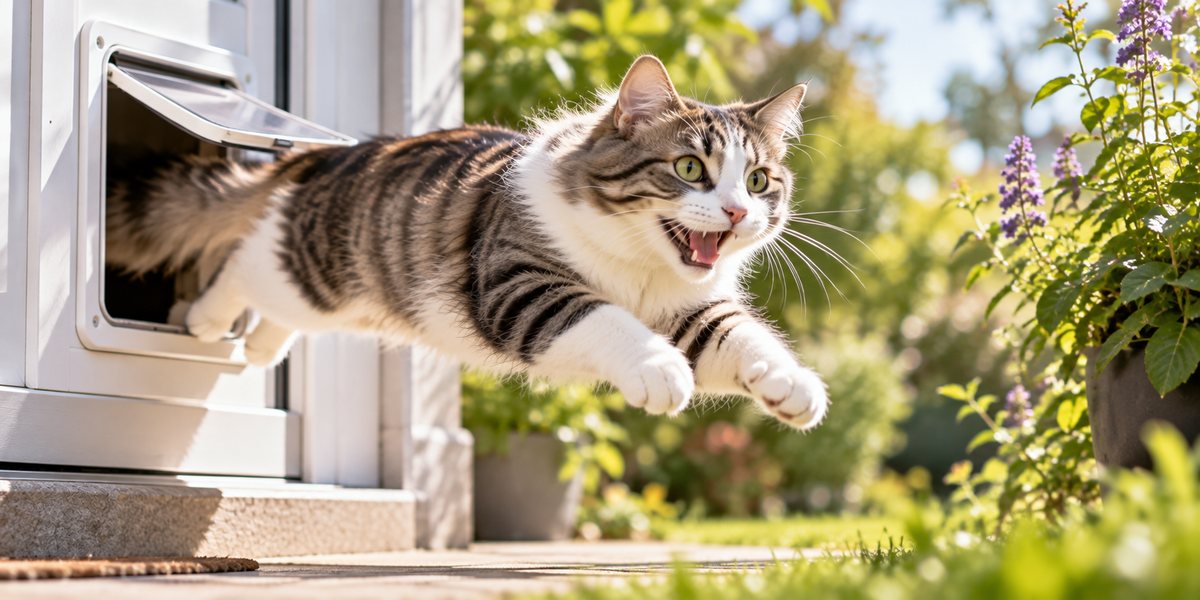
| Outdoor access considerations | Secure social Havana Browns are curious, interactive cats that enjoy investigating their surroundings. Controlled outdoor exploration can be rewarding, while secure containment prevents their curiosity from becoming road, loss or conflict exposure. |
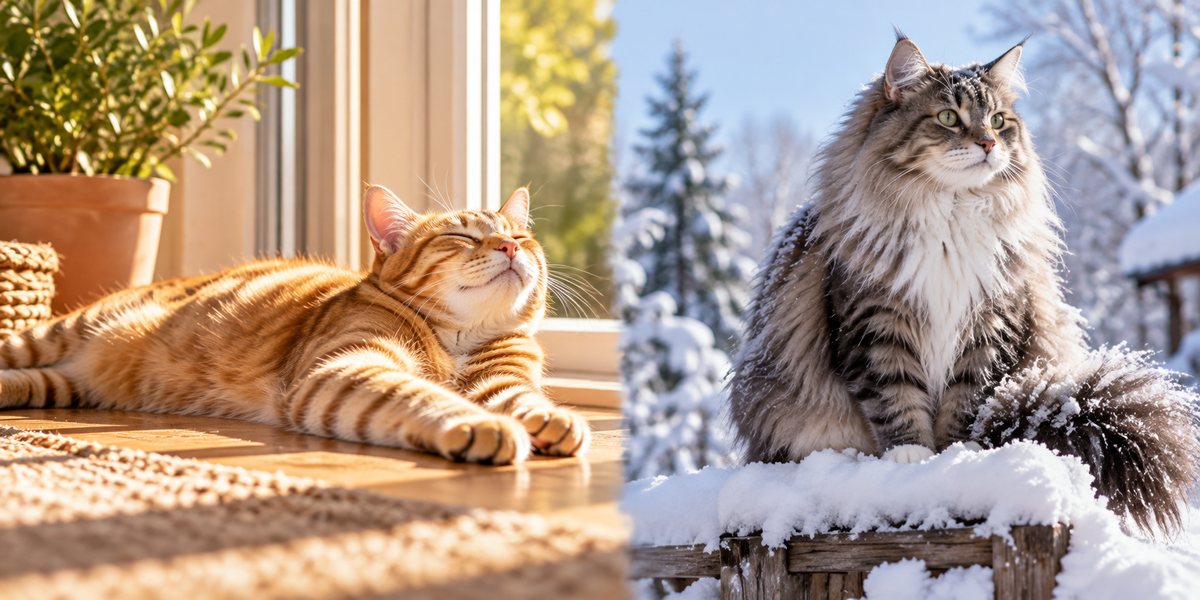
| Heat, cold & sun considerations | Shortcoat warmth preference Havana Browns have a short smooth coat with moderate insulation and often enjoy warmth. A comfortable indoor climate, warm winter resting places and normal summer shade and hydration suit them well. |
| Caregiver time & experience | Moderate Havana Browns are curious, people-oriented cats that enjoy regular interaction and play. Their short coat is easy to maintain, so the principal caregiver commitment is providing companionship and enough mental stimulation. |
| Health & welfare | |
| Documented health predispositions | No prominent breed-specific disorder is established The Havana is generally regarded as a relatively healthy breed without a prominent breed-specific disorder defining routine care. |
| Screening & breeder questions | Ask for documentation relevant to the breed’s recorded health concerns Ask about heart, kidney and urinary disease in the family, whether breeding cats receive cardiac examinations, and how the breeder monitors genetic diversity in a relatively small breed population. |
| Conformation-related welfare | Low conformation concern Havana Browns have a distinctive muzzle but otherwise moderate, athletic anatomy. The squared muzzle should remain compatible with normal teeth and breathing, and rarity makes preserving genetic diversity more important than intensifying head type. |
| Nutrition & weight management | Moderate condition led Havana Browns are moderately active, muscular cats without a special dietary requirement. Measured meals and regular play should maintain a lean, solid body, with portions reduced if indoor activity declines. |
| Longevity | 8–13+ years A typical reported life expectancy is about 8–13 years or longer. |
| Cost & availability | |
| Purchase cost | Very high: $1,000–$2,500+ Havana Brown: a practical breeder-market estimate is $1,000–$2,500+. This reflects that it is an very rare breed with few active breeding programs. |
| Adoption & rehoming cost | Very rare in rescue: $100–$600 when genuinely available Havana Brown: $100–$600 when genuinely available. The breed is scarce enough that a verified purebred rescue placement is unusual; transport may exceed the adoption fee. |
| Recurring ownership costs | Enrichment/toy replacement Recurring costs are generally moderate: minimal coat care, ordinary food and litter, dental/preventive veterinary work and interactive enrichment. The breed's rarity affects purchase and travel costs more than everyday upkeep. |
| Availability, waits & import | Rare Havana Browns have a small global population and relatively few active breeders. In many countries there may be no local litter in a given year, making waiting lists, travel and careful preservation-breeder contact normal. |
| Identity & real-world context | |
| Ownership & import restrictions | No known breed specific restrictions There are no known breed-specific ownership restrictions. Ordinary animal-welfare, identification, vaccination and cross-border import rules still apply where relevant. |
| Registry recognition | CFA: recognized breed/division · TICA: Championship-recognized / current breed identity Currently recognized by CFA and TICA in the FSC core matrix; it is not a separately recognized FIFe breed identity in that matrix. |
| Similar breeds & identity distinctions | Chocolate Oriental Havana Browns can resemble solid-chocolate Oriental Shorthairs. The Havana Brown is more moderate in body and has its characteristic squared muzzle, whereas Orientals are more elongated and wedge-headed; pedigree traditions also differ. |
| Reported characteristic quirks | Frequently uses paws/touch to initiate interaction with people. Havana Browns often investigate objects by touching them with a paw and may repeatedly reach toward a person or new item before moving closer, giving their curiosity a particularly tactile quality. |
Browse all 53 breed characteristics
Open any characteristic to compare all breeds on that dimension.

 English