
Compare Cat Breeds
Compare up to three breeds across all 53 characteristics. Values are shown directly so the differences are easier to scan.
| Characteristic |  German Rex |
|---|---|
| Body & development | |
| Adult size | Medium |
| Adult weight | 2.5–4.5 kg (5.5–9.9 lb) German Rex cats are medium but relatively light and athletic; about 2.5–4.5 kg (5.5–9.9 lb) is a reasonable range. |
| Build & distinguishing morphology | Medium · slender athletic · muscular · rounded head The German Rex is medium-sized and athletic, relatively slender but muscular, with long legs and a rounded head softened by the rexed coat. |
| Maturation | 12-18 months The medium, athletic German Rex generally reaches adult frame size in its first year and completes muscular filling-out through roughly 12–18 months. |
| Coat & appearance | |
| Coat length | Short Short, silky, wavy coat without guard hair. |
| Coat texture & undercoat | Short rexed · soft wavy · reduced guard hairs The German Rex has a short, soft, wavy coat in which the undercoat dominates and guard hairs are reduced, creating a plush rexed feel. |
| Colors & patterns | All traditional colors patterns German Rex cats occur in essentially all traditional colours and patterns, including solids, tabbies, torties and cats with white. |
| Eye colors | All eye colors; coat-dependent All usual feline eye colours can occur and generally harmonize with coat colour. |
| Coat & routine care | |
| Shedding | Low Low shedding; the short curly coat generally releases less visible hair than ordinary shorthair coats. |
| Seasonal coat changes | Mild seasonal change The short German Rex coat has reduced guard hair and a soft waved texture, so seasonal change is generally mild rather than a heavy coat blow. |
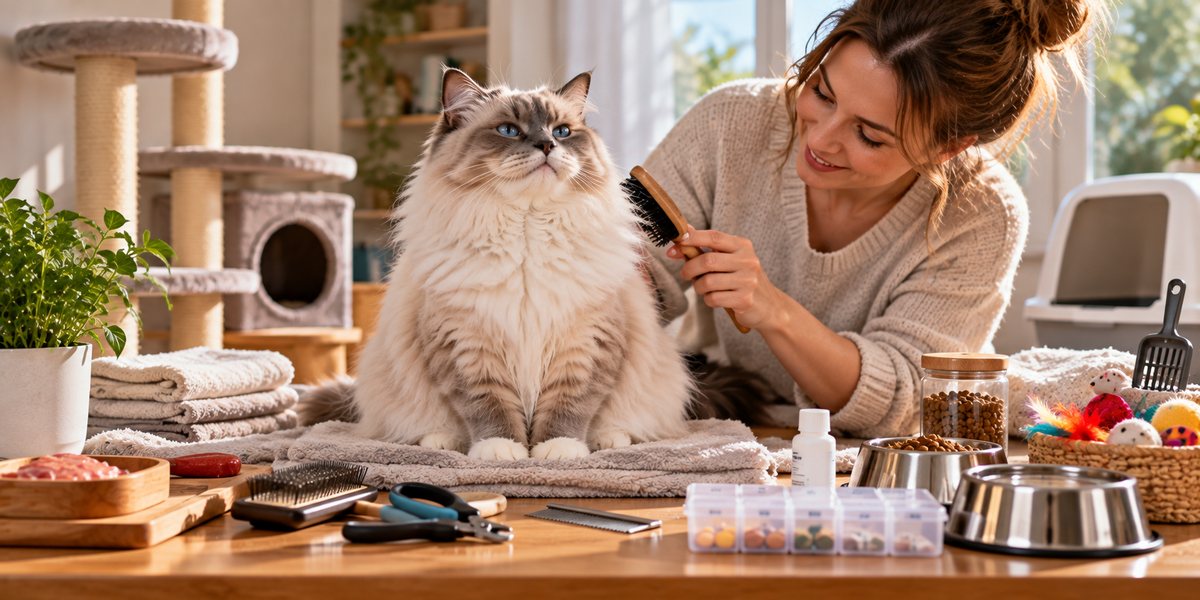
| Brushing & combing | Weekly or as needed Use a very soft brush or hands only occasionally; vigorous brushing can disturb or damage the short wavy coat. |
| Tangle & matting tendency | Very low The short soft rexed coat is not normally mat-prone, though it should be handled gently to avoid breaking altered hairs. |
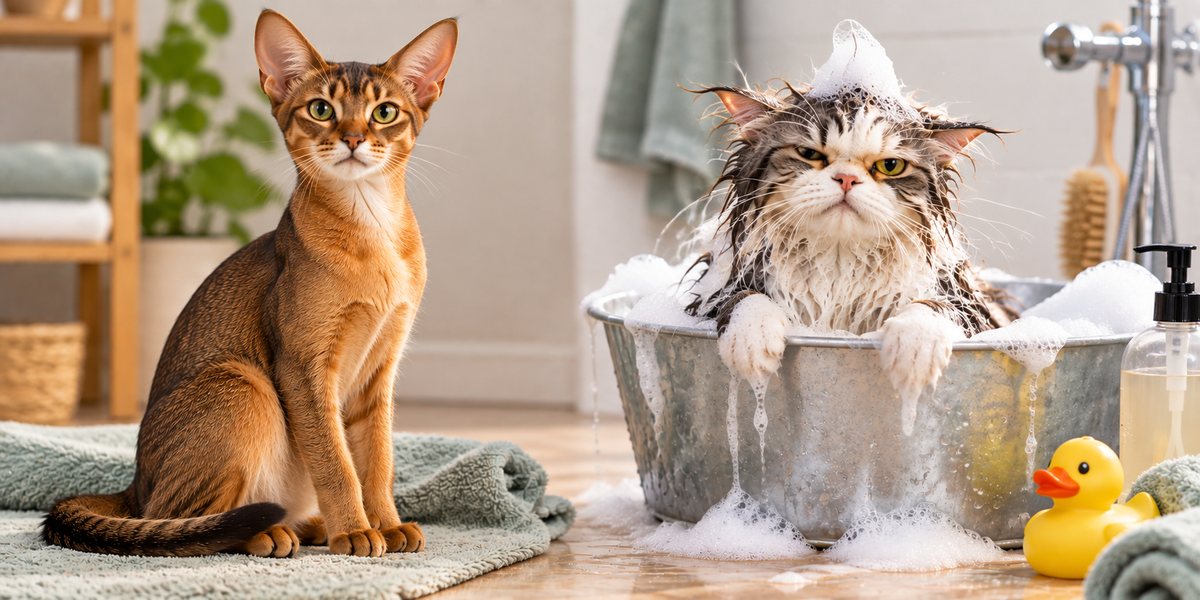
| Skin & bathing care | Bathing not routinely needed Routine bathing is generally unnecessary; bathe only when the coat is genuinely soiled or for a specific veterinary or grooming reason. |
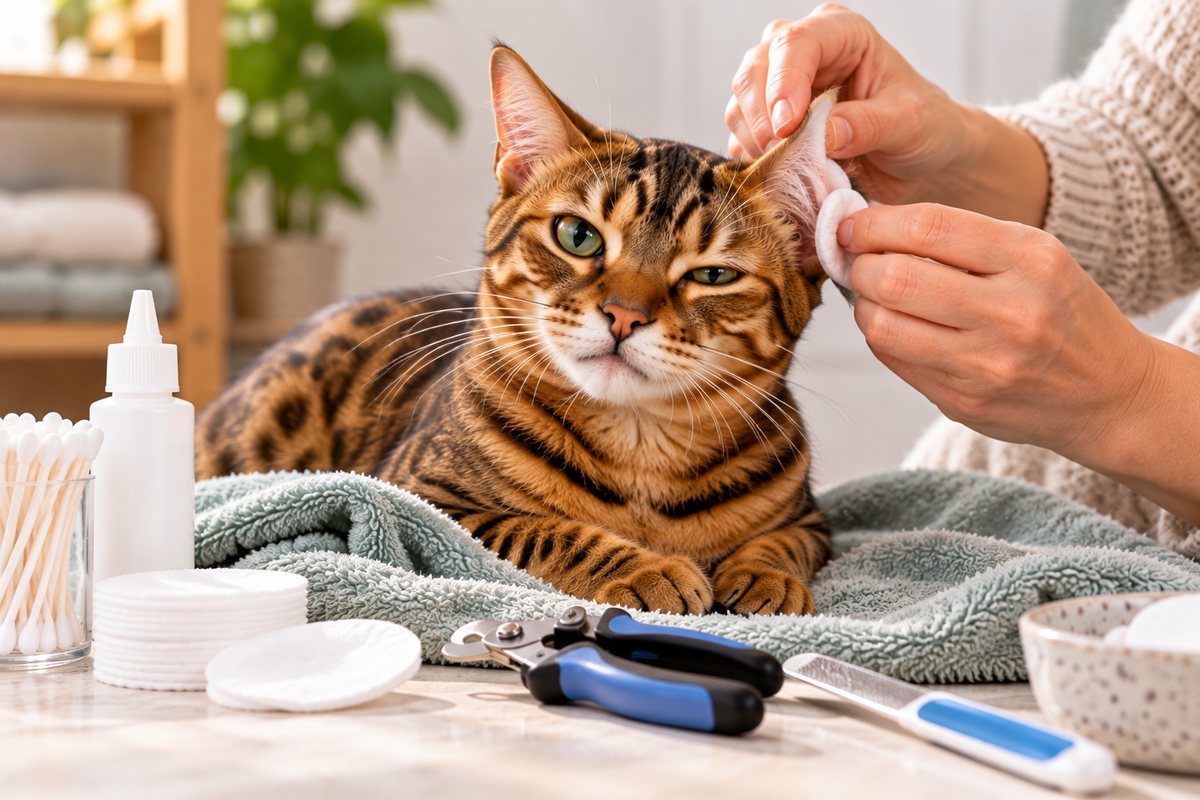
| Distinctive routine care | Gentle rex coat care German Rex coats need gentle handling rather than aggressive brushing, with periodic skin checks where coverage is sparse. Routine ears, nails and dental care plus temperature awareness complete the basic schedule. |
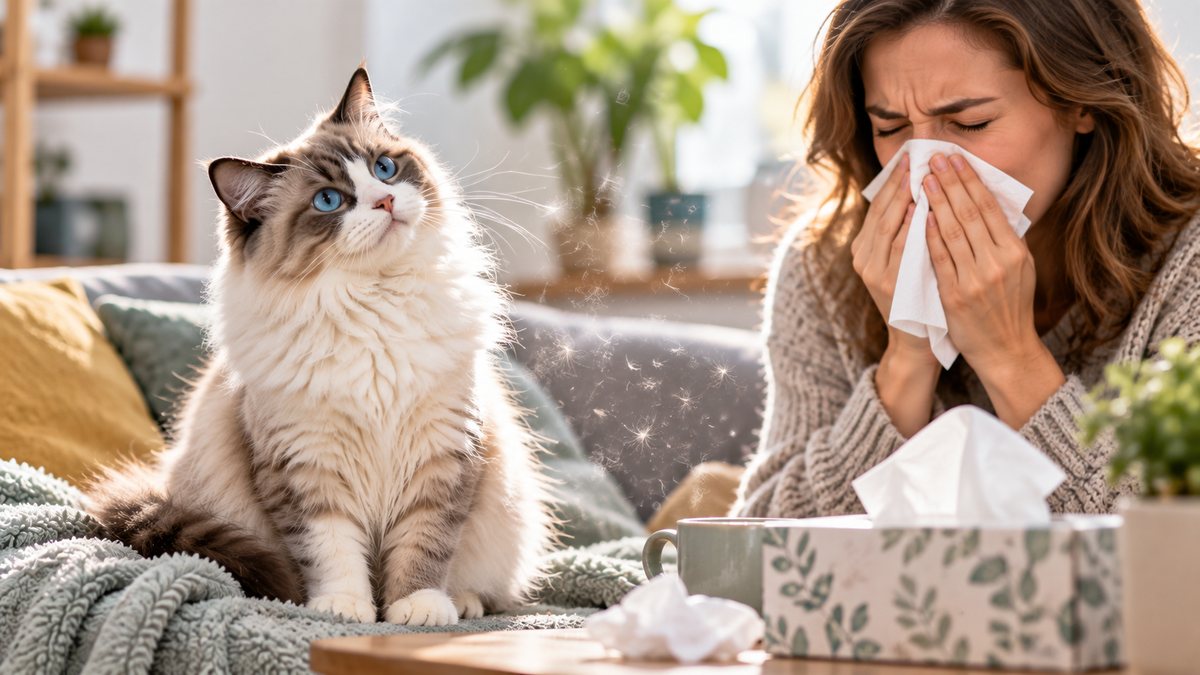
| Allergy & allergen evidence | No breed specific reduction established There is no known reason to regard this breed as hypoallergenic. All cats produce allergens, and coat length or shedding alone does not determine allergy risk. |
| Activity & intelligence | |
| Activity level | High German Rex cats are lively and active. |
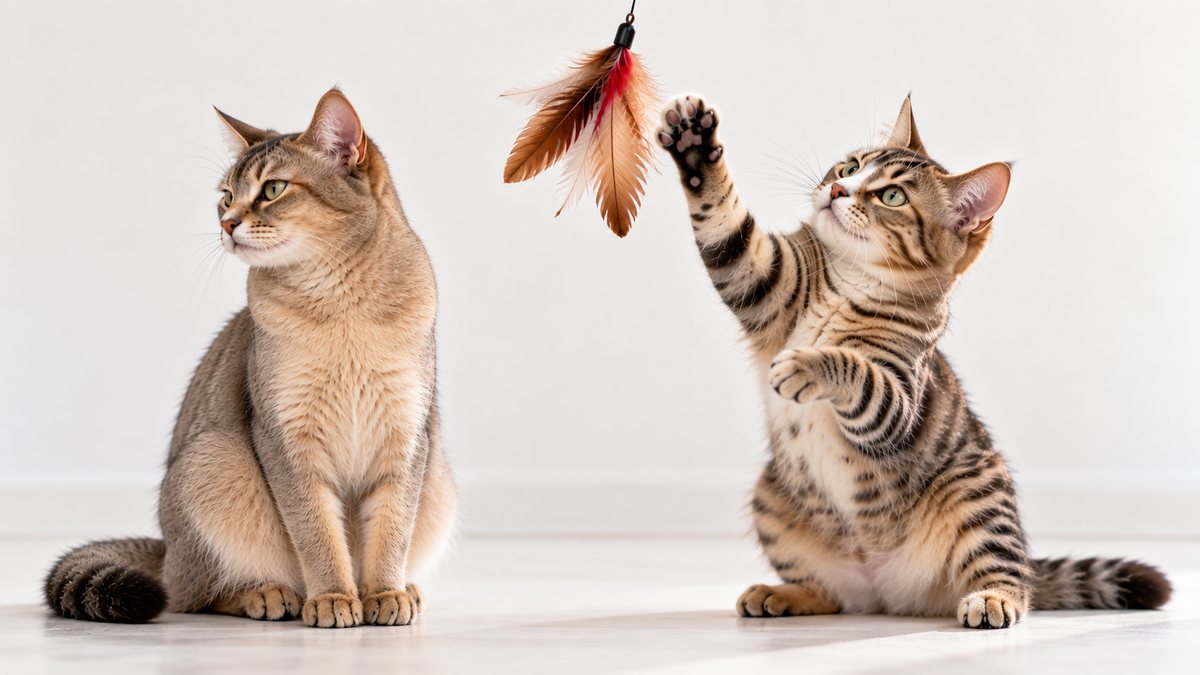
| Playfulness | High Playfulness is a characteristic part of the German Rex temperament. |
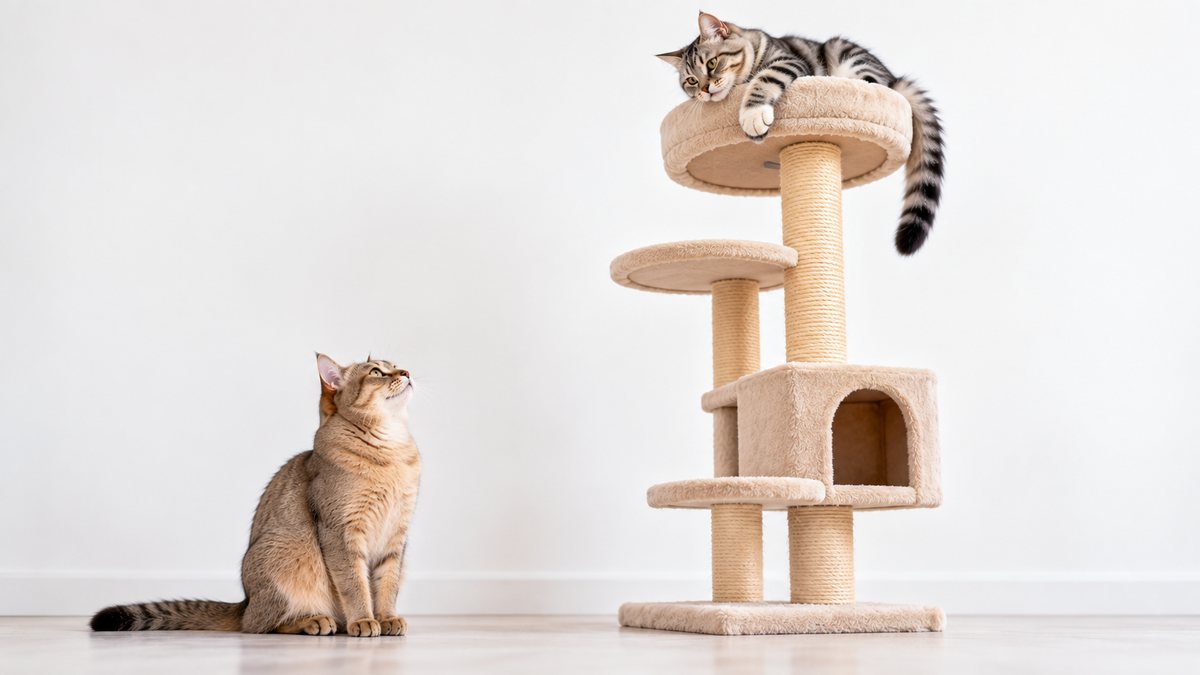
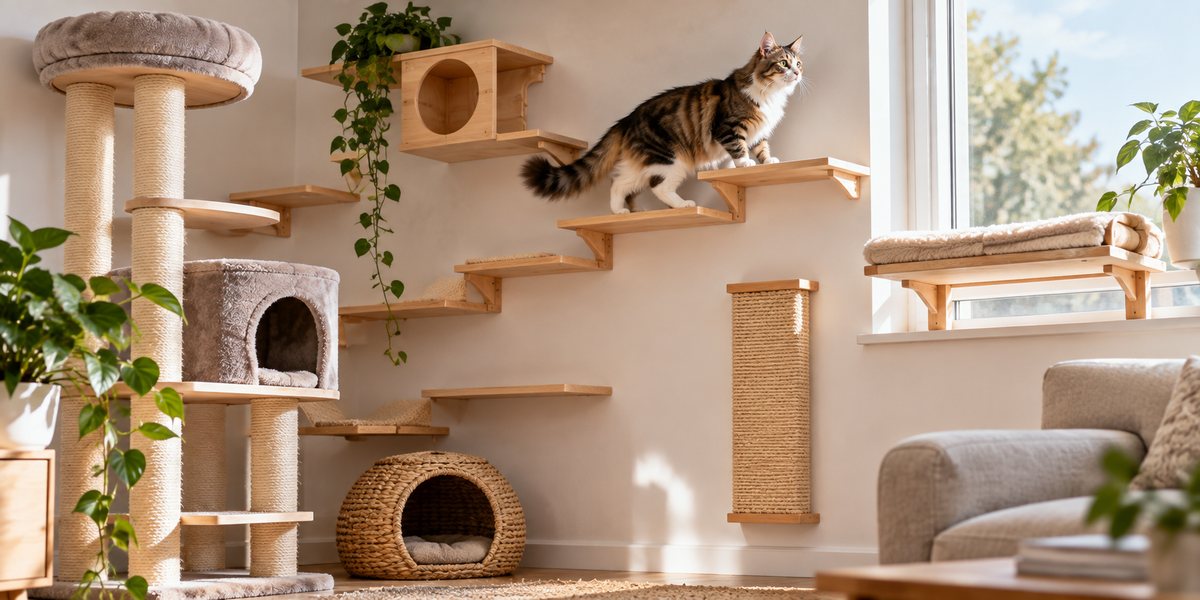
| Climbing & jumping | Moderate to high The light, curly-coated German Rex is lively and agile, so regular climbing, jumping and elevated exploration should be expected. |
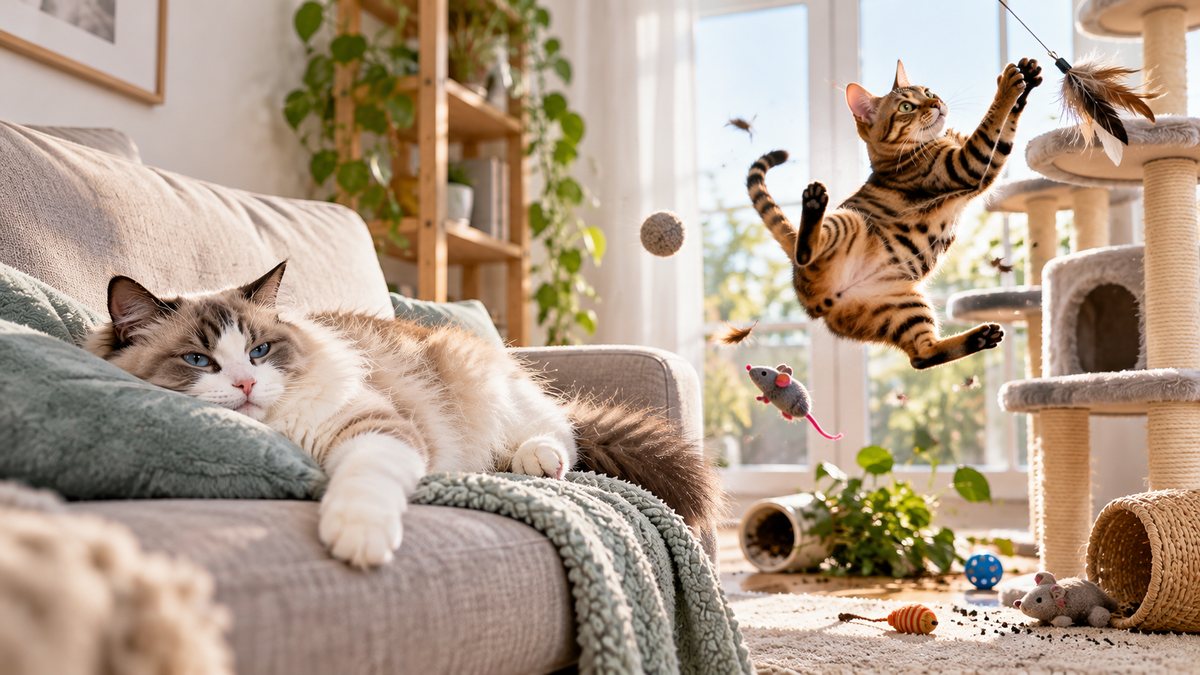
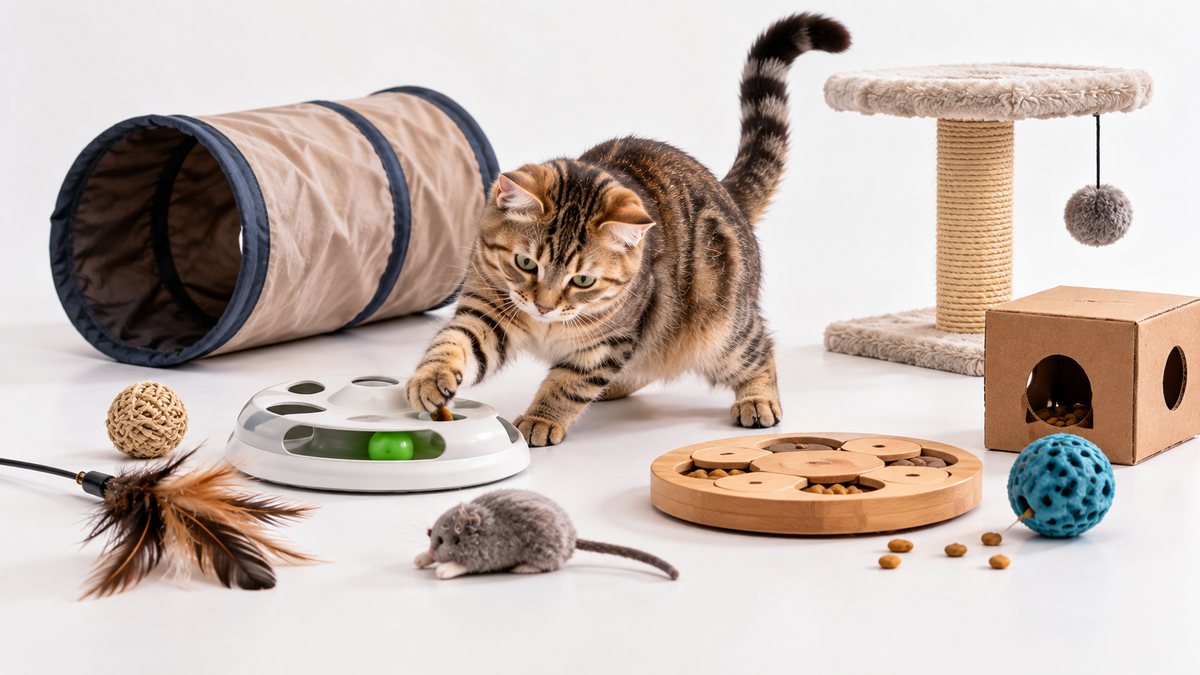
| Enrichment demand | High High enrichment demand: energetic games, climbing and changing interactive toys help channel its lively, curious temperament. |
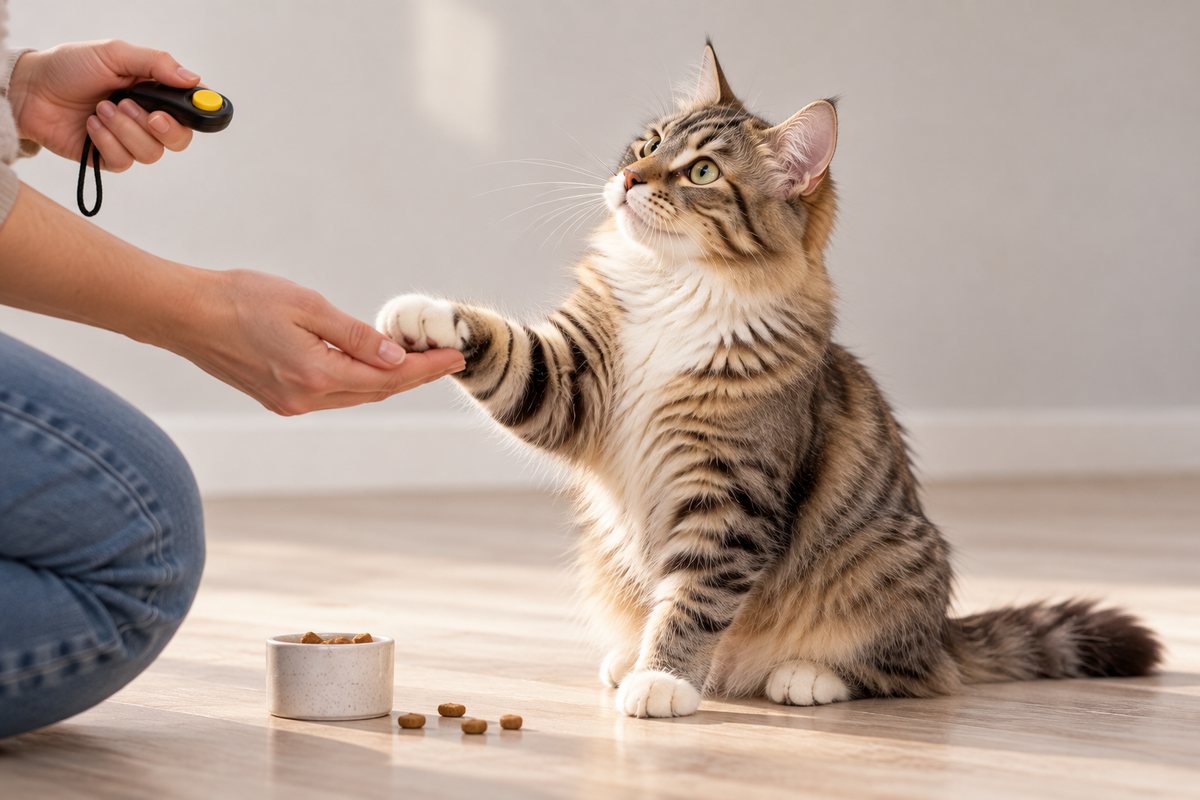
| Learning & training | High The German Rex is notably intelligent and responds well to interaction and learning. |
| Curiosity & exploration | High German Rex cats are lively, intelligent and people-oriented; they are usually quick to investigate new activity and combine curiosity with playful social engagement. |
| Hunting & chasing tendencies | Moderate to high Above-average chasing is likely. The German Rex is active, playful and agile, making moving toys and pursuit games useful daily enrichment. |
| Personality & social | |
| Sociability with familiar people | High German Rex cats are very friendly and quickly form close bonds with their people. |
| Affection | People oriented · close bond · interactive Affection is strongly people-oriented: the breed tends to bond quickly and stay involved with its humans. |
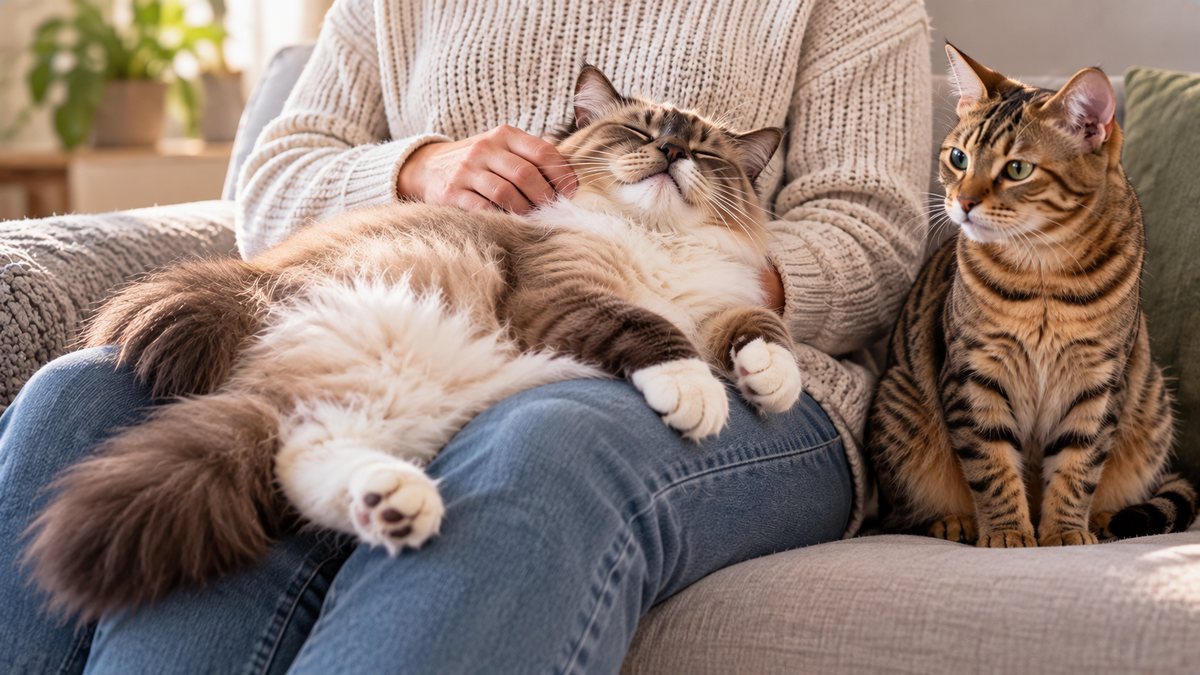
| Lap & cuddling preference | High German Rex cats are affectionate, sociable and warmth-loving; many readily seek cuddling and close resting contact with familiar people. |
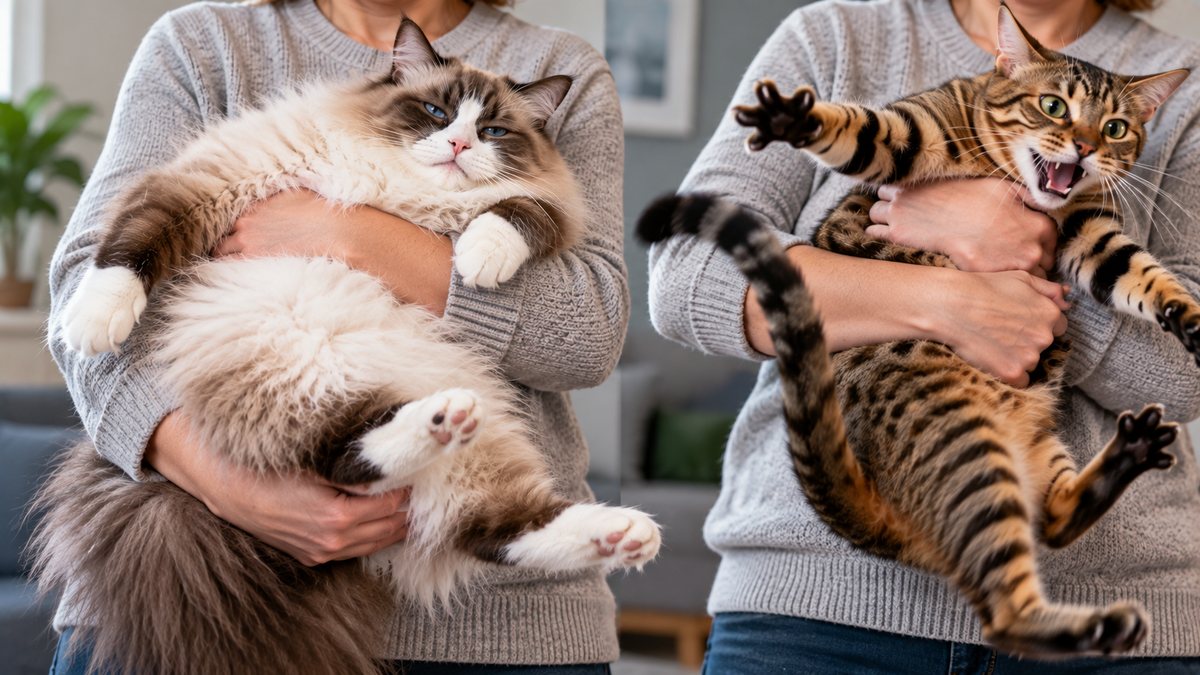
| Handling tolerance | High German Rex cats are typically sociable and people-oriented, so routine lifting and handling are usually well accepted; their active nature may limit how long they wish to remain restrained. |
| Independence & social demand | High social demand Human companionship and interaction are particularly important to the German Rex. |
| Vocalization | Low to moderate; individual conversational style varies Moderately vocal and interactive; Rex-type sociability often produces a cat that uses meows and chirps readily with familiar people. |
| Response to unfamiliar people | Very high German Rex cats are typically lively, affectionate and strongly people-oriented, making curious and friendly engagement with visitors especially likely. |
| Adaptability to change | High German Rex are inquisitive and tend to adapt well to different household situations. |
| Noise & busy-environment sensitivity | Low to moderate Sociable and lively, the German Rex generally copes with normal household activity well and is more likely to investigate than consistently hide from routine commotion. |
| Defensive & conflict behaviour | Low German Rex cats are typically lively, affectionate and people-oriented. Their social style favors engagement over confrontation, so baseline conflict tendency is low; overstimulation or forced restraint may still produce quick but situational defensive reactions. |
| Household & environment | |
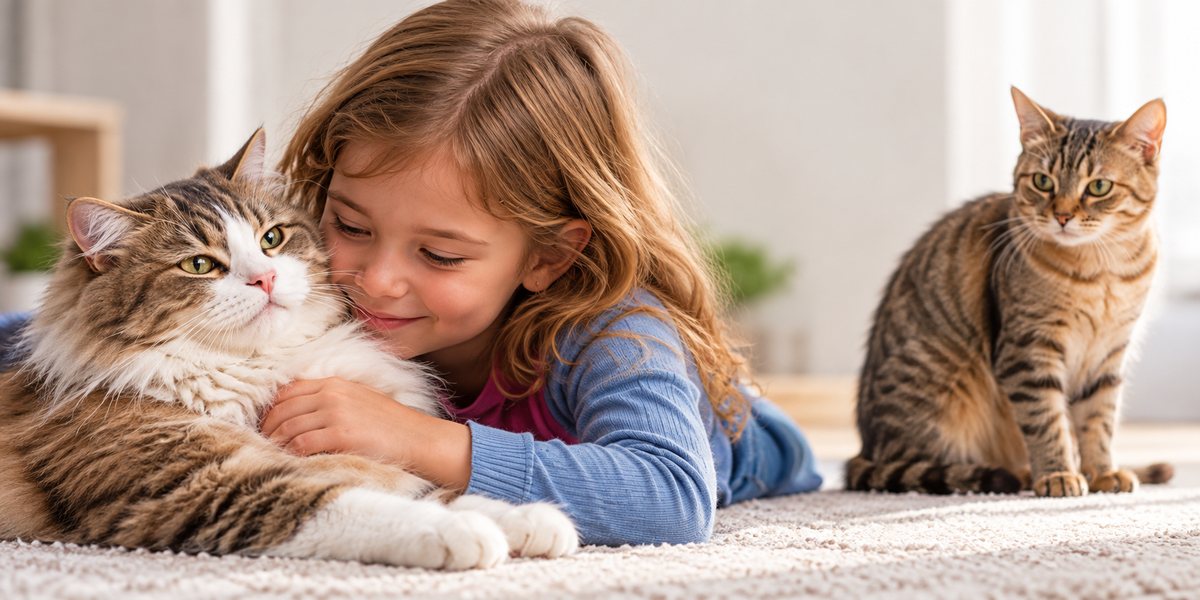
| Living with children | Favorable tendency The breed is generally well suited to households with respectful children. |
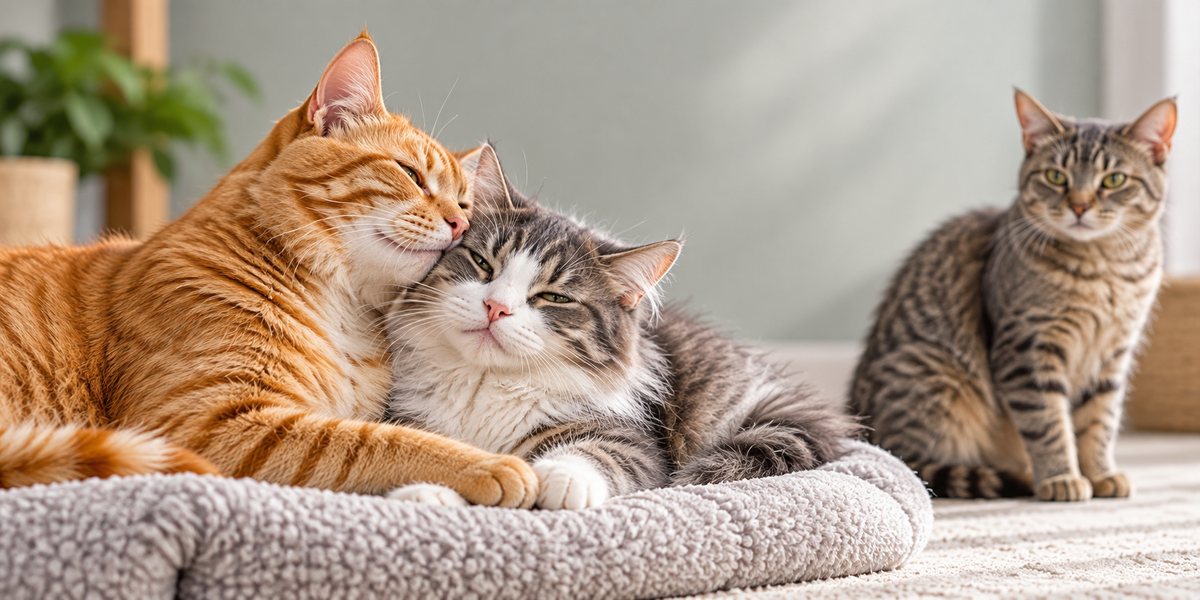
| Living with other cats | Favorable tendency German Rex generally get along well with other cats when introductions are handled sensibly. |
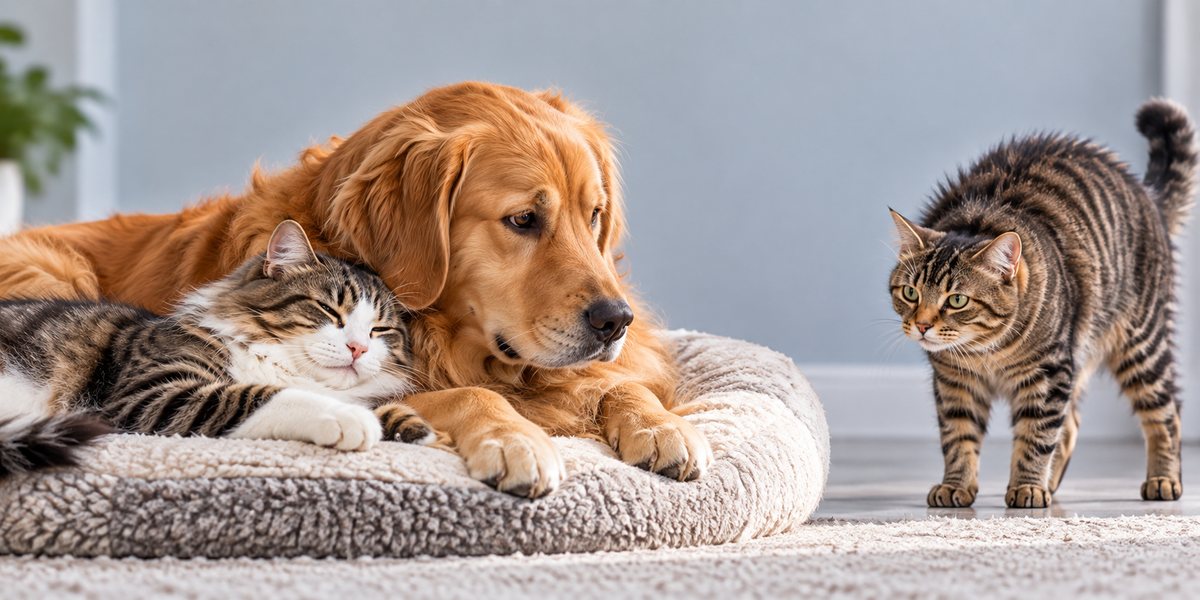
| Living with dogs | Good German Rex generally get along well with cat-friendly dogs. |
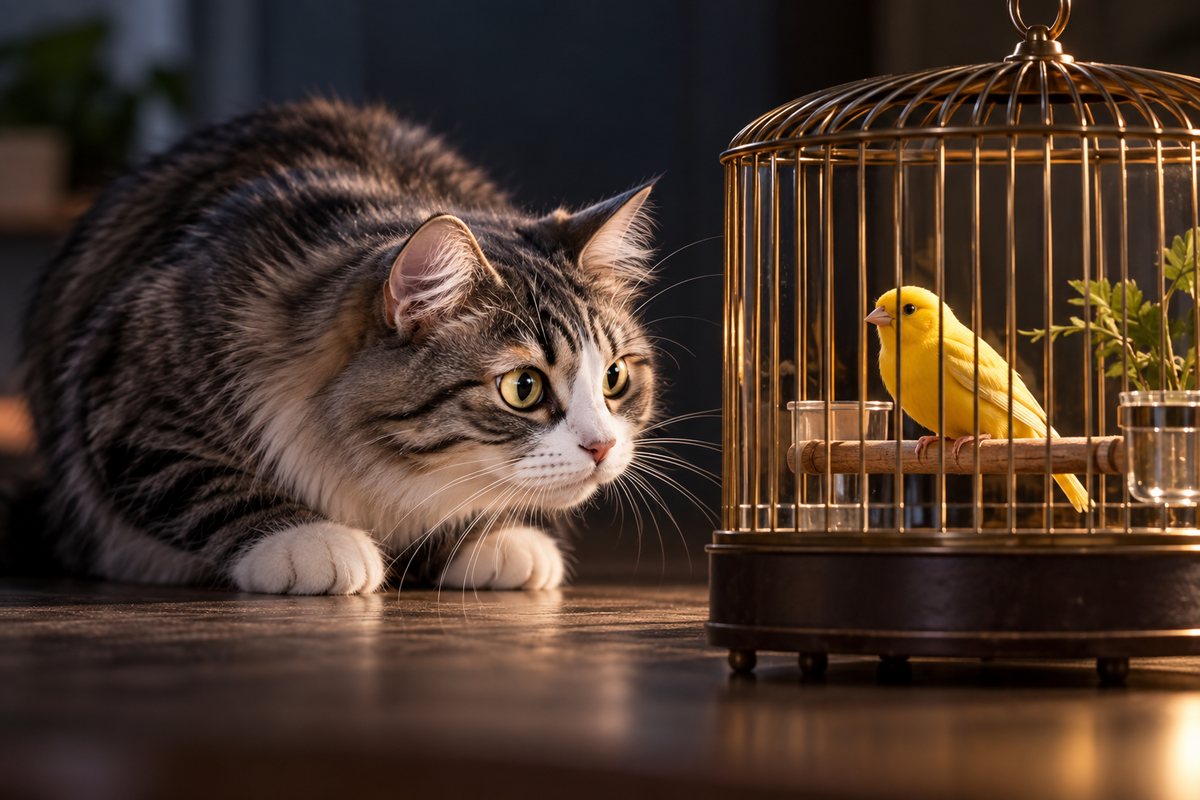
| Living around small pets | Additional caution German Rex cats are lively, curious and playful, traits that readily support chasing and pouncing. Small pets should therefore be securely separated even though the breed is typically affectionate with people. |
| Indoor & home environment needs | Social enriched indoor German Rex cats are lively, curious and people-oriented. Indoor living suits them when the home offers climbing, warm resting places, frequent interactive play and regular social contact rather than a sparse or isolated environment. |
| Outdoor access considerations | Secure temperature managed German Rex cats are lively explorers but their short curly coat offers less weather protection than a dense conventional coat. Outdoor time is best secure and temperature-appropriate, with easy return to warm indoor shelter. |
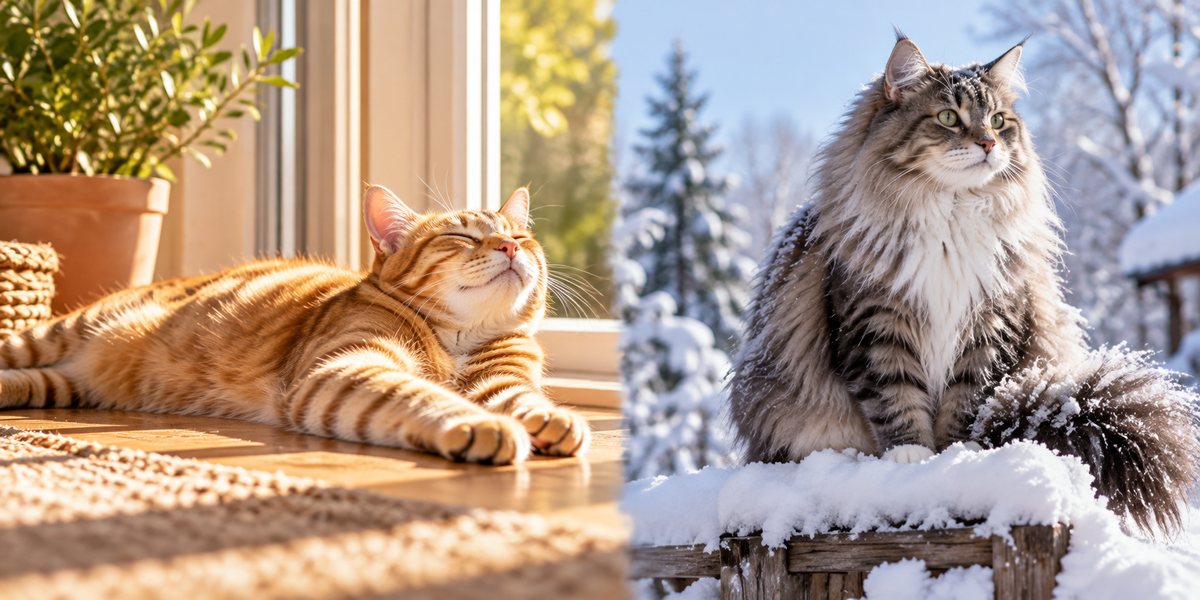
| Heat, cold & sun considerations | Rex cold sensitivity German Rex cats have a short curly coat that can provide less insulation than a conventional dense coat. They often benefit from warm indoor resting places in cool weather and should also have shade and water during summer heat. |
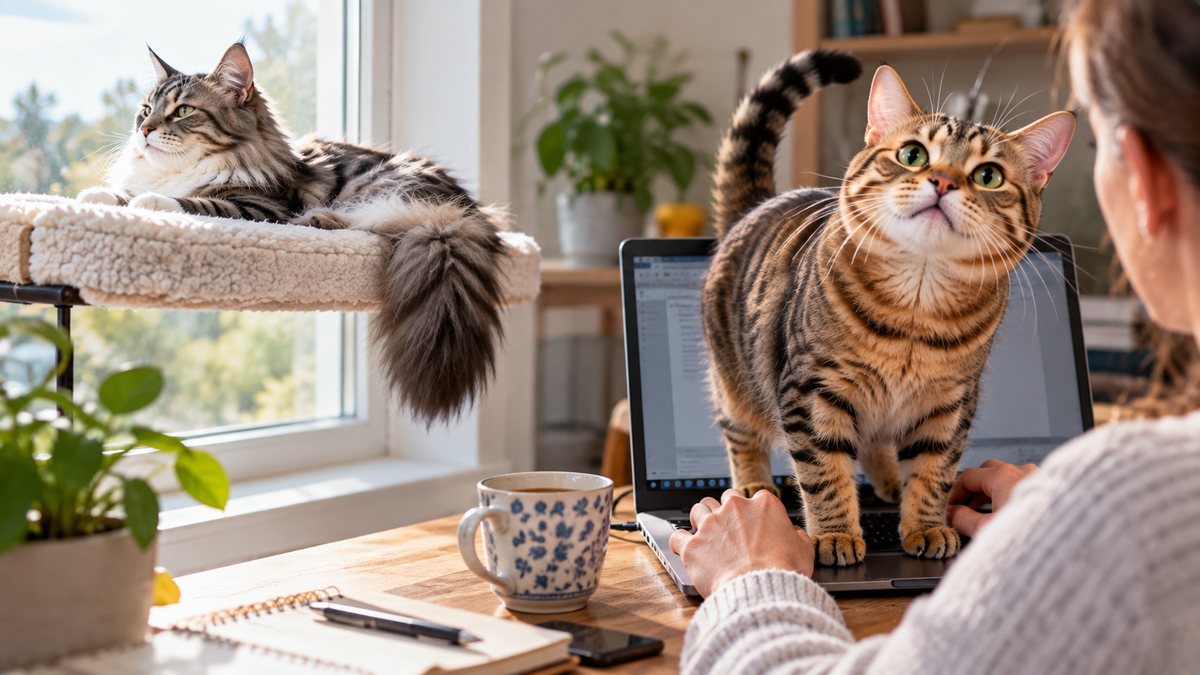
| Caregiver time & experience | Moderate German Rex cats are lively and social with a short curly coat that needs gentle rather than intensive grooming. Daily play, companionship and protection from temperature extremes create a moderate, manageable care routine. |
| Health & welfare | |
| Documented health predispositions | Limited specific risk German Rex cats are rare and lack evidence for a single dominant inherited disease pattern. Their curly coat can be associated with skin and hair fragility in some individuals, while the small population makes genetic diversity and family health history especially important. |
| Screening & breeder questions | Ask what health problems are tracked in the lines and request actual test results Ask about heart, kidney, skin and coat problems in close relatives, what veterinary screening breeding cats receive, and how the breeder manages genetic diversity in this uncommon Rex population. |
| Conformation-related welfare | Moderate coat concern German Rex cats are defined by a curly coat rather than skeletal exaggeration. Welfare selection should maintain healthy skin, whiskers and adequate coat coverage and avoid increasing coat sparsity where it reduces protection or comfort. |
| Nutrition & weight management | Active condition led German Rex cats are lively and generally lean, with no established special dietary requirement. Feed a complete diet to actual activity and body condition, monitoring that a fine outline reflects healthy muscle rather than undernutrition. |
| Longevity | 13–17 years German Rex cats are generally moderate and athletic despite their curly coat; about 13–17 years is a reasonable lifespan estimate. |
| Cost & availability | |
| Purchase cost | High: $800–$2,000 German Rex: a practical breeder-market estimate is $800–$2,000. This reflects that it is an rare rex breed with a small breeder population. |
| Adoption & rehoming cost | Very rare in rescue: $100–$600 when genuinely available German Rex: $100–$600 when genuinely available. The breed is scarce enough that a verified purebred rescue placement is unusual; transport may exceed the adoption fee. |
| Recurring ownership costs | Typical cat costs Grooming equipment costs little, but gentle skin/ear care and warm resting options may add modest expense. Routine food, litter, dental and preventive veterinary care otherwise dominate the budget. |
| Availability, waits & import | Rare German Rex cats remain rare even within Europe. Breeder choice is limited, and a prospective owner may need to search internationally while verifying that the program represents genuine German Rex lines rather than another Rex breed. |
| Identity & real-world context | |
| Ownership & import restrictions | No known breed specific restrictions There are no known breed-specific ownership restrictions. Ordinary animal-welfare, identification, vaccination and cross-border import rules still apply where relevant. |
| Registry recognition | FIFe: fully recognized breed / mapped breed identity Currently recognized by FIFe in the FSC core matrix; it is not a separately recognized CFA or TICA breed identity there. |
| Similar breeds & identity distinctions | Cornish Rex Devon Rex German Rex can resemble Cornish Rex because both have waved coats. German Rex are generally more moderate and muscular in body and head, while Cornish Rex are markedly slender; Devon Rex have a distinct head and a different, often more irregular coat texture. |
| Reported characteristic quirks | Individual quirks often center on play and exploration German Rex cats often seek body warmth and close contact, sometimes burrowing into bedding, while their playful Rex temperament can make small household objects irresistible targets for batting and carrying. |
Browse all 53 breed characteristics
Open any characteristic to compare all breeds on that dimension.



 English