
Compare Cat Breeds
Compare up to three breeds across all 53 characteristics. Values are shown directly so the differences are easier to scan.
| Characteristic | 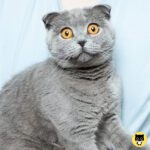 Foldex |
|---|---|
| Body & development | |
| Adult size | Medium |
| Adult weight | 2.7–6.4 kg (6.0–14.1 lb) Adults are commonly around 2.7–6.4 kg (6–14 lb). |
| Build & distinguishing morphology | Round · folded ears · exotic shorthair scottish fold derived The Foldex combines the rounded, teddy-bear look of the Exotic Shorthair with folded ears inherited from Scottish Fold ancestry. |
| Maturation | 2-3 years With British/Exotic ancestry and a compact substantial build, Foldex cats can continue broadening after the first year and reach full maturity around 2–3 years. |
| Coat & appearance | |
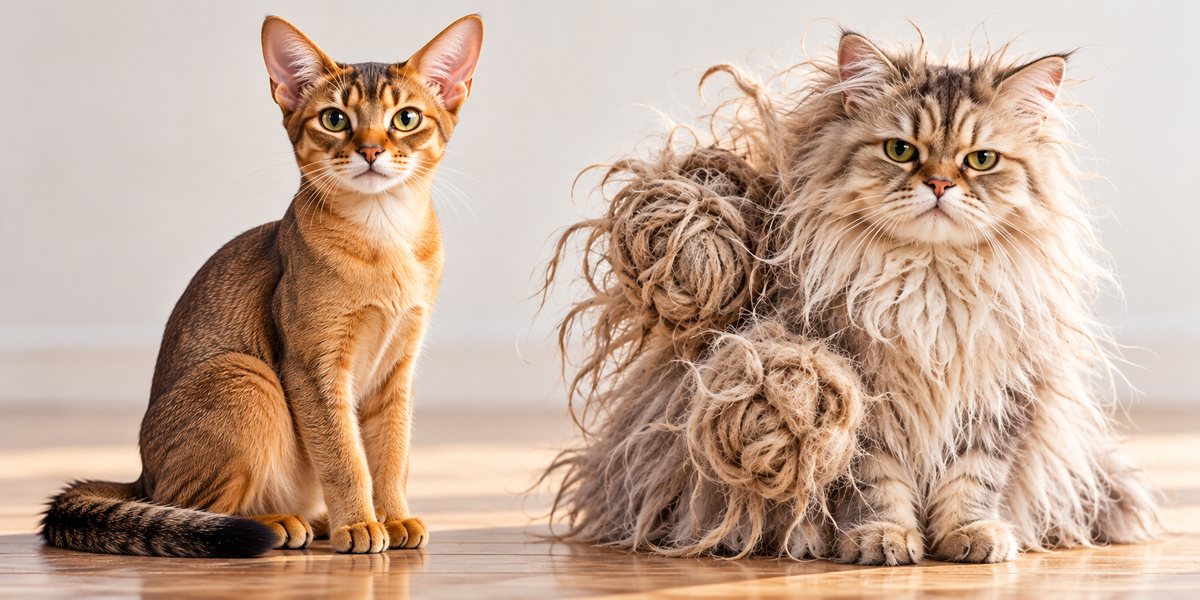
| Coat length | Short · long Foldex development includes Exotic Shorthair and Exotic Longhair ancestry and occurs in both coat lengths. |
| Coat texture & undercoat | Short or long · plush dense · moderate to heavy undercoat Foldex coats may be short or long, but the British/Exotic influence generally produces a plush, dense texture with a moderate to substantial undercoat. |
| Colors & patterns | Broad exotic-british palette; solid · tabby · tortie · bicolor · silver · golden · pointed Foldex cats can express the broad Exotic/British palette, including solids, tabbies, torties, bicolours, silver/golden and pointed varieties. |
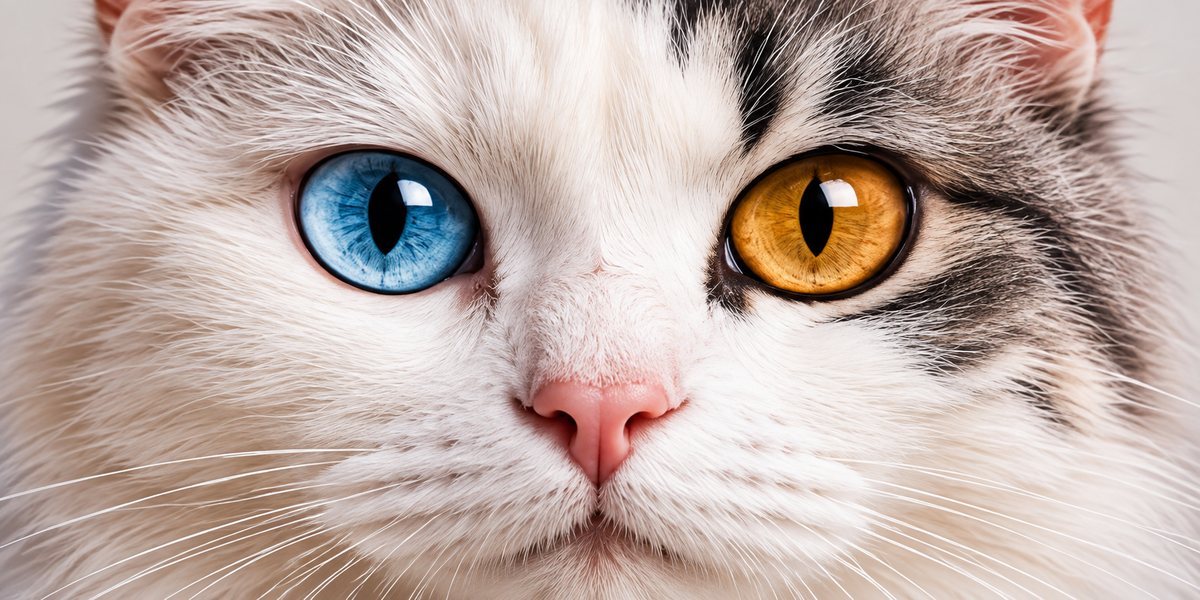
| Eye colors | Copper · gold · green · blue; coat-dependent British/Exotic ancestry gives a broad coat-linked range: copper/gold, green in some silver/golden cats, and blue in colourpoints. |
| Coat & routine care | |
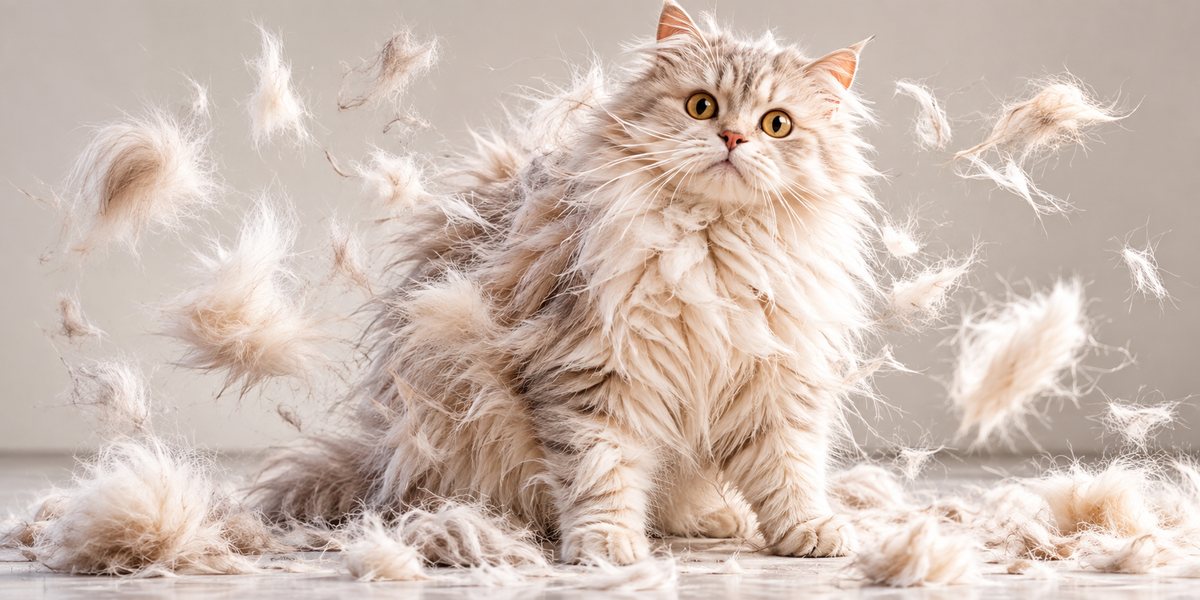
| Shedding | Moderate Moderate shedding overall; longhaired Foldex cats shed more visibly and both coat types can show seasonal increases. |
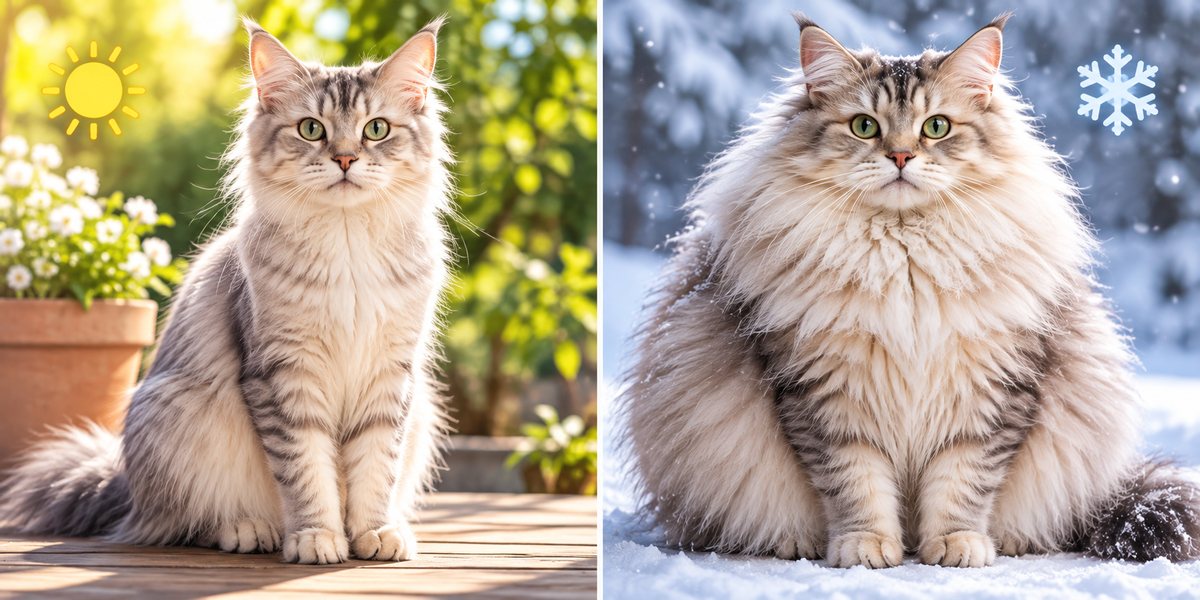
| Seasonal coat changes | Moderate to heavy seasonal shed The plush, undercoated Foldex coat commonly sheds more heavily in spring and autumn; longhaired Foldex cats show the seasonal coat change most visibly. |
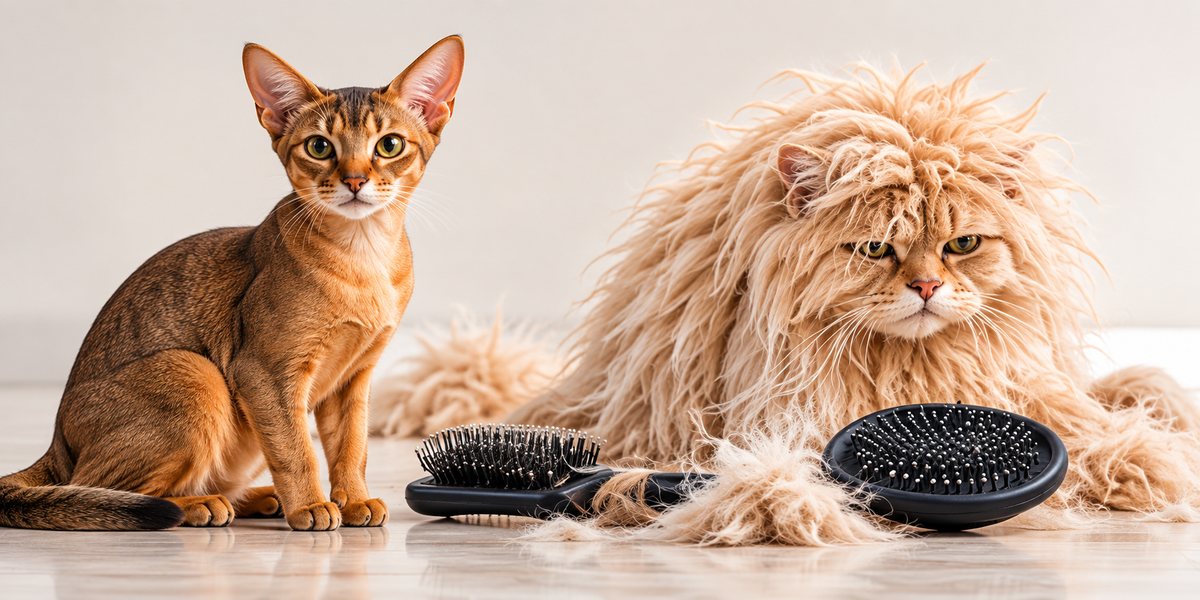
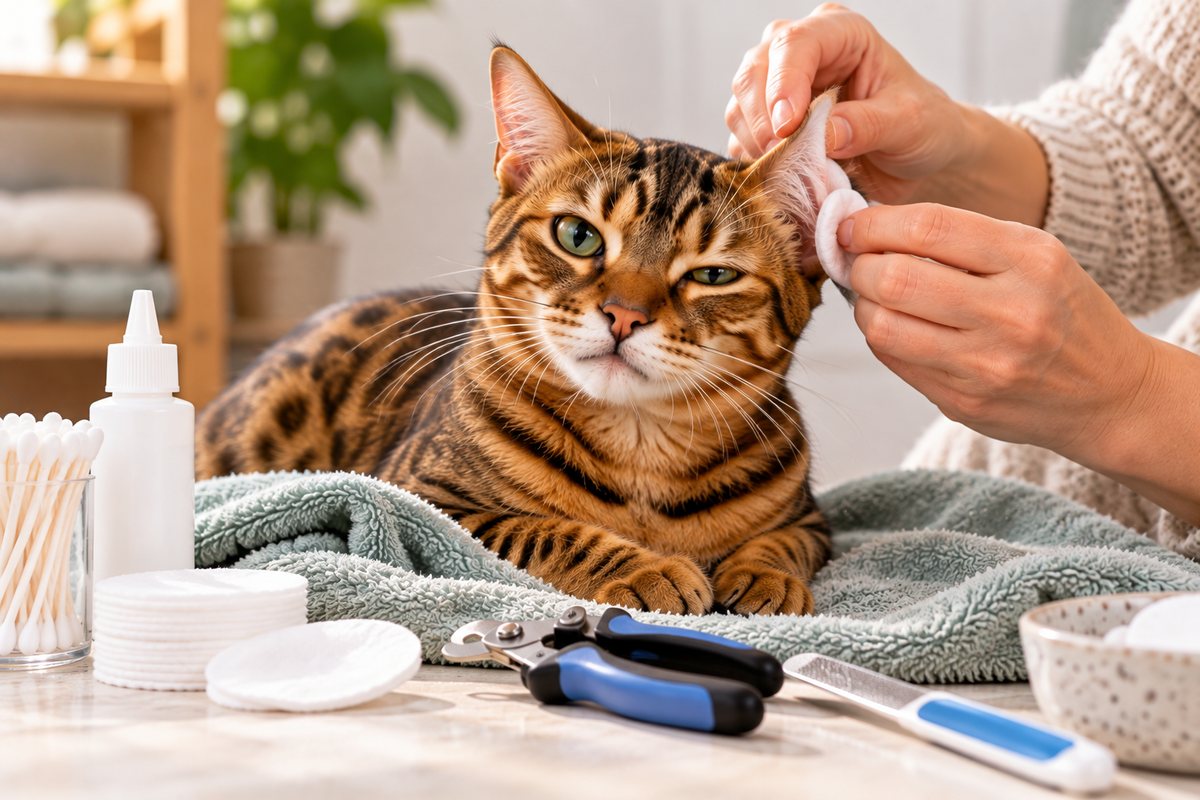
| Brushing & combing | 3x week or as needed Shorthairs usually need weekly brushing; longhaired Foldex cats benefit from combing two or three times weekly, especially in friction areas. |
| Tangle & matting tendency | Moderate by coat length Shorthaired Foldex usually have low risk, while longhaired cats with plush undercoat can mat behind the ears, under the legs and through the trousers. |
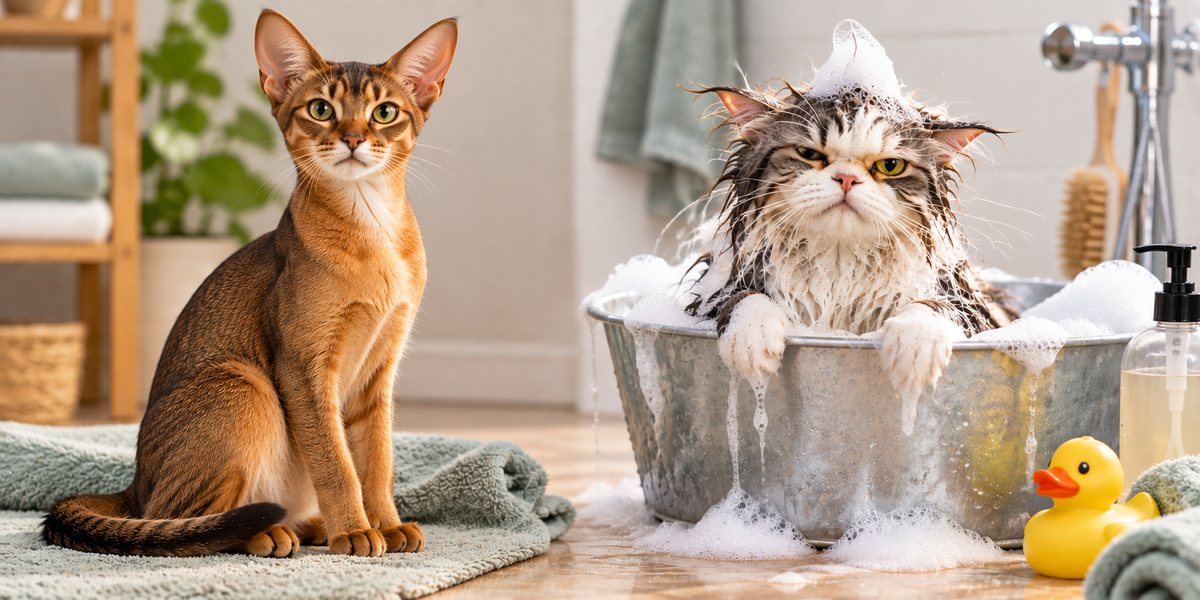
| Skin & bathing care | Bathing not routinely needed Routine bathing is generally unnecessary; bathe only when the coat is genuinely soiled or for a specific veterinary or grooming reason. |
| Distinctive routine care | Coat face joint care Coat care depends on hair length, but routine management should also include facial and eye hygiene in flatter-faced cats and close observation of gait, stiffness and jumping comfort because folded-ear ancestry can affect joints. |
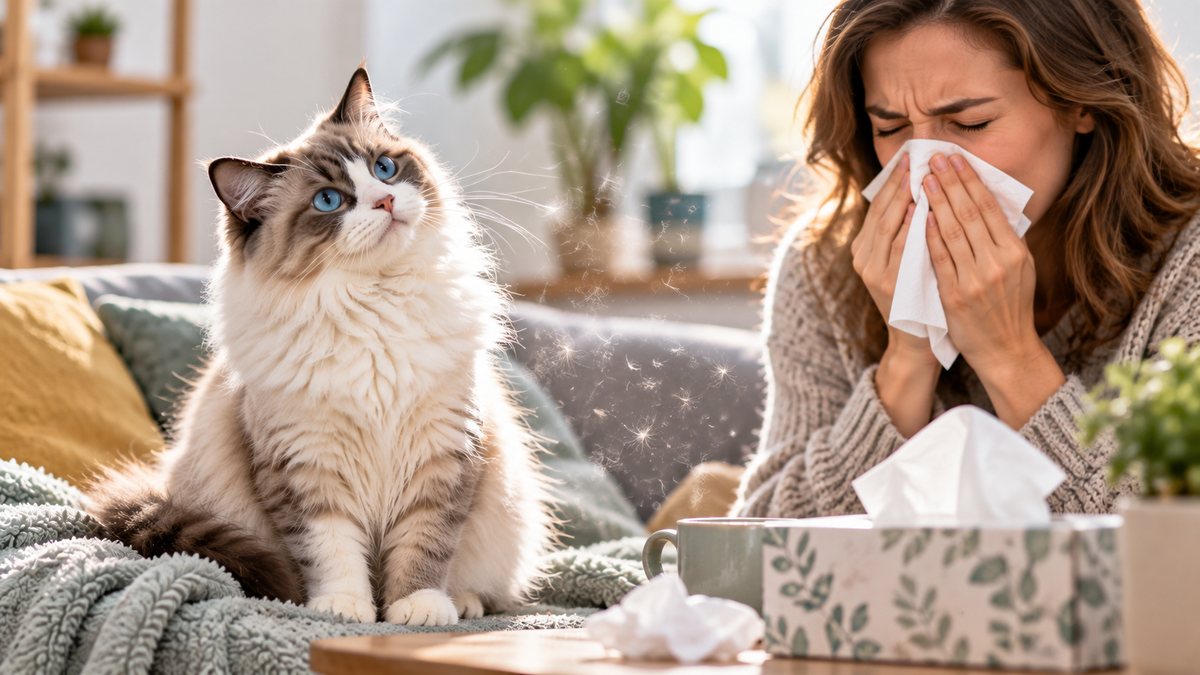
| Allergy & allergen evidence | No breed specific reduction established There is no known reason to regard this breed as hypoallergenic. All cats produce allergens, and coat length or shedding alone does not determine allergy risk. |
| Activity & intelligence | |
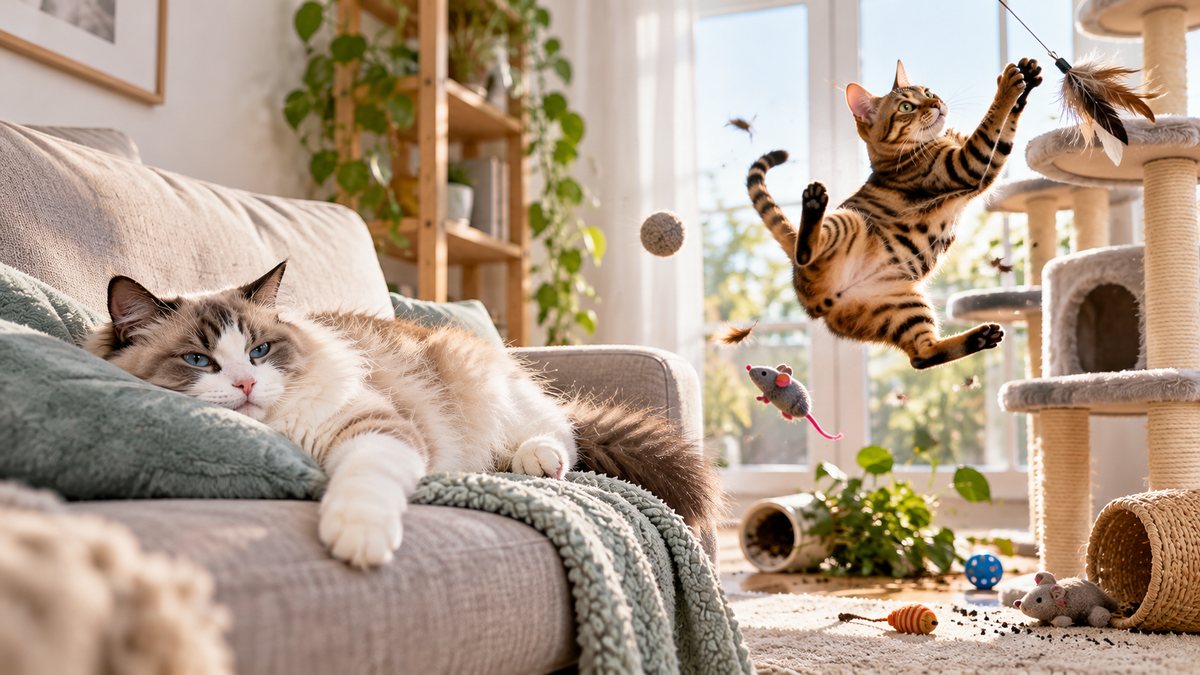
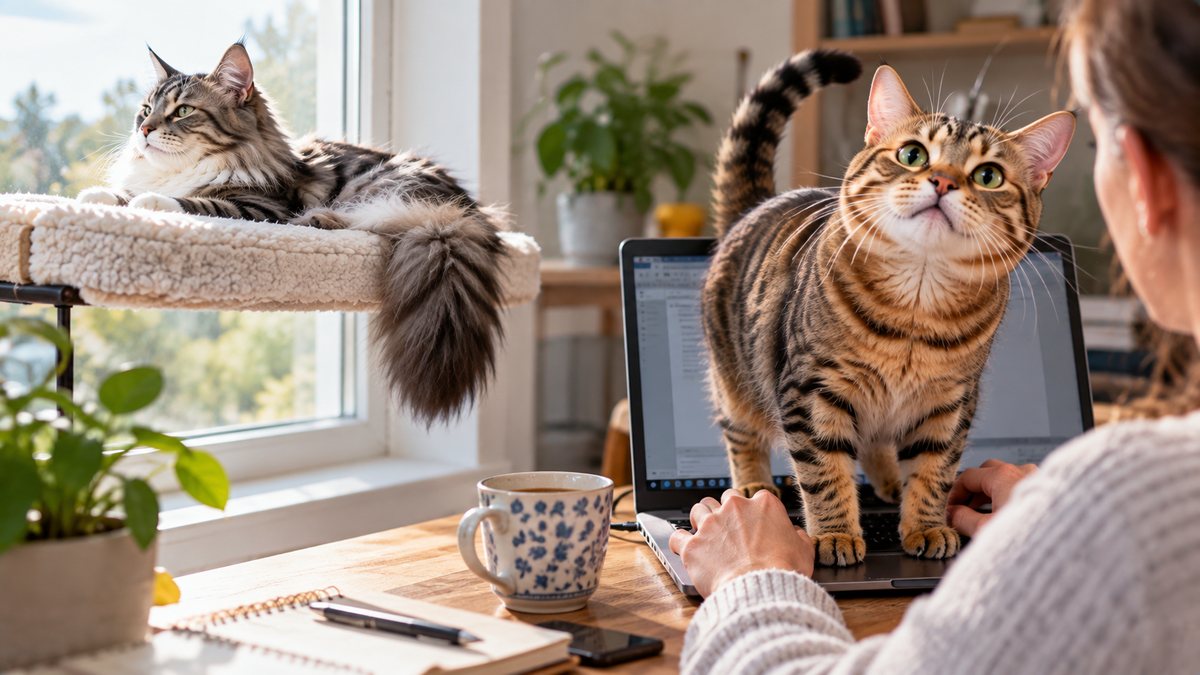
| Activity level | Moderate to high Moderate activity is expected: playful and curious, but the Exotic/Scottish background generally keeps energy below the most athletic Oriental types. |
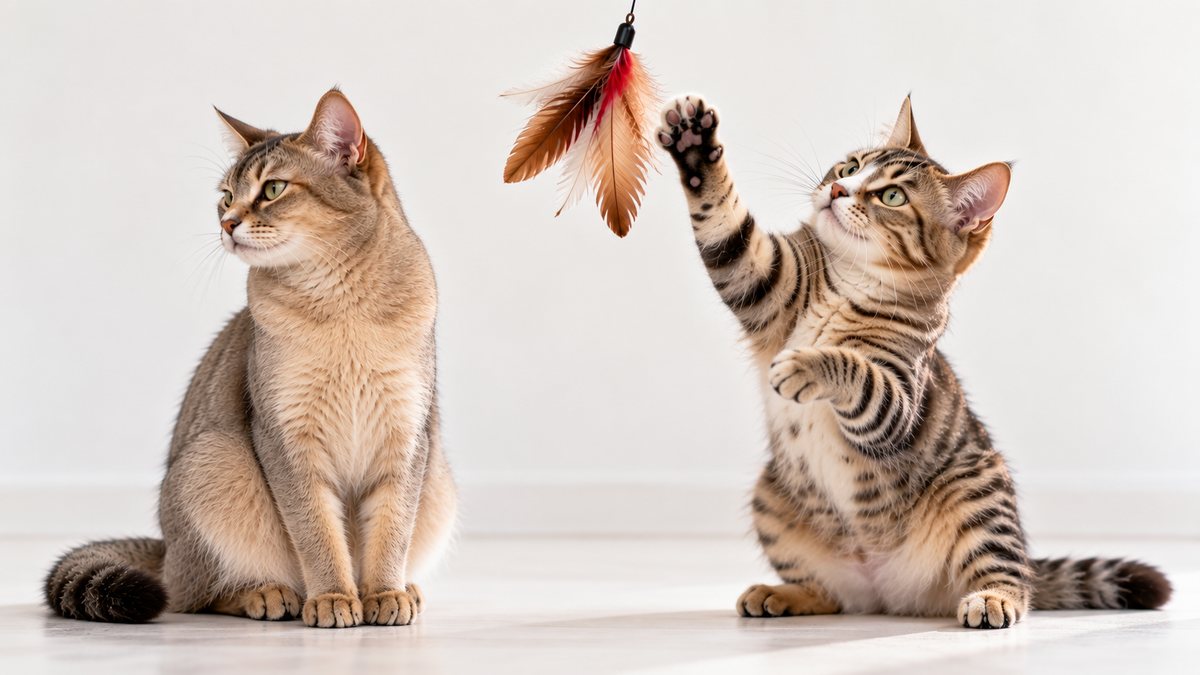
| Playfulness | Moderate to high Moderately playful and curious; short interactive sessions fit the generally easygoing Exotic/Scottish-derived temperament. |
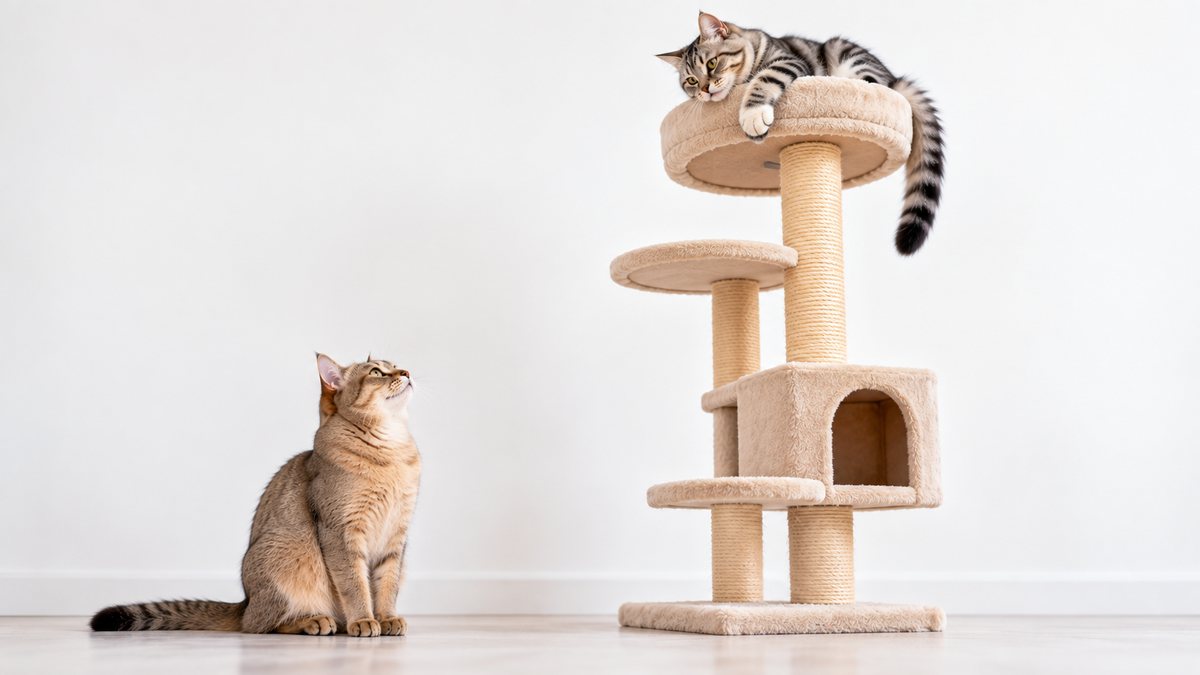
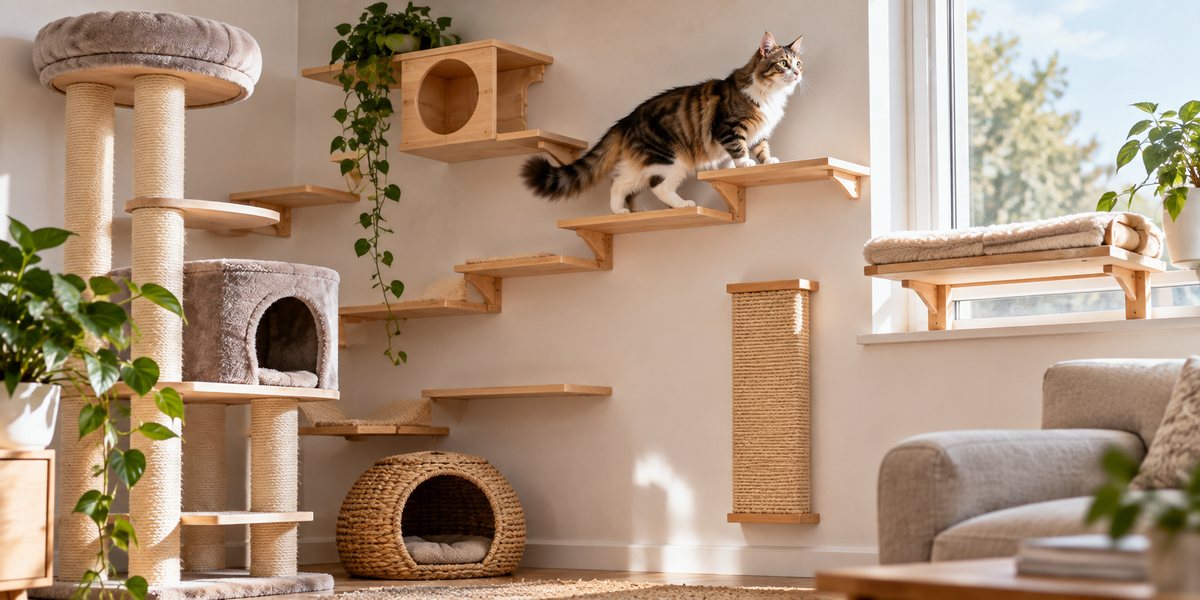
| Climbing & jumping | Moderate The Foldex is generally moderate in activity; provide ordinary accessible vertical space while avoiding unnecessarily difficult jumps, especially where joint structure is a concern. |
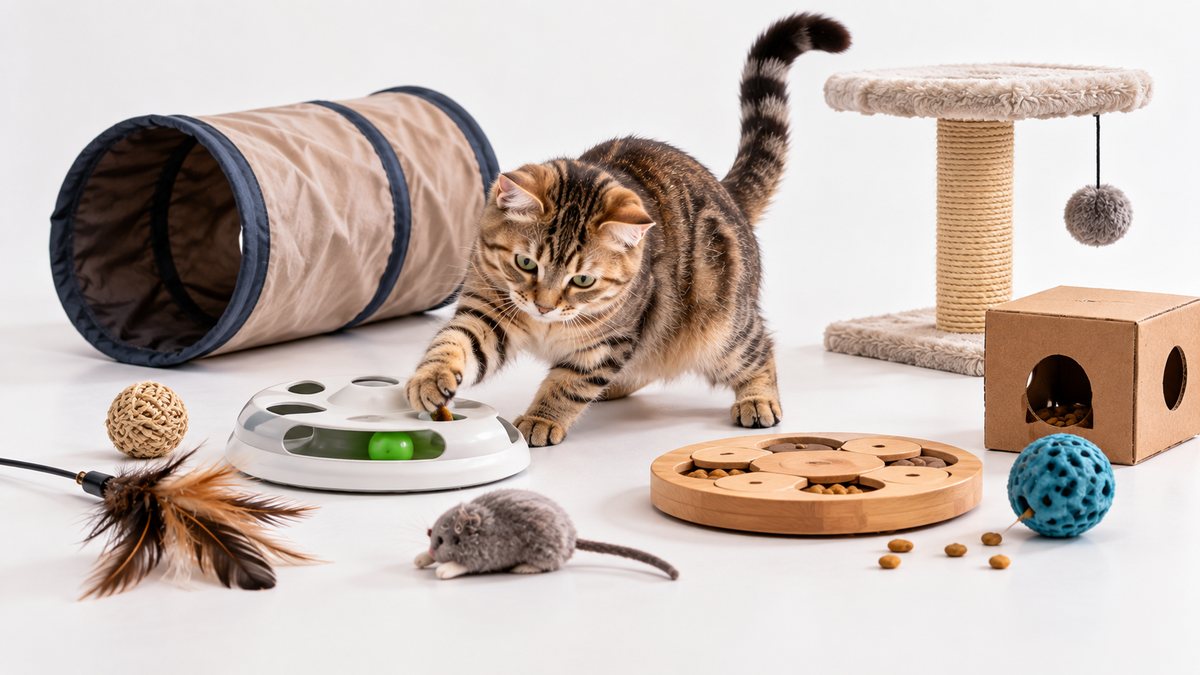
| Enrichment demand | Moderate Moderate enrichment demand: daily social play, toy rotation and accessible exploration generally suit its balanced activity level. |
| Learning & training | Moderate The Foldex should be capable of normal companion-cat learning and simple interactive games; its Persian/Exotic and Fold ancestry suggests a calmer training style rather than high drive. |
| Curiosity & exploration | Moderate Foldex cats derive largely from Scottish Fold and Exotic-type lines, suggesting moderate curiosity: interested in people and new objects but usually not relentless explorers. |
| Hunting & chasing tendencies | Moderate to high Expect moderate predatory play, broadly similar to its British/Scottish-related ancestry; individuals may chase enthusiastically but sustained high-drive pursuit is not a defining trait. |
| Personality & social | |
| Sociability with familiar people | High Foldex cats are generally affectionate and easygoing with familiar people, tending to enjoy regular attention and family company without being relentlessly demanding. |
| Affection | Proximity · gentle · physical Foldex affection is generally gentle and easygoing, with regular proximity and comfortable physical contact rather than intense attention-seeking. |
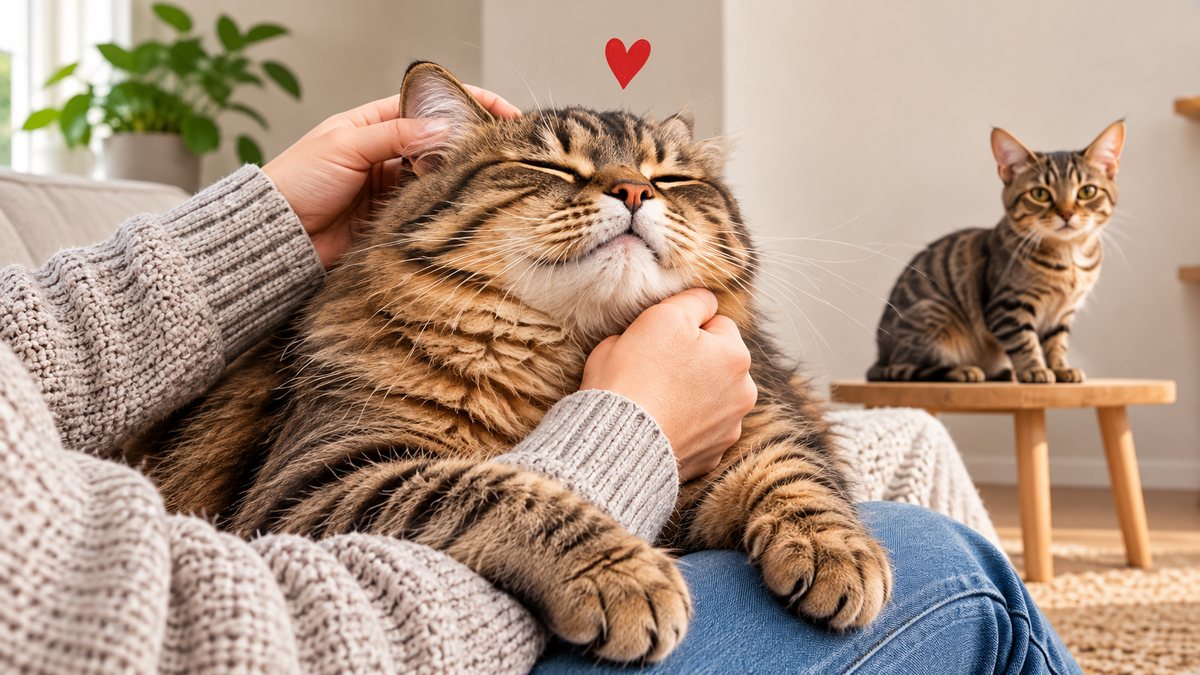
| Lap & cuddling preference | High Foldex cats generally inherit an easygoing, affectionate companion style, so many enjoy being close, cuddled and settled on a familiar lap. |
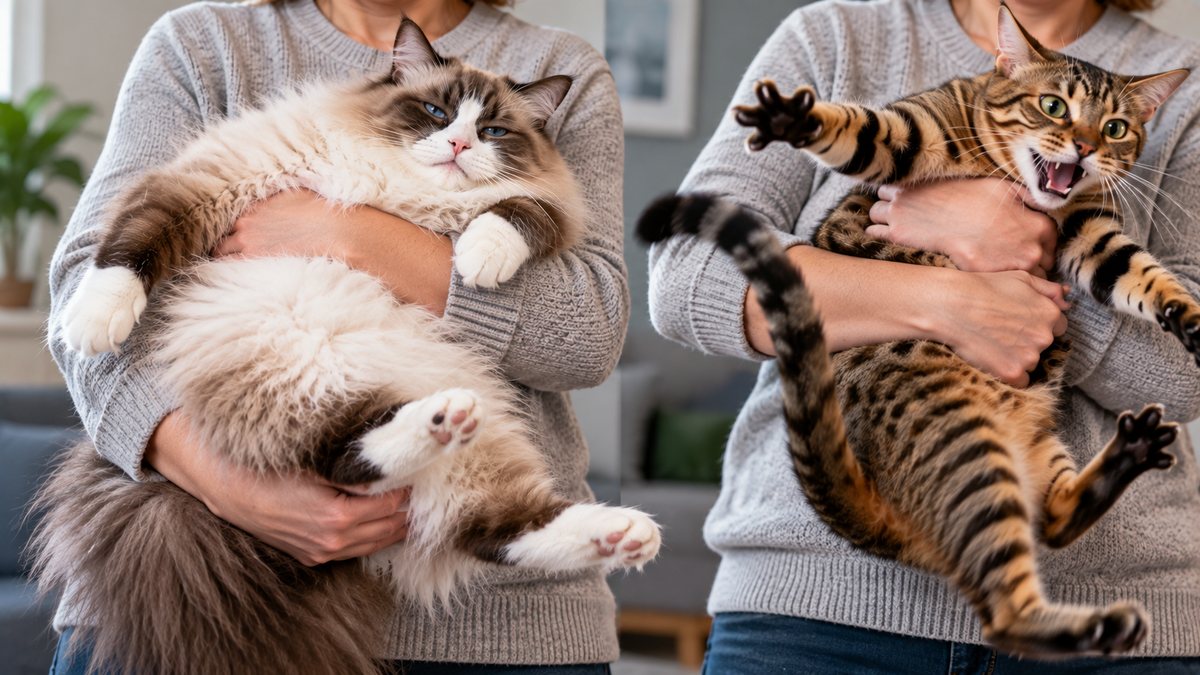
| Handling tolerance | High The generally gentle Persian/Scottish-derived temperament favors good handling tolerance, but joints and folded ears should be handled without force because skeletal issues can make manipulation uncomfortable. |
| Independence & social demand | Moderate to high social demand Foldex cats are generally affectionate companion cats that prefer regular household contact, while usually tolerating normal periods of independent rest. |
| Vocalization | Low to moderate; individual conversational style varies Moderate vocality is expected from its Exotic/Scottish ancestry; most are communicative without being notably loud or incessant. |
| Response to unfamiliar people | High Foldex cats are bred from companion-oriented Persian/Exotic and Fold lines and are generally friendly and easygoing, so most warm to visitors without prolonged fear. |
| Adaptability to change | Moderate to high Its generally affectionate, easygoing companion temperament supports good household adaptability, although individual comfort and mobility should shape how quickly environmental changes are introduced. |
| Noise & busy-environment sensitivity | Moderate The Foldex's Persian and Scottish ancestry generally produces a gentle, calm cat that tolerates ordinary activity but benefits from a predictable, not relentlessly noisy, home. |
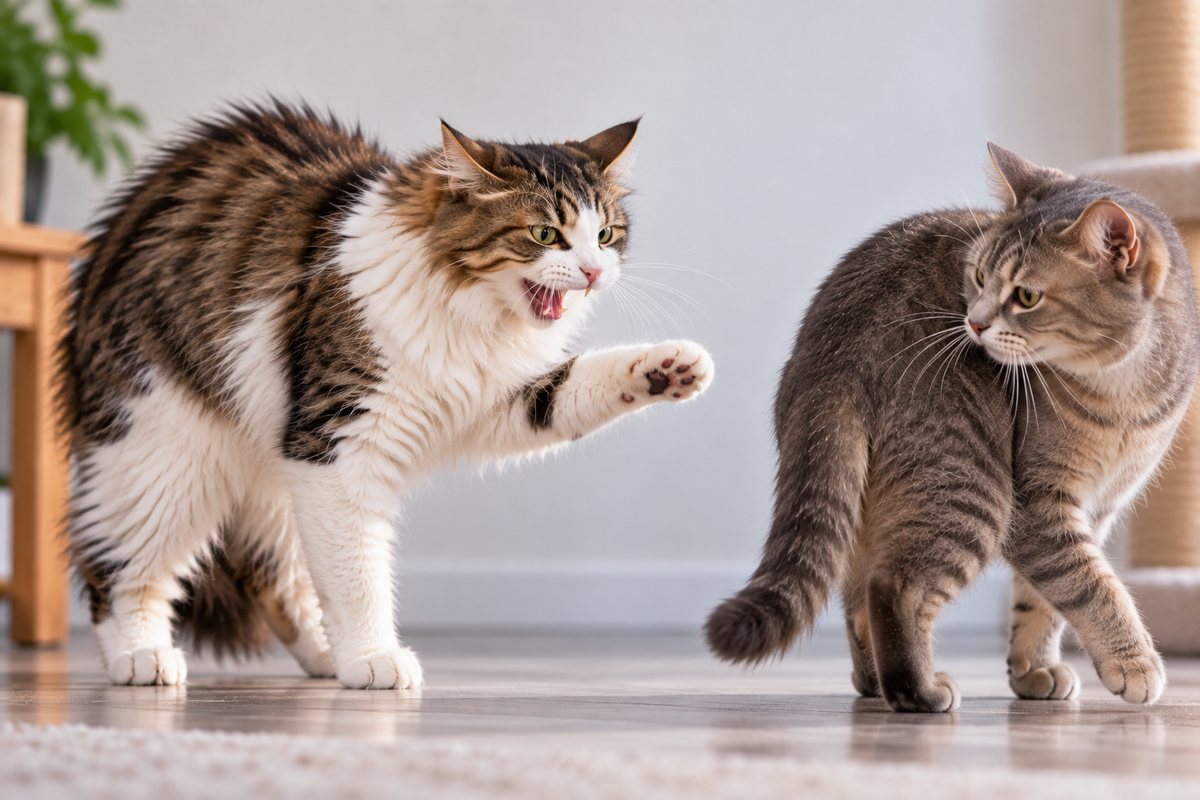
| Defensive & conflict behaviour | Low Foldex cats are generally bred for a calm, affectionate companion temperament. Serious conflict tendency should be low in well-socialized individuals, but discomfort associated with inherited skeletal traits can lower handling tolerance and make pain-related defensiveness especially important to recognize. |
| Household & environment | |
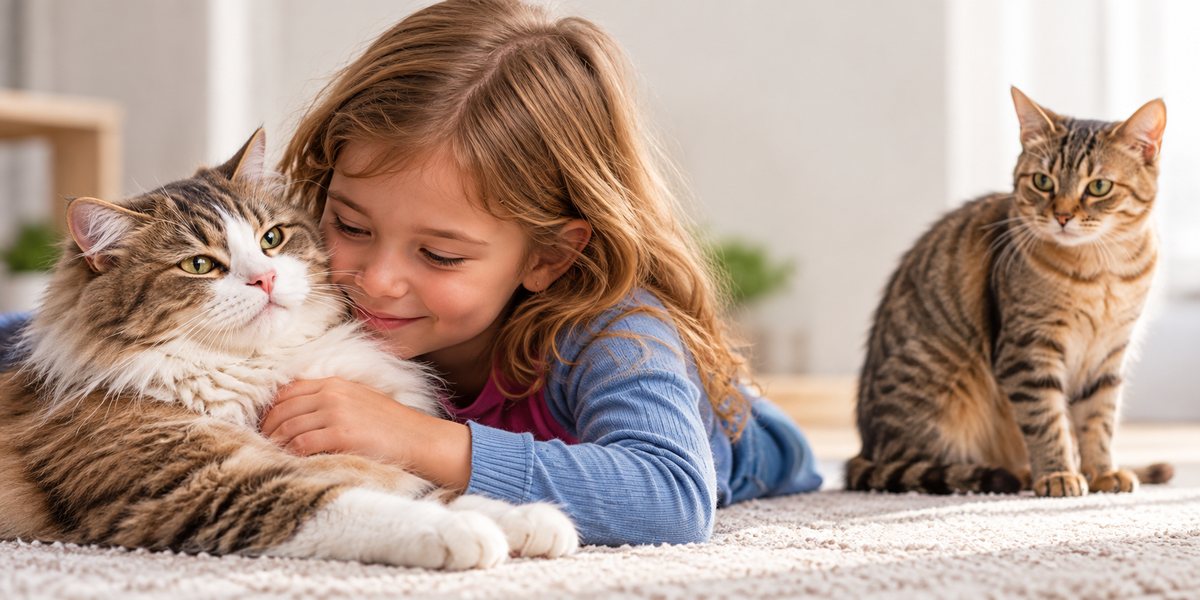
| Living with children | Moderate Foldex cats are generally calm and affectionate, but folded-ear ancestry can carry painful skeletal disease. Gentle children may be suitable companions; rough handling is inappropriate, and reluctance to be touched or move should never be dismissed as temperament. |
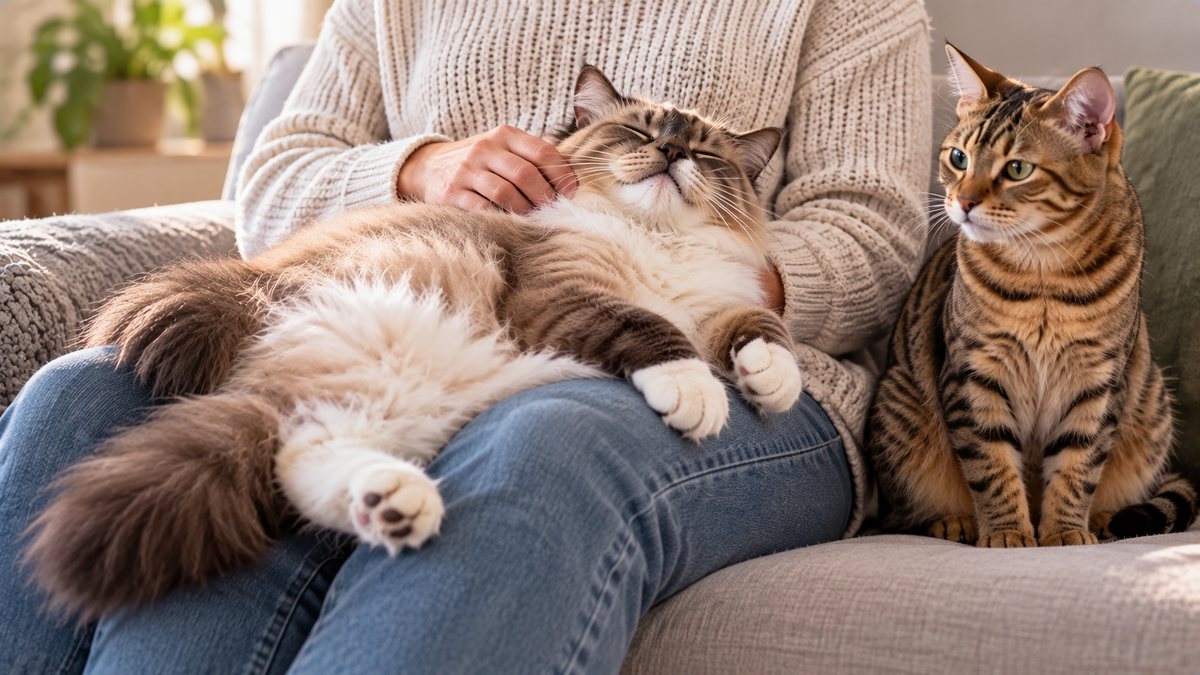
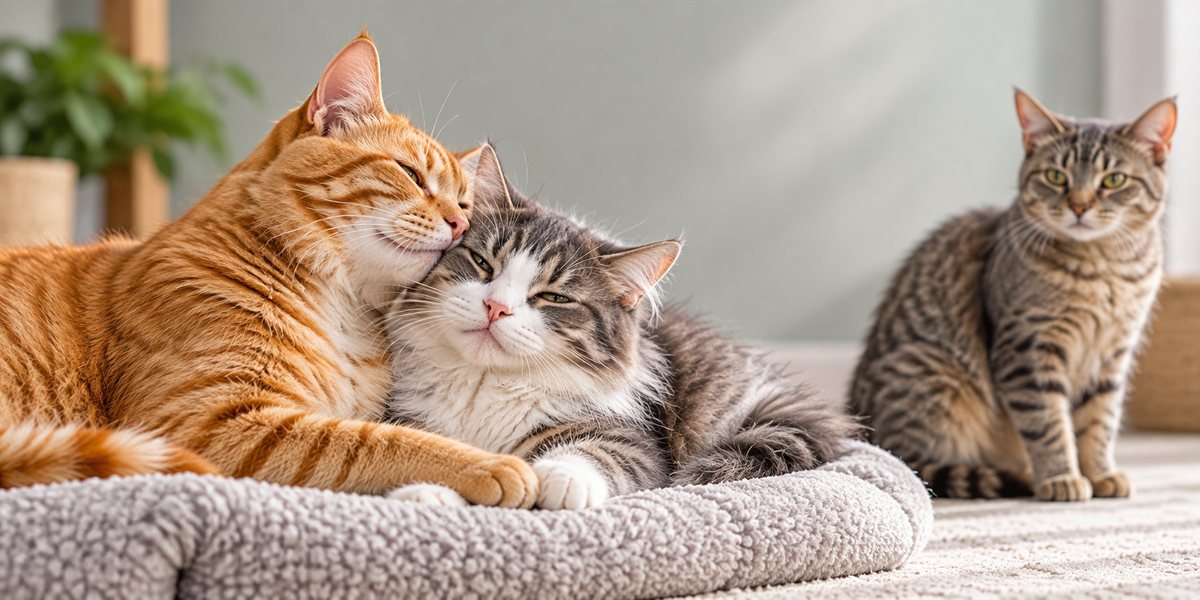
| Living with other cats | Favorable tendency Foldex cats are generally easy-going, affectionate and playful, traits that usually translate well to multi-cat homes. A friendly companion is normally a good fit when introductions are gradual and each cat retains its own feeding, resting and litter resources. |
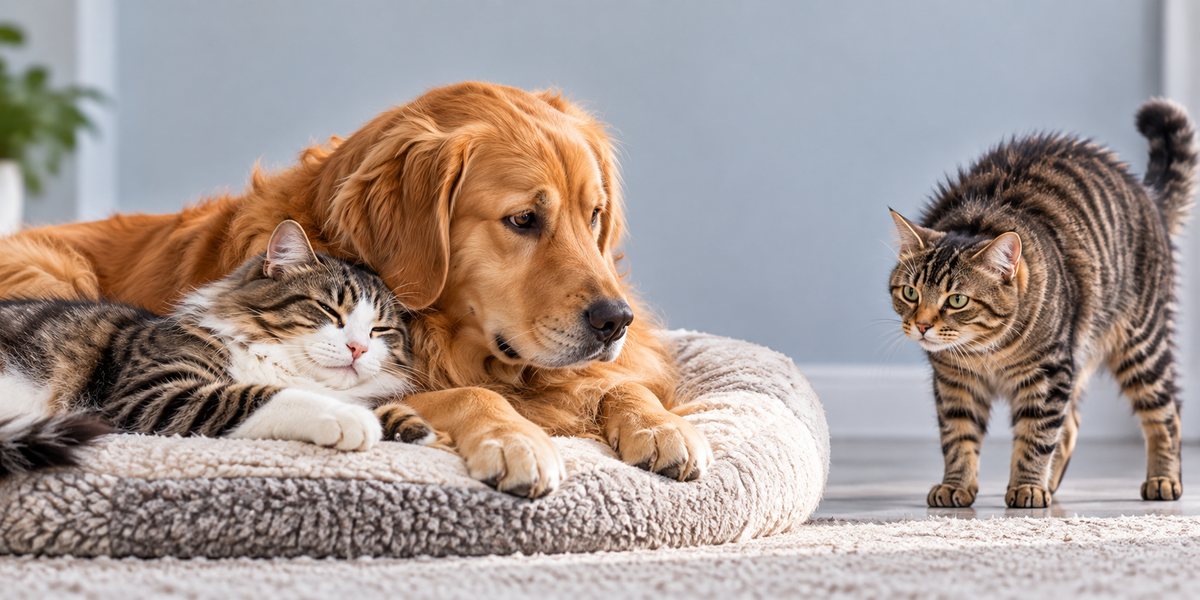
| Living with dogs | Moderate Foldex cats are generally companionable and can accept a calm dog, but folded-ear ancestry can bring painful skeletal disease. Canine play must remain gentle, and any reluctance to interact or move should be treated as possible discomfort rather than stubbornness. |
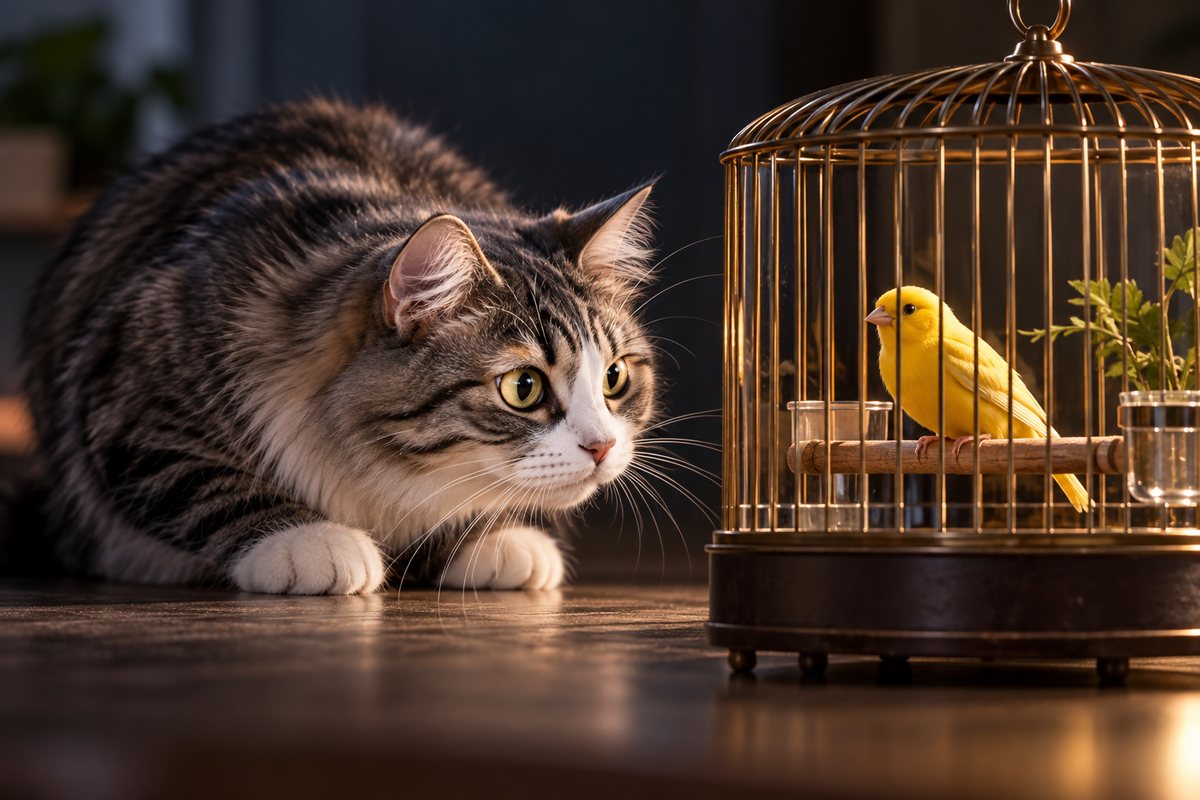
| Living around small pets | Normal predatory caution Foldex cats are generally calm companions and may have mobility limitations in affected individuals, but neither temperament nor conformation guarantees small-pet safety. Normal feline predatory caution and secure separation remain appropriate. |
| Indoor & home environment needs | Accessible indoor comfort Foldex cats should have indoor resources that remain easy to use if inherited skeletal discomfort develops. Low or stepped perches, accessible beds and litter boxes, scratching options and gentle play are preferable to an environment demanding repeated high jumps. |
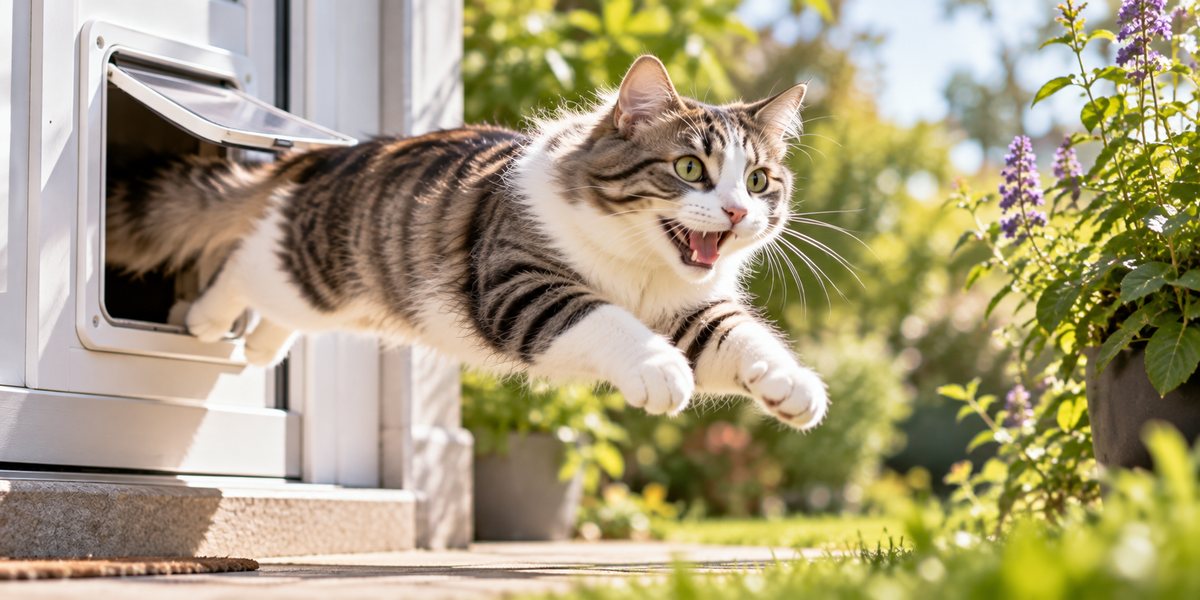
| Outdoor access considerations | Protected secure only Foldex cats are better suited to controlled outdoor access because folded-ear ancestry can bring painful skeletal disease that affects mobility. A secure, accessible enclosure protects a cat that may be less able to escape hazards or conflict. |
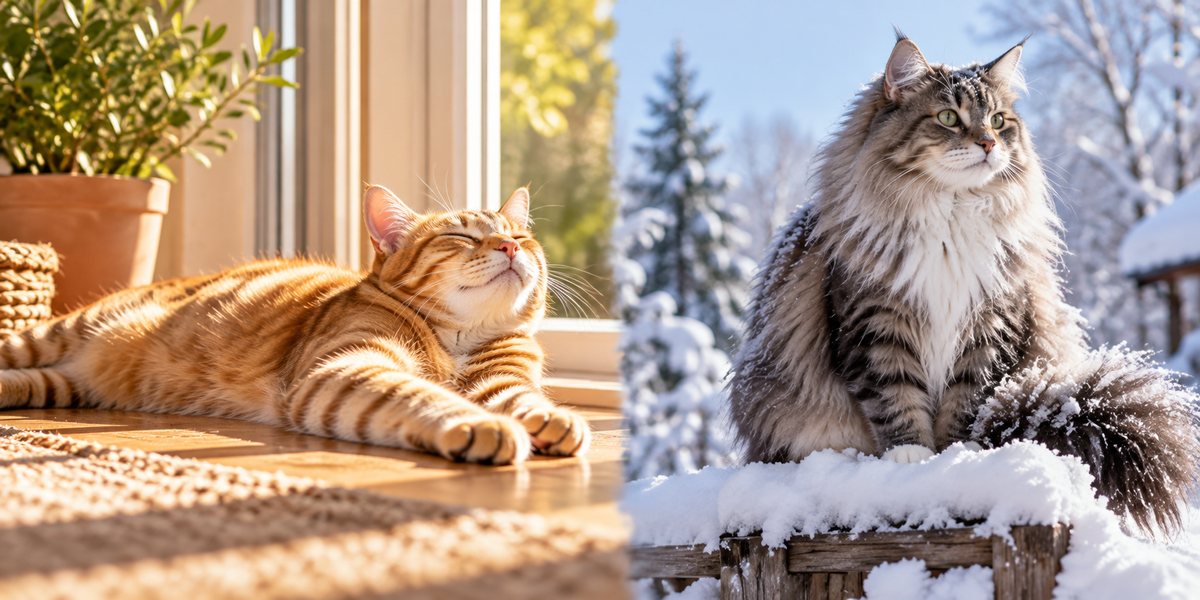
| Heat, cold & sun considerations | Dense coat heat caution Foldex cats usually carry a dense short or semi-long coat that gives reasonable cold insulation. Warm weather calls for shade, water and cool resting areas; mobility-limited individuals may need cooling resources placed especially close and accessibly. |
| Caregiver time & experience | Above average Foldex cats may be easygoing companions, but folded-ear ancestry creates a need for attentive mobility and pain monitoring. Caregivers should be prepared to notice subtle changes in movement and adapt the home, in addition to ordinary grooming and play. |
| Health & welfare | |
| Documented health predispositions | Osteochondrodysplasia · brachycephalic related problems Important health concerns include fold-gene cartilage disease and, in flatter-faced individuals, breathing, eye-drainage and dental problems. |
| Screening & breeder questions | Ask for documentation relevant to the breed’s recorded health concerns Ask whether the kitten carries the Scottish Fold mutation and, if so, how the breeder evaluates joint and bone health. Also ask about Persian-derived PKD, heart disease and the degree of facial shortening in the line. |
| Conformation-related welfare | Very high fold brachy concern Foldex cats combine the cartilage mutation responsible for folded ears with Persian/Exotic-derived facial shortening. Welfare concerns therefore include osteochondrodysplasia as well as breathing, tear-duct and dental problems in brachycephalic individuals. |
| Nutrition & weight management | Weight joint brachy priority Foldex cats can combine joint disease risk from folded-ear ancestry with reduced activity and facial shortening. Keeping body condition lean through measured feeding reduces unnecessary load on painful joints and can also help breathing and heat tolerance. |
| Longevity | 11–15 years Foldex combines Persian/Exotic and Scottish Fold ancestry; about 11–15 years is a reasonable working range, with fold-related skeletal disease and brachycephalic severity important modifiers. |
| Cost & availability | |
| Purchase cost | Very high: $1,200–$3,000 Foldex: a practical breeder-market estimate is $1,200–$3,000. This reflects that it is an rare Canadian-developed breed with limited breeder supply. |
| Adoption & rehoming cost | Very rare in rescue: $100–$600 when genuinely available Foldex: $100–$600 when genuinely available. The breed is scarce enough that a verified purebred rescue placement is unusual; transport may exceed the adoption fee. |
| Recurring ownership costs | Coat maintenance Foldex ownership can carry elevated veterinary risk because folded-ear cartilage disease may combine with Persian/Exotic facial issues. Budget beyond ordinary food and coat care for mobility assessment, eye/dental care and a substantial insurance or emergency reserve. |
| Availability, waits & import | Very rare regional Foldex cats are concentrated mainly in Canadian and a limited number of other breeding programs. They are uncommon internationally, and sourcing should include particularly careful scrutiny of folded-ear and brachycephalic welfare issues. |
| Identity & real-world context | |
| Ownership & import restrictions | No known breed specific restrictions There are no known breed-specific ownership restrictions. Ordinary animal-welfare, identification, vaccination and cross-border import rules still apply where relevant. |
| Registry recognition | No separate current CFA/TICA/FIFe recognition Foldex is not a separately recognized current breed identity in CFA, TICA or FIFe within the FSC core registry matrix; recognition by smaller, national or experimental registries can differ. |
| Similar breeds & identity distinctions | Scottish Fold Exotic Foldex cats combine Scottish-Fold-type ears with an Exotic/Persian-influenced round head and compact body. A Scottish Fold may have a less Persian-derived face, while an Exotic Shorthair has straight ears; pedigree confirms the combined lineage. |
| Reported characteristic quirks | Individual quirks often center on play and exploration Foldex cats often combine quiet companion behavior with playful Scottish-family curiosity. Some use conspicuous upright or sprawled resting postures, although posture should never be used to dismiss stiffness or pain. |
Browse all 53 breed characteristics
Open any characteristic to compare all breeds on that dimension.

 English