
Compare Cat Breeds
Compare up to three breeds across all 53 characteristics. Values are shown directly so the differences are easier to scan.
| Characteristic |  Exotic Shorthair |
|---|---|
| Body & development | |
| Adult size | Medium |
| Adult weight | 3.2–6.4 kg (7.1–14.1 lb) Exotic Shorthairs are cobby, dense cats; healthy adults commonly fall around 3.2–6.4 kg (7.1–14.1 lb). |
| Build & distinguishing morphology | Massive heavy boned · round head · short face · cobby Build: massive heavy boned; round head; short face; cobby. |
| Maturation | 2-3 years Exotic Shorthairs share the Persian family’s cobby build and relatively slow development; full body substance, head maturity and coat can take about 2–3 years. |
| Coat & appearance | |
| Coat length | Short Short, dense plush coat distinguishing the Exotic from Persian/Himalayan relatives. |
| Coat texture & undercoat | Short · thick · dense · plush Coat: short; thick; dense; plush. |
| Colors & patterns | Broad persian palette including pointed Colors/patterns: broad persian palette including pointed. |
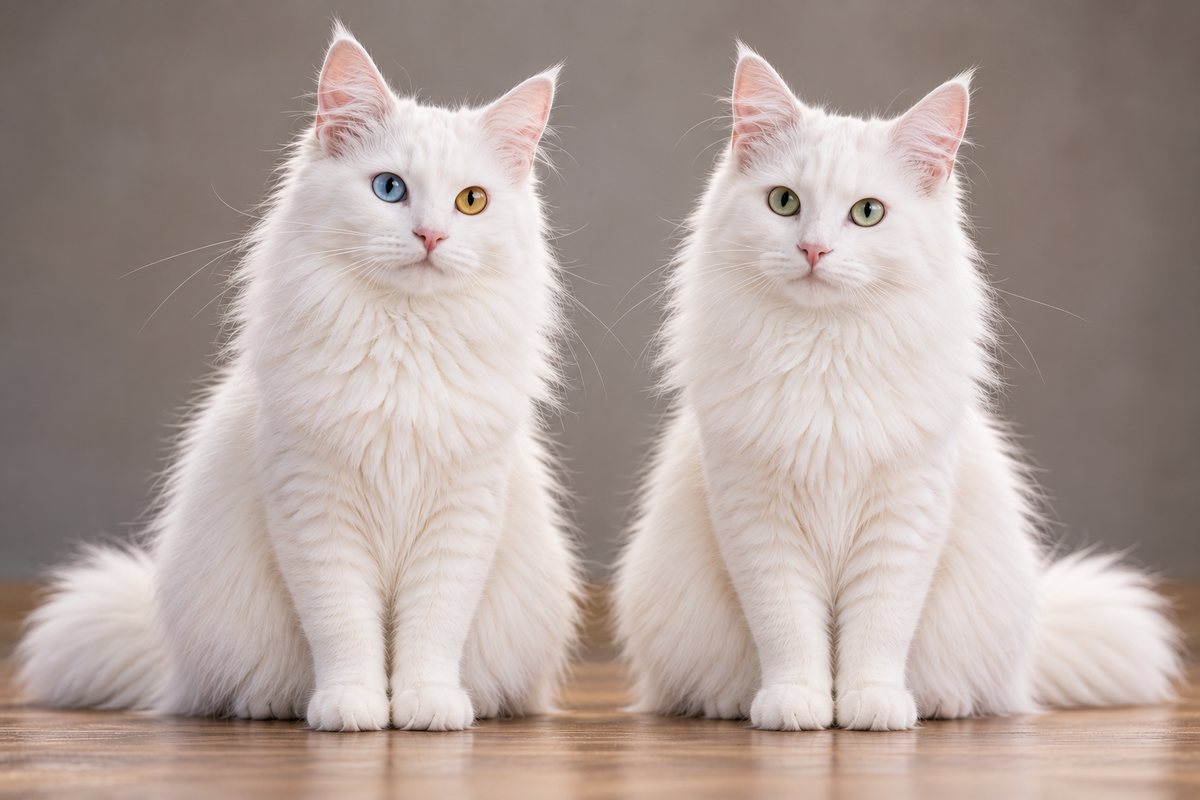
| Eye colors | Copper · green · blue; coat-dependent Copper is common; green occurs in some silver/golden varieties and blue in colourpointed Exotics. |
| Coat & routine care | |
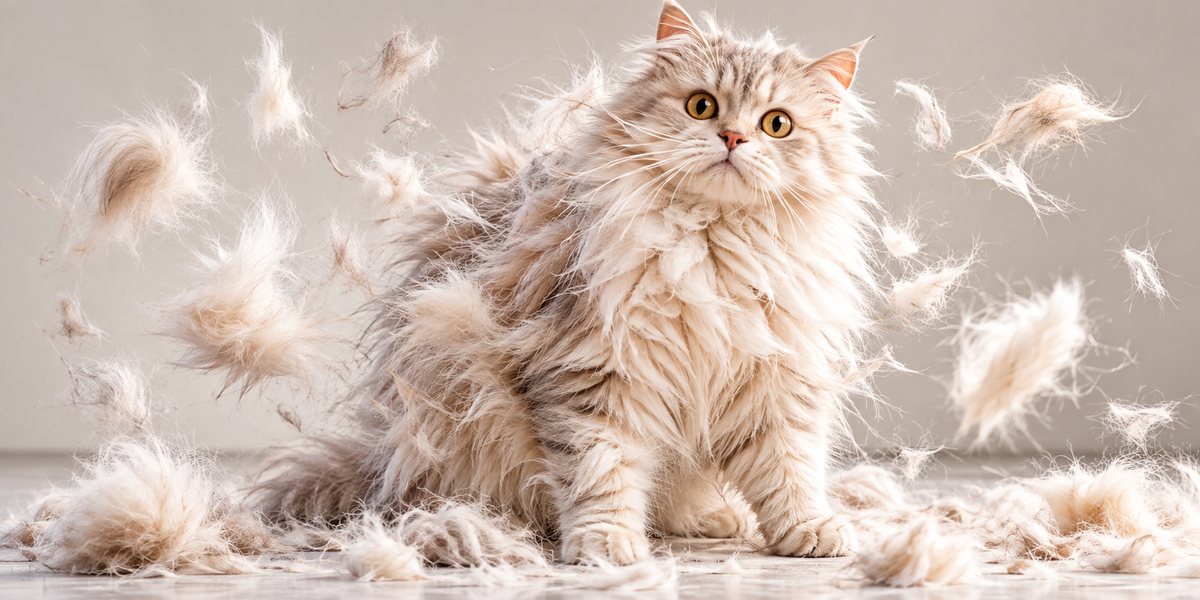
| Shedding | Moderate to high Moderate to high shedding despite the short length because the coat is exceptionally dense and plush. |
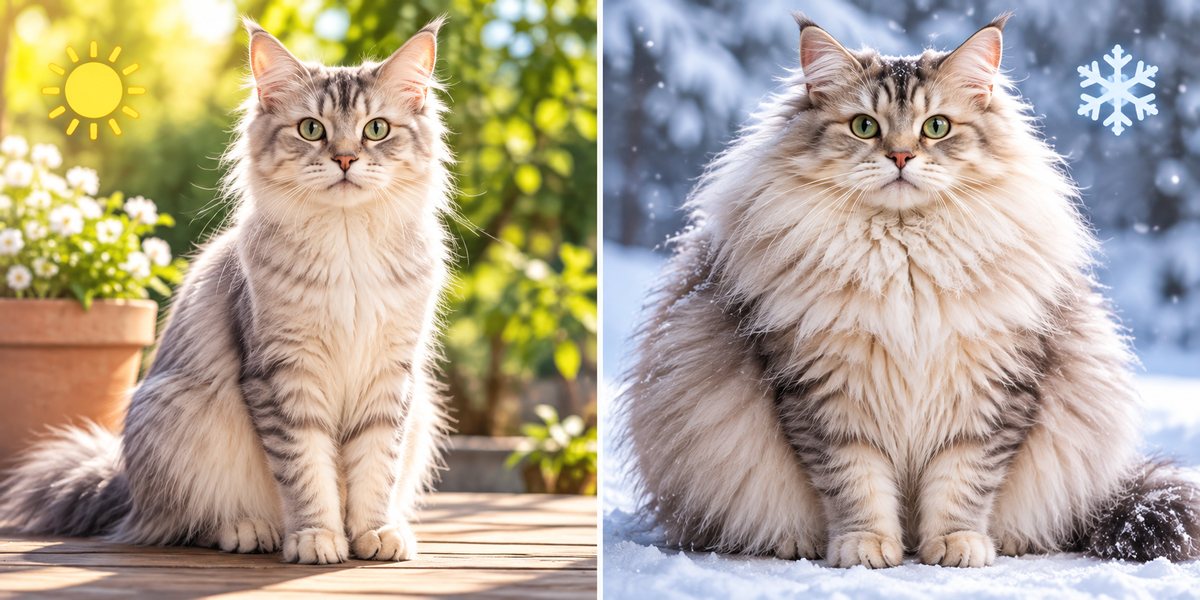
| Seasonal coat changes | Pronounced seasonal shed The Exotic Shorthair’s unusually dense plush coat undergoes a substantial seasonal turnover, especially when winter undercoat is released in spring. |
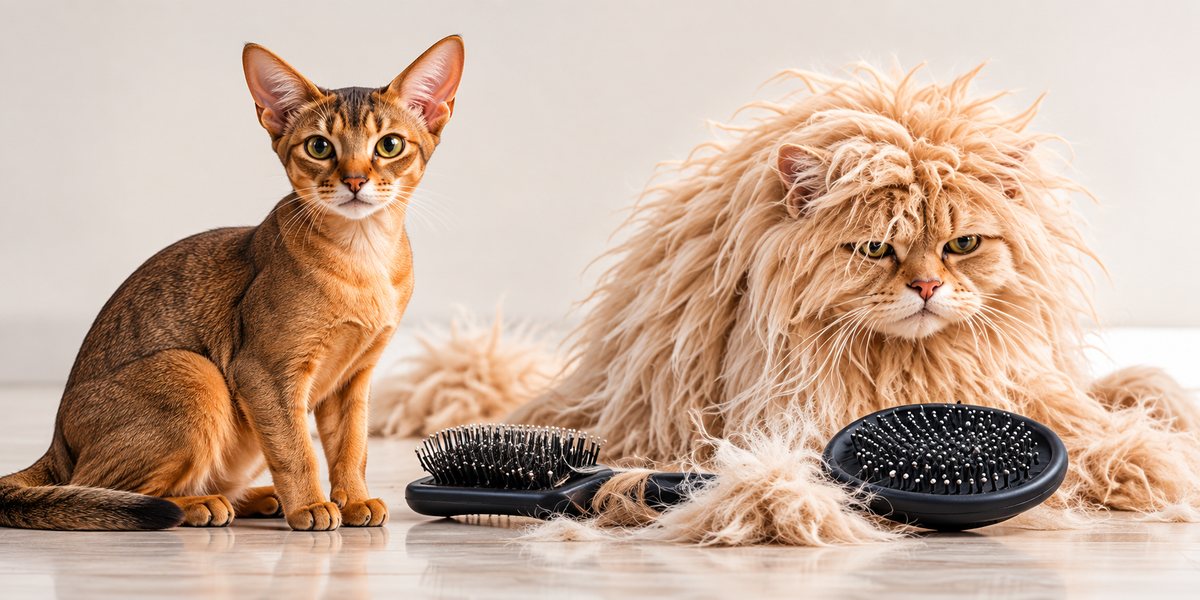
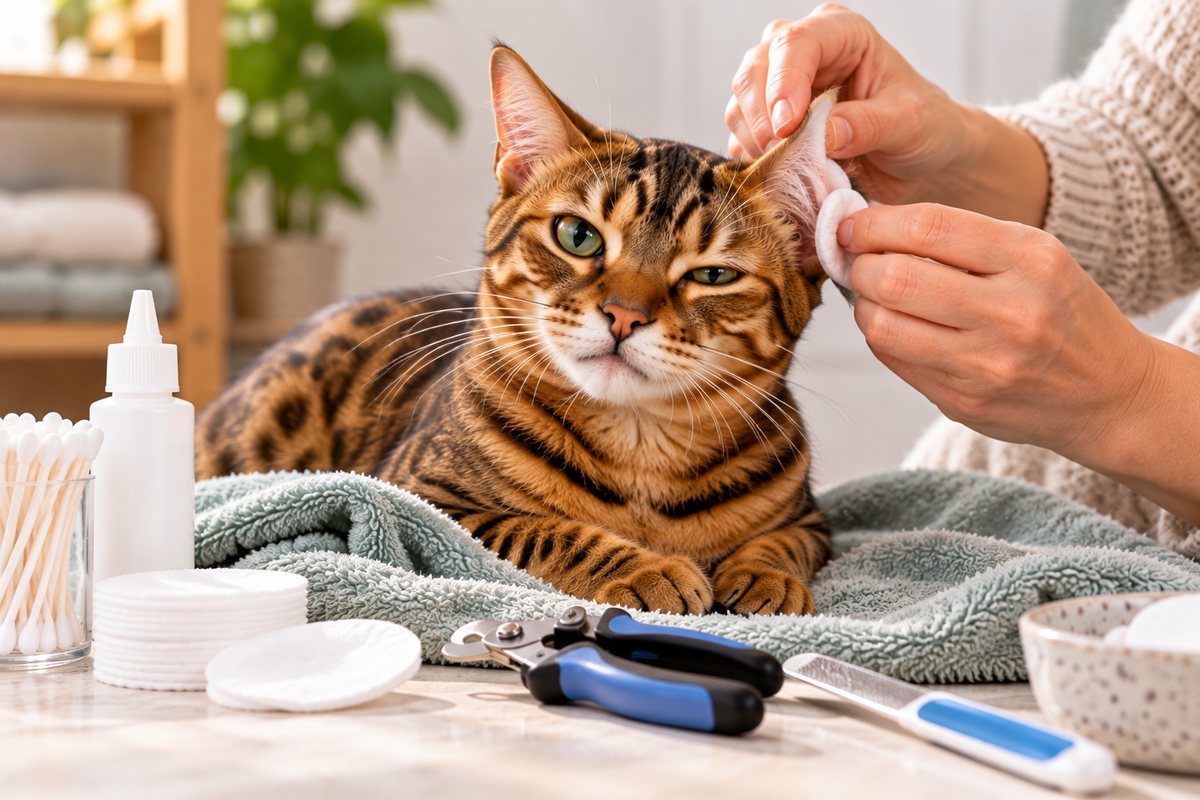
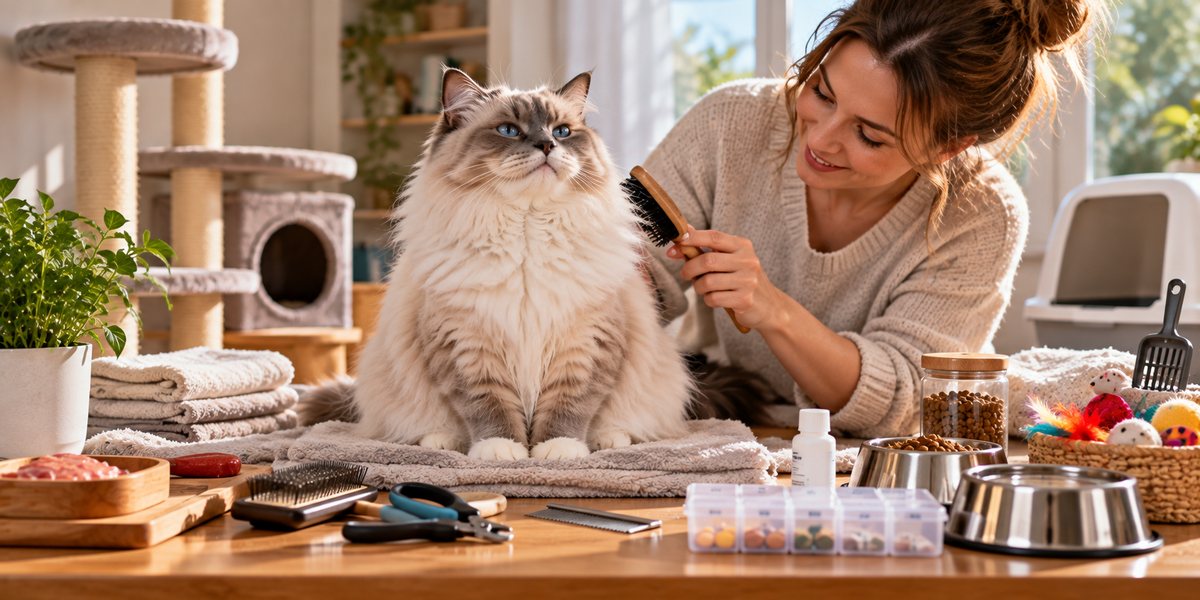
| Brushing & combing | Simple combing Brushing/combing: simple combing. |
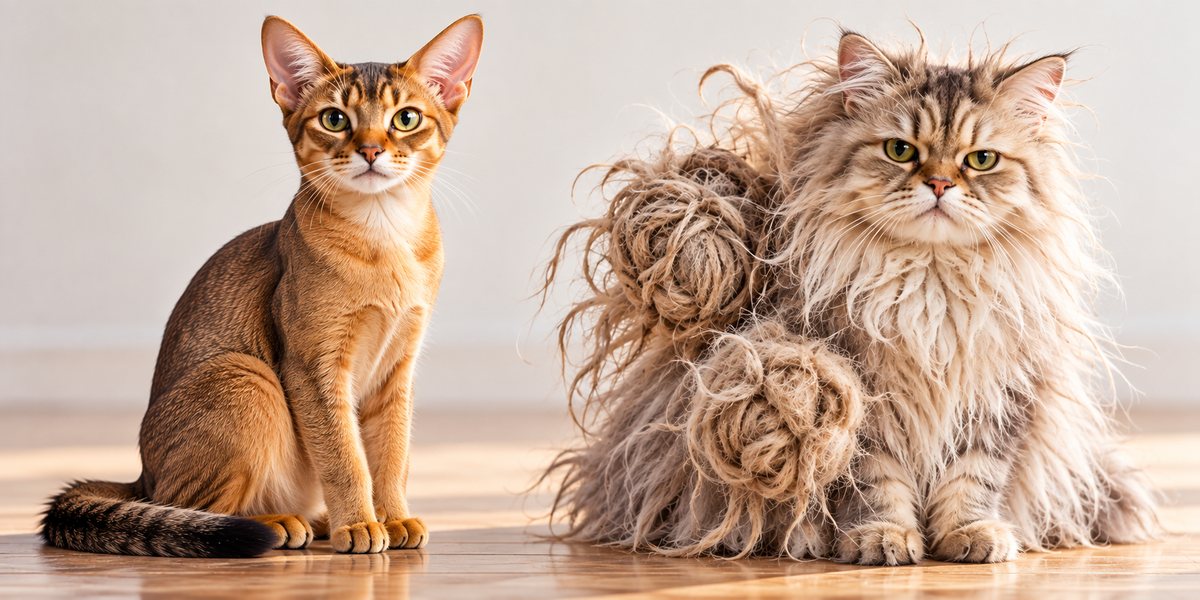
| Tangle & matting tendency | Low to moderate Although short, the extremely thick plush coat can pack and clump if neglected, particularly during shedding or when an older cat grooms poorly. |
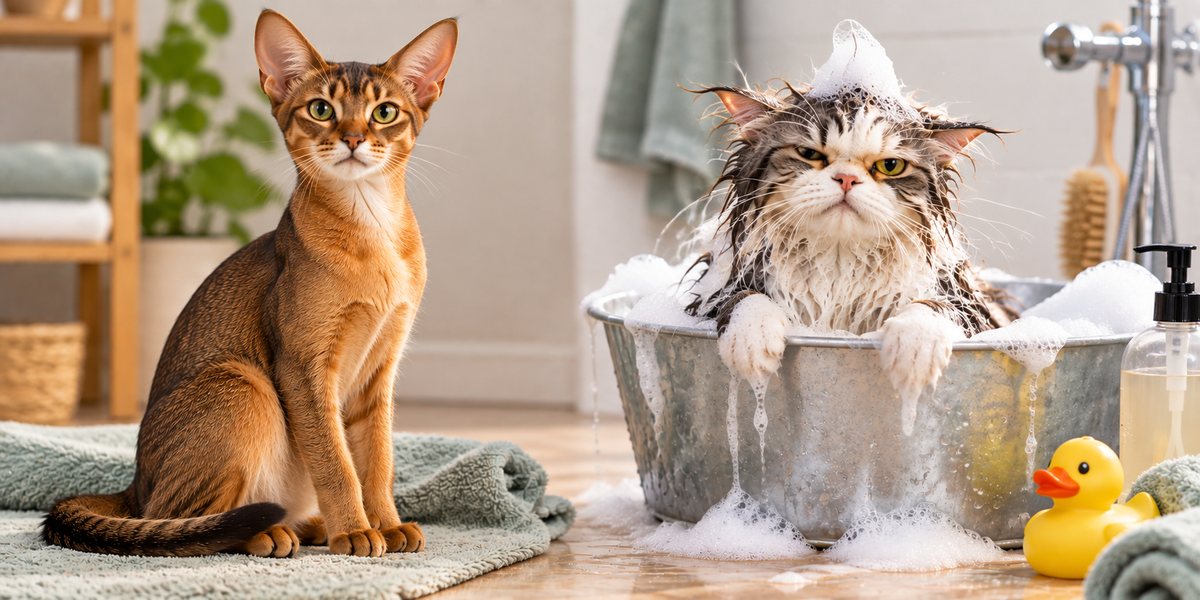
| Skin & bathing care | Bathing not routinely needed Routine bathing is generally unnecessary; bathe only when the coat is genuinely soiled or for a specific veterinary or grooming reason. |
| Distinctive routine care | Regular eye wiping due to large exposed eyes and short face Distinctive care: regular eye wiping due to large exposed eyes and short face. |
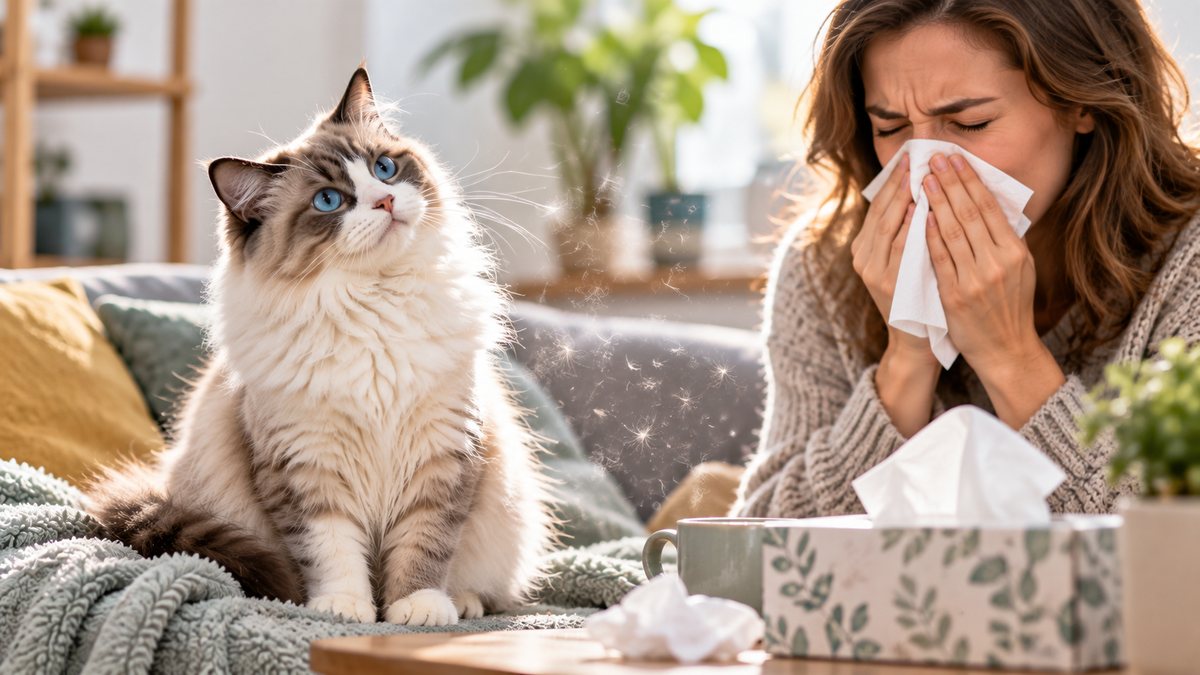
| Allergy & allergen evidence | No breed specific reduction established There is no known reason to regard this breed as hypoallergenic. All cats produce allergens, and coat length or shedding alone does not determine allergy risk. |
| Activity & intelligence | |
| Activity level | Low |
| Playfulness | Moderate |
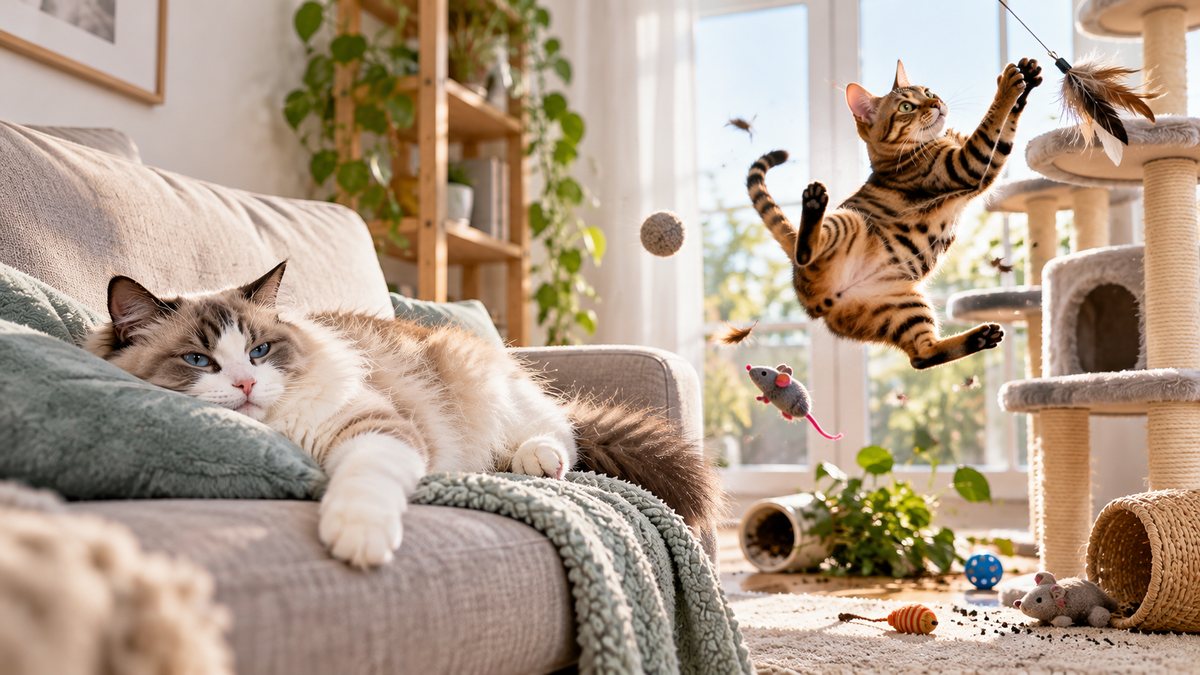
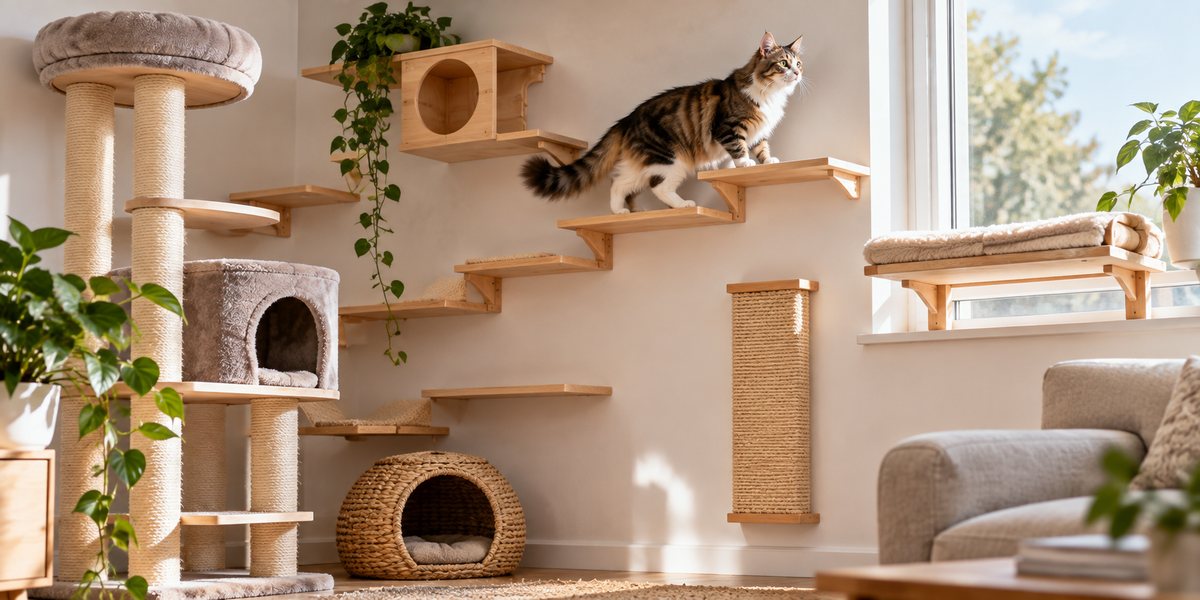
| Climbing & jumping | Moderate The Exotic is playful in bursts but heavier and calmer than athletic Oriental breeds; low-to-medium stable perches usually meet its climbing needs. |
| Enrichment demand | Moderate Moderate enrichment demand: several short play sessions, easy-access perches and simple puzzles are usually preferable to prolonged high-intensity activity. |
| Learning & training | High Exotic Shorthairs are intelligent and curious and will study how to reach a desired toy. |
| Curiosity & exploration | Moderate They combine Persian-like calm with a livelier, inquisitive streak. |
| Hunting & chasing tendencies | Moderate Chasing interest is usually low to moderate; Exotics play readily but their calm temperament and brachycephalic build favor shorter, less strenuous pursuit sessions. |
| Personality & social | |
| Sociability with familiar people | High Exotics are strongly people-oriented and commonly follow their family from room to room. |
| Affection | Gentle, close and physically affectionate Exotics seek quiet closeness, follow their people and readily settle into physical affection. |
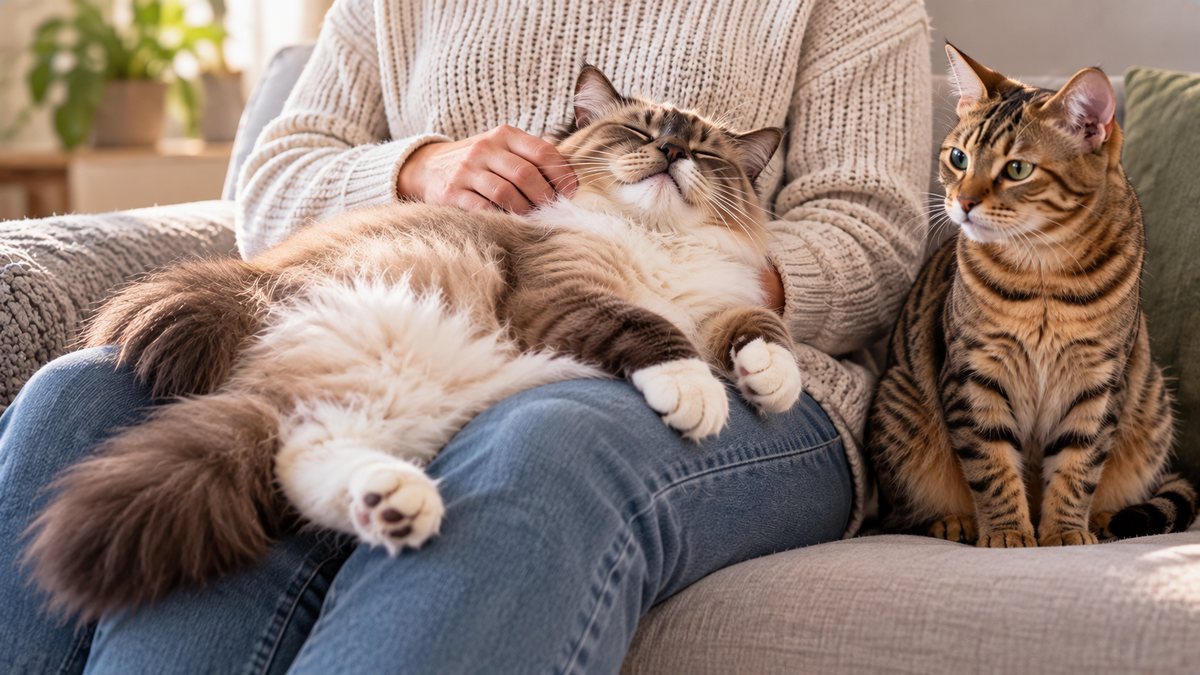
| Lap & cuddling preference | High Many Exotics readily jump into a familiar lap for a nap. |
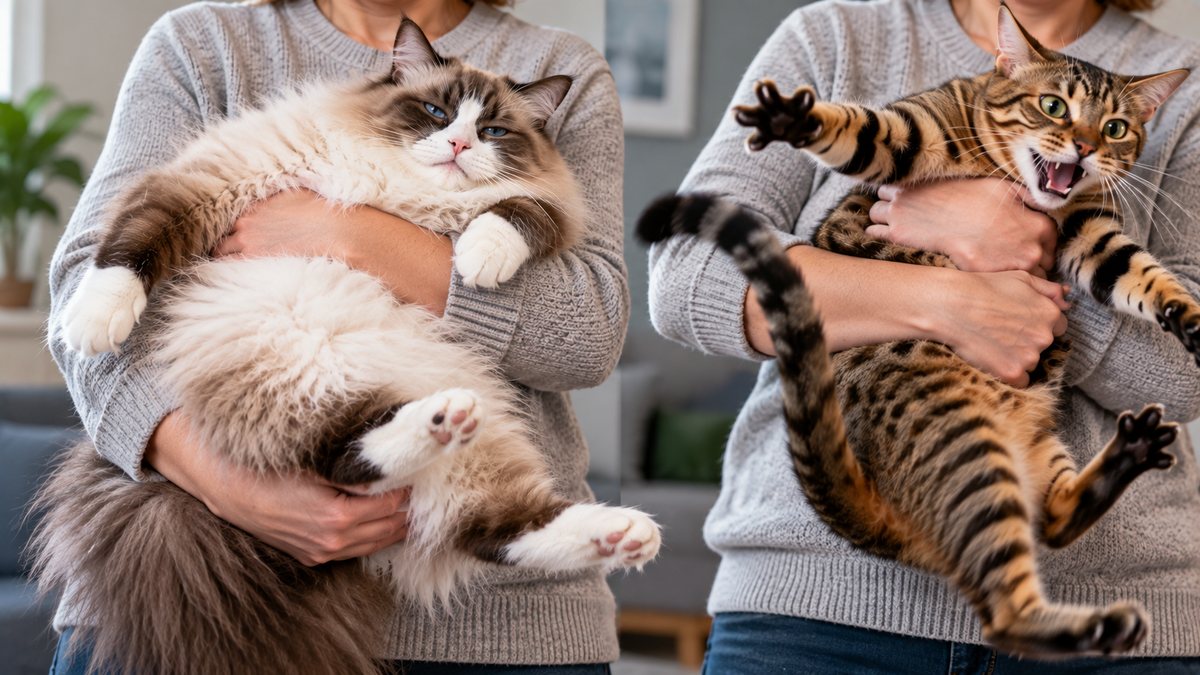
| Handling tolerance | High Usually placid and affectionate, the Exotic commonly accepts grooming, lifting and routine examination well; breathing comfort should be watched in very flat-faced individuals during restraint. |
| Independence & social demand | Low to moderate social demand Exotic Shorthairs enjoy affection and familiar company but are usually calm and comparatively undemanding rather than constantly seeking interaction. |
| Vocalization | Low Quiet breed with a soft voice and chirping repertoire. |
| Response to unfamiliar people | Generally easygoing Their gentle, easygoing nature usually makes them comfortable household companions rather than strongly defensive cats. |
| Adaptability to change | Generally adaptable The breed is characteristically easygoing and fits comfortably into family life. |
| Noise & busy-environment sensitivity | Moderate Exotics are placid and tolerant but often prefer a calm rhythm; routine household sound is usually fine, while prolonged noisy chaos is less suited to their laid-back style. |
| Defensive & conflict behaviour | Low Exotic Shorthairs are usually calm, gentle and less reactive than highly active breeds. They tend to withdraw or tolerate mild social pressure rather than escalate it, although pain, overheating, or persistent handling can still trigger defensive responses. |
| Household & environment | |
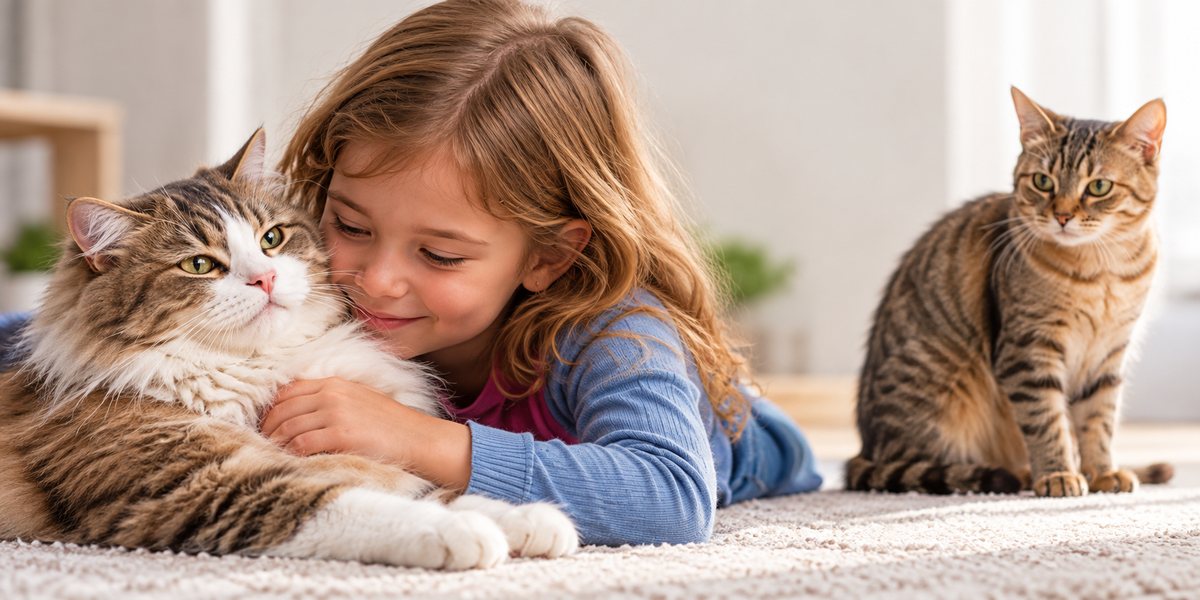
| Living with children | Generally good with children The calm, affectionate Exotic generally gets along well with children. |
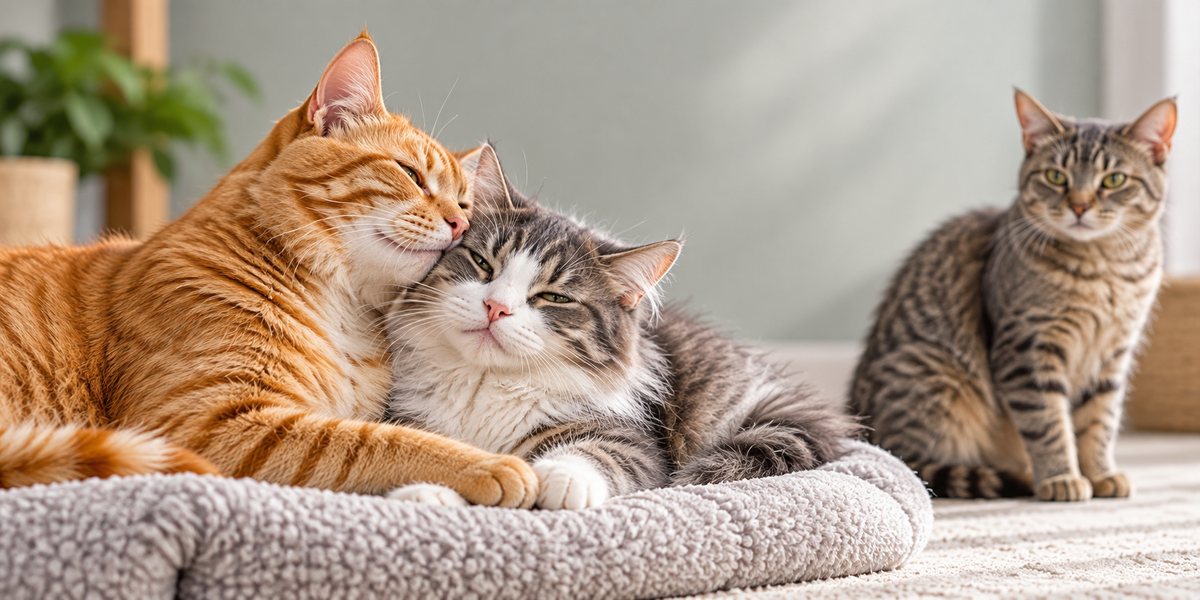
| Living with other cats | Favorable tendency |
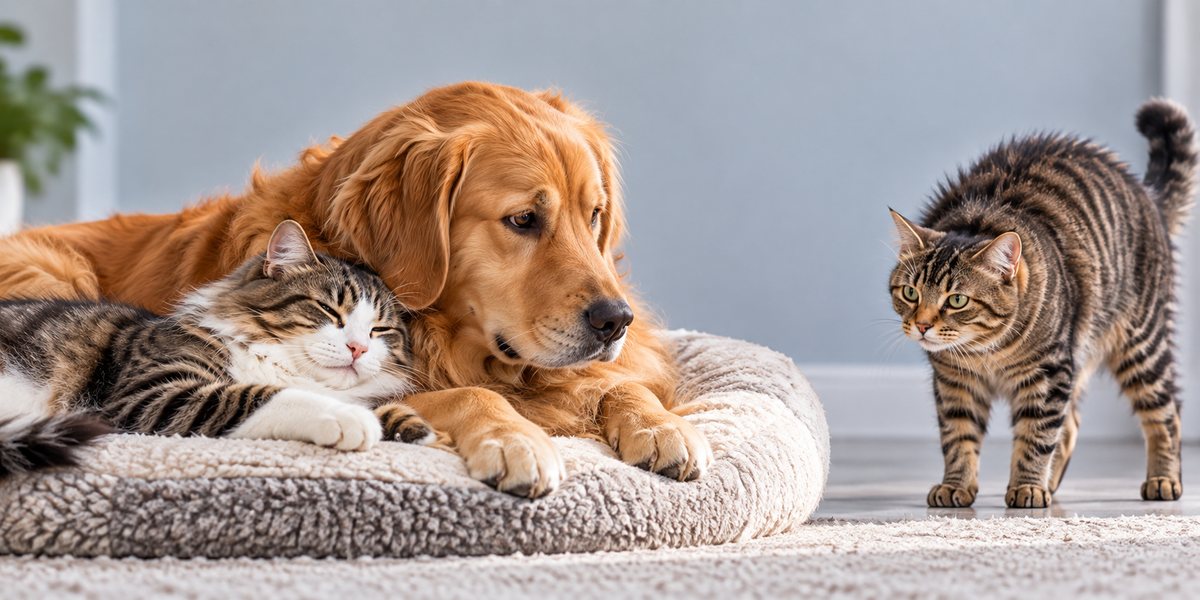
| Living with dogs | Good Exotics commonly live successfully with other pets when introductions are sensible. |
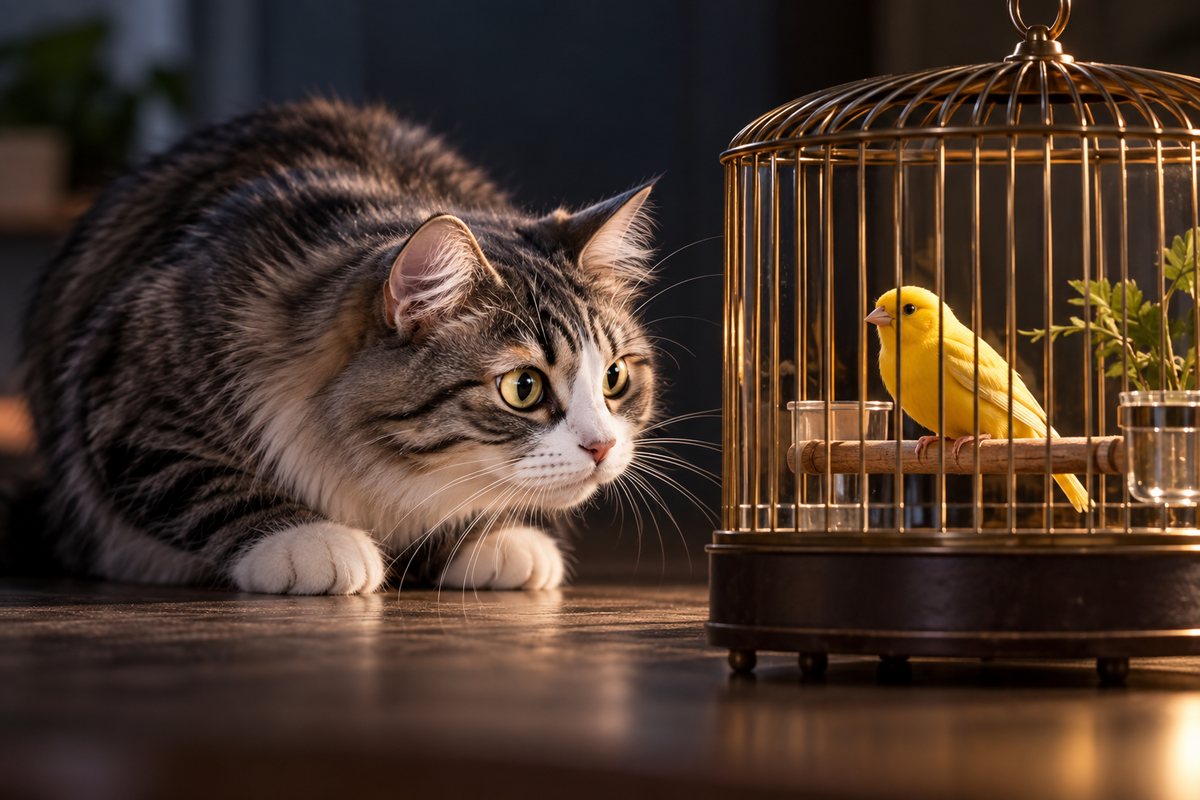
| Living around small pets | Normal predatory caution Exotic Shorthairs are generally quiet, moderate-activity cats and are not defined by unusually strong prey drive. They nevertheless retain normal feline stalking and pouncing, making secure separation appropriate around small pets. |
| Indoor & home environment needs | Calm indoor weight focus Exotic Shorthairs generally suit indoor life well, but their low-to-moderate activity makes weight management important. Provide accessible climbing, scratching and short play sessions, plus cool comfortable resting areas because flat-faced individuals can tolerate heat and exertion poorly. |
| Outdoor access considerations | Protected secure only Exotic Shorthairs generally suit protected indoor life. Flat-faced individuals can tolerate heat and exertion poorly, so outdoor access should be secure, shaded and temperature-appropriate rather than unrestricted. |
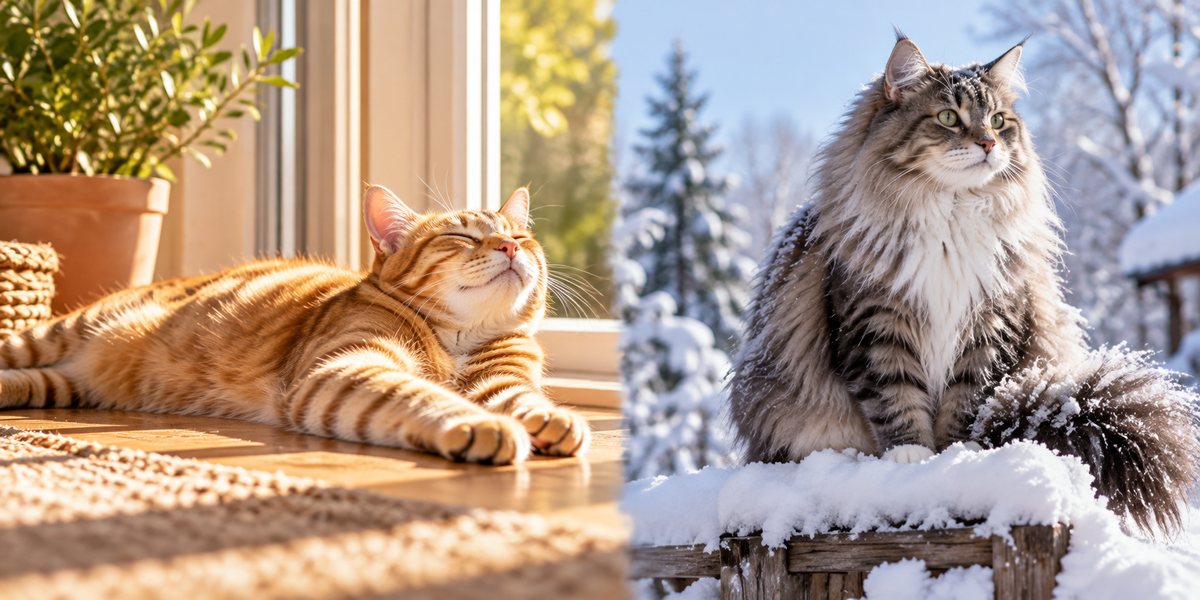
| Heat, cold & sun considerations | Brachy dense heat caution Exotic Shorthairs combine a dense plush coat with brachycephalic conformation in many lines, making heat management particularly important. Keep them cool and well hydrated in warm weather and avoid strenuous activity when temperatures are high. |
| Caregiver time & experience | Above average Exotic Shorthairs are behaviorally fairly undemanding, but Persian-type facial conformation can increase eye, breathing and heat-management needs. Caregivers should be comfortable with regular facial hygiene and attentive health monitoring in addition to coat care. |
| Health & welfare | |
| Documented health predispositions | Elevated conformation risks Exotic Shorthairs share Persian-related risks including polycystic kidney disease and hypertrophic cardiomyopathy, while brachycephaly can contribute to breathing, eye and dental problems. Facial conformation is therefore a major part of the breed's health profile. |
| Screening & breeder questions | Ask for PKD1 DNA status / renal screening history · Ask how extreme facial conformation is selected against and about breathing/eye/dental history Ask for PKD test results and cardiac screening history, and discuss the parents' facial conformation, breathing, tear drainage and dental alignment. Screening should address both inherited disease and brachycephalic welfare. |
| Conformation-related welfare | High brachycephalic concern Exotic Shorthairs can have marked brachycephaly. Extremely shortened faces can impair breathing, tear drainage, dental alignment and heat tolerance, so welfare-focused breeding should favor open nostrils, functional airways and less extreme facial shortening. |
| Nutrition & weight management | Weight brachy priority Exotic Shorthairs are often relatively sedentary, and excess weight can further burden breathing, joints and heat tolerance in flat-faced individuals. Measured portions and gentle daily activity are important; no special breed formula replaces calorie control. |
| Longevity | 10–14 years About 10–14 years is a more useful practical range for the Exotic Shorthair; brachycephalic conformation and Persian-family health risks can reduce longevity in more extreme individuals. |
| Cost & availability | |
| Purchase cost | High: $800–$2,500 Exotic Shorthair: a practical breeder-market estimate is $800–$2,500. This reflects that it is an popular Persian-family breed; pedigree and facial type strongly affect price. |
| Adoption & rehoming cost | Occasionally available: $75–$400 typical rescue/adoption fee Exotic Shorthair: $75–$400 typical rescue/adoption fee. The breed is sufficiently numerous that genuine examples sometimes enter ordinary rescue or breed-rescue channels. |
| Recurring ownership costs | Facial/ocular care associated with brachycephalic conformation Exotics can incur above-average veterinary and maintenance costs because brachycephalic eyes, teeth, airways and skin folds may need ongoing attention. Coat care is easier than a Persian's, but health-conscious insurance or emergency provision is particularly valuable. |
| Availability, waits & import | Widely available Exotic Shorthairs have a broad international breeder base, often within Persian programs. They are relatively accessible in major markets, allowing prospective owners to prioritize health-conscious facial conformation and screening rather than sourcing purely for availability. |
| Identity & real-world context | |
| Ownership & import restrictions | No known breed specific restrictions There are no known breed-specific ownership restrictions. Ordinary animal-welfare, identification, vaccination and cross-border import rules still apply where relevant. |
| Registry recognition | CFA: recognized breed/division · TICA: Championship-recognized / current breed identity · FIFe: fully recognized breed / mapped breed identity Currently recognized in all three registries tracked by the FSC core matrix: CFA, TICA and FIFe. |
| Similar breeds & identity distinctions | Persian British Shorthair Exotic Shorthairs are essentially Persian-type cats in a short plush coat. Their flatter Persian face and cobby body distinguish them from most British Shorthairs, while coat length is the clearest distinction from a Persian of equivalent type. |
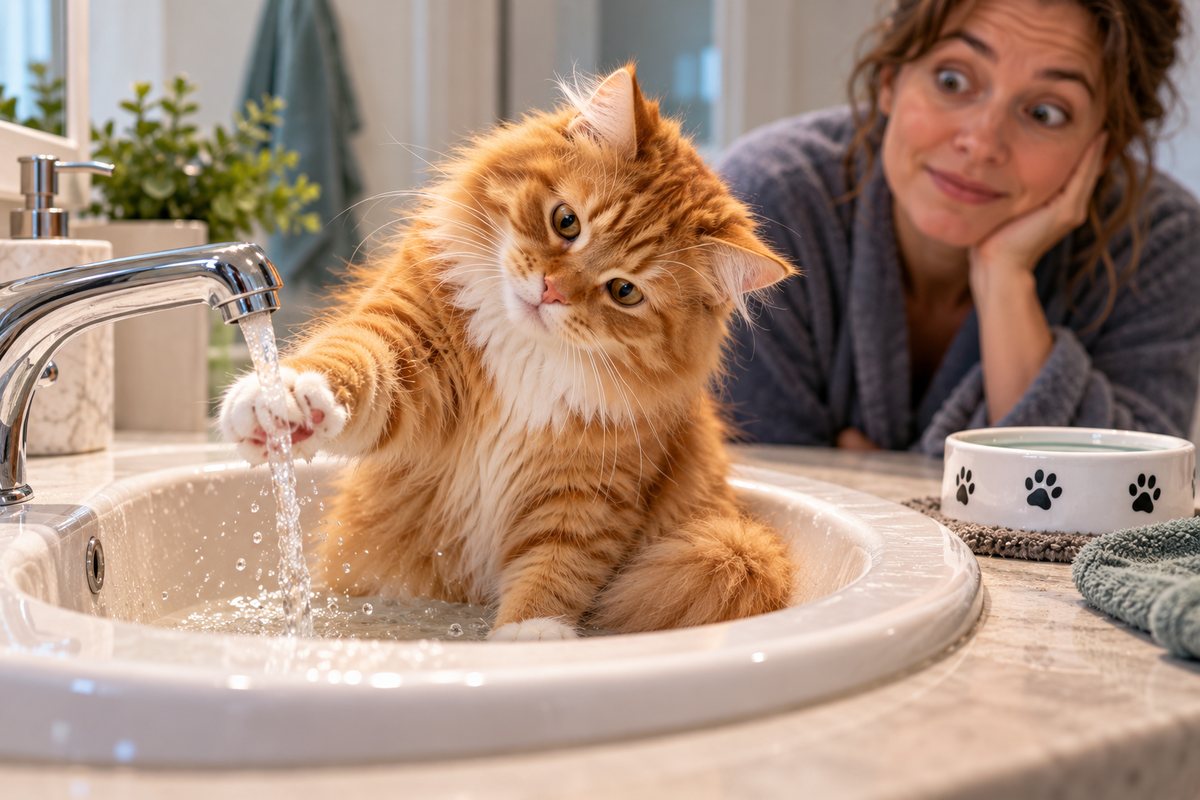
| Reported characteristic quirks | Often watches dripping water and quietly studies puzzles Exotics can be fascinated by simple things such as dripping water and may patiently study how to retrieve an inaccessible toy. |
Browse all 53 breed characteristics
Open any characteristic to compare all breeds on that dimension.



 English