
Compare Cat Breeds
Compare up to three breeds across all 53 characteristics. Values are shown directly so the differences are easier to scan.
| Characteristic |  Egyptian Mau |
|---|---|
| Body & development | |
| Adult size | Medium |
| Adult weight | 2.7–5.0 kg (6.0–11.0 lb) Egyptian Maus are medium and athletic rather than bulky; about 2.7–5.0 kg (6.0–11.0 lb) is typical, with males generally heavier. |
| Build & distinguishing morphology | Athletic · hind legs longer · tiptoe stance · natural spots Build: athletic; hind legs longer; tiptoe stance; natural spots. |
| Maturation | 18-24 months Egyptian Maus reach much of their adult frame during the first year but their athletic musculature and mature body condition can continue developing into roughly 18–24 months. |
| Coat & appearance | |
| Coat length | Short to medium The Egyptian Mau has a short-to-medium coat: close and fine in silver/smoke cats and somewhat denser and more resilient in bronze cats. |
| Coat texture & undercoat | Medium · silky fine smoke or dense resilient silver bronze Coat: medium; silky fine smoke or dense resilient silver bronze. |
| Colors & patterns | Silver · bronze · smoke Colors/patterns: silver; bronze; smoke. |
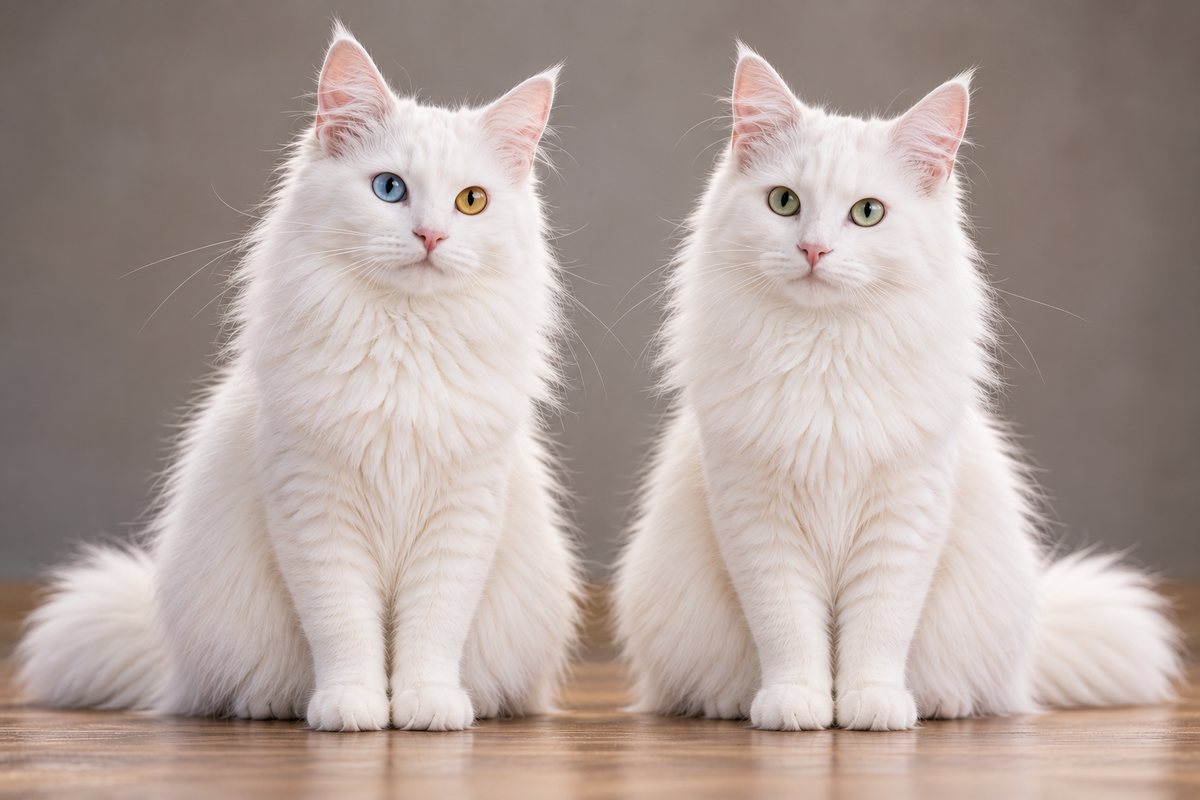
| Eye colors | Gooseberry green Gooseberry green is the hallmark adult eye colour. |
| Coat & routine care | |
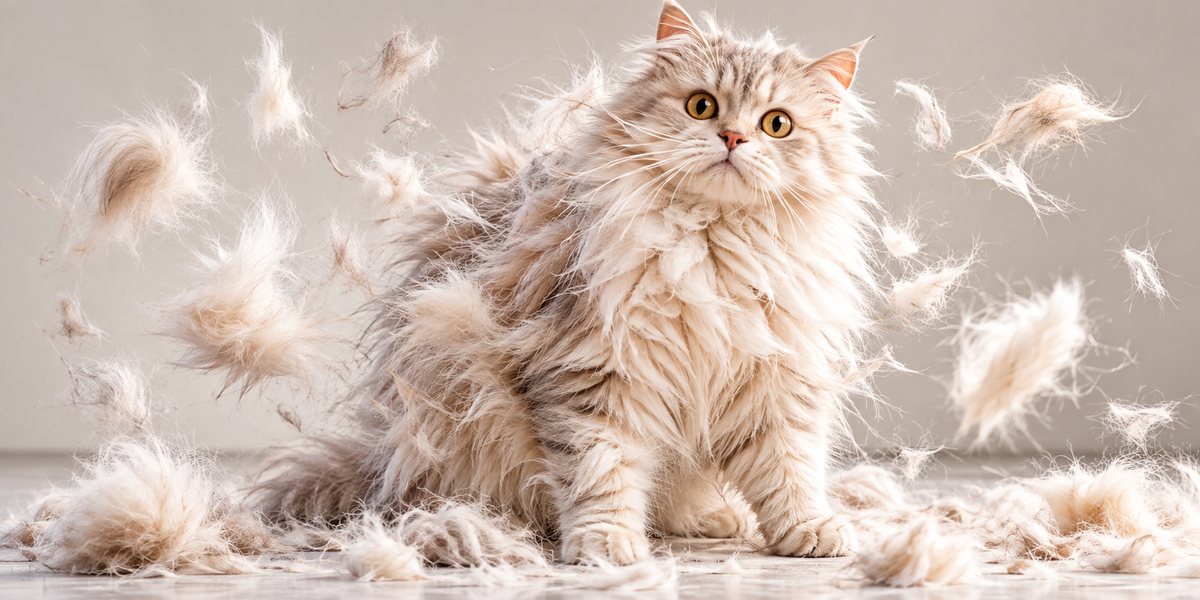
| Shedding | Low to moderate Low to moderate shedding; the short coat can become somewhat denser and shed more seasonally. |
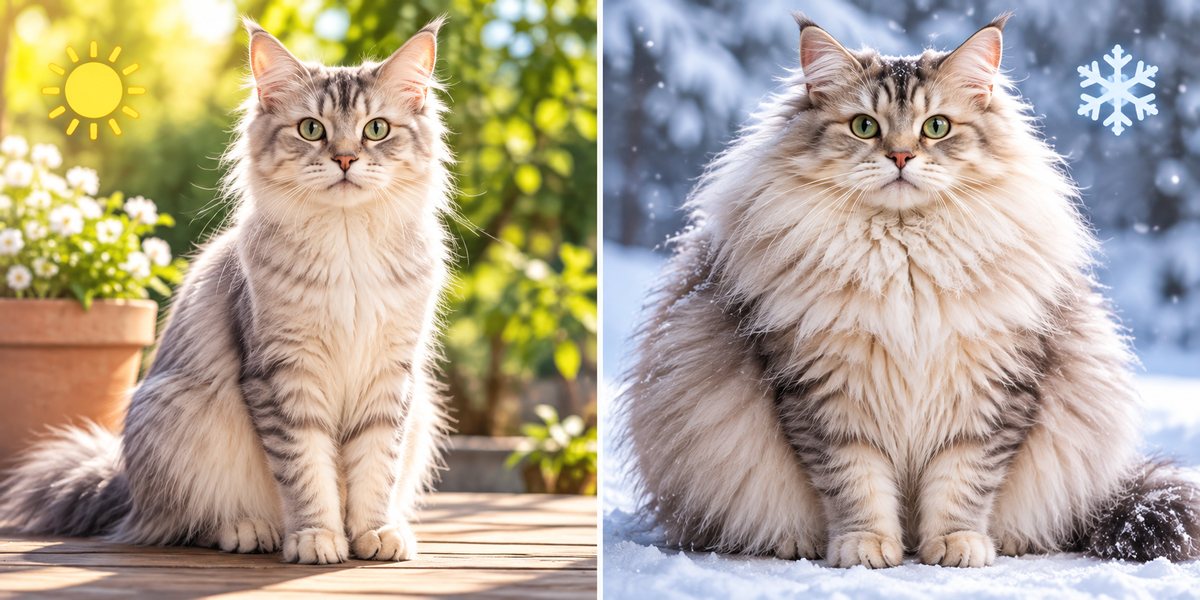
| Seasonal coat changes | Mild to moderate seasonal change The Egyptian Mau has a short coat, so seasonal change is not dramatic, but coat density can shift and shedding usually rises modestly during spring and autumn. |
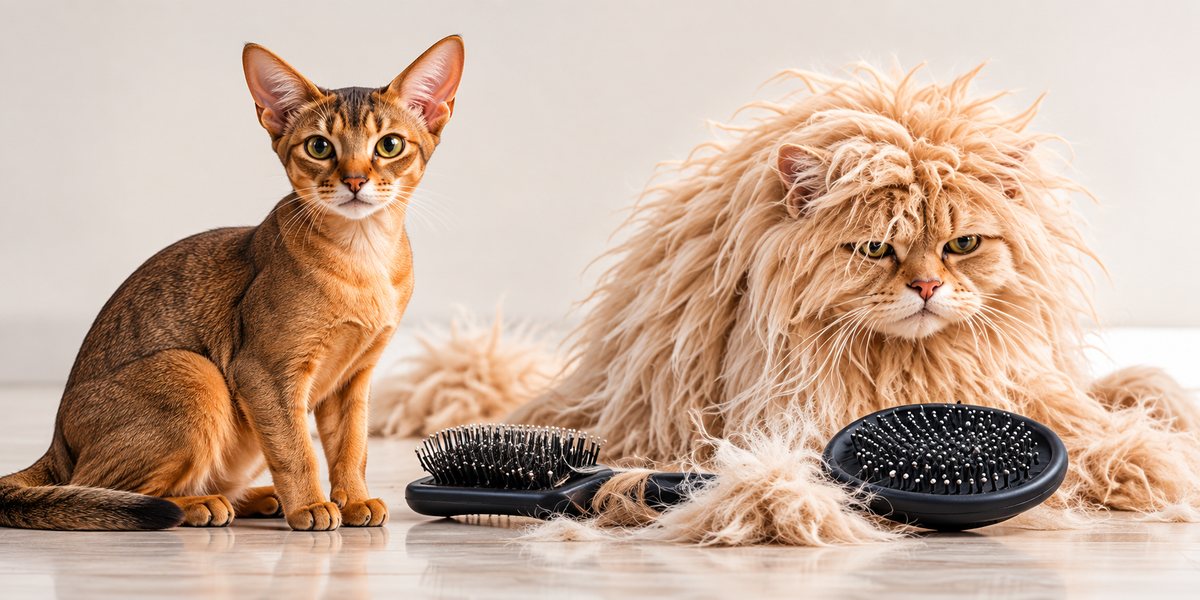
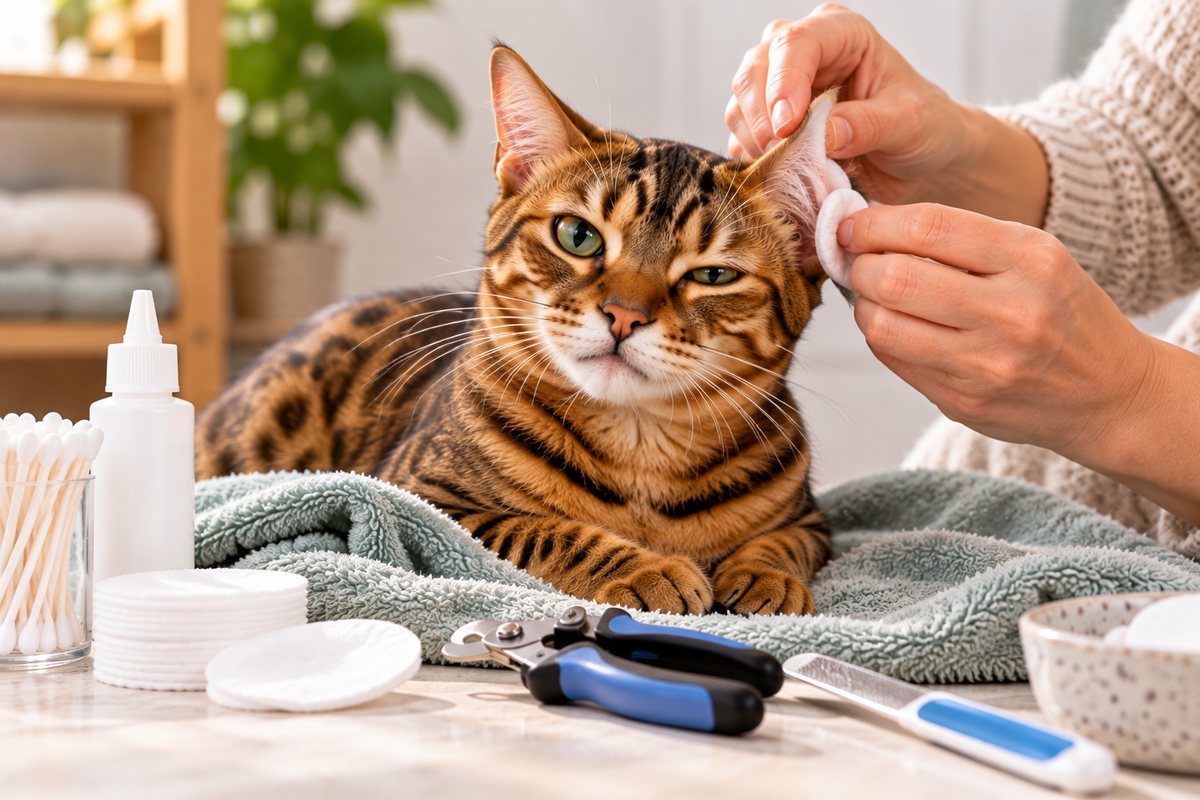
| Brushing & combing | Weekly Weekly brushing with a soft brush or mitt is generally sufficient, with an extra session when seasonal shedding increases. |
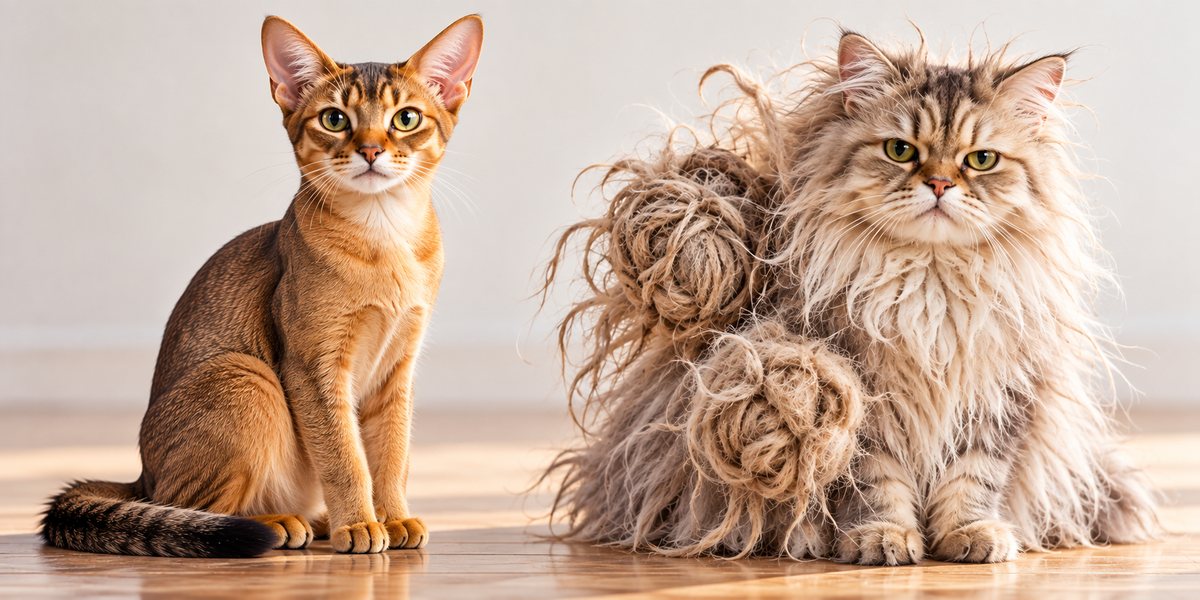
| Tangle & matting tendency | Very low The short-to-medium coat remains close and smooth enough that matting is unusual. |
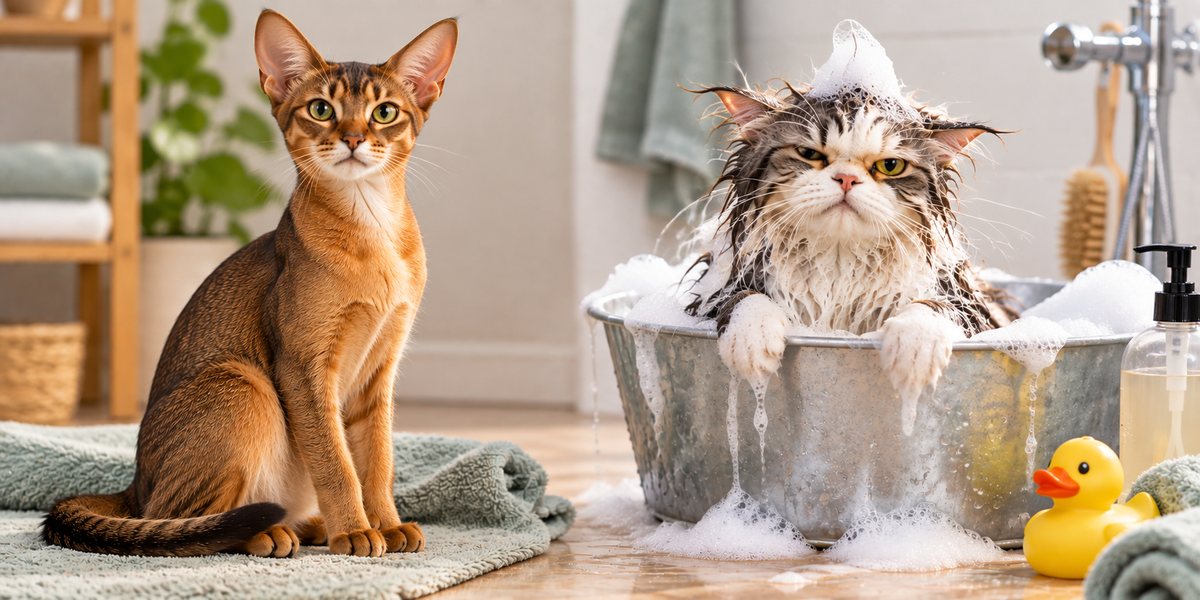
| Skin & bathing care | Bathing not routinely needed Routine bathing is generally unnecessary; bathe only when the coat is genuinely soiled or for a specific veterinary or grooming reason. |
| Distinctive routine care | Easy coat maintenance The medium-length coat is comparatively easy to maintain with ordinary brushing. |
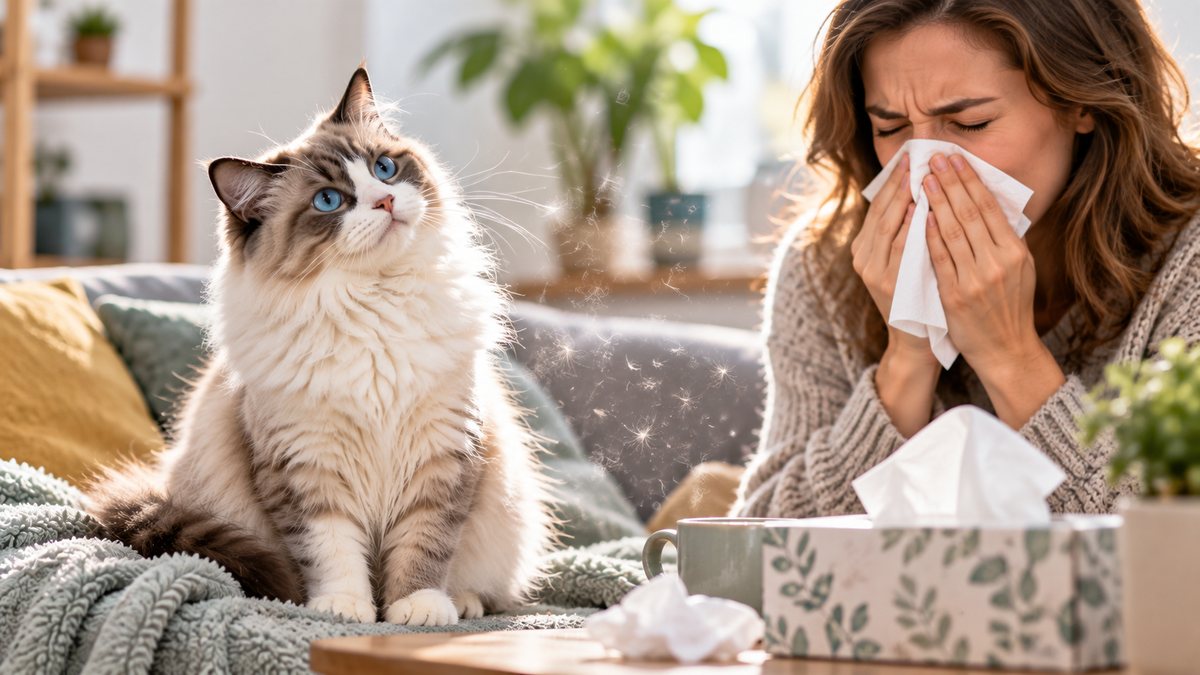
| Allergy & allergen evidence | No breed specific reduction established There is no known reason to regard this breed as hypoallergenic. All cats produce allergens, and coat length or shedding alone does not determine allergy risk. |
| Activity & intelligence | |
| Activity level | High |
| Playfulness | High |
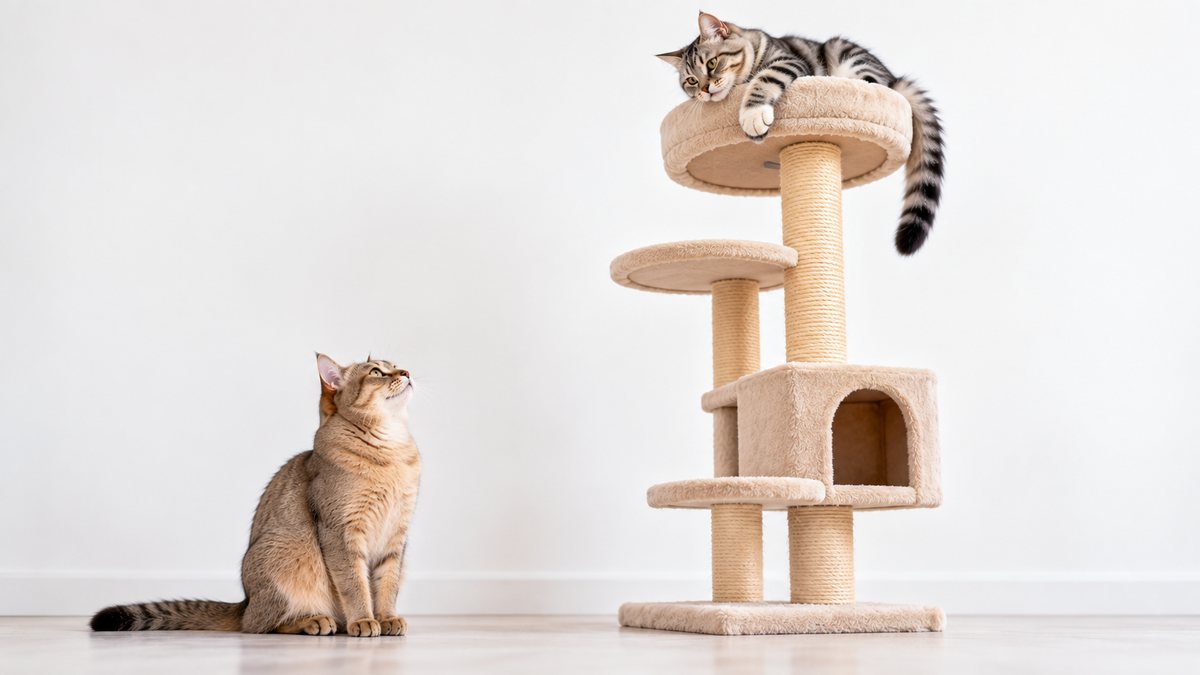
| Climbing & jumping | Very high |
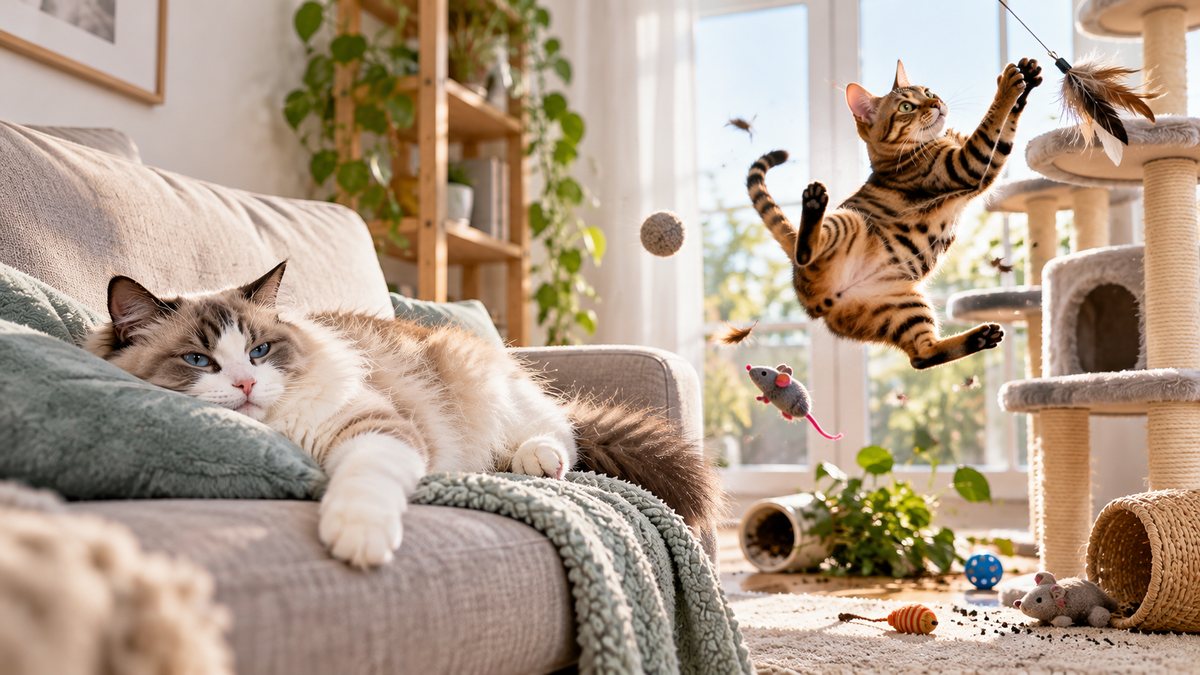
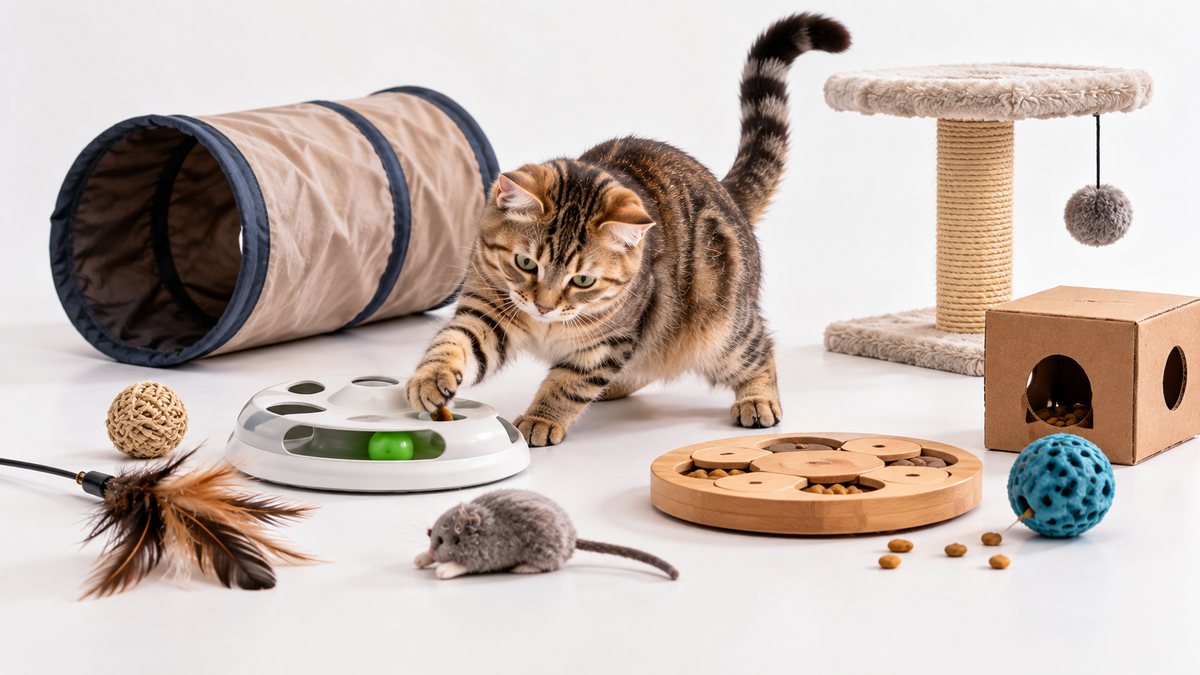
| Enrichment demand | High High enrichment demand: sprinting and chase games, climbing routes and puzzle play provide useful outlets for its speed, athleticism and curiosity. |
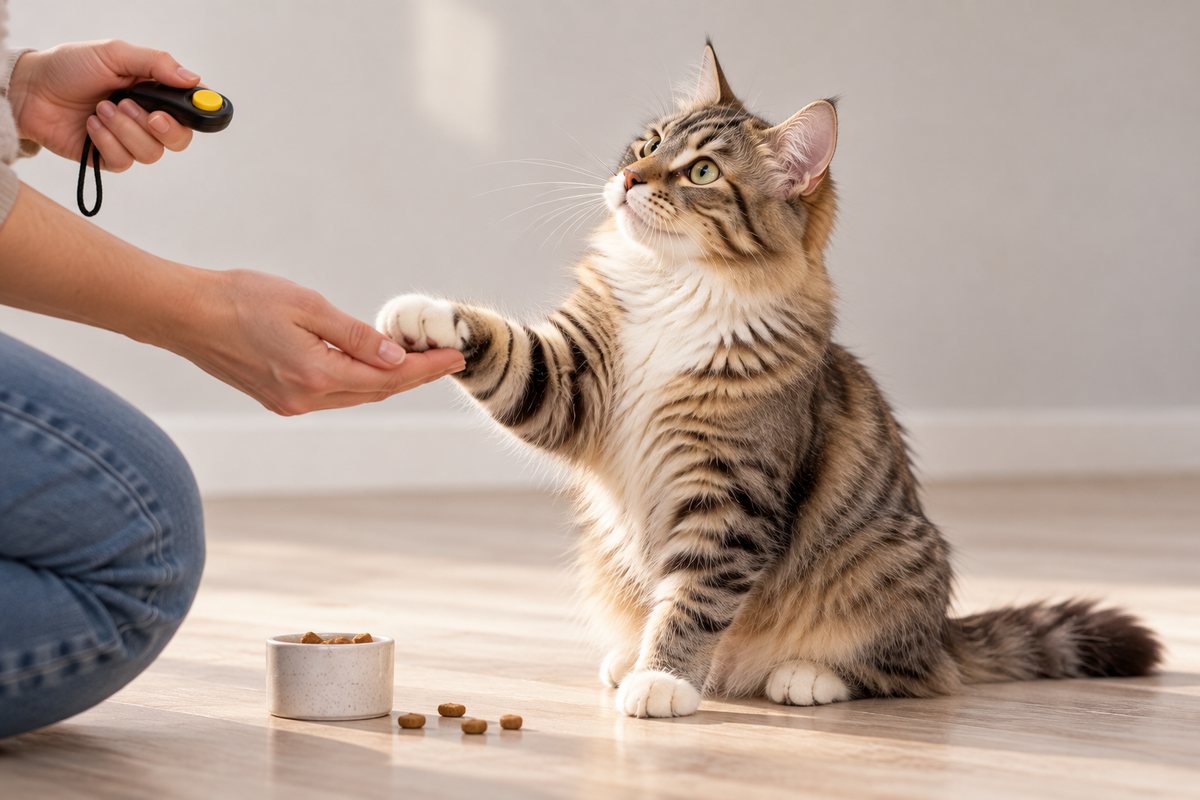
| Learning & training | High Egyptian Maus are smart, observant problem solvers and may independently learn mechanisms such as doors, drawers or faucets; structured reward training can channel that ability. |
| Curiosity & exploration | High Self-directed manipulation of doors, drawers, water and high spaces supports strong exploratory tendency. |
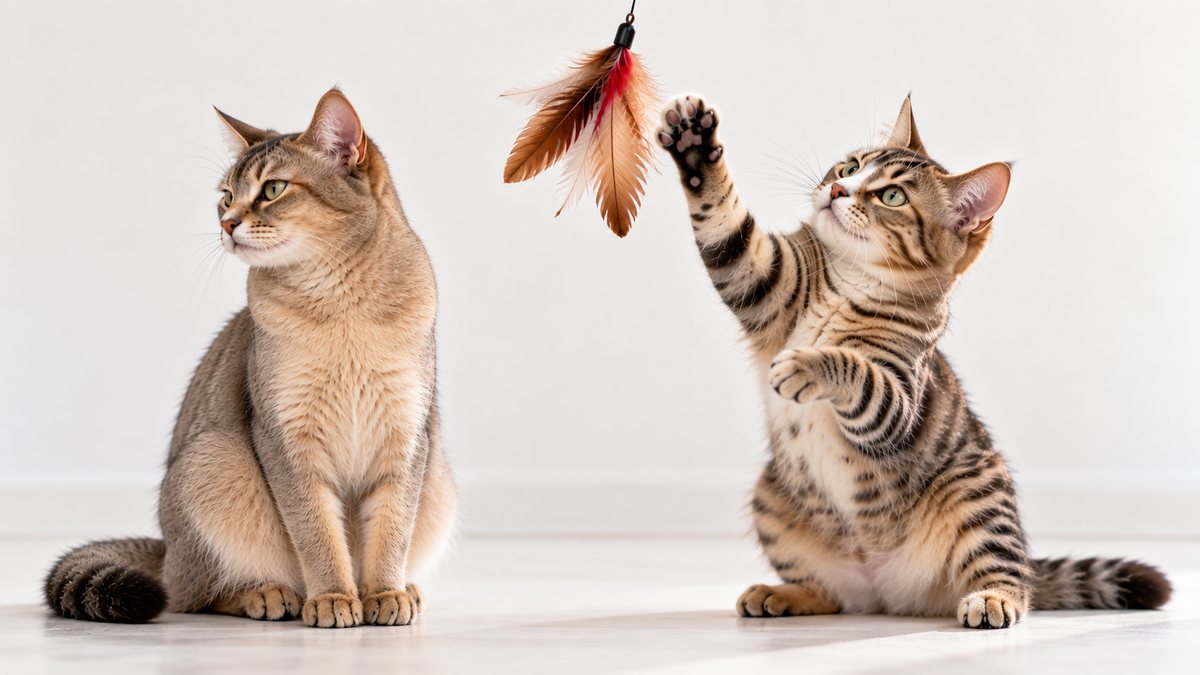
| Hunting & chasing tendencies | High Strong chasing is expected: the Egyptian Mau is exceptionally fast, athletic and alert, making pursuit and pounce games a natural fit. |
| Personality & social | |
| Sociability with familiar people | High Egyptian Maus form intense, loyal bonds with their families. |
| Affection | Deeply loyal and physically affectionate With trusted people, Maus can be intensely affectionate and often combine active companionship with snuggling. |
| Lap & cuddling preference | Often enjoys laps and snuggling Despite their athletic energy, many Maus enjoy sitting on laps and snuggling. |
| Handling tolerance | Low to moderate Egyptian Maus can be deeply attached to familiar people yet sensitive to restraint and unfamiliar handling; consent-based, predictable handling usually works better than simply holding them still. |
| Independence & social demand | Moderate to high social demand Egyptian Maus bond intensely with chosen people and value regular interaction, but their selective social style includes a meaningful independent streak. |
| Vocalization | Moderate Can converse using chortles and trills, but the source does not support classifying the breed among the most continuously vocal. |
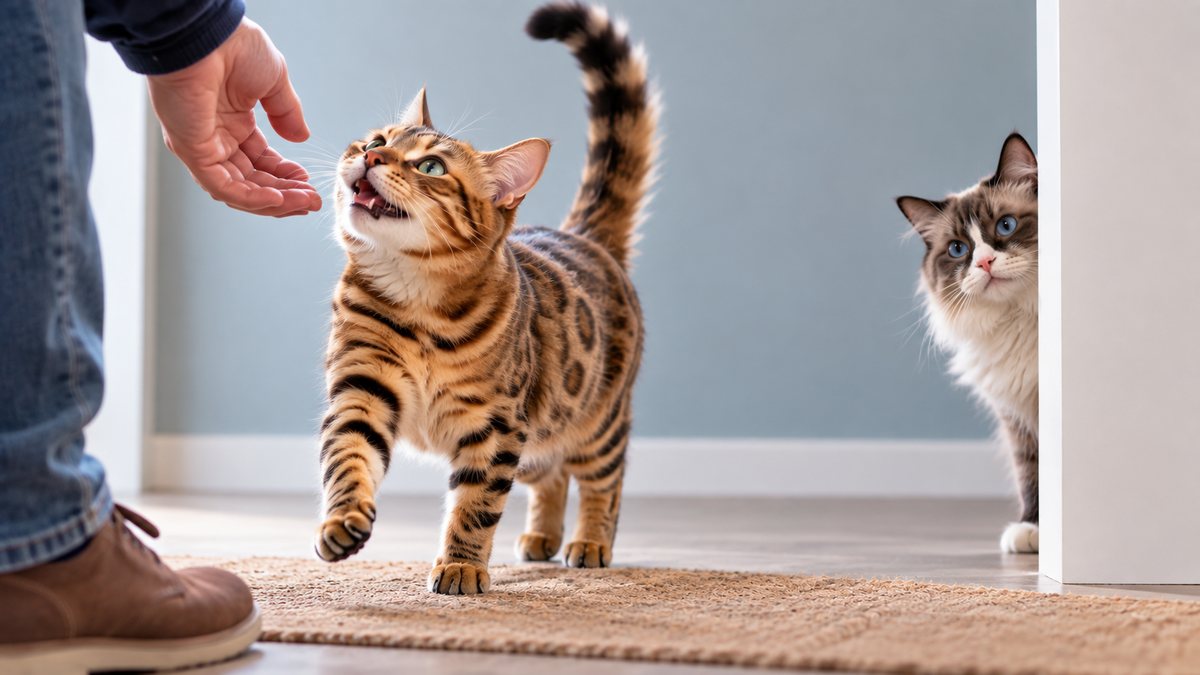
| Response to unfamiliar people | Often reserved or shy Maus can be shy and sensitive around unfamiliar people or situations. |
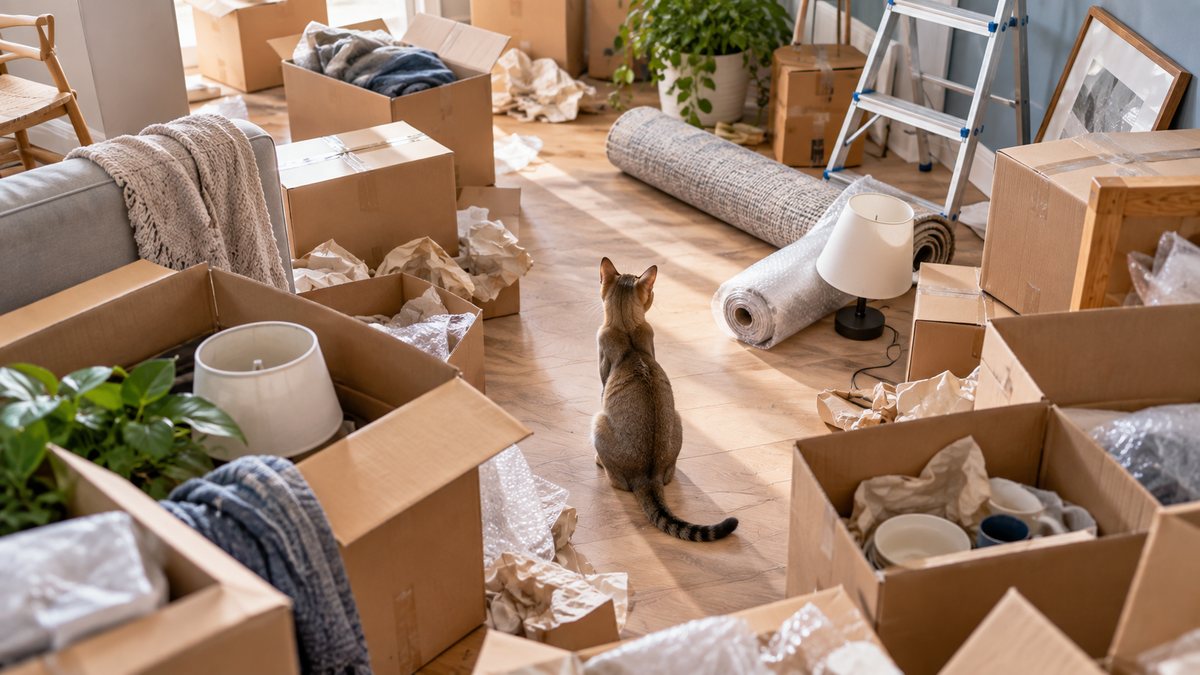
| Adaptability to change | Moderate The Egyptian Mau can be sensitive to unfamiliar people and disruption despite being active and intelligent; gradual transitions and access to secure retreat spaces improve adjustment. |
| Noise & busy-environment sensitivity | High Egyptian Maus can be notably sensitive and vigilant despite strong bonds with familiar people; sudden noise, strangers and chaotic movement may unsettle them more than many outgoing breeds. |
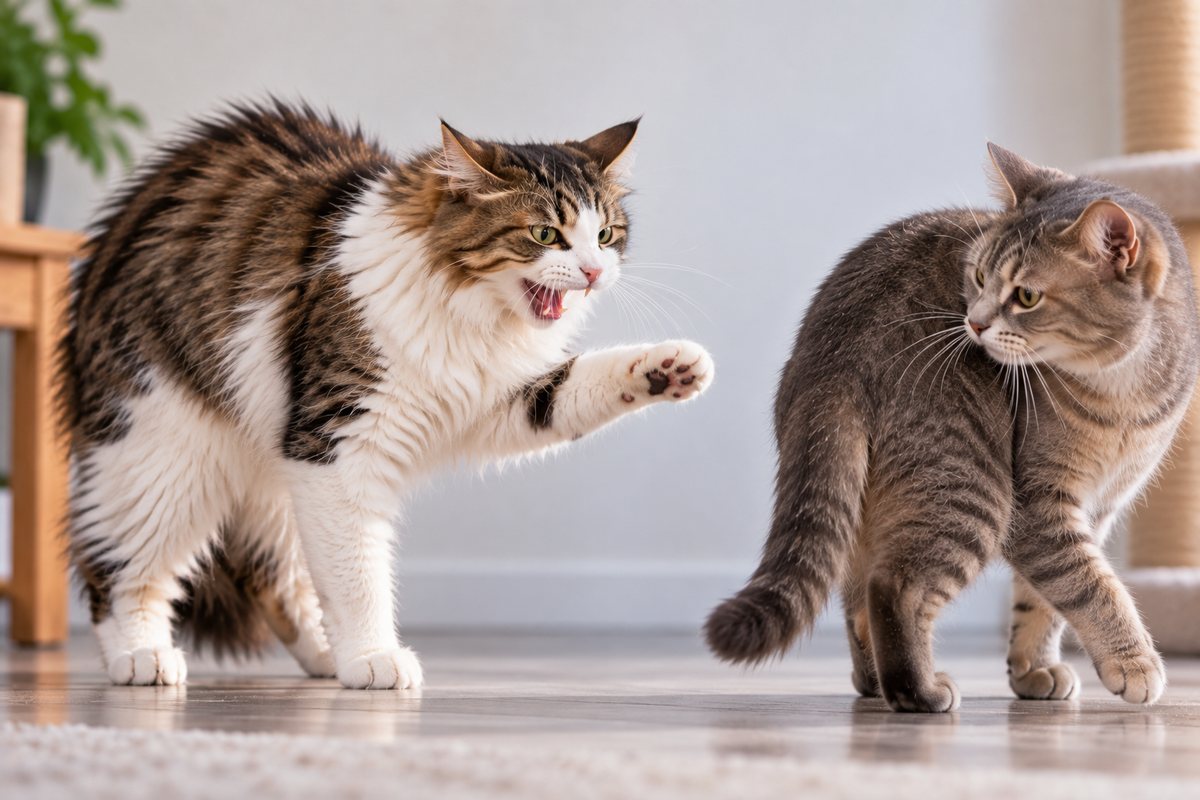
| Defensive & conflict behaviour | Moderate Egyptian Maus can be intensely attached to familiar people while remaining watchful about unfamiliar situations. They are usually not conflict-seeking, but their sensitivity and athletic reactivity can produce quick avoidance, warning, or defensive responses if pressured. |
| Household & environment | |
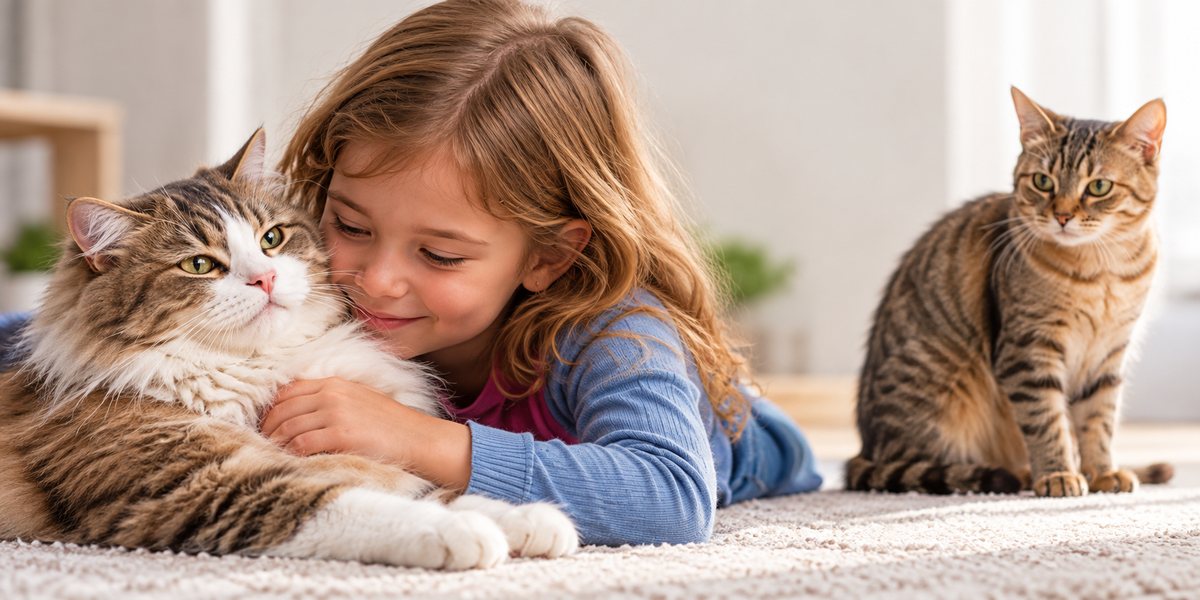
| Living with children | Good with playful, respectful children Their active nature can make them excellent companions for children who interact respectfully and enjoy play. |
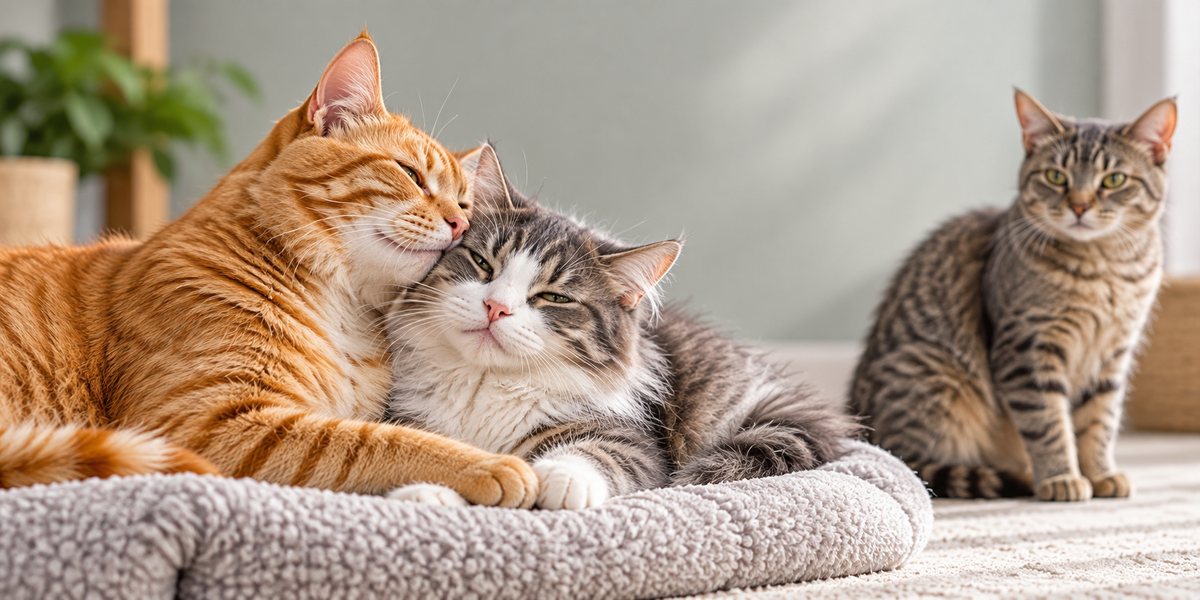
| Living with other cats | Favorable tendency Generally gets along with cat-friendly pets able to accommodate the Mau's energy. |
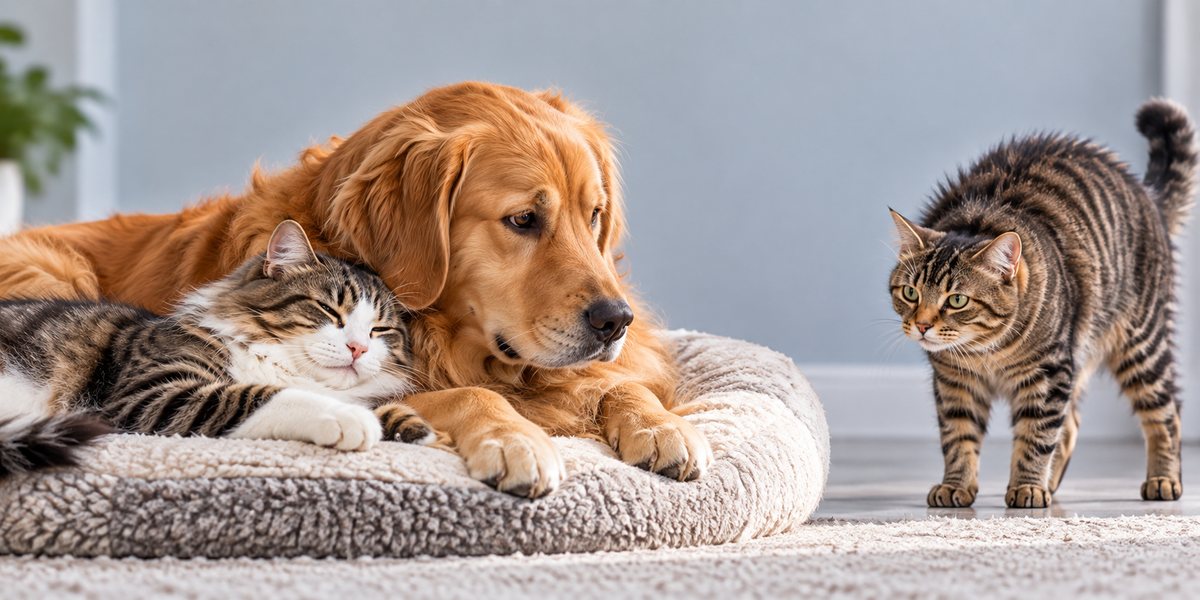
| Living with dogs | Good Maus generally can live successfully with cat-friendly dogs that suit their energy level. |
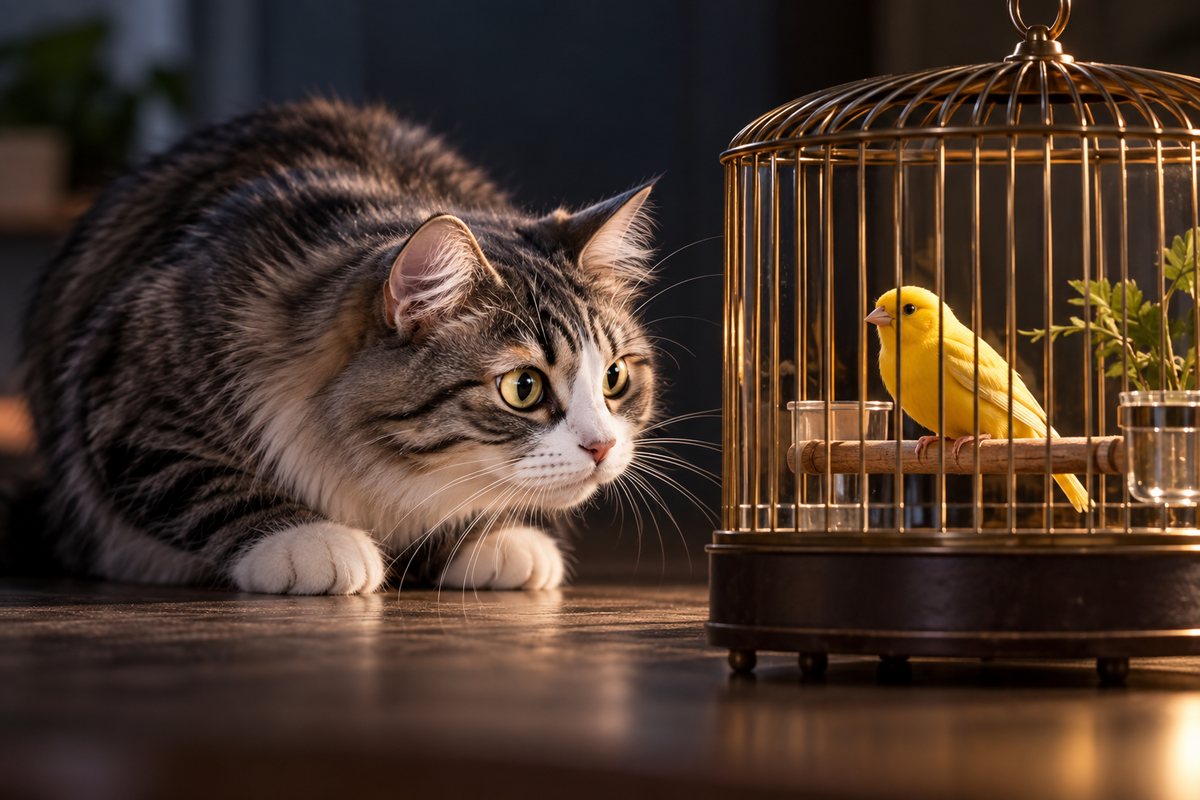
| Living around small pets | Additional caution Egyptian Maus are exceptionally athletic, fast and strongly engaged by moving targets. Their stalking and chase behavior makes birds, rodents and other small pets particularly inappropriate for unrestricted contact. |
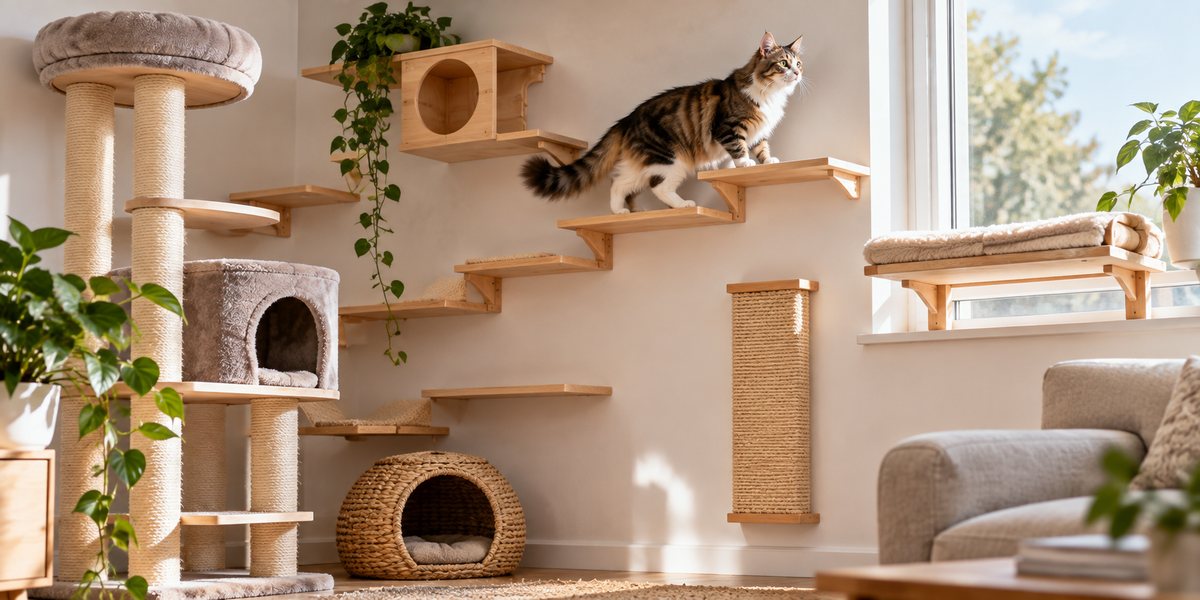
| Indoor & home environment needs | High activity indoor Egyptian Maus are exceptionally athletic and fast. Indoor homes should offer long running routes where possible, tall stable climbing structures, high observation points and frequent hunting-style play to provide an outlet for their speed and vigilance. |
| Outdoor access considerations | Secure high activity Egyptian Maus are exceptionally fast, athletic and alert. A large secure enclosure or enclosed garden can give them space to sprint and observe while avoiding the substantial hunting, traffic and escape risks associated with free roaming. |
| Heat, cold & sun considerations | Warm climate adaptable Egyptian Maus have a short coat and ancestry associated with warm climates, so ordinary warmth is usually easy to manage. They still need shade, water and protection from extreme heat, while cold weather may prompt a stronger preference for warm indoor resting places. |
| Caregiver time & experience | Above average Egyptian Maus are fast, alert and strongly interactive cats. They suit caregivers who can provide vigorous daily play, climbing opportunities and predictable social contact; coat maintenance itself is easy, so the main demand is engagement. |
| Health & welfare | |
| Documented health predispositions | Urolithiasis, PK deficiency and leukodystrophy are reported predispositions Documented breed concerns include urolithiasis, pyruvate kinase deficiency and leukodystrophy. |
| Screening & breeder questions | Ask about PK-def testing and health history for urinary and neurological disease Ask what testing is used for pyruvate kinase deficiency and whether urinary disease or leukodystrophy has occurred in the breeding lines. |
| Conformation-related welfare | Low conformation concern Egyptian Maus are lean, muscular sprinters with a functional body plan. Selection should preserve sound hind limbs, joints and chest and avoid confusing extreme leanness with the breed's naturally athletic appearance. |
| Nutrition & weight management | High activity condition led Egyptian Maus are lean, powerful athletes and can have high energy needs when active. Feed to maintain muscle and a defined waist, adjusting portions as exercise changes rather than using a fixed breed ration. |
| Longevity | 12–16 years Egyptian Maus are athletic, generally robust cats; around 12–16 years is a useful expectation, with some living longer. |
| Cost & availability | |
| Purchase cost | High: $900–$2,500 Egyptian Mau: a practical breeder-market estimate is $900–$2,500. This reflects that it is an specialist pedigree breed with a relatively small breeding population. |
| Adoption & rehoming cost | Uncommon in rescue: $100–$500 typical rescue/adoption fee Egyptian Mau: $100–$500 typical rescue/adoption fee. The breed does appear in rescue, but much less often than mixed-breed cats or the most numerous pedigrees. |
| Recurring ownership costs | Enrichment/toy replacement Routine costs are moderate, with minimal grooming but meaningful spending on climbing and interactive play. Food, litter and preventive veterinary care remain conventional; a secure outdoor enclosure may be an optional larger expense for this athletic breed. |
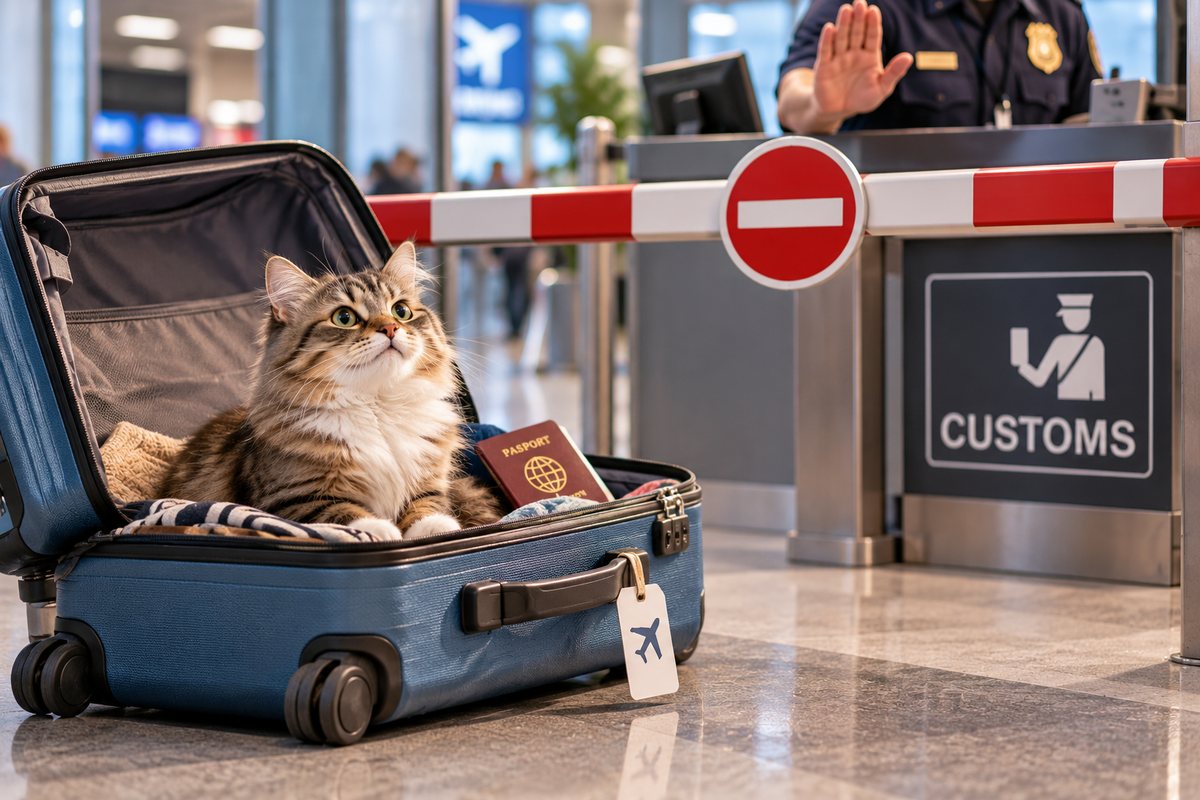
| Availability, waits & import | Moderately available Egyptian Maus have established breeders in North America, Europe and some other regions but remain a minority breed. A breeder can often be found within a larger region, although waiting lists and travel are common. |
| Identity & real-world context | |
| Ownership & import restrictions | No known breed specific restrictions There are no known breed-specific ownership restrictions. Ordinary animal-welfare, identification, vaccination and cross-border import rules still apply where relevant. |
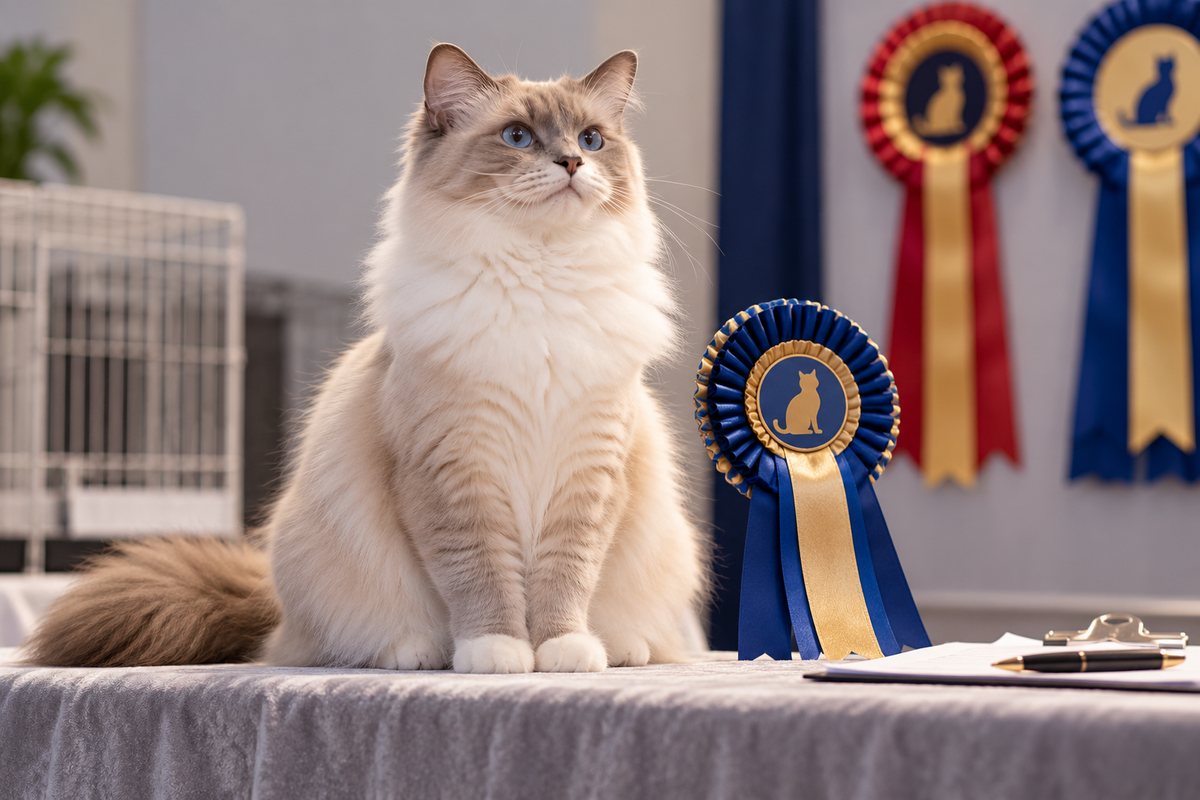
| Registry recognition | CFA: recognized breed/division · TICA: Championship-recognized / current breed identity · FIFe: fully recognized breed / mapped breed identity Currently recognized in all three registries tracked by the FSC core matrix: CFA, TICA and FIFe. |
| Similar breeds & identity distinctions | Ocicat Bengal Egyptian Maus can resemble Ocicats and spotted Bengals, but the Mau's spots occur on a naturally spotted coat and the breed has a distinctive moderate, athletic type. Ocicats are deliberately domestic hybrid creations with regular spotting; Bengals often show rosettes and a heavier wild-derived look. |
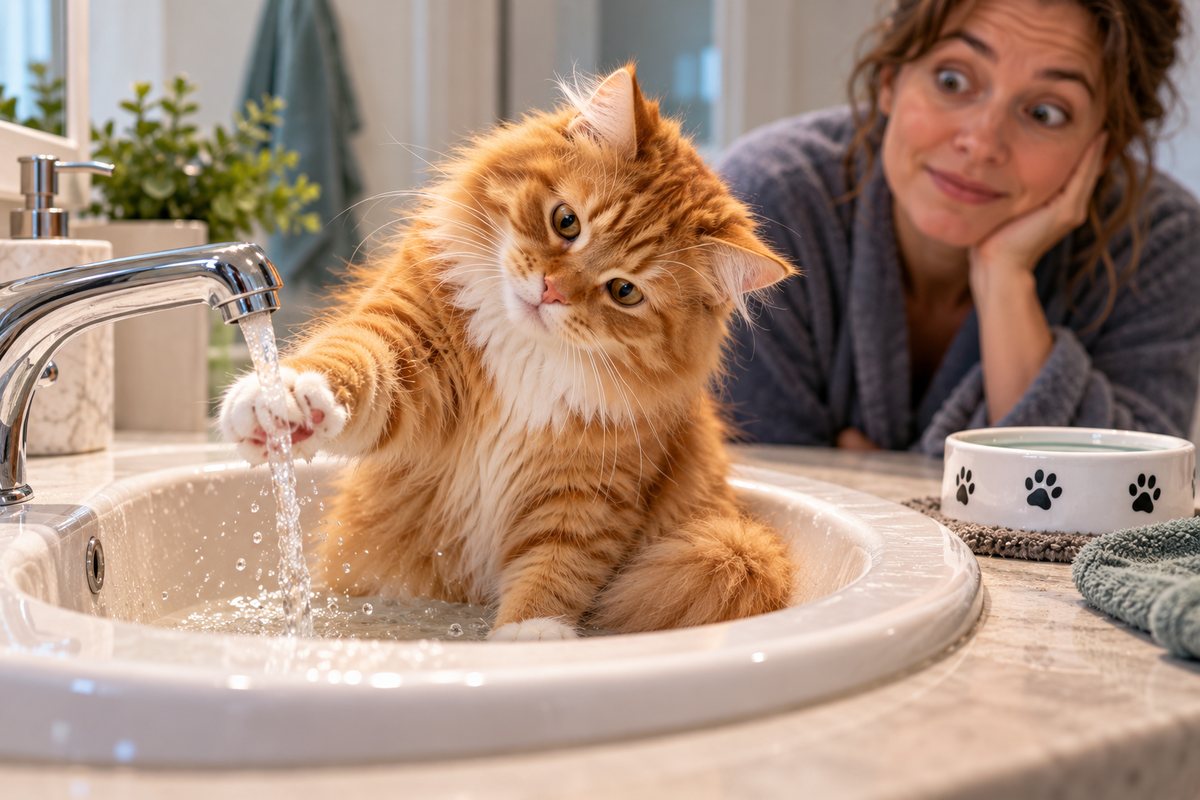
| Reported characteristic quirks | Often fascinated by water and may learn to operate faucets Maus are notably clever and some teach themselves to open doors or drawers and even turn on a faucet. |
Browse all 53 breed characteristics
Open any characteristic to compare all breeds on that dimension.





 English