
Compare Cat Breeds
Compare up to three breeds across all 53 characteristics. Values are shown directly so the differences are easier to scan.
| Characteristic | 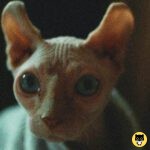 Dwelf |
|---|---|
| Body & development | |
| Adult size | Small |
| Adult weight | 1.8–4.1 kg (4.0–9.0 lb) Dwelfs are commonly about 1.8–4.1 kg (4–9 lb) as adults; short legs reduce height, not necessarily body mass, so body condition should be judged independently of stature. |
| Build & distinguishing morphology | Small · dwarf short legs · long body · curled ears The Dwelf is small and low-slung, combining shortened legs with a relatively long muscular body, large curled ears and a hairless outline. |
| Maturation | 12-18 months The small, short-legged Dwelf generally completes most skeletal growth in the first year, with musculature and adult body condition settling through roughly 12–18 months. |
| Coat & appearance | |
| Coat length | Hairless Experimental Dwelf phenotype is hairless/suede-like. |
| Coat texture & undercoat | Hairless to fine down · minimal undercoat Dwelfs are essentially hairless or covered by fine down, so a conventional insulating undercoat is absent or minimal. |
| Colors & patterns | Broad palette; solid · tabby · tortie · pointed · bicolor Dwelfs inherit a broad palette from Sphynx/Curl/Munchkin ancestry, including solids, tabbies, torties, points and white spotting. |
| Eye colors | All eye colors; blue common with pointing Eye colour follows its Sphynx/Munchkin/Curl ancestry and coat genetics; blue is common with pointing, while green and gold also occur. |
| Coat & routine care | |
| Shedding | Minimal Minimal hair shedding because the breed is typically hairless or sparsely coated; skin oils and flakes are the greater housekeeping issue. |
| Seasonal coat changes | Minimal hair cycle change The hairless or fine-down Dwelf does not undergo a conventional seasonal shed; environmental temperature affects comfort more than coat volume. |
| Brushing & combing | Minimal brushing Conventional brushing is unnecessary because the coat is absent or sparse; gentle skin cleaning and ear care replace combing. |
| Tangle & matting tendency | Negligible The hairless or fine-down coat does not create conventional tangles or mats. |
| Skin & bathing care | Hairless skin care · oil control · sun and cold protection Dwelfs lack a normal protective coat, so skin oil and dirt need periodic cleaning; their exposed skin also needs protection from sunburn and low temperatures. |
| Distinctive routine care | Hairless dwarf ear special care Dwelf routine care combines skin, ear and nail-bed hygiene with temperature and sun protection, plus accessible home resources and close mobility monitoring for the short-legged body. Curled ears should be handled gently. |
| Allergy & allergen evidence | No breed specific reduction established There is no known reason to regard this breed as hypoallergenic. All cats produce allergens, and coat length or shedding alone does not determine allergy risk. |
| Activity & intelligence | |
| Activity level | Active and playful. |
| Playfulness | Distinctly playful. |
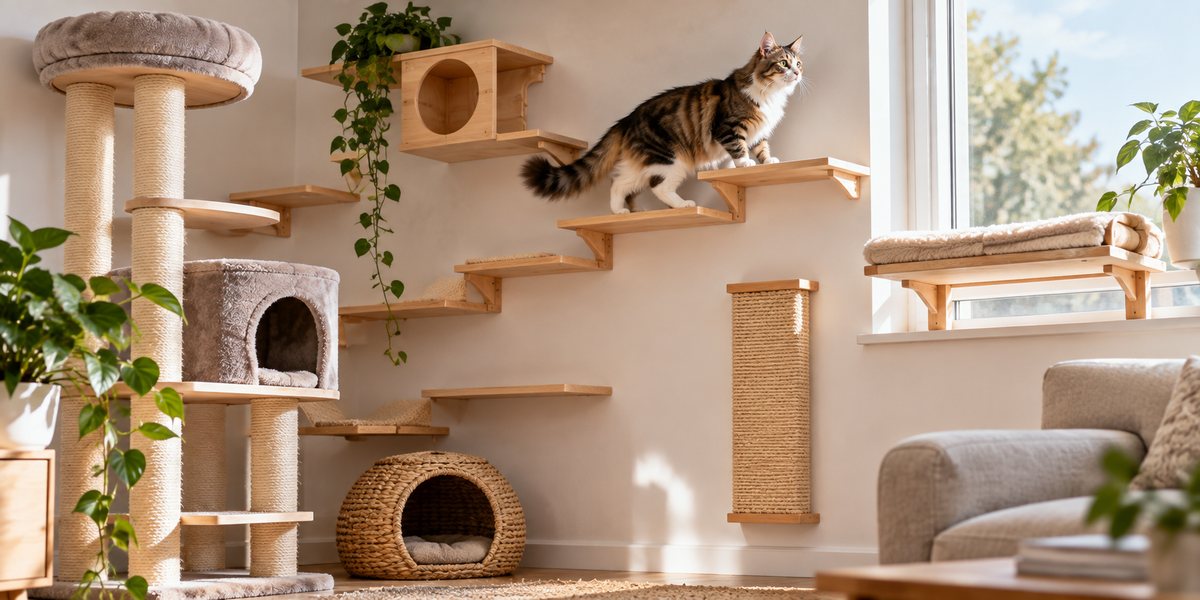
| Climbing & jumping | Moderate The Dwelf is playful and inquisitive but short legs reduce single-leap height; use stepped climbing routes and low-to-medium platforms rather than demanding large jumps. |
| Enrichment demand | Moderate Moderate enrichment demand: frequent social play and varied floor-level or accessible climbing activities suit its playful temperament while respecting its compact build. |
| Learning & training | High The Dwelf’s Sphynx-derived sociability and curiosity support good interactive learning, but its short-legged build makes low-impact tricks and handling cues preferable to athletic tasks. |
| Curiosity & exploration | Moderate Dwelf cats combine Sphynx, Munchkin and curl ancestry; the Sphynx influence supports an inquisitive, socially engaged temperament, while body proportions can limit access to some high places. |
| Hunting & chasing tendencies | Moderate to high Dwelfs are playful and curious, but their short-legged conformation limits some pursuit mechanics; expect moderate chase motivation with low-impact prey-style games. |
| Personality & social | |
| Sociability with familiar people | Very high Dwelfs are typically highly companionable cats that seek warmth, physical closeness and frequent interaction with familiar people. |
| Affection | Very affectionate and strongly companion-oriented. |
| Lap & cuddling preference | Very high Dwelfs combine a highly social companion temperament with hairlessness and warmth-seeking, so close cuddling and lap use are typically strong preferences. |
| Handling tolerance | High Dwelfs are generally bred for an affectionate companion temperament and usually accept close handling; their short limbs, long body and curled ears require deliberate, well-supported lifting. |
| Independence & social demand | High social demand Dwelfs combine highly companion-oriented parent breeds and are generally expected to seek frequent warmth, contact and interaction with familiar people. |
| Vocalization | Low to moderate; individual conversational style varies Moderately to highly vocal is a reasonable estimate from its Sphynx/Munchkin-derived social temperament; many will actively call for attention and warmth. |
| Response to unfamiliar people | Very high Dwelfs inherit a strongly social, attention-seeking companion profile from Sphynx and related ancestry, making ready engagement with visitors a reasonable expectation. |
| Adaptability to change | Can dislike sudden change and may need time to adjust to new surroundings. |
| Noise & busy-environment sensitivity | Low to moderate Dwelfs are bred as outgoing companion cats and generally tolerate household activity well; their need for warmth and secure resting places is more distinctive than noise sensitivity. |
| Defensive & conflict behaviour | Low Dwelfs are generally selected from sociable Sphynx-, Munchkin- and Curl-derived lines, so people-directed conflict should usually be low. Their small stature and unusual body form make respectful handling especially important; discomfort or inability to retreat can still produce defensive reactions. |
| Household & environment | |
| Living with children | Can do well in families with children when handled gently. |
| Living with other cats | Often workable Social behavior is reported, but evidence remains secondary and experimental-breed specific. |
| Living with dogs | Good Can live well with cat-friendly dogs after proper introductions. |
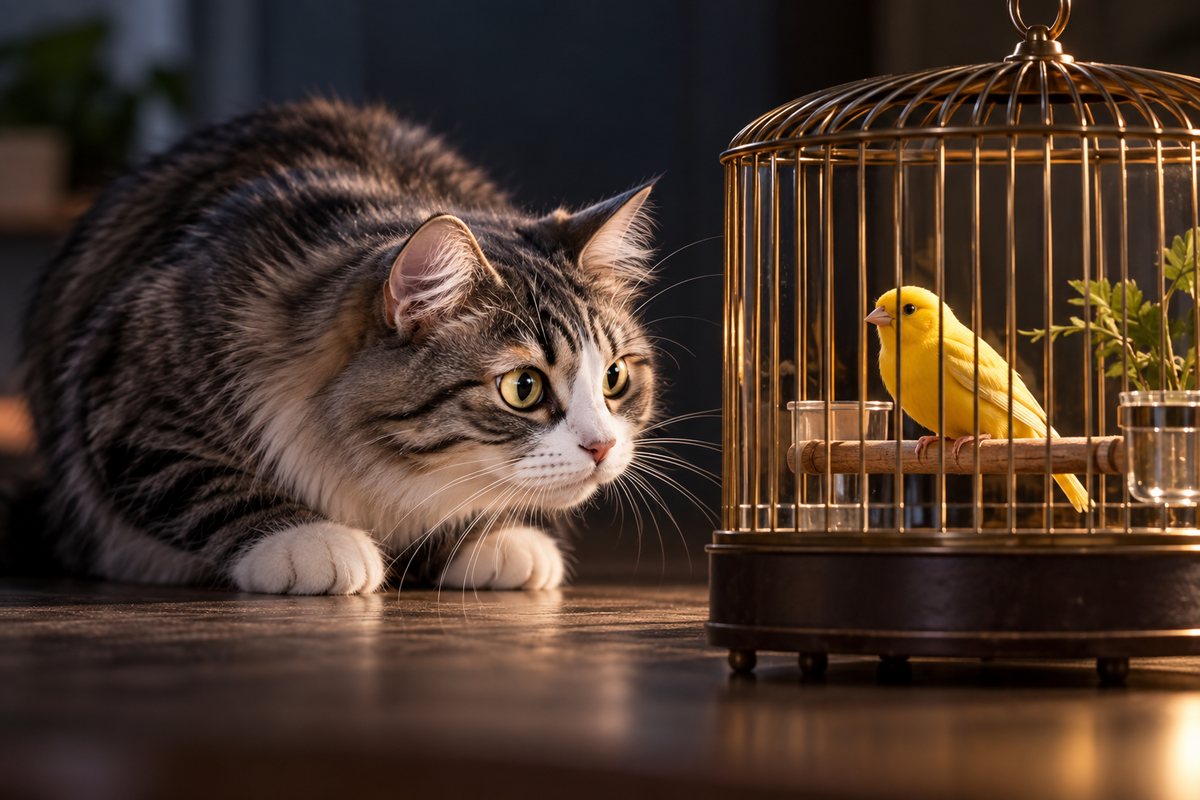
| Living around small pets | Normal predatory caution Dwelfs are small and short-legged, but their ancestry still carries ordinary feline stalking and pouncing behavior. Physical conformation may limit some pursuits without making small pets safe; secure separation remains appropriate. |
| Indoor & home environment needs | Warm accessible indoor Dwelfs combine hairlessness with short legs, making both thermal comfort and accessibility central. A suitable indoor home provides warm beds, draft-free resting areas, stable low or stepped climbing routes and regular interactive enrichment. |
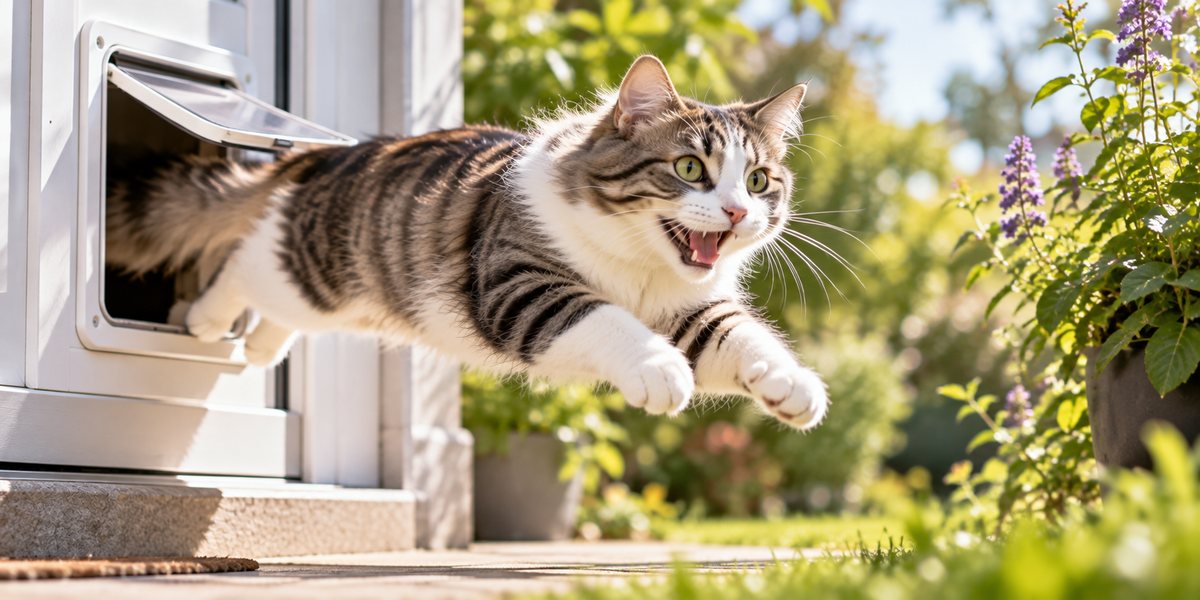
| Outdoor access considerations | Protected secure only Dwelfs combine hairlessness with short legs, making uncontrolled outdoor life a poor fit. Any outdoor time should be secure and supervised, with protection from strong sun, cold surfaces and situations requiring rapid escape or large jumps. |
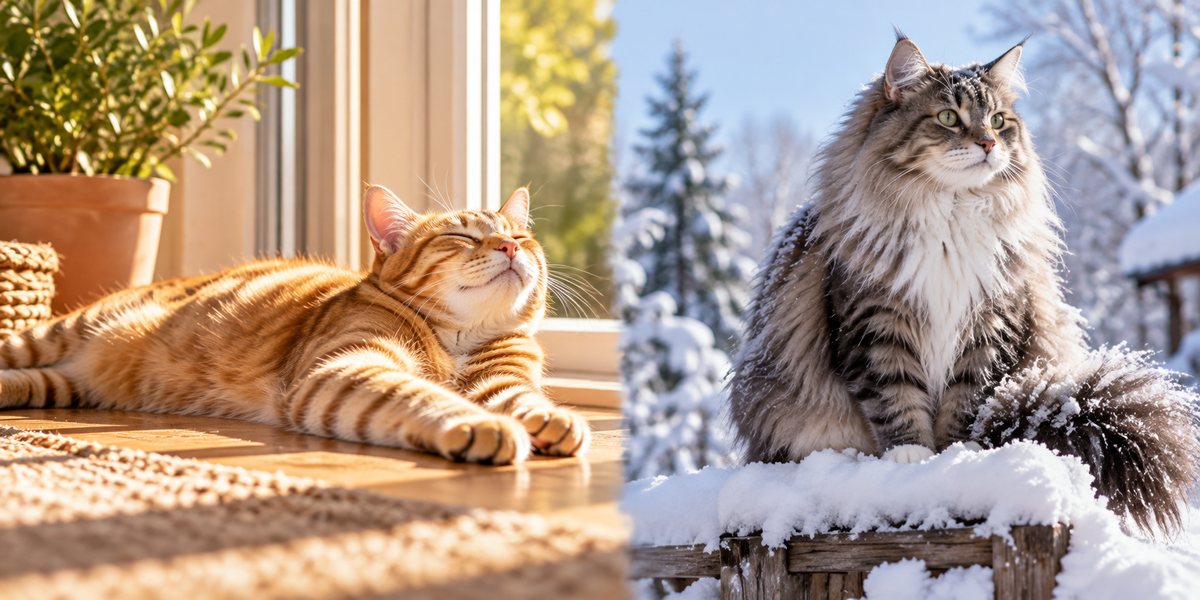
| Heat, cold & sun considerations | Hairless sun cold sensitive Dwelfs have little or no coat and therefore limited insulation or natural sun protection. Warm draft-free resting areas are important in cold weather, while direct strong sunlight and hot surfaces should be avoided. |
| Caregiver time & experience | Low Routine care demands are relatively modest, while normal daily companionship and health care still apply. |
| Health & welfare | |
| Documented health predispositions | Elevated conformation risks Dwelfs combine hairlessness, short-legged dwarfism and curled ears. That combination warrants attention to skin and temperature management, joint and spinal function and ear health; the rarity of the type means absence of large disease studies should not be mistaken for evidence of low risk. |
| Screening & breeder questions | Ask what health problems are tracked in the lines and request actual test results Ask how the breeder evaluates spine, joints and gait in short-legged cats, ear health in curled-ear lines, and skin and cardiac health from hairless ancestry. Request concrete veterinary and HCM-screening records. |
| Conformation-related welfare | Very high multi trait concern Dwelfs combine short-legged dwarfism, hairlessness and curled ears. The stacked traits warrant careful welfare scrutiny of spine and joints, mobility, skin and temperature regulation and ear health, with function taking priority over increasingly extreme appearance. |
| Nutrition & weight management | Dwarf hairless weight control Dwelfs combine hairlessness with short legs: energy needs can rise with thermoregulation, while excess fat adds avoidable joint load. Use measured portions and frequent body-condition checks to balance those competing considerations. |
| Longevity | 12–15 years About 12–15 years is a cautious estimate for the Dwelf; its mixed hairless, curled-ear and short-legged ancestry warrants more caution than for a conventional-bodied breed. |
| Cost & availability | |
| Purchase cost | Very high: $2,000–$4,000+ Dwelf: a practical breeder-market estimate is $2,000–$4,000+. This reflects that it is an very rare designer breed combining multiple mutation traits. |
| Adoption & rehoming cost | Very rare in rescue: $100–$600 when genuinely available Dwelf: $100–$600 when genuinely available. The breed is scarce enough that a verified purebred rescue placement is unusual; transport may exceed the adoption fee. |
| Recurring ownership costs | Typical cat costs Dwelfs have above-average management costs because hairless-cat skin/ear care and temperature control combine with dwarf-cat mobility considerations. Accessible furniture plus a strong veterinary/orthopedic reserve should be expected alongside ordinary food and litter. |
| Availability, waits & import | Very rare and variable Dwelfs are an experimental, uncommon type combining several novelty traits and have only a small breeder base. Availability is sporadic and health and pedigree verification should take priority over willingness to import a rare kitten. |
| Identity & real-world context | |
| Ownership & import restrictions | No known breed specific restrictions There are no known breed-specific ownership restrictions. Ordinary animal-welfare, identification, vaccination and cross-border import rules still apply where relevant. |
| Registry recognition | No separate current CFA/TICA/FIFe recognition Dwelf is not a separately recognized current breed identity in CFA, TICA or FIFe within the FSC core registry matrix; recognition by smaller, national or experimental registries can differ. |
| Similar breeds & identity distinctions | Bambino American Curl Dwelfs combine three conspicuous traits: sparse/hairless coat, short Munchkin-type legs and American-Curl-type ears. Bambinos lack the curled ears, while American Curls normally have full leg length and ordinary coat coverage. |
| Reported characteristic quirks | Individual quirks often center on play and exploration Dwelfs often combine intense warmth-seeking with determined exploration: blankets, clothing and laps become favored heat sources, while short legs do not stop them devising staged routes onto furniture. |
Browse all 53 breed characteristics
Open any characteristic to compare all breeds on that dimension.

 English