
Compare Cat Breeds
Compare up to three breeds across all 53 characteristics. Values are shown directly so the differences are easier to scan.
| Characteristic | 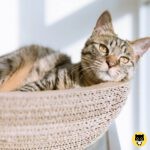 Dragon Li / Chinese Li Hua |
|---|---|
| Body & development | |
| Adult size | Medium |
| Adult weight | 3.5–6.0 kg (7.7–13.2 lb) The Li Hua is a sturdy, athletic natural cat; adults commonly fit roughly 3.5–6.0 kg (7.7–13.2 lb). |
| Build & distinguishing morphology | Medium · sturdy rectangular · muscular · strong legs The Dragon Li is medium-sized, sturdy and muscular with a somewhat rectangular natural-cat body, strong legs and a broad, rounded head outline. |
| Maturation | 18-24 months The sturdy, muscular Dragon Li generally reaches near-adult dimensions around a year and can continue filling out through roughly 18–24 months. |
| Coat & appearance | |
| Coat length | Short The standardized Li Hua/Dragon Li is a shorthaired natural-type breed. |
| Coat texture & undercoat | Short · dense resilient · moderate undercoat The Dragon Li has a short, dense, resilient natural-cat coat with moderate undercoat rather than a fine, nearly single Oriental coat. |
| Colors & patterns | Brown mackerel tabby The characteristic phenotype is brown mackerel tabby, often with darker striping and a ticked/agouti ground colour. |
| Eye colors | Green · yellow-green · gold Green, yellow-green and gold eyes suit the brown mackerel-tabby phenotype; greenish tones are especially characteristic. |
| Coat & routine care | |
| Shedding | Moderate seasonal Moderate shedding with seasonal peaks from the short, dense, weather-adapted coat. |
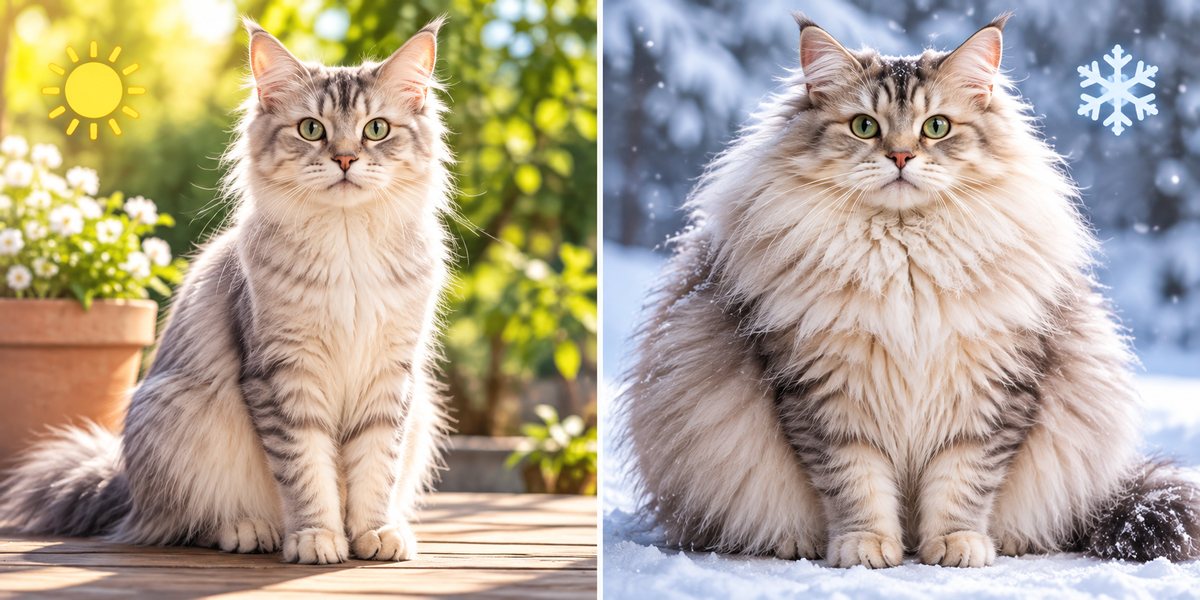
| Seasonal coat changes | Moderate spring fall shed The Dragon Li’s dense, resilient natural coat is expected to shed more clearly in spring and autumn as its weather-adapted undercoat renews. |
| Brushing & combing | Weekly or as needed Weekly brushing suits the dense shorthair; increase temporarily when the weather-adapted coat is shedding more strongly. |
| Tangle & matting tendency | Very low The short resilient natural-cat coat is not prone to matting, even though seasonal undercoat can shed heavily. |
| Skin & bathing care | Bathing not routinely needed Routine bathing is generally unnecessary; bathe only when the coat is genuinely soiled or for a specific veterinary or grooming reason. |
| Distinctive routine care | Simple coat active care The short natural coat is straightforward, with occasional brushing and ordinary nail, ear and dental care. Daily play and environmental enrichment help maintain this athletic cat's condition. |
| Allergy & allergen evidence | No breed specific reduction established There is no known reason to regard this breed as hypoallergenic. All cats produce allergens, and coat length or shedding alone does not determine allergy risk. |
| Activity & intelligence | |
| Activity level | High The Chinese Li Hua is lively and active. |
| Playfulness | Moderate to high Moderately to highly playful, especially with stalking and chase games that fit its natural hunting-oriented background. |
| Climbing & jumping | High The breed is agile and benefits from useful vertical space. |
| Enrichment demand | High High enrichment demand: hunting-style play, climbing, exploration and rotating challenges suit this active and inquisitive natural breed. |
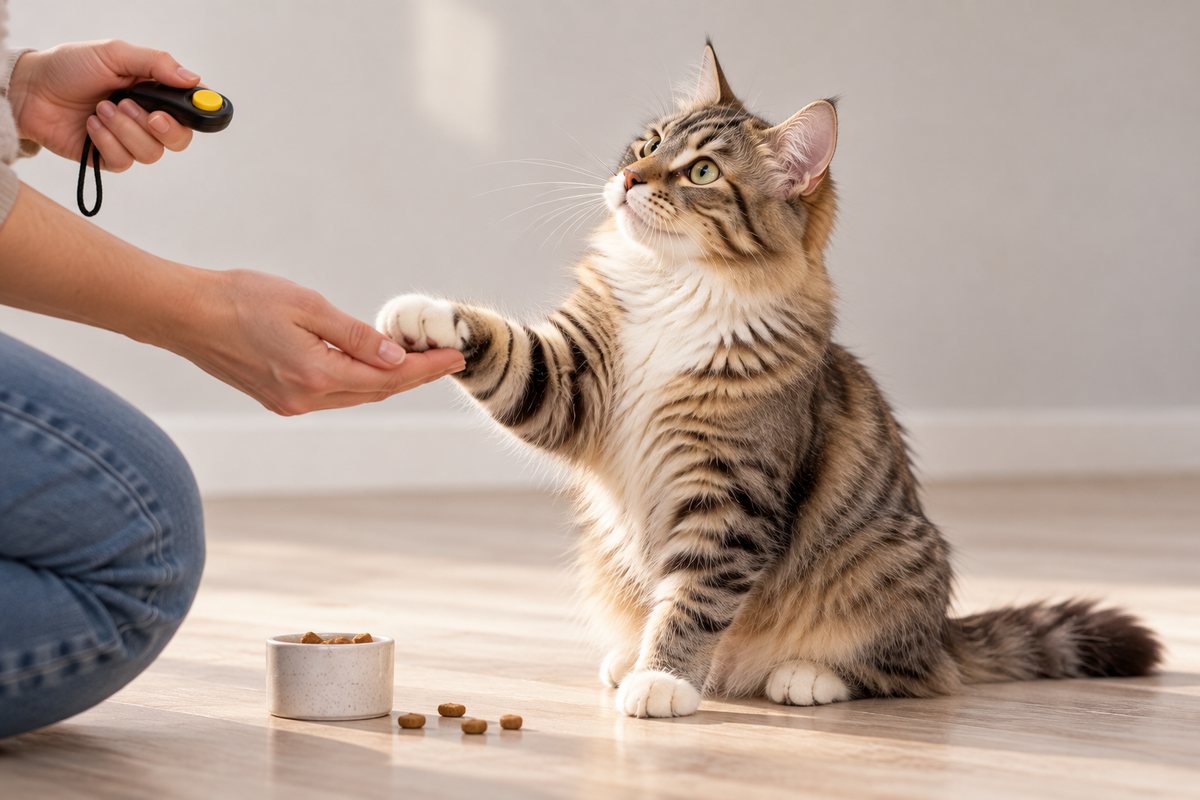
| Learning & training | High Alert, independent and naturally problem-solving, the Dragon Li should learn routines and puzzle tasks well, though motivation may come more from play or food than a wish to please. |
| Curiosity & exploration | High Dragon Li cats are alert, athletic natural cats with strong hunting competence; they are likely to investigate territory and environmental changes actively while retaining some independence. |
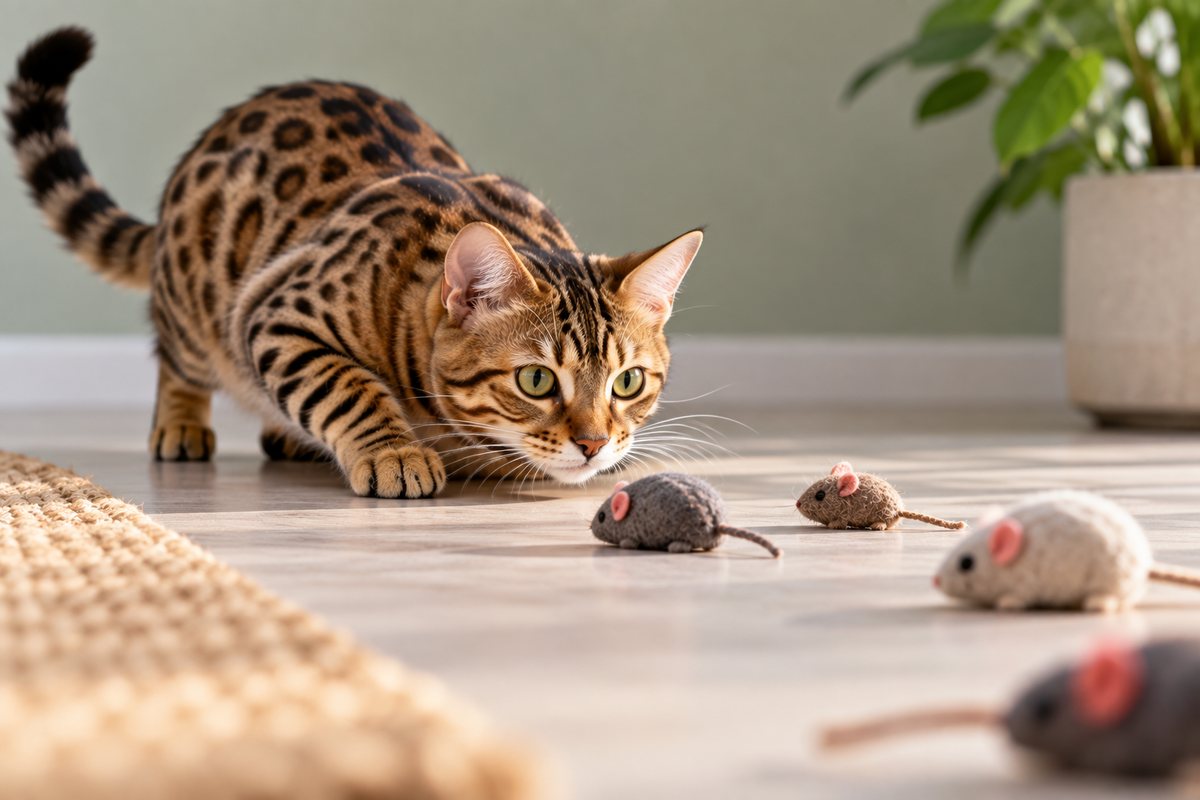
| Hunting & chasing tendencies | Moderate to high A strong natural hunting tendency is plausible for this robust landrace-type cat; stalking and chasing games should be treated as meaningful enrichment. |
| Personality & social | |
| Sociability with familiar people | High The breed is companionable with familiar people while retaining an independent streak. |
| Affection | Proximity · loyal · selective reserved Dragon Li affection is often loyal but self-possessed: trusted people receive steady companionship and attention without constant physical dependence. |
| Lap & cuddling preference | Low to moderate Dragon Li cats tend to be loyal yet comparatively self-possessed; they may accept cuddling from trusted people but are not best characterized as dedicated lap cats. |
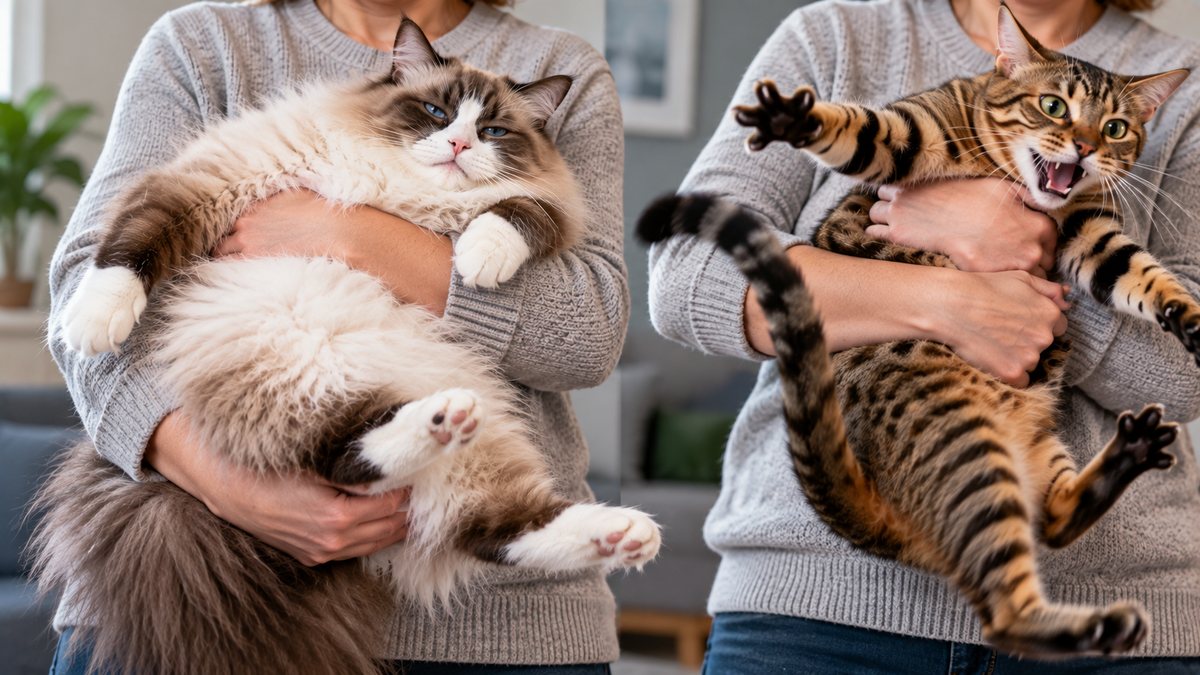
| Handling tolerance | Moderate Confident and loyal but relatively natural in temperament, the Li Hua should handle routine contact well when socialized while retaining more autonomy than strongly lap-oriented companion breeds. |
| Independence & social demand | High independence The Chinese Li Hua has a distinctly independent side despite being an engaged companion. |
| Vocalization | High The Chinese Li Hua tends to be relatively vocal. |
| Response to unfamiliar people | Low Dragon Li cats tend to be independent, alert and strongly aware of their surroundings; they are more likely to remain reserved with newcomers until trust develops. |
| Adaptability to change | Moderate to high Confident and capable but comparatively self-possessed, the Dragon Li should handle ordinary change well while benefiting from time to establish territory and observe unfamiliar people. |
| Noise & busy-environment sensitivity | Moderate Confident with familiar surroundings but relatively natural in temperament, the Li Hua should handle routine sound well while remaining alert to abrupt unfamiliar disturbances. |
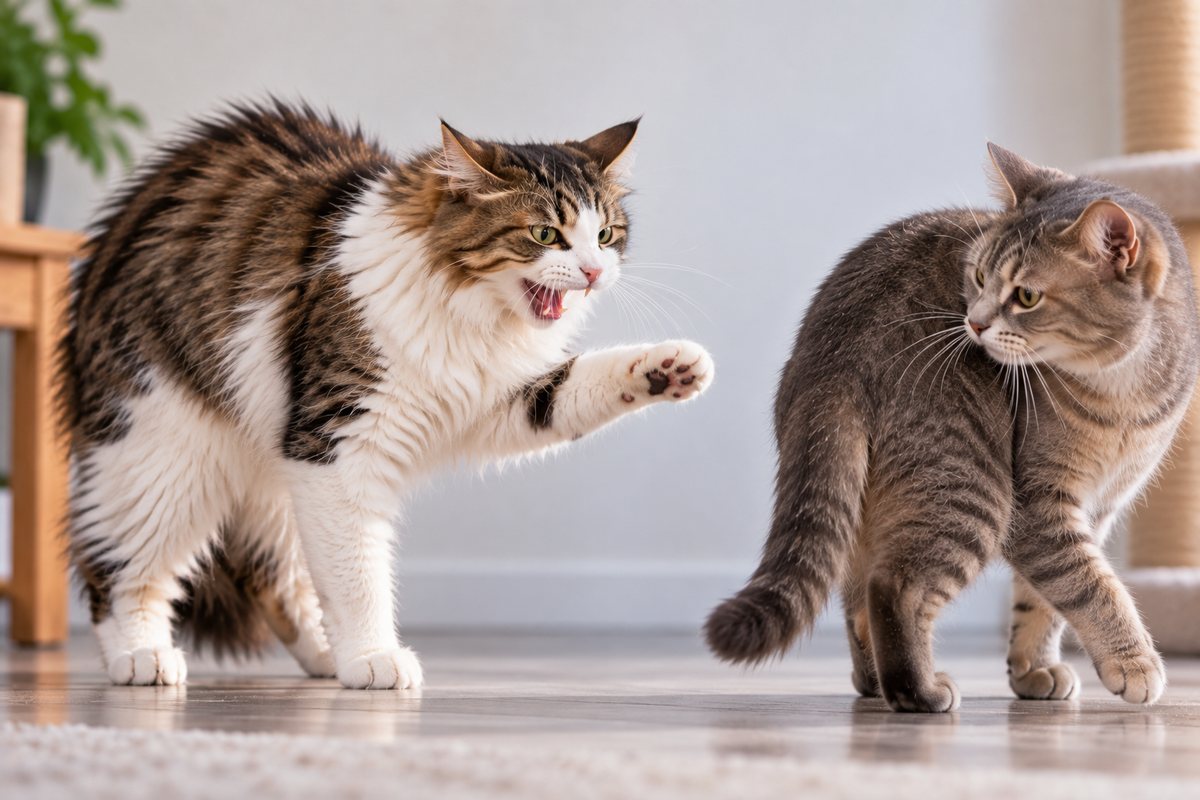
| Defensive & conflict behaviour | Moderate The Dragon Li is an alert, capable natural-type cat with more independence and territorial awareness than many companion-selected breeds. It is not inherently aggressive, but may use firmer avoidance, posturing, or defensive responses when crowded or poorly introduced. |
| Household & environment | |
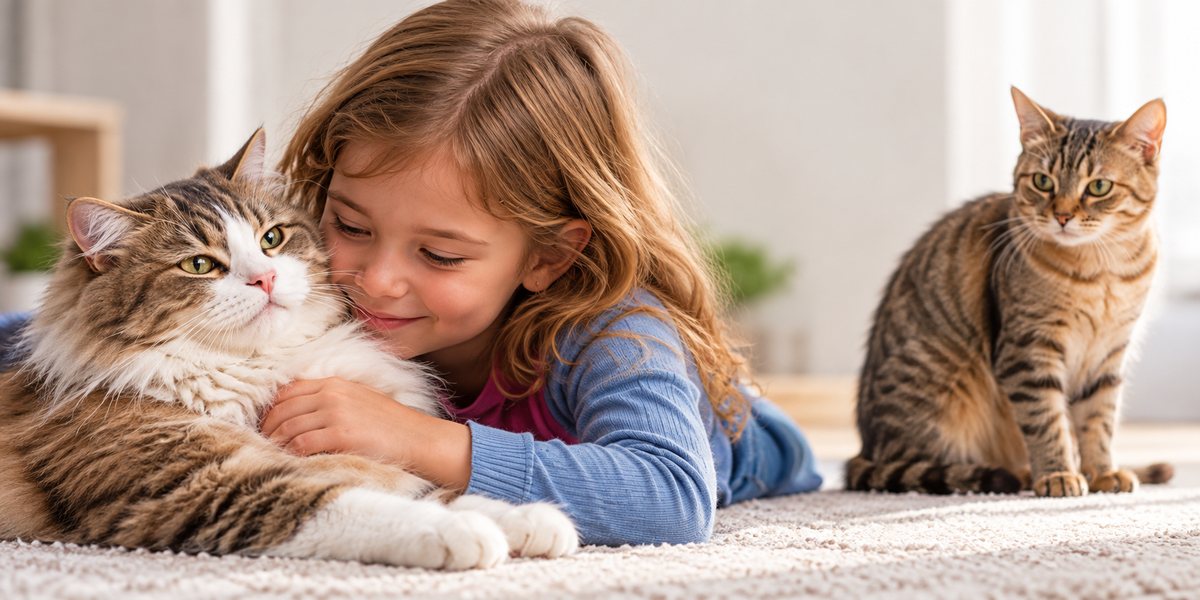
| Living with children | Moderate Dragon Li cats are alert, capable and comparatively independent natural-type cats. They can live successfully with respectful children, but are a better fit for children who read feline boundaries than for households expecting a highly tolerant carry-around pet. |
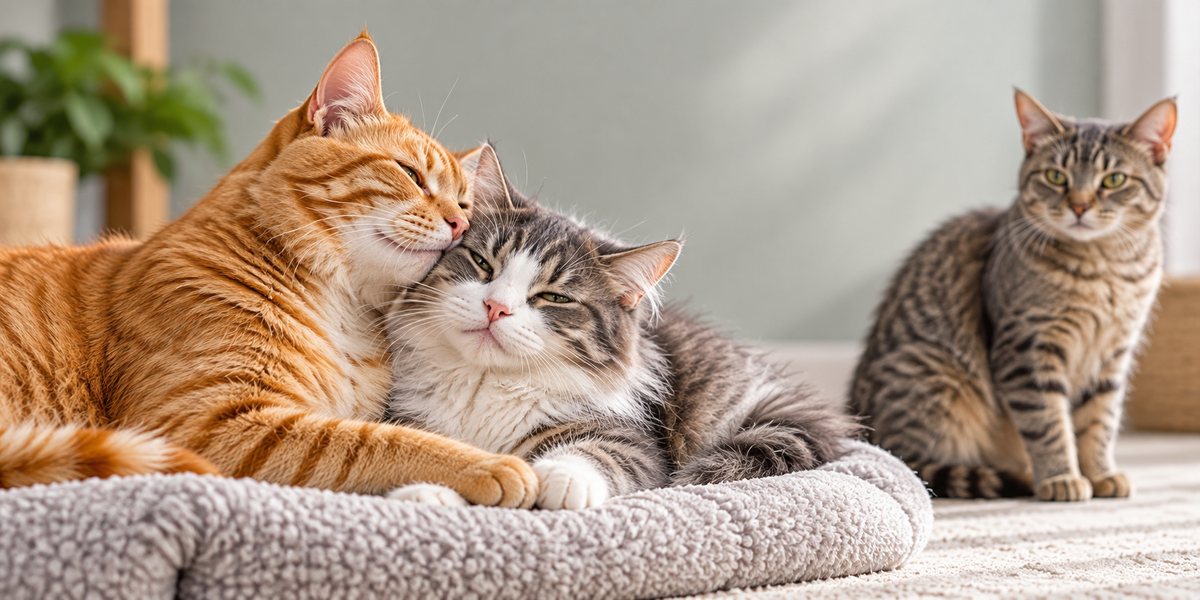
| Living with other cats | Often workable Dragon Li cats are typically confident, alert and moderately independent rather than intensely dependent on feline company. They can share a home successfully with another respectful cat, but territorial introductions should be gradual and neither cat should be forced into close contact. |
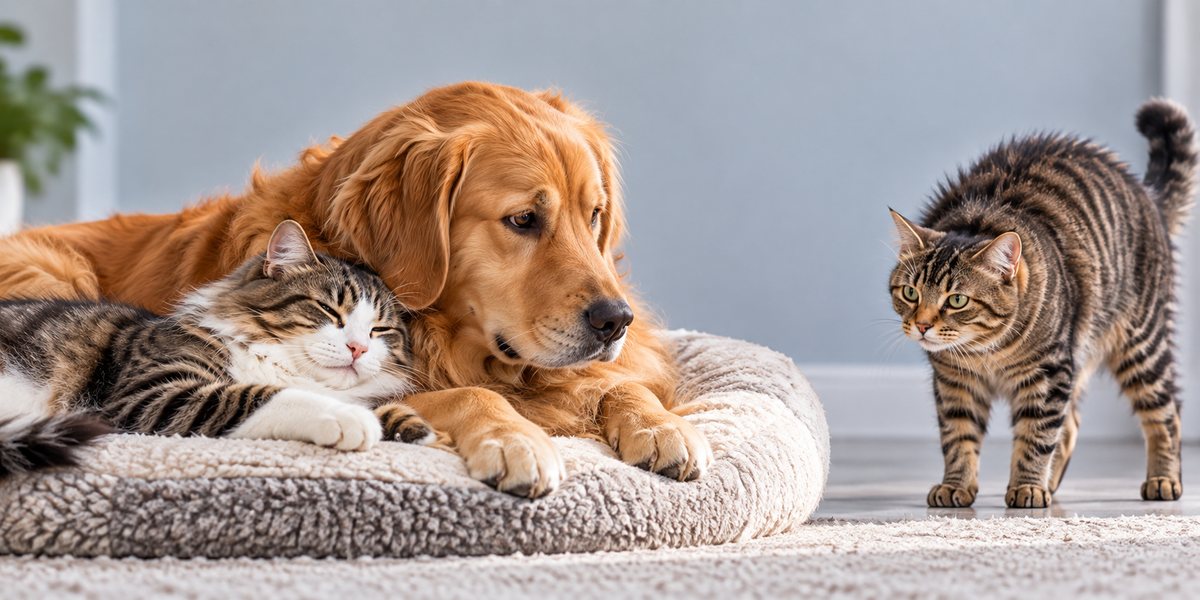
| Living with dogs | Moderate Dragon Li cats are alert, independent and territorially aware. A well-socialized individual can live successfully with a calm dog, but the match depends strongly on slow introductions and preventing pursuit rather than assuming immediate sociability. |
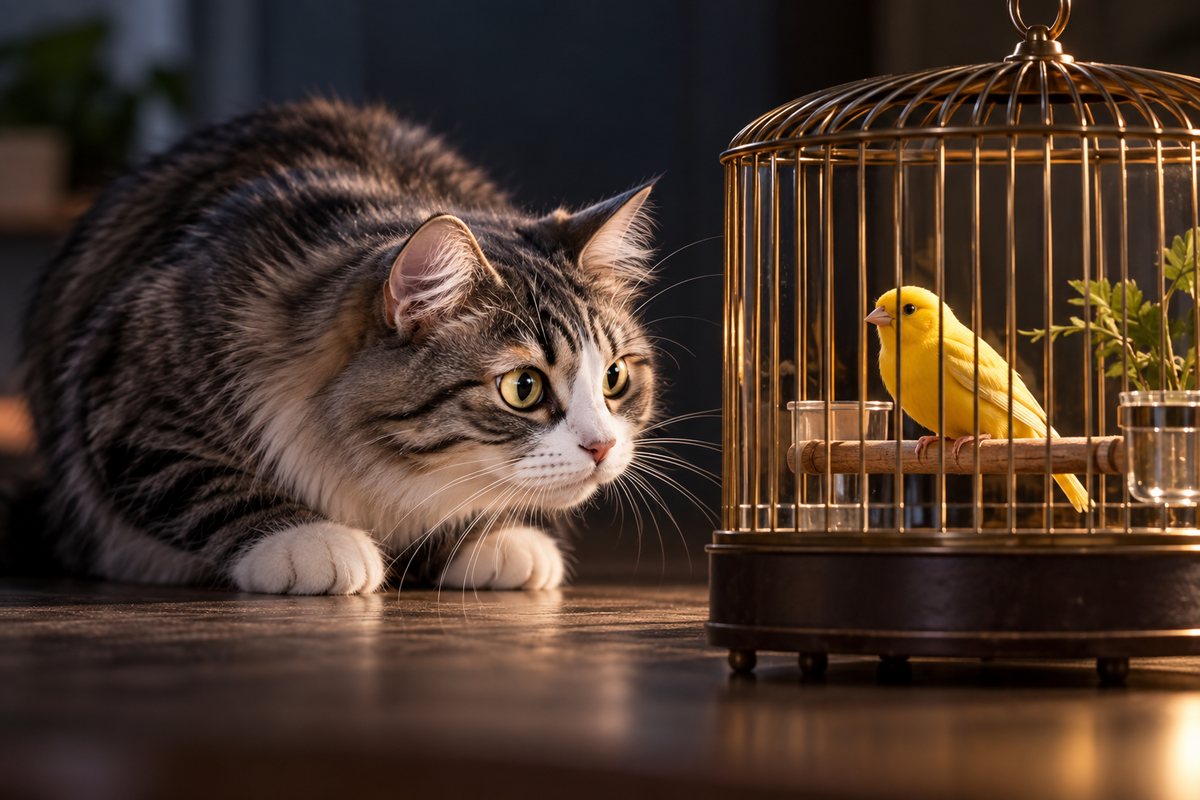
| Living around small pets | Additional caution Dragon Li cats have a natural, athletic domestic-cat profile with strong environmental awareness. Their likely hunting competence makes birds, rodents and similar pets vulnerable, so direct access should be prevented. |
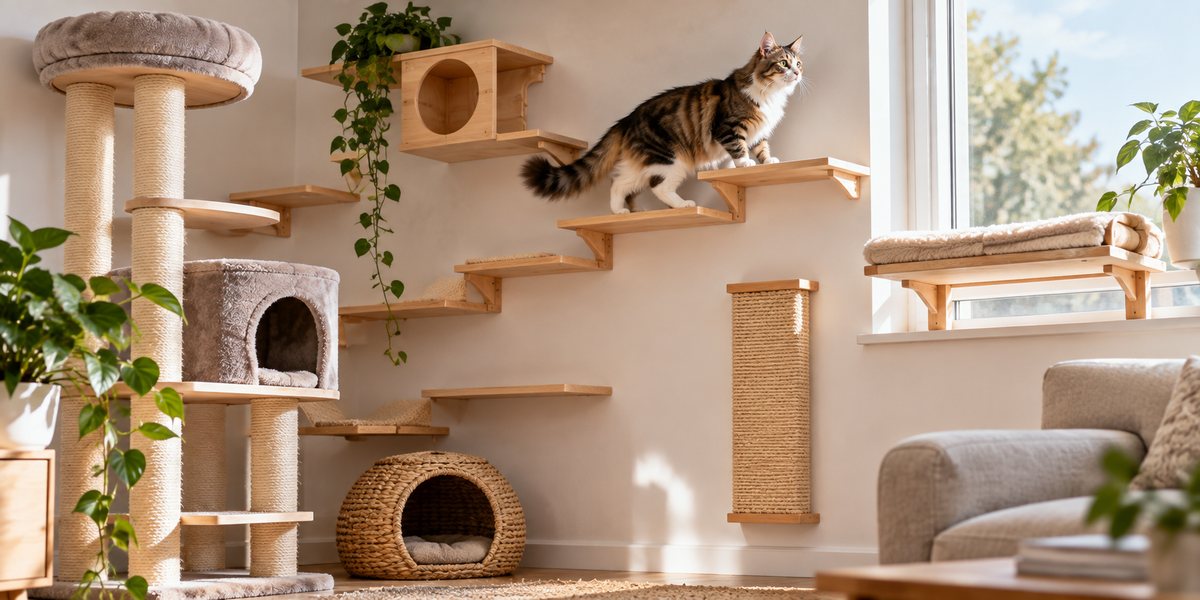
| Indoor & home environment needs | Active indoor enrichment Dragon Li cats have an alert, athletic natural-cat profile and benefit from an indoor environment that offers autonomy as well as activity. Multiple high perches, hiding places, scratching zones and challenging hunting-style play help replace outdoor complexity. |
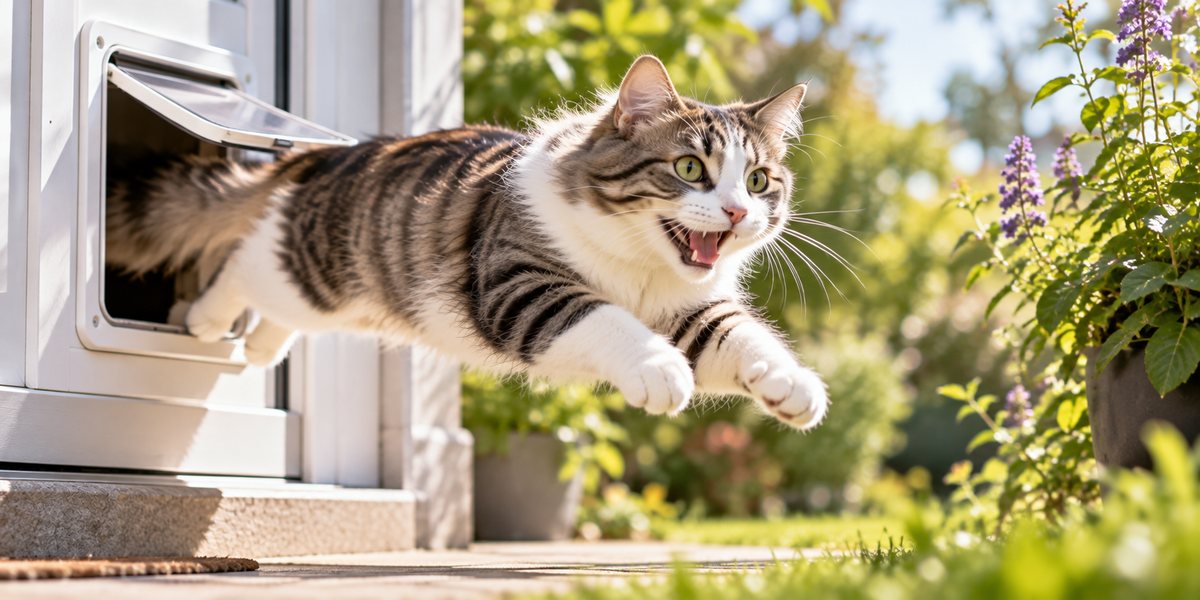
| Outdoor access considerations | Secure high activity Dragon Li cats are alert, athletic and environmentally engaged. A secure garden or large catio can provide valuable exploration and hunting-style stimulation, but their independence and physical ability make unrestricted roaming harder to manage safely. |
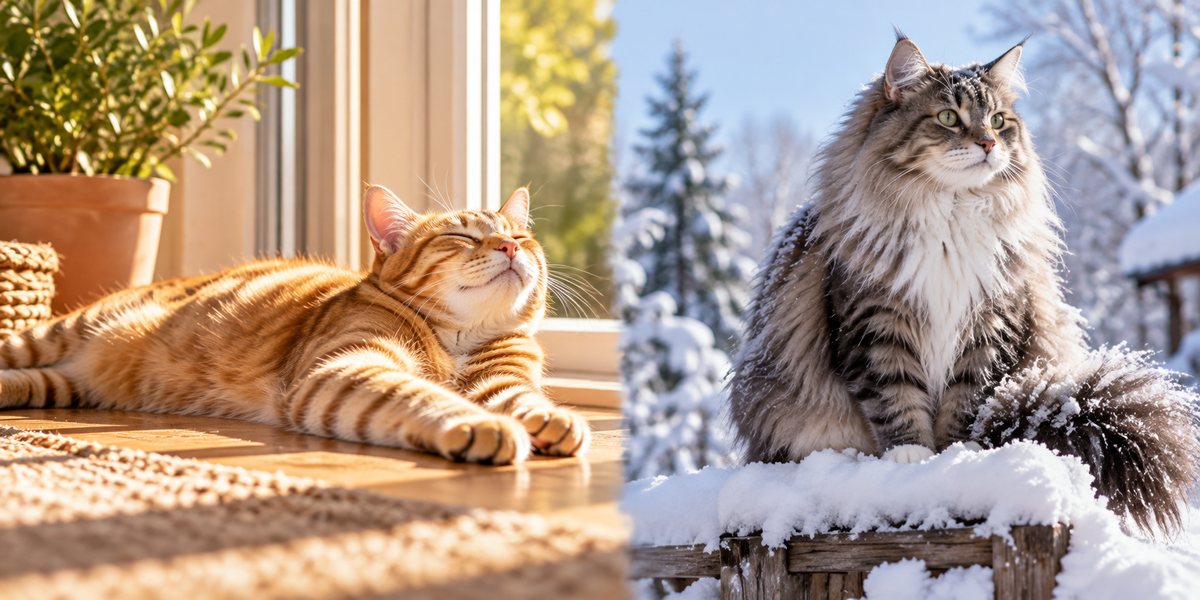
| Heat, cold & sun considerations | Seasonal shortcoat adaptable Dragon Li cats have a natural short coat expected to change seasonally and support broad temperate-climate adaptability. They still need dry shelter in severe cold and reliable shade and water in sustained heat. |
| Caregiver time & experience | Moderate Dragon Li cats are athletic, independent natural-type cats with straightforward coat care. They suit caregivers who can provide daily play and environmental complexity while respecting a cat that may not demand constant social attention. |
| Health & welfare | |
| Documented health predispositions | Limited specific risk Dragon Li cats represent a natural Chinese domestic-cat type with no well-established signature inherited disorder. The best current health approach emphasizes genetic diversity, family history and ordinary feline preventive care rather than a breed-specific disease assumption. |
| Screening & breeder questions | Ask what health problems are tracked in the lines and request actual test results Ask for documented health and longevity across close relatives, what cardiac, kidney and orthopedic disease has occurred, and how the breeder maintains genetic diversity in this uncommon natural Chinese breed. |
| Conformation-related welfare | Low conformation concern Dragon Li cats have a conventional, athletic natural-cat build. Welfare-focused breeding should preserve this functional anatomy and broad genetic base rather than introducing exaggerated size, head or body traits. |
| Nutrition & weight management | Active condition led Dragon Li cats are robust, athletic natural-type cats without a special dietary requirement. Feed a complete diet according to actual activity and body condition, particularly if an indoor lifestyle is less demanding than the cat's natural athletic profile. |
| Longevity | 12–16 years The naturally developed Li Hua is a robust, moderate-bodied cat; about 12–16 years is a reasonable breed-level expectation. |
| Cost & availability | |
| Purchase cost | Very high: $1,000–$3,000+ Dragon Li / Chinese Li Hua: a practical breeder-market estimate is $1,000–$3,000+. This reflects that it is an very scarce as a documented pedigree breed outside China. |
| Adoption & rehoming cost | Very rare in rescue: $100–$600 when genuinely available Dragon Li / Chinese Li Hua: $100–$600 when genuinely available. The breed is scarce enough that a verified purebred rescue placement is unusual; transport may exceed the adoption fee. |
| Recurring ownership costs | Typical cat costs Recurring expenses should resemble those of a robust shorthaired cat: complete food, litter, preventive veterinary care and active enrichment. No elaborate coat-care budget is justified by the breed identity. |
| Availability, waits & import | Very rare outside china Pedigreed Dragon Li or Chinese Li Hua cats are rare outside China and not broadly available even where the name is familiar. Prospective owners should be cautious of ordinary brown tabbies marketed under the breed name without documented pedigree. |
| Identity & real-world context | |
| Ownership & import restrictions | No known breed specific restrictions There are no known breed-specific ownership restrictions. Ordinary animal-welfare, identification, vaccination and cross-border import rules still apply where relevant. |
| Registry recognition | No separate current CFA/TICA/FIFe recognition Dragon Li / Chinese Li Hua is not a separately recognized current breed identity in CFA, TICA or FIFe within the FSC core registry matrix; recognition by smaller, national or experimental registries can differ. |
| Similar breeds & identity distinctions | Brown tabby domestic Dragon Li cats strongly resemble brown mackerel-tabby domestic shorthairs. The breed is not identified by tabby pattern alone: documented Chinese Li Hua ancestry and the standardized sturdy natural type are necessary to distinguish a pedigreed Dragon Li. |
| Reported characteristic quirks | Individual quirks often center on play and exploration Dragon Li cats are often portrayed as observant hunters that form routines around watching territory, studying activity first and then joining on their own terms. |
Browse all 53 breed characteristics
Open any characteristic to compare all breeds on that dimension.
 English