
Compare Cat Breeds
Compare up to three breeds across all 53 characteristics. Values are shown directly so the differences are easier to scan.
| Characteristic | 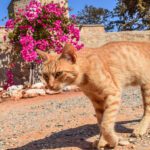 Cyprus |
|---|---|
| Body & development | |
| Adult size | Medium |
| Adult weight | 3.5–6.5 kg (7.7–14.3 lb) Cyprus cats vary with landrace background but are generally medium to moderately large; about 3.5–6.5 kg (7.7–14.3 lb) is a useful range. |
| Build & distinguishing morphology | Medium to large · long athletic · strong hindquarters Cyprus cats tend toward a medium-to-large, long athletic frame with strong hindquarters and enough bone for a robust natural-island build. |
| Maturation | 18-24 months The robust Cyprus natural type may reach most skeletal size in the first year while continuing to broaden and develop adult muscle through roughly 18–24 months. |
| Coat & appearance | |
| Coat length | Short · semi long Cypriot landrace cats occur in short and longer coat forms; exact FSC identity boundary should remain explicit. |
| Coat texture & undercoat | Short to semi long · dense seasonal undercoat Cyprus cats occur in short and semi-long coats; the natural-island type commonly develops a denser seasonal undercoat in cooler weather. |
| Colors & patterns | Broad natural palette; tabby · solid · bicolor · tortie As a natural island population, Cyprus cats occur in a broad palette including tabbies, solids, bicolours and tortoiseshell/calico combinations. |
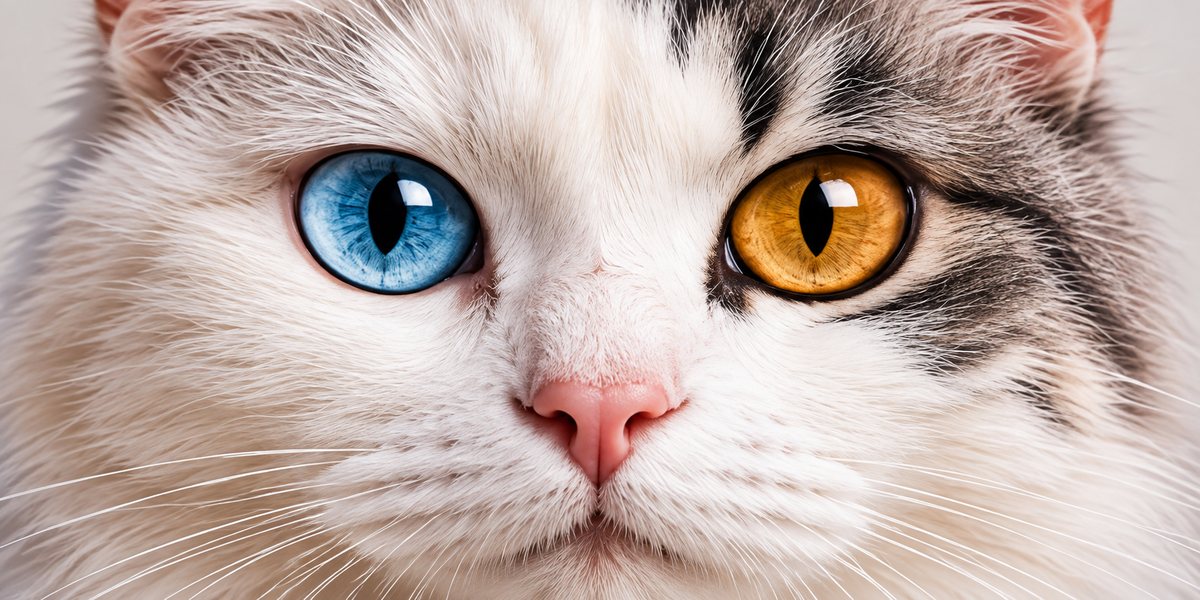
| Eye colors | Green · yellow · gold · amber Green, yellow, gold and amber are plausible and typical within this natural island population. |
| Coat & routine care | |
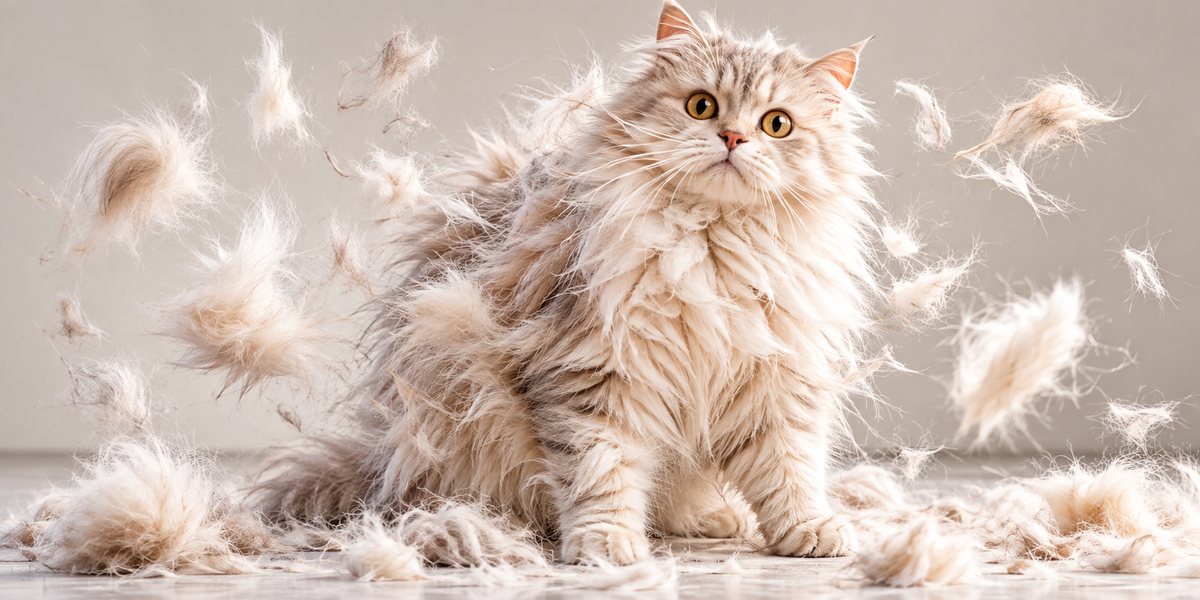
| Shedding | Moderate seasonal Moderate shedding with seasonal variation; coat length and density vary within the native population. |
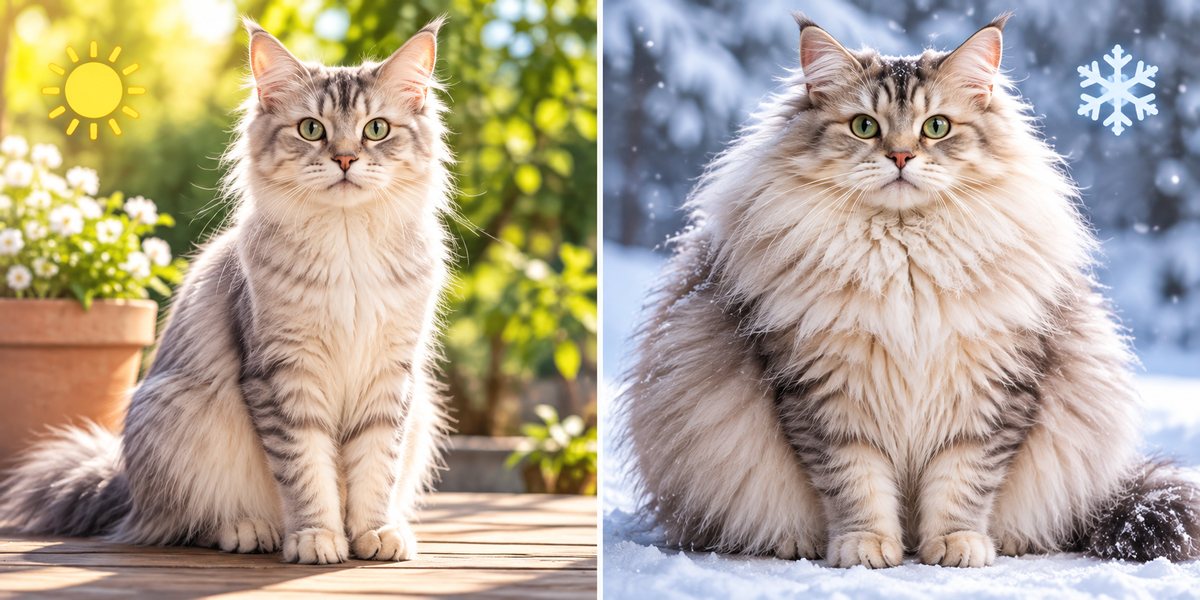
| Seasonal coat changes | Moderate seasonal undercoat change The Cyprus cat commonly carries more undercoat in cooler weather and sheds it in spring; semi-longhaired individuals show the seasonal transition most clearly. |
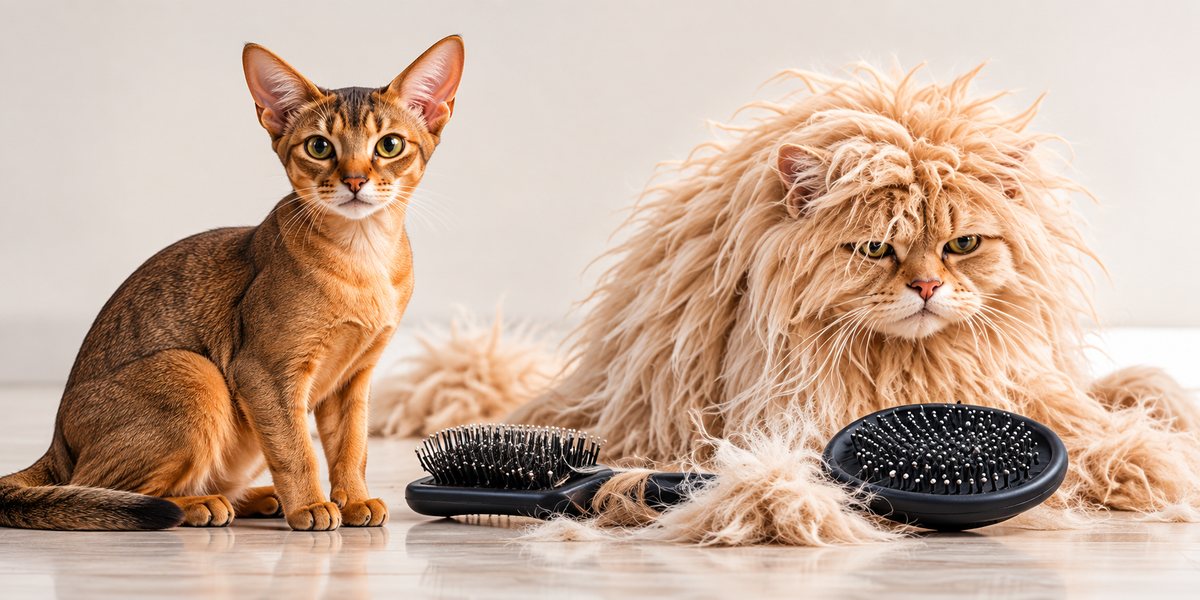
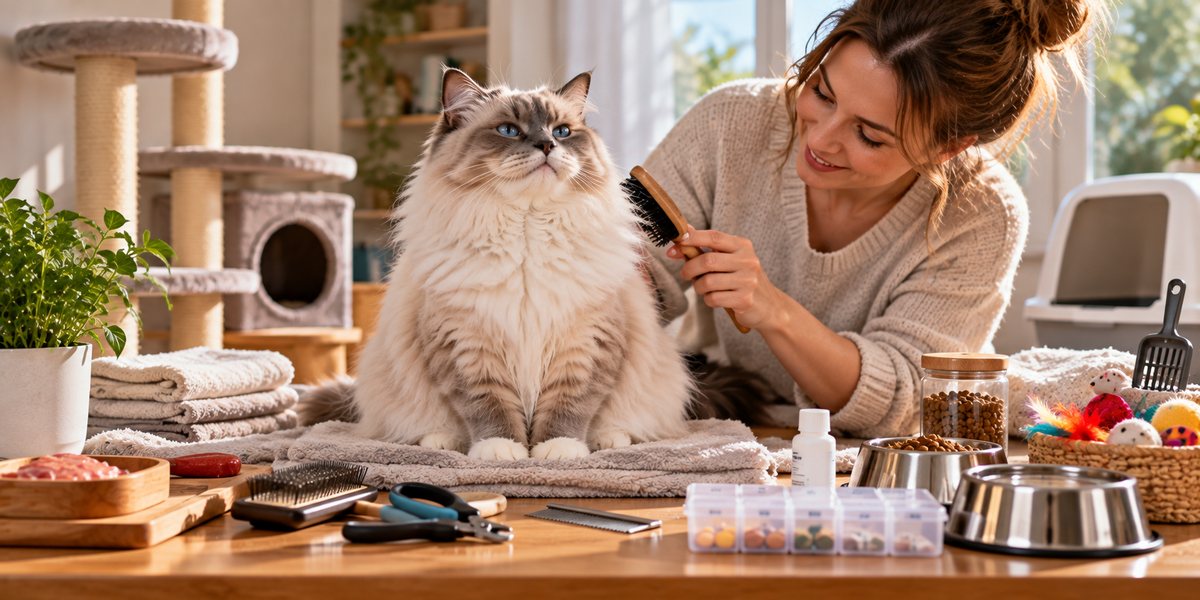
| Brushing & combing | 3x week or as needed Brush or comb once to twice weekly for shorter coats and two to three times for fuller semi-long coats, increasing during seasonal shedding. |
| Tangle & matting tendency | Low to moderate seasonal Short coats rarely tangle; semi-long Cyprus cats can develop knots as the seasonal undercoat thickens, especially in friction areas. |
| Skin & bathing care | Bathing not routinely needed Routine bathing is generally unnecessary; bathe only when the coat is genuinely soiled or for a specific veterinary or grooming reason. |
| Distinctive routine care | Seasonal coat plus activity Cyprus cats generally need ordinary brushing with more help during seasonal coat change. Their athletic lifestyle makes regular nail checks, dental care and inspection for minor injuries particularly useful. |
| Allergy & allergen evidence | No breed specific reduction established There is no known reason to regard this breed as hypoallergenic. All cats produce allergens, and coat length or shedding alone does not determine allergy risk. |
| Activity & intelligence | |
| Activity level | Moderate to high Moderate to high activity is expected from this robust island landrace, with good stamina and exploratory behavior rather than a sedentary temperament. |
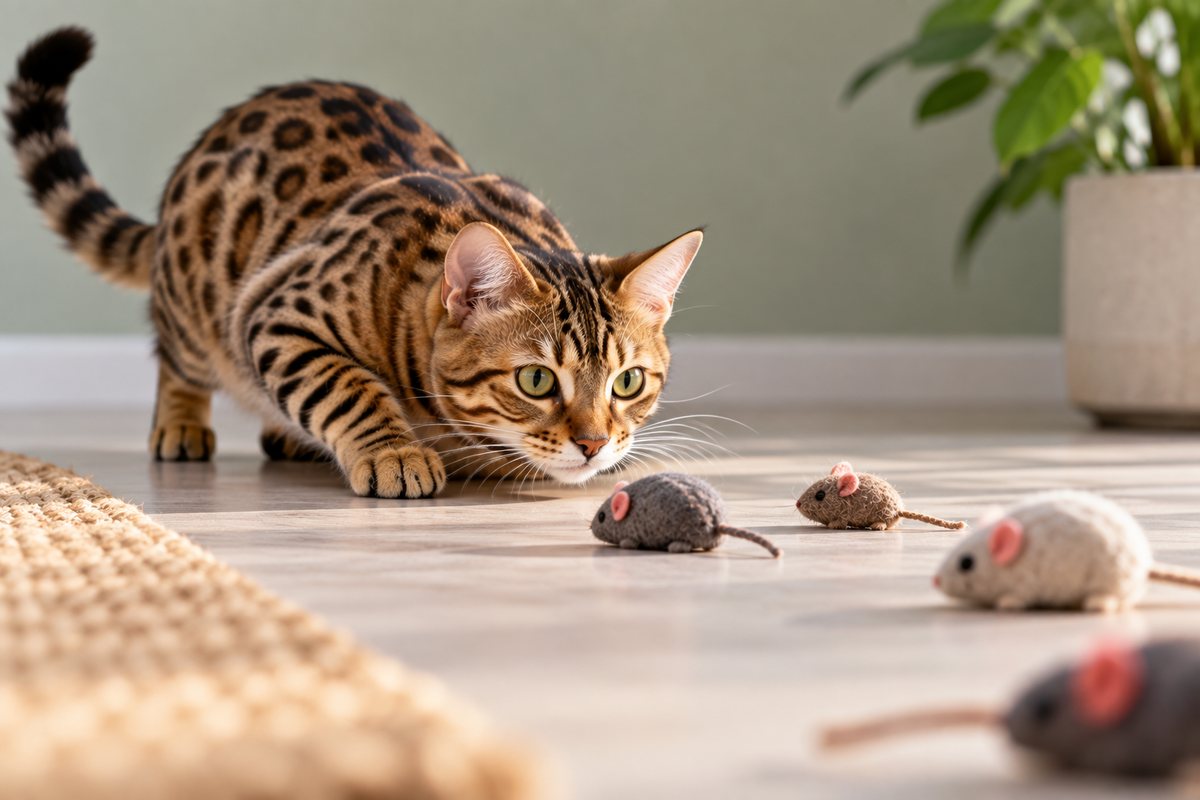
| Playfulness | Moderate to high Moderately to highly playful; the robust landrace background supports active exploration, chasing and hunting-style games. |
| Climbing & jumping | Moderate As a naturally developed Mediterranean cat, the Cyprus is physically capable and exploratory; expect normal-to-moderate climbing and use of elevated resting places. |
| Enrichment demand | Moderate Moderate-to-high enrichment demand: combine daily play with exploratory space and changing toys for this naturally active, adaptable cat. |
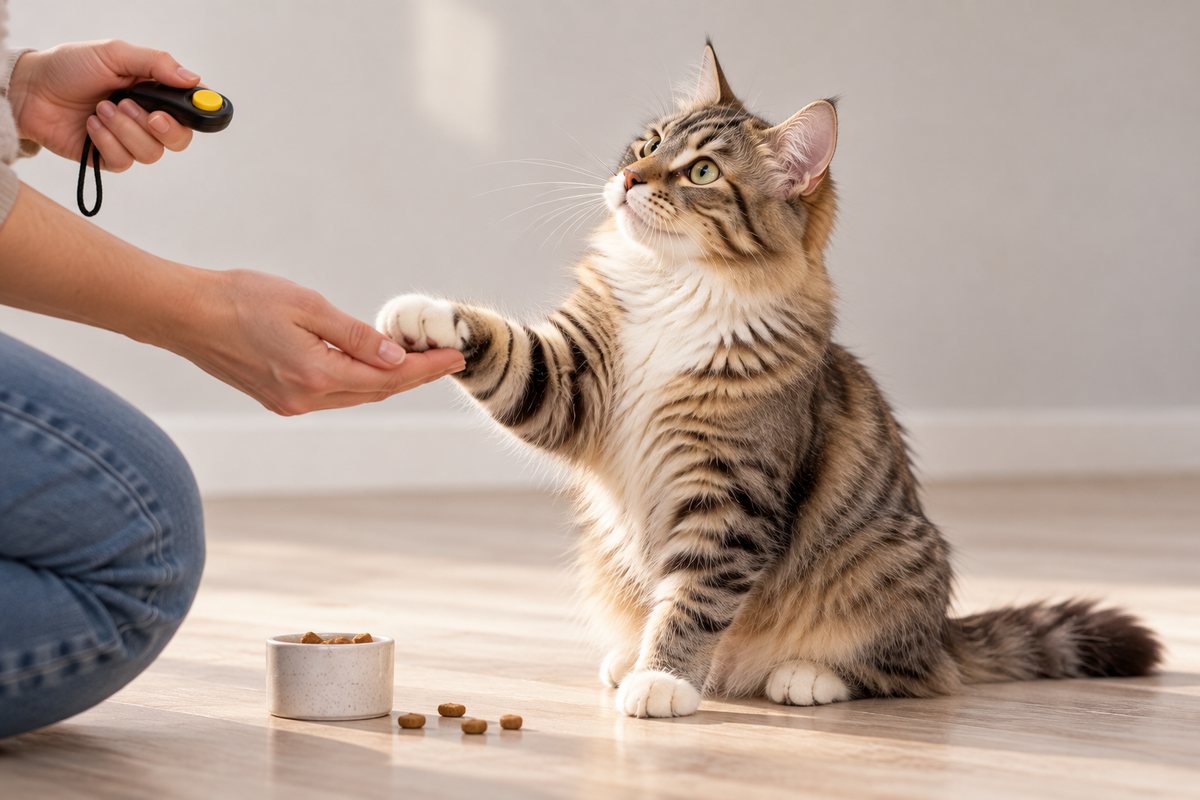
| Learning & training | Moderate Cyprus cats are active, capable generalists; a solid everyday learning ability is the best current assessment, with motivation likely varying substantially by individual. |
| Curiosity & exploration | Moderate Cyprus cats come from a naturally developed island population and are typically alert and capable; moderate-to-high environmental curiosity is a reasonable expectation, especially in active individuals. |
| Hunting & chasing tendencies | Moderate to high A moderate-to-strong hunting tendency is plausible for this old island landrace, with active individuals likely to show substantial interest in moving prey-sized targets. |
| Personality & social | |
| Sociability with familiar people | High Cyprus cats are generally sociable and affectionate with familiar people, often combining an easy household presence with an active interest in what their family is doing. |
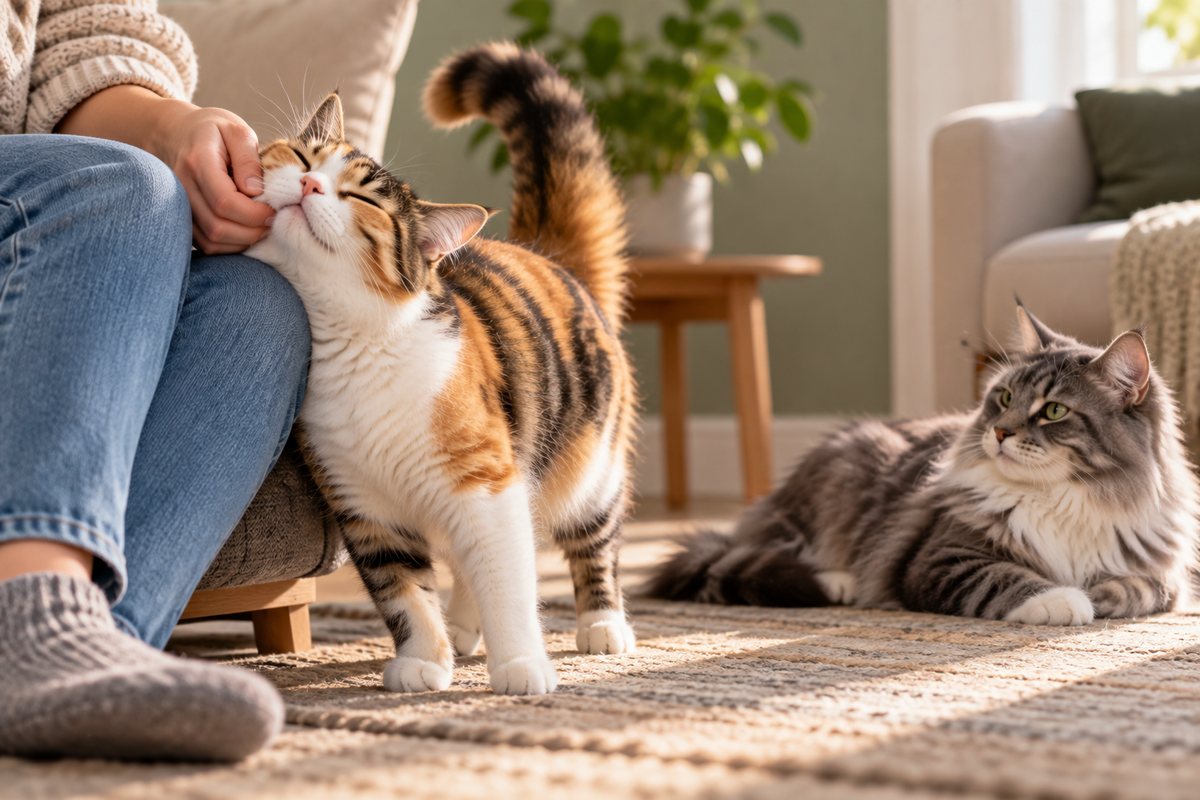
| Affection | Interactive · proximity · affectionate Cyprus cats generally express affection openly through friendly interaction, proximity and regular participation in household life. |
| Lap & cuddling preference | Moderate Cyprus cats can be affectionate household companions, but their robust landrace background supports a more flexible contact style rather than a consistently lap-seeking one. |
| Handling tolerance | Moderate A socialized Cyprus cat is usually manageable for ordinary handling, but its landrace background favors athletic independence over passive tolerance of prolonged restraint. |
| Independence & social demand | Moderate Cyprus cats are generally social and adaptable but retain the practical independence typical of a natural island population. |
| Vocalization | Low to moderate; individual conversational style varies Moderate vocality is a reasonable landrace estimate, with individuals ranging from quiet to conversational depending on socialization and household context. |
| Response to unfamiliar people | Moderate Cyprus cats are generally confident and adaptable, but their landrace background supports a balanced rather than indiscriminately outgoing response to unfamiliar people. |
| Adaptability to change | High As a robust natural population with an active, socially flexible profile, the Cyprus cat generally adapts well when given secure territory, exploration time, and a stable feeding routine. |
| Noise & busy-environment sensitivity | Low to moderate As a robust landrace-type cat, the Cyprus is generally adaptable and alert rather than unusually noise-sensitive, assuming good early socialization. |
| Defensive & conflict behaviour | Low The Cyprus cat is a robust landrace type with social adaptability and substantial independence. It should not be considered aggression-prone, though territorial or resource-related defensiveness may be more evident than in highly selected placid breeds. |
| Household & environment | |
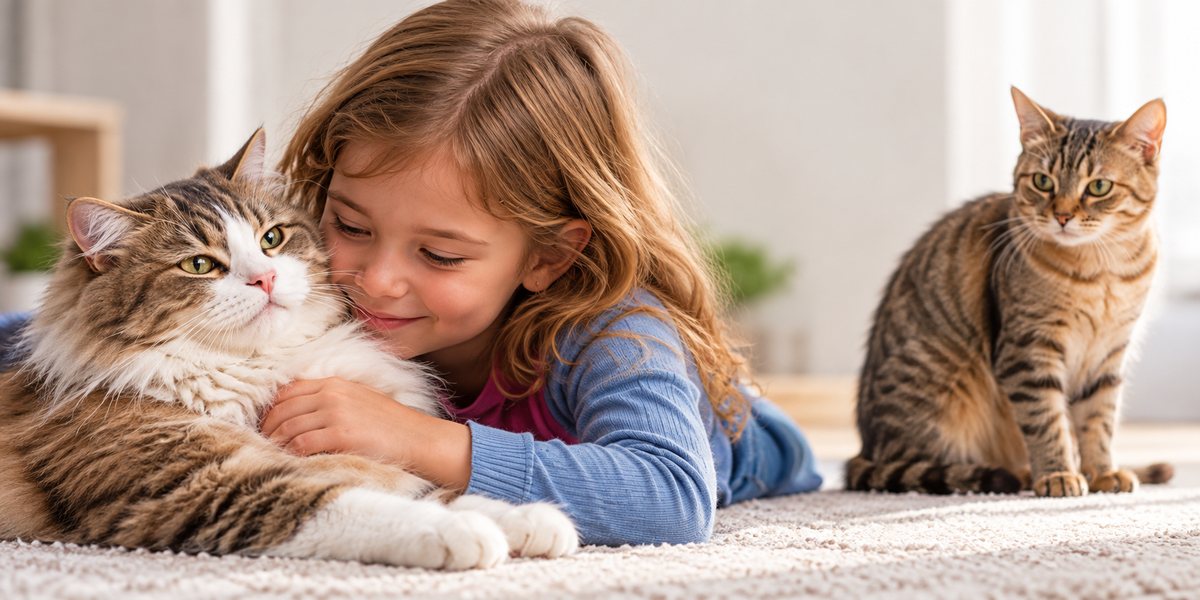
| Living with children | Good Cyprus cats are generally athletic, social natural-type cats and can fit active households well. Respectful children who offer play rather than restraint are likely to be a good match, while the cat should retain easy access to quiet retreats. |
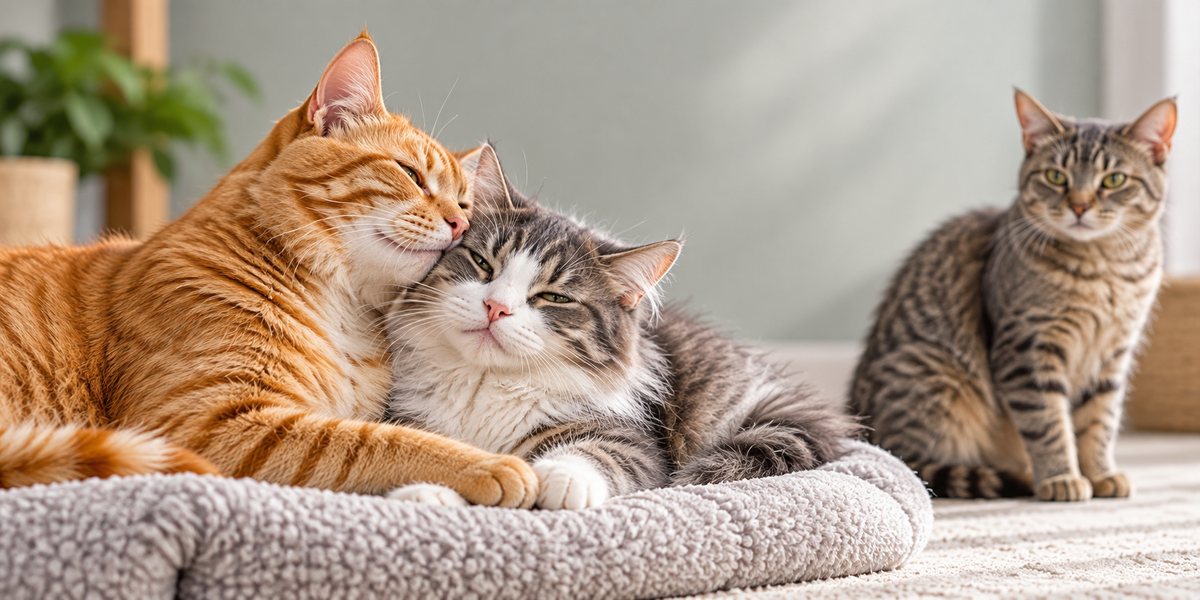
| Living with other cats | Favorable tendency Cyprus cats developed in a free-ranging island population where tolerance of other cats is useful, and they are generally social and adaptable in domestic homes. A compatible feline housemate is usually a good prospect, with ordinary gradual introductions and separate resources. |
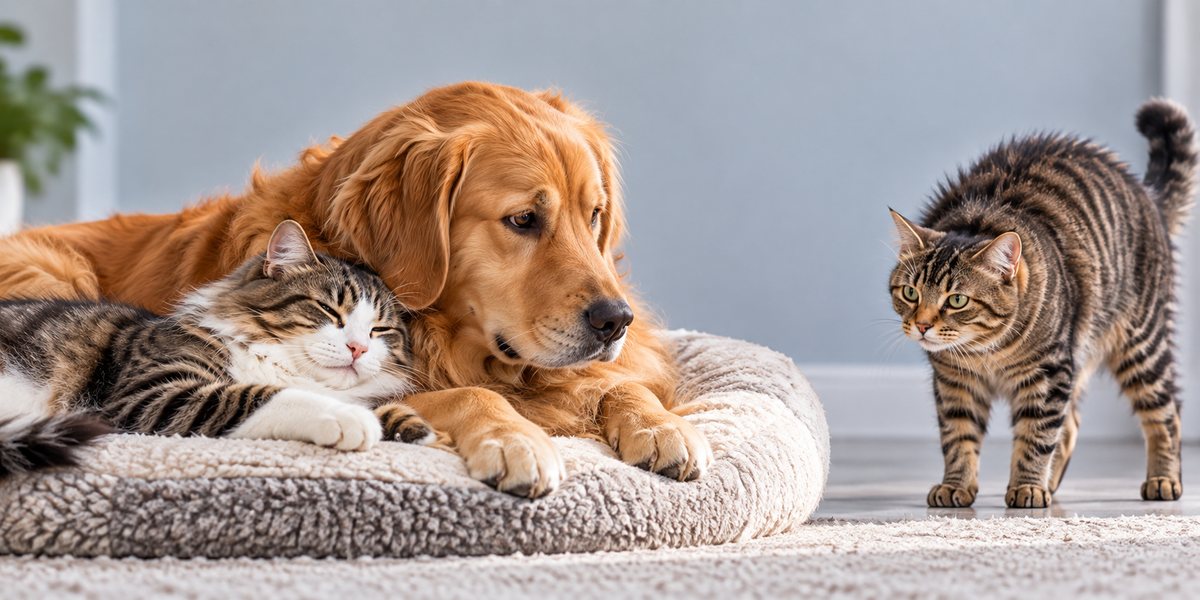
| Living with dogs | Good Cyprus cats are generally athletic and socially capable natural-type cats. Their confidence can support dog companionship, especially with a calm dog introduced gradually and with vertical routes available whenever the cat wants distance. |
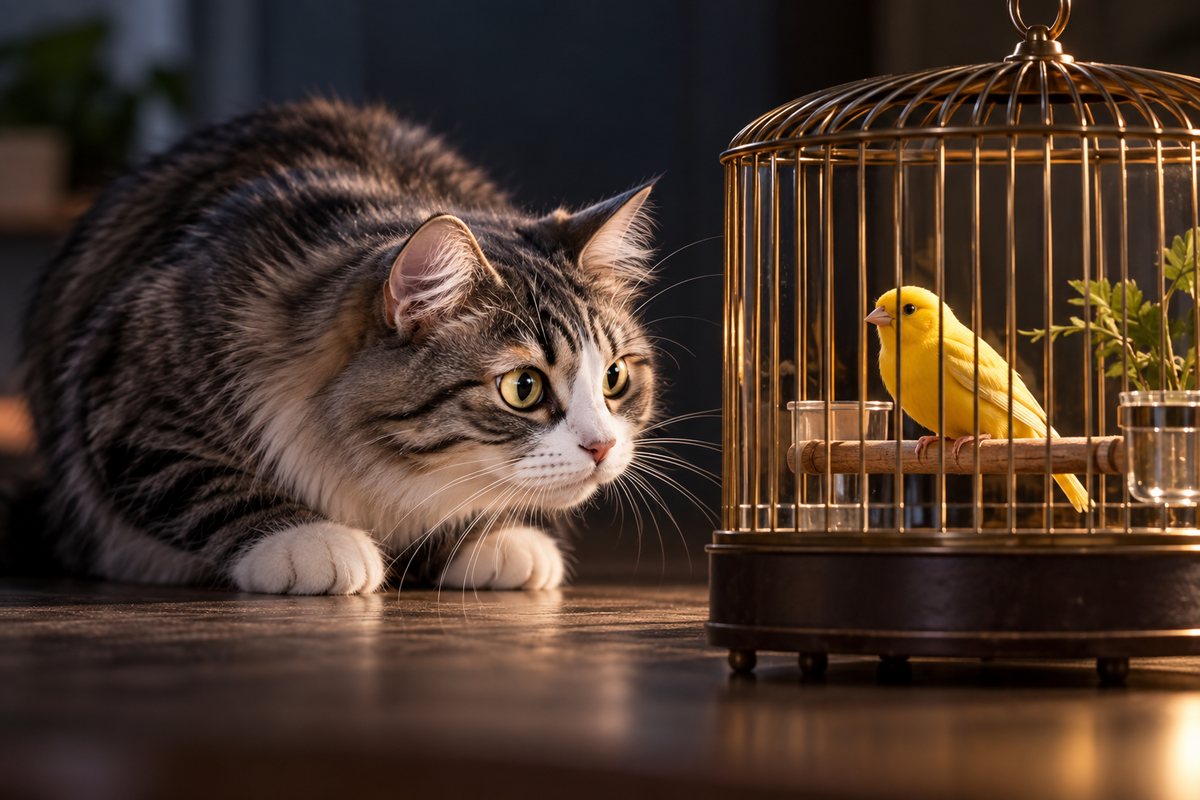
| Living around small pets | Additional caution Cyprus cats come from an athletic island population with a long natural-cat history. Hunting ability and environmental alertness make extra caution appropriate around small animals; secure physical separation is safer than testing individual restraint. |
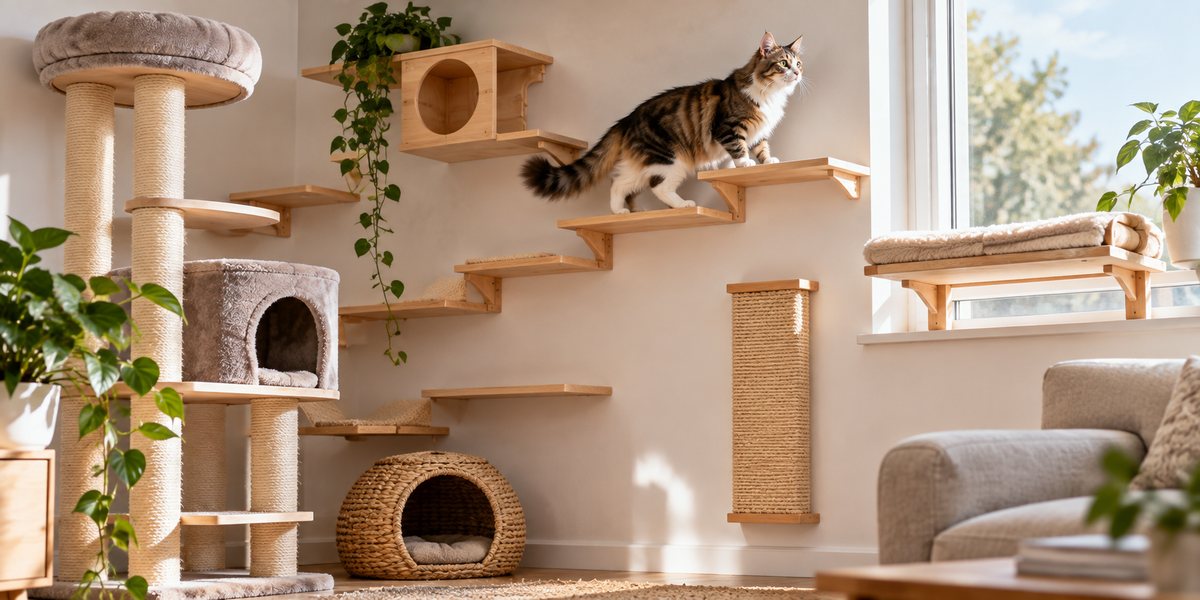
| Indoor & home environment needs | Active indoor enrichment Cyprus cats are athletic island cats that benefit from substantial indoor complexity. Sturdy climbing routes, observation points, scratching areas and frequent hunting-style play help provide the movement and exploration an indoor individual needs. |
| Outdoor access considerations | Secure outdoor enrichment Cyprus cats are athletic natural-type cats likely to value climbing, observation and environmental variety. Controlled outdoor access can be excellent enrichment, while secure boundaries reduce hunting, road and territorial-conflict risks. |
| Heat, cold & sun considerations | Mediterranean adaptable Cyprus cats come from a warm Mediterranean environment and are generally well suited to heat when they have water and shade. Seasonal coat changes still provide cooler-weather protection, but extreme sun and heat should never be treated as risk-free. |
| Caregiver time & experience | Moderate Cyprus cats are athletic natural-type cats that benefit from active play and environmental variety. Their physical and mental engagement needs make consistent daily attention important, though routine coat care is generally straightforward. |
| Health & welfare | |
| Documented health predispositions | Limited specific risk Cyprus cats are a natural island population without a firmly established signature inherited disorder. Health management should emphasize broad genetic diversity, parasite and infectious-disease prevention where outdoor exposure occurs, and ordinary feline screening. |
| Screening & breeder questions | Ask what health problems are tracked in the lines and request actual test results Ask what heart, kidney, orthopedic and infectious diseases have occurred in the family, what veterinary screening breeding cats receive, and how genetic diversity is preserved when selecting from the island-derived population. |
| Conformation-related welfare | Low conformation concern Cyprus cats retain a robust natural-cat conformation with no defining structural extreme. Preserving athletic movement, balanced proportions and genetic diversity should take precedence over creating a more exaggerated show type. |
| Nutrition & weight management | Active large frame Cyprus cats are athletic and can be relatively large. Feed to maintain strong muscle and a lean waist, using frame-aware body-condition assessment rather than a generic scale target; indoor cats may need less energy than their active type suggests. |
| Longevity | 13–17 years Cyprus cats are naturally developed, generally moderate cats; about 13–17 years is a reasonable practical range for well-cared-for individuals. |
| Cost & availability | |
| Purchase cost | Moderate: $400–$1,200 Cyprus: a practical breeder-market estimate is $400–$1,200. This reflects that it is an natural island population; formal pedigree breeding remains relatively limited. |
| Adoption & rehoming cost | Very rare in rescue: $100–$600 when genuinely available Cyprus: $100–$600 when genuinely available. The breed is scarce enough that a verified purebred rescue placement is unusual; transport may exceed the adoption fee. |
| Recurring ownership costs | Coat maintenance Recurring costs are generally moderate, with ordinary food, litter, veterinary care and seasonal brushing. Athletic cats using secure outdoor space may add enclosure and parasite-prevention costs depending on local risk. |
| Availability, waits & import | Very rare as pedigree Cyprus cats are common as a natural island population but scarce as formally bred pedigree cats. Someone seeking a recognized breeding-line Cyprus cat rather than an island domestic cat may find very few programs outside Cyprus. |
| Identity & real-world context | |
| Ownership & import restrictions | No known breed specific restrictions There are no known breed-specific ownership restrictions. Ordinary animal-welfare, identification, vaccination and cross-border import rules still apply where relevant. |
| Registry recognition | No separate current CFA/TICA/FIFe recognition Cyprus is not a separately recognized current breed identity in CFA, TICA or FIFe within the FSC core registry matrix; recognition by smaller, national or experimental registries can differ. |
| Similar breeds & identity distinctions | Aphrodite Giant Cyprus cats and Aphrodite Giants overlap in island origin and some breeding histories. A Cyprus label may encompass a broader natural population, while Aphrodite Giant programs emphasize large size and a particular standardized type; documented ancestry and registry definition matter more than appearance alone. |
| Reported characteristic quirks | Individual quirks often center on play and exploration Cyprus cats often show strong climbing and observation habits, using shelves, trees or high furniture readily. Individuals with outdoor backgrounds may remain particularly attentive to birds, insects and window movement. |
Browse all 53 breed characteristics
Open any characteristic to compare all breeds on that dimension.





 English