
Compare Cat Breeds
Compare up to three breeds across all 53 characteristics. Values are shown directly so the differences are easier to scan.
| Characteristic |  Cymric |
|---|---|
| Body & development | |
| Adult size | Medium to large |
| Adult weight | 3.6–5.9 kg (7.9–13.0 lb) Cymrics are compact, dense and rounded; about 3.6–5.9 kg (7.9–13.0 lb) is a practical adult range. |
| Build & distinguishing morphology | Compact · heavy boned · rounded · tailless to tailed variation · strong hindquarters Build: compact; heavy boned; rounded; tailless to tailed variation; strong hindquarters. |
| Maturation | 3-5 years The Cymric shares the Manx breed’s unusually slow physical maturation; its rounded, substantial adult body may continue developing for several years, with full maturity often around 3–5 years. |
| Coat & appearance | |
| Coat length | Long Longhaired member of the Manx breed group. |
| Coat texture & undercoat | Medium long · silky plush · double coat Coat: medium long; silky plush; double coat. |
| Colors & patterns | Broad manx palette; solid · tabby · tortie · bicolor · calico · smoke · silver The Cymric shares the Manx colour range, including solids, tabbies, torties/calicos, bicolours, smokes and silvers; coat length and tail type matter more to identity than colour. |
| Eye colors | Gold · copper · green · hazel · blue; coat-dependent A broad coat-dependent range occurs, as in the Manx: gold/copper, green or hazel, with blue possible in appropriate white coats. |
| Coat & routine care | |
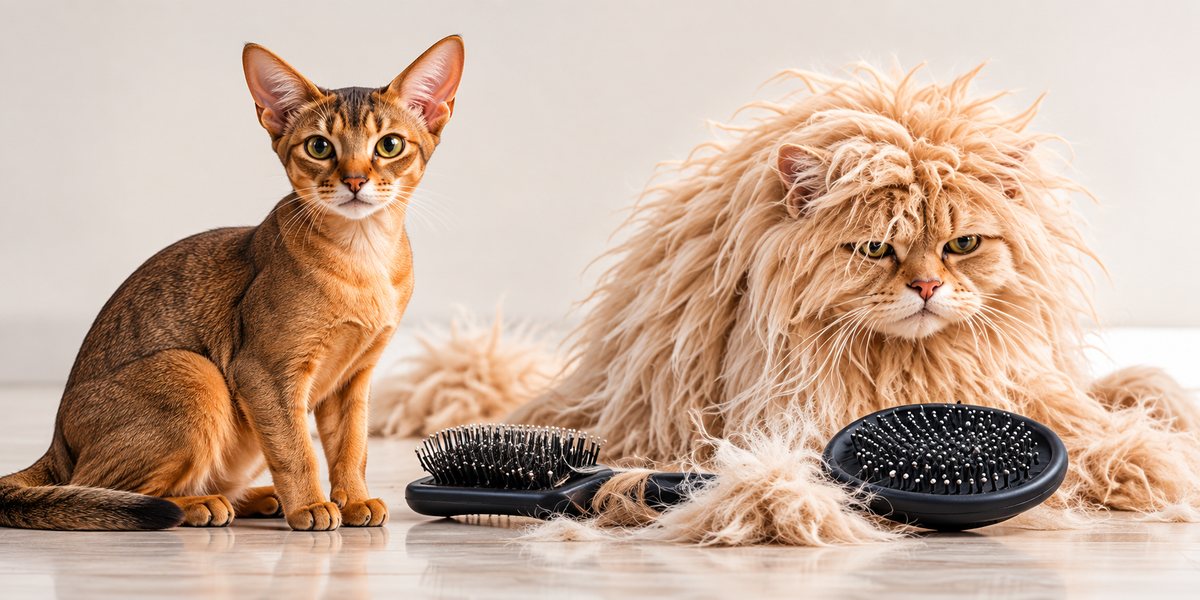
| Shedding | Moderate to high seasonal Moderate to high shedding from the dense double coat, with a stronger seasonal shed in longhaired Cymrics. |
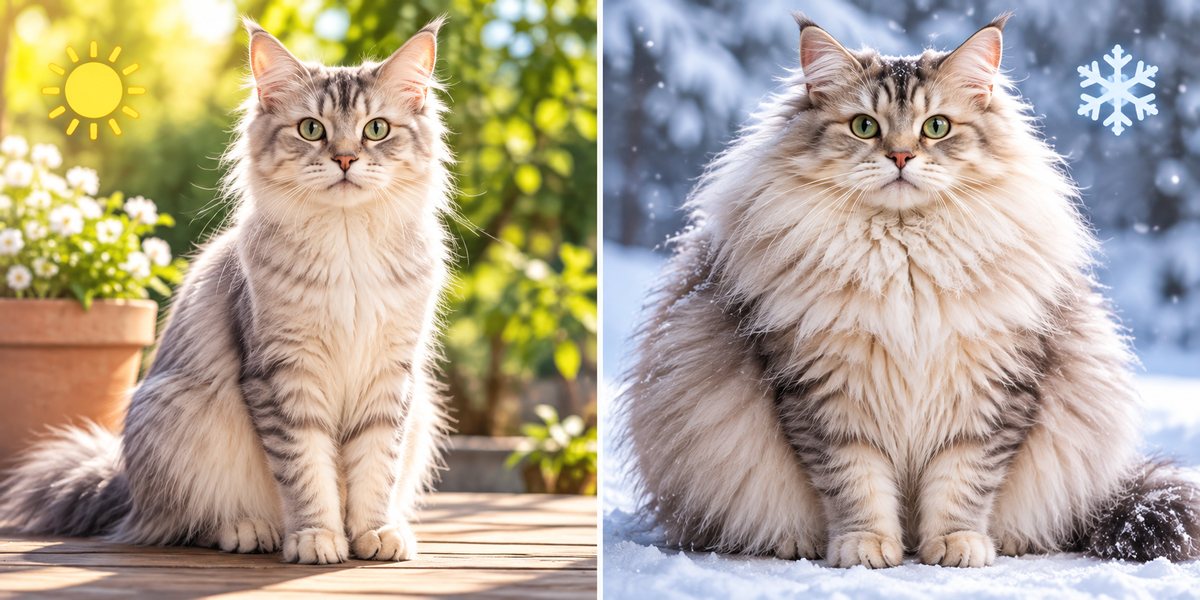
| Seasonal coat changes | Pronounced spring fall shed The Cymric double coat changes distinctly with the seasons, with heavier spring shedding and a second autumn turnover as the plush undercoat renews. |
| Brushing & combing | Weekly · more shed season Brushing/combing: weekly; more shed season. |
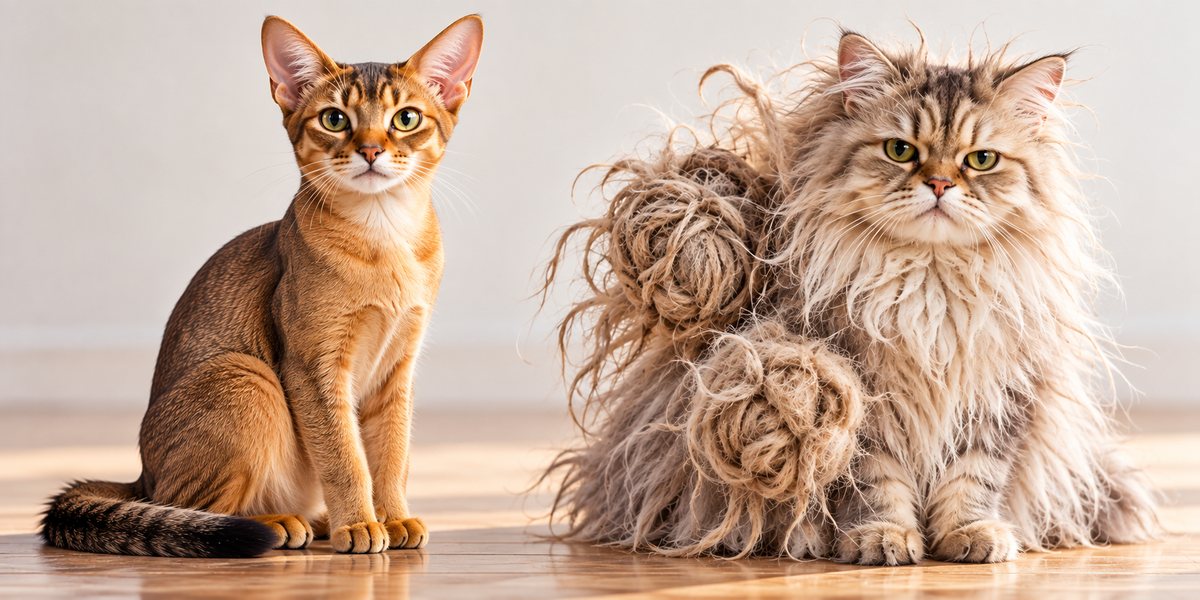
| Tangle & matting tendency | Moderate The medium-long double coat can tangle through the belly, britches and ruff, with risk rising during seasonal shedding. |
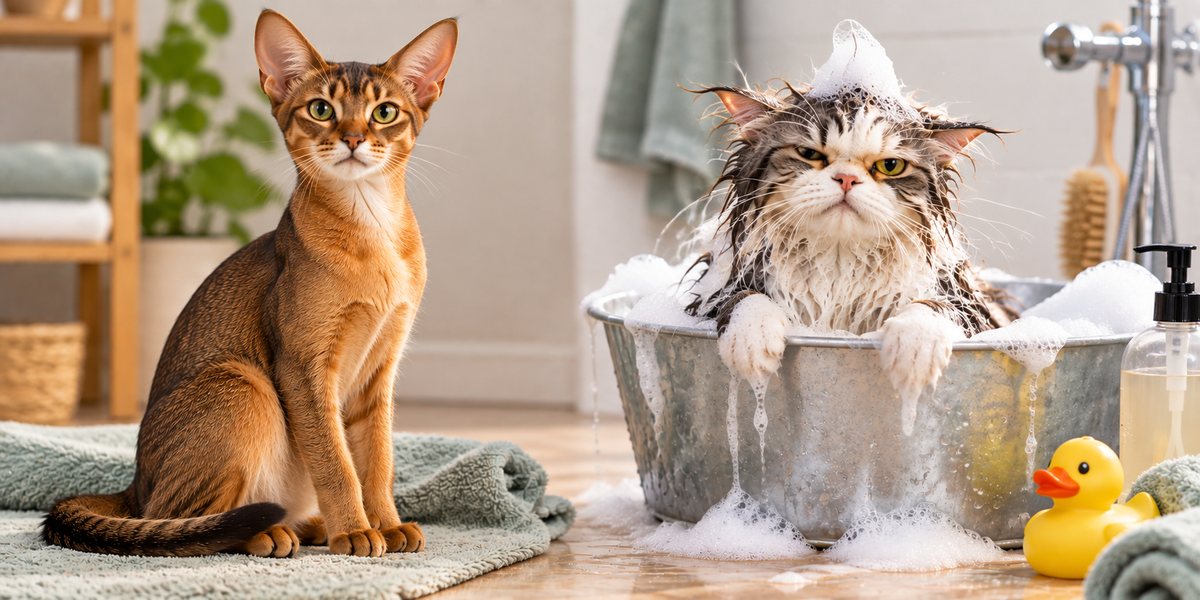
| Skin & bathing care | Bathing not routinely needed Routine bathing is generally unnecessary; bathe only when the coat is genuinely soiled or for a specific veterinary or grooming reason. |
| Distinctive routine care | Gentle handling of tail end area due to unprotected nerve endings Distinctive care: gentle handling of tail end area due to unprotected nerve endings. |
| Allergy & allergen evidence | No breed specific reduction established There is no known reason to regard this breed as hypoallergenic. All cats produce allergens, and coat length or shedding alone does not determine allergy risk. |
| Activity & intelligence | |
| Activity level | Low |
| Playfulness | Moderate |
| Climbing & jumping | Moderate Despite its rounded, tailless Manx-type build, the Cymric has strong hindquarters and can jump well; secure accessible vertical territory is worthwhile. |
| Enrichment demand | Moderate Moderate enrichment demand: daily play, modest climbing opportunities and simple puzzles generally suit its balanced activity and curiosity. |
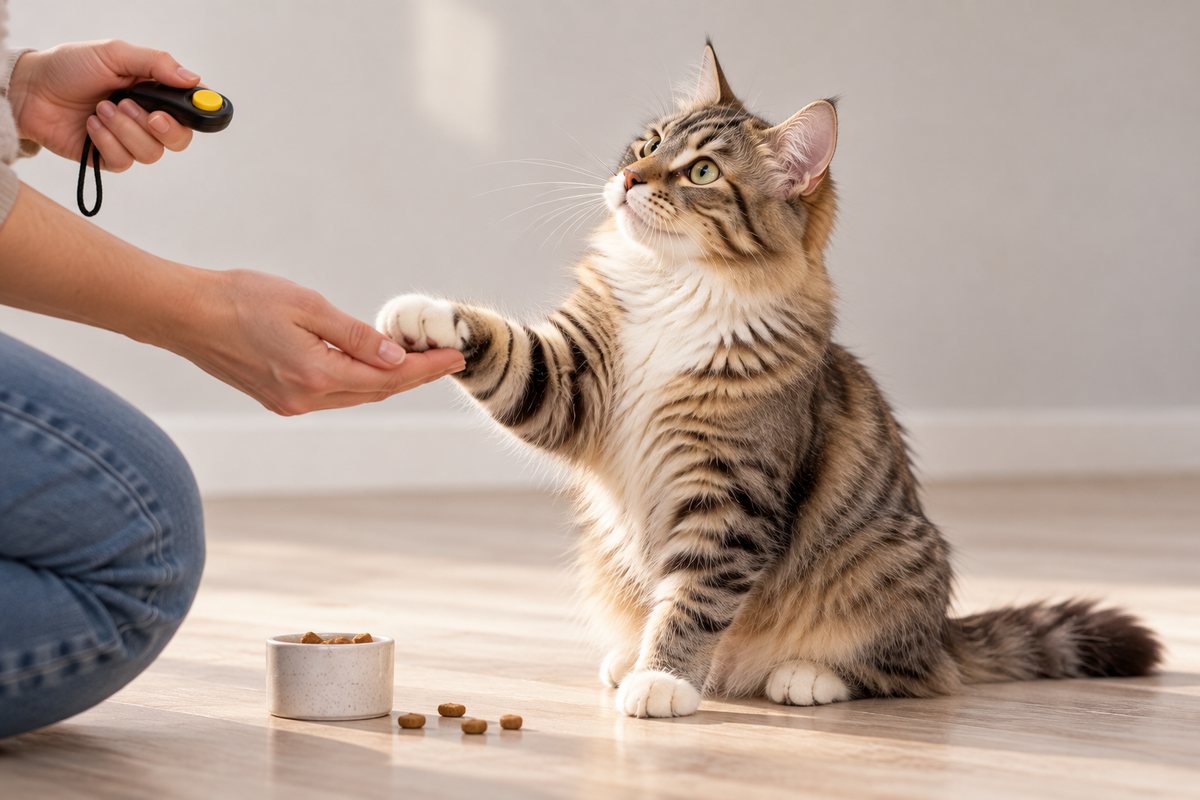
| Learning & training | High Cymrics share the Manx group’s alert, playful problem-solving style and should learn household routines, retrieval-style games and simple cues readily. |
| Curiosity & exploration | Low to moderate Cymrics are intelligent and playful despite a generally settled demeanor; curiosity is moderate to high and often appears as watchful investigation, puzzle-solving and interest in moving objects. |
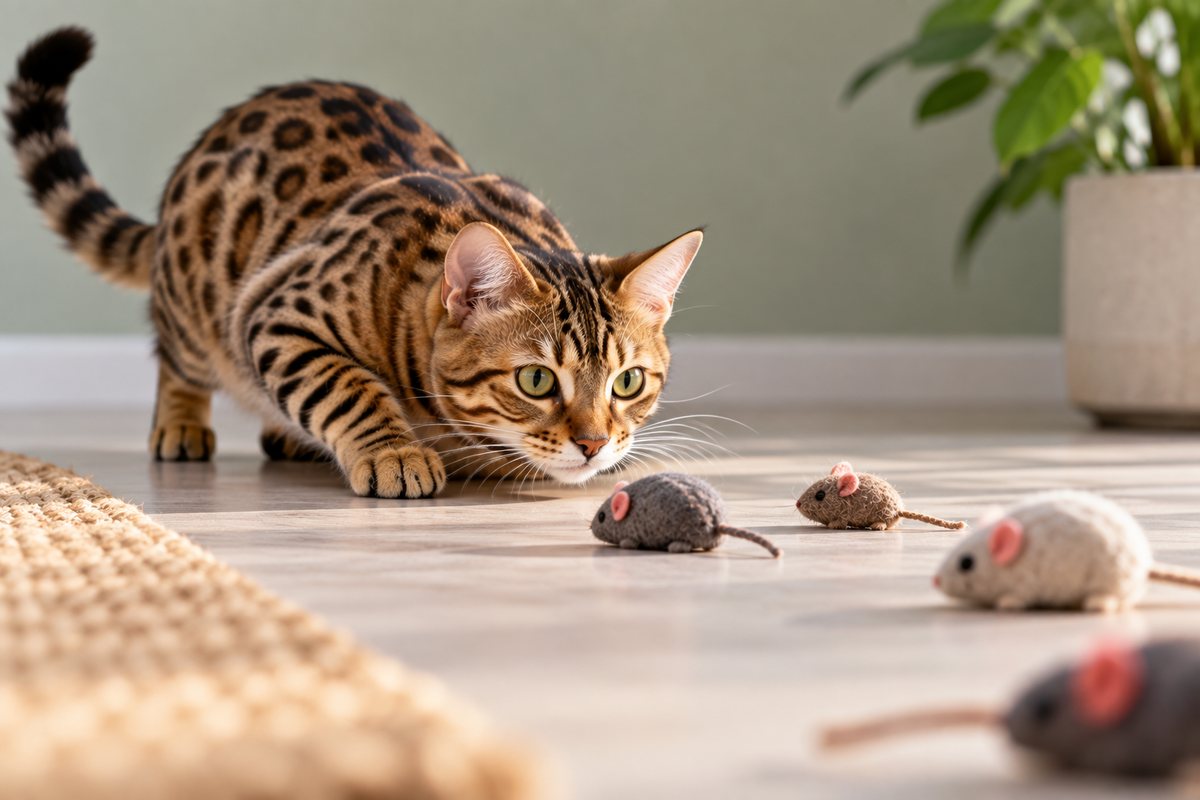
| Hunting & chasing tendencies | Moderate Expect moderate chase-and-pounce behavior; the Manx-family working-cat background supports hunting ability, while the heavier build can make pursuit less frenetic than in oriental types. |
| Personality & social | |
| Sociability with familiar people | High Cymrics tend to be affectionate, loyal family cats that enjoy staying near familiar people while retaining enough independence not to demand constant contact. |
| Affection | Proximity · loyal · gentle Cymrics tend to show affection through loyal proximity and gentle contact, often staying near favored family members without demanding constant attention. |
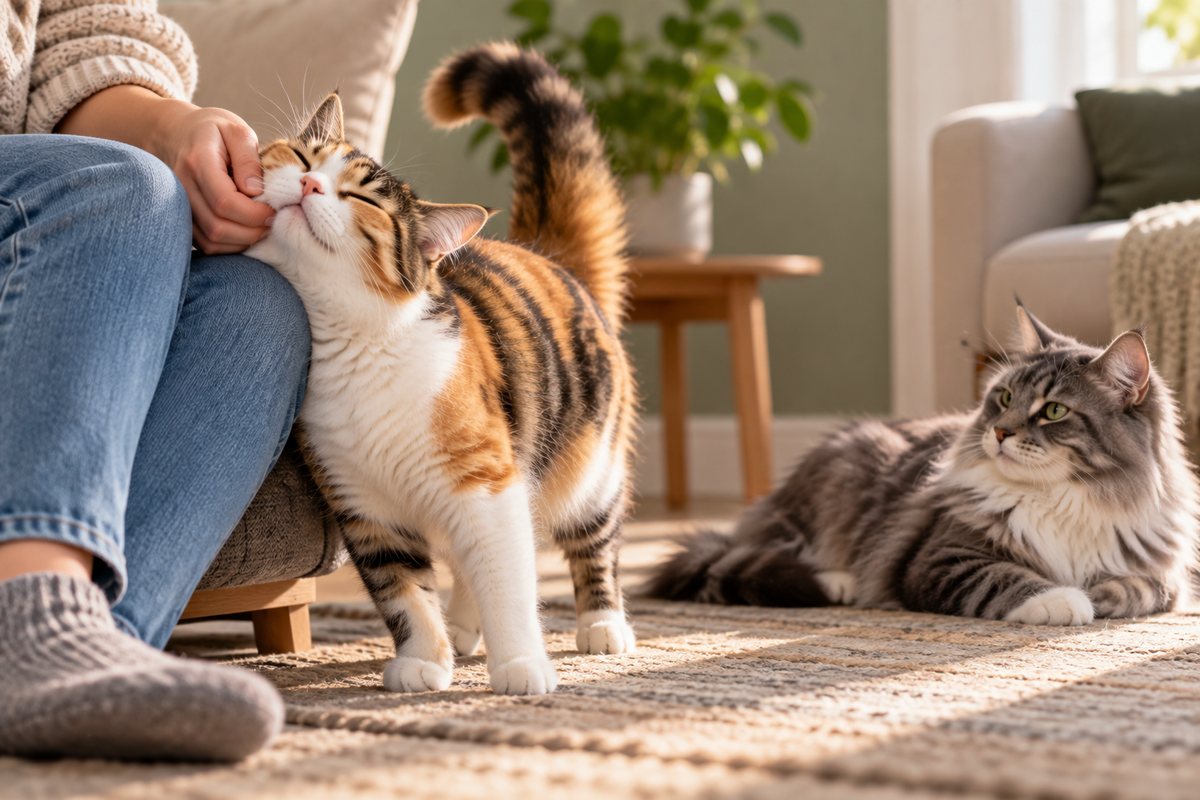
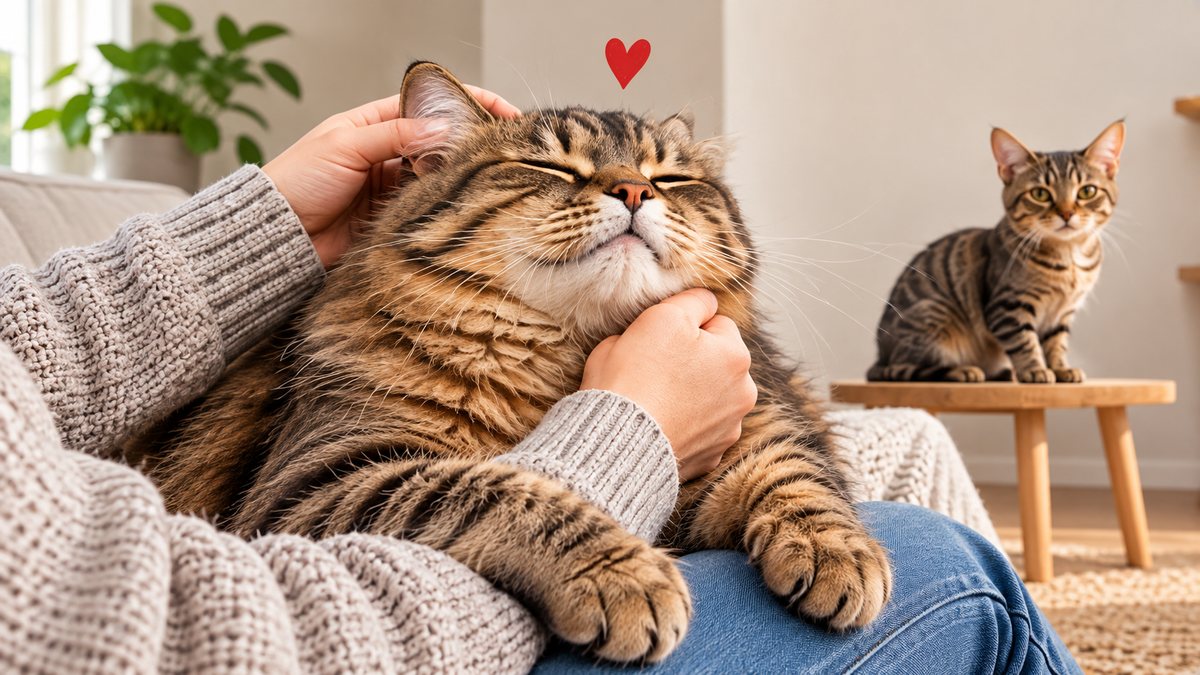
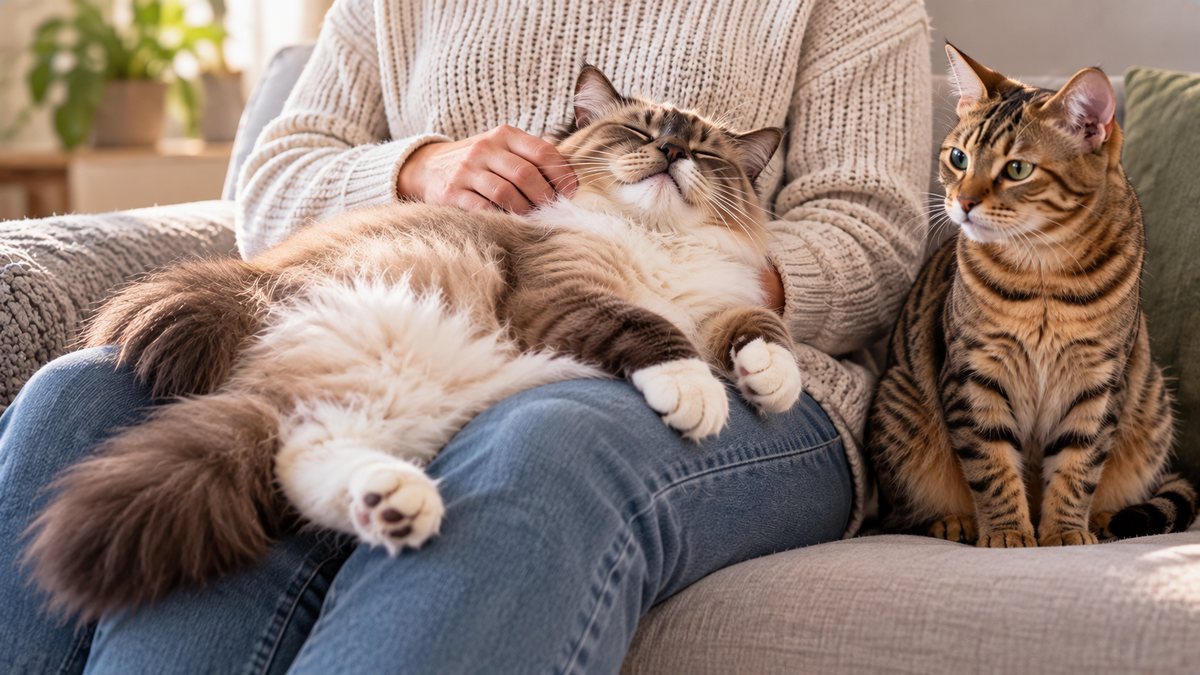
| Lap & cuddling preference | Moderate to high Cymrics are devoted family cats that often enjoy close physical contact, with lap sitting common but balanced by play, observation and following their people. |
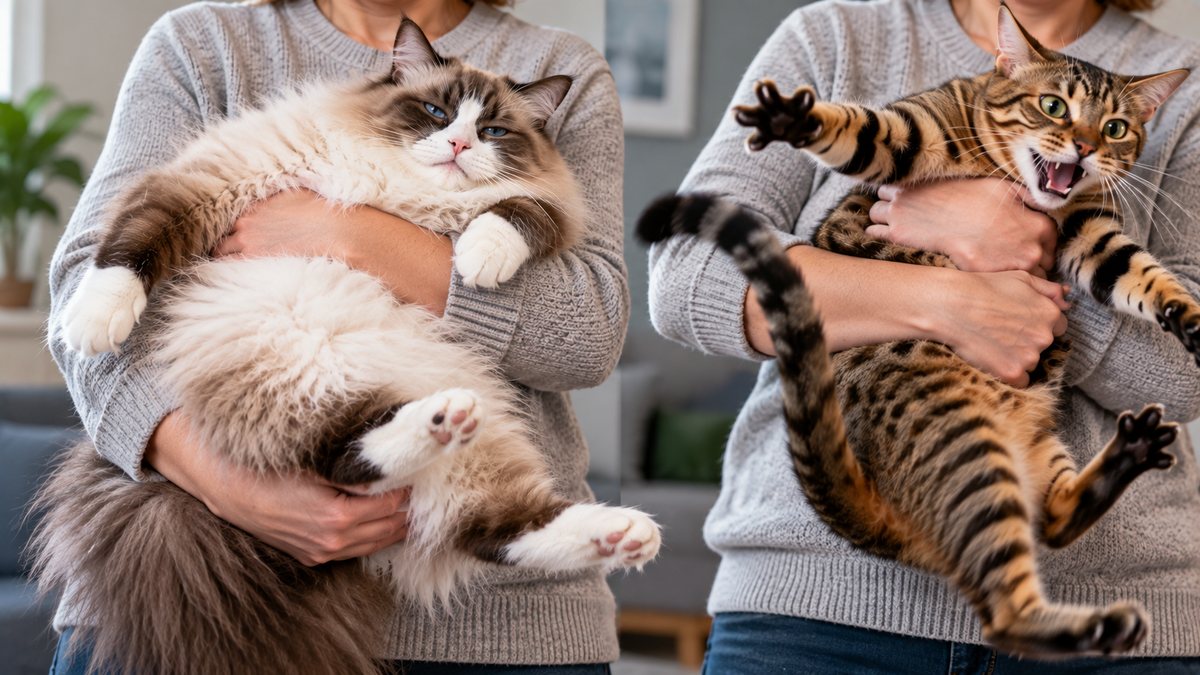
| Handling tolerance | Moderate Usually affectionate and steady enough for routine handling, but the compact hindquarters and spinal/tail anatomy warrant careful support and no pulling or manipulation of the tail area. |
| Independence & social demand | Moderate to high social demand Cymrics tend to form strong family attachments and appreciate regular company, while usually retaining more independence than Oriental-type companion breeds. |
| Vocalization | Moderate Generally relatively quiet in volume but can be conversational and frequently uses a distinctive trill. |
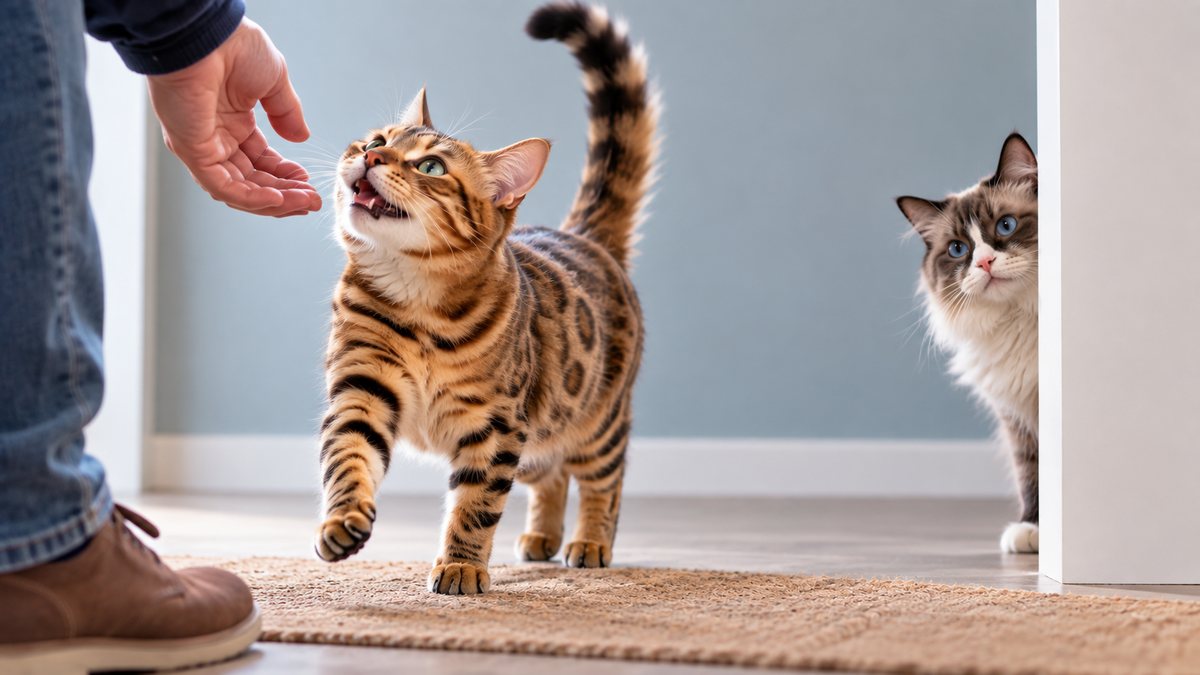
| Response to unfamiliar people | Moderate Cymrics are affectionate and loyal but can be discerning with unfamiliar people; many observe first and become sociable once reassured. |
| Adaptability to change | Moderate to high A steady, affectionate temperament generally supports good adaptation, though many Cymrics appreciate predictable introductions and time to map a new environment before fully relaxing. |
| Noise & busy-environment sensitivity | Moderate Cymrics are generally steady and affectionate, but their comparatively calm household style means normal activity is easier than sustained noise or unpredictable chaos. |
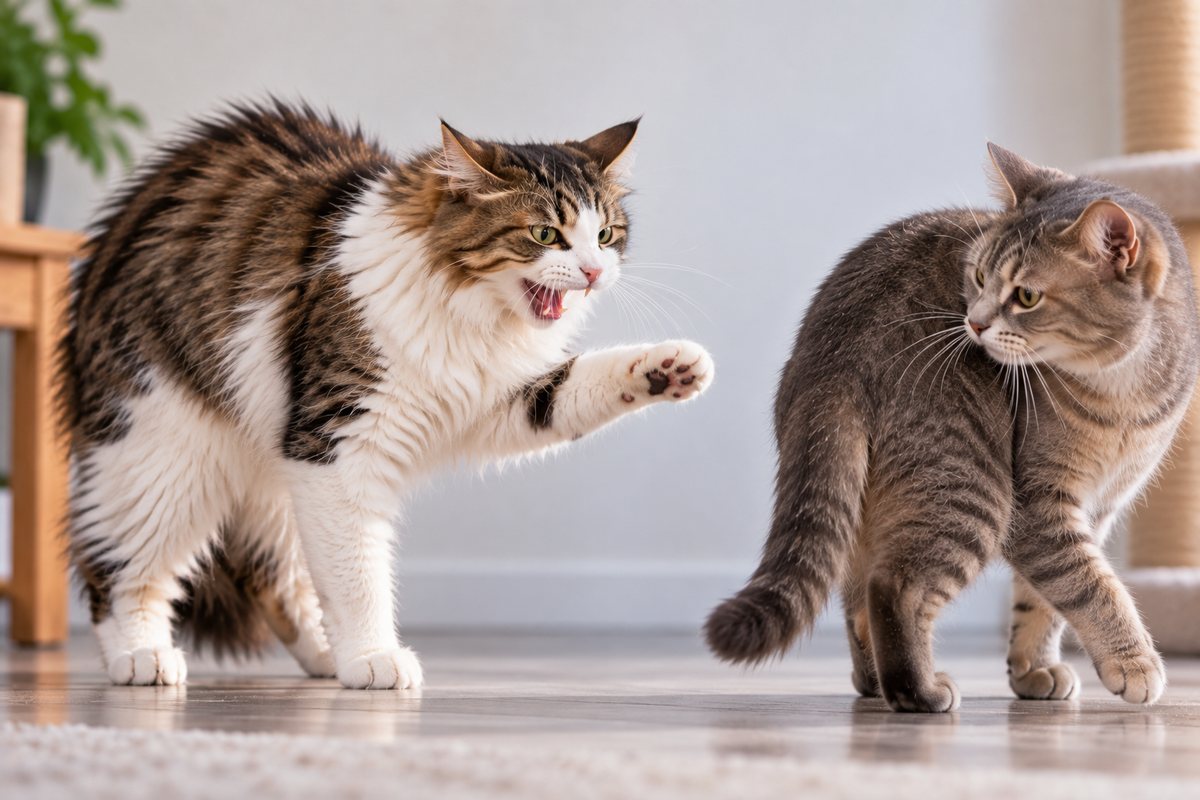
| Defensive & conflict behaviour | Low Cymrics are generally affectionate and steady, but can be confident hunters with firm boundaries. Conflict tendency is still low overall; pain associated with spinal or hindquarter problems can markedly lower tolerance in affected individuals. |
| Household & environment | |
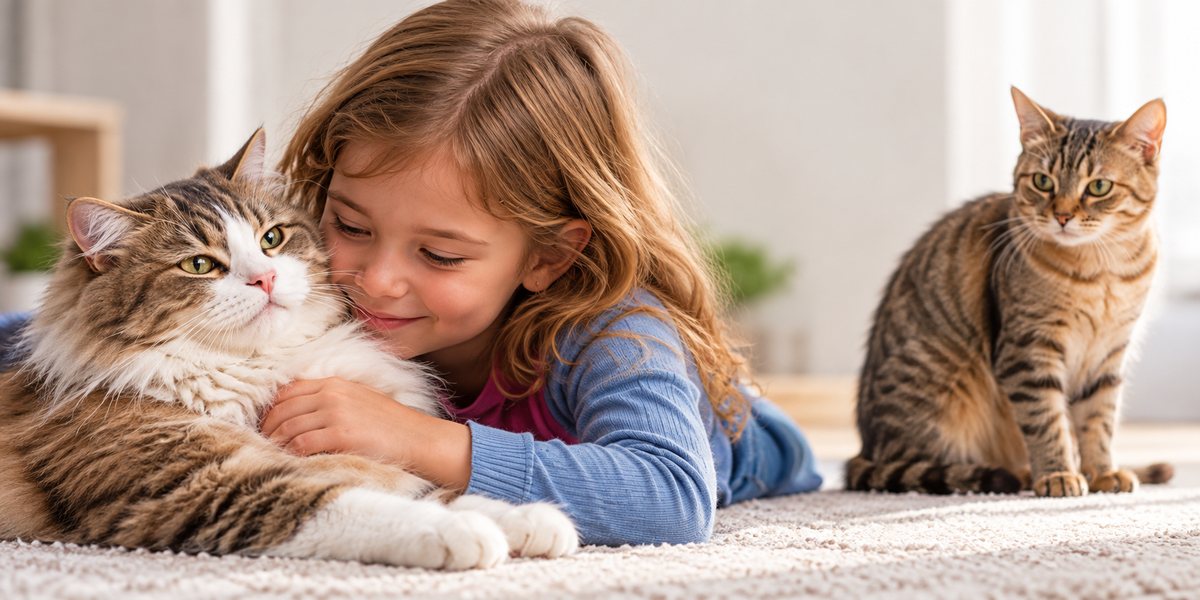
| Living with children | Potentially suitable with respectful children Compatibility depends more on the individual cat and the child’s handling than on a strong breed-specific tendency. |
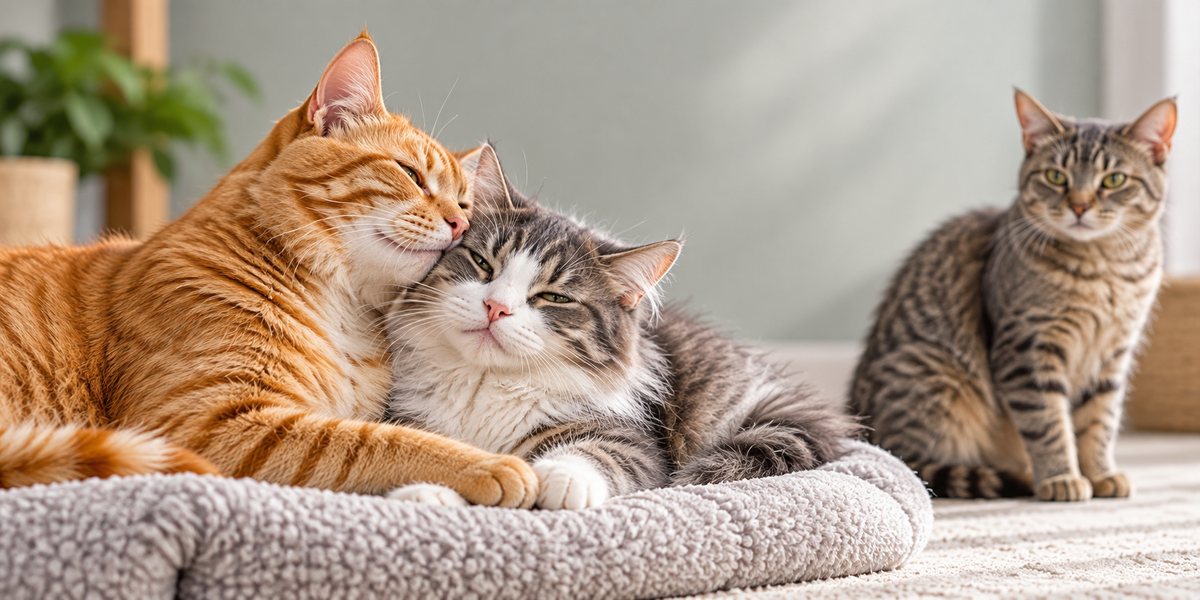
| Living with other cats | Favorable tendency Cymrics are generally affectionate, playful and adaptable, giving them favorable prospects with compatible cats. Their sturdy play style is best paired with a confident companion rather than a very timid one. |
| Living with dogs | Moderate Cymrics can be affectionate, playful household cats and often adapt to a respectful dog. Because taillessness can accompany spinal or mobility problems, they should not be expected to tolerate rough canine play or repeated chasing. |
| Living around small pets | Normal predatory caution Cymrics can be playful and capable hunters, although mobility varies in tailless cats with spinal involvement. Neither a calm temperament nor reduced mobility guarantees small-pet safety, so birds and rodents should remain securely separated. |
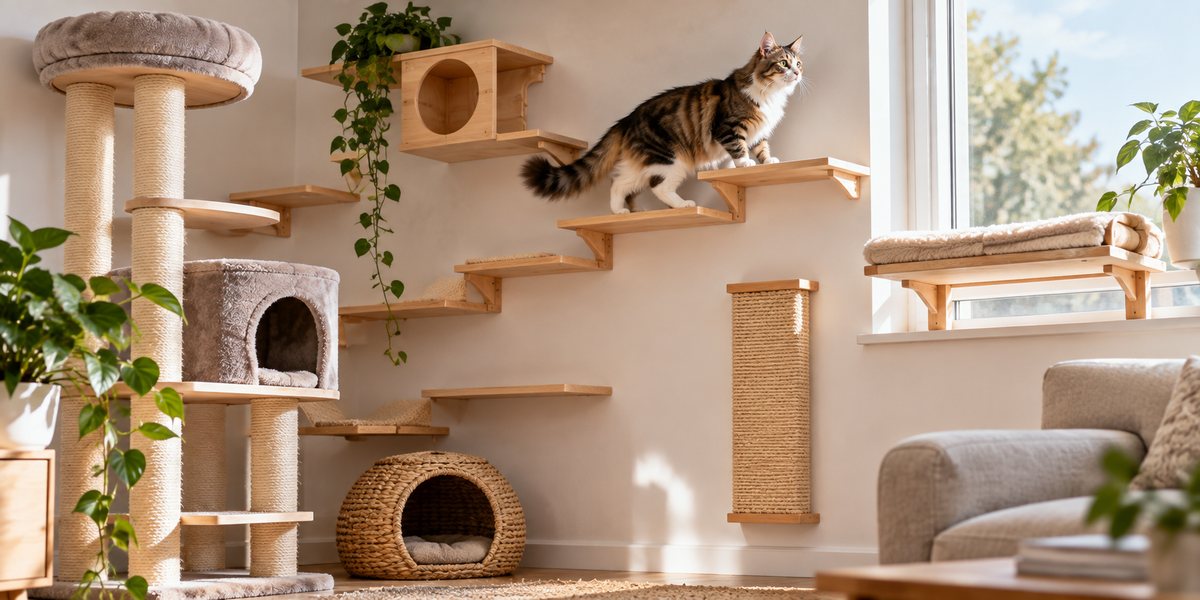
| Indoor & home environment needs | Accessible enriched indoor Cymrics benefit from enriched indoor living, but climbing routes should suit the individual's spinal and hind-limb function. Stable steps, easy-access perches, scratching areas and regular play can provide activity without forcing difficult jumps. |
| Outdoor access considerations | Secure accessibility Cymrics can enjoy outdoor sensory enrichment, but any access should account for individual spinal and hind-limb function. A secure enclosure with easy routes and no need for difficult escape jumps is safer than unrestricted roaming. |
| Heat, cold & sun considerations | Dense longcoat heat caution Cymrics have a dense double coat that provides strong insulation in cool conditions. In warm weather they need shade, water and access to cooler resting areas, with grooming helping remove loose undercoat during seasonal shedding. |
| Caregiver time & experience | Above average Cymrics combine a dense coat with the possibility of taillessness-related spinal or toileting problems. Regular grooming is needed, and caregivers should also watch gait, hind-limb function and elimination closely, increasing the care burden above routine. |
| Health & welfare | |
| Documented health predispositions | High conformation risk Cymrics share the Manx tailless mutation and can develop spinal malformations, abnormal hind-limb function and bowel or bladder problems associated with Manx syndrome. The long coat is secondary to the central health issue: selecting for healthy spinal and pelvic development. |
| Screening & breeder questions | Ask about tail length, spinal/neurologic problems, continence and affected kittens in the line Ask how the breeder evaluates spinal, pelvic and hind-limb development and whether relatives have had bowel or bladder dysfunction associated with taillessness. Request examination records for breeding cats and kittens. |
| Conformation-related welfare | High tail spine concern Cymrics share the Manx tailless mutation, so conformation welfare centers on spinal and pelvic development rather than coat length. Breeding should avoid cats with abnormal gait, hind-limb weakness or bowel and bladder dysfunction and should not reward ever more extreme shortening. |
| Nutrition & weight management | Weight mobility priority Cymrics have a dense coat and can have mobility consequences from taillessness, making excess weight particularly undesirable. Measured portions and hands-on body-condition checks help reduce unnecessary load on the spine and hind limbs. |
| Longevity | 10–14 years Cymrics share the Manx genetic background; about 10–14 years is a reasonable expectation, with spinal or neurologic expression of the tailless gene an important individual modifier. |
| Cost & availability | |
| Purchase cost | High: $700–$1,800 Cymric: a practical breeder-market estimate is $700–$1,800; longhaired Manx type with relatively limited breeder availability. |
| Adoption & rehoming cost | Very rare in rescue: $100–$600 when genuinely available Cymric: $100–$600 when genuinely available. The breed is scarce enough that a verified purebred rescue placement is unusual; transport may exceed the adoption fee. |
| Recurring ownership costs | Typical cat costs Food and coat-care costs are moderate, but the Manx-family spinal phenotype makes insurance or a strong veterinary reserve particularly worthwhile. Longhaired individuals also need regular combing, while mobility or bowel/bladder problems can substantially raise costs if present. |
| Availability, waits & import | Uncommon registry dependent Cymrics are available through some Manx breeding programs, but whether longhaired cats are marketed as Cymric or Longhair Manx depends on registry tradition. The population is modest, so a specialized breeder search is usually required. |
| Identity & real-world context | |
| Ownership & import restrictions | No known breed specific restrictions There are no known breed-specific ownership restrictions. Ordinary animal-welfare, identification, vaccination and cross-border import rules still apply where relevant. |
| Registry recognition | TICA: Championship-recognized / current breed identity · FIFe: fully recognized breed / mapped breed identity Currently recognized by TICA and FIFe in the FSC core matrix; it is not a separately recognized CFA breed identity in that matrix. |
| Similar breeds & identity distinctions | Manx Cymrics are the longhaired expression of the Manx breeding population. They share the same tailless-to-full-tail range and rounded hindquarter structure; coat length and registry classification are the principal distinctions. |
| Reported characteristic quirks | Individual quirks often center on play and exploration Cymrics often pair their rounded, tailless appearance with powerful hindquarter play, including rapid acceleration and climbing; some also retrieve toys or carry favorite objects. |
Browse all 53 breed characteristics
Open any characteristic to compare all breeds on that dimension.















 English