
Compare Cat Breeds
Compare up to three breeds across all 53 characteristics. Values are shown directly so the differences are easier to scan.
| Characteristic |  Turkish Vankedisi |
|---|---|
| Body & development | |
| Adult size | Medium to large |
| Adult weight | Females 3.2–5.4 kg (7.1–11.9 lb); Males 4.5–9.1 kg (9.9–20.1 lb) Females are commonly about 3.2–5.4 kg (7.1–11.9 lb) and males about 4.5–9.1 kg (9.9–20.1 lb) at full maturity; males show especially broad variation. |
| Build & distinguishing morphology | Medium to large · long powerful · muscular · strong hindquarters The Turkish Vankedisi is medium-to-large, long and powerfully muscular with strong hindquarters, closely paralleling the athletic Turkish Van body type. |
| Maturation | 18-24 months The athletic Turkish Vankedisi generally reaches most adult dimensions during the first year and continues filling out through roughly 18–24 months, similar to the closely related Turkish Van type. |
| Coat & appearance | |
| Coat length | Semi long Semi-long, soft silky coat with pronounced seasonal change. |
| Coat texture & undercoat | Semi long · silky · cashmere like · light undercoat The Turkish Vankedisi has a silky, cashmere-like semi-long coat with relatively little woolly undercoat, becoming fuller in winter. |
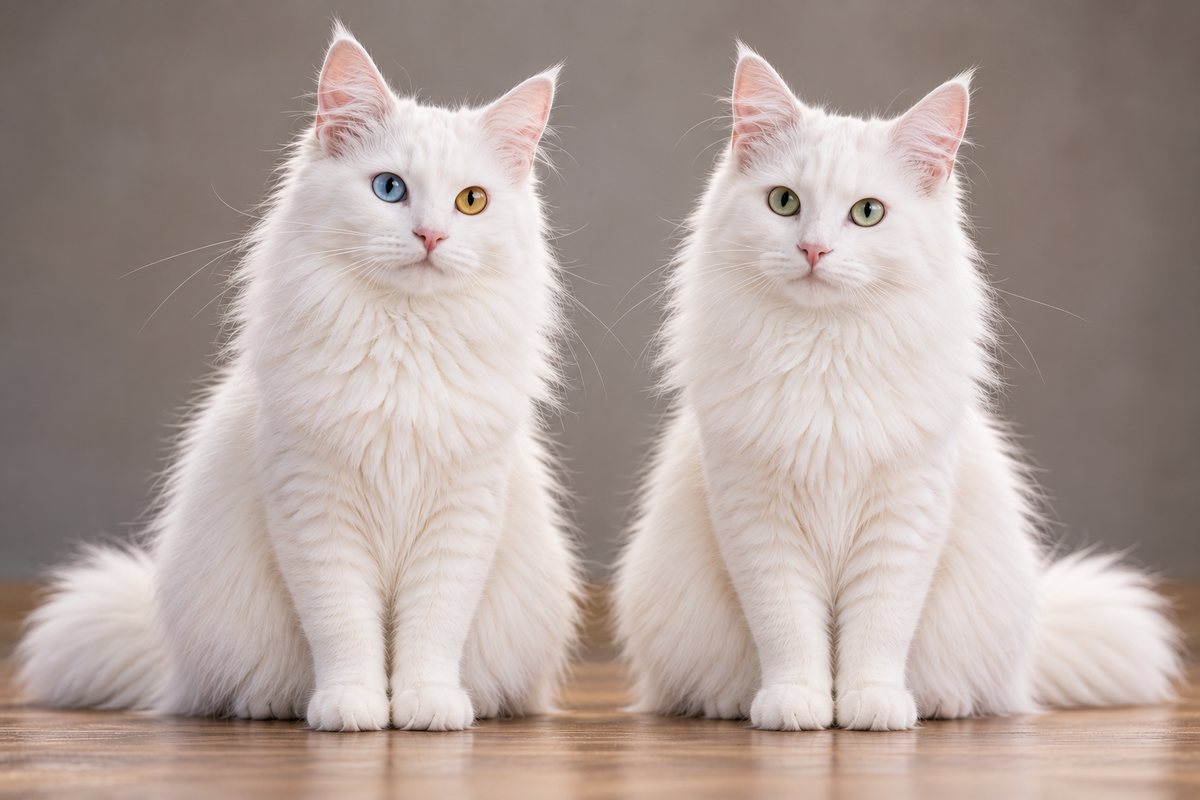
| Colors & patterns | Solid white The Vankedisi identity is the all-white Turkish Van-type cat: the coat is solid white rather than the coloured Van pattern. |
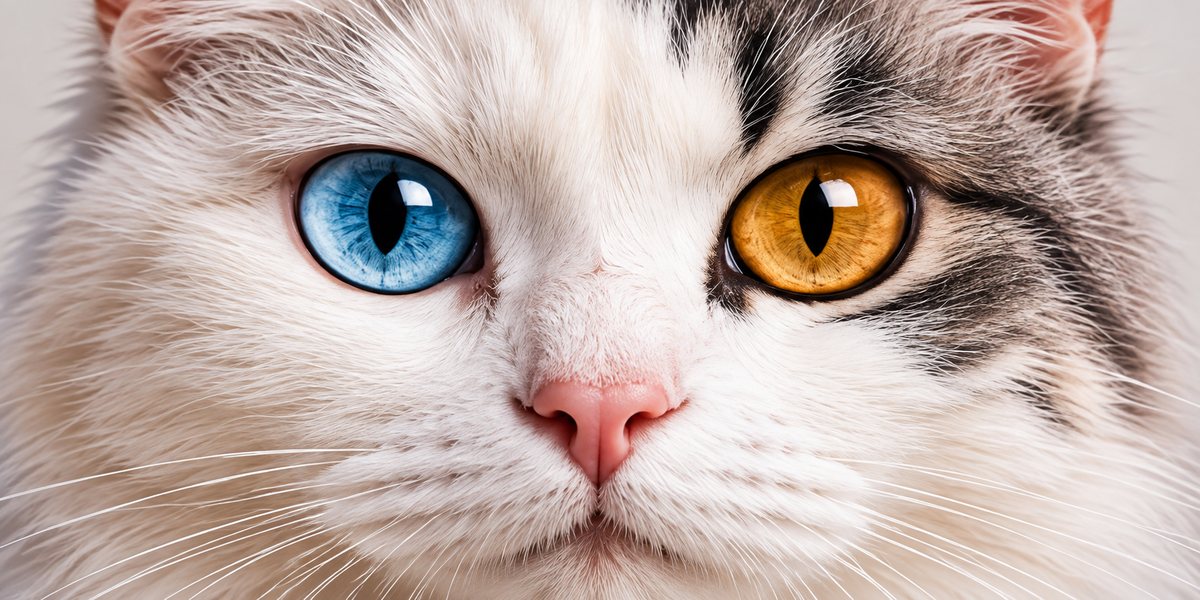
| Eye colors | Blue · amber · odd-eyed Blue, amber or odd eyes occur, with odd-eyed white cats particularly characteristic. |
| Coat & routine care | |
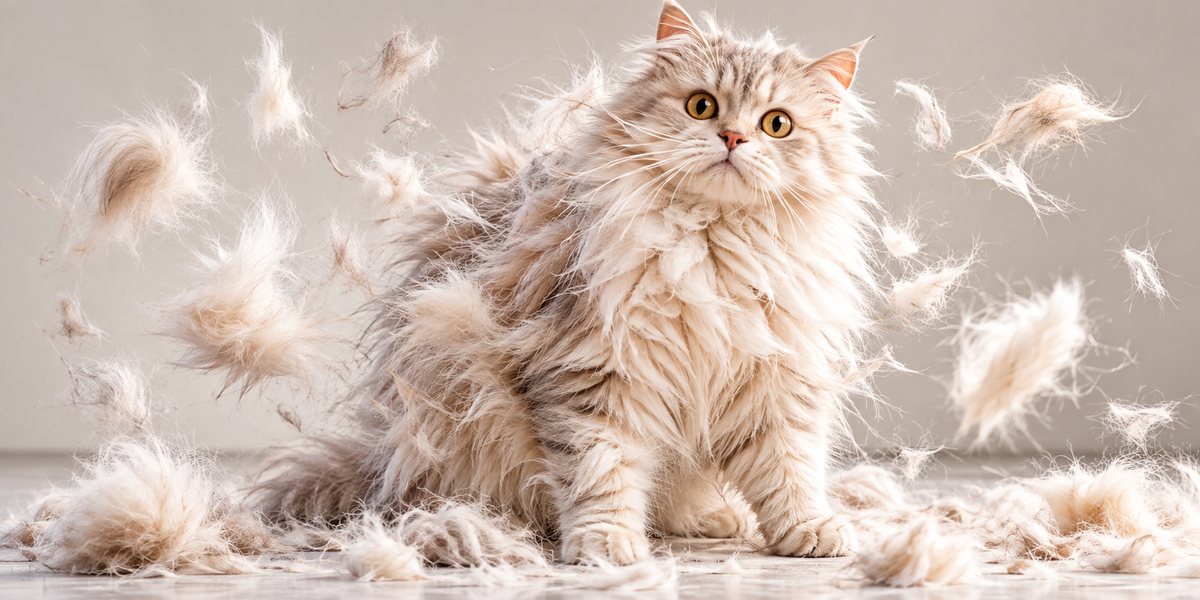
| Shedding | Moderate seasonal Moderate seasonal shedding, paralleling the Turkish Van-type semi-long coat with a marked winter-to-summer change. |
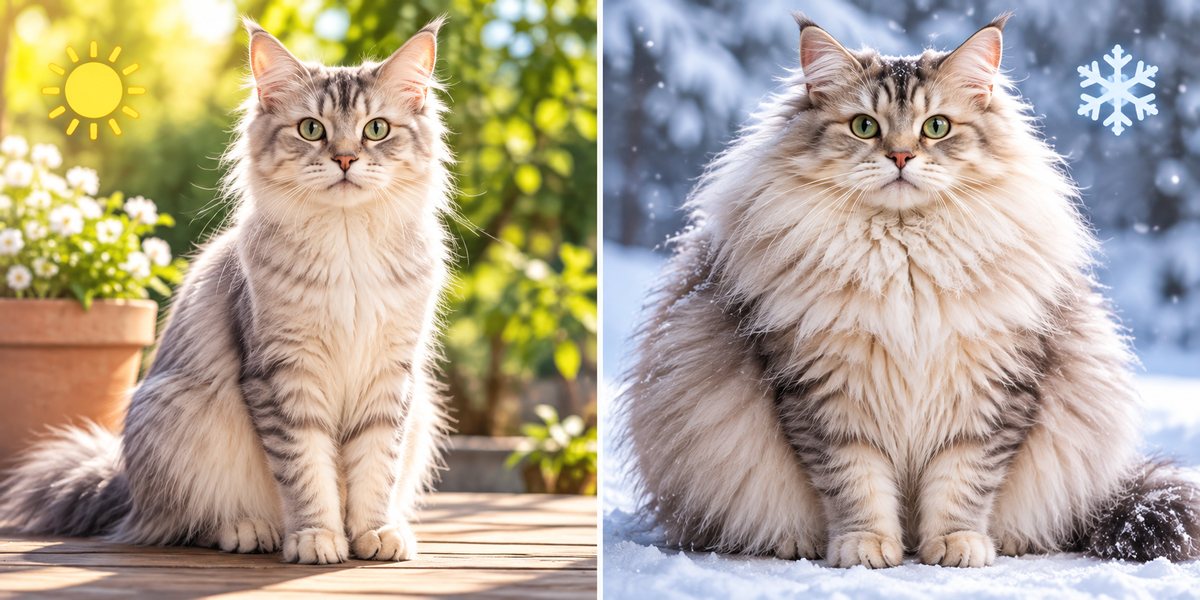
| Seasonal coat changes | Moderate winter summer change The Turkish Vankedisi develops a fuller semi-long winter coat and sheds back toward a lighter summer coat, producing a noticeable spring increase in loose hair. |
| Brushing & combing | 3x week or as needed Comb the silky semi-long coat once or twice weekly, increasing during spring shedding when the fuller winter coat is released. |
| Tangle & matting tendency | Low The silky semi-long coat carries relatively little woolly undercoat, so severe mats are uncommon, though fuller winter coat benefits from periodic combing. |
| Skin & bathing care | Bathing not routinely needed Routine bathing is generally unnecessary; bathe only when the coat is genuinely soiled or for a specific veterinary or grooming reason. |
| Distinctive routine care | White semilong coat hearing Routine care includes regular combing of the semi-long white coat, with more attention during shedding, plus standard nails, ears and dental hygiene. Hearing status is also worth knowing in white cats rather than inferred from behavior alone. |
| Allergy & allergen evidence | No breed specific reduction established There is no known reason to regard this breed as hypoallergenic. All cats produce allergens, and coat length or shedding alone does not determine allergy risk. |
| Activity & intelligence | |
| Activity level | Very high |
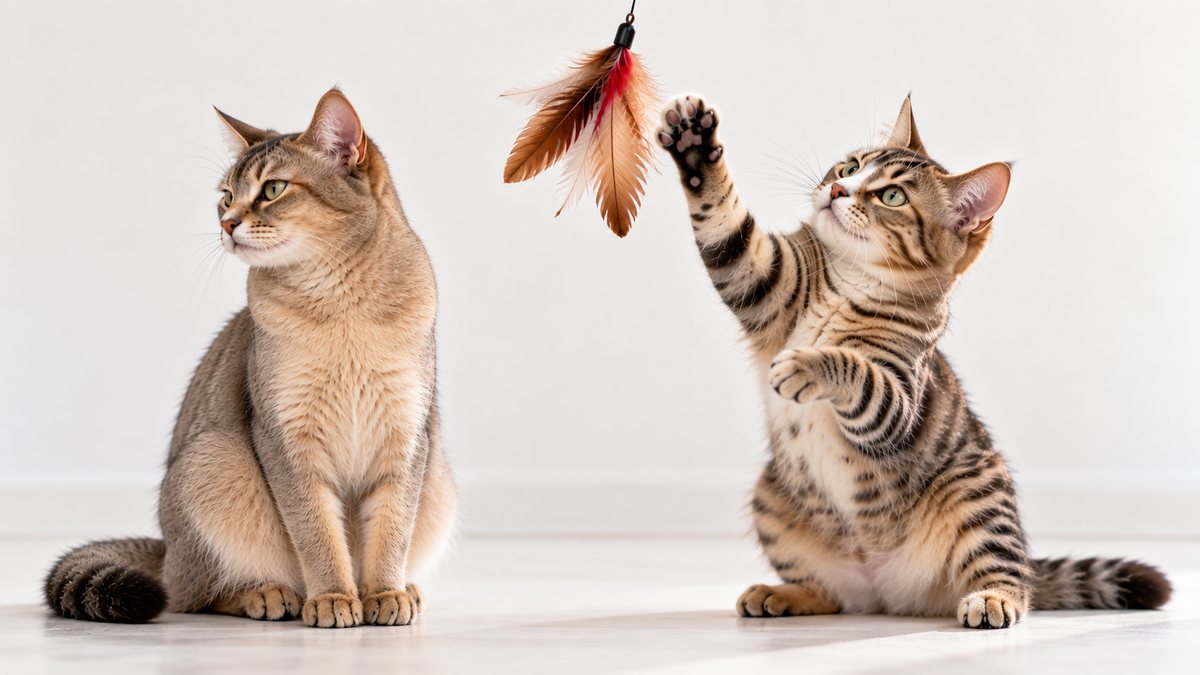
| Playfulness | Very high |
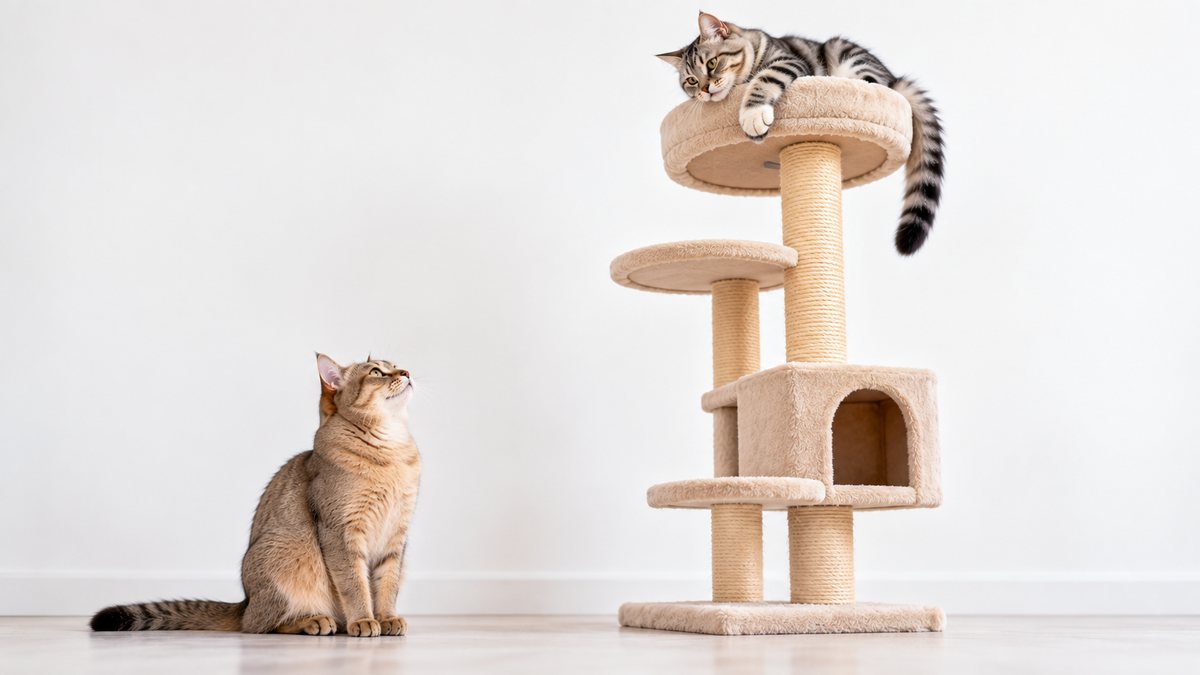
| Climbing & jumping | Very high The Vankedisi shares the athletic Turkish Van type, making strong jumping and climbing ability likely; substantial vertical space is appropriate. |
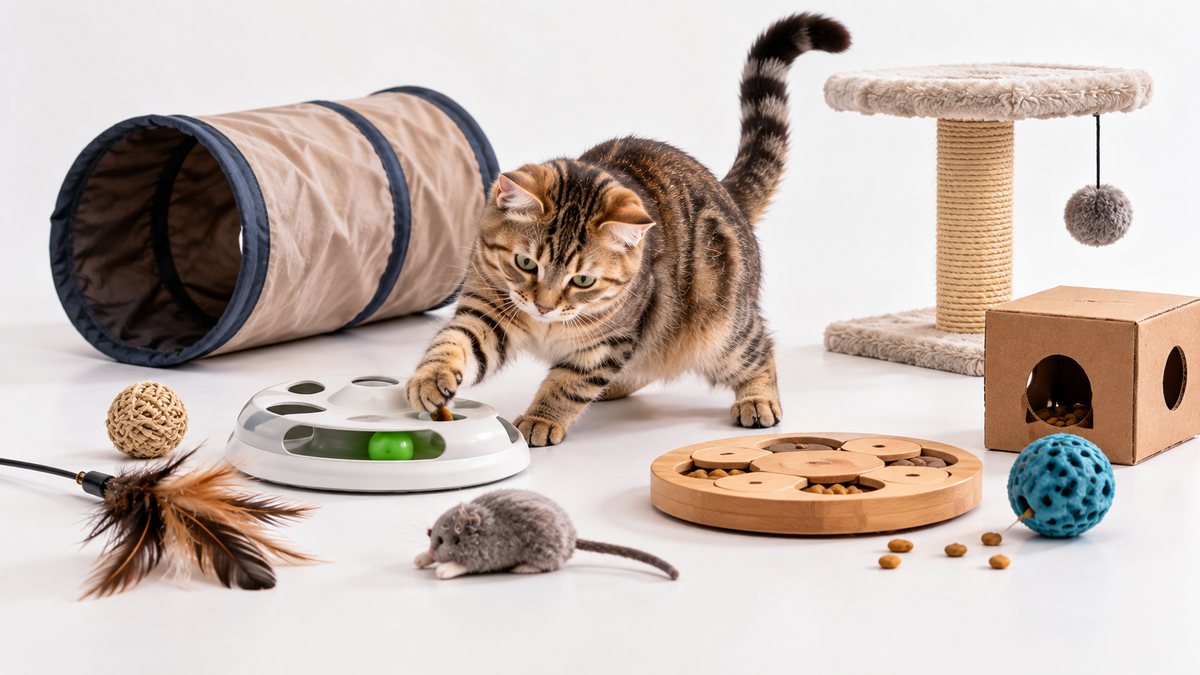
| Enrichment demand | Very high Very high enrichment demand: vigorous daily play, climbing and environmental variety are appropriate for its active Turkish Van-type temperament. |
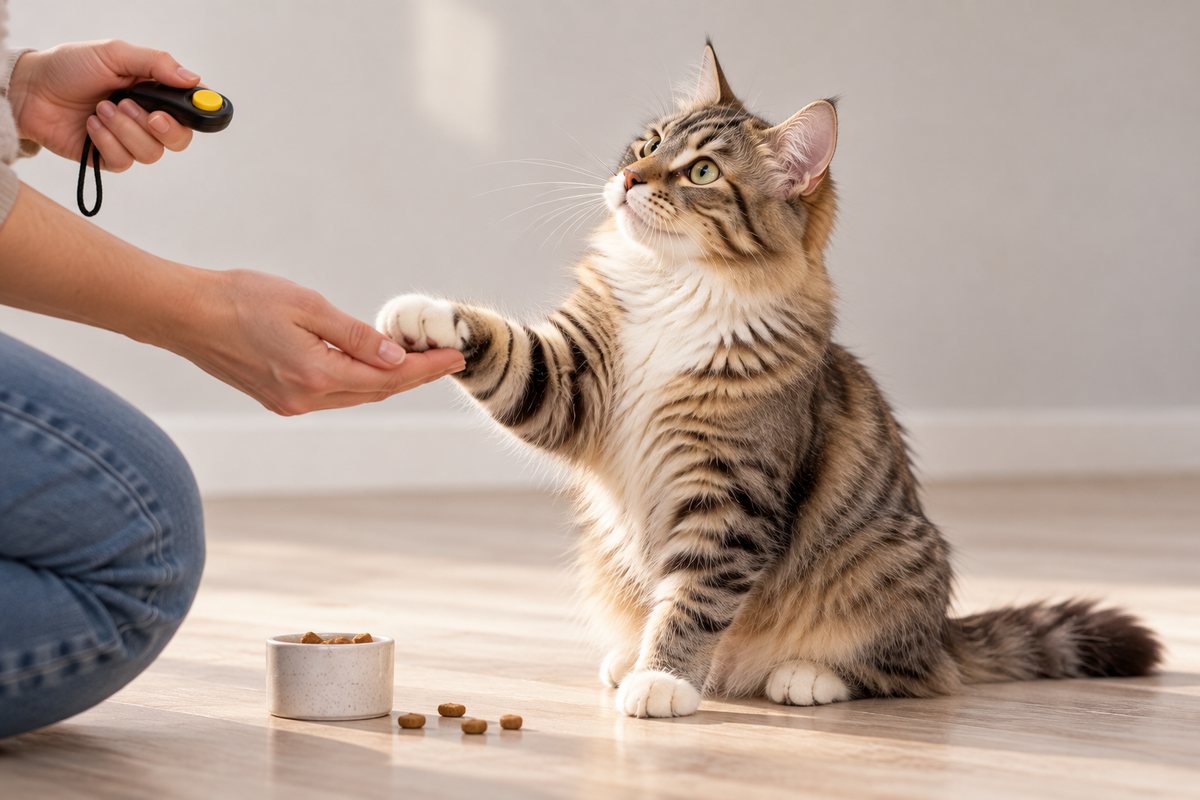
| Learning & training | High The Turkish Vankedisi shares the active, intelligent profile associated with Turkish Van-type cats and should respond well to interactive, reward-based learning. |
| Curiosity & exploration | High As the all-white Turkish Van type, the Vankedisi is expected to share much of the Van’s active, intelligent temperament, including strong interest in movement, novelty and household spaces. |
| Hunting & chasing tendencies | High Expect moderately strong to strong chasing, broadly consistent with the athletic Turkish Van population, while allowing for individual variation. |
| Personality & social | |
| Sociability with familiar people | High Turkish Vankedisi generally form strong bonds with familiar people and enjoy household interaction, while retaining the independent streak typical of the Turkish Van family. |
| Affection | Interactive playful · proximity · selective physical Turkish Vankedisi affection tends to be active and loyal, expressed through play and proximity with physical contact often controlled by the cat. |
| Lap & cuddling preference | Moderate Turkish Vankedisi cats share the active, intelligent Van-type temperament; they can be affectionate but are better expected to choose contact on their own terms than to be constant lap cats. |
| Handling tolerance | Moderate Like other Turkish Van-type cats, the Vankedisi is intelligent, athletic and affectionate on its own terms; routine handling is workable but prolonged carrying may be less welcome. |
| Independence & social demand | Moderate to high social demand Turkish Vankedisi are best assessed similarly to closely related Turkish cats: strongly bonded and socially engaged, but not helplessly dependent on constant attention. |
| Vocalization | Low |
| Response to unfamiliar people | Moderate Turkish Vankedisi cats are expected to share much of the Turkish Van population's confident but selective social style, often assessing newcomers before engaging. |
| Adaptability to change | Moderate to high As a Turkish Van-related population, the Vankedisi is expected to combine confidence and environmental curiosity with some preference for controlling the pace of unfamiliar situations. |
| Noise & busy-environment sensitivity | Low to moderate Sharing the Turkish Van population background, the Vankedisi is generally expected to be confident and active, with reasonable tolerance of normal household bustle. |
| Defensive & conflict behaviour | Moderate Turkish Vankedisi cats are best expected to share the active, self-possessed temperament of Turkish Angora-type populations. They are not inherently aggressive, but can be assertive and may defend boundaries firmly when pressured or poorly introduced. |
| Household & environment | |
| Living with children | Moderate Turkish Vankedisi cats are active, self-possessed and likely to share the independent streak of Turkish Angora-type populations. They can live well with respectful children, but are a better fit where children recognize withdrawal signals rather than expecting unlimited handling. |
| Living with other cats | Often workable Turkish Vankedisi cats share the active, intelligent and self-assured social style of the Turkish Van population. They can live successfully with other cats, but may try to control interactions, so confident companions, sufficient territory and unhurried introductions improve compatibility. |
| Living with dogs | Moderate Turkish Vankedisi cats are best expected to share the active, self-possessed temperament of Turkish Angora-type populations. They can coexist with a calm dog, but should have control over distance and reliable dog-free retreats. |
| Living around small pets | Additional caution Turkish Vankedisi cats share the athletic, alert profile of Turkish Angora-type populations. Their agility and likely hunting competence justify extra caution and secure separation around birds, rodents and other small pets. |
| Indoor & home environment needs | Active indoor enrichment Turkish Vankedisi cats are best expected to share the active, agile profile of Turkish Angora-type populations. Indoor homes should provide tall climbing routes, energetic play, observation points and enough autonomy for the cat to choose social distance. |
| Outdoor access considerations | Secure high activity Turkish Vankedisi cats are athletic, self-possessed explorers likely to enjoy complex outdoor stimulation. A secure garden or catio provides that outlet while avoiding the travel, hunting and conflict risks of free roaming. |
| Heat, cold & sun considerations | Semilong low undercoat Turkish Vankedisi cats have a silky semi-long coat with relatively little undercoat, so they are not as cold-insulated as dense northern breeds. Warm dry shelter in cold weather and shade and water in heat are appropriate. |
| Caregiver time & experience | Very high This breed is likely to suit a caregiver who can provide substantial daily engagement and keep up with its routine care. |
| Health & welfare | |
| Documented health predispositions | Moderate sensory risk Turkish Vankedisi are white Turkish cats, making congenital deafness an important concern, particularly in blue-eyed individuals. Hearing should be assessed directly, while the broader health profile is expected to resemble robust Turkish Angora-type populations. |
| Screening & breeder questions | Ask what health problems are tracked in the lines and request actual test results Ask whether white breeding cats and kittens receive objective hearing assessment, preferably BAER testing where available, and ask about hypertrophic cardiomyopathy and other disease in Turkish Angora-type family lines. |
| Conformation-related welfare | Low structure sensory concern Turkish Vankedisi have conventional athletic anatomy; the principal appearance-linked welfare issue is white pigmentation and congenital deafness risk. Hearing health should be considered directly rather than selecting white, blue-eyed appearance without functional assessment. |
| Nutrition & weight management | Active condition led Turkish Vankedisi cats are expected to share the athletic Turkish type. Feed complete feline nutrition to actual activity and body condition, maintaining lean muscle rather than using a substantial frame as justification for overfeeding. |
| Longevity | 13–17 years The Turkish Vankedisi shares the robust Turkish Van landrace background; about 13–17 years is a reasonable expectation. |
| Cost & availability | |
| Purchase cost | Very high: $1,000–$3,000+ Turkish Vankedisi: a practical breeder-market estimate is $1,000–$3,000+. This reflects that it is an rare all-white Turkish Van-related population with highly limited formal supply. |
| Adoption & rehoming cost | Very rare in rescue: $100–$600 when genuinely available Turkish Vankedisi: $100–$600 when genuinely available. The breed is scarce enough that a verified purebred rescue placement is unusual; transport may exceed the adoption fee. |
| Recurring ownership costs | Coat maintenance · higher food/larger equipment · enrichment/toy replacement The semi-long coat and substantial body bring moderate grooming and food costs, while white cats may justify objective hearing assessment. Sturdy enrichment plus routine dental/preventive veterinary care form the remaining recurring budget. |
| Availability, waits & import | Rare registry dependent Turkish Vankedisi are much less widely available under that specific name than Turkish Angoras. White Turkish cats may be classified differently by registry and region, so prospective owners may need specialist contacts and careful pedigree interpretation. |
| Identity & real-world context | |
| Ownership & import restrictions | No known breed specific restrictions There are no known breed-specific ownership restrictions. Ordinary animal-welfare, identification, vaccination and cross-border import rules still apply where relevant. |
| Registry recognition | No separate current CFA/TICA/FIFe recognition Turkish Vankedisi is not a separately recognized current breed identity in CFA, TICA or FIFe within the FSC core registry matrix; recognition by smaller, national or experimental registries can differ. |
| Similar breeds & identity distinctions | Turkish Angora Van Turkish Vankedisi are all-white Turkish cats whose classification varies by tradition. They can overlap visually and historically with white Turkish Angoras, while Turkish Vans usually show colored head and tail markings; pedigree system and breeding history are decisive. |
| Reported characteristic quirks | Individual quirks often center on play and exploration Turkish Vankedisi can share the Turkish-cat fascination with moving water and high observation points. In all-white individuals, apparently ignoring a sound should not be labeled quirky independence before hearing status is known. |
Browse all 53 breed characteristics
Open any characteristic to compare all breeds on that dimension.





 English