
Compare Cat Breeds
Compare up to three breeds across all 53 characteristics. Values are shown directly so the differences are easier to scan.
| Characteristic |  Chartreux |
|---|---|
| Body & development | |
| Adult size | Medium to large |
| Adult weight | 5.4–7.3 kg (11.9–16.1 lb) Mature Chartreux are often about 5.4–7.3 kg (11.9–16.1 lb); males are generally markedly larger and heavier than females. |
| Build & distinguishing morphology | Robust · muscular · fine boned legs Build: robust; muscular; fine boned legs. |
| Maturation | 2-3 years Chartreux cats mature gradually, with males particularly slow to develop their broad head, deep chest and muscular adult body; full physical maturity is commonly around 2–3 years. |
| Coat & appearance | |
| Coat length | Medium Dense woolly coat of medium length. |
| Coat texture & undercoat | Medium short · woolly · hard water repellent topcoat · soft dense undercoat Coat: medium short; woolly; hard water repellent topcoat; soft dense undercoat. |
| Colors & patterns | Blue only Colors/patterns: blue only. |
| Eye colors | Gold to copper Gold through deep copper is characteristic; orange-copper is especially typical. |
| Coat & routine care | |
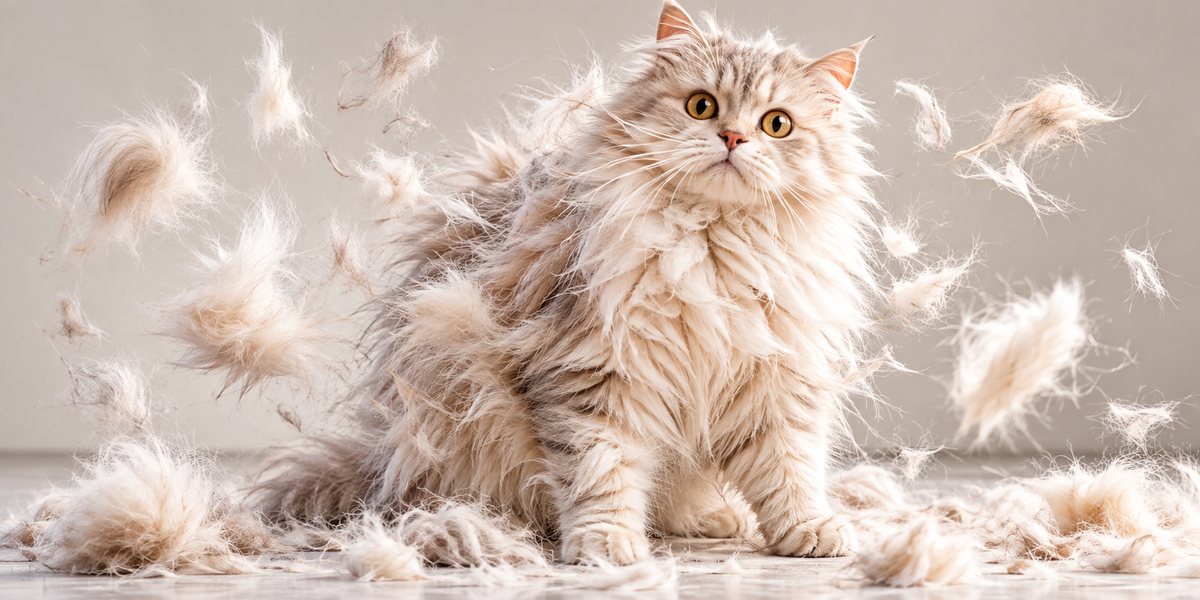
| Shedding | Moderate to high seasonal Moderate shedding most of the year and heavier seasonal shedding from the woolly, water-resistant double coat. |
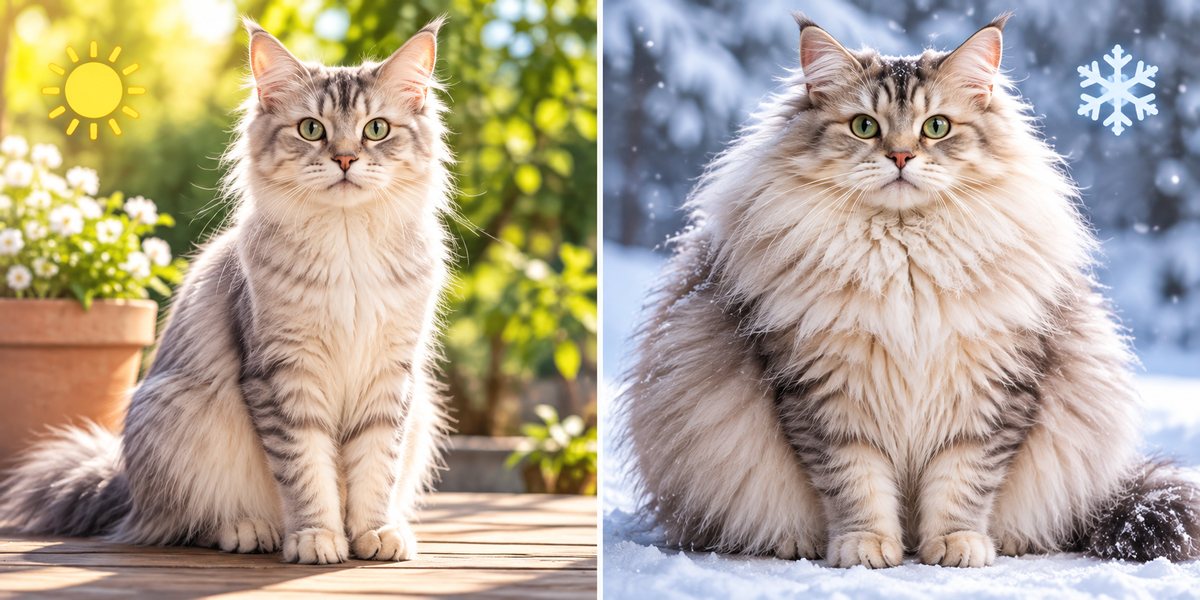
| Seasonal coat changes | Undercoat sheds couple times year Seasonal coat: undercoat sheds couple times year. |
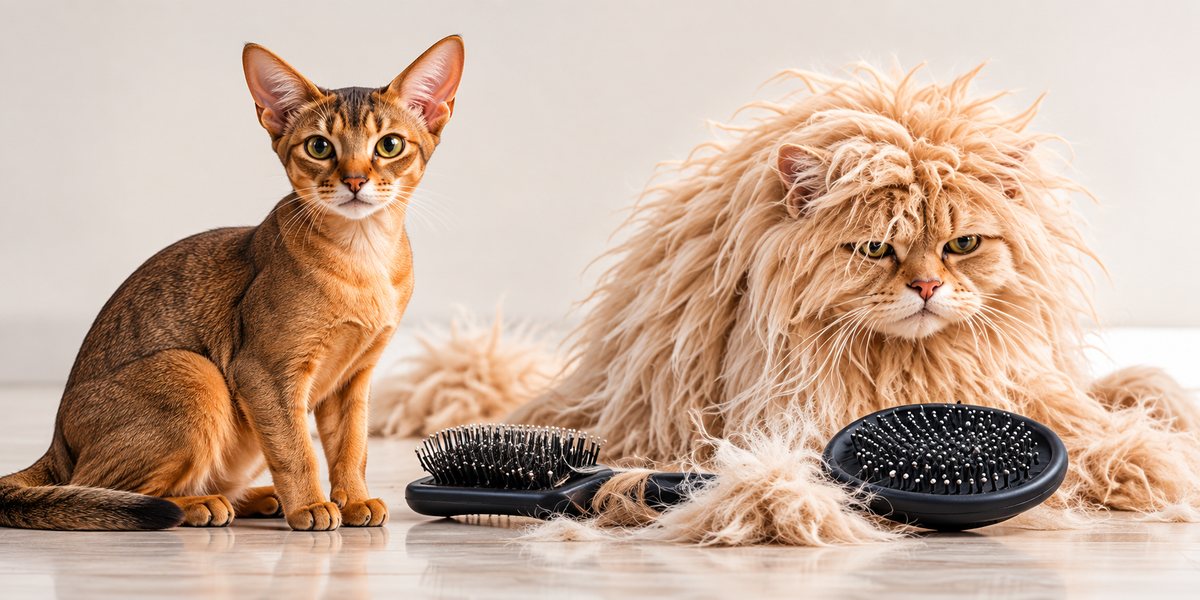
| Brushing & combing | Regular · more season change Brushing/combing: regular; more season change. |
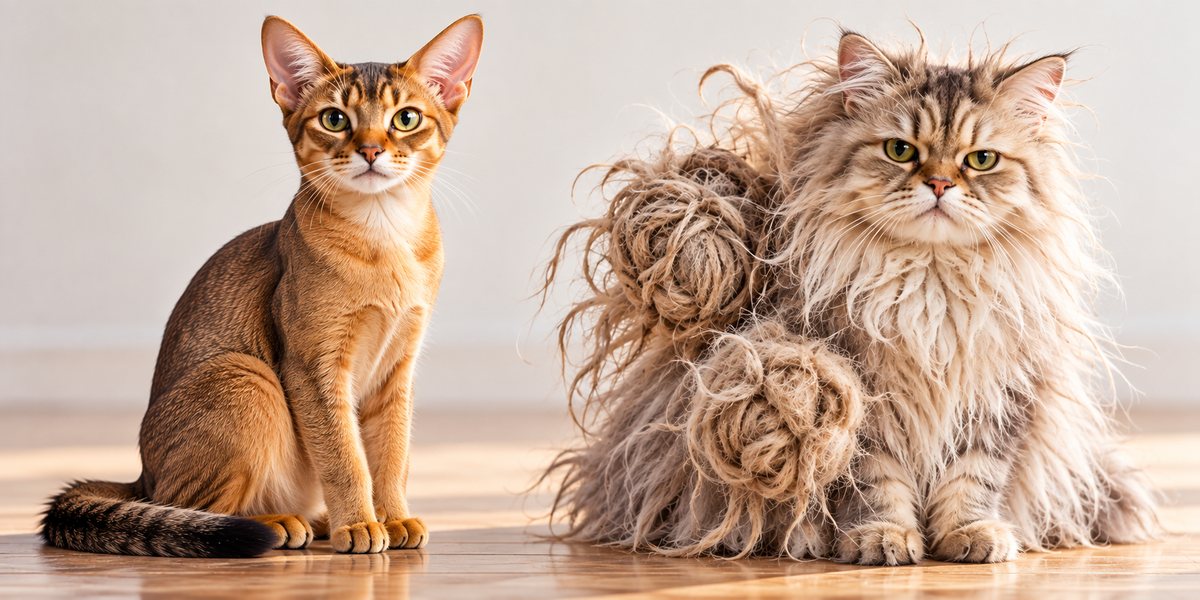
| Tangle & matting tendency | Low to moderate during shed The woolly double coat is short, but dense shed undercoat can compact if neglected during heavy seasonal moults. |
| Skin & bathing care | Bathing not routinely needed Routine bathing is generally unnecessary; bathe only when the coat is genuinely soiled or for a specific veterinary or grooming reason. |
| Distinctive routine care | Regular combing, especially during seasonal undercoat shed The dense woolly coat needs regular combing, with extra attention when the undercoat sheds seasonally. |
| Allergy & allergen evidence | No breed specific reduction established There is no known reason to regard this breed as hypoallergenic. All cats produce allergens, and coat length or shedding alone does not determine allergy risk. |
| Activity & intelligence | |
| Activity level | Moderate |
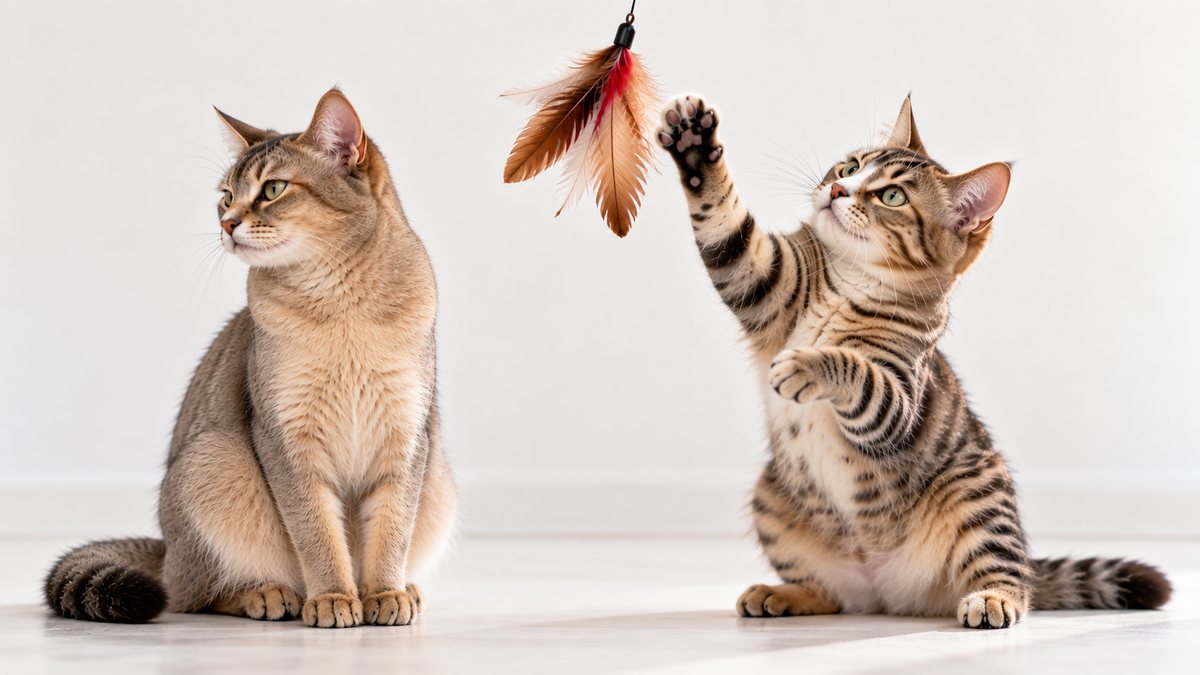
| Playfulness | High |
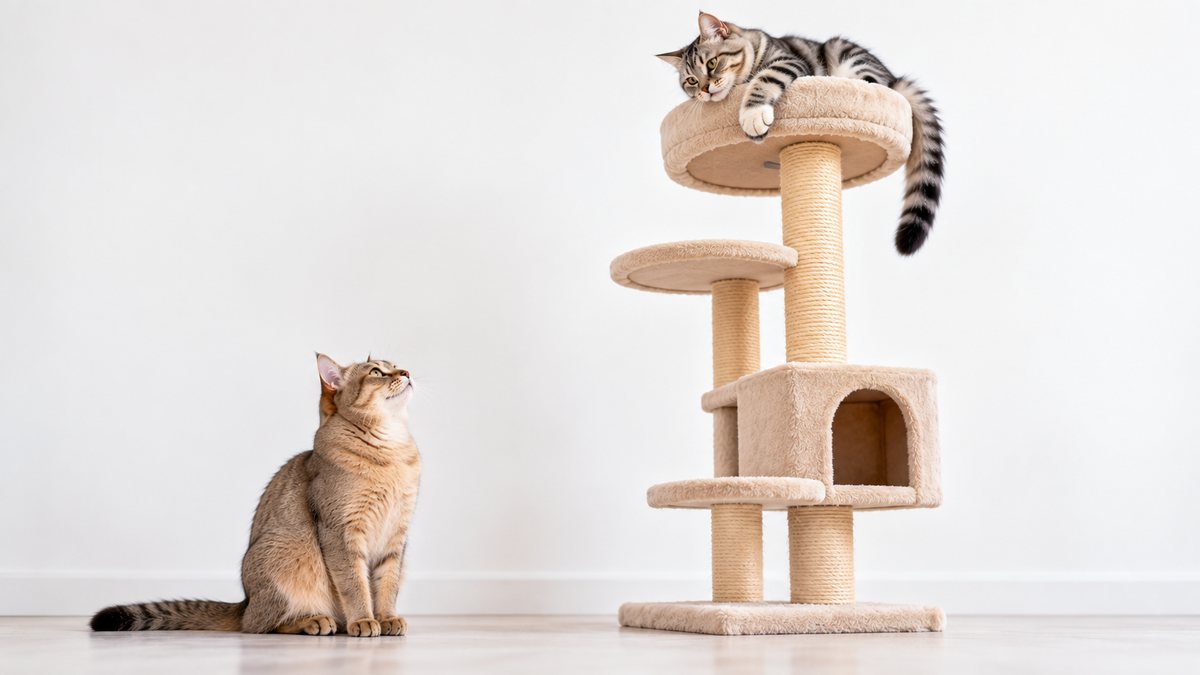
| Climbing & jumping | Moderate |
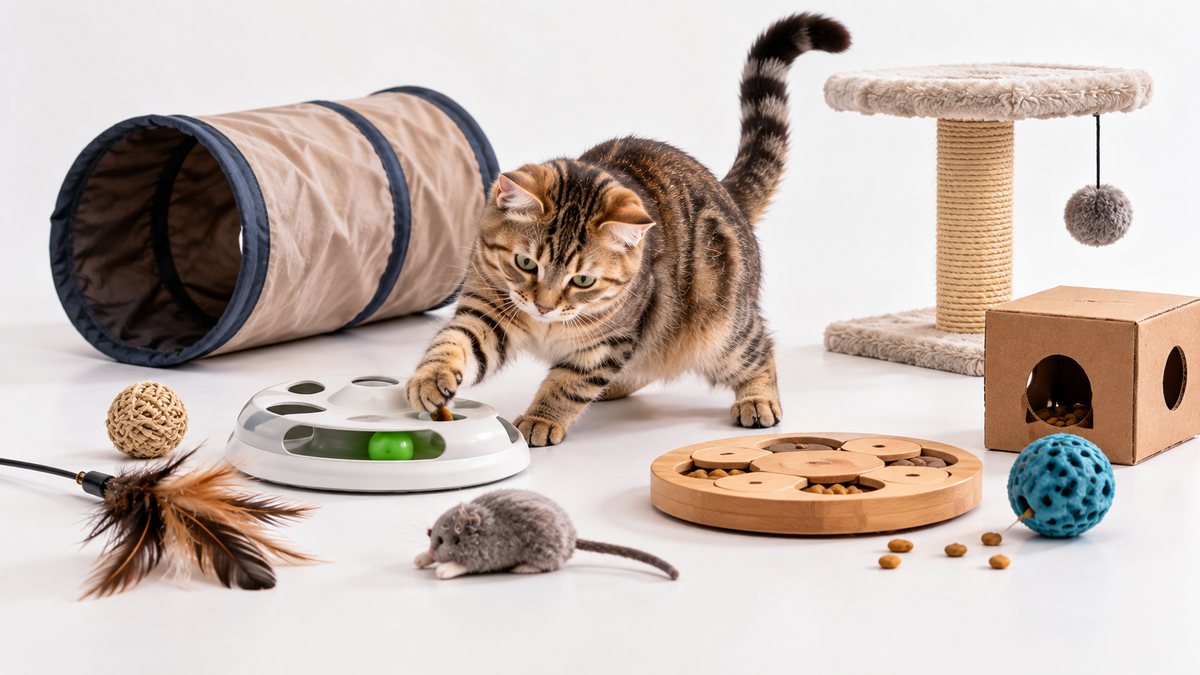
| Enrichment demand | Moderate Moderate enrichment demand: short energetic games, puzzle feeders and occasional training challenges fit a cat that alternates playful bursts with long periods of calm. |
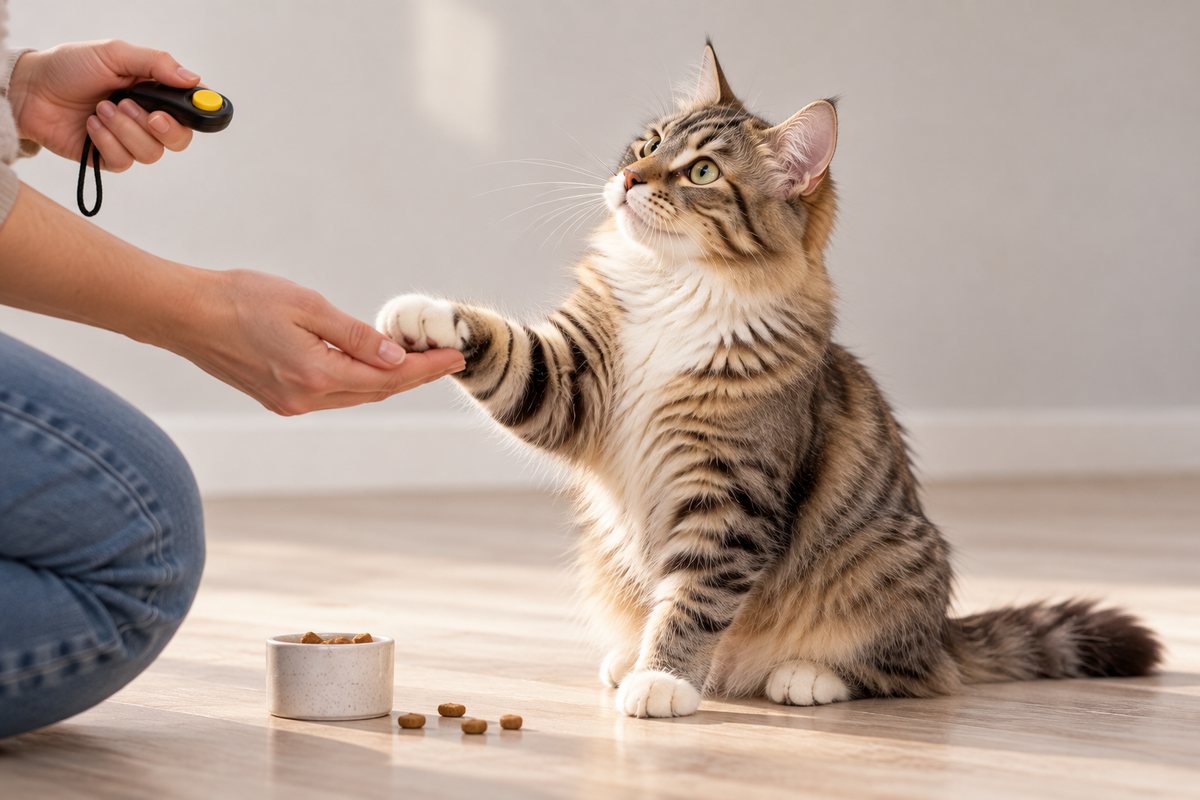
| Learning & training | High Chartreux cats are thoughtful problem solvers that can learn tricks and enjoy working out manipulable puzzle toys. |
| Curiosity & exploration | High Chartreux are quiet but observant cats; their curiosity tends to be purposeful and watchful, with investigation of movement and household changes rather than indiscriminate activity. |
| Hunting & chasing tendencies | High Hunting ability is historically relevant to the Chartreux, and a quiet, patient stalk followed by sudden pursuit is more characteristic than constant high-energy chasing. |
| Personality & social | |
| Sociability with familiar people | High Chartreux often show deep devotion to chosen people while maintaining a calm, undemanding social manner. |
| Affection | Proximity · following · selective reserved Chartreux affection is typically quiet, loyal and proximity-oriented. |
| Lap & cuddling preference | Moderate Close companionship occurs, but the breed is not defined by persistent lap seeking. |
| Handling tolerance | High Typically quiet, steady and physically robust; socialized Chartreux generally tolerate routine handling well even though many express affection without demanding constant carrying. |
| Independence & social demand | Low Chartreux are affectionate but notably undemanding and self-contained, making them comparatively comfortable with ordinary periods alone. |
| Vocalization | Low Noted for quiet voices, sometimes using chirps to communicate. |
| Response to unfamiliar people | Low Chartreux can be reserved with unfamiliar people while strongly attached to family. |
| Adaptability to change | Moderate to high Calm and observant rather than highly reactive, the Chartreux generally accommodates change well after a short assessment period, especially when its home remains relatively orderly. |
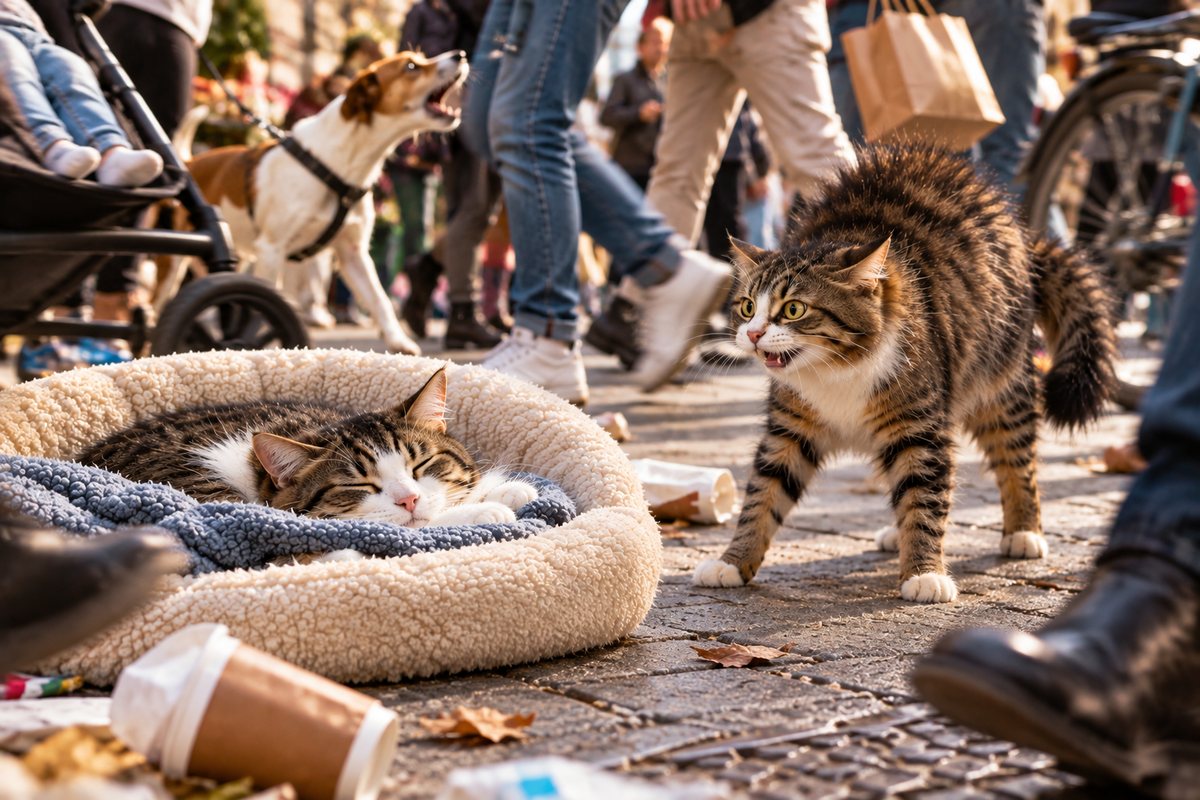
| Noise & busy-environment sensitivity | Low to moderate Quiet and self-possessed, the Chartreux is generally steady around routine household activity, though it may simply remove itself from excessive noise rather than engage with it. |
| Defensive & conflict behaviour | Very low Chartreux are typically quiet, observant and even-tempered. Their sturdy confidence tends to reduce fear-driven reactivity, and they generally avoid unnecessary confrontation while retaining normal defensive behavior when pressured. |
| Household & environment | |
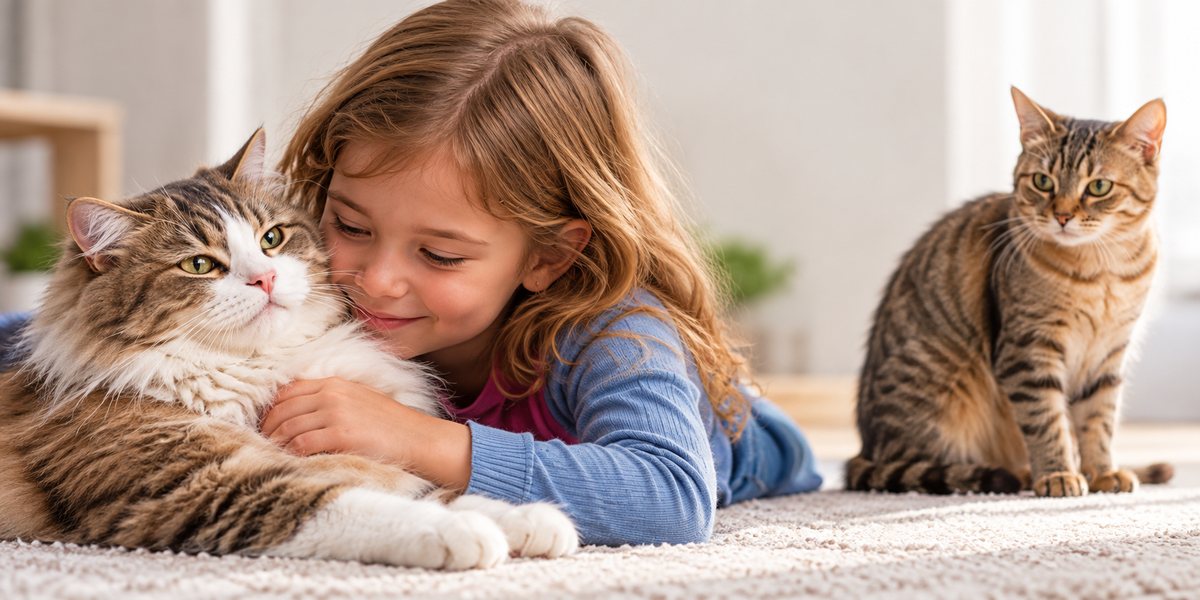
| Living with children | Good Chartreux are usually calm, sturdy and tolerant cats with a playful side, making them potentially very good family companions. They often cope well with considerate children but should still be allowed to withdraw rather than endure prolonged handling. |
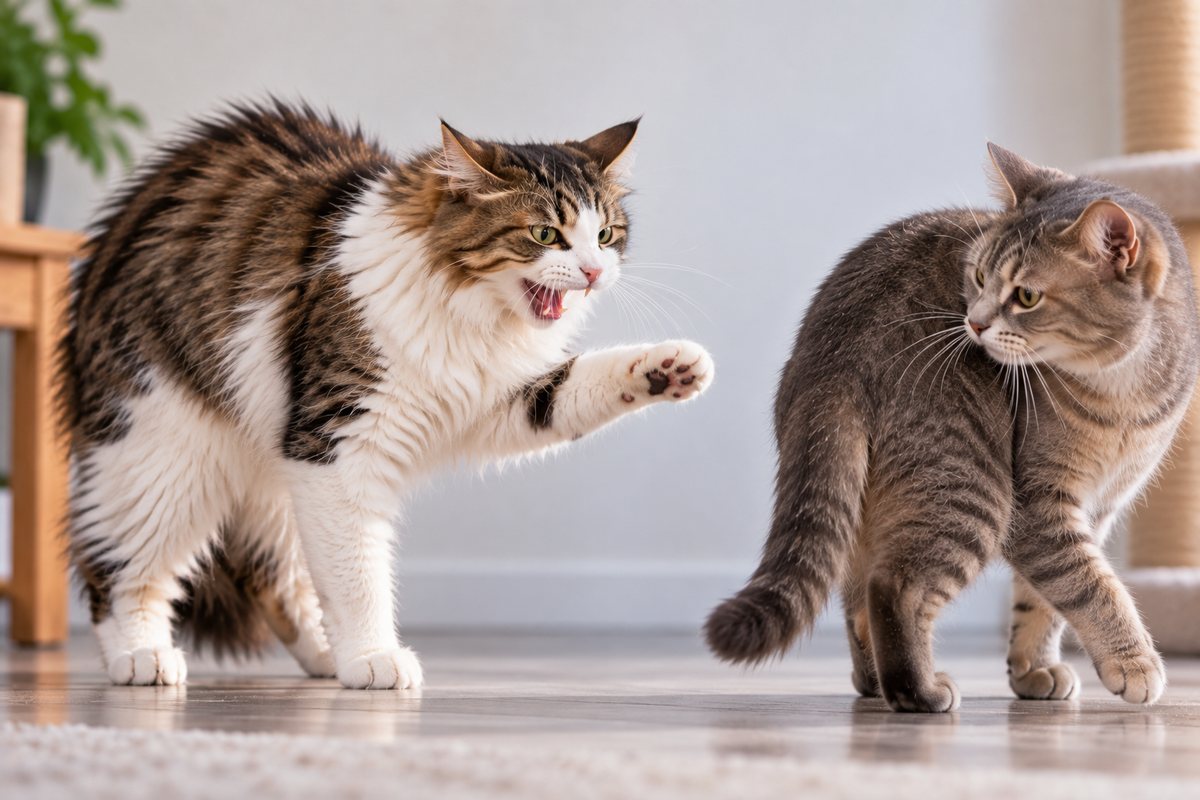
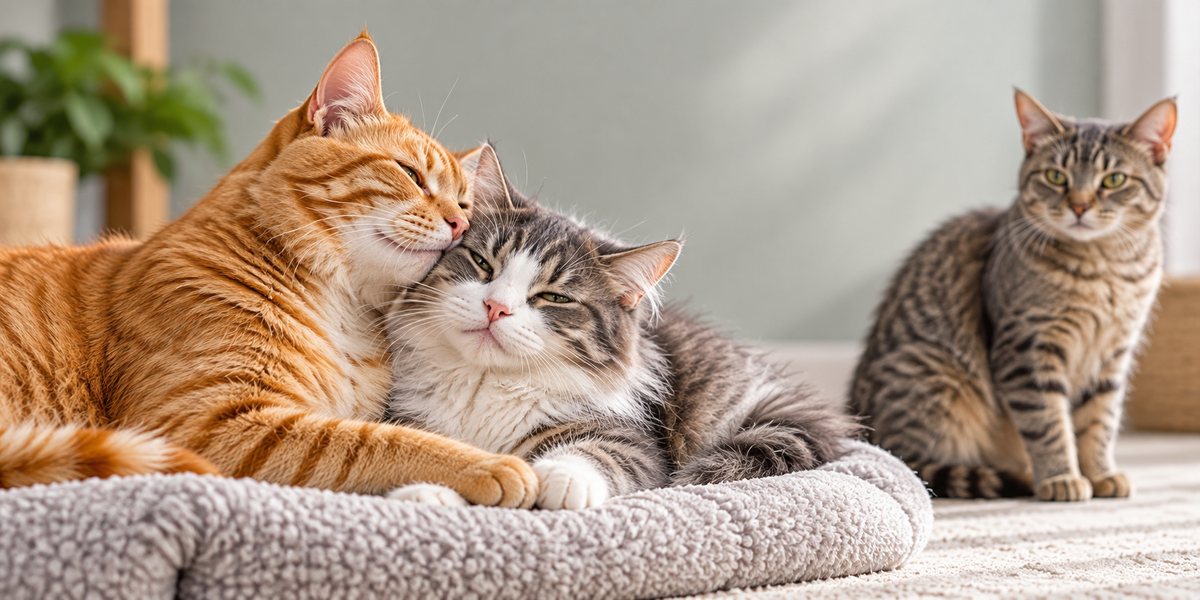
| Living with other cats | Favorable tendency Chartreux are usually calm, tolerant and quietly sociable. These traits favor peaceful coexistence with other cats, especially companions that are similarly composed rather than intrusive. |
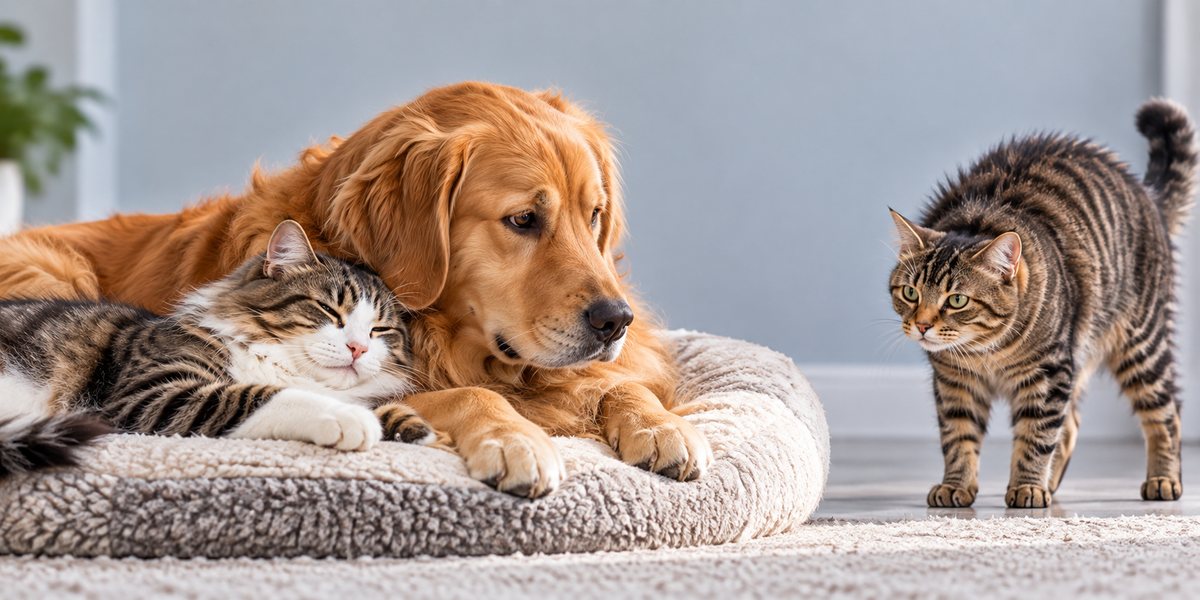
| Living with dogs | Good Chartreux are typically calm, sturdy and self-possessed, qualities that can make them good candidates for a compatible dog household. They usually benefit from a measured introduction and a dog that respects disengagement. |
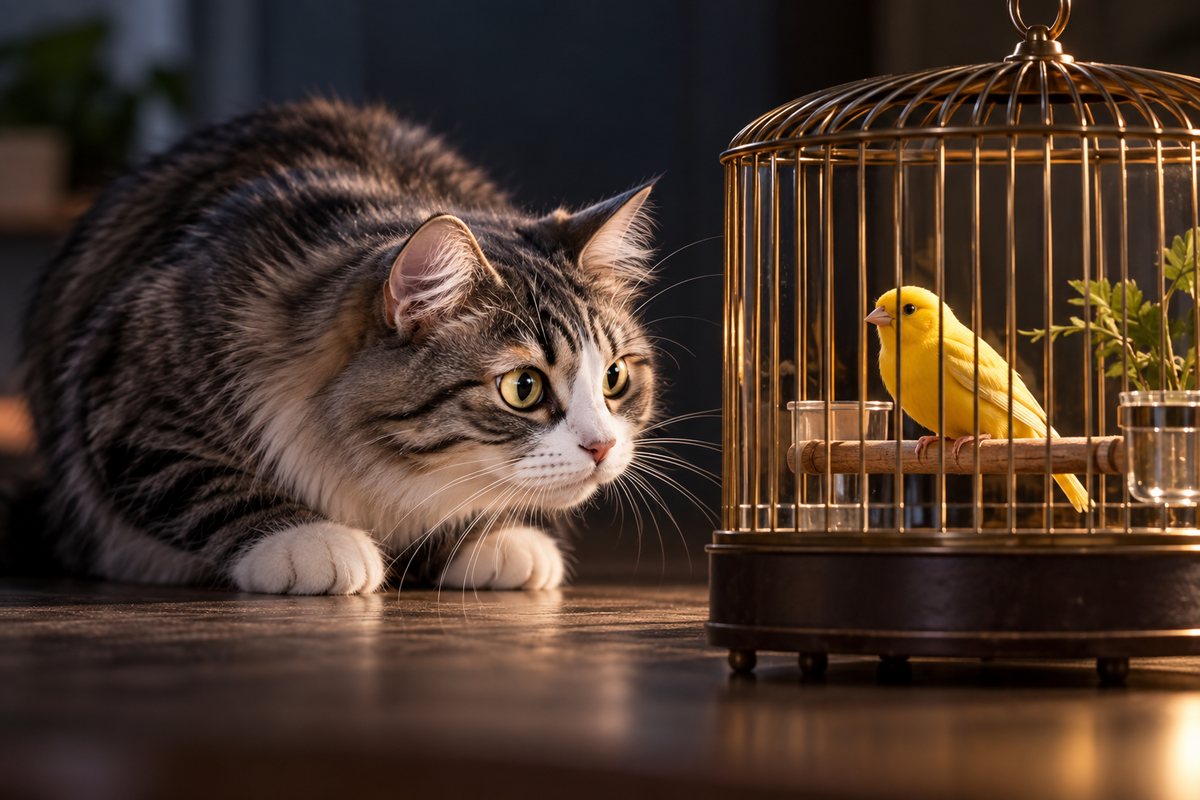
| Living around small pets | Additional caution Chartreux have a historical reputation as capable mousers beneath their calm household manner. That combination means apparent placidity should not be treated as small-pet safety; rodents and birds should remain securely separated. |
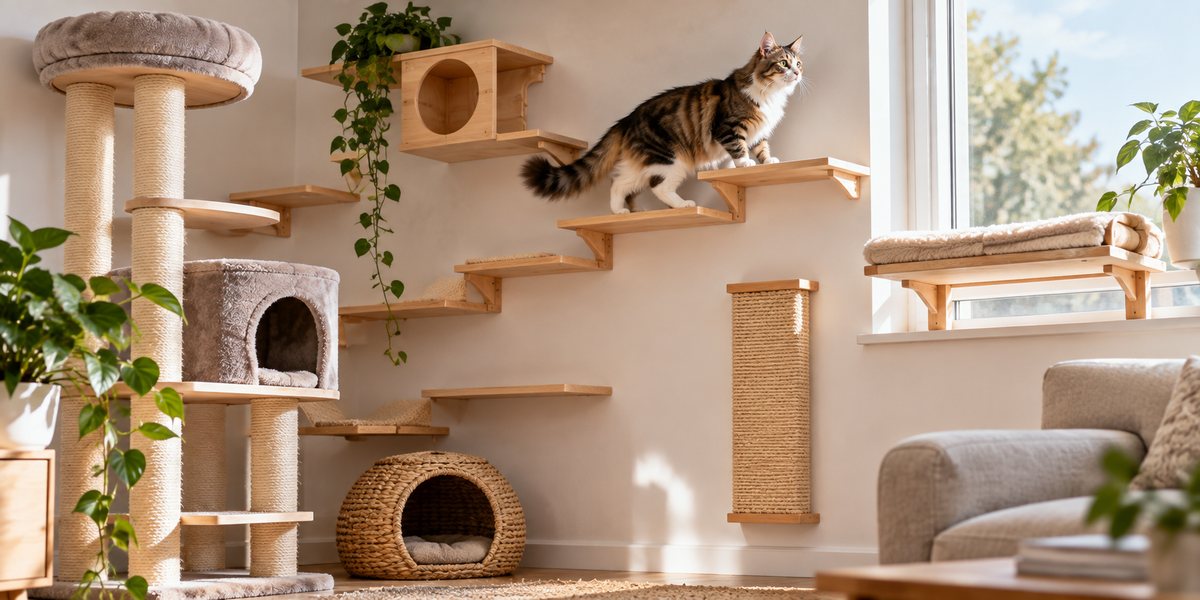
| Indoor & home environment needs | Balanced indoor Chartreux are calm but capable cats that benefit from both quiet resting territory and regular activity. A suitable indoor home includes sturdy perches, scratching surfaces, short interactive hunting games and food management to prevent sedentary weight gain. |
| Outdoor access considerations | Secure hunting control Chartreux are calm household cats but historically capable mousers. Secure outdoor access can provide exercise while limiting hunting opportunities and protecting a sturdy but still vulnerable companion from roads and territorial encounters. |
| Heat, cold & sun considerations | Dense weather coat heat caution Chartreux have a dense, woolly double coat that gives strong protection in cool weather. That insulation makes sustained heat the greater management concern: provide abundant water, shade, airflow and access to cooler surfaces. |
| Caregiver time & experience | Moderate Chartreux are generally calm, self-possessed cats with a dense but manageable coat. Caregiver time is moderate: regular play and weight monitoring matter, while grooming rises during seasonal shedding but daily intensive management is usually unnecessary. |
| Health & welfare | |
| Documented health predispositions | No major breed-specific predisposition is known The Chartreux is generally regarded as a healthy breed without a prominent breed-specific disease pattern. |
| Screening & breeder questions | Ask for documentation relevant to the breed’s recorded health concerns Ask about patellar luxation, hip or mobility problems and heart disease in the family, and what physical and cardiac examinations breeding cats receive before being used. |
| Conformation-related welfare | Low heavy type monitoring Chartreux are sturdy, muscular cats with no defining structural mutation. Their substantial build should remain athletic; excessive weight or bulk that reduces mobility should not be confused with correct breed type. |
| Nutrition & weight management | Weight gain prone Chartreux are naturally sturdy and muscular but can gain excess fat in sedentary homes. Preserve the powerful build through muscle with measured meals, active play and hands-on body-condition scoring rather than accepting increasing heaviness as breed type. |
| Longevity | 8–13+ years A typical reported life span is about 8–13 years or longer. |
| Cost & availability | |
| Purchase cost | High: $1,000–$2,500 Chartreux: a practical breeder-market estimate is $1,000–$2,500. This reflects that it is an established but relatively scarce breed, especially outside continental Europe. |
| Adoption & rehoming cost | Uncommon in rescue: $100–$500 typical rescue/adoption fee Chartreux: $100–$500 typical rescue/adoption fee. The breed does appear in rescue, but much less often than mixed-breed cats or the most numerous pedigrees. |
| Recurring ownership costs | Coat maintenance · higher food/larger equipment Chartreux are substantial cats, so food and sturdy equipment can cost somewhat more than for a small breed. Their woolly coat is normally maintained at home; preventive care, dental work and sensible weight management remain the main recurring expenses. |
| Availability, waits & import | Moderately available Chartreux have established breeders in France, elsewhere in Europe and North America, but numbers are modest compared with major popular breeds. Prospective owners can usually locate breeders in larger markets but may need to wait or travel. |
| Identity & real-world context | |
| Ownership & import restrictions | No known breed specific restrictions There are no known breed-specific ownership restrictions. Ordinary animal-welfare, identification, vaccination and cross-border import rules still apply where relevant. |
| Registry recognition | CFA: recognized breed/division · TICA: Championship-recognized / current breed identity · FIFe: fully recognized breed / mapped breed identity Currently recognized in all three registries tracked by the FSC core matrix: CFA, TICA and FIFe. |
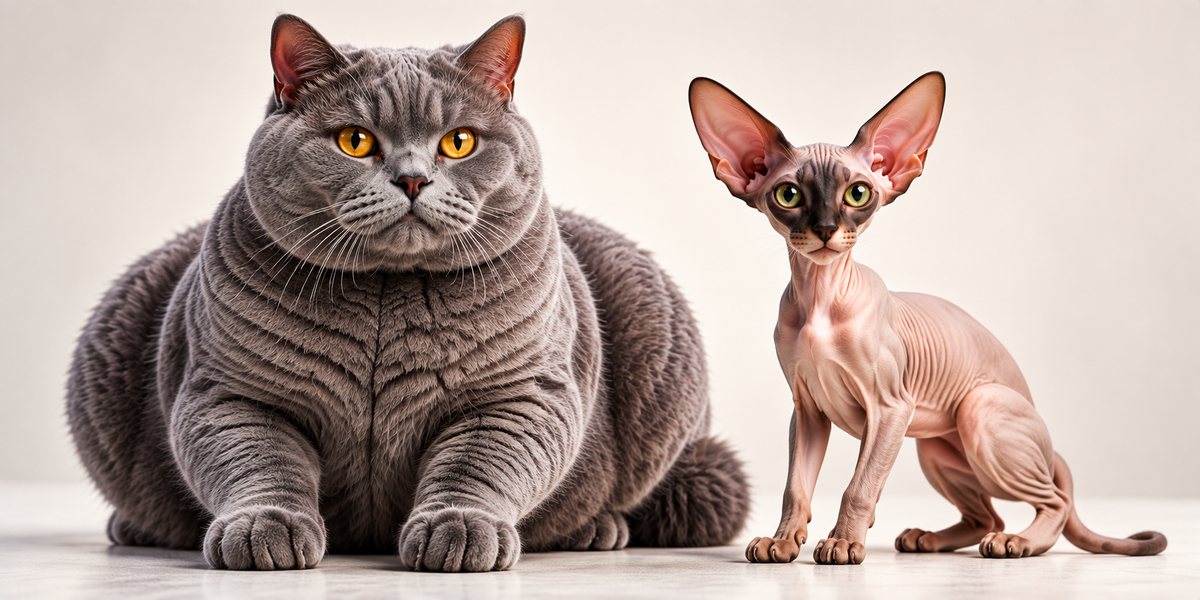
| Similar breeds & identity distinctions | British Shorthair Russian Blue Chartreux, blue British Shorthairs and Russian Blues can all appear solid blue. Chartreux are muscular with a woolly blue coat and copper/gold eyes; Russian Blues are more slender with green eyes, while British Shorthairs are more cobby and round-headed. |
| Reported characteristic quirks | Notably quiet voice relative to body size; often communicates without frequent meowing. Chartreux are famously quiet for such substantial cats; many use small chirps or trills rather than frequent meowing and can follow household activity with an understated, watchful presence. |
Browse all 53 breed characteristics
Open any characteristic to compare all breeds on that dimension.






 English