
Compare Cat Breeds
Compare up to three breeds across all 53 characteristics. Values are shown directly so the differences are easier to scan.
| Characteristic | 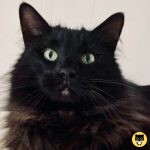 Chantilly-Tiffany |
|---|---|
| Body & development | |
| Adult size | Medium |
| Adult weight | 2.5–5 kg (5.5–11.0 lb) Historical breed documentation places adult Chantilly-Tiffany cats around 2.5–5.0 kg (5.5–11.0 lb), with sex and individual build accounting for much of the range. |
| Build & distinguishing morphology | Medium · semi foreign · moderate bone · plumed tail The Chantilly-Tiffany is a medium, moderately boned semi-foreign cat: neither cobby nor extremely slender, with a long plumed tail enhancing its outline. |
| Maturation | 18-24 months The Chantilly-Tiffany generally reaches its adult frame during the first year and continues filling out through roughly 18–24 months, when its ruff, furnishings and plume also approach full development. |
| Coat & appearance | |
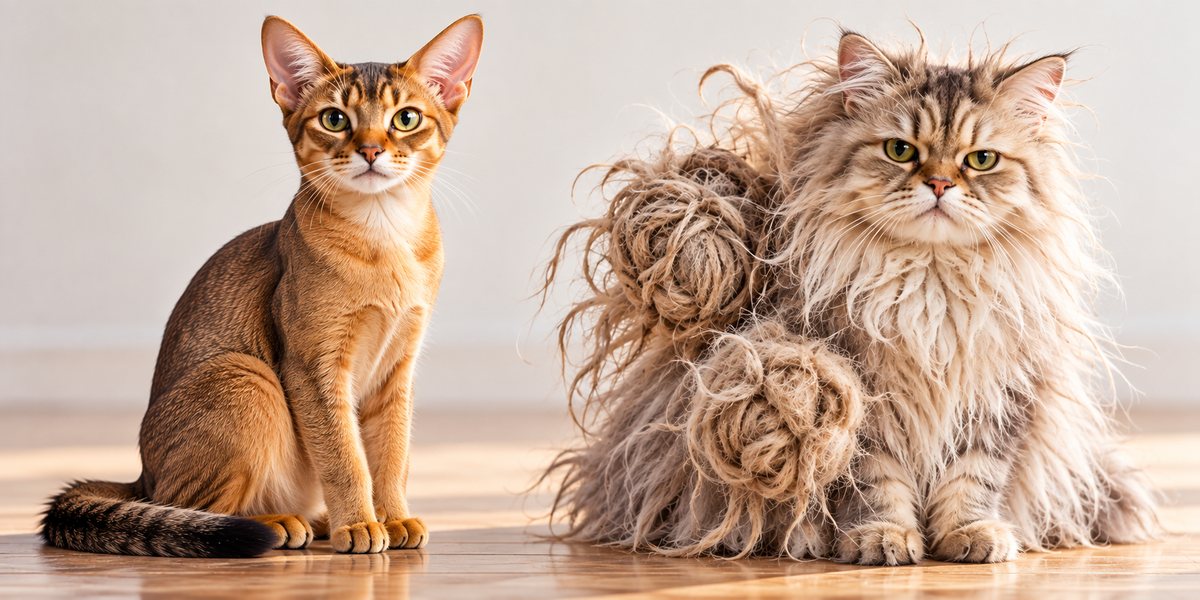
| Coat length | Semi long Historical breed descriptions consistently specify a full semi-long silky coat. |
| Coat texture & undercoat | Semi long · silky · little or no undercoat The semi-long coat is soft and silky with little or no downy undercoat. |
| Colors & patterns | Chocolate · lilac · blue · fawn · cinnamon; solid or subtle tabby Chocolate is the signature colour; historical lines also included lilac, blue, fawn and cinnamon, generally solid or with subtle tabby expression. |
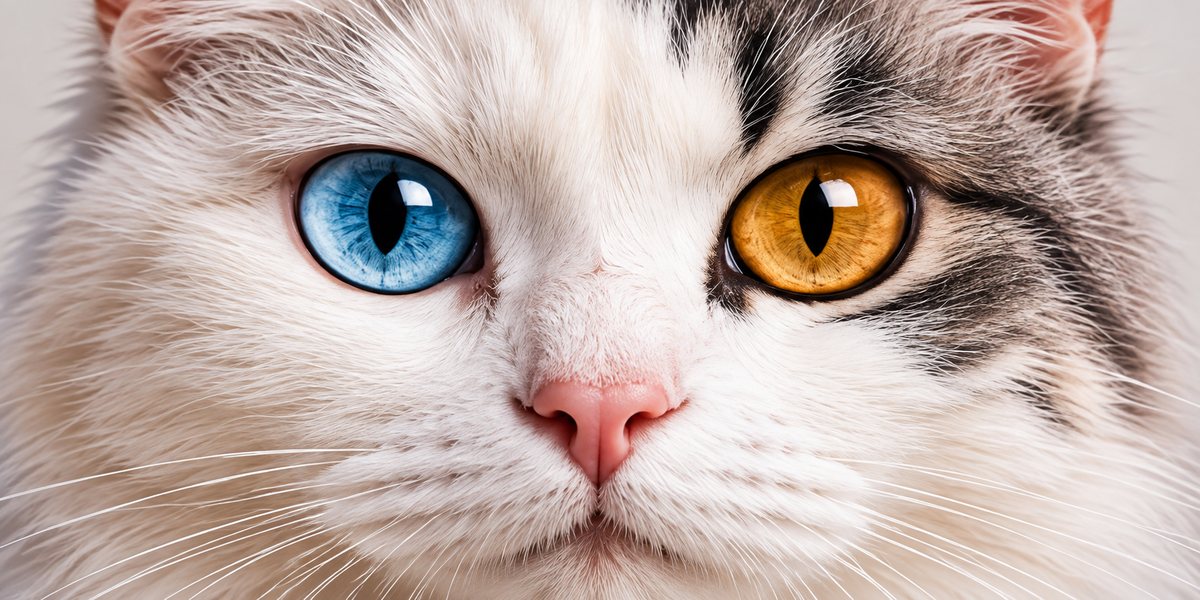
| Eye colors | Gold to amber Gold to amber is characteristic, often deepening with maturity. |
| Coat & routine care | |
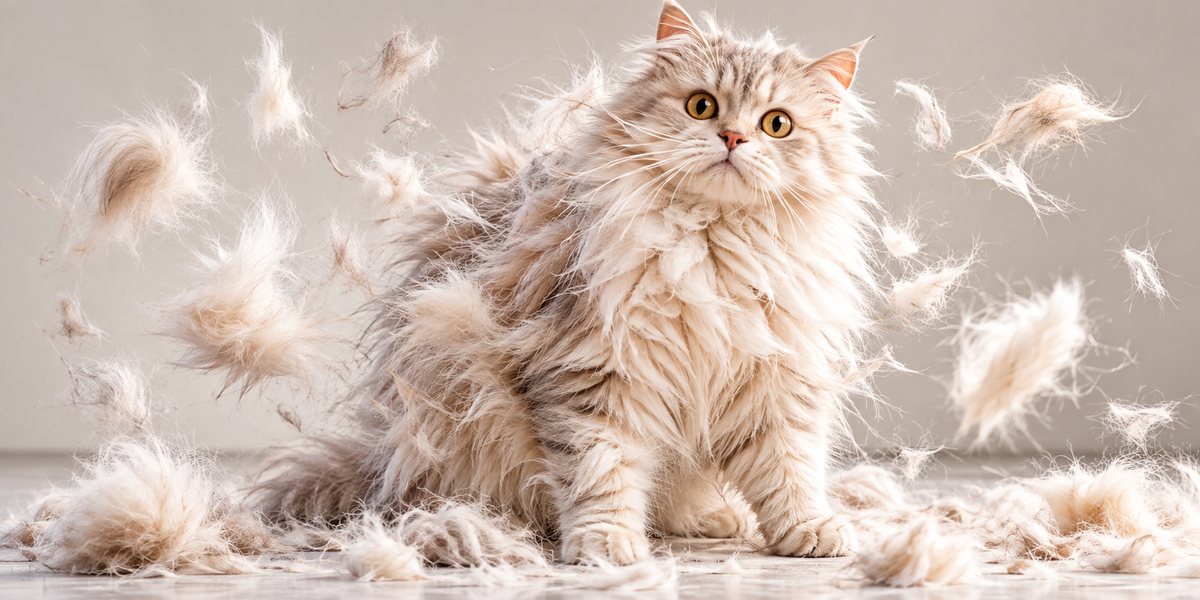
| Shedding | Moderate Moderate shedding; the silky semi-long coat is not as densely undercoated as many longhaired breeds. |
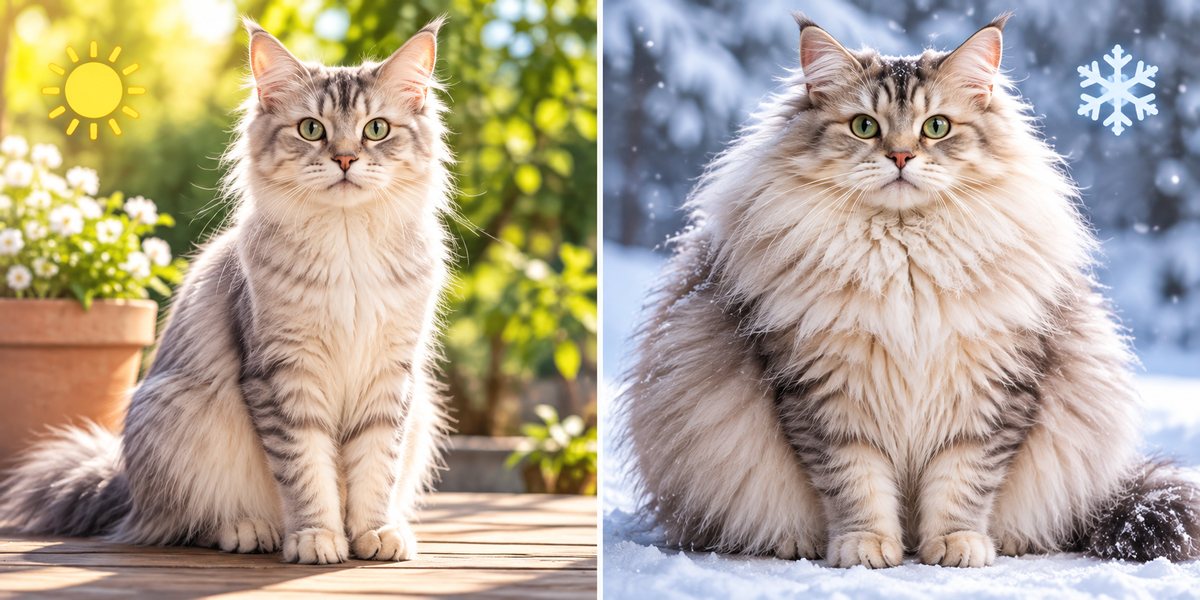
| Seasonal coat changes | Moderate seasonal change The silky semi-long Chantilly-Tiffany coat can become fuller in cooler months and shed more in spring, but little undercoat means it does not usually blow coat heavily. |
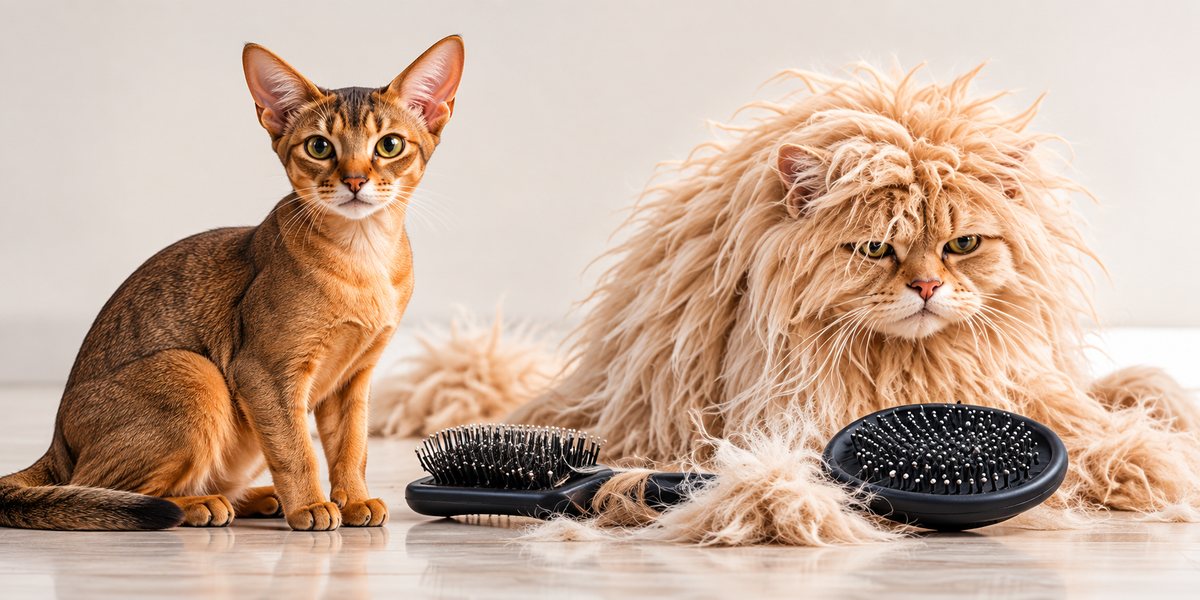
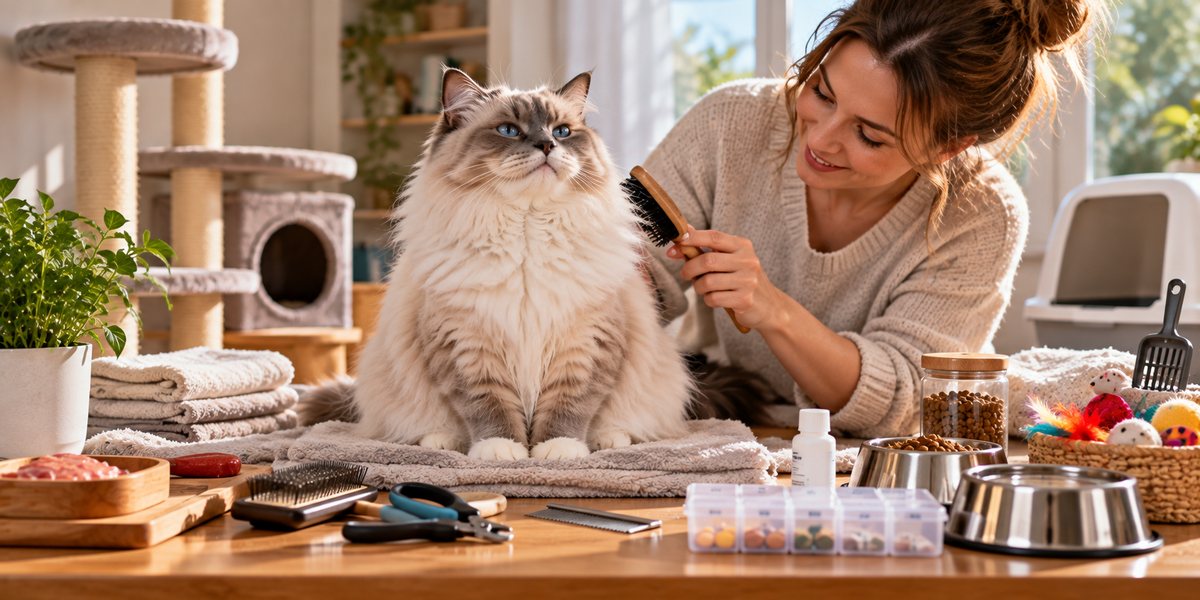
| Brushing & combing | 3x week or as needed Comb the silky semi-long coat about twice weekly, concentrating behind the ears, armpits and breeches where friction can start tangles. |
| Tangle & matting tendency | Low to moderate The silky semi-long coat has little or no woolly undercoat, so severe matting is uncommon, though ruff, belly and hindquarter tangles can occur. |
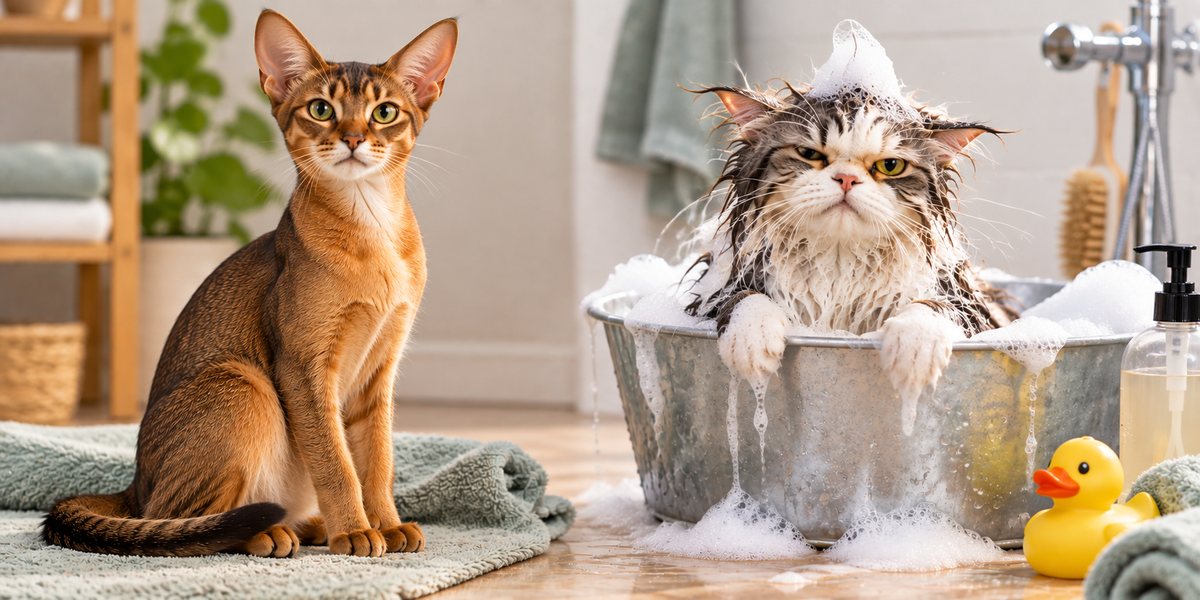
| Skin & bathing care | Bathing not routinely needed Routine bathing is generally unnecessary; bathe only when the coat is genuinely soiled or for a specific veterinary or grooming reason. |
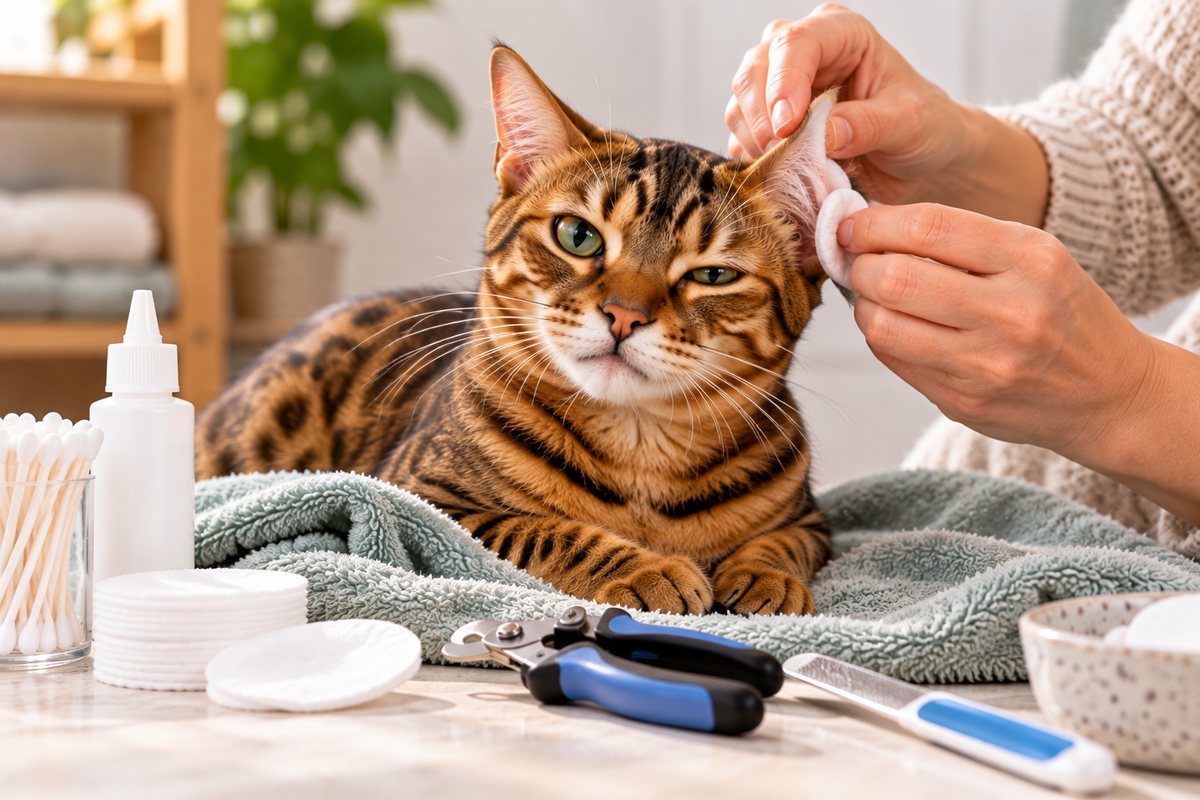
| Distinctive routine care | Semilong coat care The semi-long coat needs regular combing to prevent friction tangles, although it is not normally as demanding as a very dense Persian coat. Routine nail, ear and dental care complete the basic schedule. |
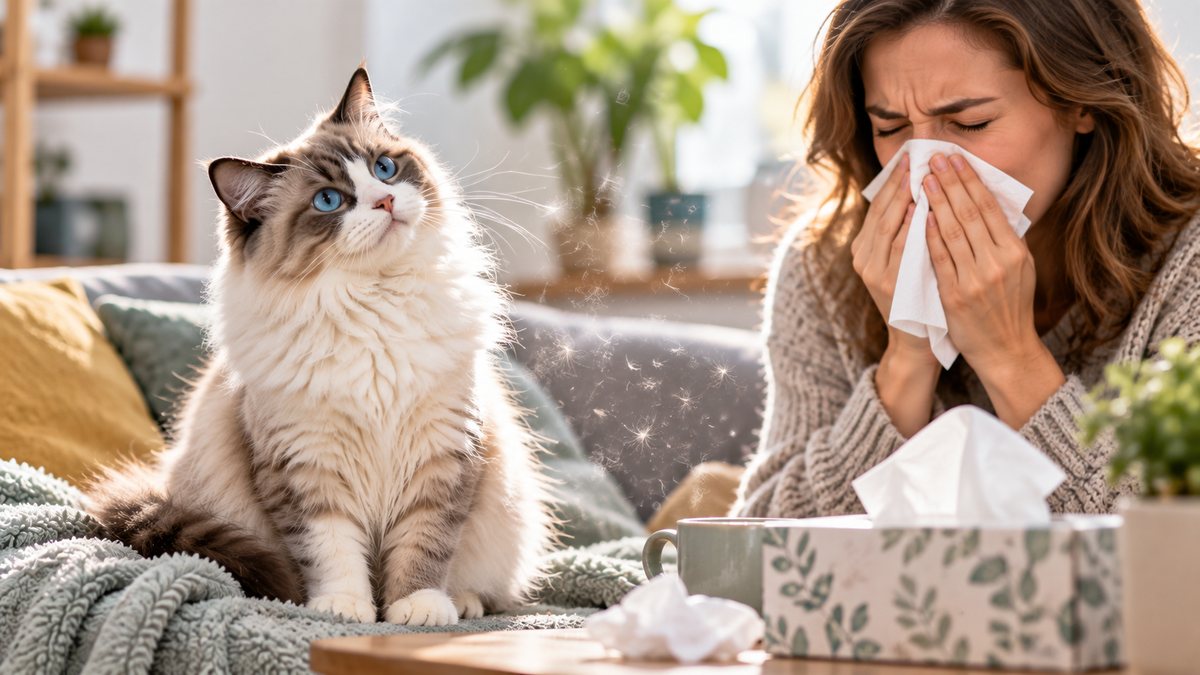
| Allergy & allergen evidence | No breed specific reduction established There is no known reason to regard this breed as hypoallergenic. All cats produce allergens, and coat length or shedding alone does not determine allergy risk. |
| Activity & intelligence | |
| Activity level | Balanced: capable of active play but also notably content to relax. |
| Playfulness | Moderate to high Moderately playful, tending toward interactive and companion-oriented games rather than relentless high-energy activity. |
| Climbing & jumping | Moderate The Chantilly-Tiffany is generally balanced rather than hyperactive; it should climb competently but is unlikely to require unusually demanding vertical exercise. |
| Enrichment demand | Moderate Moderate enrichment demand: regular interactive play and environmental variety are valuable, balanced with the breed’s pronounced ability to settle and relax. |
| Learning & training | Moderate Available descriptions suggest a gentle, people-oriented cat that should learn routines and simple cues comfortably, without good evidence for unusually high training drive. |
| Curiosity & exploration | Moderate Chantilly-Tiffany cats are generally portrayed as attentive, people-oriented companions; curiosity is likely moderate, expressed through following household activity rather than constant high-energy exploration. |
| Hunting & chasing tendencies | Moderate to high Expect ordinary feline hunting play at moderate intensity; available breed descriptions suggest a balanced companion temperament rather than an extreme chase drive. |
| Personality & social | |
| Sociability with familiar people | Very high Chantilly-Tiffany cats bond very closely with their people, often choosing one or two especially favoured family members. |
| Affection | Devoted · gentle · close bond · follows people Affection is devoted and close: the breed is known for following its people, snuggling and maintaining a gentle bond. |
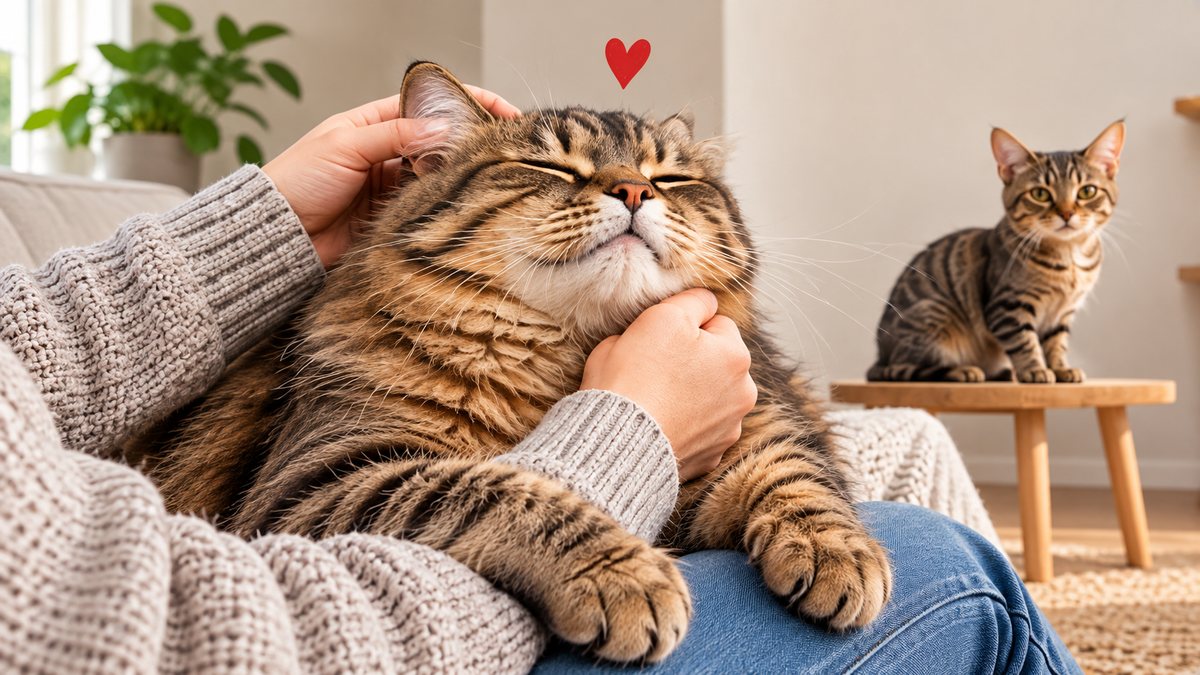
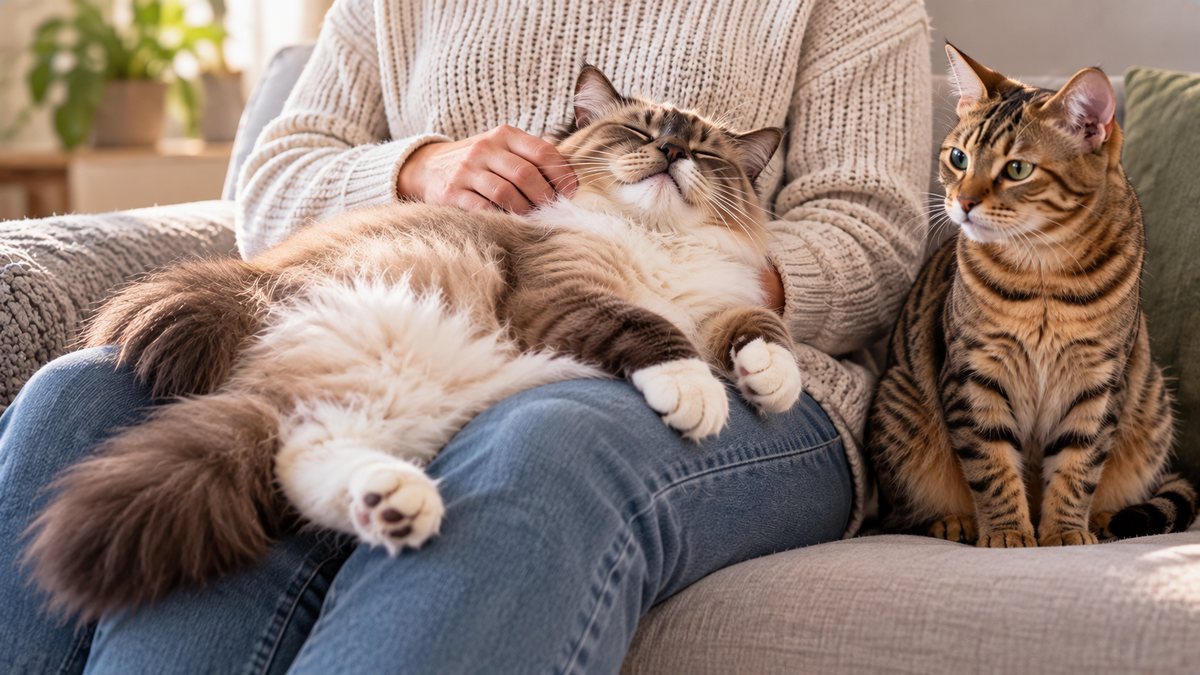
| Lap & cuddling preference | High Chantilly-Tiffany cats are notably inclined to lounge on the lap of a trusted person. |
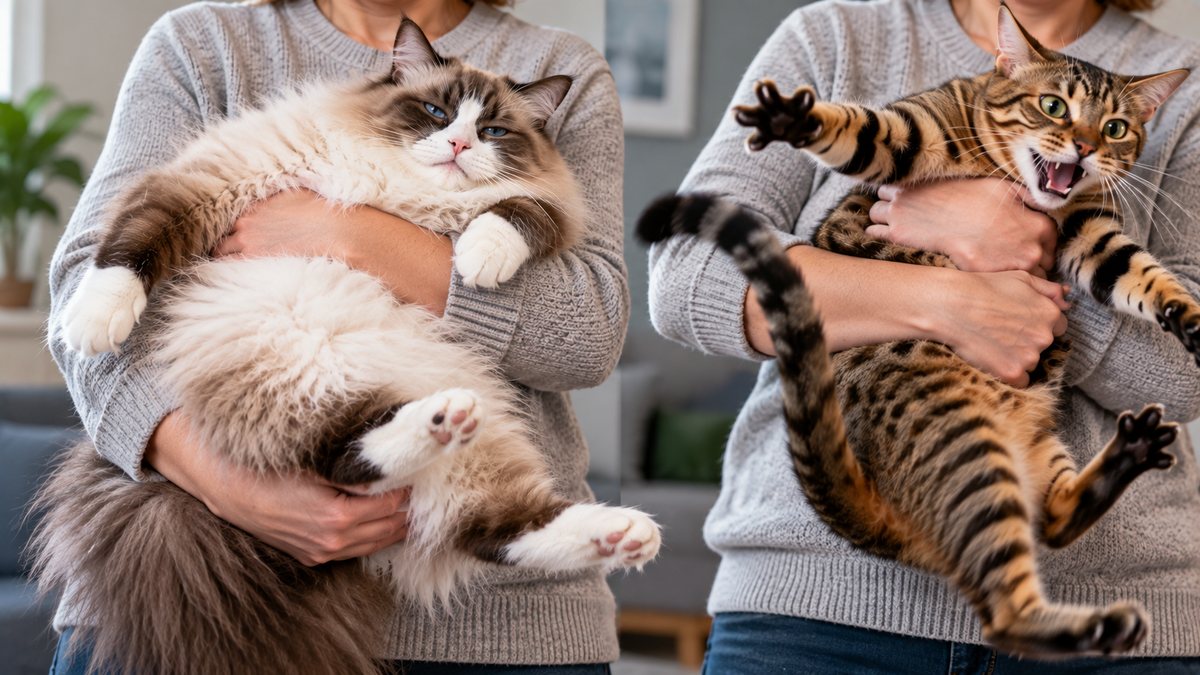
| Handling tolerance | High Historical descriptions emphasize a gentle, people-attached companion temperament, making good tolerance of calm grooming and handling a reasonable expectation. |
| Independence & social demand | High social demand The Chantilly-Tiffany prefers regular companionship and generally does not thrive when left alone for long periods. |
| Vocalization | Moderate soft chirps The breed communicates with a soft, sweet chirping voice rather than exceptionally loud vocalization. |
| Response to unfamiliar people | Moderate Chantilly-Tiffany cats are affectionate with their people but often comparatively quiet and selective, so newcomers may receive a cautious inspection before friendship. |
| Adaptability to change | Moderate Strong attachment to familiar people can make major moves or rehoming initially stressful, but a quiet introduction and consistent companionship usually support a good adjustment. |
| Noise & busy-environment sensitivity | Moderate Historical descriptions emphasize a gentle, people-attached temperament; normal household sound should be manageable, but a persistently hectic environment may be less comfortable. |
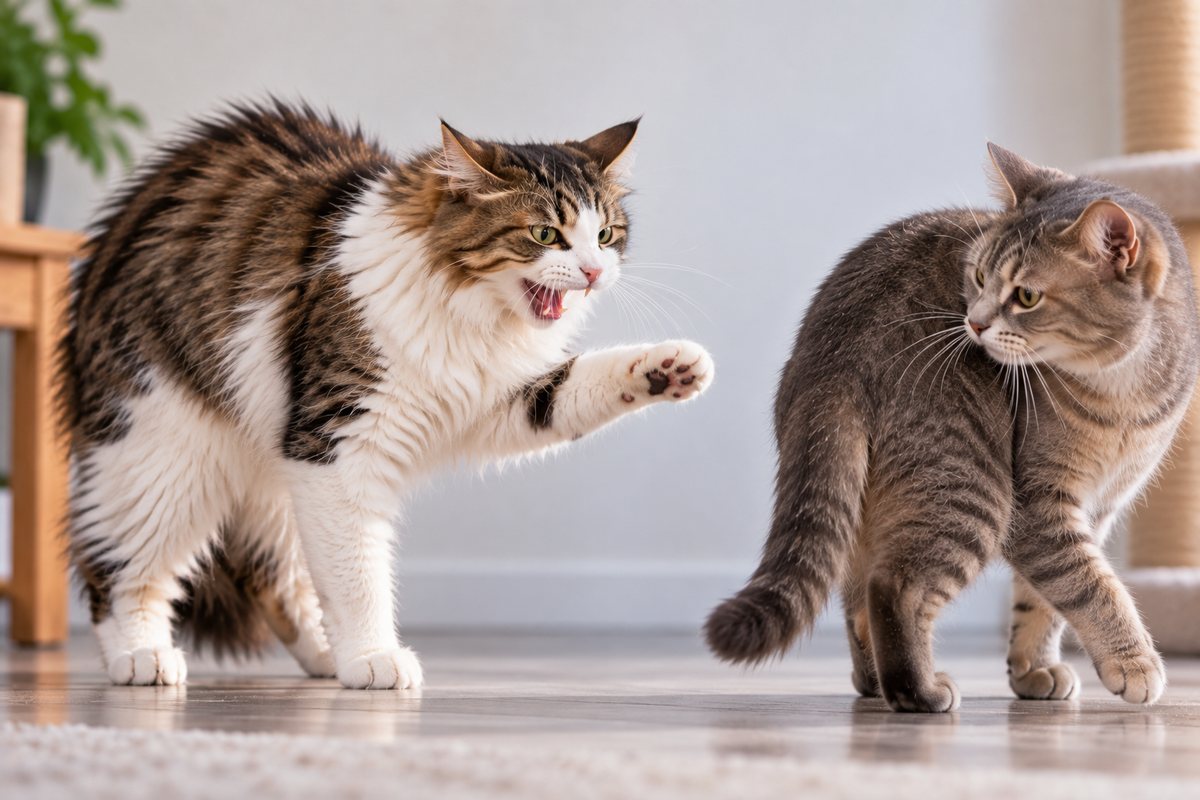
| Defensive & conflict behaviour | Very low Historical accounts portray the Chantilly-Tiffany as gentle, devoted and moderate in temperament. On that basis, defensive escalation is best estimated as low, with withdrawal more likely than confrontation under ordinary stress. |
| Household & environment | |
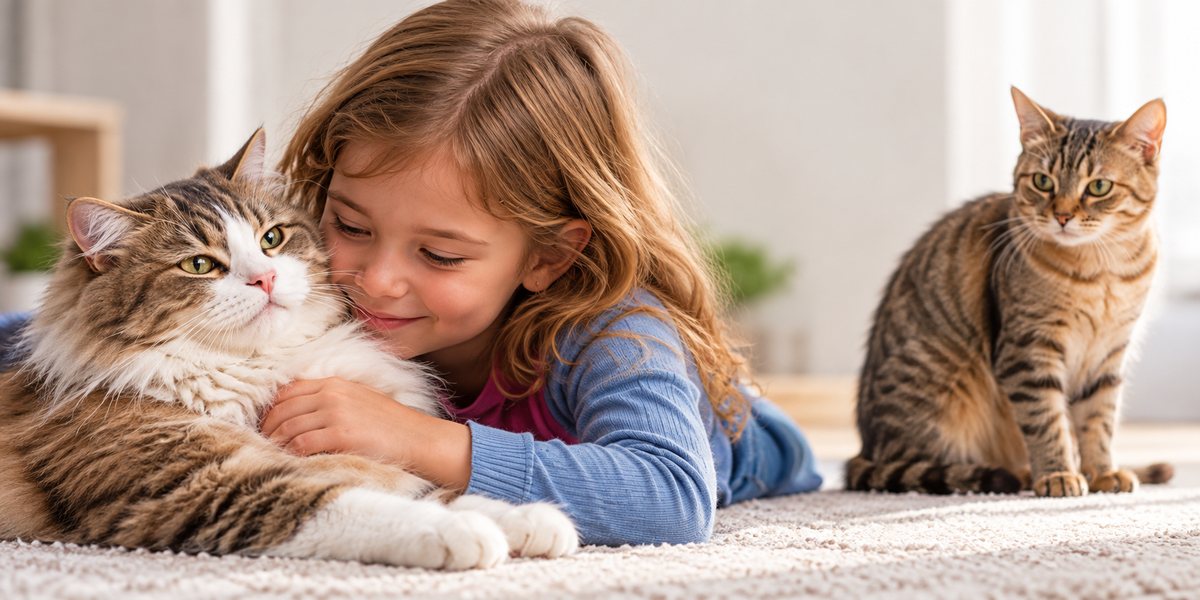
| Living with children | Favorable tendency The breed is generally considered a good family cat and tends to get along well with respectful children. |
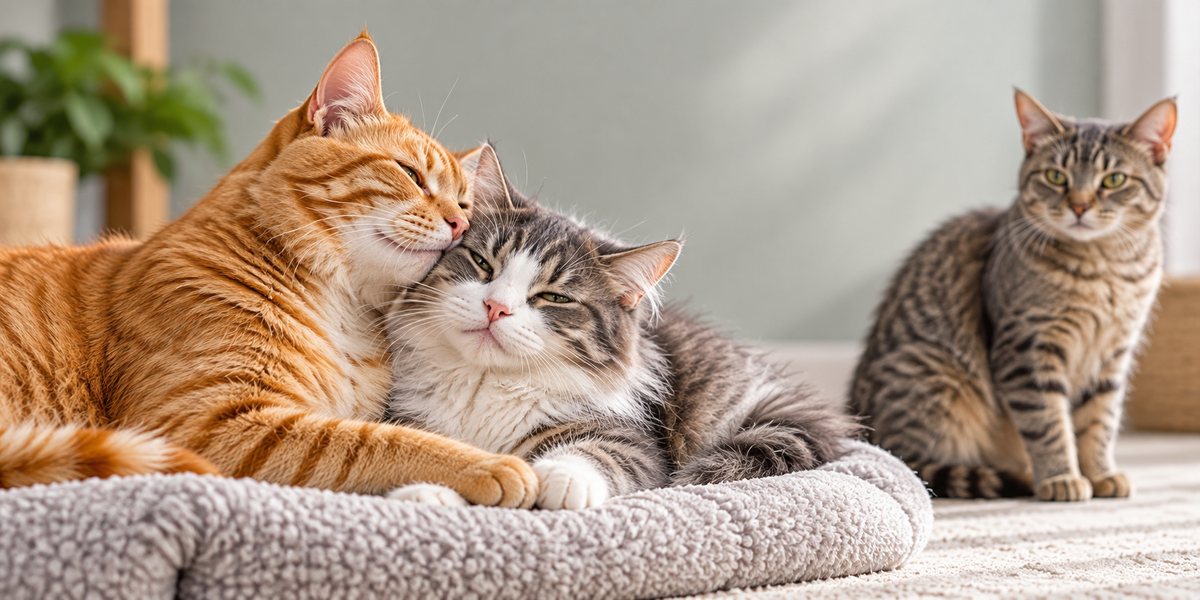
| Living with other cats | Favorable tendency Chantilly-Tiffany cats are typically affectionate and companion-oriented without being excessively intense, giving them good prospects with another friendly cat in a stable household. |
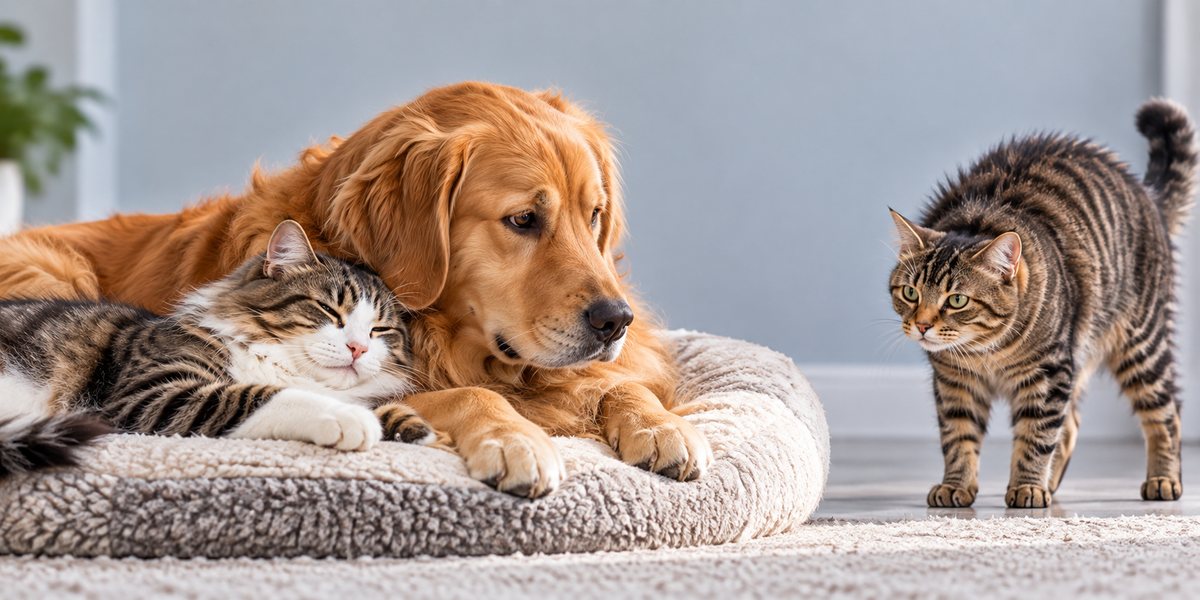
| Living with dogs | Moderate Chantilly-Tiffany cats were generally described as affectionate and moderately social rather than highly assertive. They can live with a calm, cat-friendly dog, but a quiet introduction and reliable feline retreat space are preferable to a boisterous canine companion. |
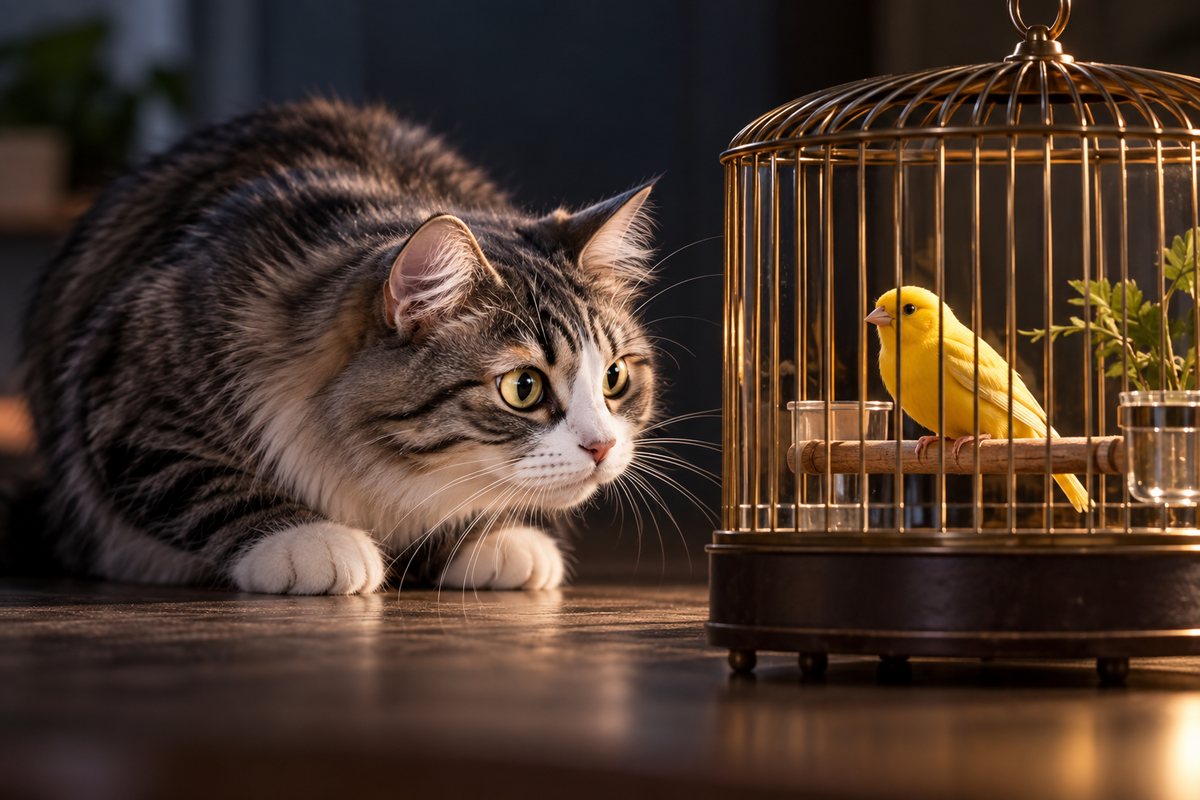
| Living around small pets | Normal predatory caution Chantilly-Tiffany cats were generally described as moderate, affectionate companions rather than unusually intense hunters. Normal feline predatory risk still applies, so small pets should be protected by secure housing and separation. |
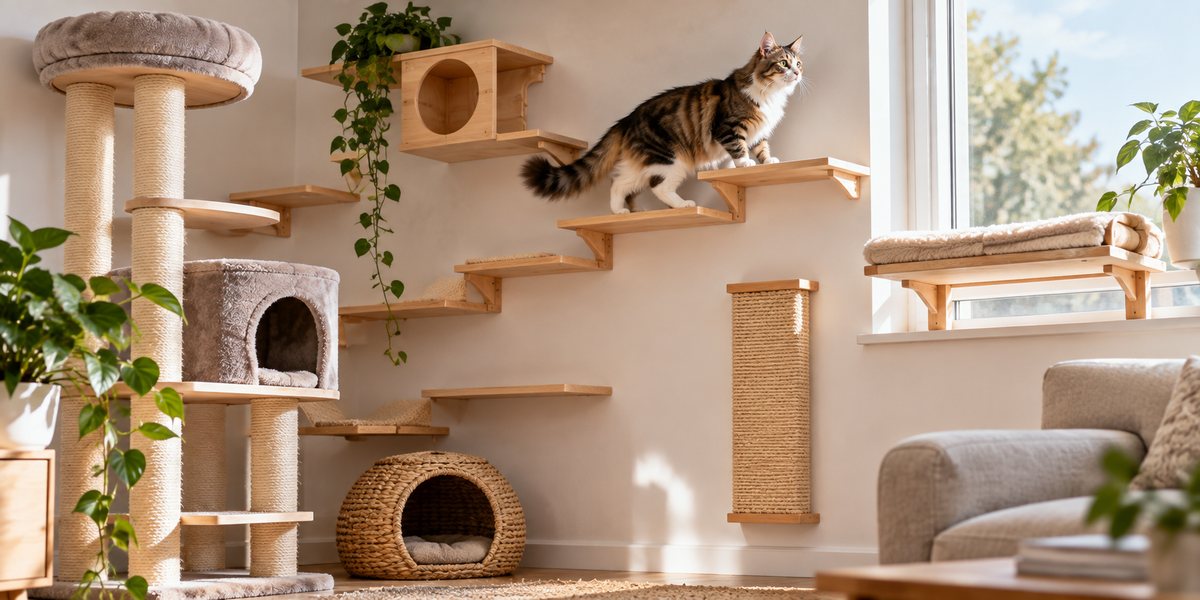
| Indoor & home environment needs | Balanced indoor Chantilly-Tiffany cats were described as affectionate, moderately active companions. A conventional enriched indoor home with perches, scratching, hiding places, daily play and comfortable social resting areas should suit most individuals. |
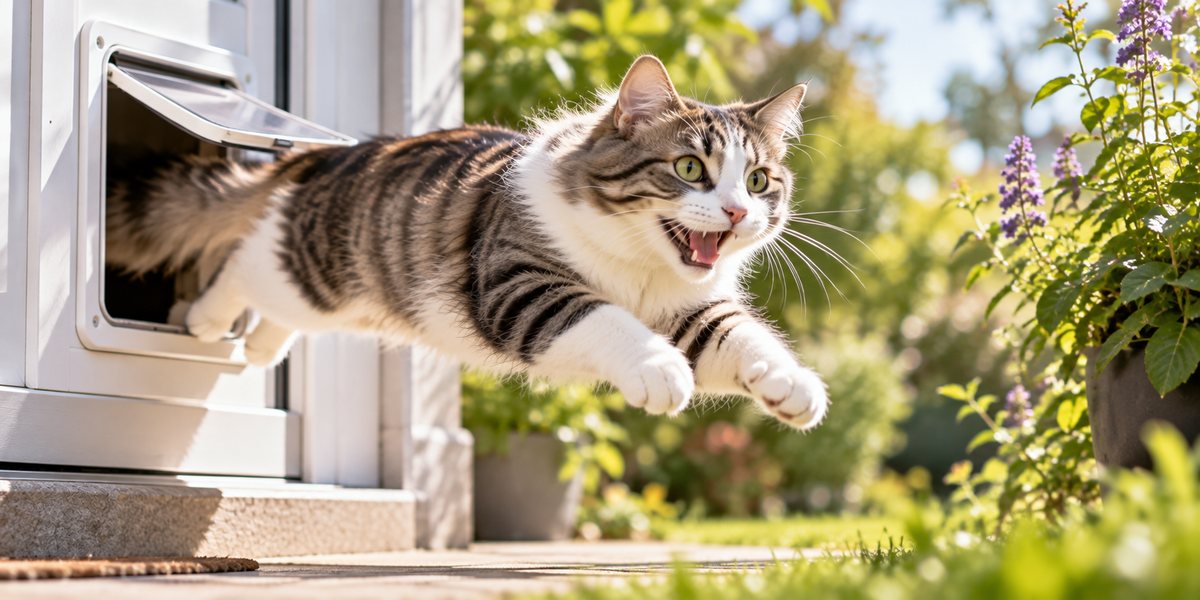
| Outdoor access considerations | Indoor or secure Chantilly-Tiffany cats were described as affectionate household companions and can live well indoors. Secure outdoor access may add variety, but free roaming is unnecessary; protected access better suits their moderate companion profile. |
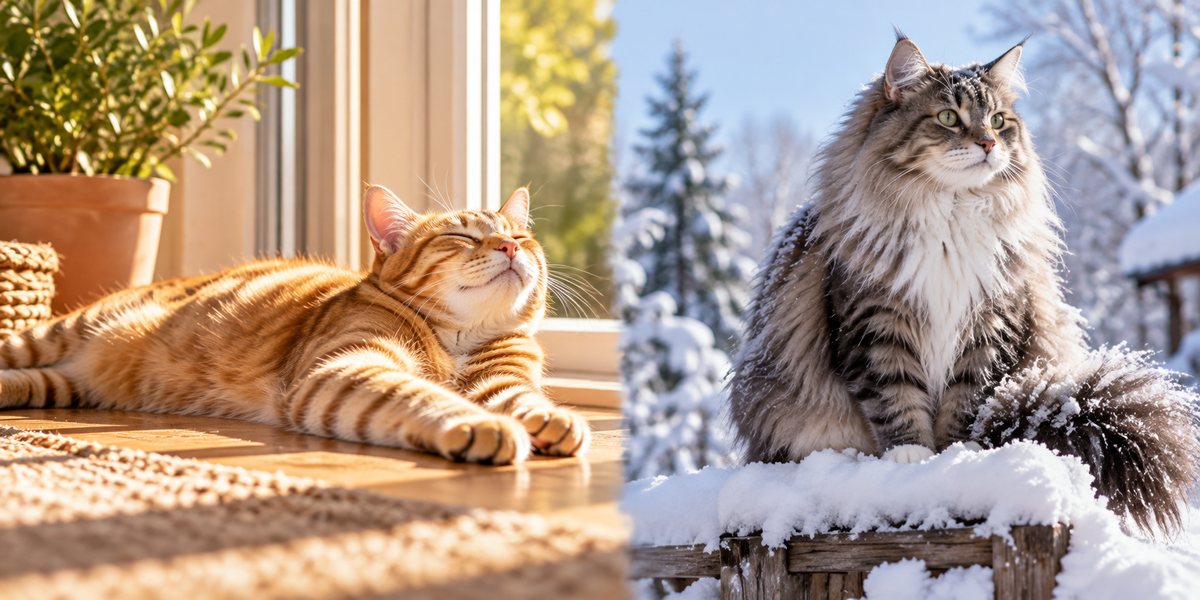
| Heat, cold & sun considerations | Semilong heat caution Chantilly-Tiffany cats had a semi-long coat that offered useful insulation but could retain warmth. A temperate indoor environment, cool shaded summer resting places and dry warm winter shelter suit the likely coat profile. |
| Caregiver time & experience | Moderate Chantilly-Tiffany cats were moderately active, affectionate companions with a semi-long coat. They likely suit caregivers able to provide regular social time and combing without the intensity demanded by very high-energy or extremely dense-coated breeds. |
| Health & welfare | |
| Documented health predispositions | Limited specific risk Chantilly-Tiffany cats were never associated with a well-established signature inherited disease. Because the population became extremely small, genetic diversity and reliable family health history would be especially important wherever surviving or reconstructed lines are claimed. |
| Screening & breeder questions | Ask what health problems are tracked in the lines and request actual test results Ask for verifiable pedigree and multigenerational health records, including cardiac and kidney disease, and how genetic diversity is managed. The breed's extreme rarity makes documentation especially important. |
| Conformation-related welfare | Low conformation concern Chantilly-Tiffany cats were defined primarily by coat and color, not by structural extremes. Any surviving or reconstructed line should retain a moderate functional body and normal facial and skeletal anatomy. |
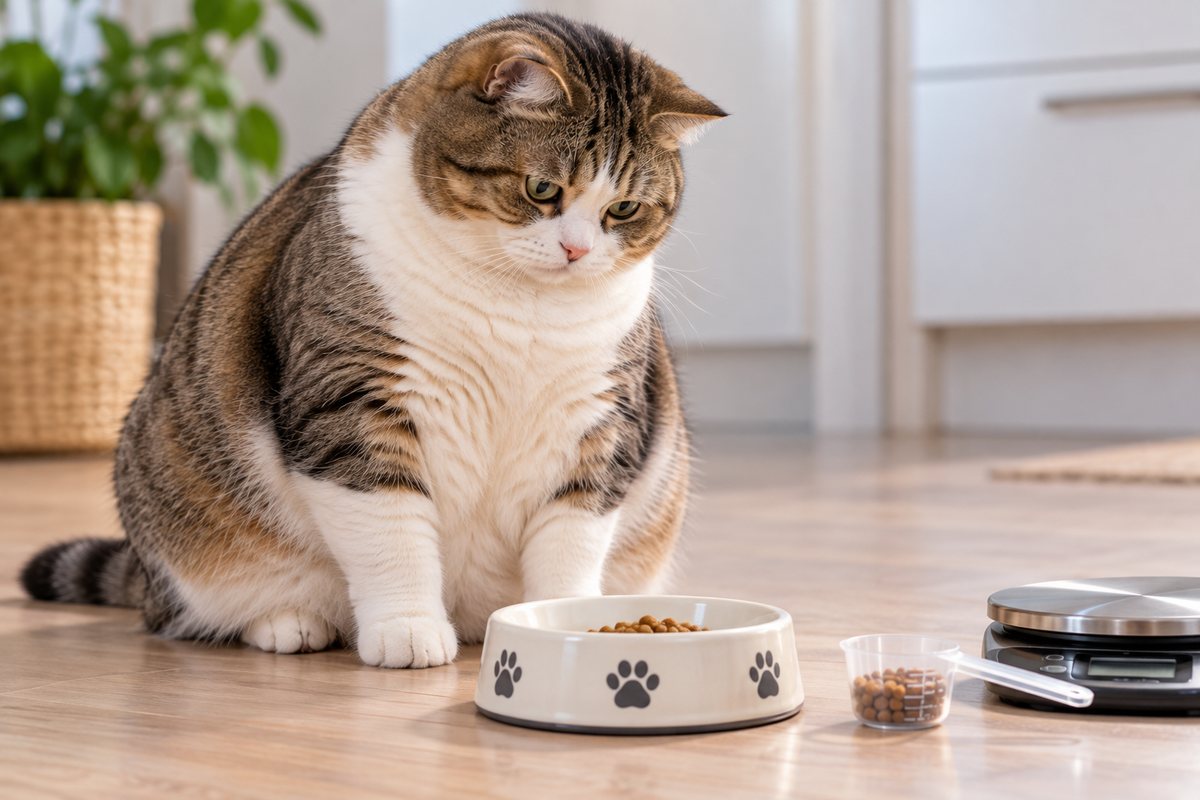
| Nutrition & weight management | Coat hides condition The Chantilly-Tiffany's semi-long coat could conceal gradual weight gain. A complete diet with measured portions and hands-on rib and waist checks is preferable to judging condition from the outline of the coat. |
| Longevity | 7–12 years Historical references usually place the Chantilly-Tiffany around 7–12 years; because the breed is extinct or exceptionally scarce, modern longevity data are necessarily limited. |
| Cost & availability | |
| Purchase cost | Not commercially available: No reliable current breeder market Chantilly-Tiffany has no reliable current breeder-market price because there is no established contemporary breeding market; any sale claim should be evaluated for documented pedigree rather than against a normal breed price range. |
| Adoption & rehoming cost | Not normally applicable: No normal breed-specific rescue market Chantilly-Tiffany: No normal breed-specific rescue market. The breed has no meaningful current breeding population, so breed-specific adoption pricing is not a useful category. |
| Recurring ownership costs | Coat maintenance The semi-long coat would add combing supplies and regular grooming time but not necessarily professional grooming. Otherwise recurring costs are conventional food, litter, preventive veterinary care and enrichment; the breed's effective disappearance makes current cost claims largely historical. |
| Availability, waits & import | Effectively unavailable The Chantilly-Tiffany breeding population largely disappeared and the breed is often treated as extinct or functionally extinct. Genuine contemporary availability is therefore extremely doubtful; similarly colored longhaired cats should not be presented as established Chantilly-Tiffany lines without documentation. |
| Identity & real-world context | |
| Ownership & import restrictions | No known breed specific restrictions There are no known breed-specific ownership restrictions. Ordinary animal-welfare, identification, vaccination and cross-border import rules still apply where relevant. |
| Registry recognition | No separate current CFA/TICA/FIFe recognition Chantilly-Tiffany is not a separately recognized current breed identity in CFA, TICA or FIFe within the FSC core registry matrix; recognition by smaller, national or experimental registries can differ. |
| Similar breeds & identity distinctions | Other chocolate longhairs Chantilly-Tiffany cats were semi-longhaired cats often associated with rich chocolate coloring and can resemble chocolate domestic longhairs or other rare longhair breeds. With the original population largely gone, only documented ancestry—not color and coat alone—could establish identity. |
| Reported characteristic quirks | Individual quirks often center on play and exploration Chantilly-Tiffany accounts often describe a soft conversational voice rather than constant loud calling, with some cats using small chirps or trills while following a favored person. |
Browse all 53 breed characteristics
Open any characteristic to compare all breeds on that dimension.



 English