
Compare Cat Breeds
Compare up to three breeds across all 53 characteristics. Values are shown directly so the differences are easier to scan.
| Characteristic | 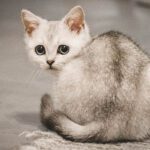 Burmilla |
|---|---|
| Body & development | |
| Adult size | Medium |
| Adult weight | 3.6–5.4 kg (7.9–11.9 lb) Most adult Burmillas are about 3.6–5.4 kg (7.9–11.9 lb), combining a moderate frame with a surprisingly solid feel. |
| Build & distinguishing morphology | Muscular elegant Build: muscular elegant. |
| Maturation | 18-24 months The moderate Burmilla generally reaches near-adult body size around a year and completes muscular filling-out through roughly 18–24 months; final eye color can also take up to about two years to settle. |
| Coat & appearance | |
| Coat length | Short · semi long Occurs in shorthair and longhair/semi-longhair forms. |
| Coat texture & undercoat | Short or semilong · fine silky Coat: short or semilong; fine silky. |
| Colors & patterns | Silver ground with tipping shading Colors/patterns: silver ground with tipping shading. |
| Eye colors | Green Green is characteristic, from yellow-green in younger cats toward clearer green with maturity. |
| Coat & routine care | |
| Shedding | Low to moderate Low to moderate shedding; the short coat is denser than Burmese but remains comparatively easy to manage. |
| Seasonal coat changes | Mild seasonal change Burmillas generally show a mild seasonal increase in shedding; semi-longhaired individuals display the change more visibly than shorthairs. |
| Brushing & combing | Weekly Weekly brushing normally controls the short plush coat; longhair Burmilla variants need more regular combing through feathered areas. |
| Tangle & matting tendency | Low to moderate by length Shorthairs have minimal tangle risk; semi-long Burmillas can knot in feathering and friction areas but are generally easier than heavily undercoated longhairs. |
| Skin & bathing care | Bathing not routinely needed Routine bathing is generally unnecessary; bathe only when the coat is genuinely soiled or for a specific veterinary or grooming reason. |
| Distinctive routine care | Low-maintenance in both coat lengths Both shorthair and longhair Burmillas are comparatively easy to groom. |
| Allergy & allergen evidence | No breed specific reduction established There is no known reason to regard this breed as hypoallergenic. All cats produce allergens, and coat length or shedding alone does not determine allergy risk. |
| Activity & intelligence | |
| Activity level | Moderate Playful and kitten-like into adulthood, but also mellow and laid-back; moderate overall activity. |
| Playfulness | Very high |
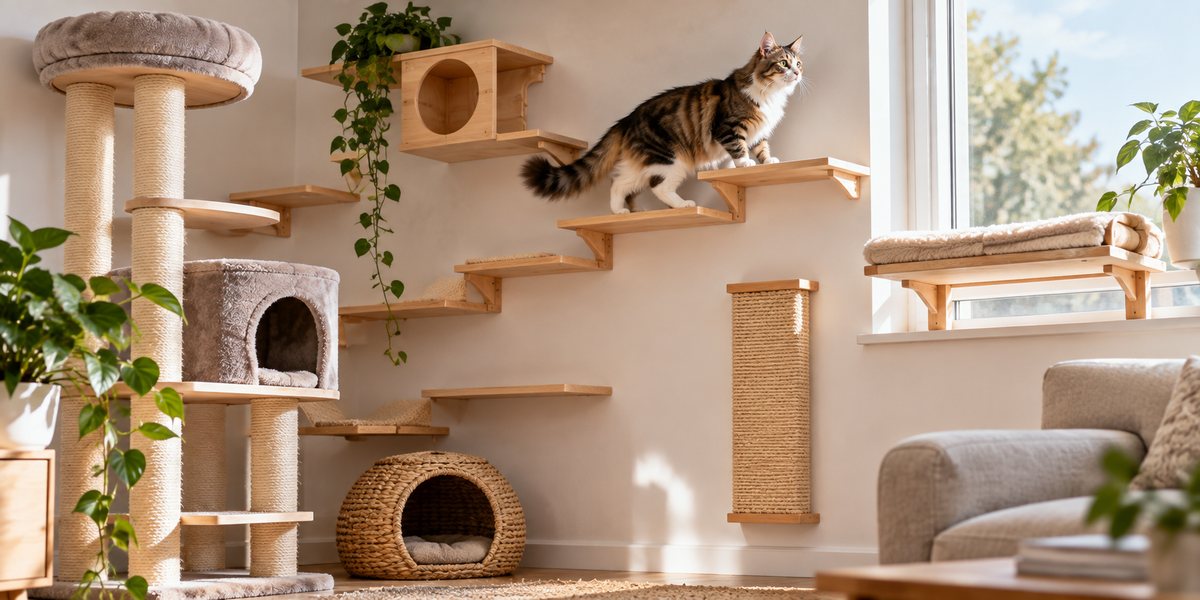
| Climbing & jumping | High Burmillas combine Burmese-derived playfulness with an inquisitive temperament, making cat trees and elevated interactive spaces particularly useful. |
| Enrichment demand | High High enrichment demand: strong playfulness and curiosity make rotating toys, climbing options and daily interactive sessions particularly useful. |
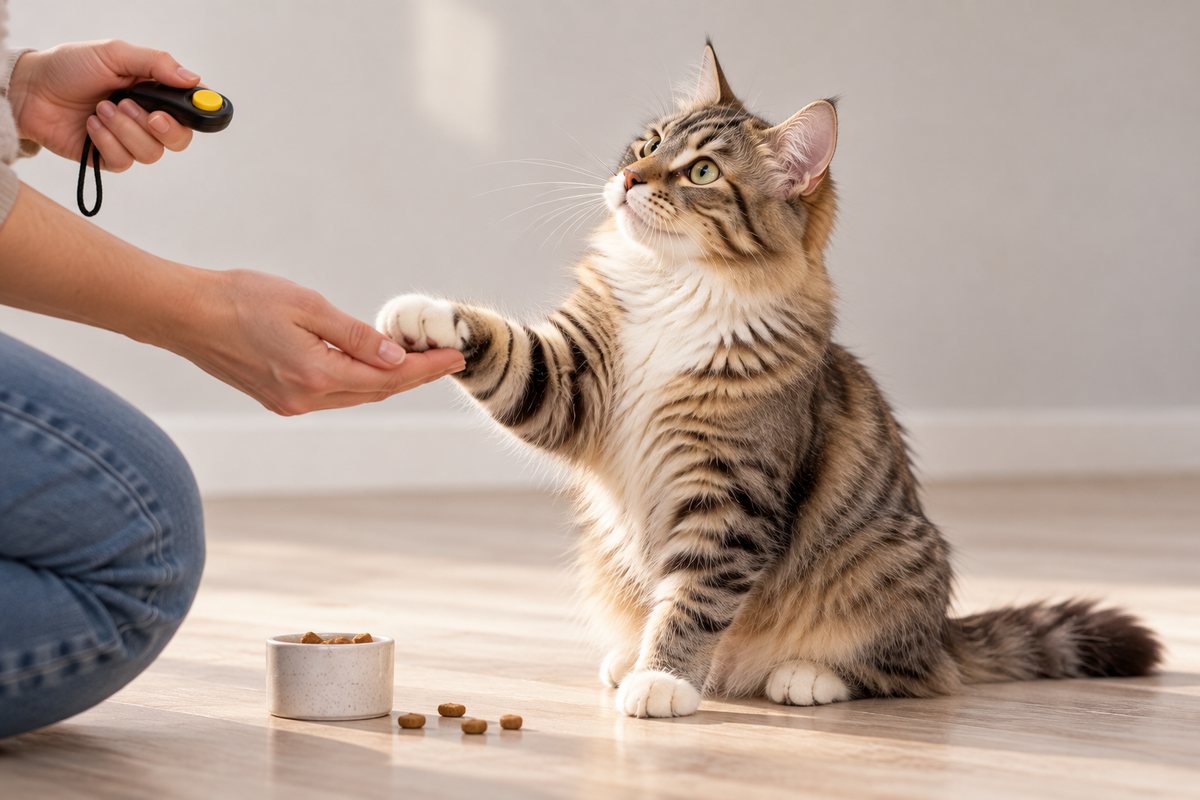
| Learning & training | High Burmillas are intelligent, inquisitive cats that can learn tricks and enjoy interactive puzzle toys. |
| Curiosity & exploration | Moderate to high The Burmilla combines an easygoing nature with a distinctly inquisitive and playful streak. |
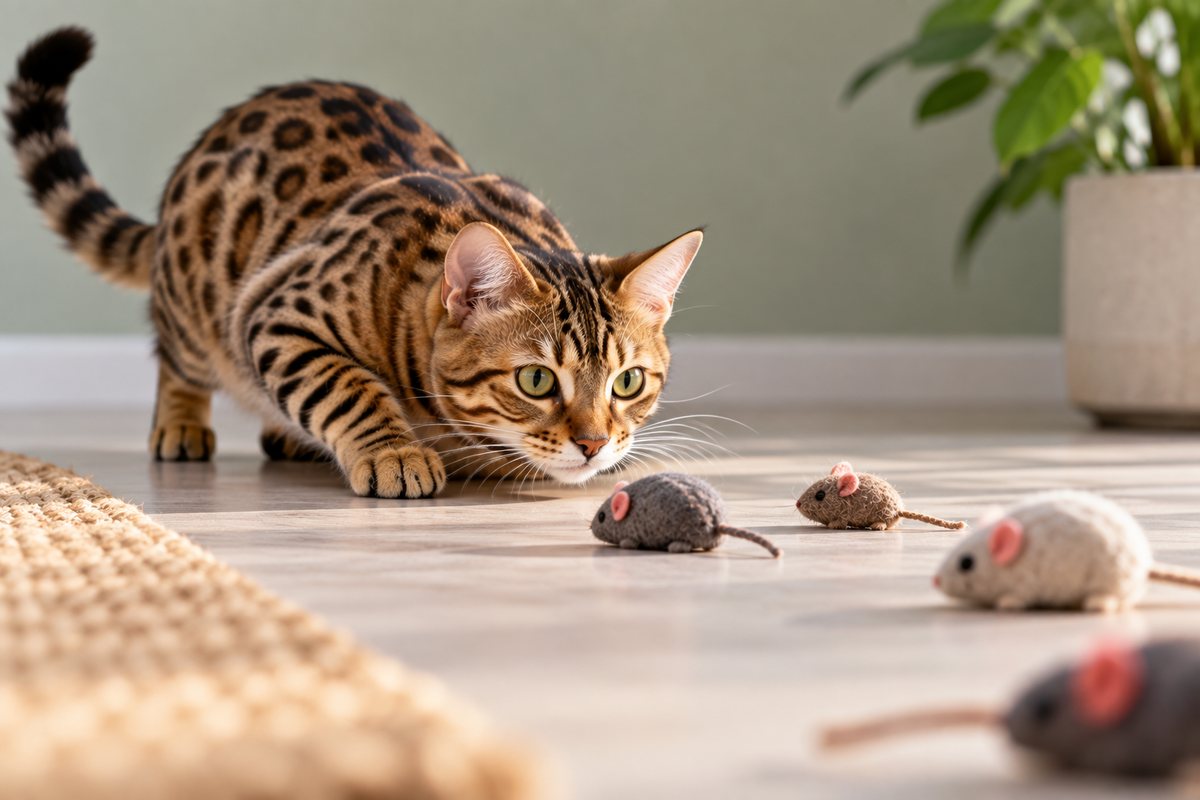
| Hunting & chasing tendencies | High Moderately strong chase play is likely, reflecting the breed's playful Burmese influence tempered by a generally easygoing companion temperament. |
| Personality & social | |
| Sociability with familiar people | High The Burmilla is a sweet-natured, family-oriented companion. |
| Affection | Gentle · family oriented · interactive Affection tends to be gentle, sociable and interactive. |
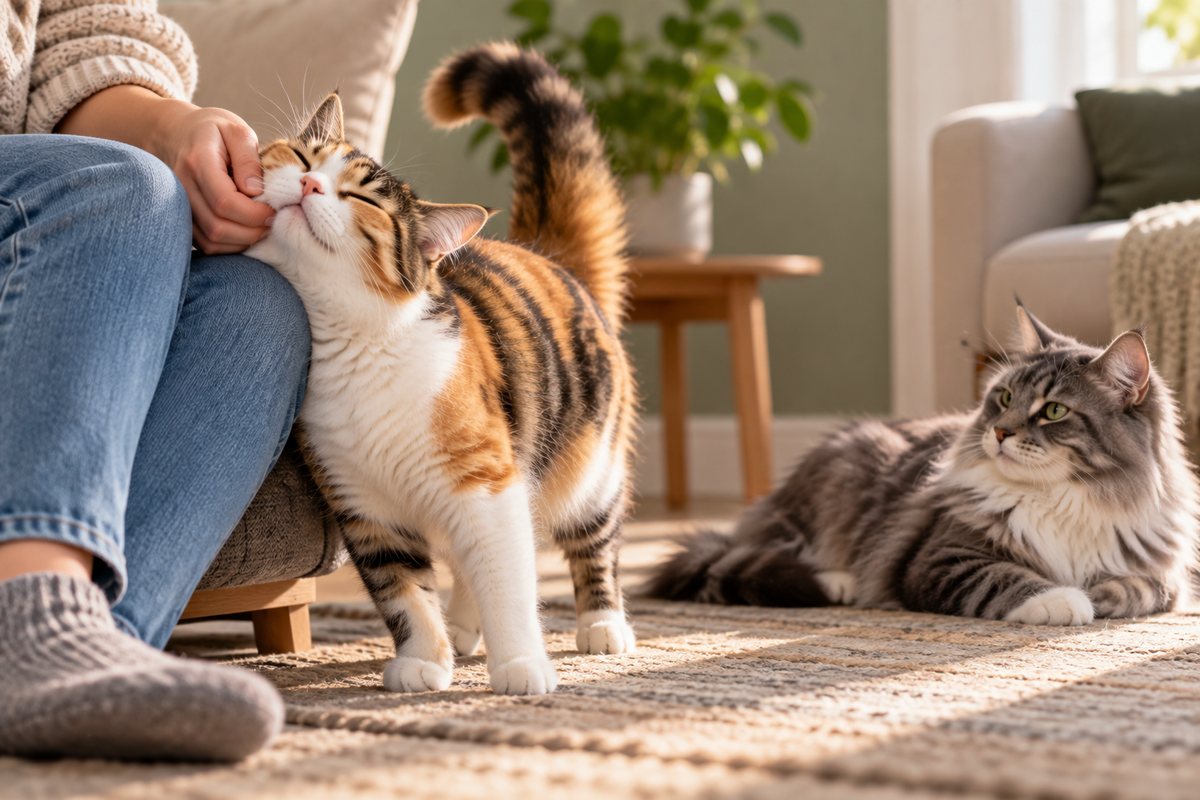
| Lap & cuddling preference | High Burmillas are affectionate, easygoing companions and commonly enjoy cuddling or settling on a trusted person once playtime is over. |
| Handling tolerance | High Usually affectionate and less intense than the Burmese while retaining good people orientation, giving most Burmillas good tolerance of ordinary handling. |
| Independence & social demand | High social demand Burmillas are affectionate, people-focused cats that usually want regular companionship, though they are less intensely demanding than the most dependent Oriental breeds. |
| Vocalization | Low to moderate; individual conversational style varies Moderately vocal; Burmillas often communicate socially but are usually softer and less insistent than the most talkative Burmese and Siamese lines. |
| Response to unfamiliar people | Generally outgoing Burmillas are typically mellow and outgoing rather than strongly reserved. |
| Adaptability to change | High Friendly curiosity and a relatively easygoing nature make the Burmilla a good adapter to new routines and homes, particularly when it can investigate change at its own pace. |
| Noise & busy-environment sensitivity | Low to moderate Burmillas combine sociability with a somewhat softer temperament than Burmese; most manage normal bustle well but appreciate the option of a quieter room. |
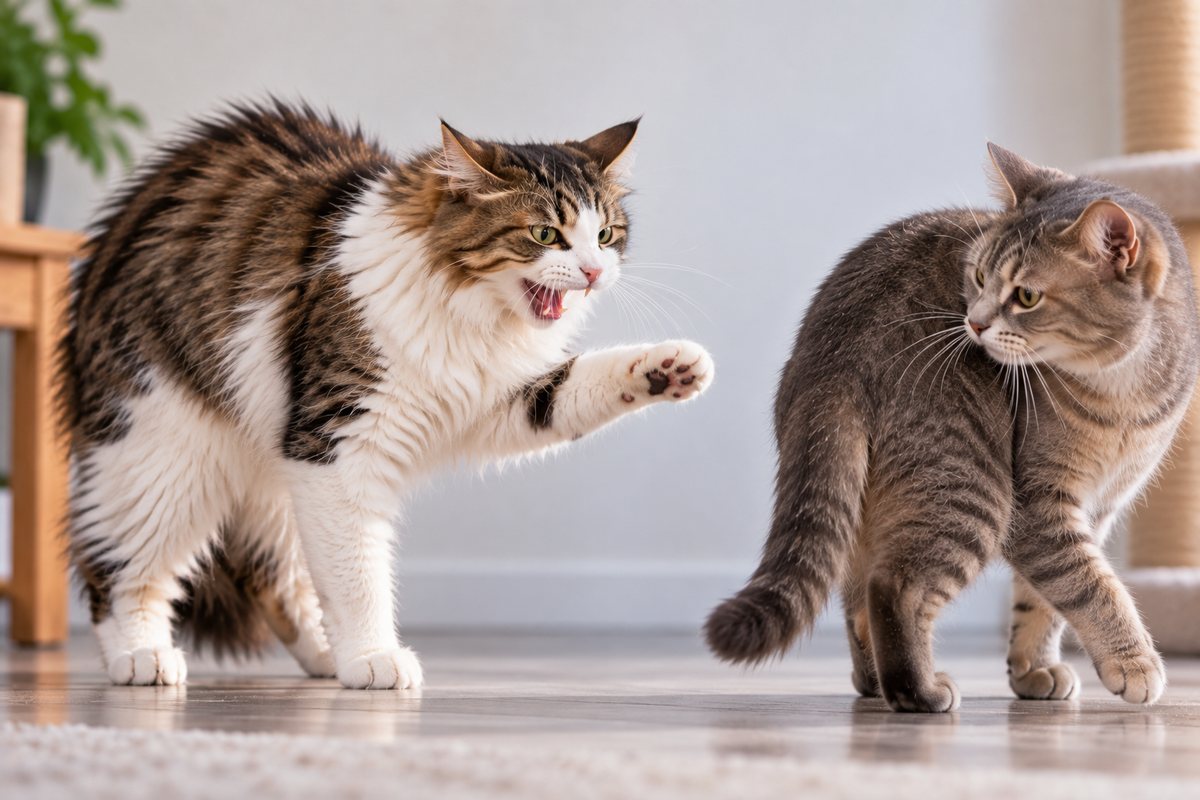
| Defensive & conflict behaviour | Very low The Burmilla usually combines Burmese sociability with a somewhat softer, less intense manner. It is generally tolerant and non-confrontational, with avoidance more likely than escalation during ordinary household disagreements. |
| Household & environment | |
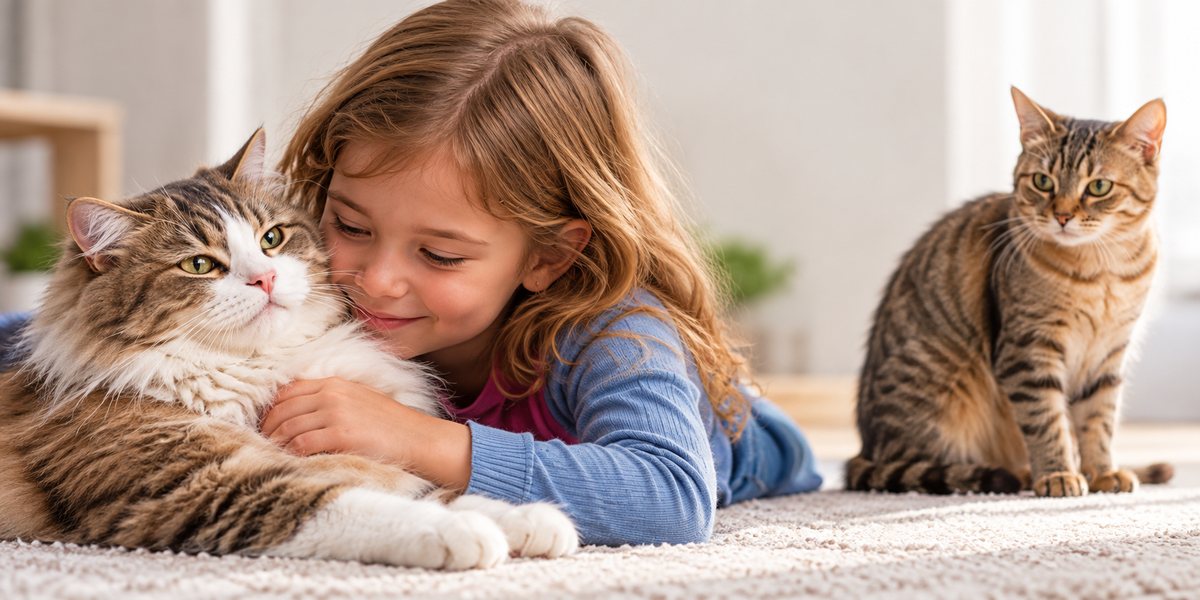
| Living with children | Favorable tendency Burmillas generally fit well into households with children. |
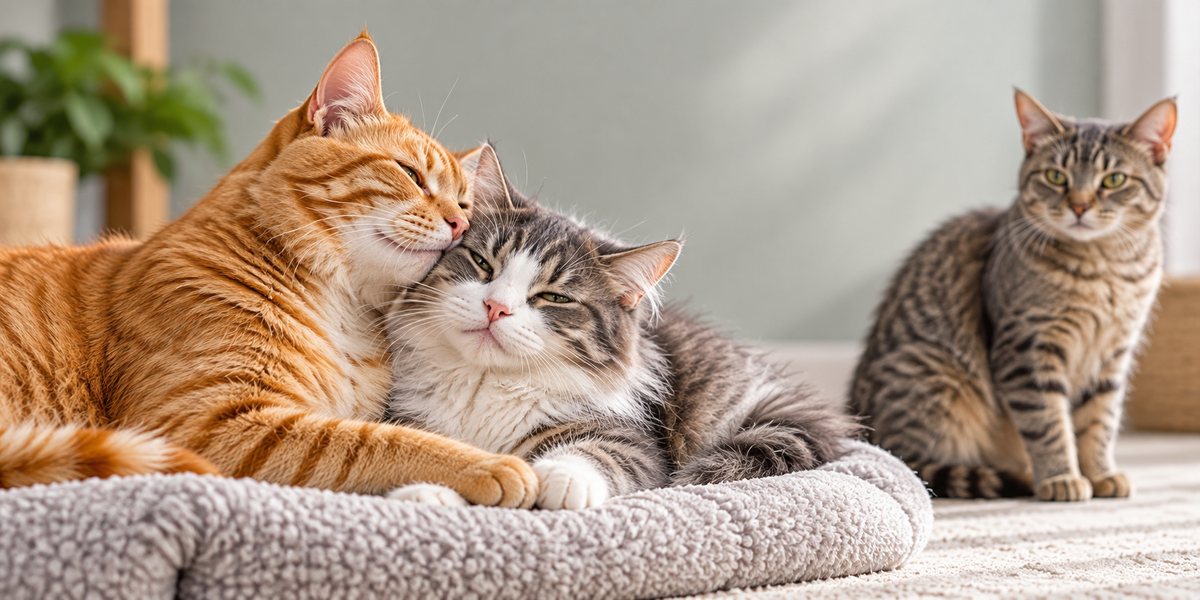
| Living with other cats | Favorable tendency Burmillas combine sociability with a generally easy-going temperament, so they often integrate well with compatible cats after a normal gradual introduction. |
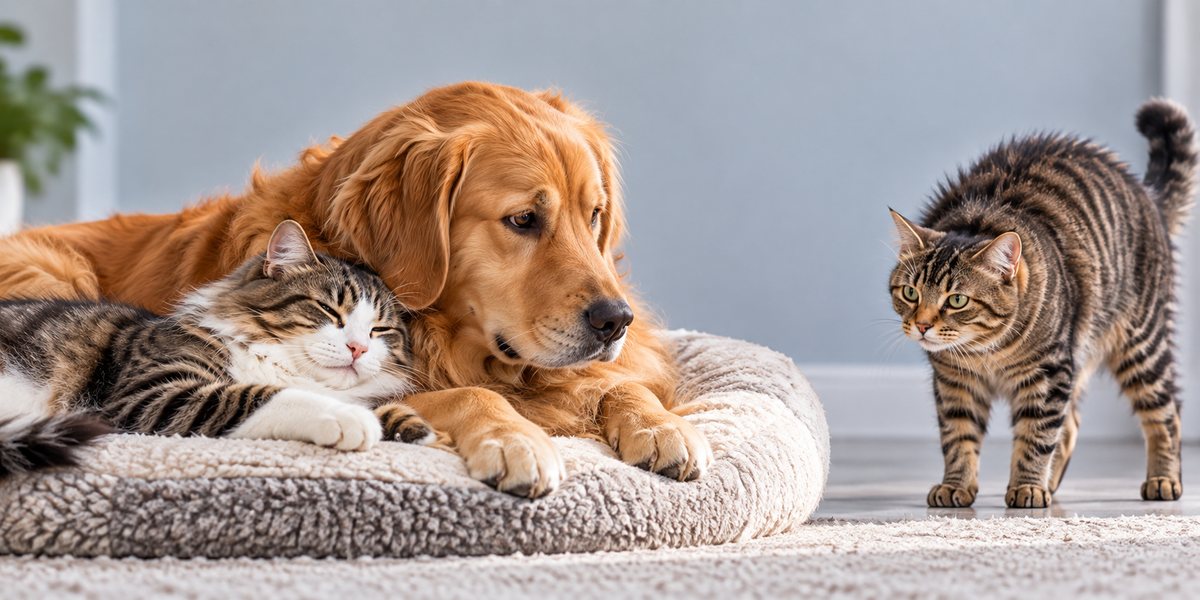
| Living with dogs | Good Burmillas generally do well with compatible family pets, including cat-friendly dogs. |
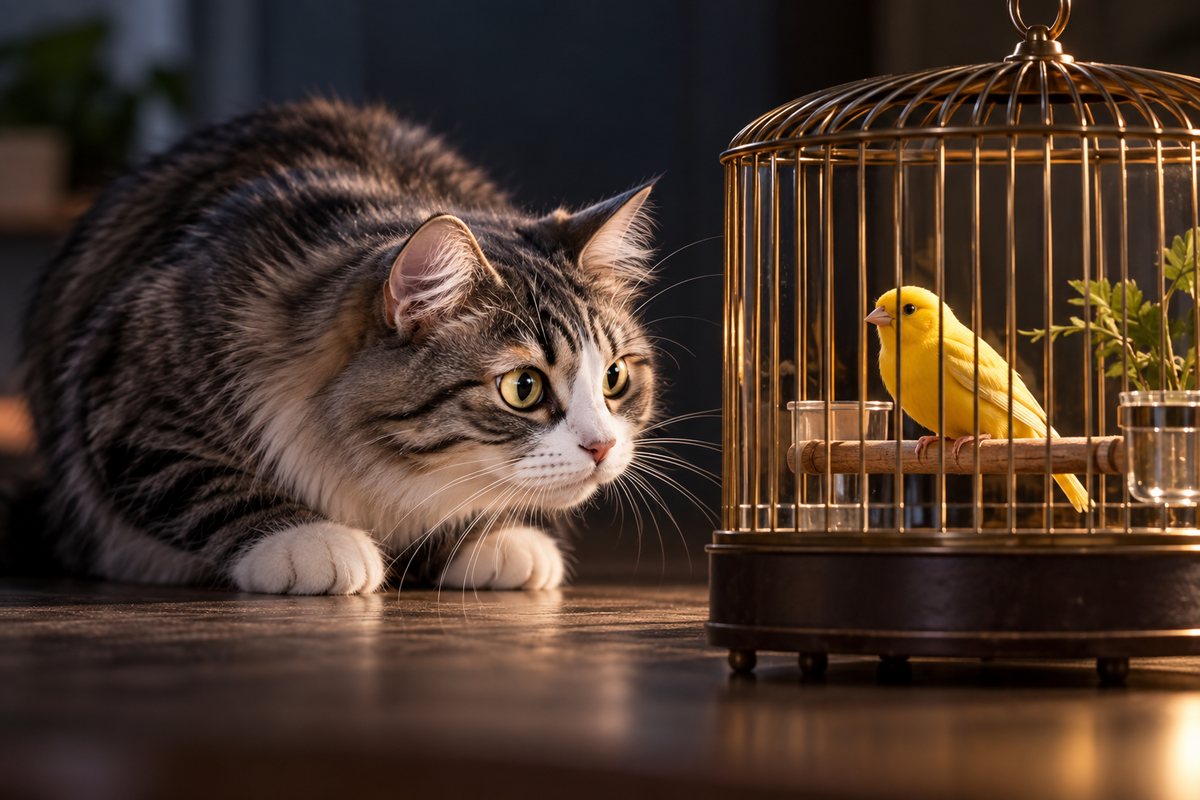
| Living around small pets | Normal predatory caution Burmillas are playful and curious but generally moderate companion cats rather than a breed defined by exceptional hunting intensity. Normal feline predatory caution still requires secure separation from birds and rodents. |
| Indoor & home environment needs | Social enriched indoor Burmillas combine playful curiosity with a generally moderate companion temperament. They do well indoors with climbing and scratching options, daily interactive play and accessible resting places near household activity. |
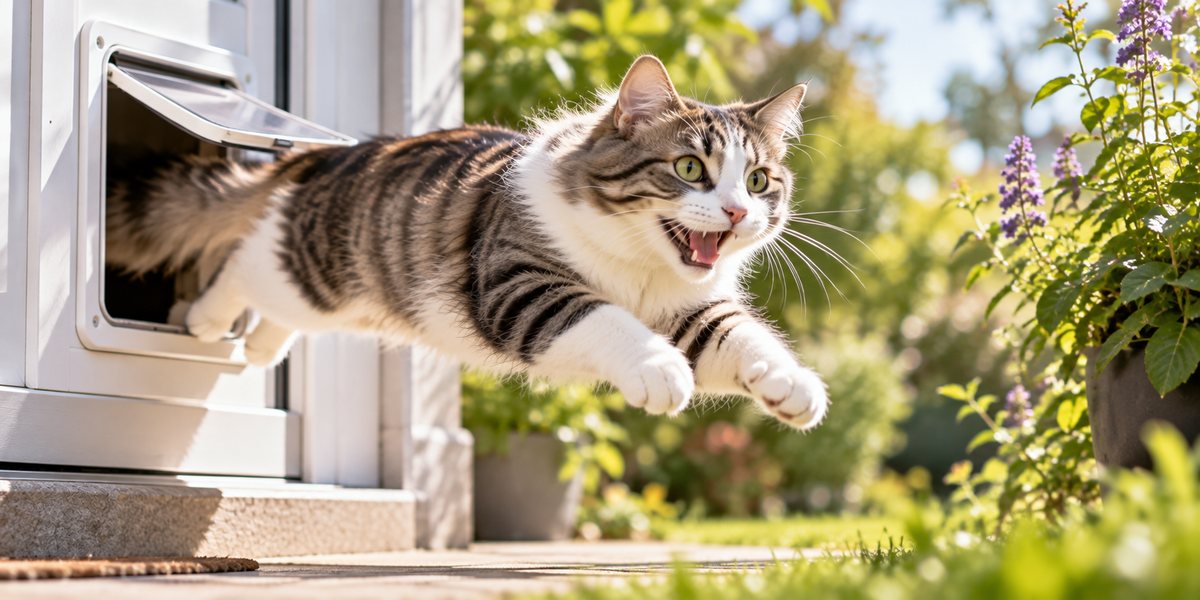
| Outdoor access considerations | Secure optional Burmillas are playful but generally adaptable companion cats. Their needs can be met indoors, while a secure balcony, catio or enclosed garden can add sensory stimulation without the risks of unsupervised roaming. |
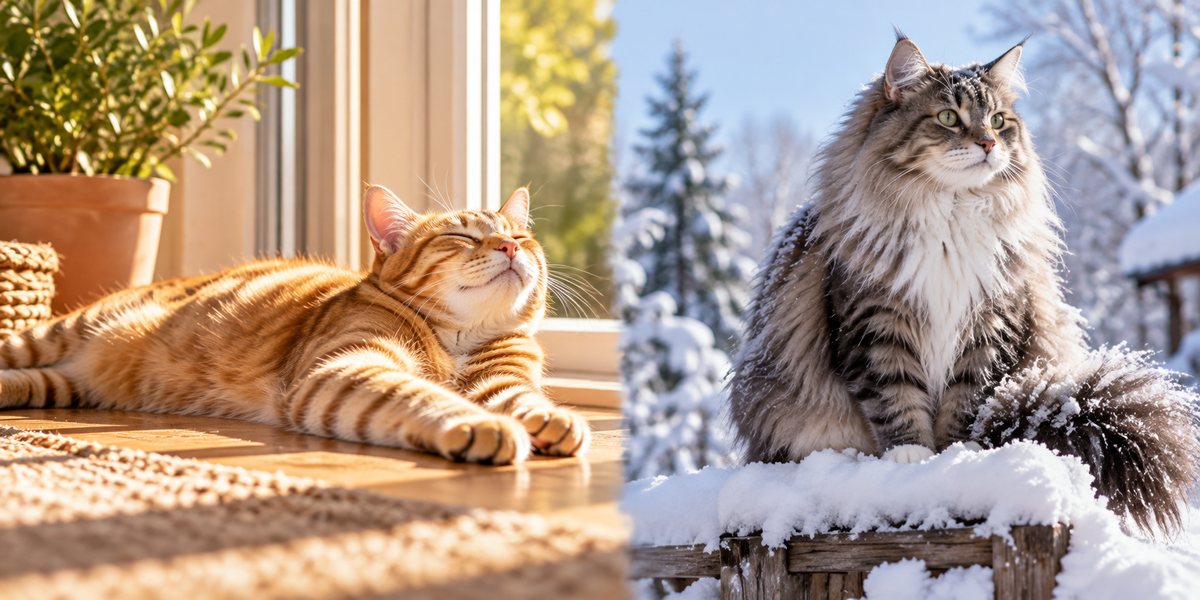
| Heat, cold & sun considerations | Moderate coat adaptable Burmillas have a short, generally manageable coat without extreme climate specialization. Normal household temperatures suit them well, with ordinary feline precautions—shade and water in heat, warm dry shelter in cold. |
| Caregiver time & experience | Moderate Burmillas are playful, affectionate cats with relatively easy coat care. Most committed caregivers can meet their needs with daily interaction, ordinary grooming and enough play to prevent a sociable cat from becoming bored. |
| Health & welfare | |
| Documented health predispositions | No major breed-specific predisposition is currently prominent Burmillas are generally regarded as a healthy breed without a single dominant breed-specific disorder. |
| Screening & breeder questions | Ask for documentation relevant to the breed’s recorded health concerns Ask which Burmese- or Persian-family disorders are relevant to the breeder's lines, whether PKD or hypokalaemia testing is used where indicated, and request documented health results rather than general assurances. |
| Conformation-related welfare | Low conformation concern Burmillas have generally moderate proportions without a defining structural mutation. Breeding should preserve normal facial length, sound joints and athletic movement and resist exaggeration inherited from more extreme ancestral lines. |
| Nutrition & weight management | Moderate weight watch Burmillas need no special breed diet. Their playful nature helps with activity, but measured portions and regular body-condition checks remain important, especially after neutering or as activity declines with age. |
| Longevity | 15–18+ years Burmillas are often notably long-lived; 15–18 years is realistic and well-cared-for individuals can move beyond the upper end. |
| Cost & availability | |
| Purchase cost | High: $800–$2,000 Burmilla: a practical breeder-market estimate is $800–$2,000; less common pedigree breed with a relatively small breeder population. |
| Adoption & rehoming cost | Uncommon in rescue: $100–$500 typical rescue/adoption fee Burmilla: $100–$500 typical rescue/adoption fee. The breed does appear in rescue, but much less often than mixed-breed cats or the most numerous pedigrees. |
| Recurring ownership costs | Enrichment/toy replacement Burmillas generally have moderate recurring costs: ordinary food and litter, simple coat care, dental/preventive veterinary work and regular interactive enrichment. Their grooming needs rarely justify professional expense. |
| Availability, waits & import | Uncommon but established Burmillas have established breeders in the United Kingdom, Europe, Australia and some other regions but remain much less common than Burmese or British Shorthairs. A planned search and waiting list are typical. |
| Identity & real-world context | |
| Ownership & import restrictions | No known breed specific restrictions There are no known breed-specific ownership restrictions. Ordinary animal-welfare, identification, vaccination and cross-border import rules still apply where relevant. |
| Registry recognition | CFA: recognized breed/division · TICA: Championship-recognized / current breed identity · FIFe: fully recognized breed / mapped breed identity Currently recognized in all three registries tracked by the FSC core matrix: CFA, TICA and FIFe. |
| Similar breeds & identity distinctions | Asian Burmese Burmillas share Burmese-derived structure with Asians and Burmese, but their signature is a silver ground with shaded or tipped color inherited from Chinchilla Persian ancestry. Short coat, silver expression and pedigree together distinguish them. |
| Reported characteristic quirks | Often remains kitten-like into adulthood Burmillas commonly retain a playful, mischievous, kitten-like quality well into adult life. |
Browse all 53 breed characteristics
Open any characteristic to compare all breeds on that dimension.




 English