
Compare Cat Breeds
Compare up to three breeds across all 53 characteristics. Values are shown directly so the differences are easier to scan.
| Characteristic |  Burmese |
|---|---|
| Body & development | |
| Adult size | Medium |
| Adult weight | 3.0–5.5 kg (6.6–12.1 lb) Burmese are deceptively heavy for their compact frame; about 3.0–5.5 kg (6.6–12.1 lb) covers most healthy adults. |
| Build & distinguishing morphology | Compact · muscular · surprisingly heavy Build: compact; muscular; surprisingly heavy. |
| Maturation | 18-24 months Burmese cats grow quickly in kittenhood but their surprisingly muscular, compact adult body commonly continues filling out into roughly 18–24 months. |
| Coat & appearance | |
| Coat length | Short Short, silky single coat. |
| Coat texture & undercoat | Short · silky · single coat · close lying Coat: short; silky; single coat; close lying. |
| Colors & patterns | Sable and burmese palette Colors/patterns: sable and burmese palette. |
| Eye colors | Yellow to gold Yellow to rich gold is characteristic; blue or green tones are undesirable in the traditional Burmese phenotype. |
| Coat & routine care | |
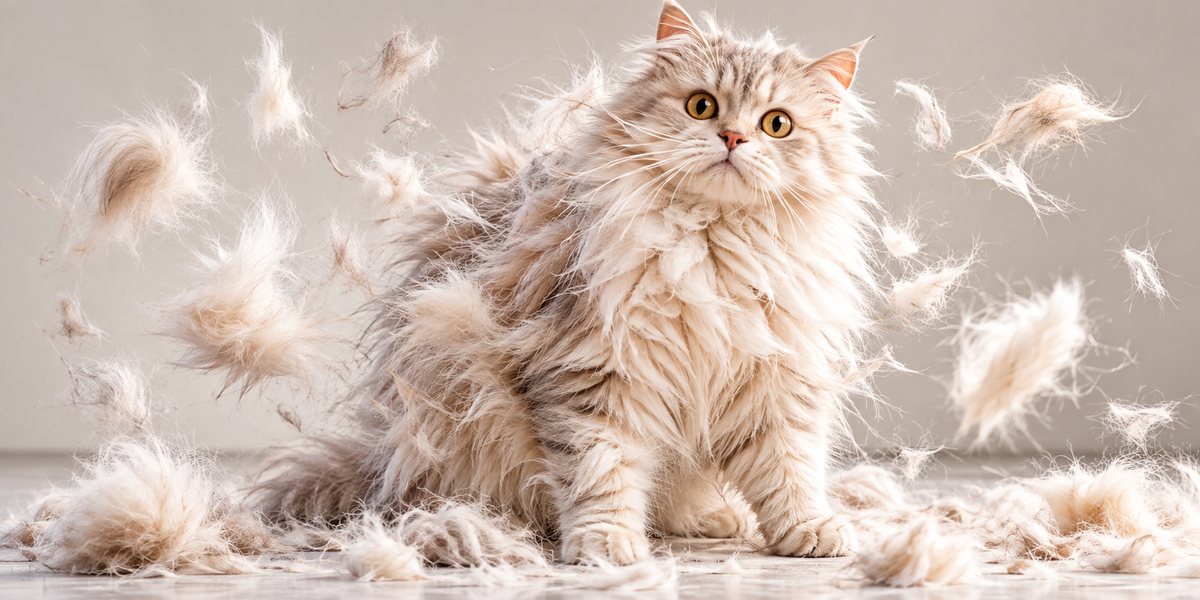
| Shedding | Low Low shedding; the fine, close coat has very little undercoat and usually leaves relatively little loose hair. |
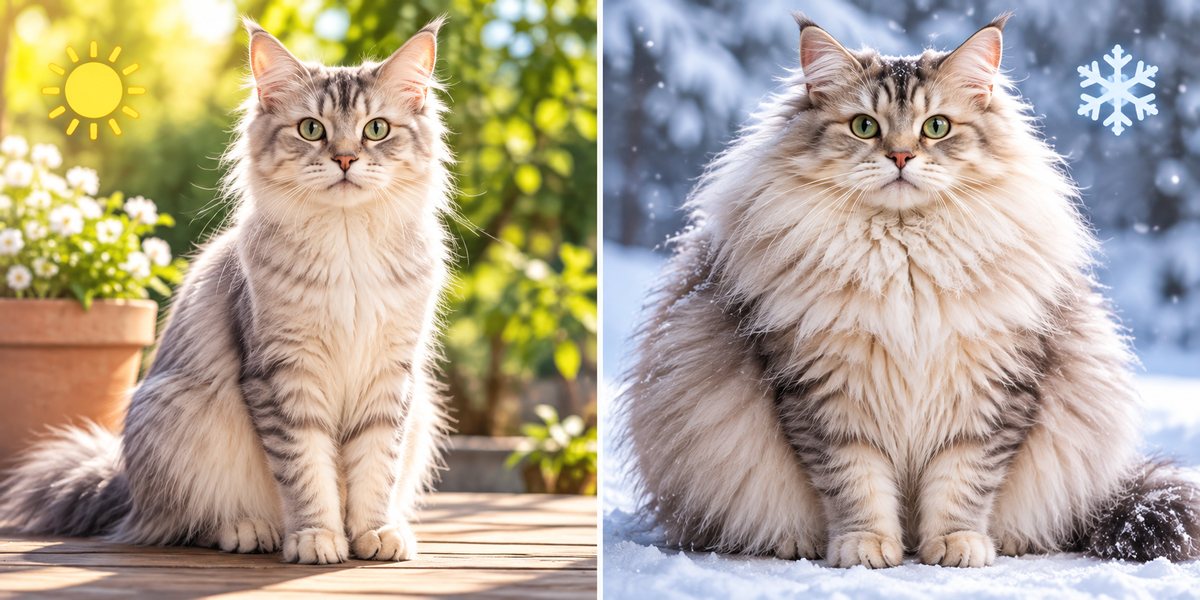
| Seasonal coat changes | Minimal seasonal change The Burmese single coat is short, silky and close to the body, so seasonal coat change is minimal and shedding stays comparatively even through the year. |
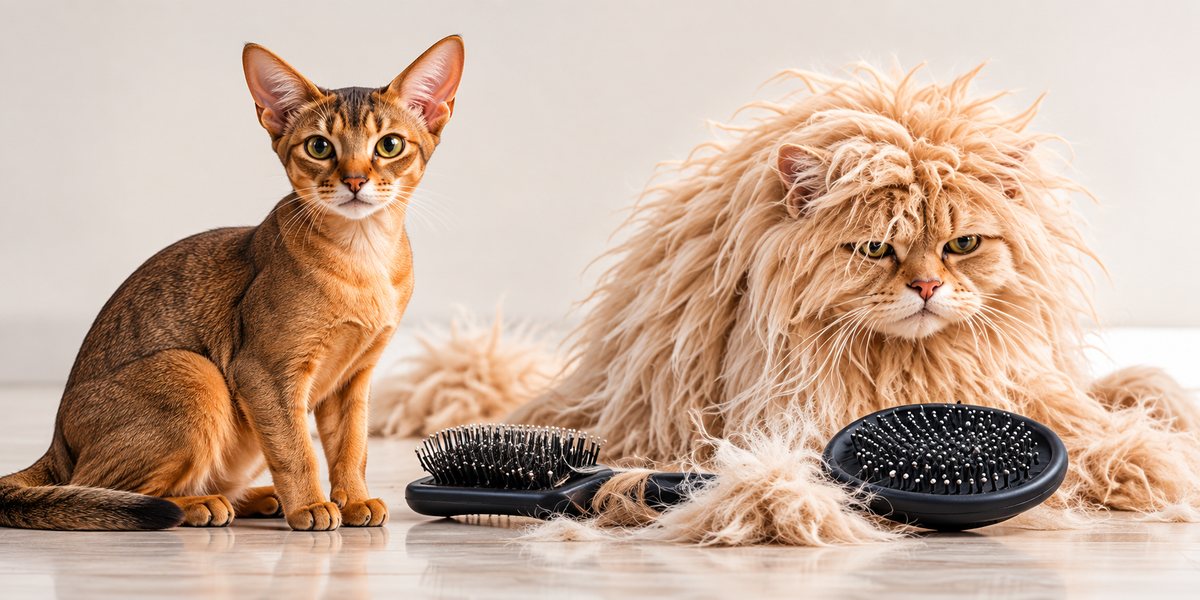
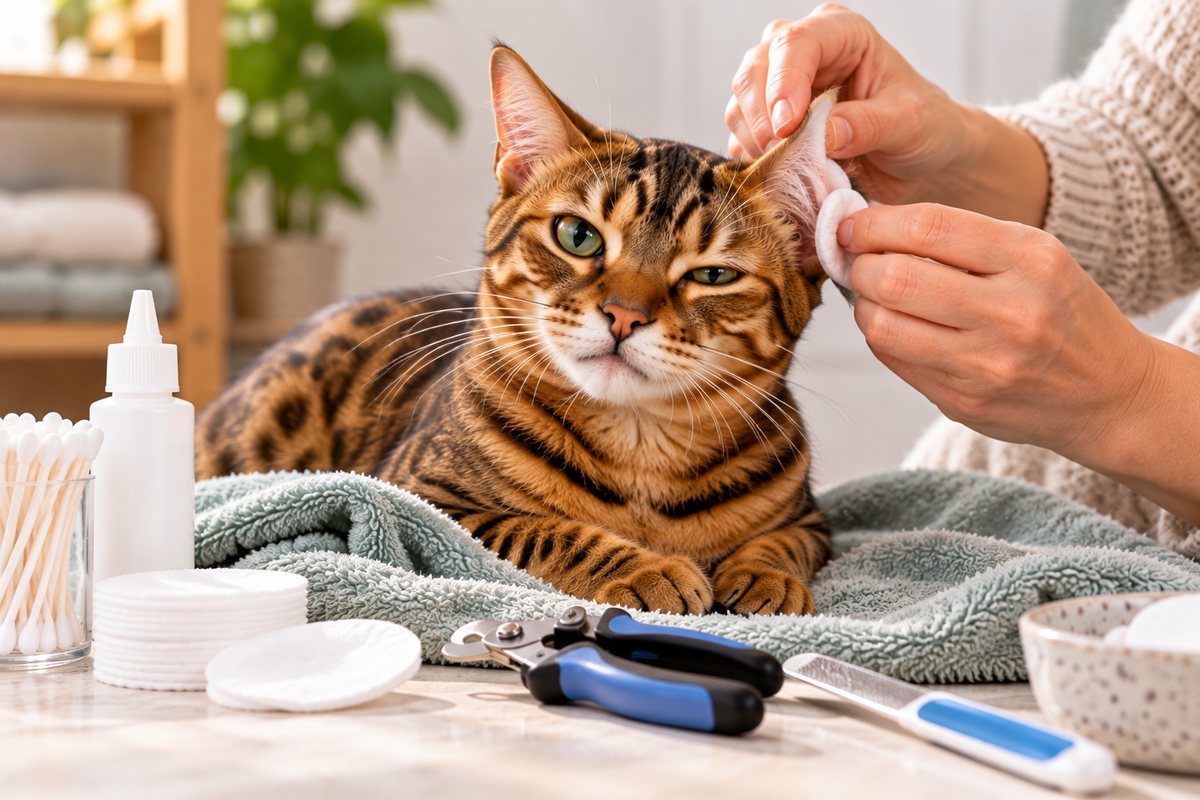
| Brushing & combing | Weekly rubber brush Brushing/combing: weekly rubber brush. |
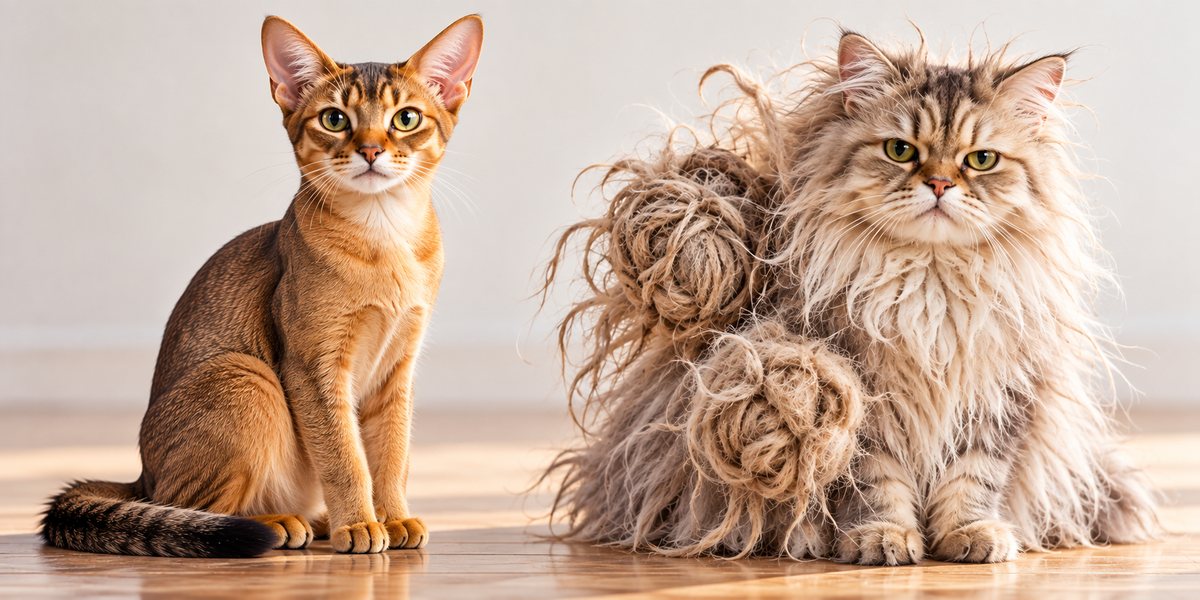
| Tangle & matting tendency | Very low The short silky single coat lies close to the body and almost never mats. |
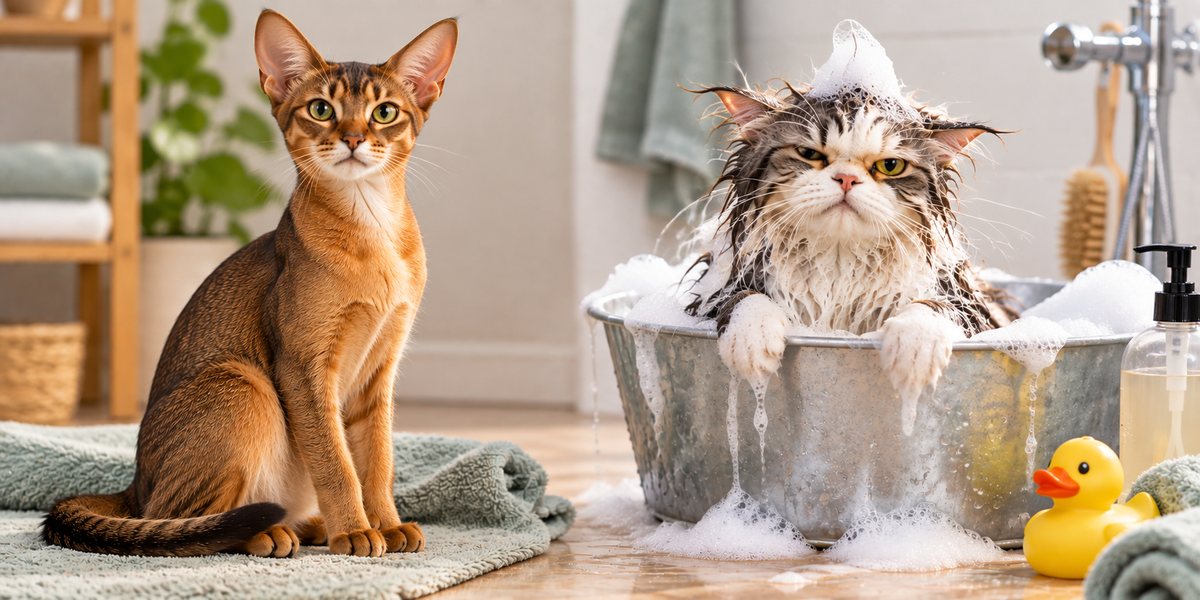
| Skin & bathing care | Bathing not routinely needed Routine bathing is generally unnecessary; bathe only when the coat is genuinely soiled or for a specific veterinary or grooming reason. |
| Distinctive routine care | Very low-maintenance coat The short satin-like coat needs little more than occasional brushing or polishing. |
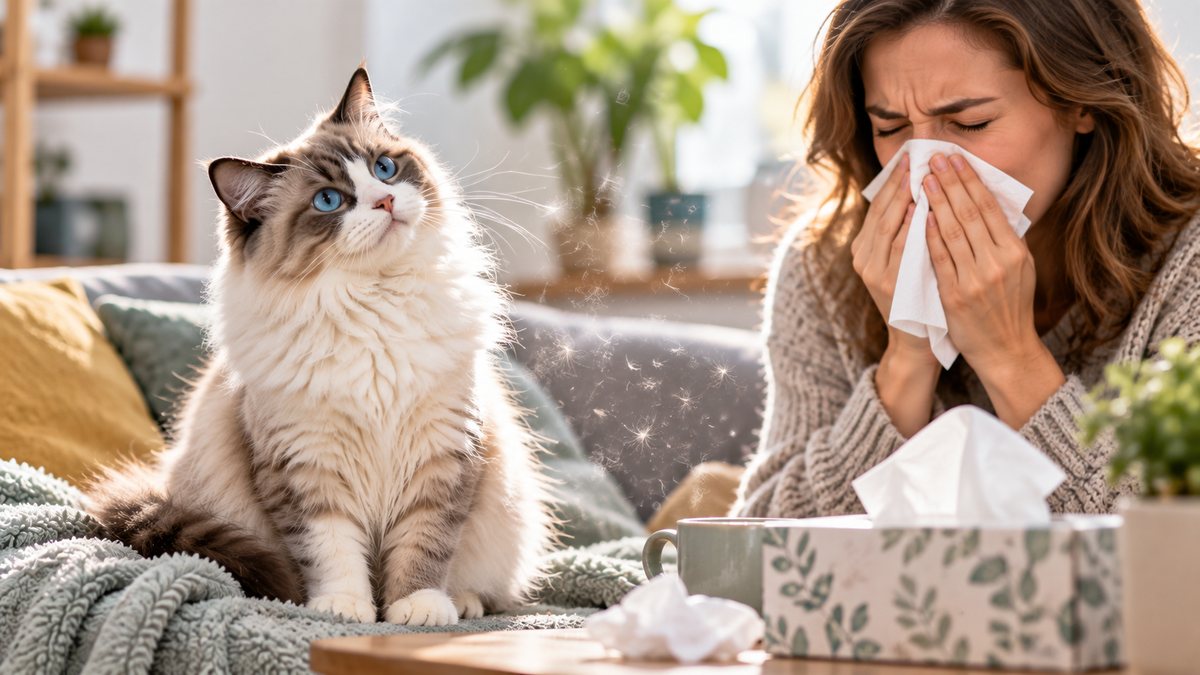
| Allergy & allergen evidence | No breed specific reduction established There is no known reason to regard this breed as hypoallergenic. All cats produce allergens, and coat length or shedding alone does not determine allergy risk. |
| Activity & intelligence | |
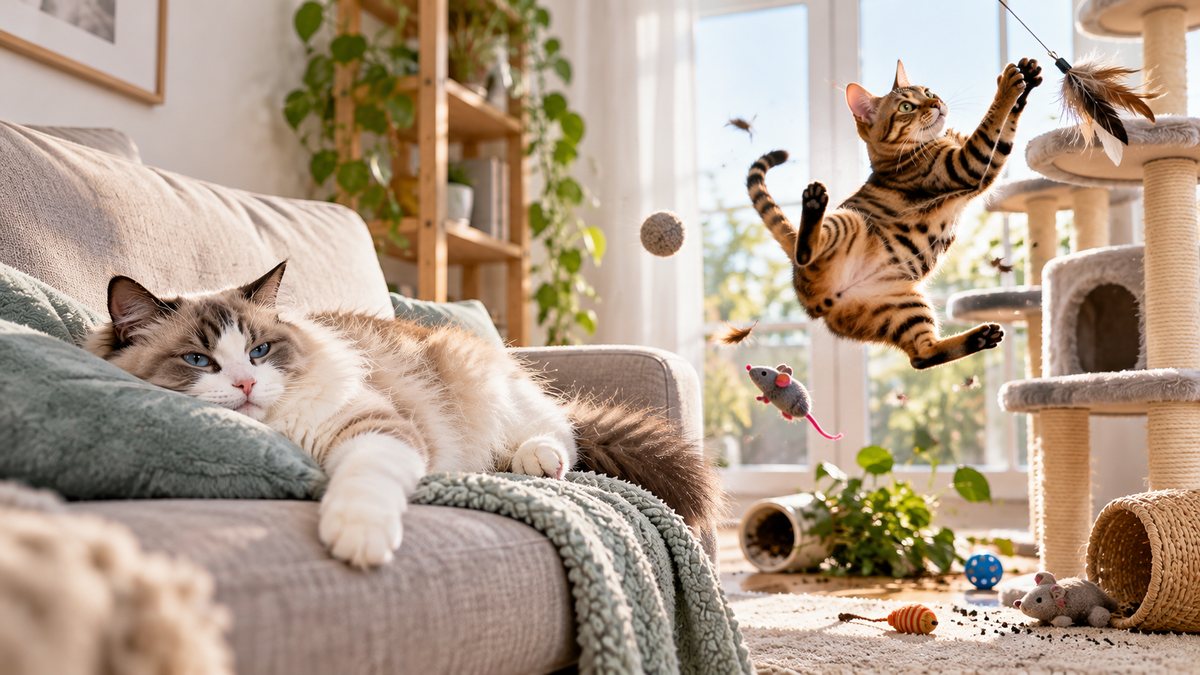
| Activity level | Moderate to high Burmese are lively, intelligent cats that enjoy games and sustained interaction with their families. |
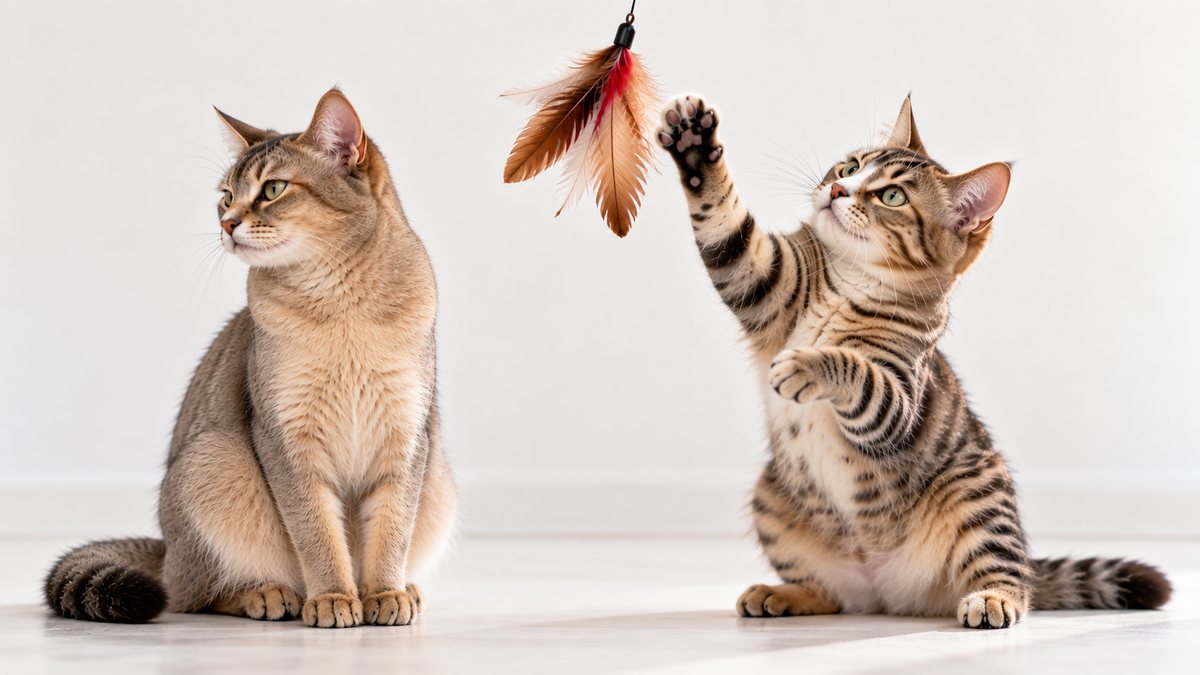
| Playfulness | High Playfulness is a strong Burmese trait and often remains important well beyond kittenhood. |
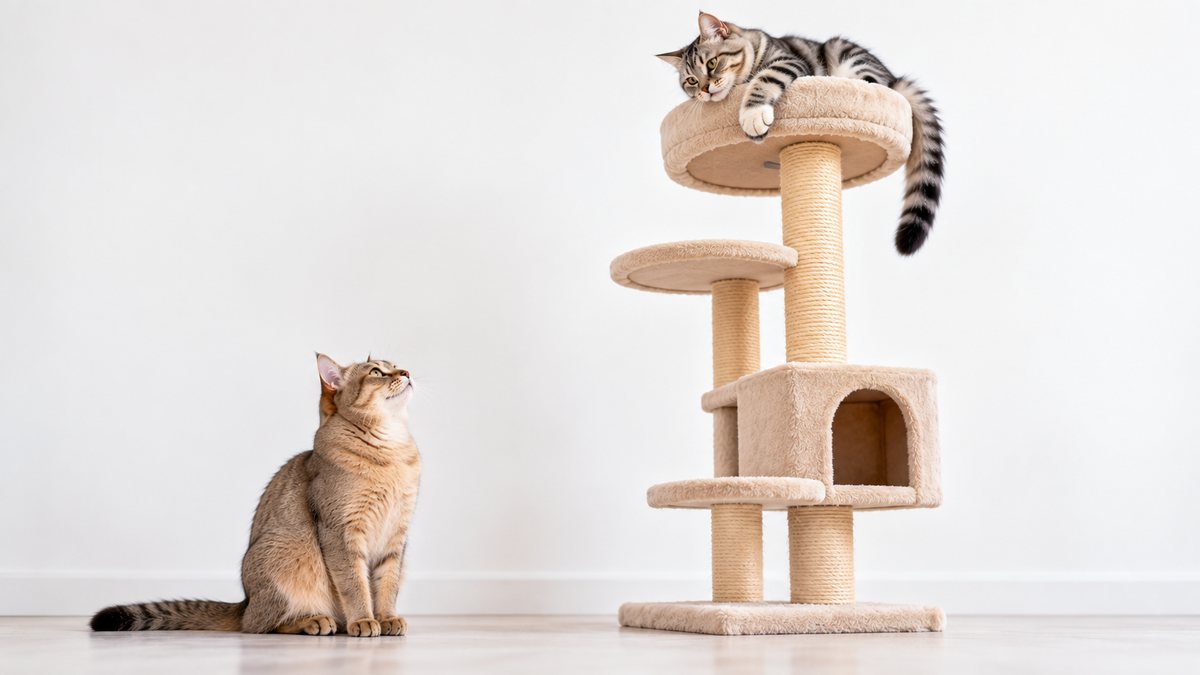
| Climbing & jumping | High |
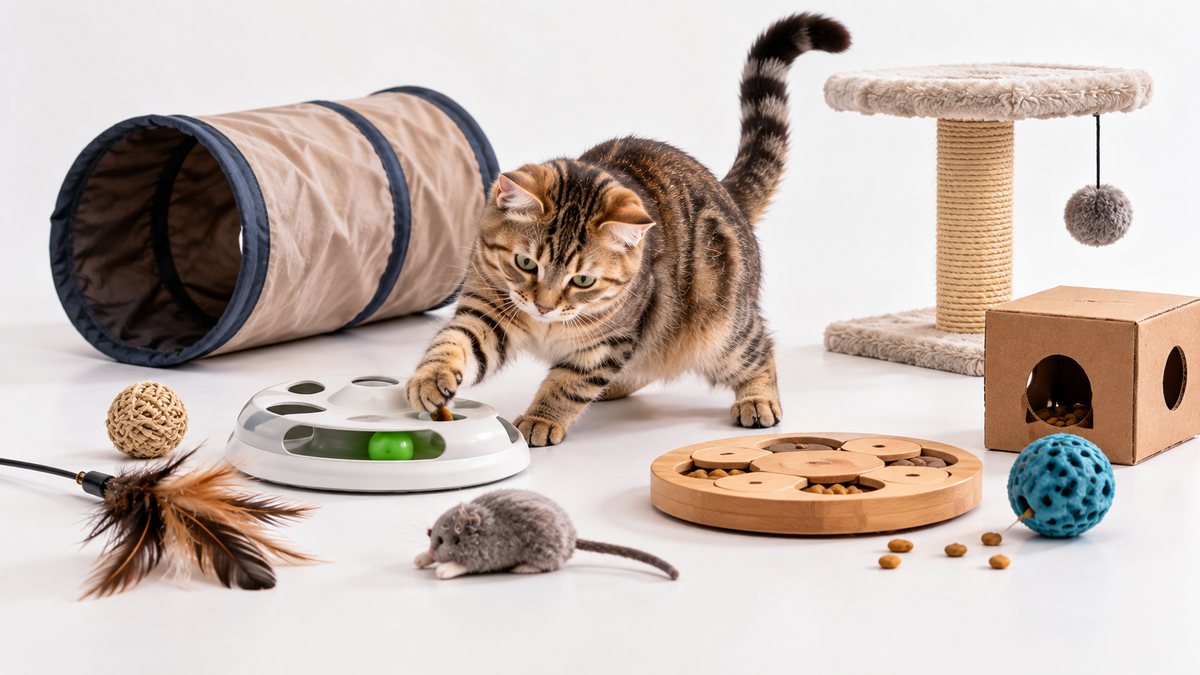
| Enrichment demand | High High enrichment demand: this energetic, intelligent and people-oriented cat thrives on interactive games, training, puzzle toys and frequent social engagement. |
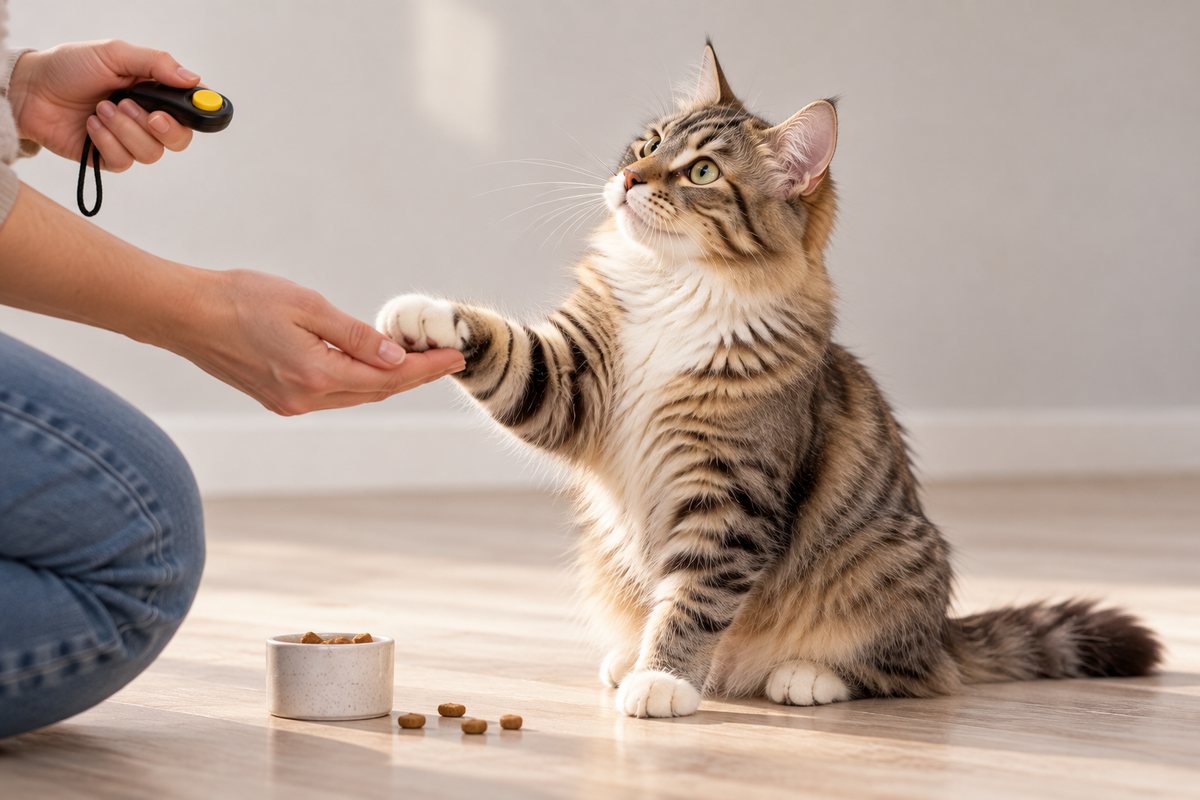
| Learning & training | High Burmese cats are highly intelligent and strongly people-motivated, a combination that supports quick learning of games, routines and interactive cues. |
| Curiosity & exploration | High Burmese are strongly people-focused, intelligent and inquisitive; they commonly investigate rooms, objects and human activity and can become involved in almost everything happening at home. |
| Hunting & chasing tendencies | Moderate to high Burmese are lively and persistent players, so chasing toys is likely to be a strong part of daily play even though social interaction is often as motivating as prey simulation. |
| Personality & social | |
| Sociability with familiar people | Very high Burmese are intensely people-oriented cats that prefer close involvement with their family and frequent interaction. |
| Affection | Lap contact · following · interactive playful · vocal communicative Affection combines physical closeness, following and active interaction. |
| Lap & cuddling preference | Very high Close physical companionship is strongly characteristic. |
| Handling tolerance | Very high Exceptionally people-oriented and physically affectionate; many Burmese readily accept carrying, close contact and routine handling when socialized normally. |
| Independence & social demand | Very high Burmese strongly seek company and involvement and are poorly suited to prolonged isolation. |
| Vocalization | Moderate Uses a soft voice and commonly enjoys conversational interaction without evidence for Siamese-level intensity. |
| Response to unfamiliar people | Very high Confident outgoing temperament commonly extends to visitors. |
| Adaptability to change | Generally adaptable when socially supported Their outgoing, people-oriented temperament usually makes Burmese flexible household companions when they have company and attention. |
| Noise & busy-environment sensitivity | Low Bold, social and strongly people-focused, Burmese commonly cope well with lively households and are less inclined than reserved breeds to disappear because people are active or noisy. |
| Defensive & conflict behaviour | Low Burmese are exceptionally social and confident rather than defensive. Serious conflict tendency is low, but their intense involvement with people and other animals can become intrusive to more reserved companions. |
| Household & environment | |
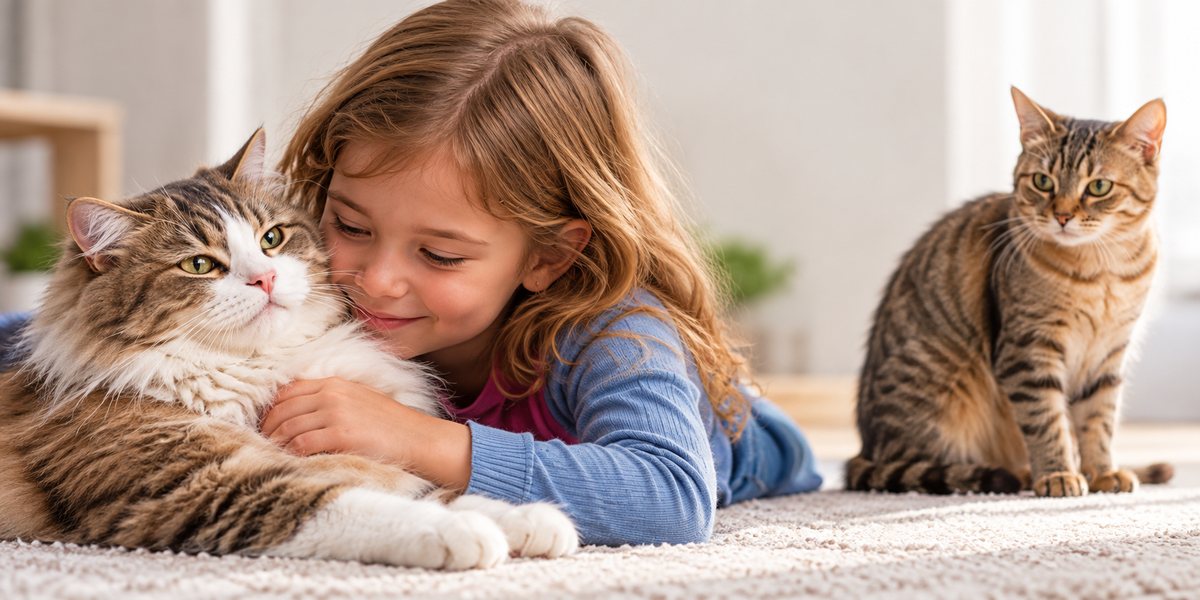
| Living with children | Favorable tendency |
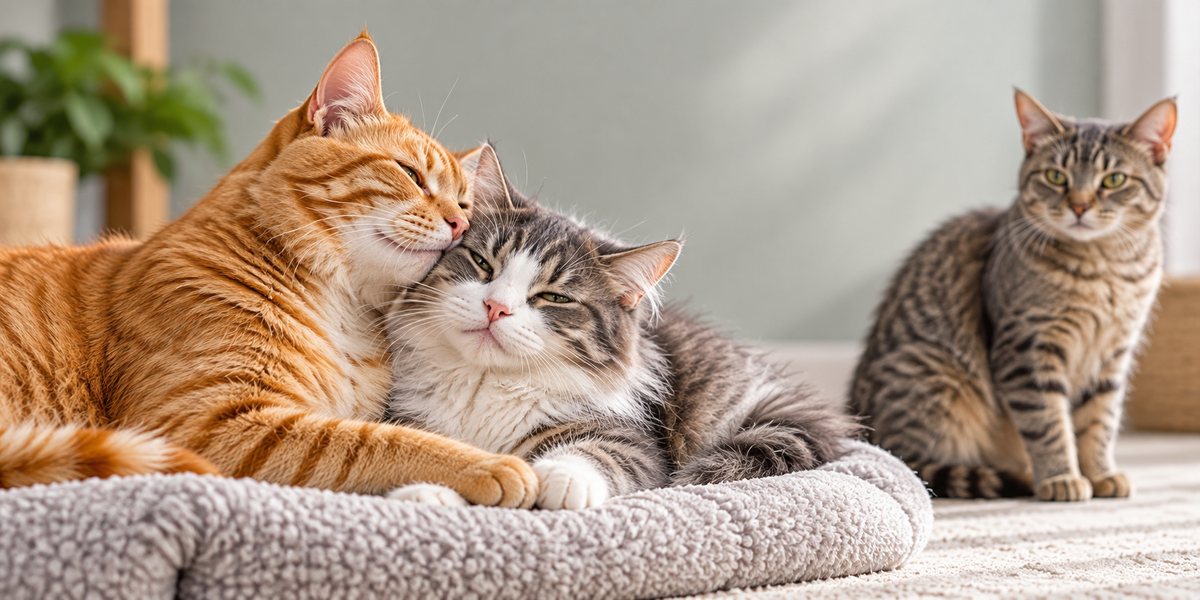
| Living with other cats | Favorable tendency Burmese cats are highly social and attention-seeking, and many thrive with compatible feline companionship rather than long periods alone. Their preferred housemate is usually similarly confident and interactive. |
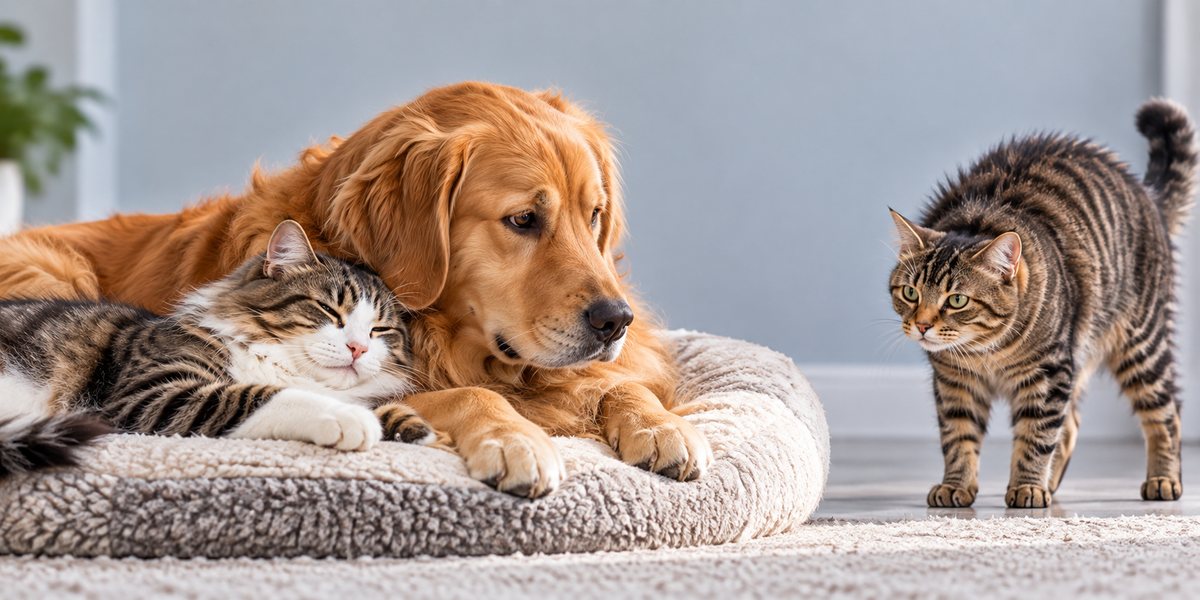
| Living with dogs | Good Highly social temperament generally supports compatible dogs. |
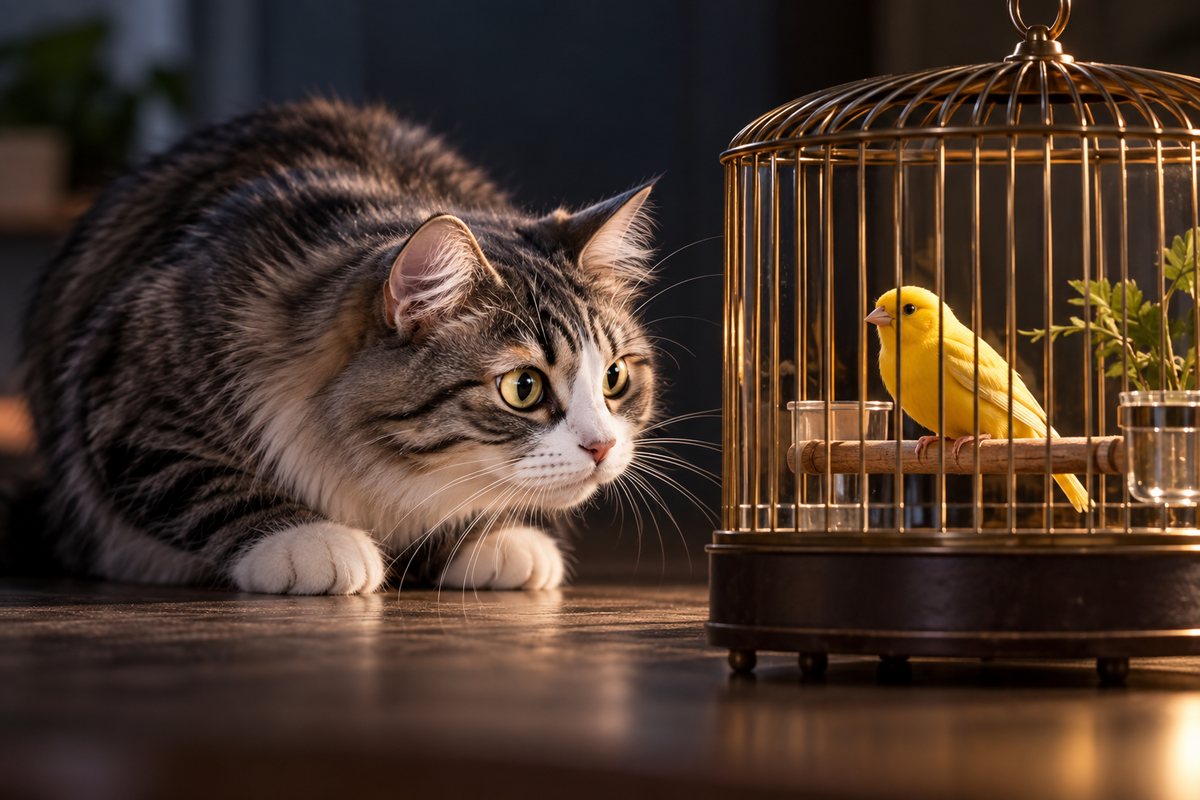
| Living around small pets | Additional caution Burmese are highly playful, curious and persistent cats. Even though they are strongly people-oriented, their energetic chasing and pouncing can be dangerous to small pets, so birds and rodents should not share unrestricted space. |
| Indoor & home environment needs | High social contact · interactive play Strong need for companionship and active involvement makes isolated low-interaction homes a poor fit. |
| Outdoor access considerations | Secure social Burmese are highly social, curious cats and can be vulnerable when confidently approaching people or unfamiliar situations. Outdoor enrichment is best provided through a secure enclosure, enclosed garden or harness rather than unsupervised roaming. |
| Heat, cold & sun considerations | Shortcoat warmth preference Burmese have a fine close coat with relatively little insulation and often actively seek warmth. They should have warm indoor resting places during cold weather and normal shade, water and cooling options in summer. |
| Caregiver time & experience | High High social demand and play/interaction needs require substantial daily involvement. |
| Health & welfare | |
| Documented health predispositions | Elevated known risks Burmese health risks include hypokalaemic polymyopathy and, in some populations, craniofacial defects; diabetes mellitus is notably overrepresented in some Burmese populations. Family history and population-appropriate genetic testing are therefore important. |
| Screening & breeder questions | Ask about hypokalaemia DNA status · Ask whether Burmese head defect testing is relevant to the line and for parental results Ask which Burmese-population tests are appropriate to the line, including hypokalaemic polymyopathy and relevant craniofacial-defect testing, and ask about diabetes and other recurring disease in close relatives. |
| Conformation-related welfare | Low to moderate head concern Burmese are compact and muscular, with head shape varying by population. Welfare selection should retain open nostrils, normal jaw and eye placement and functional proportions rather than exaggerating roundness or facial shortening. |
| Nutrition & weight management | Diabetes weight watch Burmese are active and muscular, but some populations have increased diabetes risk, making prevention of obesity particularly worthwhile. Feed a complete diet in measured portions and monitor waist, ribs and weight trend throughout adulthood. |
| Longevity | 14–18 years Burmese are often notably long-lived among pedigreed cats; about 14–18 years is a useful expectation and some individuals live beyond it. |
| Cost & availability | |
| Purchase cost | Moderate to high: $600–$1,500 Burmese: a practical breeder-market estimate is $600–$1,500. This reflects that it is an established breed with good availability in several markets. |
| Adoption & rehoming cost | Occasionally available: $75–$400 typical rescue/adoption fee Burmese: $75–$400 typical rescue/adoption fee. The breed is sufficiently numerous that genuine examples sometimes enter ordinary rescue or breed-rescue channels. |
| Recurring ownership costs | Enrichment/toy replacement Routine coat costs are very low, while social play and dental care deserve budget attention. Because obesity and diabetes are undesirable in susceptible Burmese populations, measured quality food and preventive veterinary care are better investments than specialty treats. |
| Availability, waits & import | Widely available regional types Burmese are well established internationally, but American and European/British breeding populations differ. Availability is generally good in major markets, though prospective owners should confirm which type and registry tradition a breeder works with. |
| Identity & real-world context | |
| Ownership & import restrictions | No known breed specific restrictions There are no known breed-specific ownership restrictions. Ordinary animal-welfare, identification, vaccination and cross-border import rules still apply where relevant. |
| Registry recognition | CFA: recognized breed/division · TICA: Championship-recognized / current breed identity · FIFe: fully recognized breed / mapped breed identity Currently recognized in all three registries tracked by the FSC core matrix: CFA, TICA and FIFe. |
| Similar breeds & identity distinctions | European Burmese Tonkinese Burmese and European Burmese share ancestry but differ in accepted type and color traditions, with American Burmese generally rounder and more compact. Tonkinese are intermediate Burmese–Siamese cats and often show mink coloration and aquamarine eyes. |
| Reported characteristic quirks | Often joins children’s games and household activities Burmese commonly insert themselves into family activities and may tolerate surprisingly involved play with children. |
Browse all 53 breed characteristics
Open any characteristic to compare all breeds on that dimension.


 English