
Compare Cat Breeds
Compare up to three breeds across all 53 characteristics. Values are shown directly so the differences are easier to scan.
| Characteristic |  British Shorthair |
|---|---|
| Body & development | |
| Adult size | Medium to large |
| Adult weight | Females 3.6–5 kg (7.9–11.0 lb); Males 4.5–7.3 kg (9.9–16.1 lb) Females are commonly about 3.6–5.0 kg (7.9–11.0 lb) and males about 4.5–7.3 kg (9.9–16.1 lb), with mature males notably substantial. |
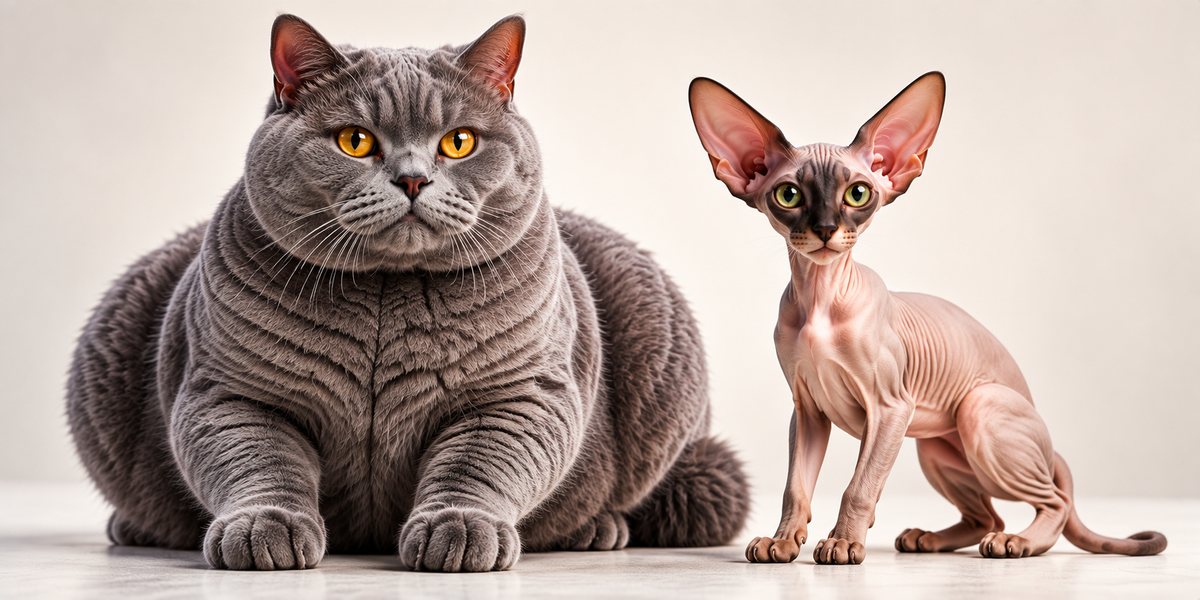
| Build & distinguishing morphology | Compact · powerful · broad chest · round head Build: compact; powerful; broad chest; round head. |
| Maturation | 2-3 years British Shorthairs are slow-maturing cats; they may approach adult height during the first year but continue broadening through the chest, head and body until roughly 2–3 years. |
| Coat & appearance | |
| Coat length | Short Dense plush shorthair coat. |
| Coat texture & undercoat | Short · extremely dense · plush · crisp Coat: short; extremely dense; plush; crisp. |
| Colors & patterns | Broad british palette; solid · tabby · tortie · bicolor · smoke · silver · golden · colorpoint British Shorthairs occur in a very broad palette, from classic blue and other solids to tabbies, torties, bicolours, smoke/silver, golden and colourpoint varieties. |
| Eye colors | Copper · gold · green · blue; coat-dependent Copper or gold is classic, with green in some silver/golden varieties and blue in colourpoints. |
| Coat & routine care | |
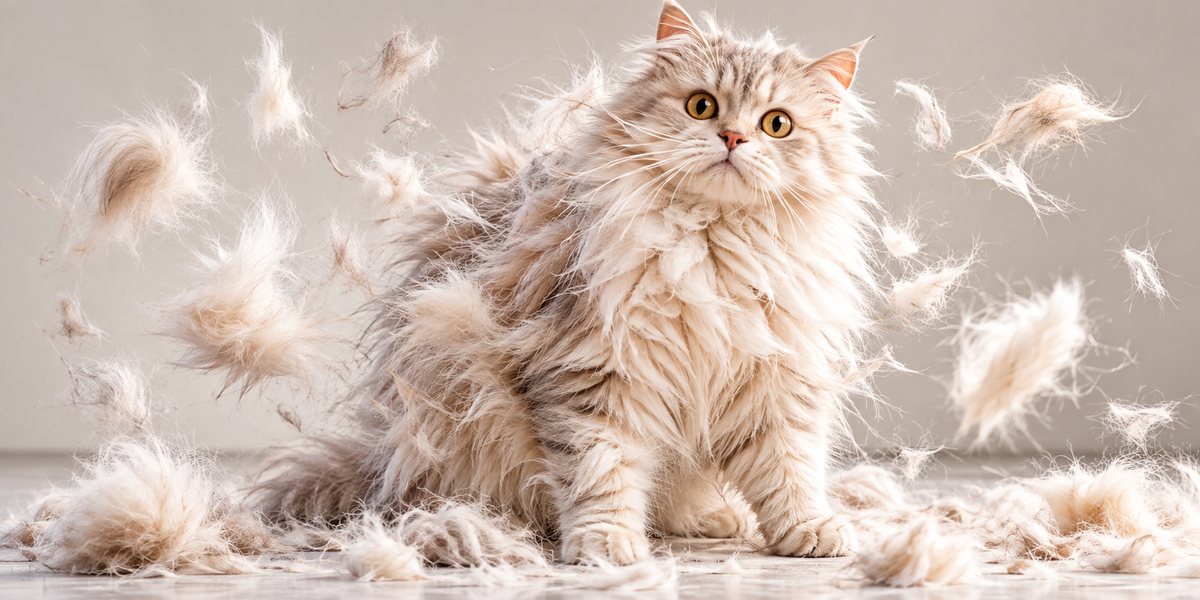
| Shedding | Moderate to high seasonal Moderate to high shedding; the exceptionally dense plush coat sheds substantially during seasonal changes. |
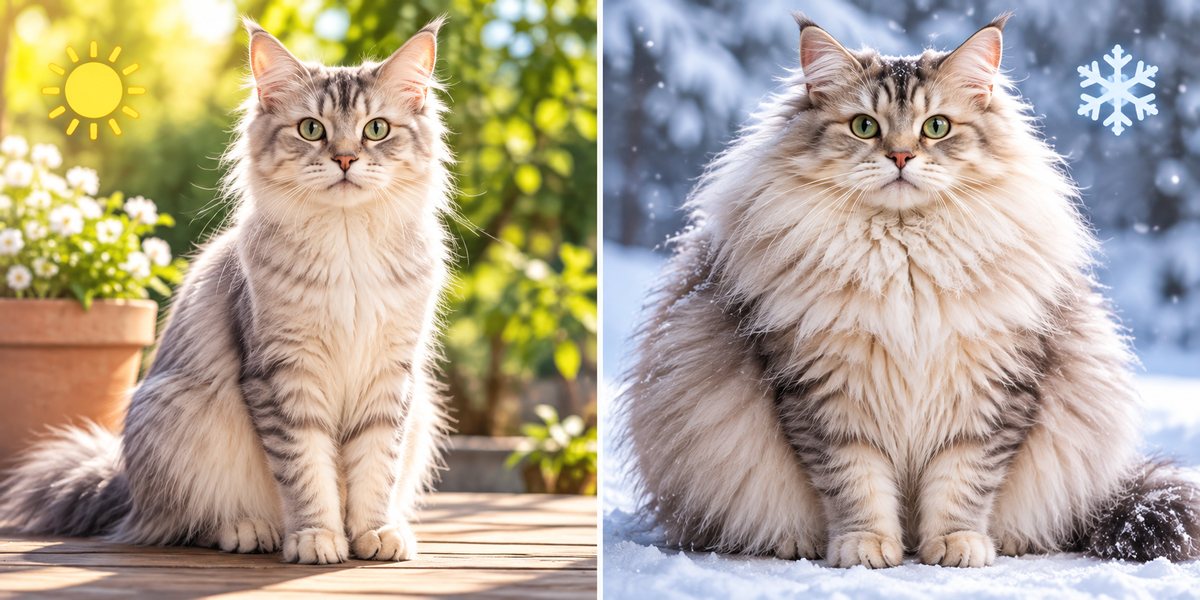
| Seasonal coat changes | Spring fall coat change Seasonal coat: spring fall coat change. |
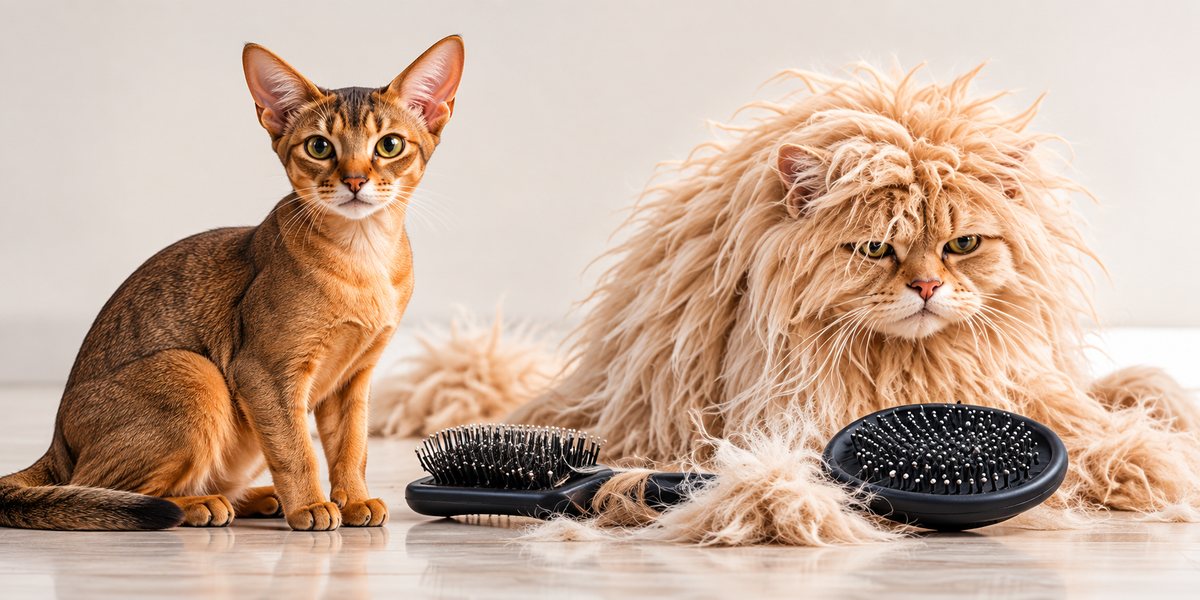
| Brushing & combing | Quick comb · extra spring fall Brushing/combing: quick comb; extra spring fall. |
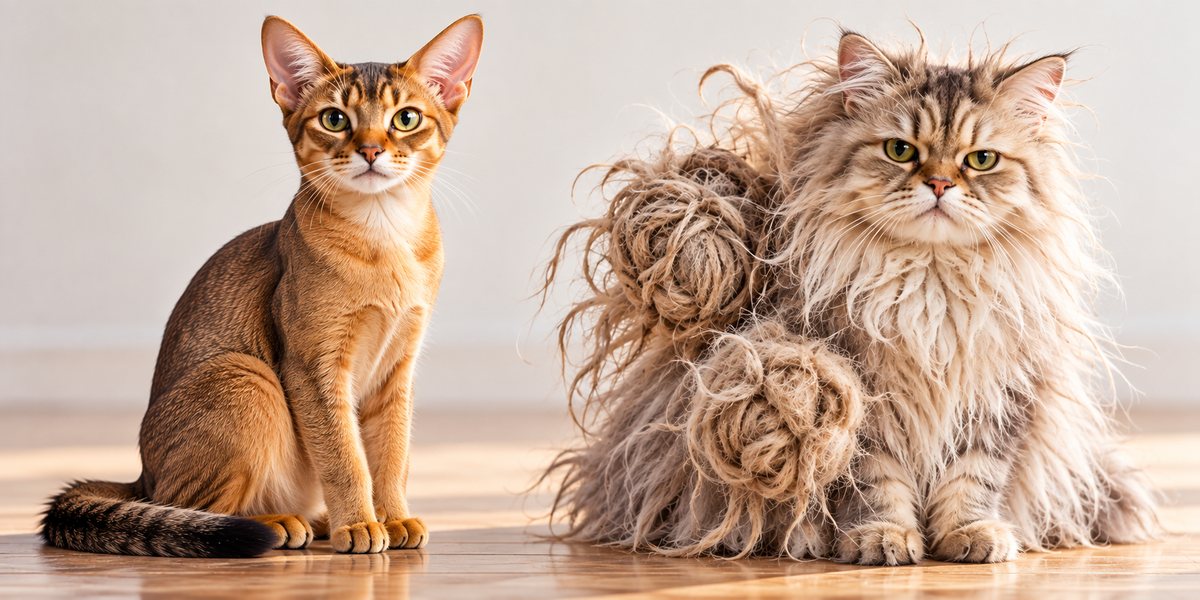
| Tangle & matting tendency | Low The coat is exceptionally dense but short; loose undercoat can pack during shedding, yet true mats are uncommon when the cat is healthy and mobile. |
| Skin & bathing care | Bathing not routinely needed Routine bathing is generally unnecessary; bathe only when the coat is genuinely soiled or for a specific veterinary or grooming reason. |
| Distinctive routine care | Easy coat care; extra combing during seasonal shed The plush coat is easy to maintain, with some extra combing useful in spring and autumn. |
| Allergy & allergen evidence | No breed specific reduction established There is no known reason to regard this breed as hypoallergenic. All cats produce allergens, and coat length or shedding alone does not determine allergy risk. |
| Activity & intelligence | |
| Activity level | Low |
| Playfulness | Low |
| Climbing & jumping | Low Climbing demand is likely to be modest, although accessible elevated resting places are still useful. |
| Enrichment demand | Low Low-to-moderate enrichment demand: short daily play sessions, food puzzles and comfortable observation points usually suit this comparatively calm breed. |
| Learning & training | Moderate British Shorthairs readily learn household routines and reward associations, although their independent, low-key temperament can make them less eager for repetitive training than more people-driven breeds. |
| Curiosity & exploration | Low to moderate They tend to observe before acting and are less inclined toward relentless climbing or acrobatics. |
| Hunting & chasing tendencies | Low Expect relatively moderate hunting play: British Shorthairs may stalk and pounce enthusiastically in short sessions but are usually not relentless chasers. |
| Personality & social | |
| Sociability with familiar people | Moderate British Shorthairs form loyal family attachments while remaining notably calm and undemanding about attention. |
| Affection | Proximity · selective reserved Affection is often expressed by staying nearby rather than persistent physical contact. |
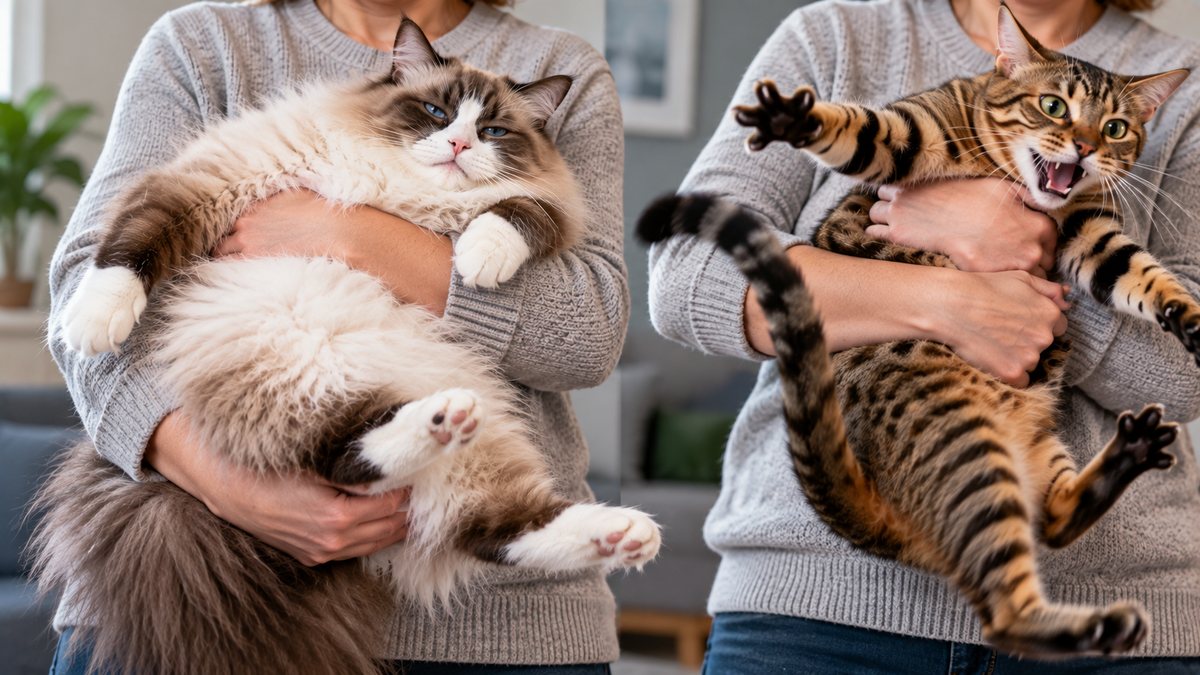
| Lap & cuddling preference | Low British Shorthairs are widely described by registry material as preferring nearby companionship over being carried or continuously lap-held. |
| Handling tolerance | Moderate Usually placid for necessary handling but notably not a breed that universally enjoys being picked up; many prefer contact while remaining supported on their own feet. |
| Independence & social demand | Low Calm, undemanding temperament supports comparatively high independence. |
| Vocalization | Usually quiet British Shorthairs are generally quiet and unobtrusive rather than highly vocal. |
| Response to unfamiliar people | Moderate Generally tolerant but not characteristically effusive with unfamiliar people. |
| Adaptability to change | High Calm, steady temperament supports good household adaptability. |
| Noise & busy-environment sensitivity | Moderate British Shorthairs are famously steady but also value peace and routine; normal household sounds are usually fine, while sustained commotion may prompt quiet withdrawal. |
| Defensive & conflict behaviour | Very low British Shorthairs are characteristically composed and non-dramatic. They usually set boundaries by leaving or refusing contact rather than escalating, although they can object firmly to persistent restraint. |
| Household & environment | |
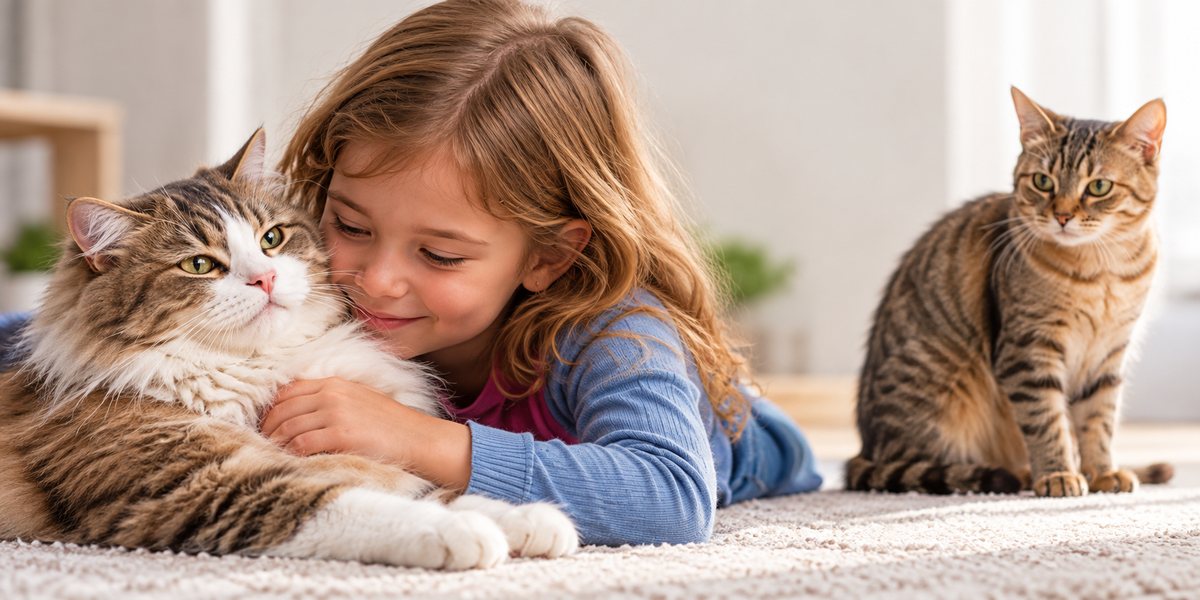
| Living with children | Favorable tendency Steady, tolerant temperament generally fits respectful children, while dislike of carrying should be respected. |
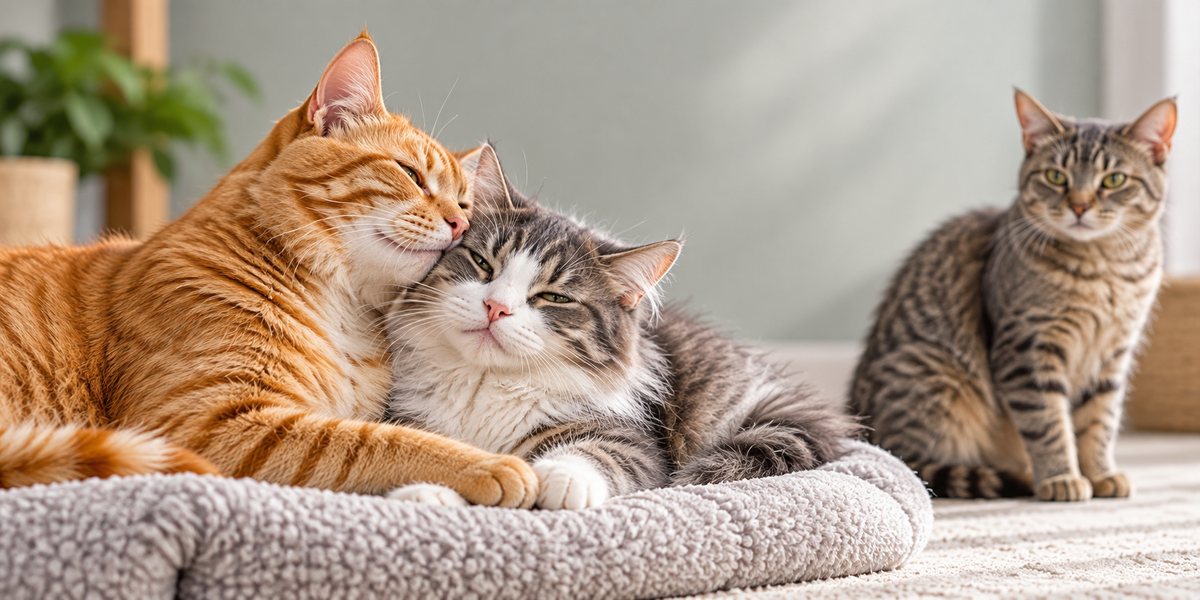
| Living with other cats | Often workable British Shorthairs are typically calm, independent and non-confrontational. Another cat is often acceptable if it respects their personal space; an overly demanding or hyperactive companion may be a poorer match. |
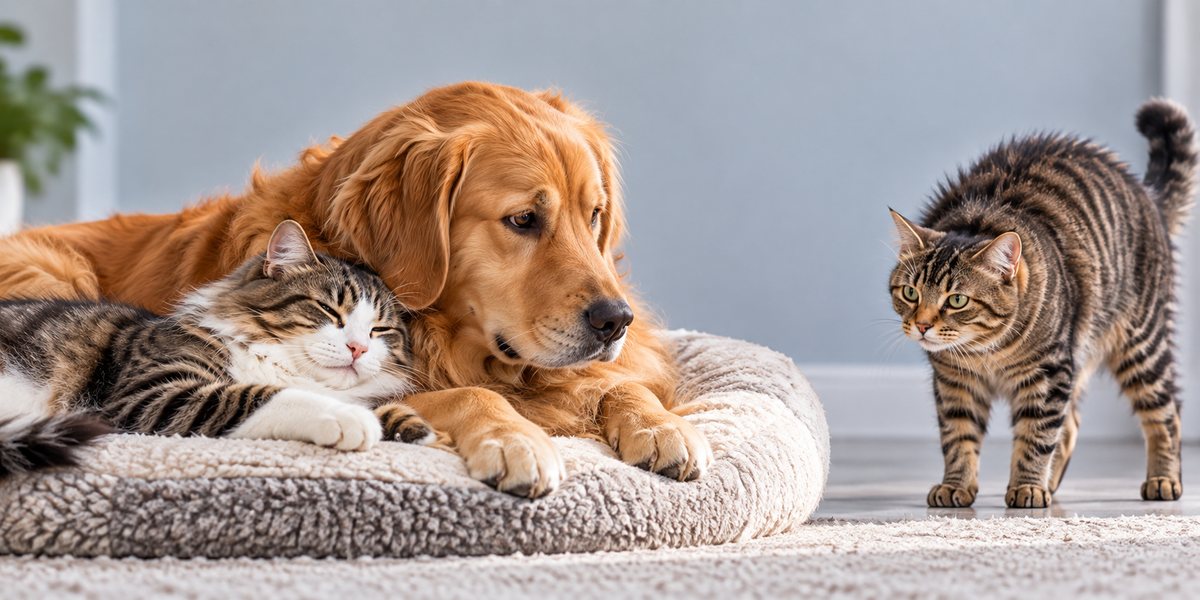
| Living with dogs | Moderate Calm, adaptable temperament often works with cat-compatible dogs after gradual introduction. |
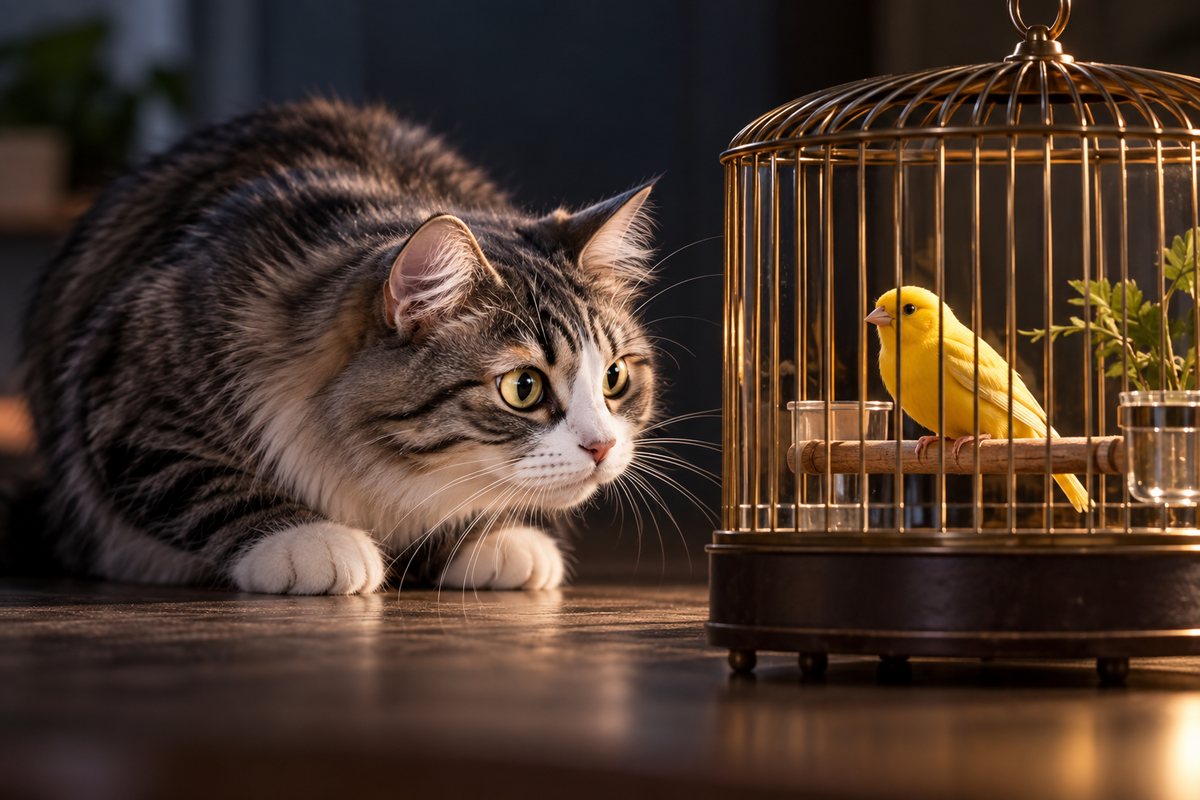
| Living around small pets | Normal predatory caution British Shorthairs are typically calm and comparatively low-key, but they descend from capable domestic working cats and retain normal hunting behavior. Small pets should not be treated as safe companions merely because the cat is placid. |
| Indoor & home environment needs | Calm flexible home · weight management Undemanding indoor temperament is flexible, while lower activity makes weight management relevant. |
| Outdoor access considerations | Indoor or secure British Shorthairs are usually content with enriched indoor life and have no requirement to roam. Secure outdoor access can provide useful activity for a relatively sedentary breed while avoiding the hazards of uncontrolled territory. |
| Heat, cold & sun considerations | Dense coat heat caution British Shorthairs have an exceptionally dense plush coat and sturdy body that cope well with cool conditions. They can be uncomfortable in sustained heat, so provide shade, water, ventilation and cool resting areas and avoid encouraging strenuous activity at peak temperatures. |
| Caregiver time & experience | Low Generally undemanding behavior and short coat reduce daily management relative to high-energy/social-demand breeds. |
| Health & welfare | |
| Documented health predispositions | Moderate known risks British Shorthairs have a recognized predisposition to hypertrophic cardiomyopathy, and polycystic kidney disease can occur in lines with Persian ancestry. Their sturdy, relatively sedentary build also makes obesity an important practical health risk. |
| Screening & breeder questions | Ask about cardiac screening/HCM history Ask whether breeding cats receive repeated echocardiographic screening for hypertrophic cardiomyopathy and whether PKD testing is relevant to the line. Also ask about hip disease and obesity in close relatives. |
| Conformation-related welfare | Moderate heavy type concern British Shorthairs are deliberately broad and heavy-set. The type should remain compatible with easy breathing and agile movement; excessive body mass, obesity or progressive shortening of the muzzle should not be mistaken for desirable substance. |
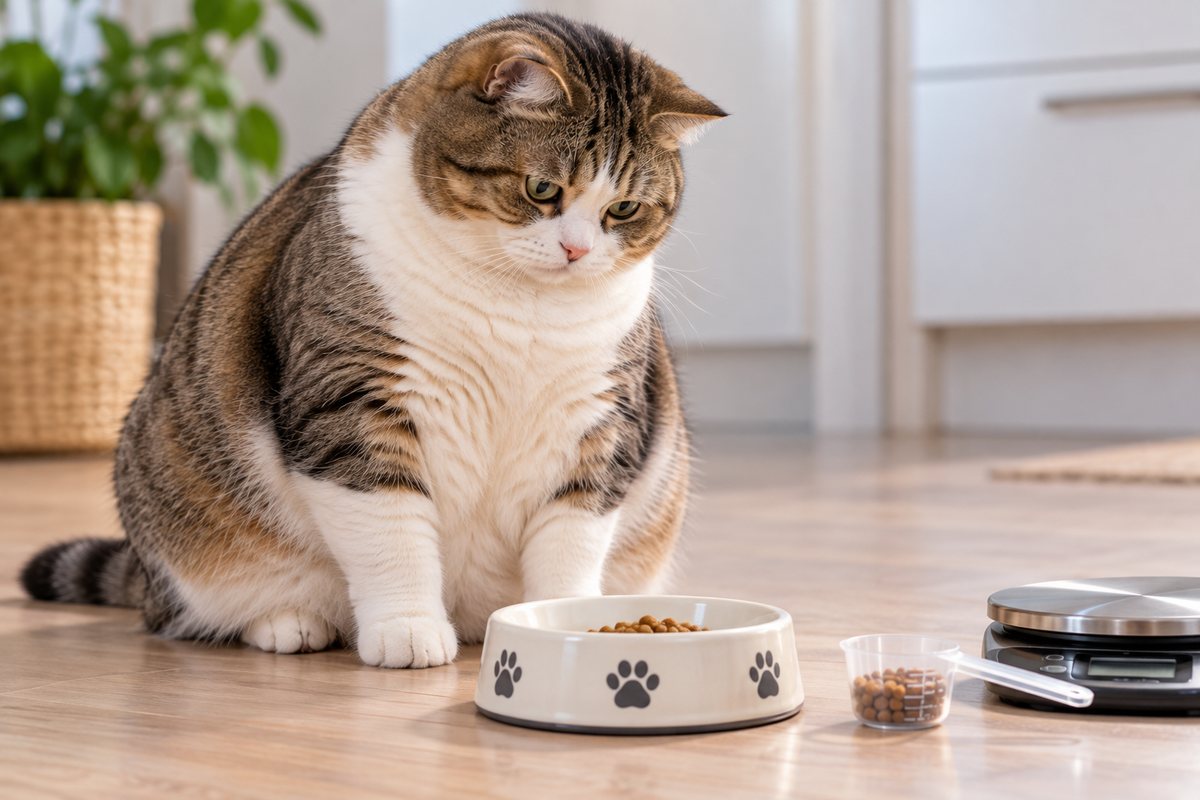
| Nutrition & weight management | Weight gain prone British Shorthairs are notably prone to looking 'correctly chunky' when they are actually overweight. Preserve the breed's muscular substance with measured portions, regular activity and hands-on body-condition scoring rather than feeding toward a high scale weight. |
| Longevity | 12–16 years British Shorthairs commonly live into their teens; about 12–16 years is a practical range, with weight control and cardiac/renal health important to longevity. |
| Cost & availability | |
| Purchase cost | High: $800–$2,500 British Shorthair: a practical breeder-market estimate is $800–$2,500. This reflects that it is an very popular pedigree breed; color and pedigree can move prices higher. |
| Adoption & rehoming cost | Occasionally available: $75–$400 typical rescue/adoption fee British Shorthair: $75–$400 typical rescue/adoption fee. The breed is sufficiently numerous that genuine examples sometimes enter ordinary rescue or breed-rescue channels. |
| Recurring ownership costs | Higher food/larger equipment The large, solid build can modestly raise food, litter, carrier and furniture costs. Grooming is inexpensive, but weight control and appropriate cardiac evaluation in affected lines are more useful budget priorities than cosmetic products. |
| Availability, waits & import | Very widely available British Shorthairs have a large international breeder population and are among the easiest pedigree breeds to find across Europe and many other regions. Broad availability makes it practical to compare breeders rather than accepting the first available kitten. |
| Identity & real-world context | |
| Ownership & import restrictions | No known breed specific restrictions There are no known breed-specific ownership restrictions. Ordinary animal-welfare, identification, vaccination and cross-border import rules still apply where relevant. |
| Registry recognition | CFA: recognized breed/division · TICA: Championship-recognized / current breed identity · FIFe: fully recognized breed / mapped breed identity Currently recognized in all three registries tracked by the FSC core matrix: CFA, TICA and FIFe. |
| Similar breeds & identity distinctions | Chartreux American Shorthair British Shorthairs are exceptionally cobby with a dense plush coat and round head. Chartreux are more athletic and usually blue only, while American Shorthairs are less cobby and have a less plush coat; blue color alone does not distinguish them. |
| Reported characteristic quirks | Prefers four feet on the floor; occasional kitten-like bursts British Shorthairs are notably grounded cats: usually calm and deliberate, punctuated by occasional bursts of kitten-like play. |
Browse all 53 breed characteristics
Open any characteristic to compare all breeds on that dimension.



 English