
Compare Cat Breeds
Compare up to three breeds across all 53 characteristics. Values are shown directly so the differences are easier to scan.
| Characteristic |  British Longhair |
|---|---|
| Body & development | |
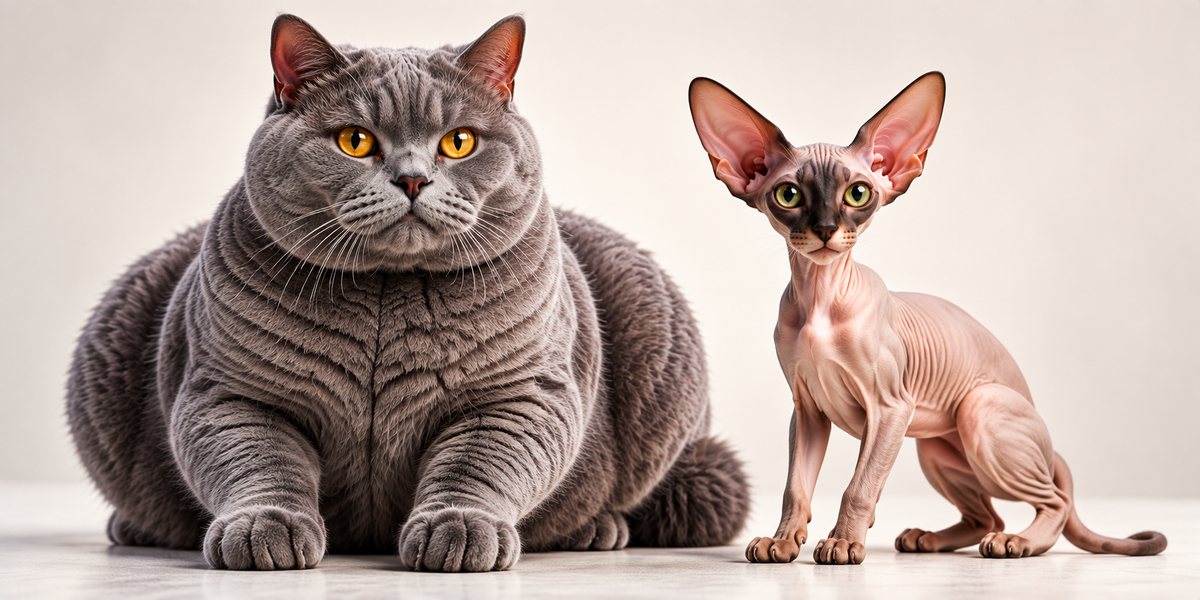
| Adult size | Medium to large |
| Adult weight | Females 3.6–5 kg (7.9–11.0 lb); Males 4.5–7.3 kg (9.9–16.1 lb) Females are commonly about 3.6–5.0 kg (7.9–11.0 lb) and males about 4.5–7.3 kg (9.9–16.1 lb); the breed is dense and heavy-boned. |
| Build & distinguishing morphology | Compact · powerful · broad chest · round head Build: compact; powerful; broad chest; round head. |
| Maturation | 2-3 years British Longhairs mature slowly: the heavy, rounded body continues broadening after the first year, and full body substance and mature coat are typically reached at roughly 2–3 years. |
| Coat & appearance | |
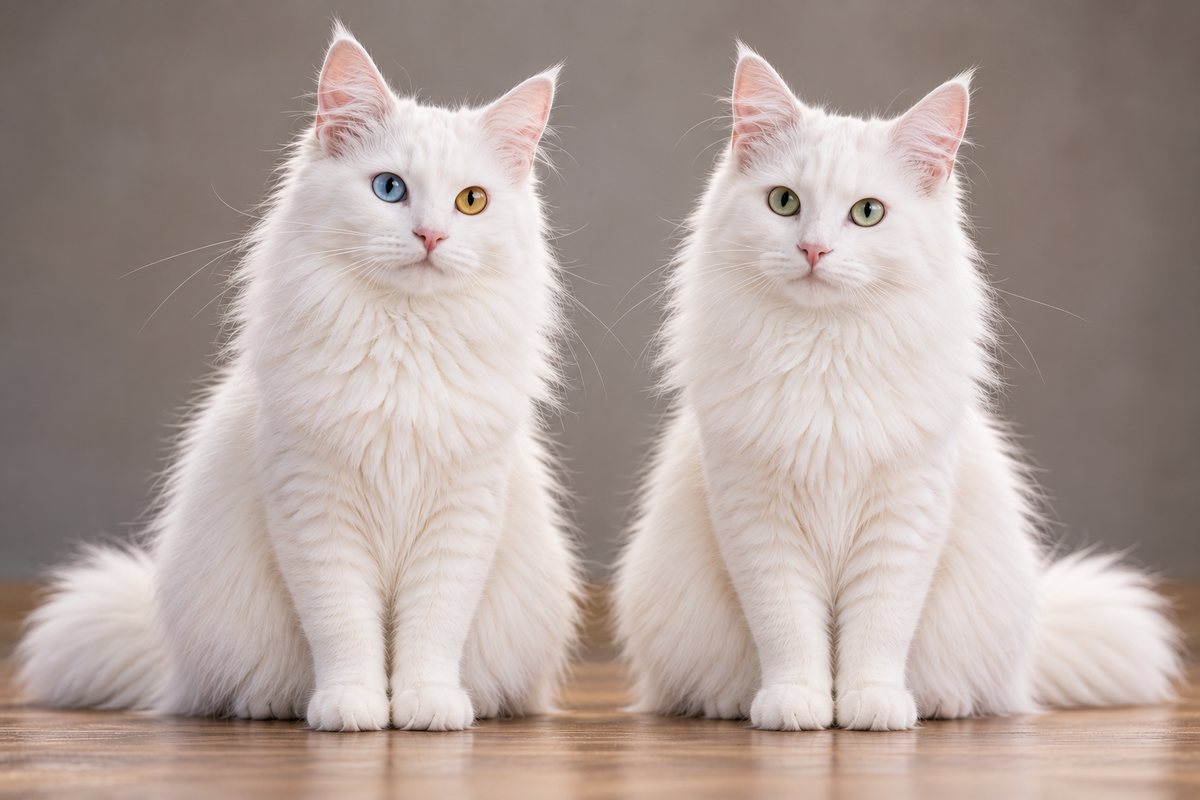
| Coat length | Long Longhaired form of the British breed type. |
| Coat texture & undercoat | Long · dense · rich · plush Coat: long; dense; rich; plush. |
| Colors & patterns | Broad british palette; solid · tabby · tortie · bicolor · smoke · silver · golden · colorpoint British Longhairs occur throughout the broad British palette: solids, tabbies, torties, bicolours, smoke/silver and golden varieties, with colourpoint also present in recognized breeding populations. |
| Eye colors | Copper · gold · green · blue; coat-dependent Copper or gold is common, while green occurs in some silver/golden varieties and blue in colourpointed cats. |
| Coat & routine care | |
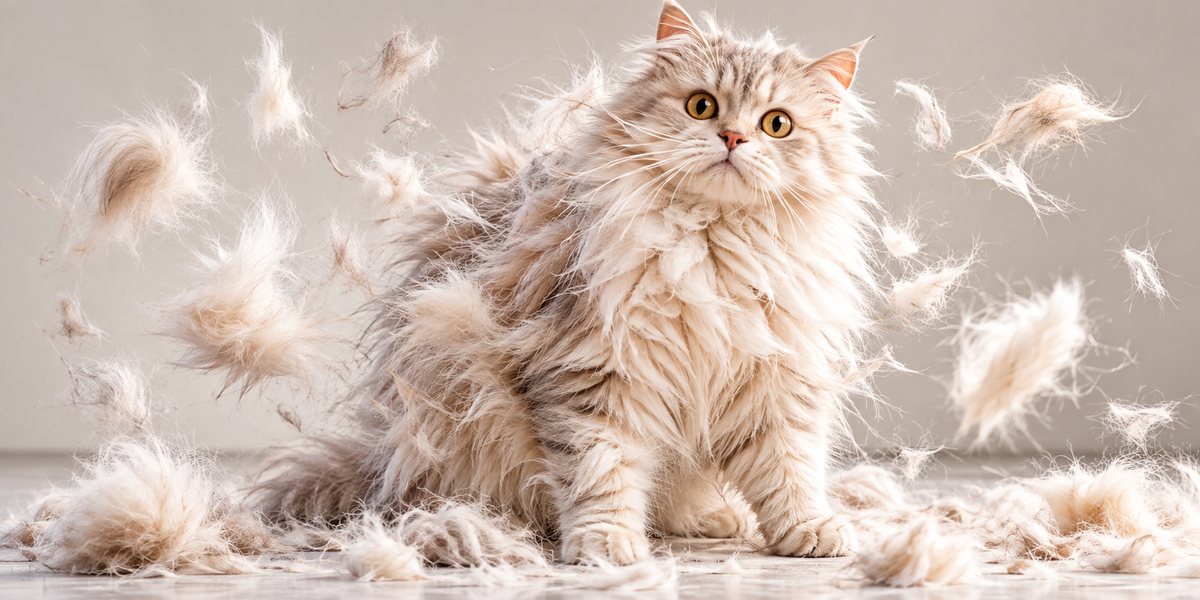
| Shedding | High seasonal Moderate to high shedding, becoming heavy during seasonal release of the dense plush undercoat. |
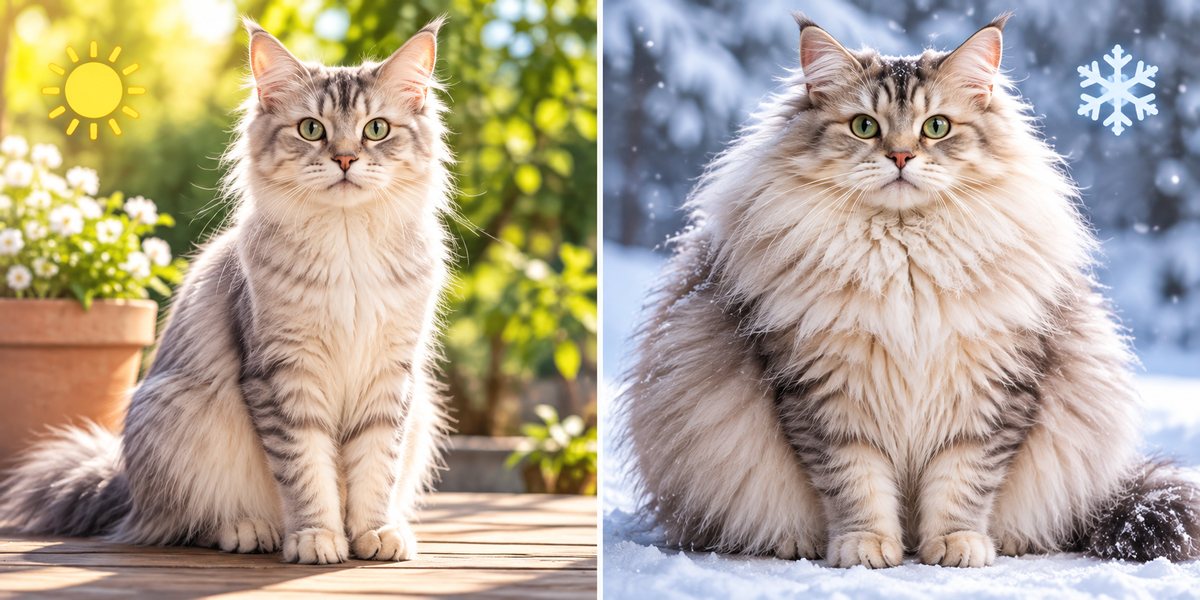
| Seasonal coat changes | Spring fall coat change Seasonal coat: spring fall coat change. |
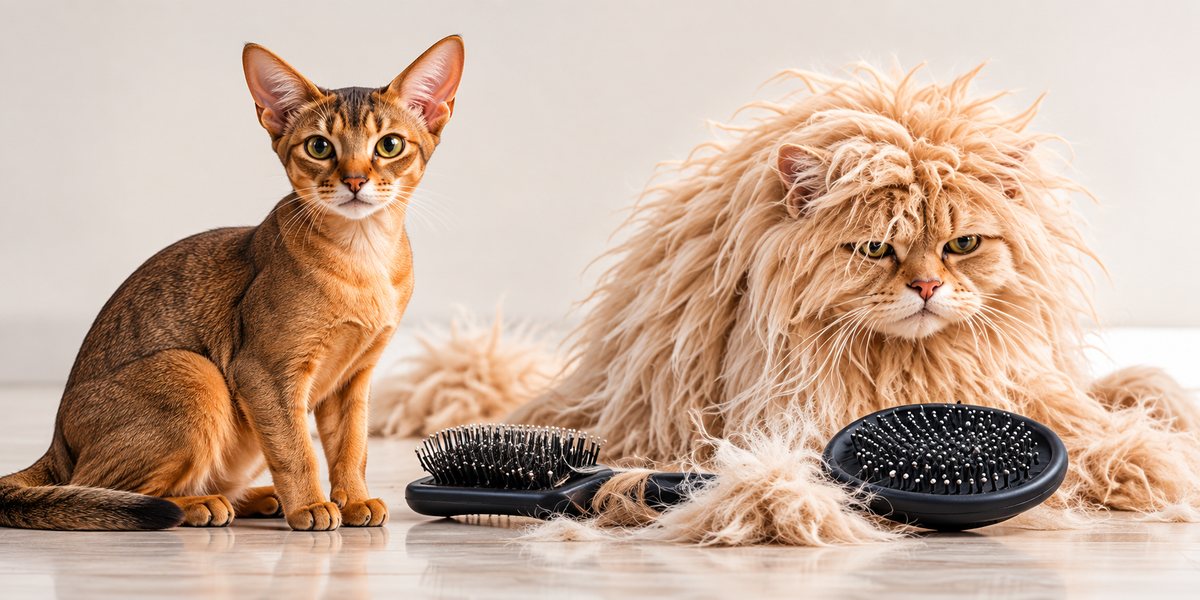
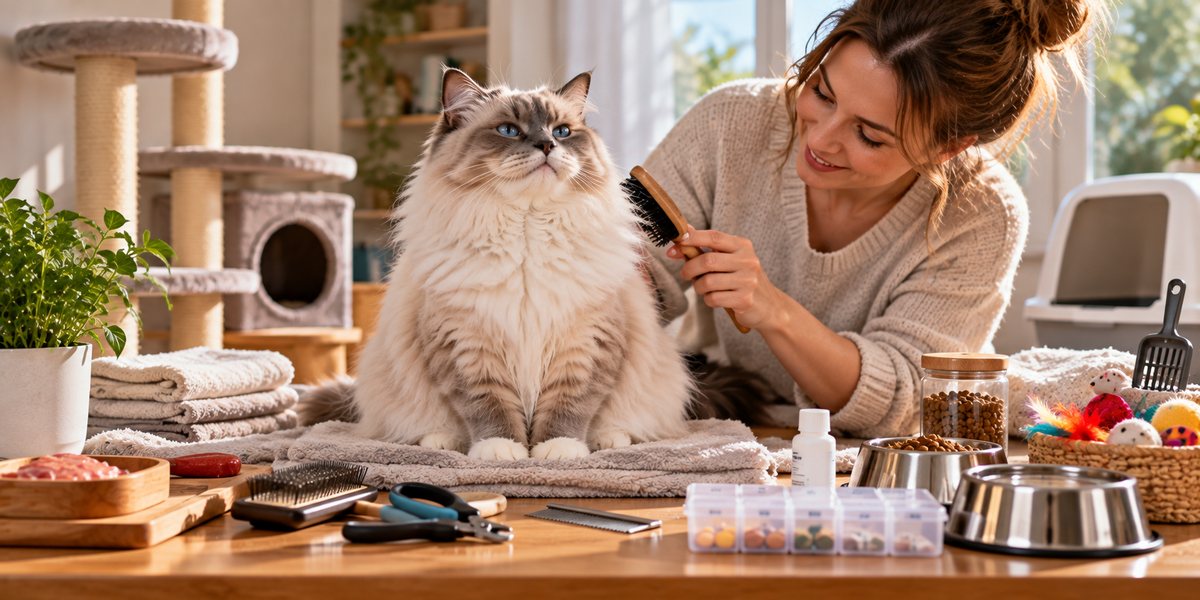
| Brushing & combing | Daily preferred Brushing/combing: daily preferred. |
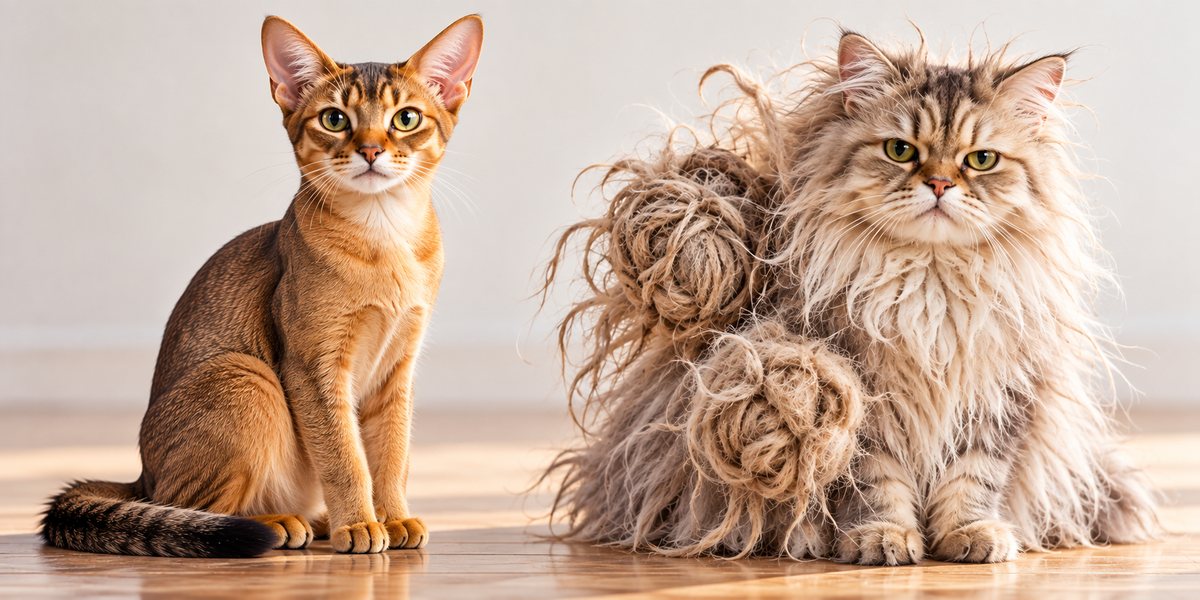
| Tangle & matting tendency | Moderate to high if neglected The long plush coat and dense undercoat can compact into mats, especially behind the ears, under the forelegs and through the trousers, so regular combing matters. |
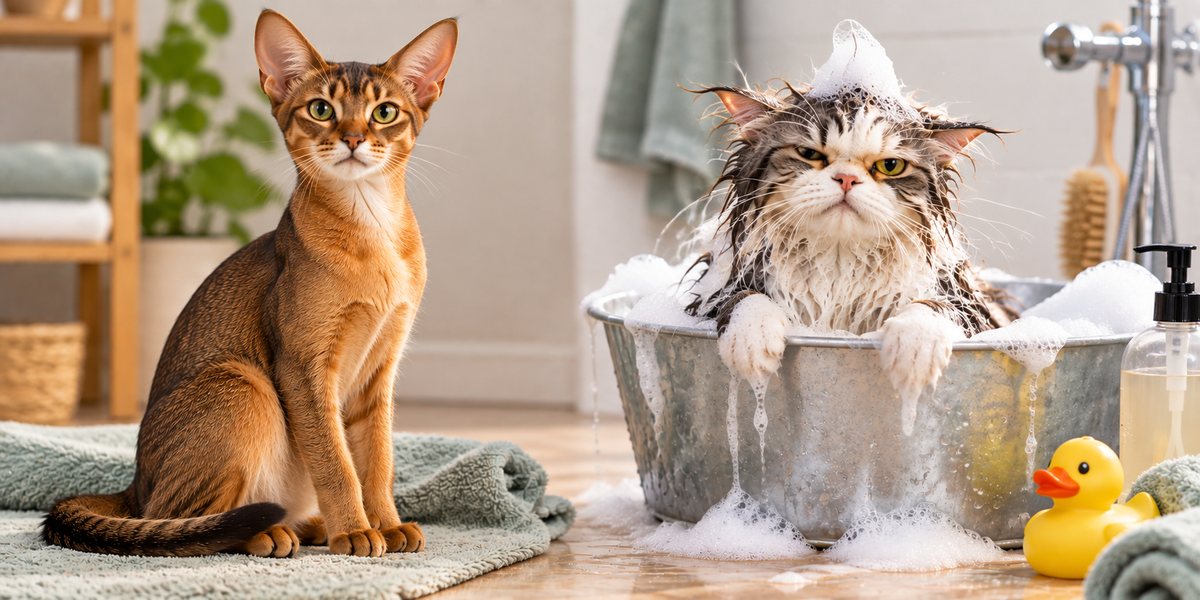
| Skin & bathing care | Regular bathing optional for coat condition Skin/bathing: regular bathing optional for coat condition. |
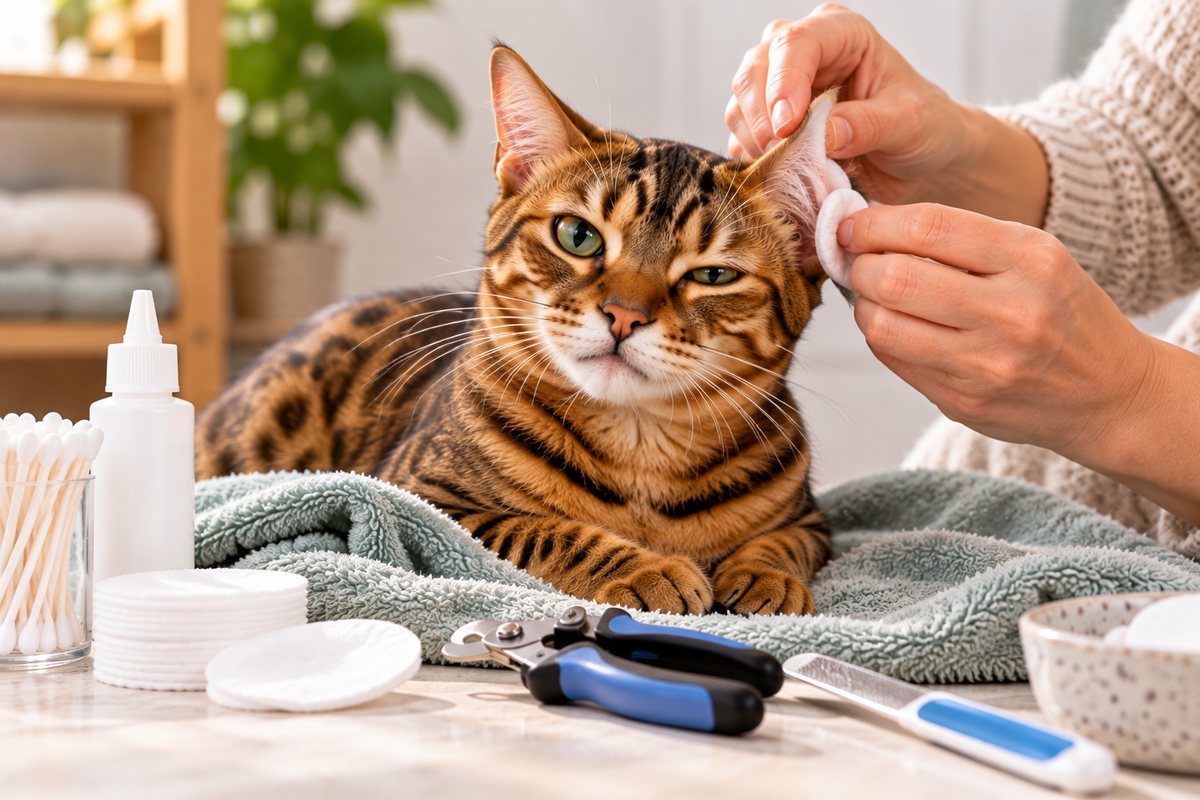
| Distinctive routine care | Daily combing is useful The full long coat benefits from daily combing to prevent tangles, with particular attention during seasonal coat changes. |
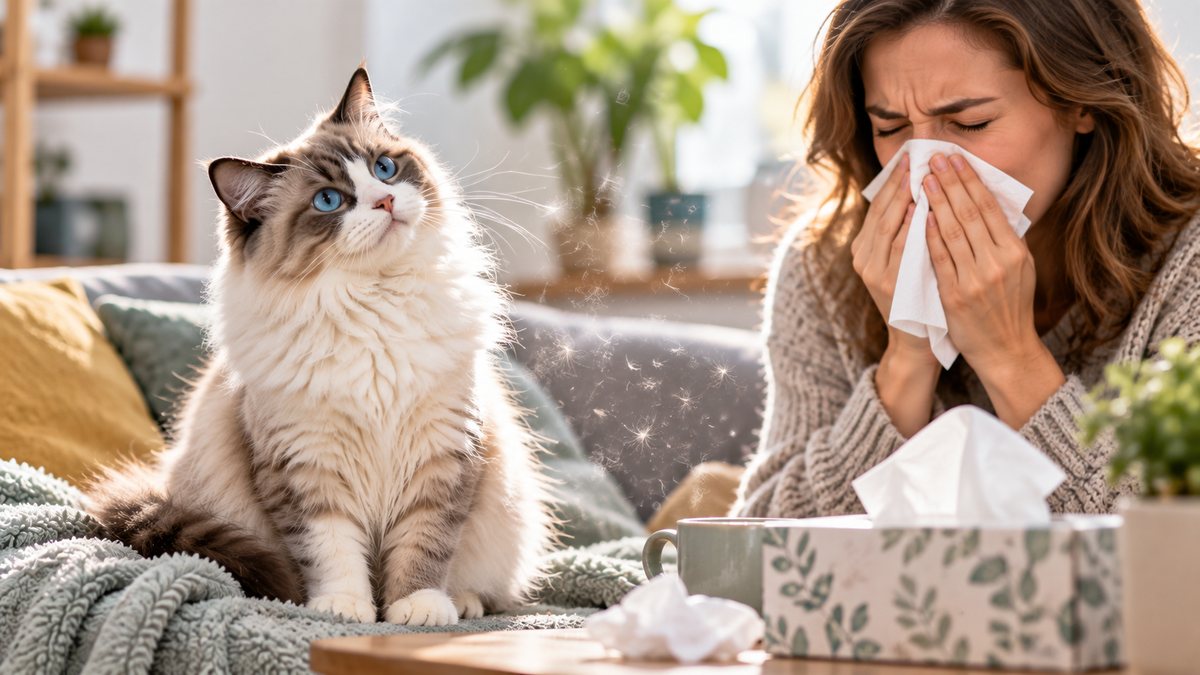
| Allergy & allergen evidence | No breed specific reduction established There is no known reason to regard this breed as hypoallergenic. All cats produce allergens, and coat length or shedding alone does not determine allergy risk. |
| Activity & intelligence | |
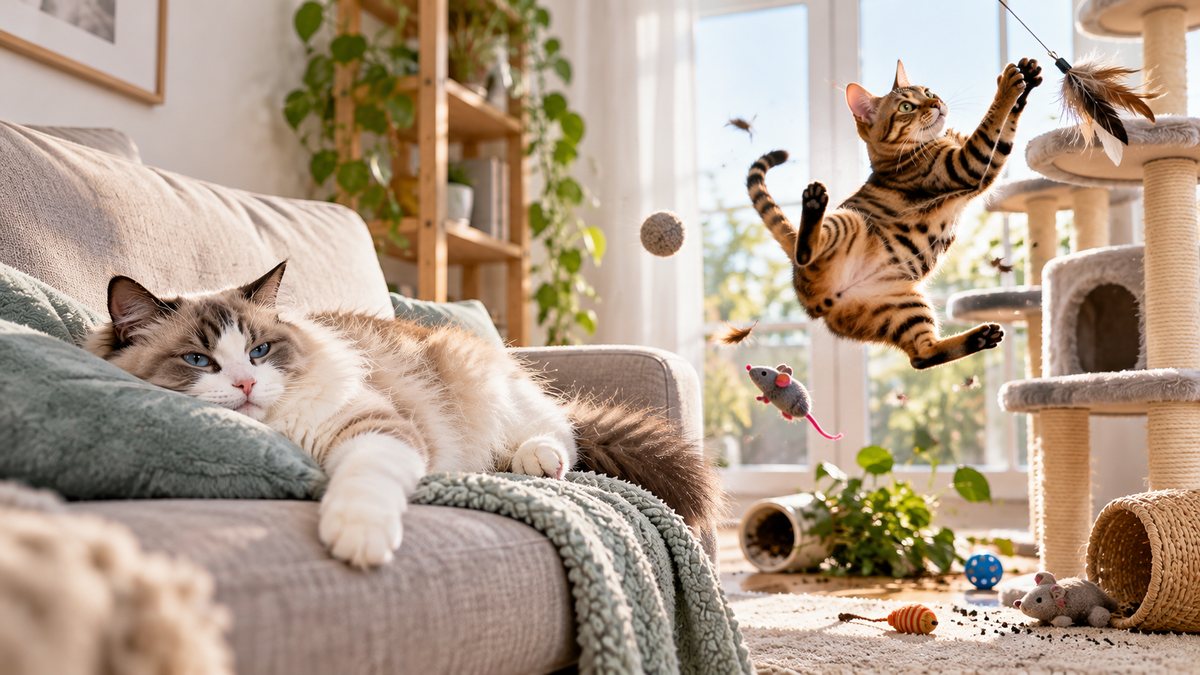
| Activity level | Low |
| Playfulness | Low |
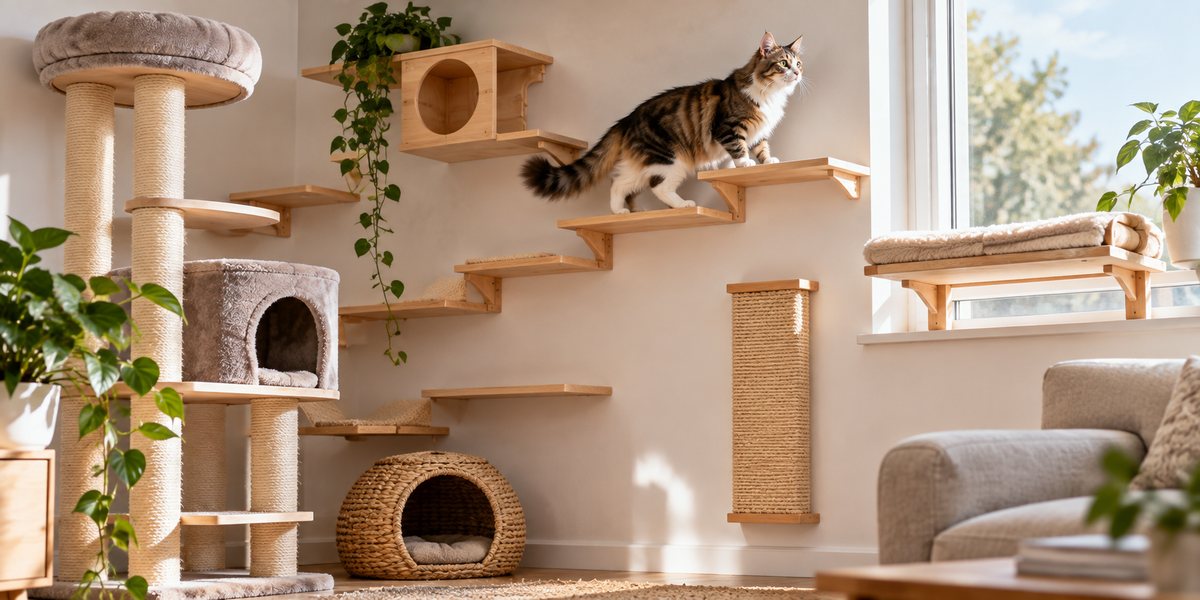
| Climbing & jumping | Low Climbing demand is likely to be modest, although accessible elevated resting places are still useful. |
| Enrichment demand | Low Low-to-moderate enrichment demand: provide regular gentle play and opportunities to investigate the home, while allowing ample quiet time and rest. |
| Learning & training | Moderate British Longhairs are observant and capable learners, but their calmer style often favors practical routines and food-rewarded games over prolonged trick-training sessions. |
| Curiosity & exploration | High British Longhairs are observant and interested but usually deliberate explorers; they tend to inspect changes without the persistent cupboard-opening intensity of highly active breeds. |
| Hunting & chasing tendencies | Low Chasing interest is usually modest to moderate; the breed's calm, less athletic style favors shorter bursts of stalk-and-pounce play rather than sustained pursuit. |
| Personality & social | |
| Sociability with familiar people | High British Longhairs are loyal, devoted companions that prefer to stay near their families. |
| Affection | Proximity · selective reserved Their affection is often expressed through quiet proximity rather than constant physical contact. |
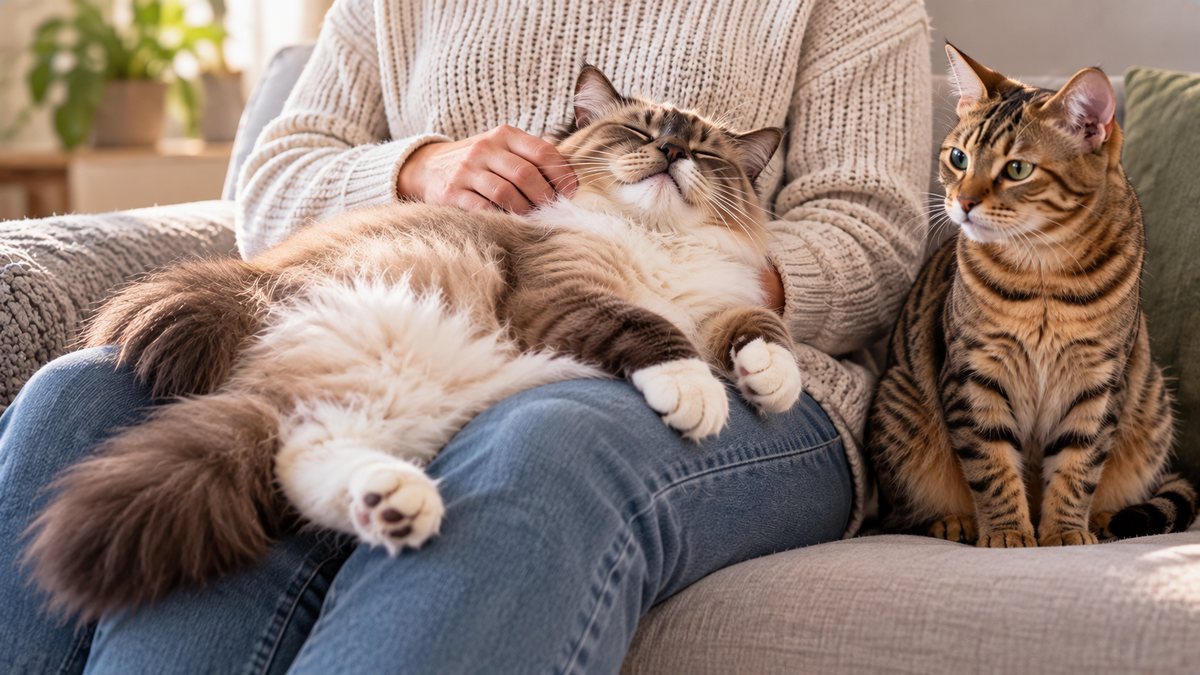
| Lap & cuddling preference | Low British Longhairs generally prefer sitting beside their people rather than on a lap. |
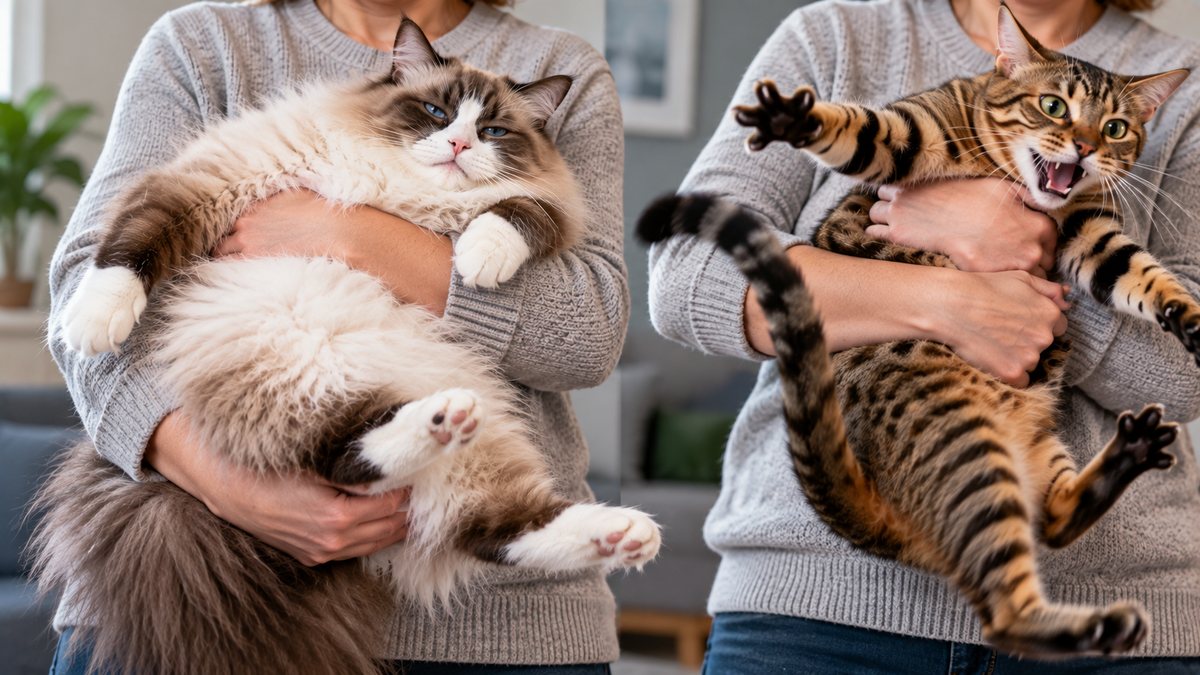
| Handling tolerance | Moderate Usually calm and non-reactive for grooming and examination, but many British-type cats prefer sitting beside a person to being carried or tightly held. |
| Independence & social demand | High independence They are comparatively independent and can usually entertain themselves calmly when alone. |
| Vocalization | Low Quiet and unobtrusive in ordinary household life. |
| Response to unfamiliar people | Somewhat reserved at first They can be slightly reserved initially, becoming openly affectionate once familiar with someone. |
| Adaptability to change | Moderate to high Its calm, undemanding temperament generally handles routine changes well, although many individuals prefer a measured transition rather than being pushed rapidly into unfamiliar activity. |
| Noise & busy-environment sensitivity | Moderate Calm and composed rather than highly reactive, the British Longhair usually tolerates routine noise but often prefers a predictable home and may withdraw from prolonged chaos. |
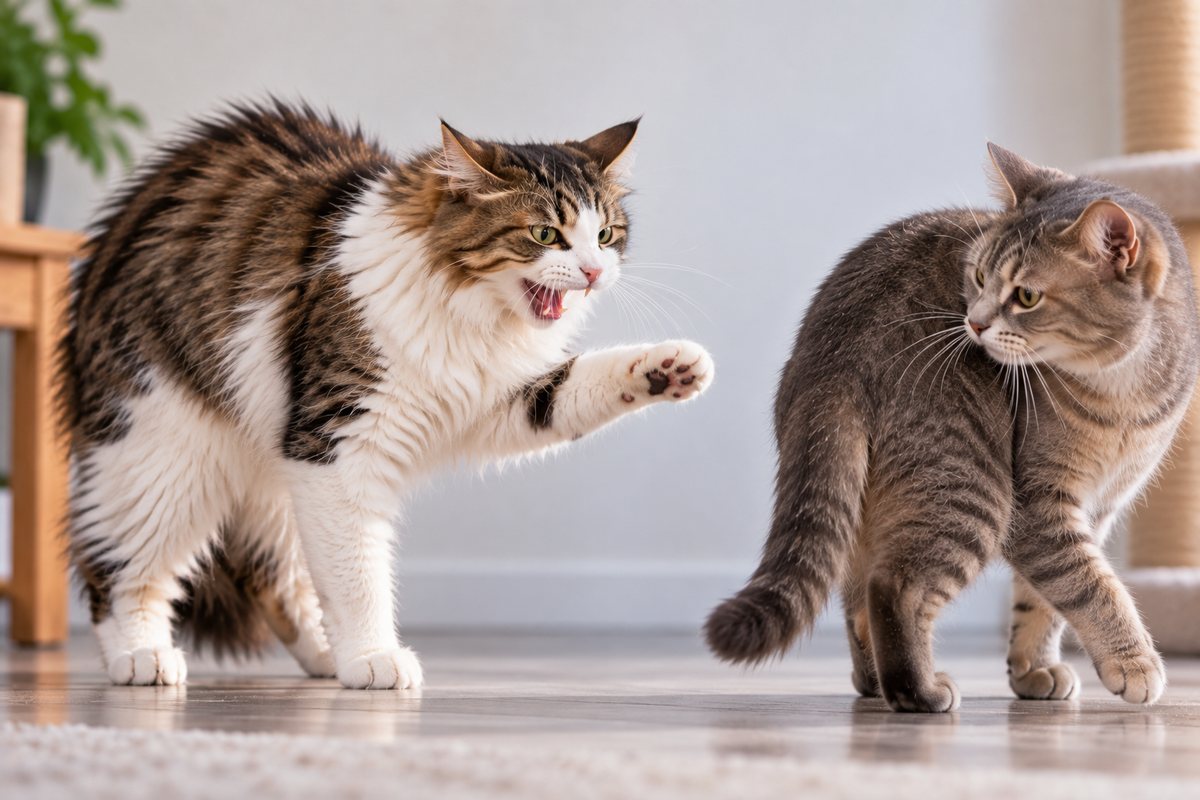
| Defensive & conflict behaviour | Very low The British Longhair is typically placid, undemonstrative and slow to escalate. It commonly copes with unwanted interaction by moving away, making ordinary defensive conflict low when it has quiet retreat space. |
| Household & environment | |
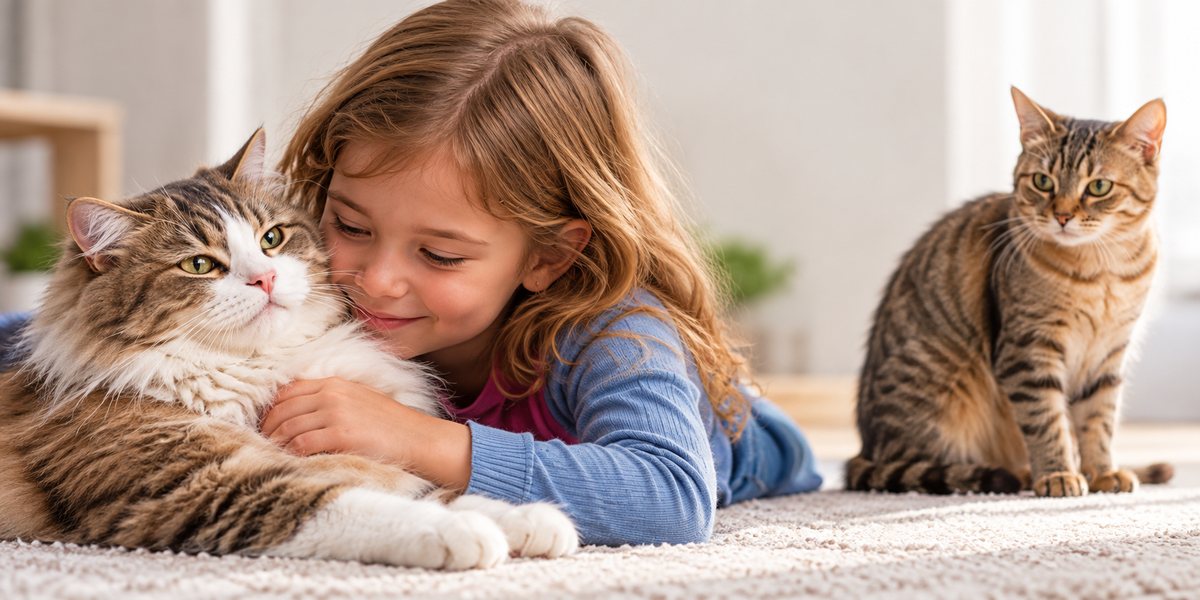
| Living with children | Often workable British Longhairs are generally tolerant with children, provided they are handled gently and not carried around roughly. |
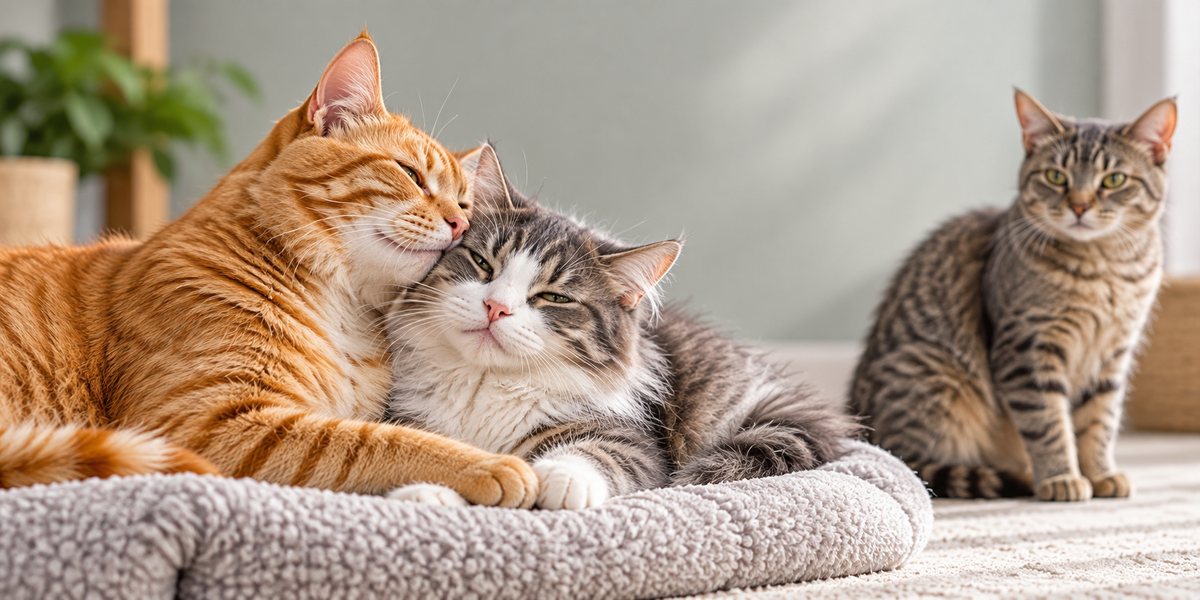
| Living with other cats | Often workable British Longhairs are usually calm and relatively self-contained. They can live peacefully with another respectful cat, but they are less likely than highly social breeds to require constant feline companionship. |
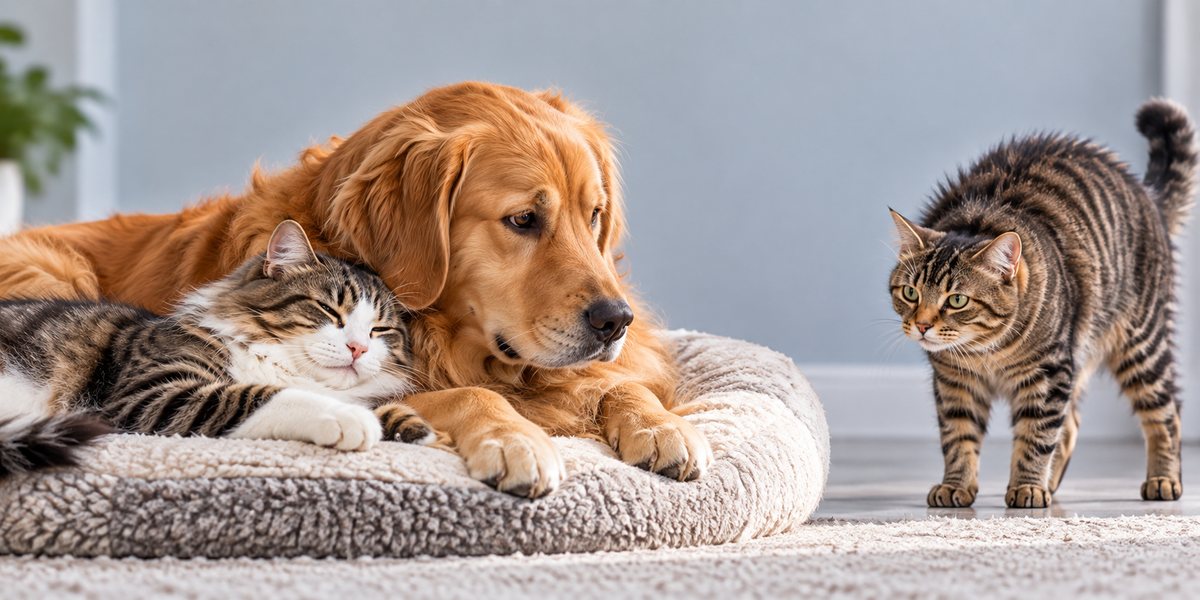
| Living with dogs | Moderate They commonly coexist well with calm, cat-friendly dogs. |
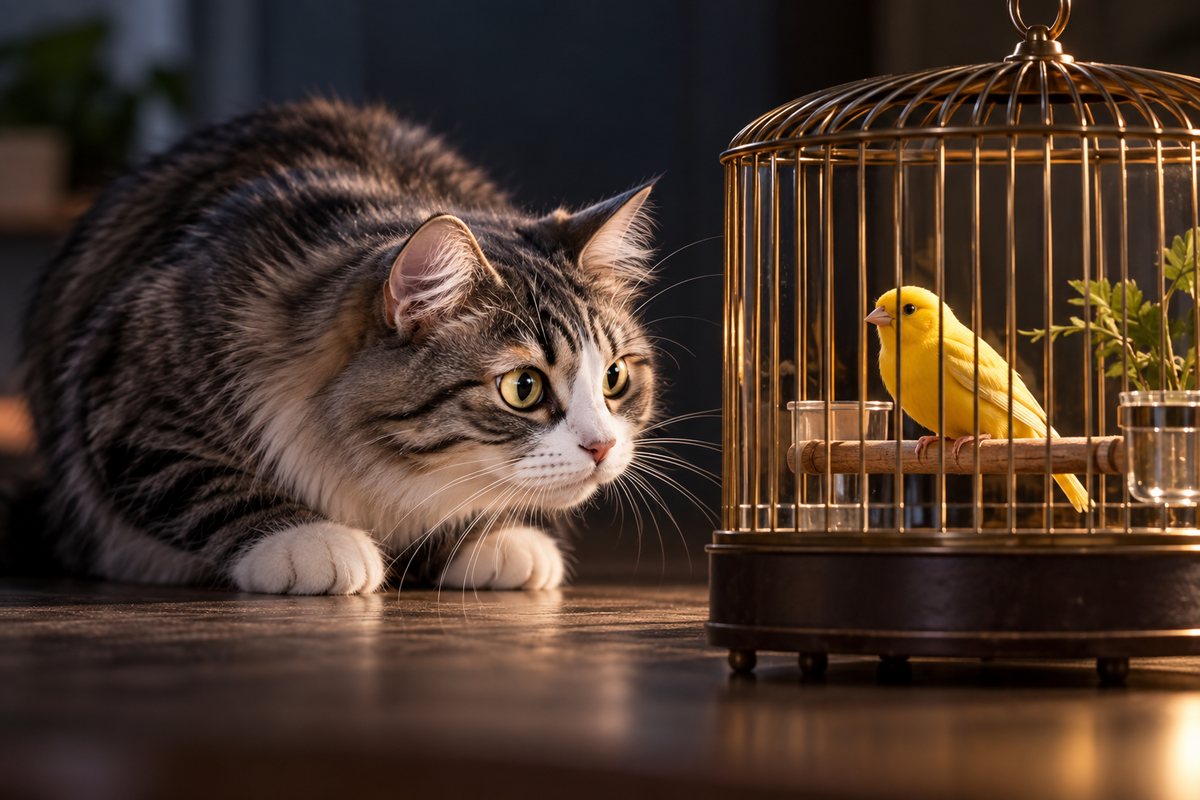
| Living around small pets | Normal predatory caution British Longhairs are generally calm, less intensely active companions, which may reduce opportunities for pursuit but does not eliminate predatory behavior. Birds, rodents and other small pets should still be kept securely separated. |
| Indoor & home environment needs | Calm indoor weight focus British Longhairs are relatively calm and can thrive indoors without an exceptionally intense environment. Provide accessible perches, scratching sites and regular play while actively managing food and exercise because a low-key lifestyle can promote excess weight. |
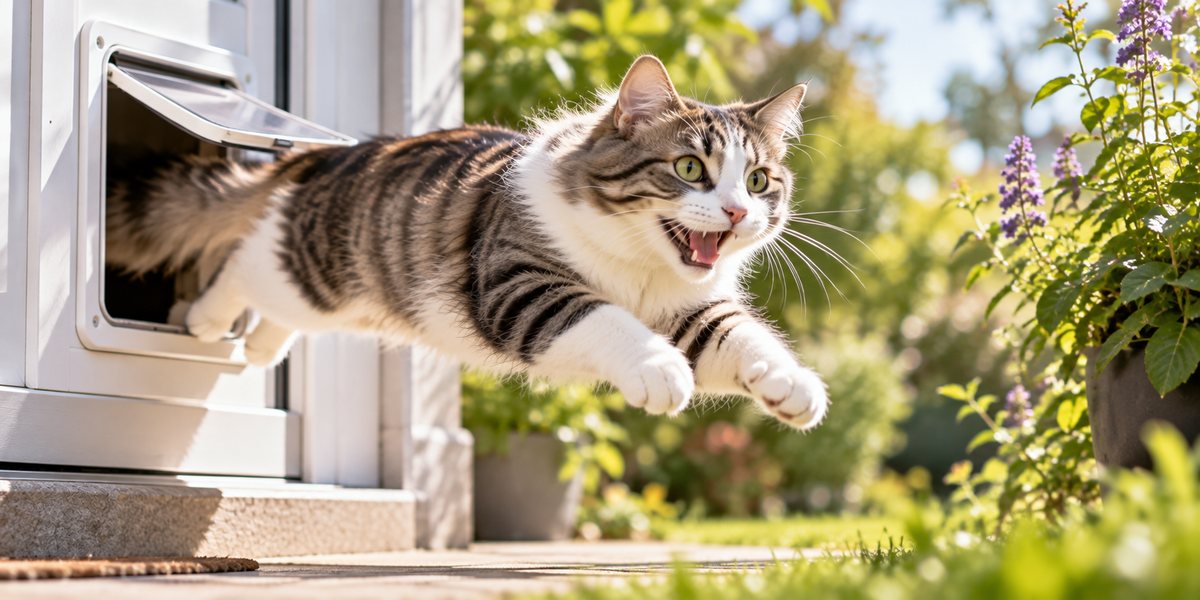
| Outdoor access considerations | Indoor or secure British Longhairs generally thrive in protected indoor homes and do not need unrestricted outdoor access. Secure garden or catio time can add enrichment while avoiding traffic, coat contamination and conflict risks. |
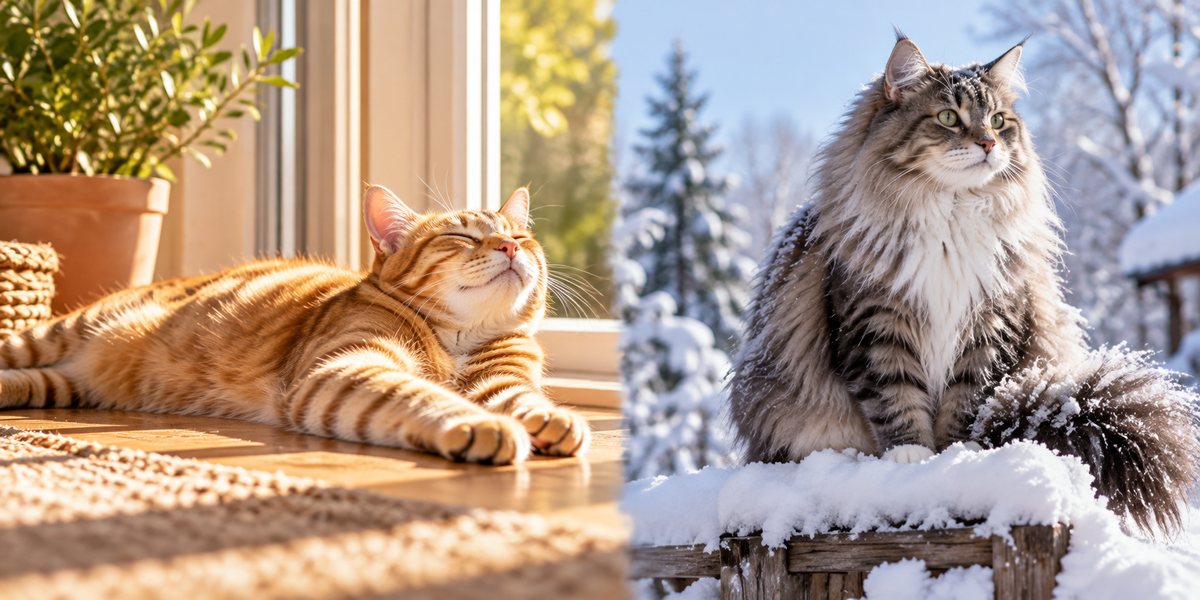
| Heat, cold & sun considerations | Dense longcoat heat caution British Longhairs have a very dense plush coat that insulates well in cool conditions but can make heat more burdensome. Summer management should emphasize shade, water, airflow and cool resting surfaces, especially in overweight cats. |
| Caregiver time & experience | Above average British Longhairs are behaviorally fairly manageable, but the dense long coat needs regular grooming and their sedentary tendency makes weight and activity management important. Care is not specialist-level, but it does require a reliable routine. |
| Health & welfare | |
| Documented health predispositions | Moderate known risks British Longhairs share ancestry and health concerns with British Shorthairs, particularly hypertrophic cardiomyopathy; polycystic kidney disease can occur where Persian ancestry is present. Dense coat and a relatively sedentary build also make grooming and weight management important. |
| Screening & breeder questions | Ask what health problems are tracked in the lines and request actual test results Ask for hypertrophic cardiomyopathy screening records and whether PKD testing is used where Persian ancestry warrants it. Also ask about hip disease, obesity and longevity in close relatives. |
| Conformation-related welfare | Moderate heavy type concern British Longhairs have a very substantial, cobby build and dense coat. Welfare-focused selection should distinguish desired substance from obesity and avoid increasingly shortened faces or excessive body mass that reduces mobility or heat tolerance. |
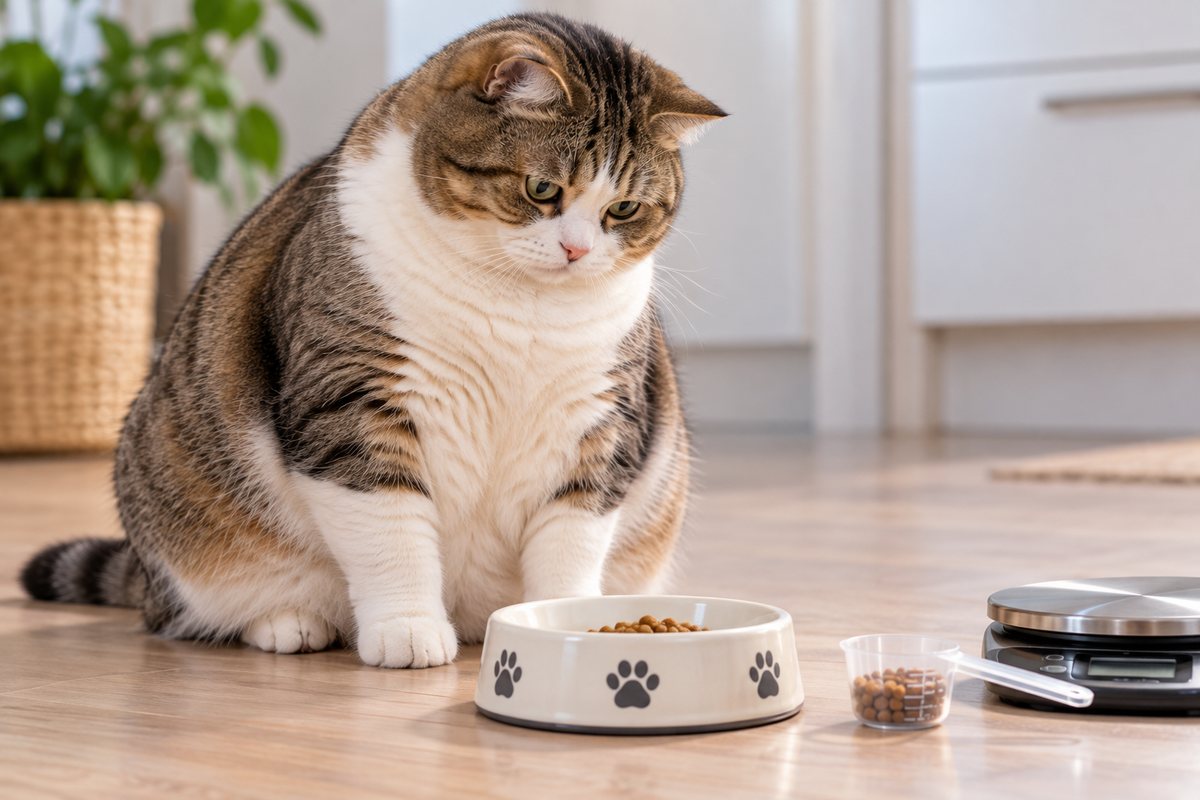
| Nutrition & weight management | Weight gain prone British Longhairs combine a dense coat, substantial build and often moderate activity, all of which can hide excess fat. Measured feeding and hands-on body-condition scoring are important, with regular play used to protect muscle and mobility. |
| Longevity | 12–20 years A reported life span of roughly 12–20 years reflects substantial individual and background variation. |
| Cost & availability | |
| Purchase cost | High: $800–$2,000 British Longhair: a practical breeder-market estimate is $800–$2,000; increasingly available but less common than the British Shorthair. |
| Adoption & rehoming cost | Uncommon in rescue: $100–$500 typical rescue/adoption fee British Longhair: $100–$500 typical rescue/adoption fee. The breed does appear in rescue, but much less often than mixed-breed cats or the most numerous pedigrees. |
| Recurring ownership costs | Coat maintenance Food and litter costs can be moderately high because of the substantial body, while the long dense coat needs quality combs and regular home grooming. Dental care and weight monitoring are important; professional grooming is optional rather than inherently required. |
| Availability, waits & import | Moderately available British Longhairs are increasingly bred across Europe and other markets, often alongside British Shorthairs. They are less numerous than the shorthair variety but generally obtainable in established cat-fancy regions with a breeder search and possible wait. |
| Identity & real-world context | |
| Ownership & import restrictions | No known breed specific restrictions There are no known breed-specific ownership restrictions. Ordinary animal-welfare, identification, vaccination and cross-border import rules still apply where relevant. |
| Registry recognition | TICA: Championship-recognized / current breed identity · FIFe: fully recognized breed / mapped breed identity Currently recognized by TICA and FIFe in the FSC core matrix; it is not a separately recognized CFA breed identity in that matrix. |
| Similar breeds & identity distinctions | British Shorthair British Longhairs share the cobby body, round head and dense coat texture of British Shorthairs; the defining distinction is the longer coat produced within the same breed family. They should not be confused with the more elongated forest breeds. |
| Reported characteristic quirks | Calm “four feet on the floor” temperament A British Longhair often chooses a place beside its person rather than climbing onto a lap or seeking acrobatic heights. |
Browse all 53 breed characteristics
Open any characteristic to compare all breeds on that dimension.







 English