
Compare Cat Breeds
Compare up to three breeds across all 53 characteristics. Values are shown directly so the differences are easier to scan.
| Characteristic |  Brazilian Shorthair |
|---|---|
| Body & development | |
| Adult size | Medium |
| Adult weight | 3.0–5.5 kg (6.6–12.1 lb) The Brazilian Shorthair is a medium, athletic natural breed; roughly 3.0–5.5 kg (6.6–12.1 lb) is a useful adult range. |
| Build & distinguishing morphology | Medium · muscular · slender · elegant The Brazilian Shorthair is medium-sized and muscular while remaining slender and elegant. |
| Maturation | 12-18 months This moderate natural shorthair generally reaches adult dimensions near one year and completes muscular filling-out through roughly 12–18 months. |
| Coat & appearance | |
| Coat length | Short |
| Coat texture & undercoat | Short · glossy · close lying · silky · no undercoat The coat is short, glossy and close-lying, with a silky texture and no undercoat. |
| Colors & patterns | All except pointed · white allowed All colours and patterns are recognized except pointed colours, and any amount of white is permitted. |
| Eye colors | Green · gold · copper · blue; coat-dependent A broad coat-dependent range occurs, commonly green, gold or copper; blue is possible with white/pointed genetics. |
| Coat & routine care | |
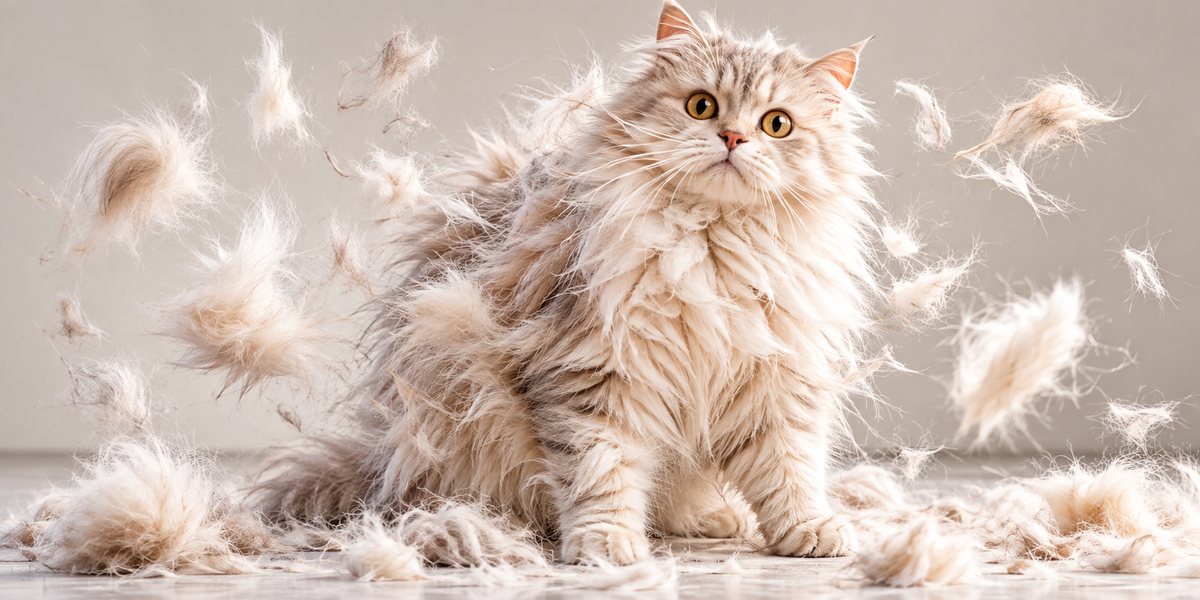
| Shedding | Low to moderate Low to moderate shedding from the short, close coat, with some seasonal increase. |
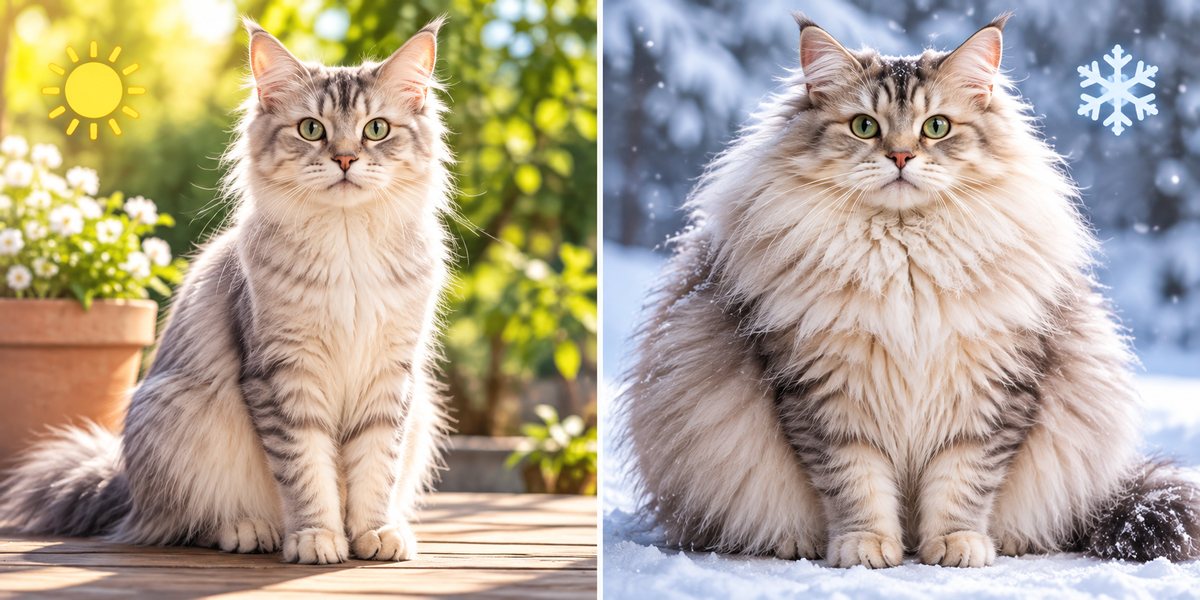
| Seasonal coat changes | Mild seasonal change The Brazilian Shorthair’s glossy close coat has no substantial undercoat, so seasonal change is generally mild rather than a pronounced spring coat blow. |
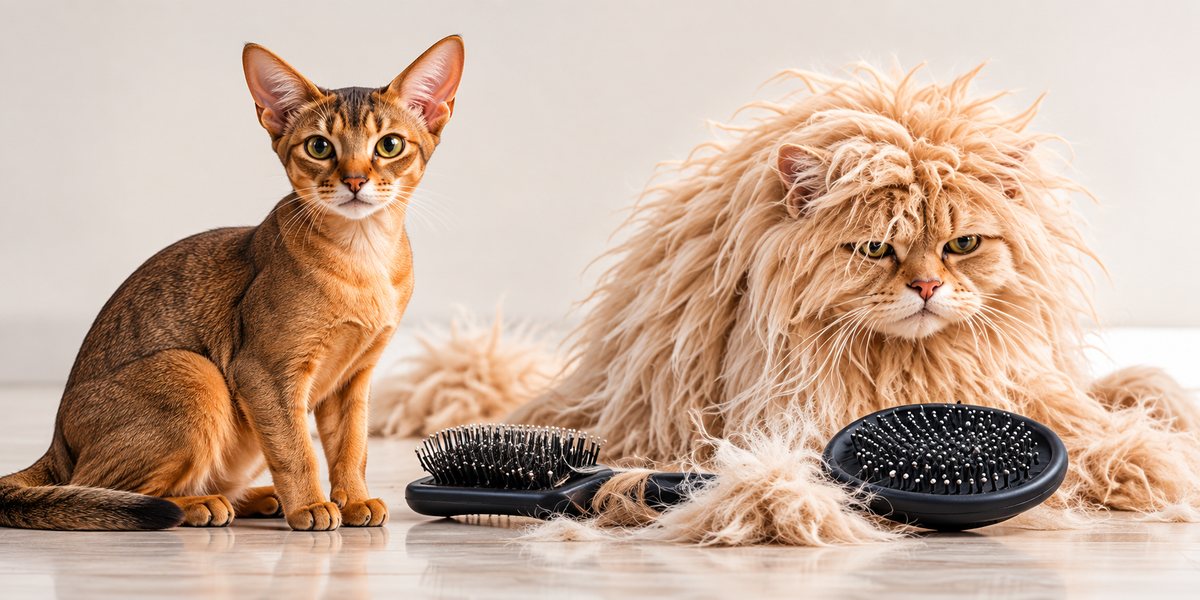
| Brushing & combing | Weekly or as needed Brief weekly brushing is normally sufficient for the short coat, with an extra pass during seasonal shedding. |
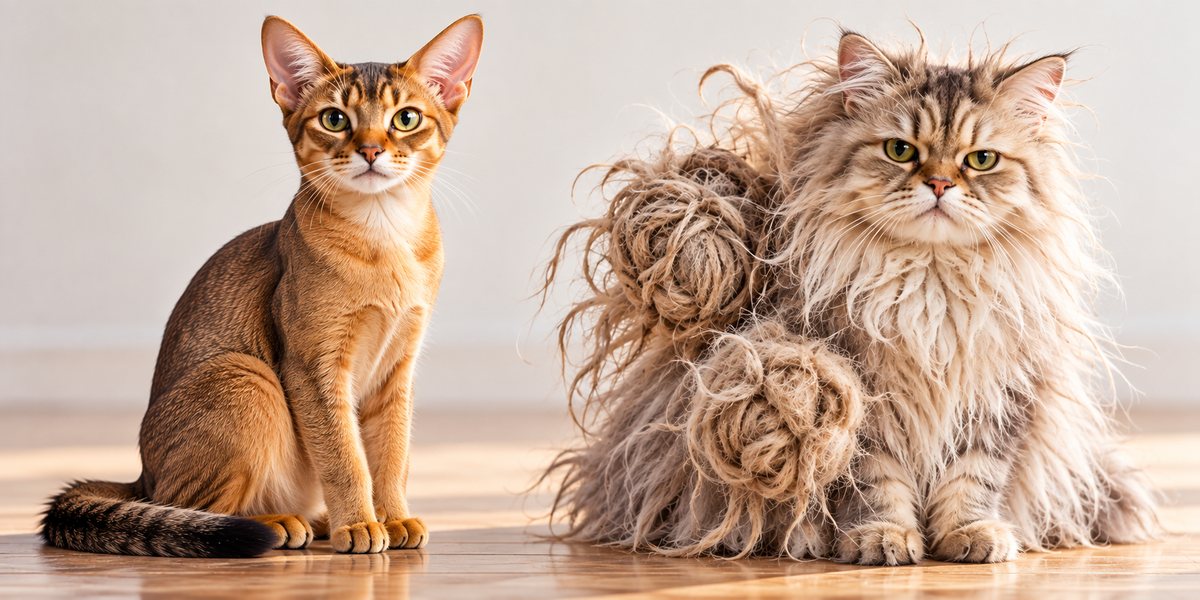
| Tangle & matting tendency | Very low The short, silky coat has no substantial undercoat and is not normally prone to tangles. |
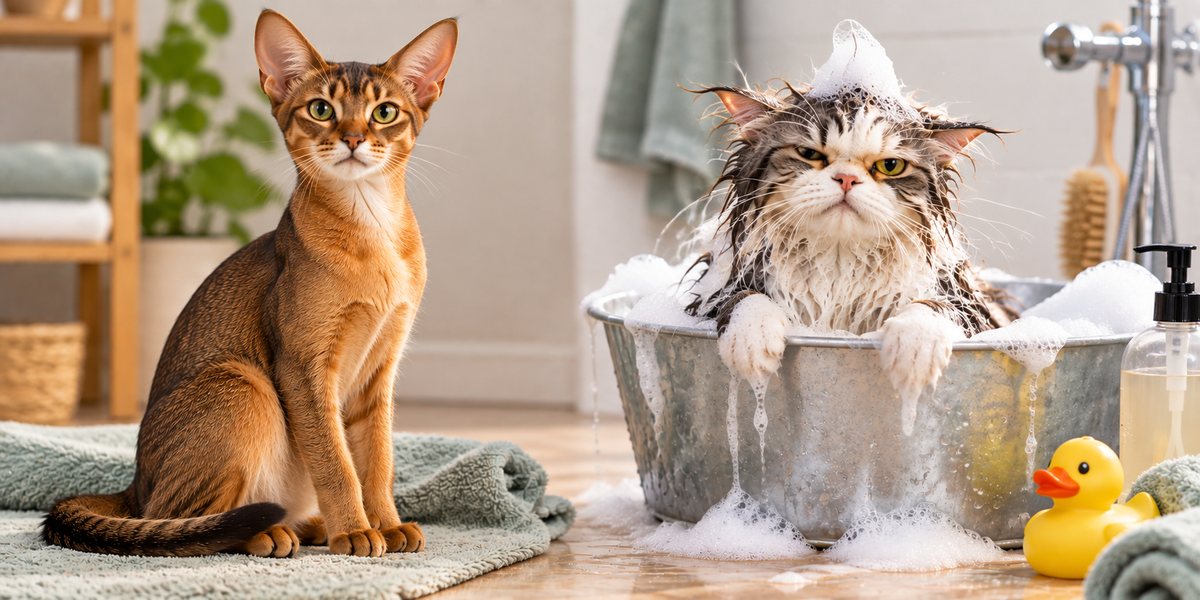
| Skin & bathing care | Bathing not routinely needed Routine bathing is generally unnecessary; bathe only when the coat is genuinely soiled or for a specific veterinary or grooming reason. |
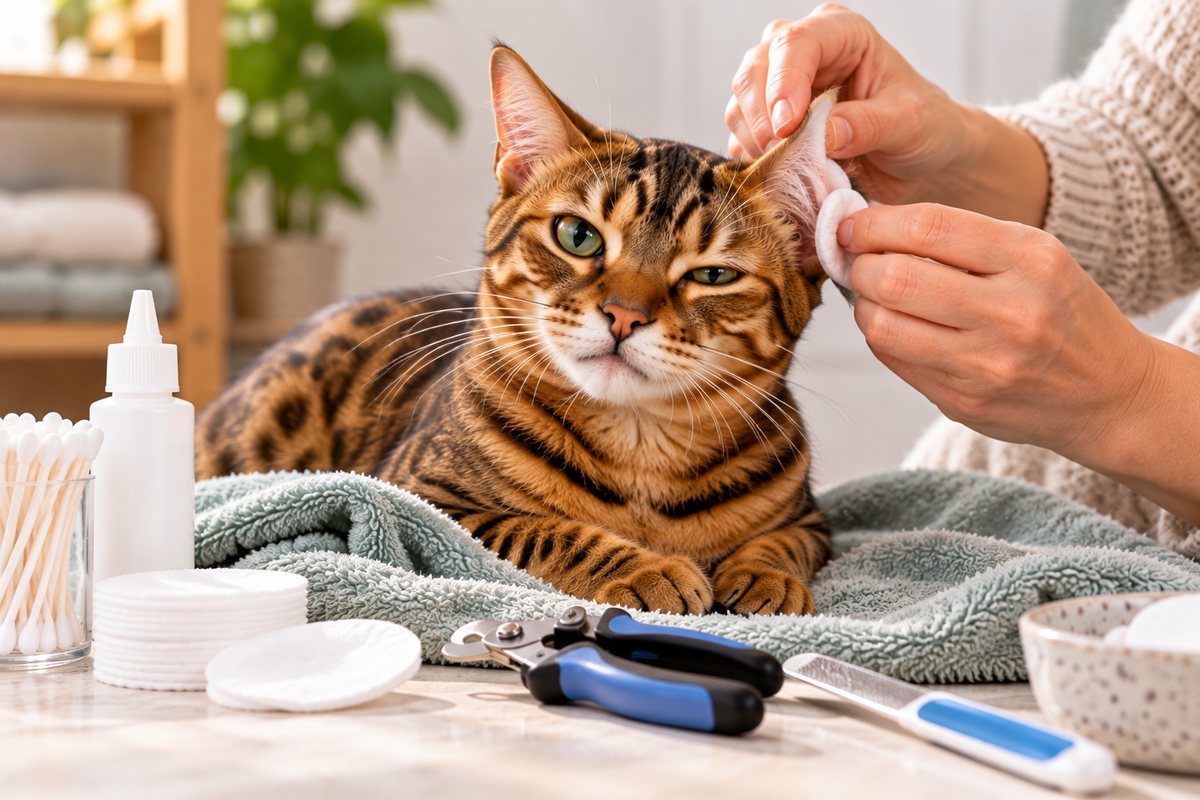
| Distinctive routine care | Simple coat active care Brazilian Shorthairs generally need simple short-coat grooming, routine nails, ears and dental hygiene. Regular active play and body-condition monitoring are the main continuing management needs. |
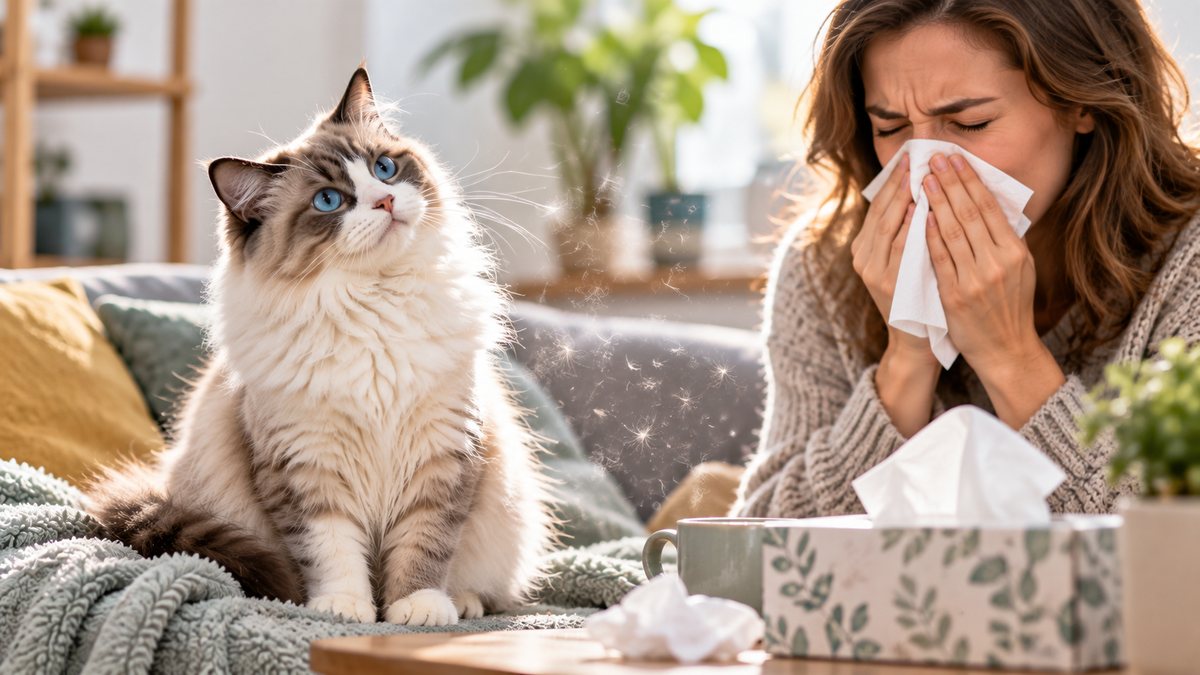
| Allergy & allergen evidence | No breed specific reduction established There is no known reason to regard this breed as hypoallergenic. All cats produce allergens, and coat length or shedding alone does not determine allergy risk. |
| Activity & intelligence | |
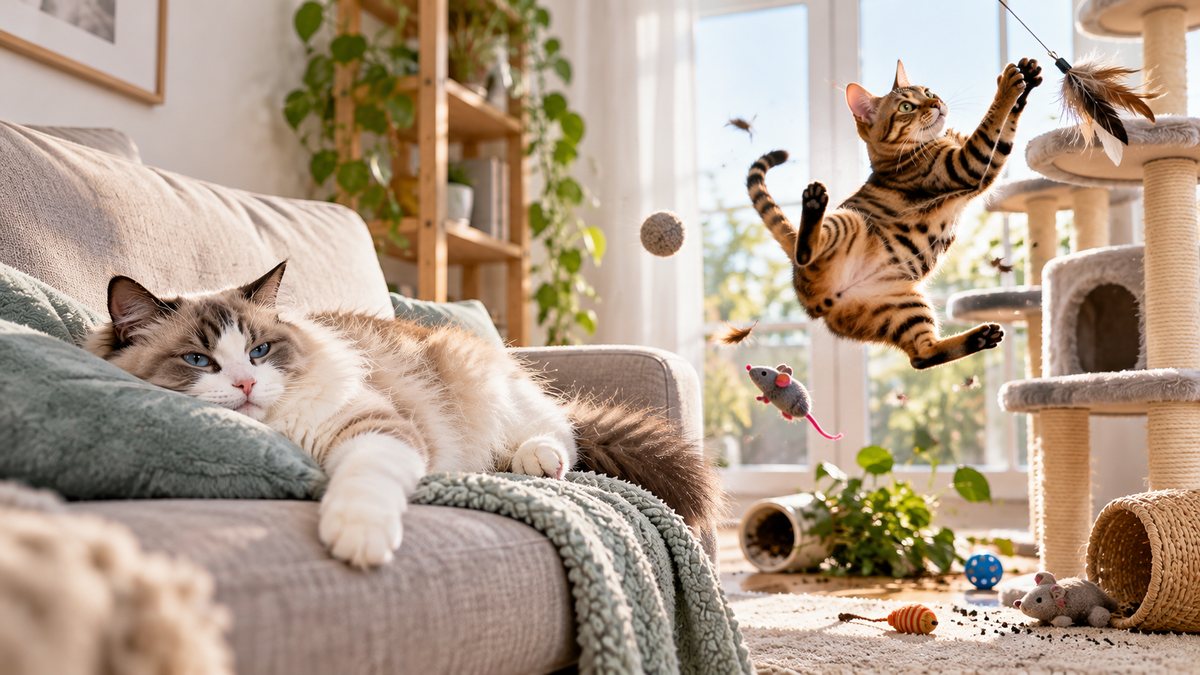
| Activity level | Moderate to high Moderately high activity is the best fit: this agile street-derived shorthair is alert, mobile and playful but not normally hyperactive. |
| Playfulness | Moderate to high Moderately to highly playful, with an agile, adaptable shorthair temperament that supports chase, pounce and interactive games. |
| Climbing & jumping | Moderate The lean, adaptable Brazilian Shorthair should be expected to climb and jump readily, with ordinary vertical territory helping satisfy exploration and observation. |
| Enrichment demand | Moderate Moderate-to-high enrichment demand: daily active play, exploration and varied toys suit its lively but not extreme activity profile. |
| Learning & training | High The Brazilian Shorthair’s alert, adaptable temperament supports good everyday learning, including household routines and simple reward-based games. |
| Curiosity & exploration | Moderate Brazilian Shorthairs are alert, adaptable cats with the exploratory tendencies expected of an active natural shorthaired population; curiosity is usually moderate to high. |
| Hunting & chasing tendencies | Moderate to high A moderate-to-strong chasing tendency is plausible for this agile natural-population breed; moving toys should provide a useful outlet for normal hunting sequences. |
| Personality & social | |
| Sociability with familiar people | High Brazilian Shorthairs are typically friendly, alert companions that engage readily with familiar people and tend to take an active interest in household life. |
| Affection | Interactive · proximity · family oriented Brazilian Shorthairs usually show affection through friendly interaction, nearby companionship and active interest in family activity. |
| Lap & cuddling preference | Moderate Brazilian Shorthairs are sociable and affectionate, but generally retain enough activity and independence that lap contact is common rather than constant. |
| Handling tolerance | Moderate Typically alert and sociable, with enough natural-cat independence that routine handling is usually manageable but prolonged restraint may be less welcome. |
| Independence & social demand | Moderate Brazilian Shorthairs are generally sociable and adaptable, enjoying regular family contact while retaining normal feline independence. |
| Vocalization | Low to moderate; individual conversational style varies Moderate vocality is the best estimate for this adaptable shorthair: communicative when engaged, but not characteristically loud or incessant. |
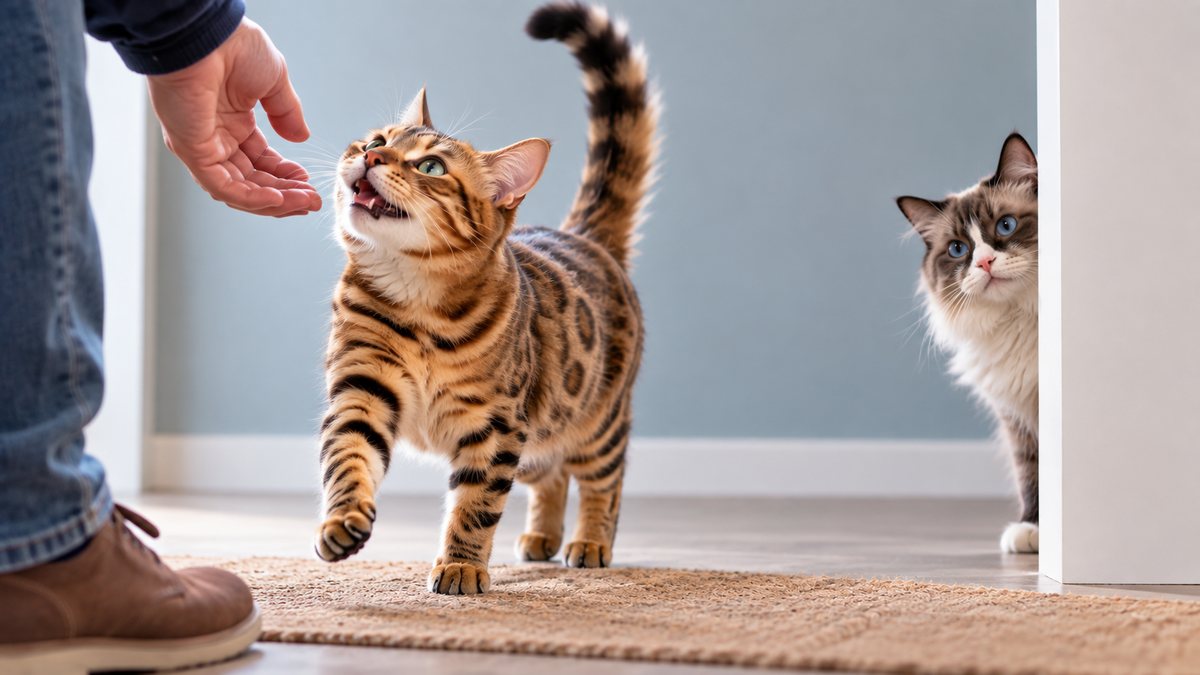
| Response to unfamiliar people | High Brazilian Shorthairs are generally agile, affectionate and socially adaptable; unfamiliar people commonly elicit curiosity rather than sustained withdrawal. |
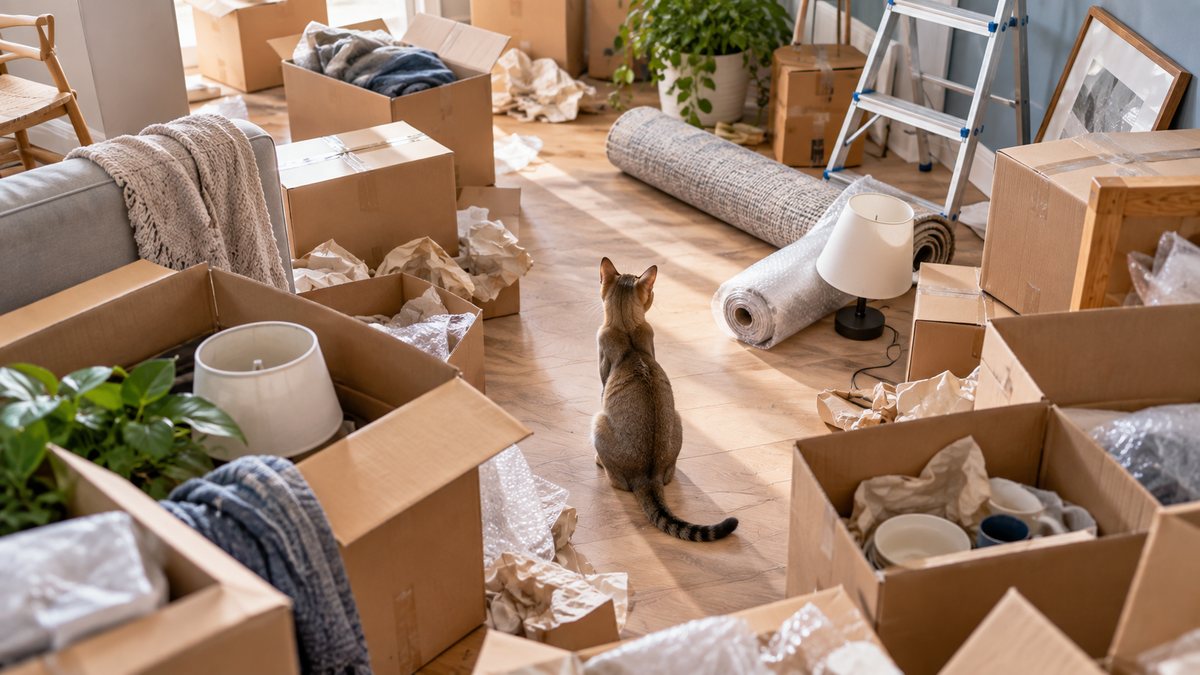
| Adaptability to change | High Typically alert, sociable, and flexible, it should adapt well to ordinary household changes; gradual introductions are still useful when people, animals, or territory change at once. |
| Noise & busy-environment sensitivity | Low to moderate The Brazilian Shorthair's adaptable natural-cat background suggests reasonable tolerance of everyday activity, with individual socialization strongly influencing response to noise. |
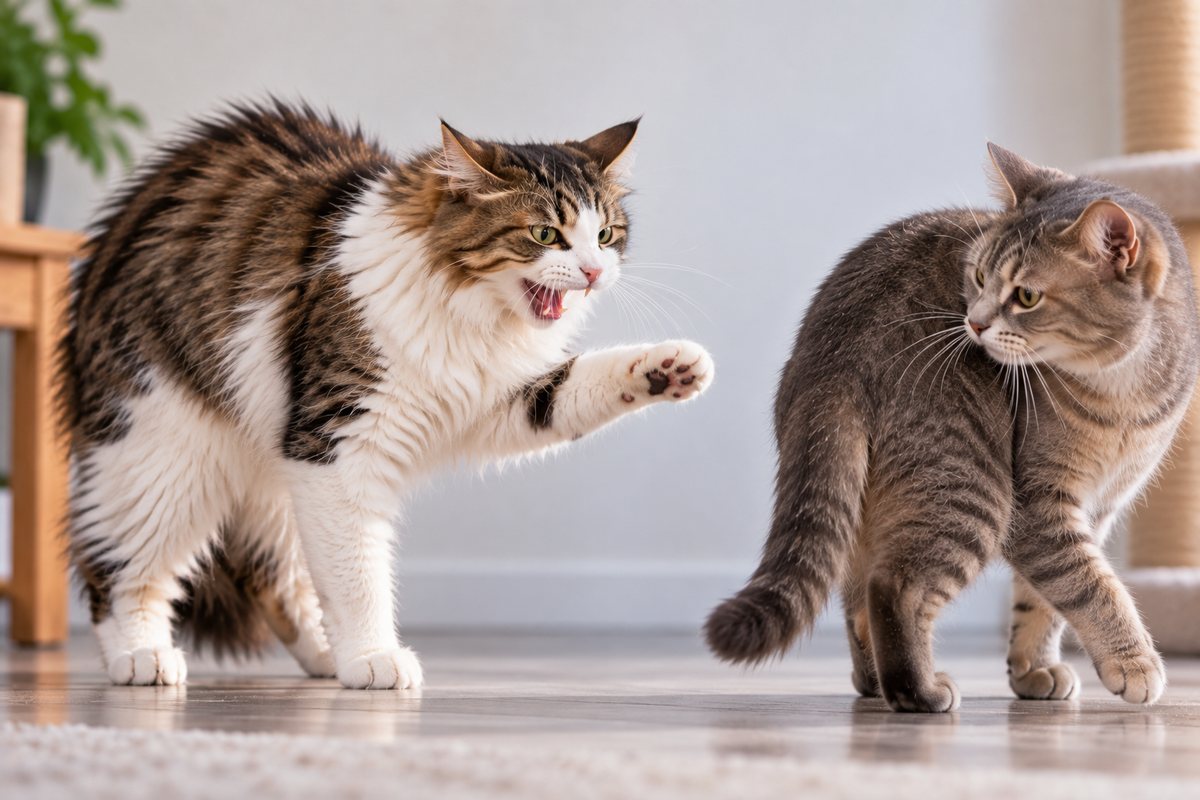
| Defensive & conflict behaviour | Low Generally alert, adaptable and sociable, the Brazilian Shorthair retains a practical natural-cat temperament. Defensive responses are expected to be proportionate to context rather than unusually frequent or intense. |
| Household & environment | |
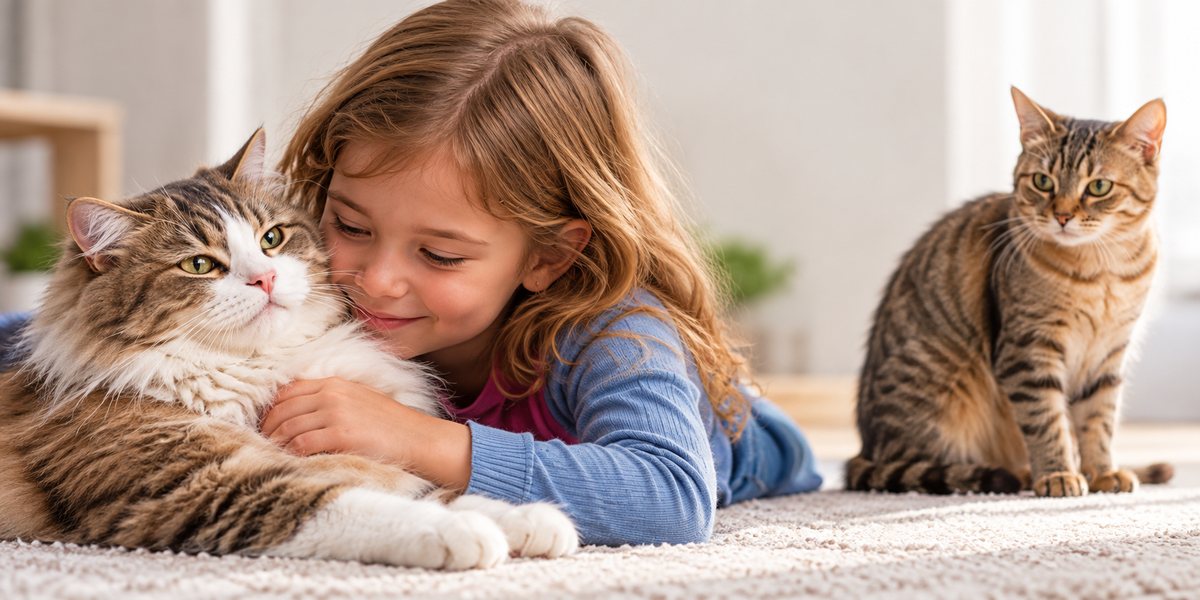
| Living with children | Good Brazilian Shorthairs are generally active, adaptable and people-friendly cats. They can suit families with respectful children well, especially where interactive play is encouraged and the cat has elevated or quiet places to retreat. |
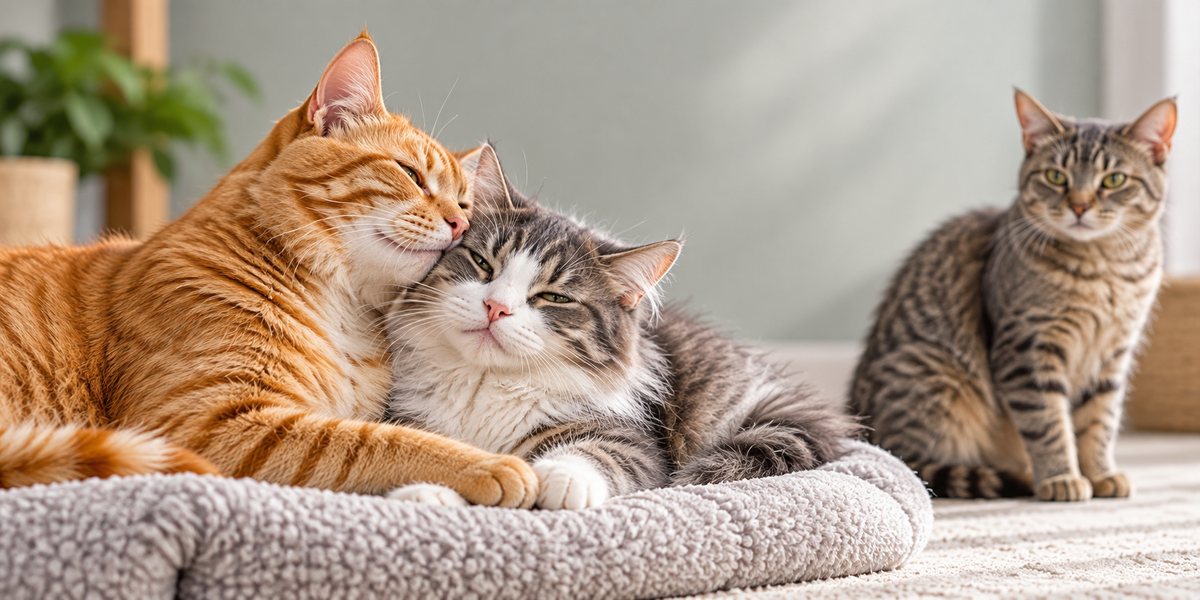
| Living with other cats | Often workable Brazilian Shorthairs are generally lively, adaptable companion cats. They can share a home successfully with other cats when introductions are gradual and both animals have sufficient territory and resources. |
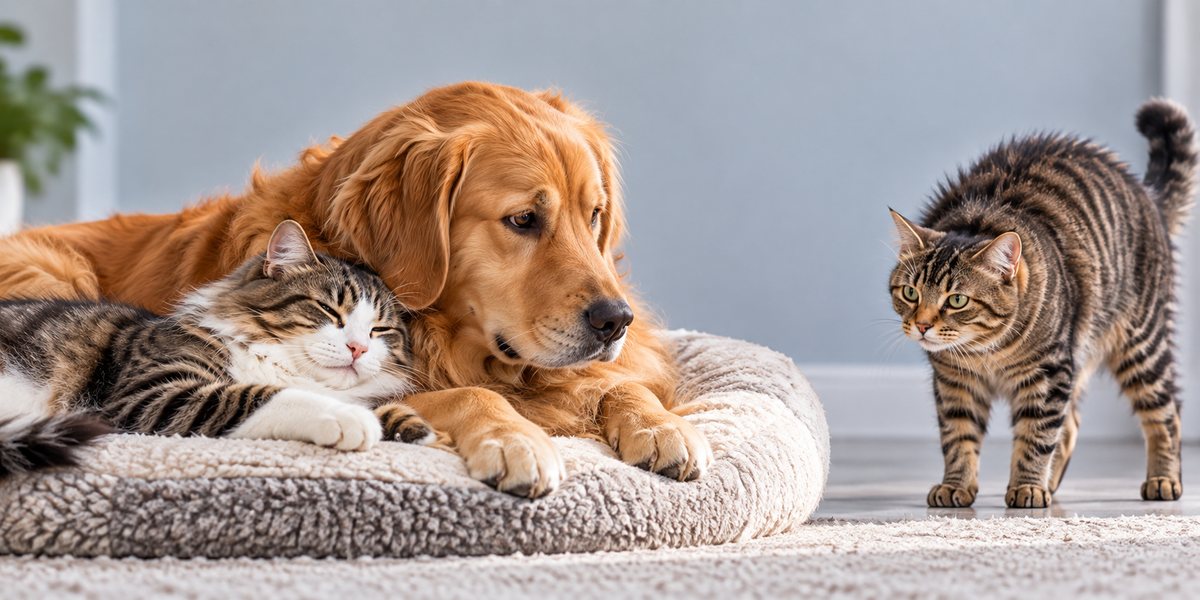
| Living with dogs | Good Brazilian Shorthairs are generally adaptable, active and socially confident. Many should manage a compatible dog well after gradual introductions, especially when both animals have enough space and the dog does not chase. |
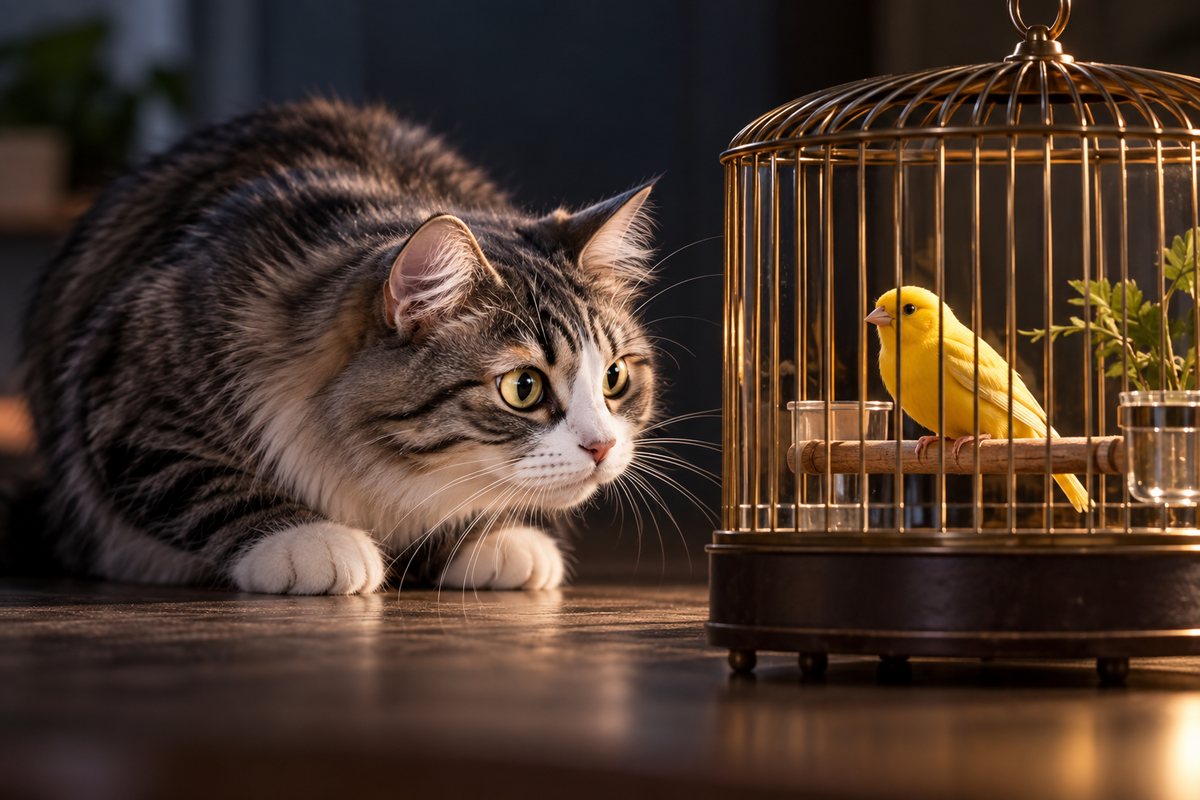
| Living around small pets | Additional caution Brazilian Shorthairs retain an athletic, natural domestic-cat profile and can be active hunters. Their curiosity and chase behavior justify extra caution around birds, rodents and other small pets, which should remain securely separated. |
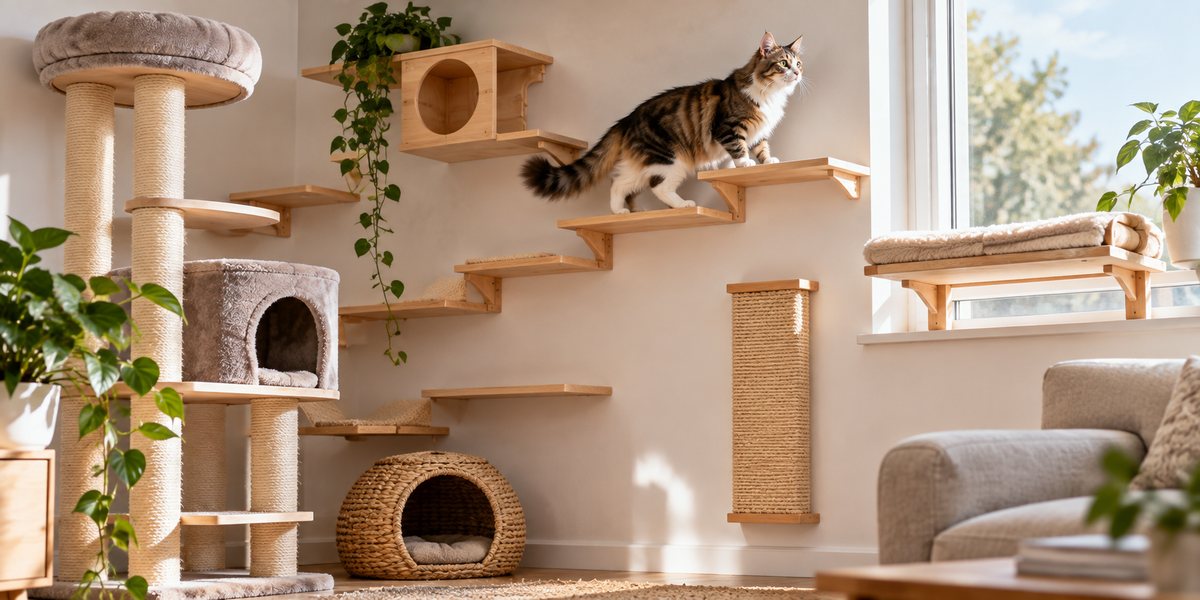
| Indoor & home environment needs | Active indoor enrichment Brazilian Shorthairs are active, adaptable cats that benefit from usable vertical territory and regular movement. Indoor homes should include climbing, scratching, window observation, hunting-style play and quiet areas where the cat can disengage. |
| Outdoor access considerations | Secure outdoor enrichment Brazilian Shorthairs are active, adaptable cats that may enjoy substantial outdoor sensory enrichment. A catio, enclosed garden or other controlled access is preferable to free roaming because their athleticism also increases hunting and travel opportunities. |
| Heat, cold & sun considerations | Warm climate shortcoat Brazilian Shorthairs developed in a warm climate and generally carry a short coat. They are well suited to ordinary warmth but still need shade and hydration in heat, while cold conditions call for warm, dry indoor shelter. |
| Caregiver time & experience | Moderate Brazilian Shorthairs are active, adaptable cats with straightforward coat care. Most committed caregivers can meet their needs with daily play, climbing and exploration opportunities, companionship and ordinary preventive care. |
| Health & welfare | |
| Documented health predispositions | Limited specific risk Brazilian Shorthairs derive from a broad natural domestic-cat population and have no well-established signature inherited disorder. Maintaining genetic diversity, healthy body condition and ordinary preventive screening is more relevant than a single breed-specific warning. |
| Screening & breeder questions | Ask what health problems are tracked in the lines and request actual test results Ask for health and longevity information across several generations, what cardiac, kidney and orthopedic problems have occurred, and how the breeder maintains broad genetic diversity rather than selecting from a narrow founder group. |
| Conformation-related welfare | Low conformation concern Brazilian Shorthairs retain conventional domestic-cat anatomy without a defining structural extreme. Preserving balanced proportions, sound movement and broad genetic diversity is the main conformation-welfare priority. |
| Nutrition & weight management | Active condition led Brazilian Shorthairs are active, adaptable cats with no established breed-specific dietary need. A complete diet adjusted to actual activity and body condition is appropriate, particularly when an athletic cat transitions to a more sedentary indoor life. |
| Longevity | 13–17 years As a naturally developed, moderate-bodied shorthair without an extreme conformation, the Brazilian Shorthair is reasonably expected to live about 13–17 years. |
| Cost & availability | |
| Purchase cost | Moderate to high: $500–$1,500 Brazilian Shorthair: a practical breeder-market estimate is $500–$1,500. This reflects that it is an recognized natural breed with limited breeder availability outside Brazil. |
| Adoption & rehoming cost | Very rare in rescue: $100–$600 when genuinely available Brazilian Shorthair: $100–$600 when genuinely available. The breed is scarce enough that a verified purebred rescue placement is unusual; transport may exceed the adoption fee. |
| Recurring ownership costs | Typical cat costs Routine costs are close to those of a typical shorthaired cat: complete food, litter, preventive veterinary care and basic enrichment. The coat is low-maintenance and creates little extra expense. |
| Availability, waits & import | Very rare outside brazil Brazilian Shorthairs are primarily associated with Brazil and remain very uncommon as pedigreed cats elsewhere. Outside Brazil, genuine established breeding programs may be difficult to locate and import may be the only realistic route. |
| Identity & real-world context | |
| Ownership & import restrictions | No known breed specific restrictions There are no known breed-specific ownership restrictions. Ordinary animal-welfare, identification, vaccination and cross-border import rules still apply where relevant. |
| Registry recognition | No separate current CFA/TICA/FIFe recognition Brazilian Shorthair is not a separately recognized current breed identity in CFA, TICA or FIFe within the FSC core registry matrix; recognition by smaller, national or experimental registries can differ. |
| Similar breeds & identity distinctions | Domestic shorthair Brazilian Shorthairs deliberately retain a natural shorthaired-cat appearance, so visual overlap with domestic shorthairs is substantial. Breed identity therefore depends heavily on documented breeding ancestry together with the standardized Brazilian type. |
| Reported characteristic quirks | Individual quirks often center on play and exploration Brazilian Shorthairs often retain alert, opportunistic habits: watching doors and windows, investigating new objects quickly and turning ordinary household movement into hunting-style play. |
Browse all 53 breed characteristics
Open any characteristic to compare all breeds on that dimension.






 English