
Compare Cat Breeds
Compare up to three breeds across all 53 characteristics. Values are shown directly so the differences are easier to scan.
| Characteristic |  Turkish Van |
|---|---|
| Body & development | |
| Adult size | Large |
| Adult weight | 4.5–8 kg (9.9–17.6 lb) Turkish Vans are large, muscular cats; adults are commonly about 4.5–8.0 kg (9.9–17.6 lb), with mature males often toward the upper end. |
| Build & distinguishing morphology | Substantial · powerful · muscular Build: substantial; powerful; muscular. |
| Maturation | 3-5 years Maturation: 3-5 years. |
| Coat & appearance | |
| Coat length | Semi long Semi-longhaired natural breed with a plumed tail. |
| Coat texture & undercoat | Semilong · single no undercoat · cashmere like · water repellent Coat: semilong; single no undercoat; cashmere like; water repellent. |
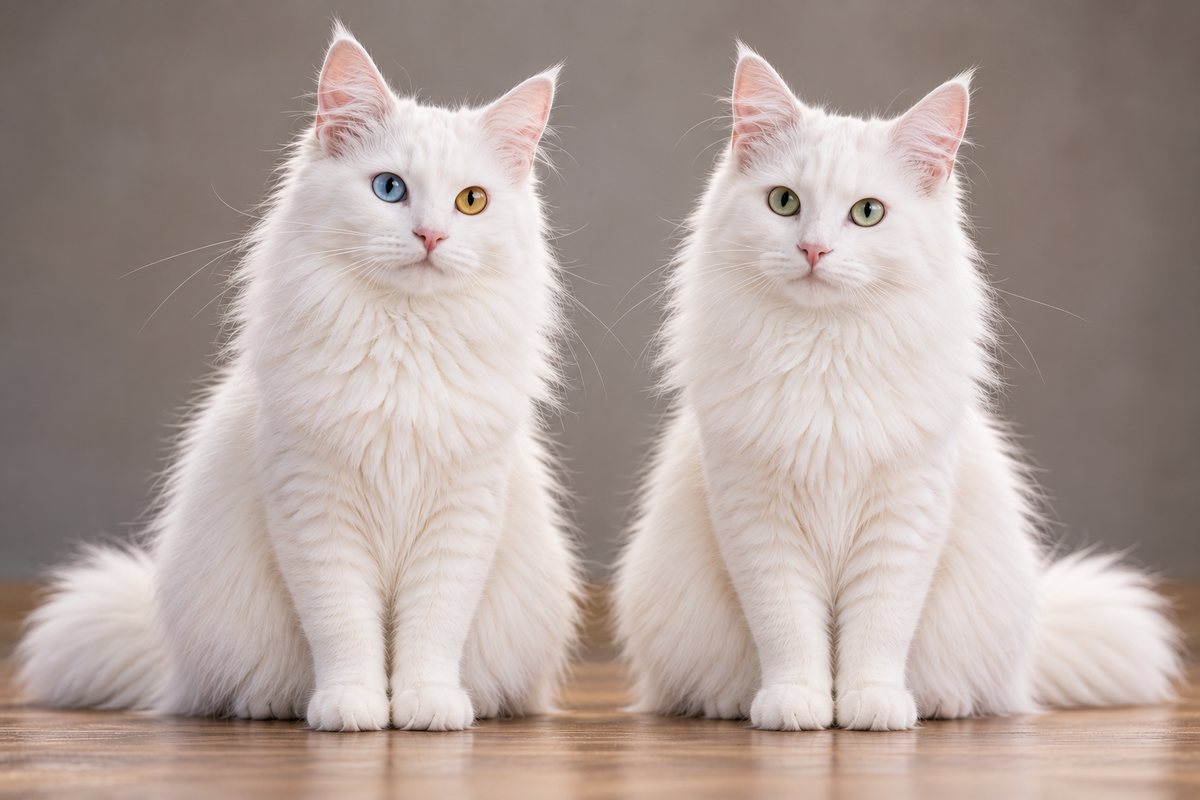
| Colors & patterns | Van pattern white with head tail color · white variant Colors/patterns: van pattern white with head tail color; white variant. |
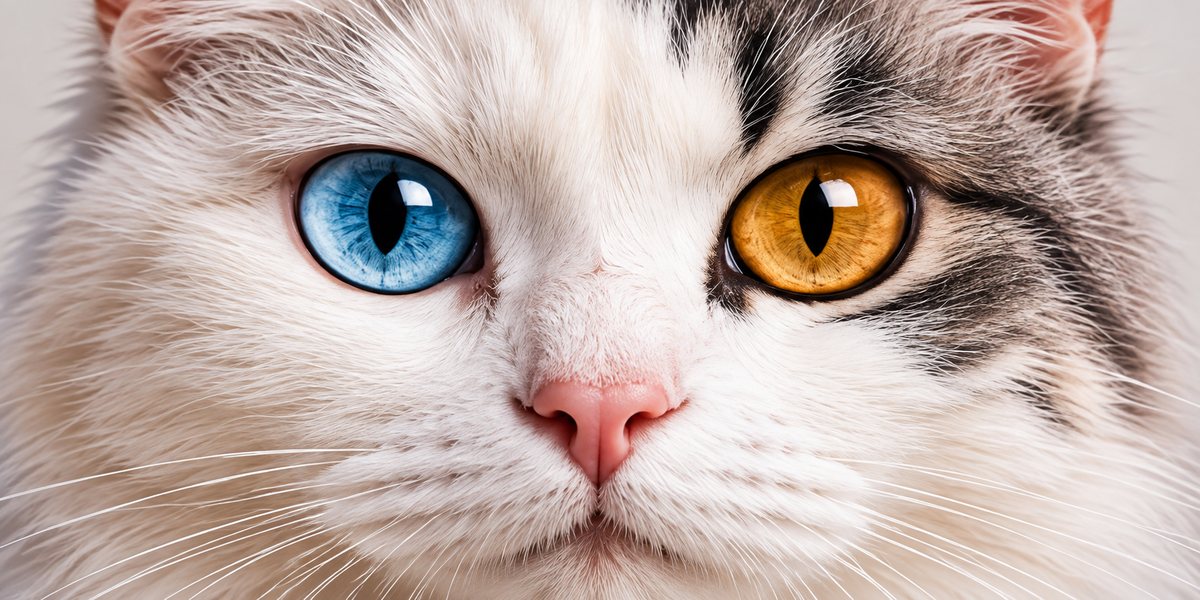
| Eye colors | Amber · blue · odd-eyed Amber, blue or odd-eyed combinations are characteristic. |
| Coat & routine care | |
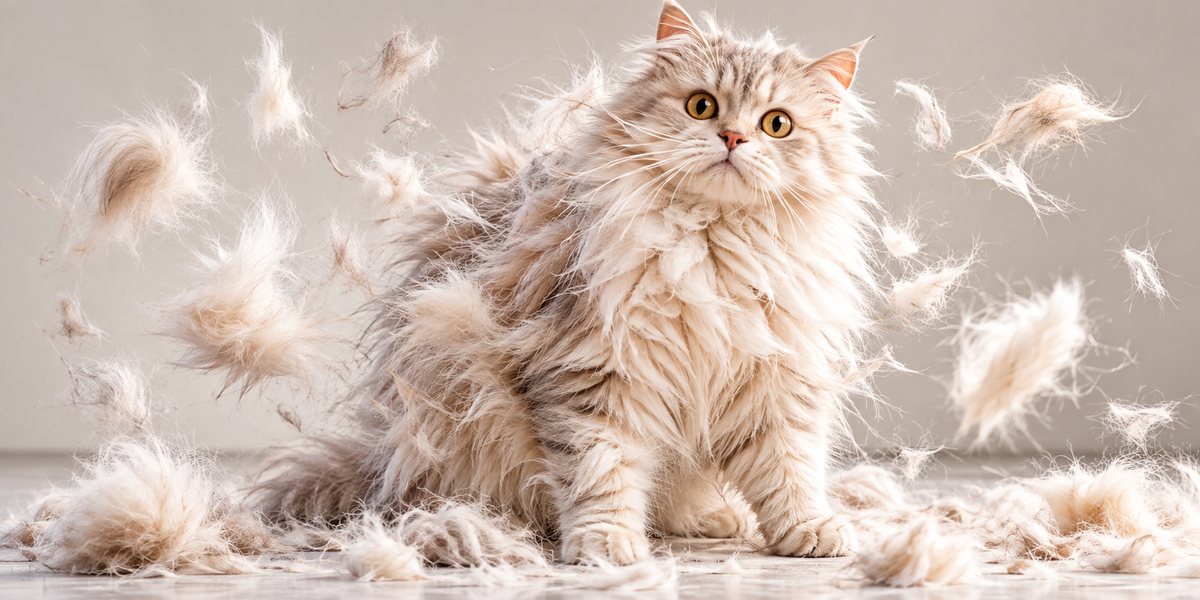
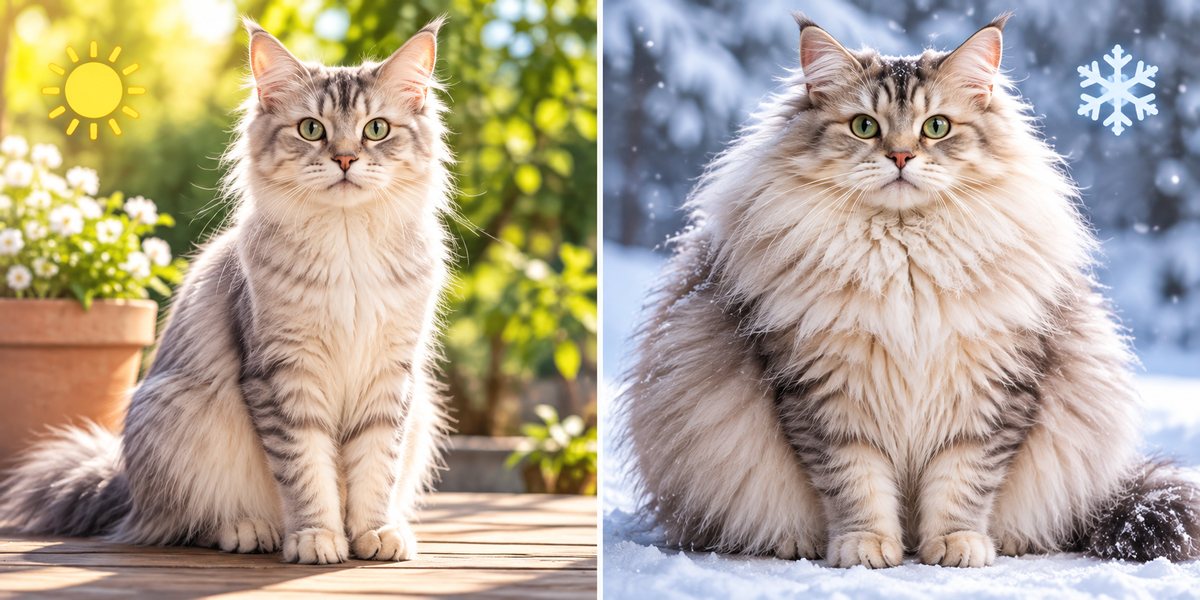
| Shedding | Moderate seasonal Moderate seasonal shedding; the cashmere-like coat becomes fuller in winter and sheds back substantially in spring. |
| Seasonal coat changes | Shorter summer · heavier winter with paw tufts Seasonal coat: shorter summer; heavier winter with paw tufts. |
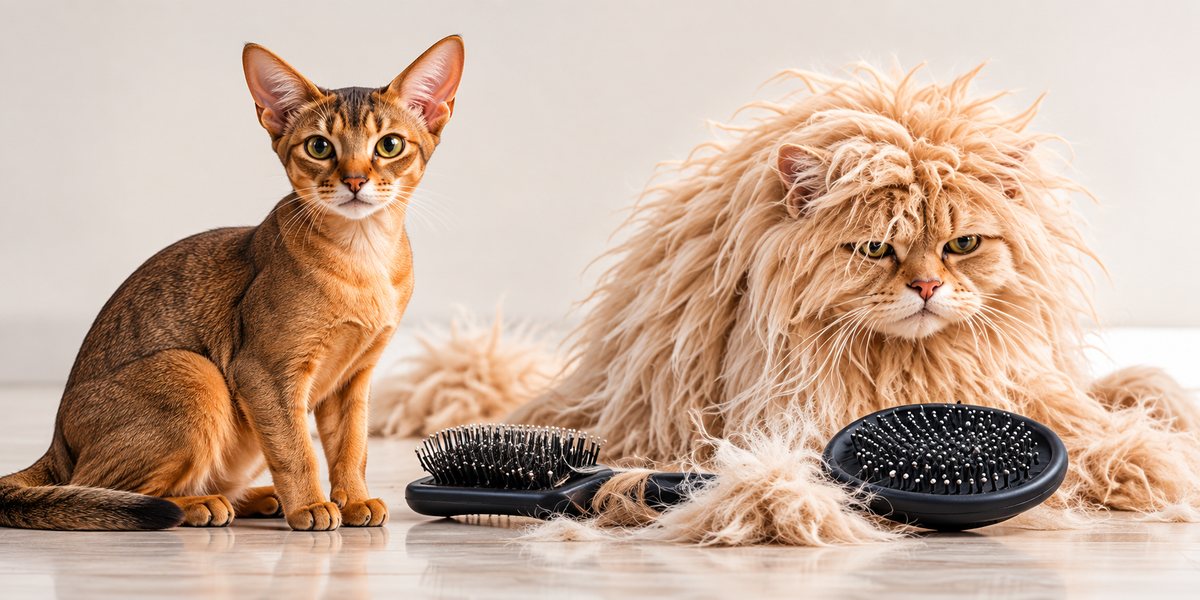
| Brushing & combing | Weekly · more winter Brushing/combing: weekly; more winter. |
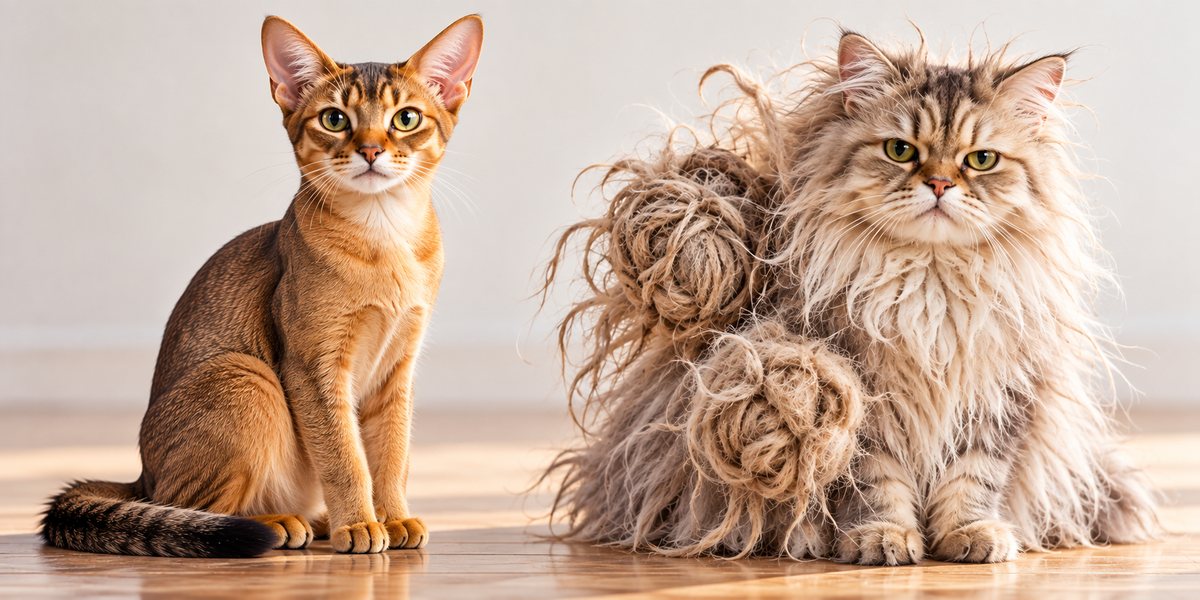
| Tangle & matting tendency | Low The cashmere-like single coat lacks an undercoat and is unusually resistant to matting; occasional knots are most likely in winter furnishings. |
| Skin & bathing care | Regular baths not needed Skin/bathing: regular baths not needed. |
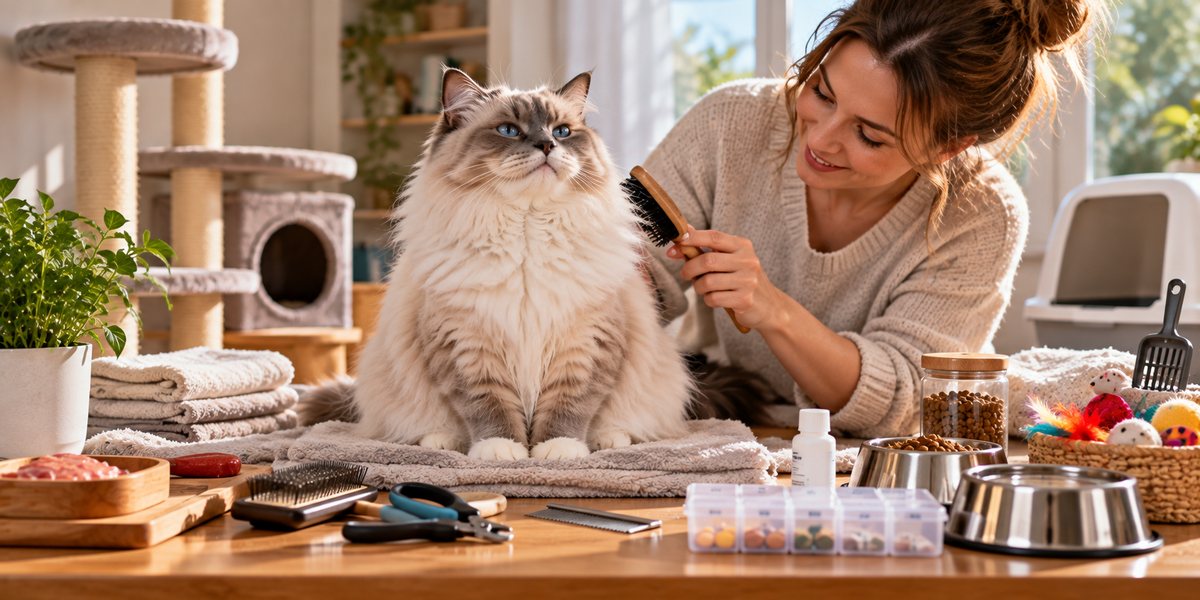
| Distinctive routine care | Seasonal semilong coat care The Turkish Van's semi-long coat is relatively low in undercoat but still benefits from regular combing and extra attention during seasonal shedding. Add routine nails, ears and dental care and enough active play to maintain muscle. |
| Allergy & allergen evidence | No breed specific reduction established There is no known reason to regard this breed as hypoallergenic. All cats produce allergens, and coat length or shedding alone does not determine allergy risk. |
| Activity & intelligence | |
| Activity level | Very high |
| Playfulness | Very high |
| Climbing & jumping | Very high |
| Enrichment demand | Very high Very high enrichment demand: substantial climbing, running, interactive games and varied exploration suit its powerful, energetic temperament. |
| Learning & training | High Turkish Vans are highly intelligent and respond well to interactive challenges and learning. |
| Curiosity & exploration | High This active, mischievous breed is strongly inclined to investigate its surroundings and seek out activity. |
| Hunting & chasing tendencies | High Strong pursuit behavior is likely. Turkish Vans are powerful, active cats whose athletic play often includes running, leaping and chasing. |
| Personality & social | |
| Sociability with familiar people | High Turkish Vans form strong family attachments while retaining a conspicuous independent streak. |
| Affection | Interactive playful · proximity · selective reserved Van affection is active and loyal but often on the cat's own terms. |
| Lap & cuddling preference | Low Turkish Vans are commonly described as affectionate without being classic lap cats. |
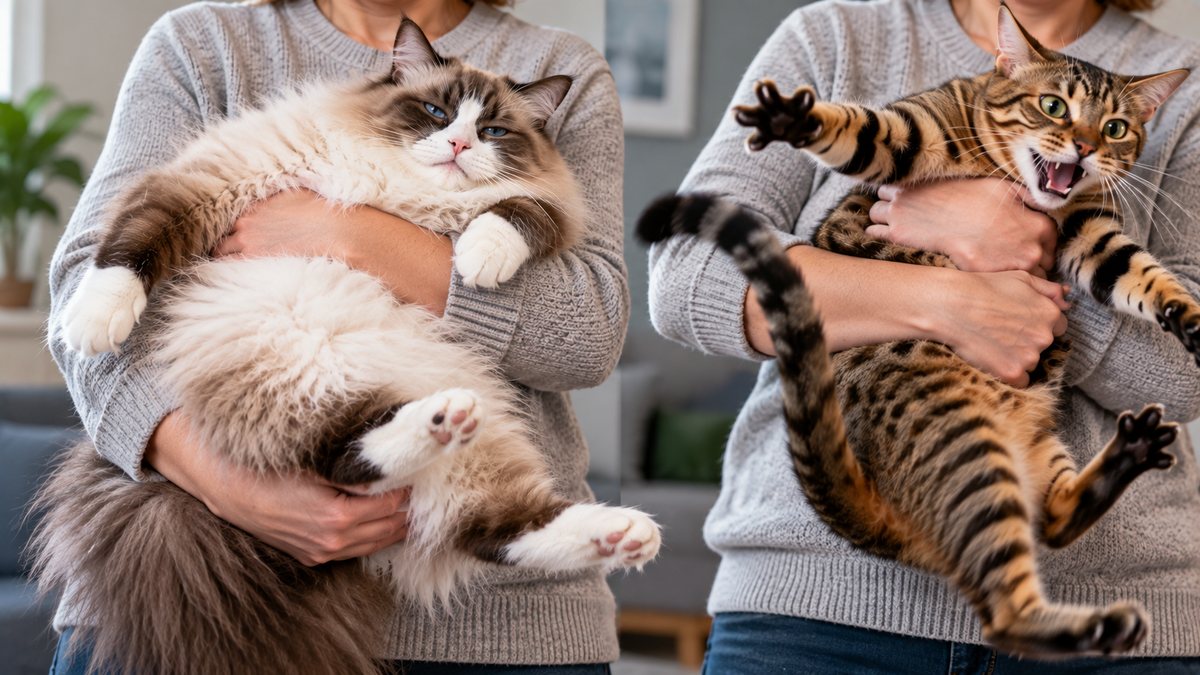
| Handling tolerance | Low Many prefer controlling physical contact rather than prolonged holding. |
| Independence & social demand | Moderate Strong attachment coexists with meaningful independence. |
| Vocalization | Low to moderate; individual conversational style varies Moderately vocal; this active, assertive breed often communicates wants clearly but is not normally classed among the most persistently talkative cats. |
| Response to unfamiliar people | Low May be reserved/selective with unfamiliar people. |
| Adaptability to change | Moderate to high Turkish Vans are active, intelligent, and self-assured, which supports adjustment to new territory, though many prefer to approach unfamiliar handling and disruption on their own terms. |
| Noise & busy-environment sensitivity | Low Energetic, self-assured and physically robust, the Turkish Van generally tolerates an active home well, though it may object to unwanted handling rather than to noise itself. |
| Defensive & conflict behaviour | Moderate Assertive temperament warrants neutral/moderate treatment rather than an aggression inference. |
| Household & environment | |
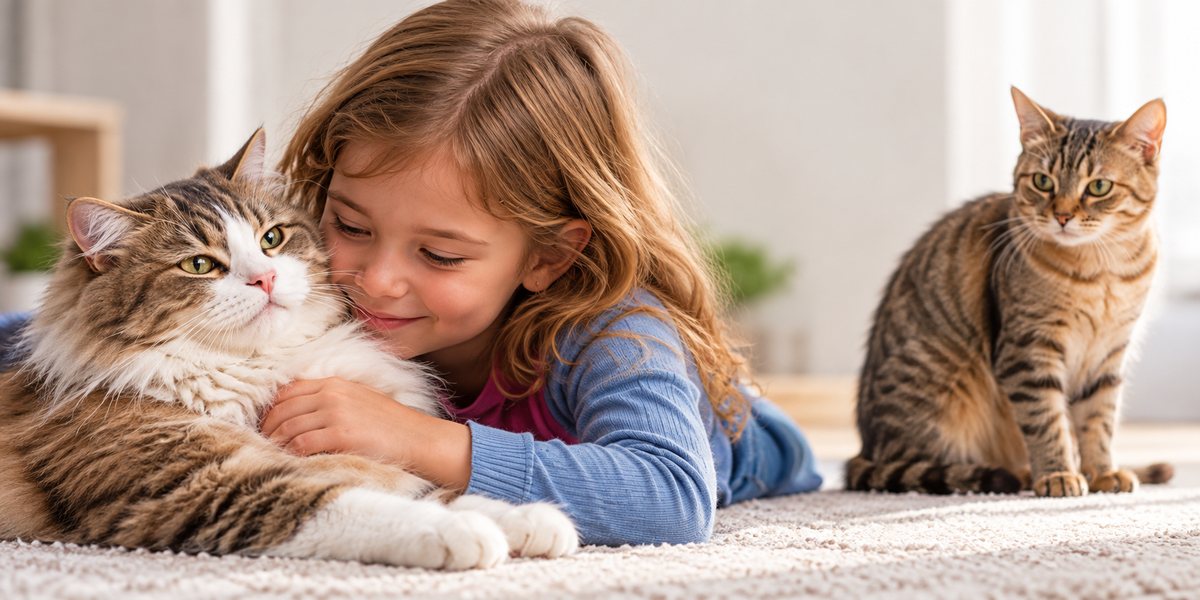
| Living with children | Often workable Active, assertive Vans can suit respectful older children better than rough handling. |
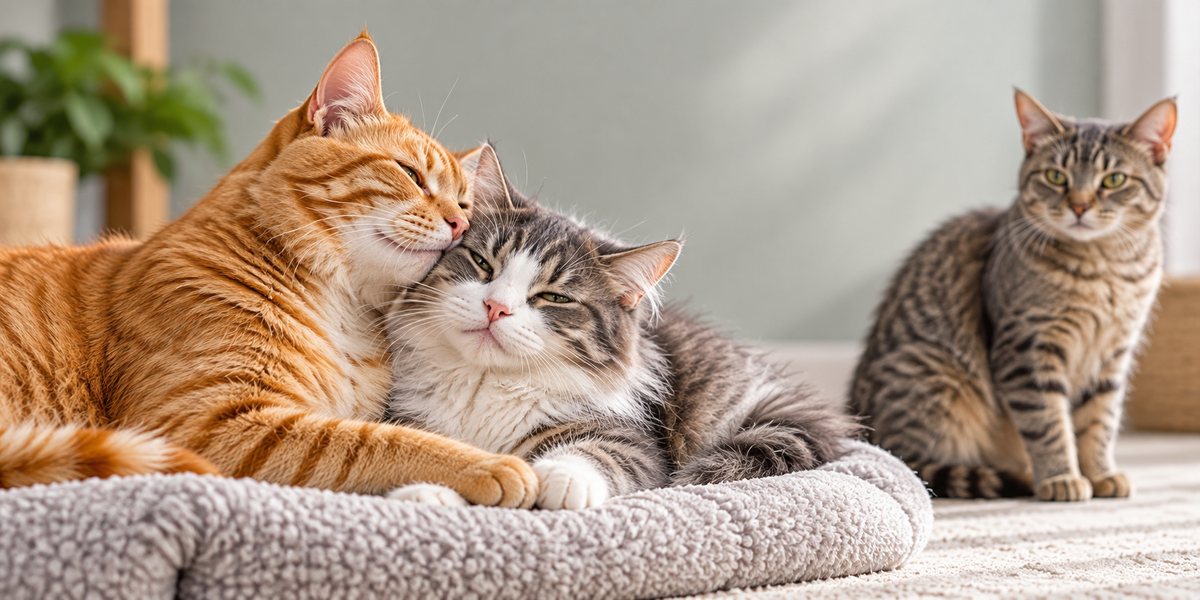
| Living with other cats | Often workable Can live well with other pets but may assert social dominance; individual household dynamics matter. |
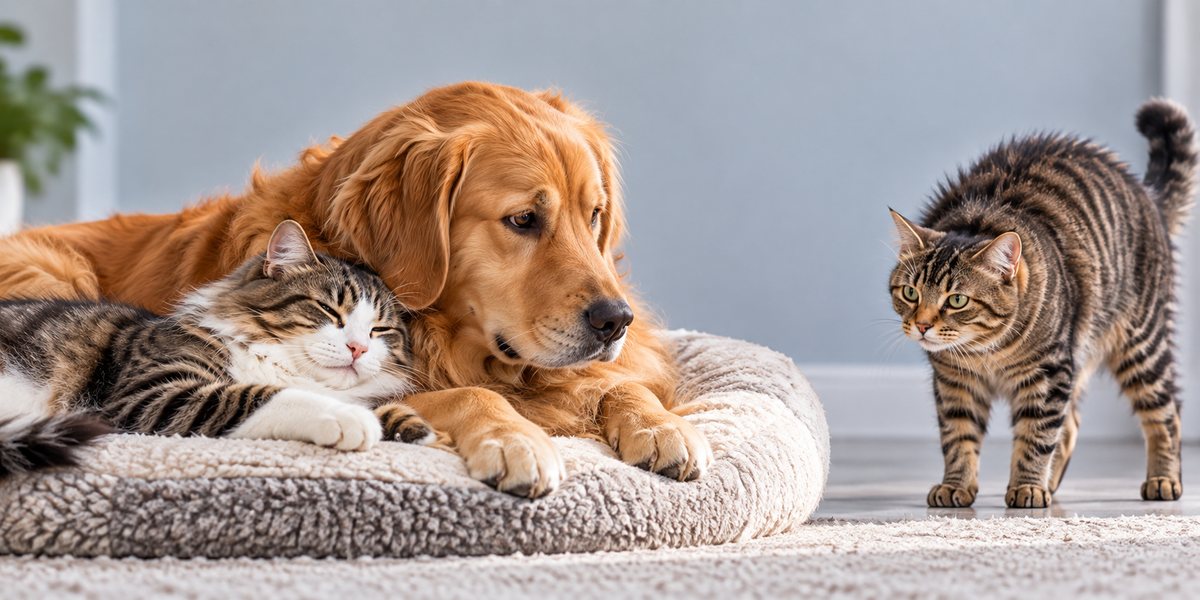
| Living with dogs | Moderate Can coexist with compatible dogs, but assertive temperament makes introductions important. |
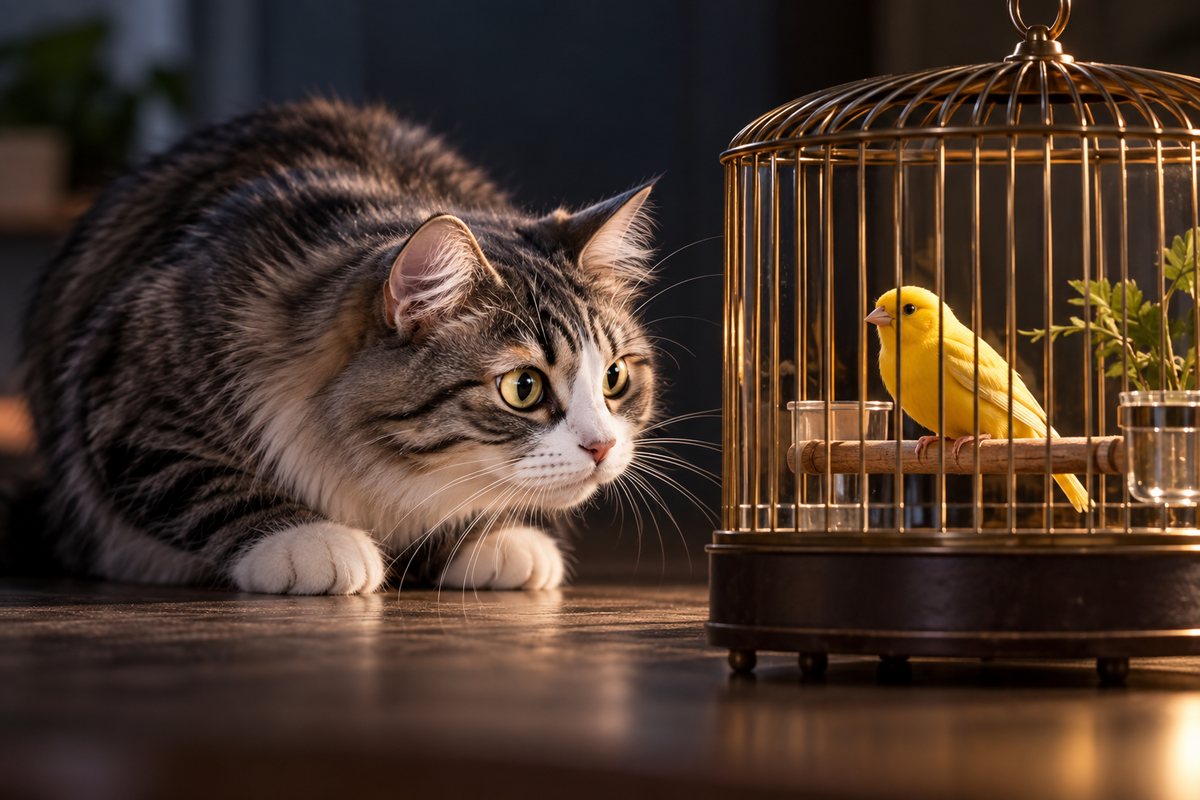
| Living around small pets | Additional caution Turkish Vans are large, powerful and highly active cats with strong climbing, chasing and exploratory behavior. Their physical ability makes direct access to birds, rodents and other small pets particularly risky. |
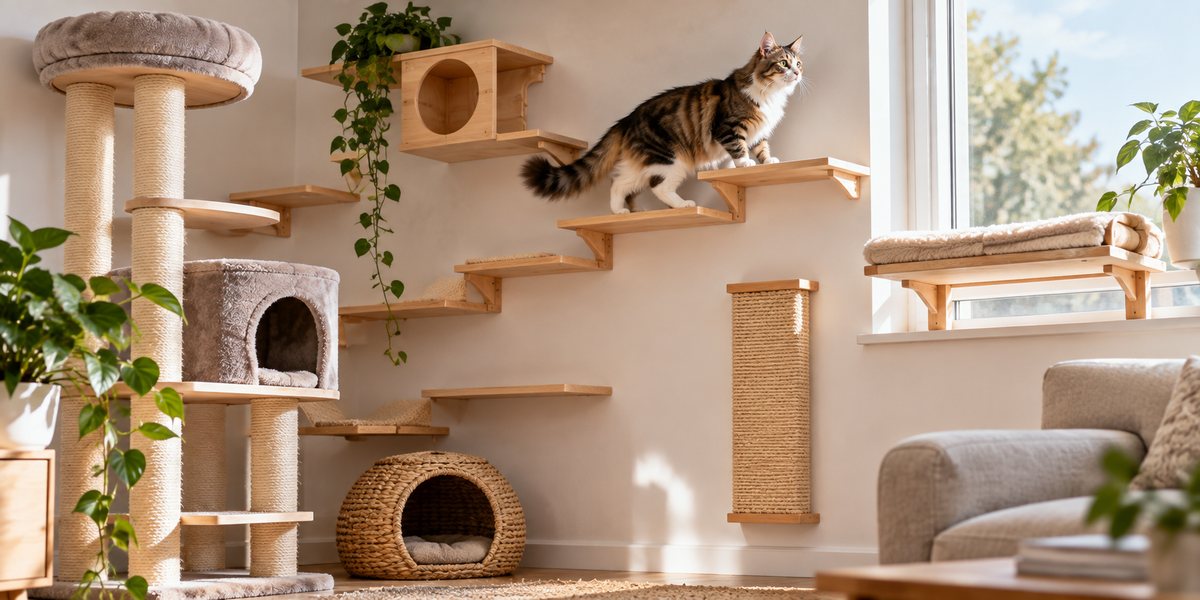
| Indoor & home environment needs | Vertical space · active home · water management Acrobatic climbing and unusual interest in water affect home setup. |
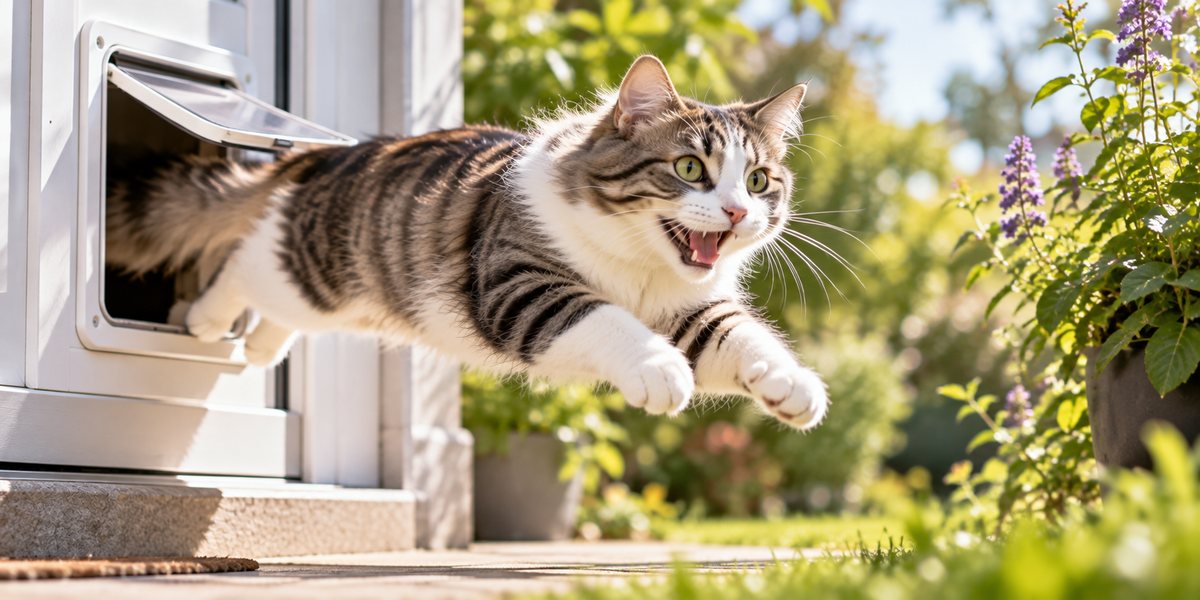
| Outdoor access considerations | Secure access · water hazard awareness Athleticism and water interest make secure, supervised access particularly sensible. |
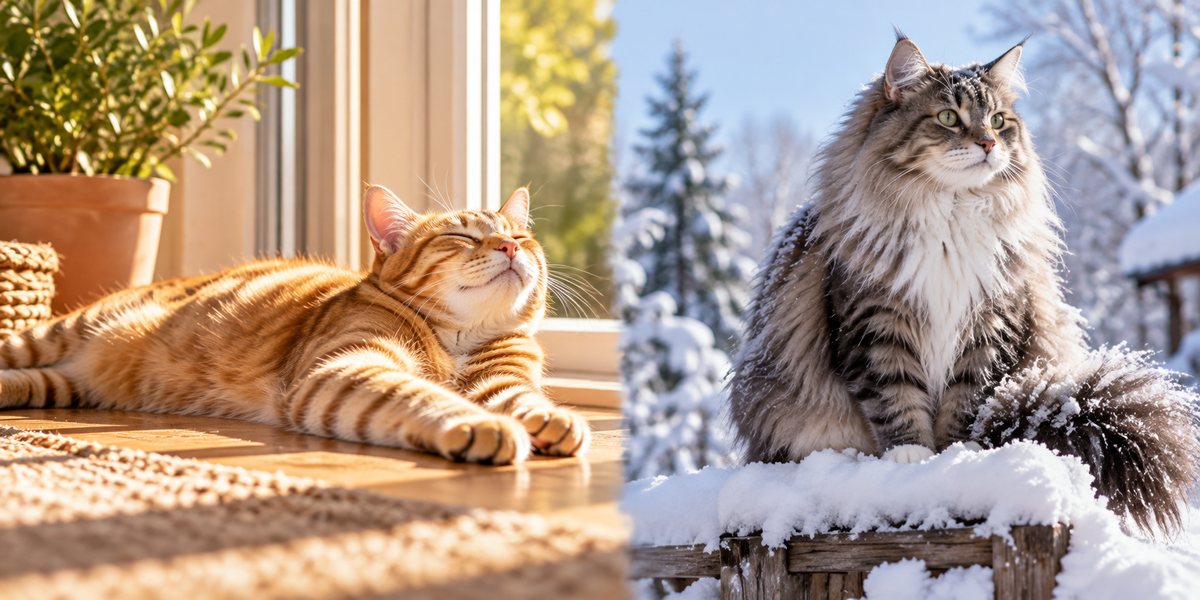
| Heat, cold & sun considerations | Seasonal semilong adaptable Turkish Vans have a seasonal semi-long coat that becomes fuller in winter and lighter in summer. This supports broad temperature adaptability, but hot conditions still require shade and water and severe cold calls for dry shelter. |
| Caregiver time & experience | Moderate Activity and assertive handling preferences require engaged management; coat itself is comparatively manageable. |
| Health & welfare | |
| Documented health predispositions | No particular breed-specific disorder is highlighted in the current profile The current breed profile characterizes the Turkish Van as generally healthy without identifying a particular breed-specific disorder. |
| Screening & breeder questions | Ask for documentation relevant to the breed’s recorded health concerns Ask about hypertrophic cardiomyopathy in the family and what cardiac screening breeding cats receive. For predominantly white cats, also ask whether hearing has been assessed when appropriate. |
| Conformation-related welfare | Low conformation concern Turkish Vans are substantial, athletic cats with no defining structural mutation. Welfare-focused breeding should preserve powerful free movement, healthy body condition and normal facial anatomy rather than maximizing size. |
| Nutrition & weight management | Large active condition led Turkish Vans are substantial, muscular cats and can be highly active. Their size should come from frame and muscle, so measured feeding and hands-on body-condition assessment help prevent excess fat from being mistaken for correct substance. |
| Longevity | 13–17+ years A typical reported life span is about 13–17 years or longer. |
| Cost & availability | |
| Purchase cost | High: $700–$2,000 Turkish Van: a practical breeder-market estimate is $700–$2,000. This reflects that it is an uncommon pedigree breed with limited genuine breeder stock. |
| Adoption & rehoming cost | Uncommon in rescue: $100–$500 typical rescue/adoption fee Turkish Van: $100–$500 typical rescue/adoption fee. The breed does appear in rescue, but much less often than mixed-breed cats or the most numerous pedigrees. |
| Recurring ownership costs | Higher food/larger equipment · enrichment/toy replacement Large athletic cats can use more food and benefit from sturdy climbing/enrichment equipment, while the semi-long coat needs modest home grooming. Routine dental and preventive veterinary care complete a somewhat above-average but not extreme budget. |
| Availability, waits & import | Moderately available Turkish Vans have established international breeders but remain a minority breed. In larger markets a dedicated breeder can usually be found; elsewhere a regional search or import may be necessary. |
| Identity & real-world context | |
| Ownership & import restrictions | No known breed specific restrictions There are no known breed-specific ownership restrictions. Ordinary animal-welfare, identification, vaccination and cross-border import rules still apply where relevant. |
| Registry recognition | CFA: recognized breed/division · TICA: Championship-recognized / current breed identity · FIFe: fully recognized breed / mapped breed identity Currently recognized in all three registries tracked by the FSC core matrix: CFA, TICA and FIFe. |
| Similar breeds & identity distinctions | Turkish Angora Vankedisi Turkish Vans are substantial semi-longhaired cats classically associated with colored head markings and tail on a mostly white body. Turkish Angoras are finer-boned and occur in many patterns; all-white Turkish cats may be described as Vankedisi in some contexts. |
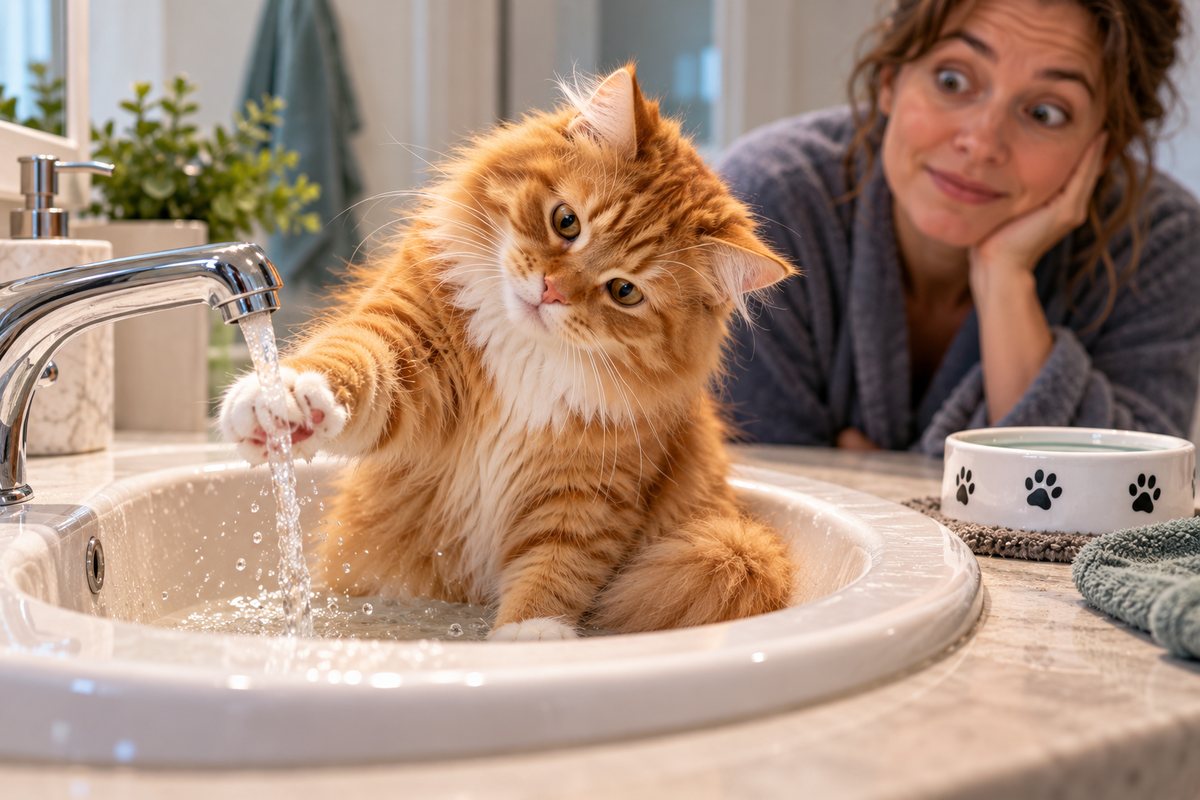
| Reported characteristic quirks | Strongly associated with unusual interest in water; affectionate but often prefers contact on its own terms. Turkish Vans have a longstanding reputation for fascination with water; some paw in bowls, investigate taps or voluntarily play in shallow water. The 'swimming cat' label does not mean every individual enjoys being put into water. |
Browse all 53 breed characteristics
Open any characteristic to compare all breeds on that dimension.


 English