
Compare Cat Breeds
Compare up to three breeds across all 53 characteristics. Values are shown directly so the differences are easier to scan.
| Characteristic |  Bambino |
|---|---|
| Body & development | |
| Adult size | Small |
| Adult weight | 2.3–4.1 kg (5.1–9.0 lb) Bambinos are small, short-legged cats; about 2.3–4.1 kg (5.1–9.0 lb) is a reasonable healthy adult range. |
| Build & distinguishing morphology | Small · dwarf short legs · muscular body · large ears The Bambino combines a small but muscular Sphynx-like body with markedly shortened Munchkin-derived legs and large upright ears. |
| Maturation | 12-18 months Bambinos are small, short-legged cats and generally complete most growth within the first year, with body condition and musculature settling through about 12–18 months. |
| Coat & appearance | |
| Coat length | Hairless The experimental Bambino combines the Sphynx hairless phenotype with Munchkin short legs. |
| Coat texture & undercoat | Hairless to fine down · minimal undercoat Bambinos are typically hairless or covered in very fine peach-fuzz down; they do not have a normal insulating undercoat. |
| Colors & patterns | All sphynx-type colors patterns; solid · tabby · tortie · pointed · bicolor Bambinos occur in essentially the broad Sphynx-type palette, including solid, tabby, tortie, pointed and white-spotted patterns. |
| Eye colors | All eye colors; blue common with pointing Eye colour follows the Sphynx-derived coat/colour genetics; blue is common in pointed cats, while green, gold and other colours occur. |
| Coat & routine care | |
| Shedding | Minimal Minimal hair shedding because most Bambinos are hairless or carry only sparse down; skin debris replaces much conventional coat shedding. |
| Seasonal coat changes | Minimal hair cycle change Because the Bambino is hairless or nearly so, there is no normal seasonal coat blow; warmth, sun protection and skin care matter more than seasonal grooming. |
| Brushing & combing | Minimal brushing There is essentially no coat to brush; wipe and inspect the exposed skin instead, and clean ears as needed. |
| Tangle & matting tendency | Negligible With hairless skin or only fine down, conventional coat tangles and mats are not a practical concern. |
| Skin & bathing care | Hairless skin care · oil control · sun and cold protection Bambinos need skin care rather than coat bathing: wipe or bathe as oil accumulates, clean folds gently, and protect exposed skin from excessive sun and cold. |
| Distinctive routine care | Hairless dwarf special care Bambinos need regular skin, ear and nail-bed cleaning as required, protection from cold and strong sun, and accessible resources for short legs. Keep them lean and monitor joints and jumping comfort as part of everyday care. |
| Allergy & allergen evidence | No breed specific reduction established There is no known reason to regard this breed as hypoallergenic. All cats produce allergens, and coat length or shedding alone does not determine allergy risk. |
| Activity & intelligence | |
| Activity level | Lively and playful. |
| Playfulness | Moderate to high Highly playful and socially engaged; short legs alter the style of play more than the motivation to chase toys, investigate and interact. |
| Climbing & jumping | Active and agile, although the short-legged build should be considered when arranging vertical spaces. |
| Enrichment demand | Moderate Moderate enrichment demand: provide frequent playful interaction and low-to-moderate climbing routes that accommodate the breed’s short-legged build. |
| Learning & training | High Bambinos are typically outgoing and inquisitive; they should learn household cues and simple games readily, while training should respect the limits imposed by their short-legged build. |
| Curiosity & exploration | Moderate Bambinos are typically sociable and playful, and their Sphynx-derived temperament supports moderate-to-high curiosity even though short legs can limit where that curiosity takes them. |
| Hunting & chasing tendencies | Moderate to high Despite short legs, Bambinos are playful and inquisitive; expect moderate chase-and-pounce motivation, with games adapted to their lower jumping reach. |
| Personality & social | |
| Sociability with familiar people | Very high Highly people-oriented and companionable. |
| Affection | Close contact · lap oriented · people oriented Bambinos are strongly contact-seeking cats whose affection commonly includes laps, cuddling and staying physically close for warmth and company. |
| Lap & cuddling preference | Very high Bambinos are typically highly social and warmth-seeking; the combination makes laps, blankets and close body contact especially attractive resting places. |
| Handling tolerance | High Typically affectionate and human-focused, so accustomed Bambinos often accept close handling well; support the elongated body and short limbs rather than allowing awkward dangling. |
| Independence & social demand | High social demand Bambinos are typically outgoing, affectionate companion cats that benefit from frequent human contact and are not ideal for routine long isolation. |
| Vocalization | Can be vocal. |
| Response to unfamiliar people | Very high Bambinos combine strongly people-seeking Sphynx ancestry with an outgoing companion temperament, so many actively investigate and solicit attention from visitors. |
| Adaptability to change | Generally adaptable once settled. |
| Noise & busy-environment sensitivity | Low to moderate Bambinos are typically outgoing and people-seeking, making normal household bustle workable; warmth and secure retreat matter more than exceptional sound sensitivity. |
| Defensive & conflict behaviour | Low Bambinos are generally bred for an outgoing, affectionate companion temperament. Defensive conflict should be low, but short limbs can reduce escape options, so they need accessible retreats rather than being forced to tolerate pressure. |
| Household & environment | |
| Living with children | Moderate Bambinos are usually friendly and playful, but their short legs, hairless skin and unusual body structure call for more careful handling than a conventionally built cat. Calm children can be good companions; rough play, drops and forced carrying are poor matches. |
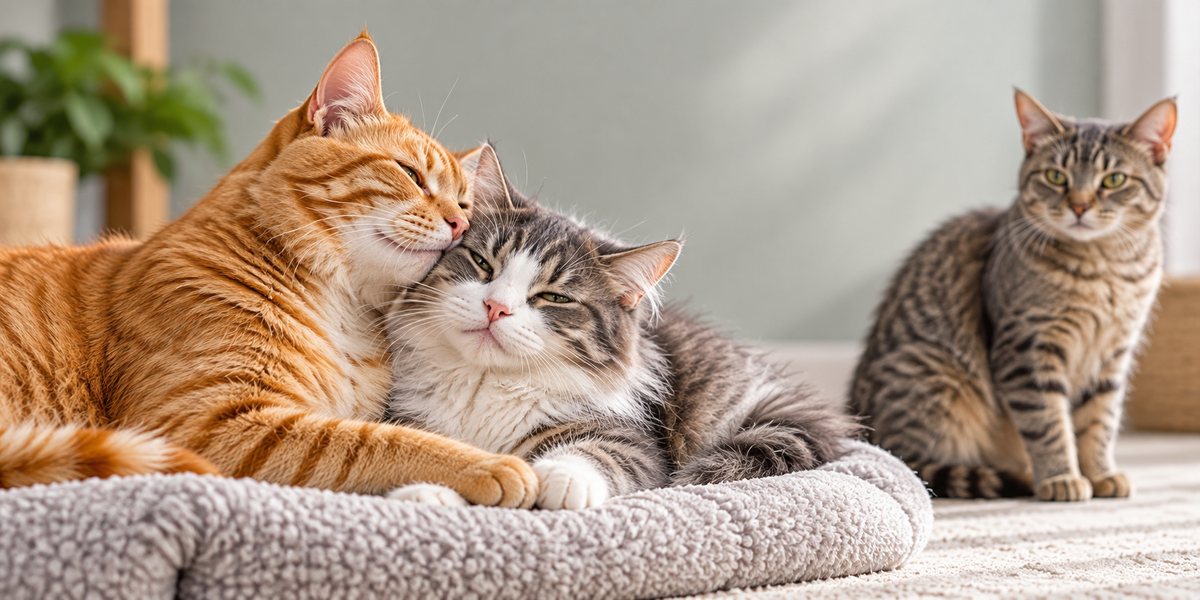
| Living with other cats | Often workable Bambinos are typically playful and companionable, so another friendly cat can suit them well. Their unusual body type makes gentle play partners and safe, non-competitive household arrangements preferable. |
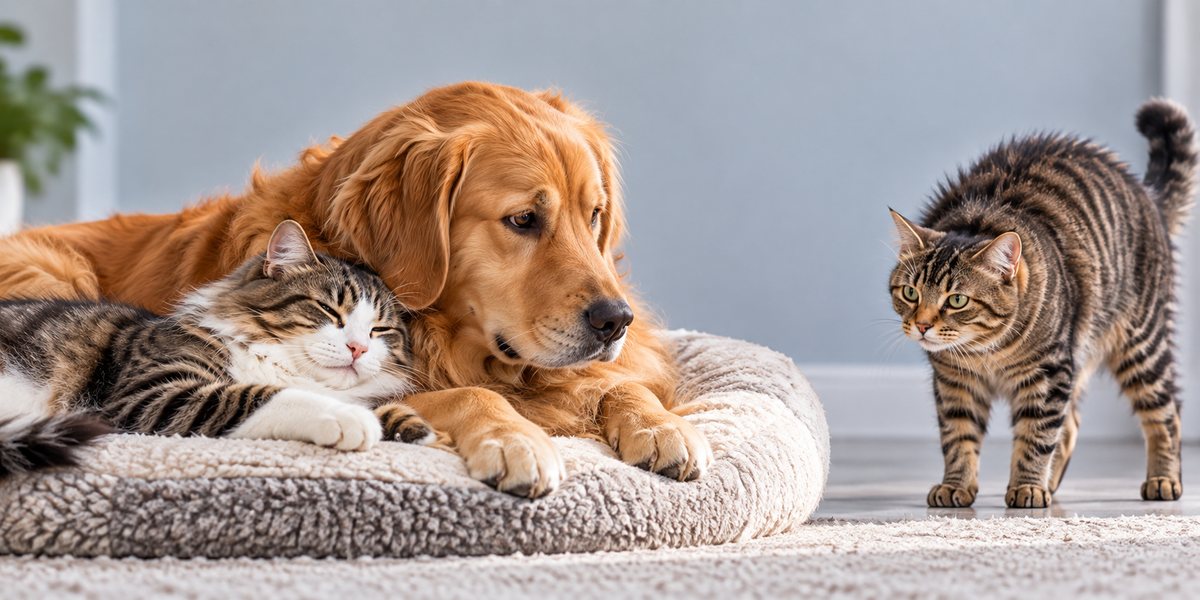
| Living with dogs | Moderate Bambinos are usually sociable, but their short legs and hairless skin leave them less able to escape or absorb rough canine play. They can live with a gentle, proven cat-friendly dog, provided chasing is prevented and elevated or gated refuges are available. |
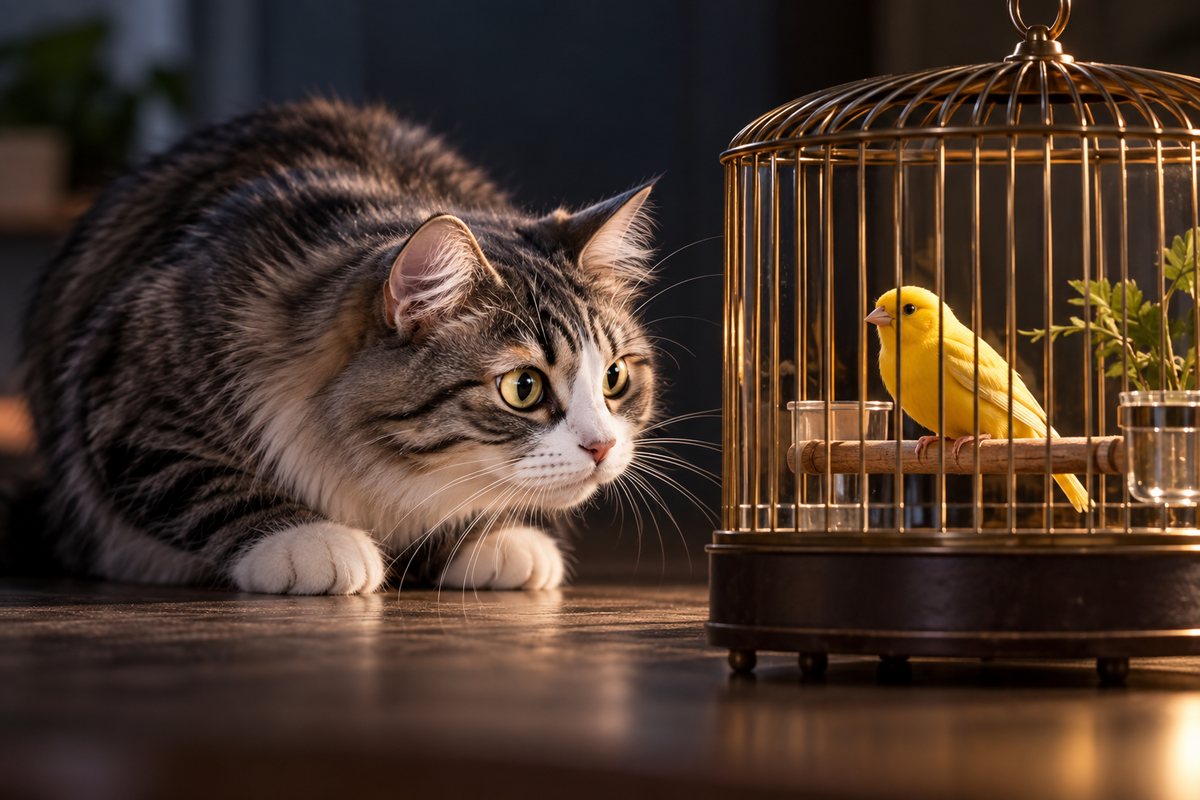
| Living around small pets | Normal predatory caution Bambinos may have short legs, but that does not remove feline stalking and pouncing behavior. Their mobility can differ from conventionally built cats, yet birds and rodents still require secure separation rather than assumed safety. |
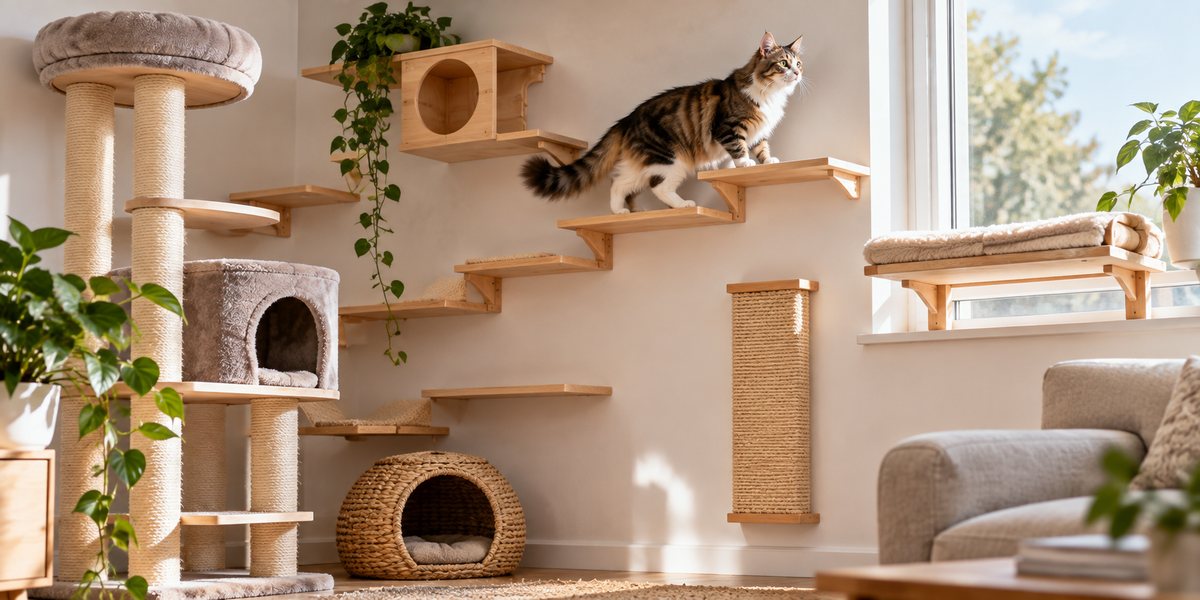
| Indoor & home environment needs | Warm accessible indoor Bambinos need warm indoor conditions because of sparse or absent coat, while short legs make accessible resources important. Provide warm beds, stable stepped climbing options, easy-to-reach perches and active play without forcing large jumps. |
| Outdoor access considerations | Protected secure only Bambinos are poorly suited to uncontrolled outdoor exposure because sparse skin offers little protection and short legs can reduce escape ability. Outdoor time should be in a secure, supervised, temperature-appropriate enclosure with protection from strong sun and cold. |
| Heat, cold & sun considerations | Hairless sun cold sensitive Bambinos have little or no protective coat, so they lose heat readily and exposed skin can burn in strong sun. Keep them warm in cool conditions, provide shade indoors and outdoors, and avoid prolonged direct sunlight or extreme temperatures. |
| Caregiver time & experience | Low Routine care demands are relatively modest, while normal daily companionship and health care still apply. |
| Health & welfare | |
| Documented health predispositions | Elevated conformation risks Bambinos combine hairlessness with short-legged dwarfism. Health concerns therefore include skin and temperature problems plus potential orthopedic and spinal stress associated with disproportionate conformation; careful mobility monitoring is more important than assuming the hybrid traits are purely cosmetic. |
| Screening & breeder questions | Ask what health problems are tracked in the lines and request actual test results Ask how the breeder evaluates joints, spine and gait in short-legged cats and skin, dental and cardiac health in hairless lines. Request evidence of HCM screening where Sphynx ancestry makes it relevant. |
| Conformation-related welfare | High dwarf hairless concern Bambinos combine disproportionate short legs with hairlessness. Welfare assessment should therefore cover spine and joint function, ability to move and climb comfortably, healthy body weight, skin condition and temperature regulation rather than judging either trait only by appearance. |
| Nutrition & weight management | Dwarf weight joint control Bambinos need ordinary complete feline nutrition, but excess weight is particularly undesirable on short limbs and joints. Keep body condition lean and stable with measured portions while ensuring hairless cats receive enough energy for thermoregulation without chronic overfeeding. |
| Longevity | 12–16 years For the Bambino, about 12–16 years is a cautious working estimate; longevity can be affected by inherited issues associated with both hairlessness and short-legged conformation. |
| Cost & availability | |
| Purchase cost | Very high: $1,500–$3,500+ Bambino: a practical breeder-market estimate is $1,500–$3,500+. This reflects that it is an rare hairless short-legged designer breed with a small breeder base. |
| Adoption & rehoming cost | Very rare in rescue: $100–$600 when genuinely available Bambino: $100–$600 when genuinely available. The breed is scarce enough that a verified purebred rescue placement is unusual; transport may exceed the adoption fee. |
| Recurring ownership costs | Typical cat costs Bambinos can cost more than an ordinary shorthaired cat over time because skin/ear supplies, temperature management and accessible furniture accompany normal food and veterinary care. Their dwarf conformation also makes a meaningful emergency/orthopedic reserve or insurance particularly sensible. |
| Availability, waits & import | Rare and variable Bambinos are uncommon and their acceptance and breeding are controversial because they combine hairlessness with dwarfism. Availability is patchy, and prospective owners should scrutinize health practices rather than treating rarity as a reason to compromise on breeder quality. |
| Identity & real-world context | |
| Ownership & import restrictions | No known breed specific restrictions There are no known breed-specific ownership restrictions. Ordinary animal-welfare, identification, vaccination and cross-border import rules still apply where relevant. |
| Registry recognition | No separate current CFA/TICA/FIFe recognition Bambino is not a separately recognized current breed identity in CFA, TICA or FIFe within the FSC core registry matrix; recognition by smaller, national or experimental registries can differ. |
| Similar breeds & identity distinctions | Sphynx Munchkin Bambinos combine the sparse or hairless appearance of the Sphynx with Munchkin-type short legs. A Sphynx has normal leg length; a Munchkin may be fully coated. The combination, backed by pedigree, distinguishes the Bambino. |
| Reported characteristic quirks | Individual quirks often center on play and exploration Bambinos can look physically unusual yet behave like determined little climbers, using furniture in stages and seeking warm laps, blankets and sunny spots with notable persistence. |
Browse all 53 breed characteristics
Open any characteristic to compare all breeds on that dimension.





 English