
Compare Cat Breeds
Compare up to three breeds across all 53 characteristics. Values are shown directly so the differences are easier to scan.
| Characteristic | 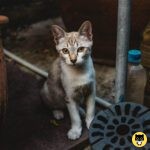 Asian |
|---|---|
| Body & development | |
| Adult size | Medium |
| Adult weight | 5.4–6.8 kg (11.9–15.0 lb) Asian cats are substantial medium cats; about 5.4–6.8 kg (11.9–15.0 lb) is a useful overall adult range. |
| Build & distinguishing morphology | Medium · elegant · foreign type · traditional burmese type The Asian group consists of elegant medium-sized cats of foreign type, broadly following traditional European Burmese type without extremes. |
| Maturation | 18-24 months The medium, Burmese-derived Asian usually reaches near-adult dimensions by about a year and continues developing its compact musculature and mature body condition through roughly 18–24 months. |
| Coat & appearance | |
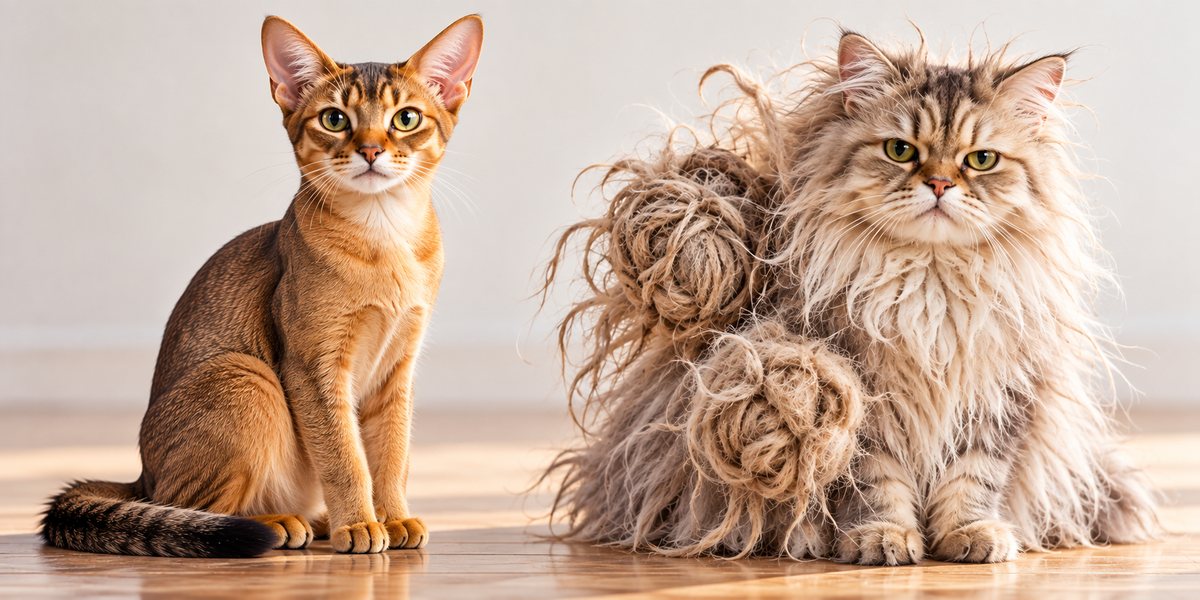
| Coat length | Short The Asian is the shorthaired member of its breed group, with a close, fine coat; the semi-longhaired counterpart is the Tiffanie. |
| Coat texture & undercoat | Short · fine satin · close lying · light undercoat The Asian has a short, fine, close-lying coat with a satin feel and relatively little bulky undercoat, reflecting its Burmese-family coat type. |
| Colors & patterns | Very broad palette over 400 combinations The Asian group encompasses a very broad range of colours and patterns, with hundreds of recognized combinations. |
| Eye colors | Yellow to green; coat-dependent Yellow through green is typical in the Asian group, with shade influenced by colour/variety. |
| Coat & routine care | |
| Shedding | Low to moderate Low to moderate shedding from the close, fine shorthair coat, broadly similar to Burmese-type coats. |
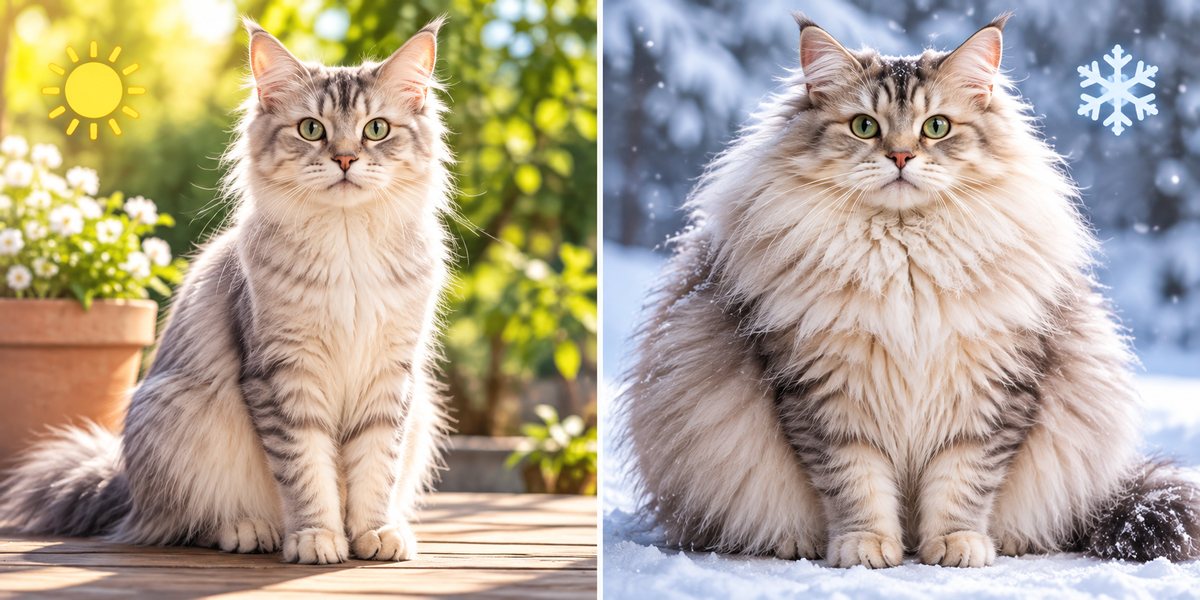
| Seasonal coat changes | Mild seasonal change The Asian’s fine, close coat has little bulky undercoat, so seasonal change is usually mild and mainly appears as a temporary increase in loose short hairs. |
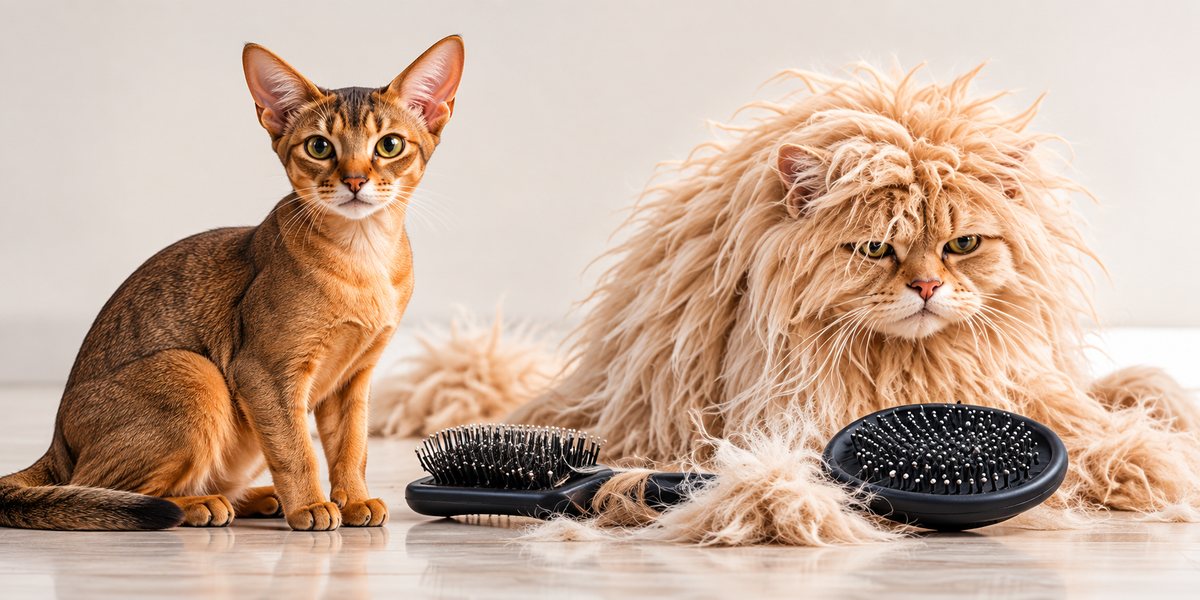
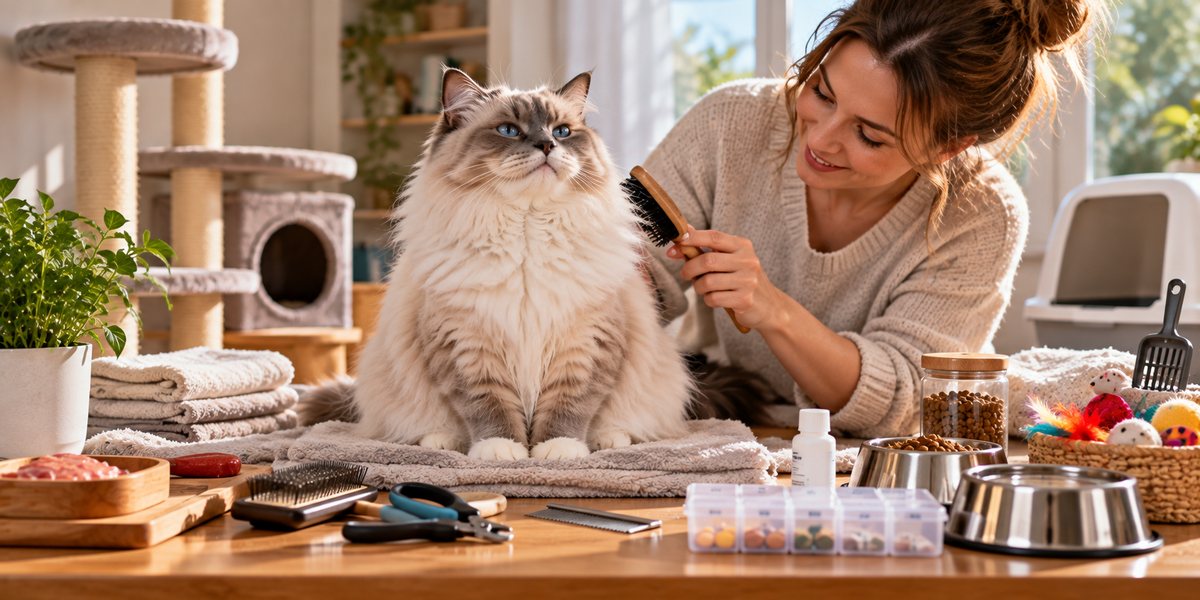
| Brushing & combing | Weekly or as needed Weekly brushing with a soft brush or mitt is sufficient for the fine Burmese-type shorthair and helps lift loose hairs without flattening its gloss. |
| Tangle & matting tendency | Very low The fine, close Burmese-family coat carries little bulky undercoat and is highly resistant to matting. |
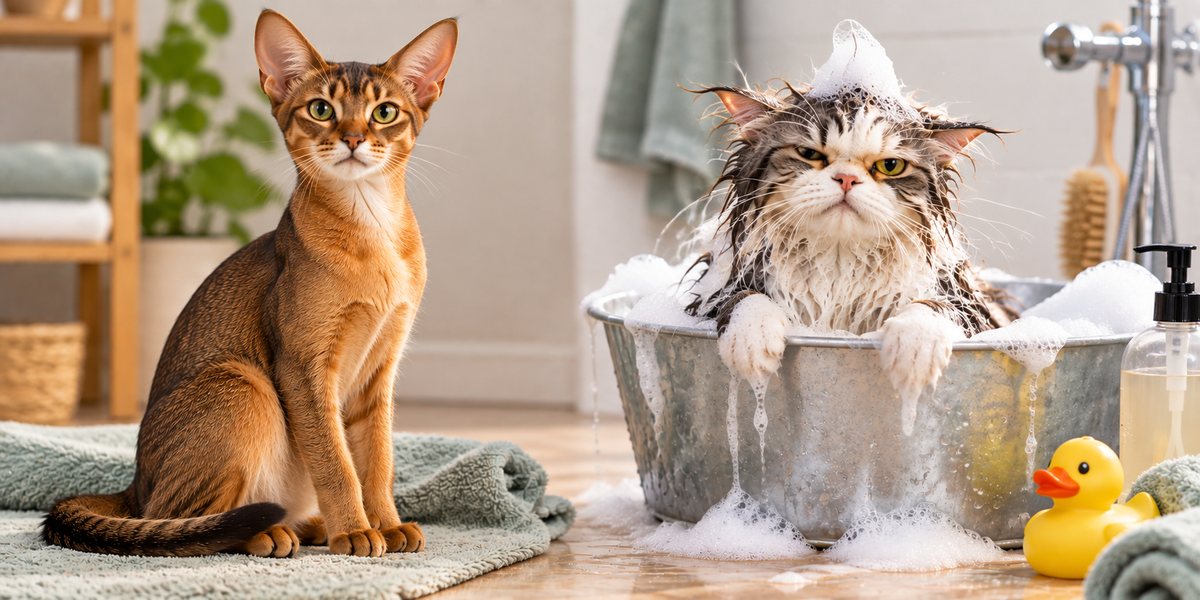
| Skin & bathing care | Bathing not routinely needed Routine bathing is generally unnecessary; bathe only when the coat is genuinely soiled or for a specific veterinary or grooming reason. |
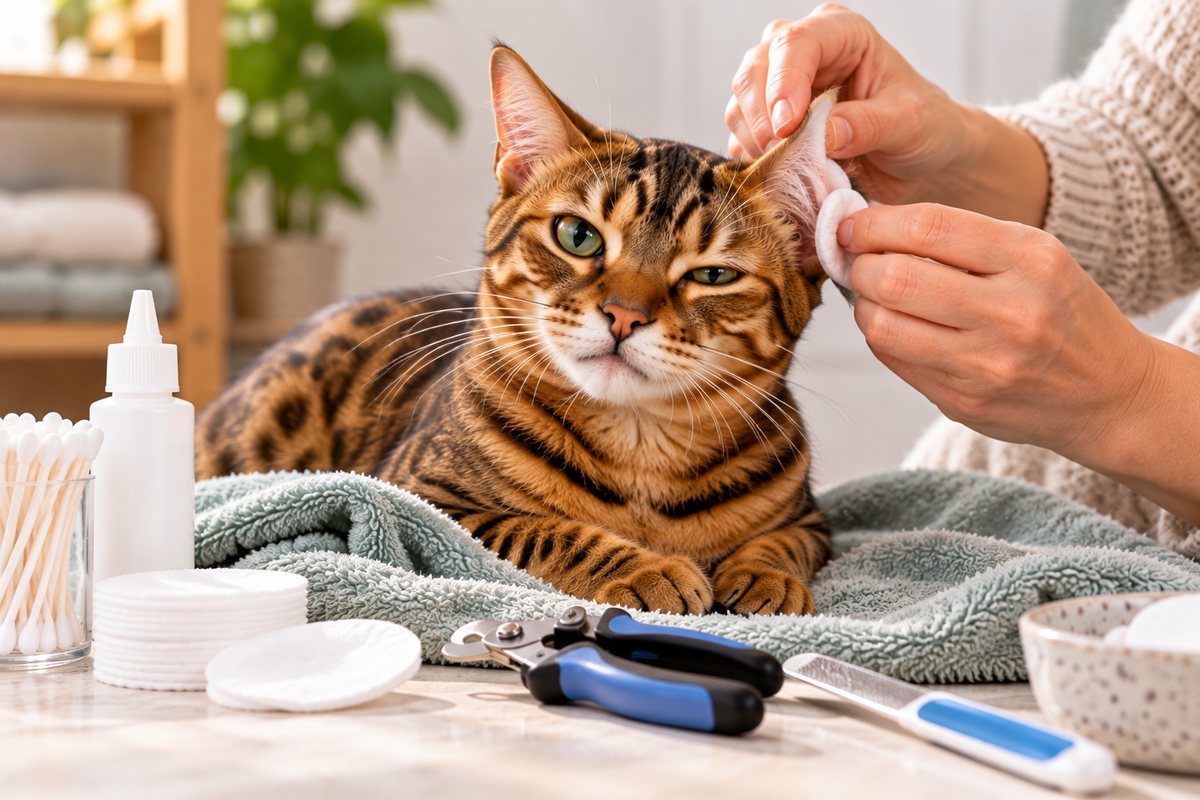
| Distinctive routine care | Simple coat social care Asian cats need little specialized grooming: a quick coat check, nails, ears and dental hygiene are usually sufficient. Regular interactive play and social contact are a more distinctive part of their day-to-day maintenance than coat work. |
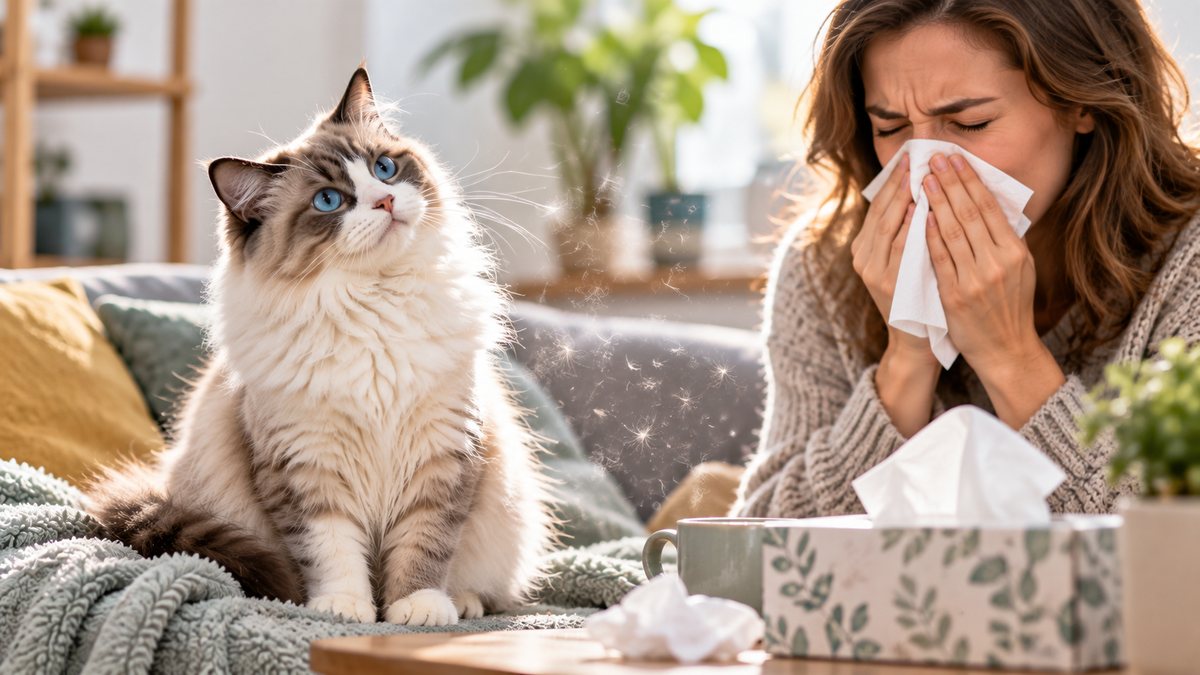
| Allergy & allergen evidence | No breed specific reduction established There is no known reason to regard this breed as hypoallergenic. All cats produce allergens, and coat length or shedding alone does not determine allergy risk. |
| Activity & intelligence | |
| Activity level | High Asian cats are lively and energetic. |
| Playfulness | Moderate to high Highly playful and people-oriented, reflecting its Burmese-family temperament; interactive games and attention-seeking play are strong fits. |
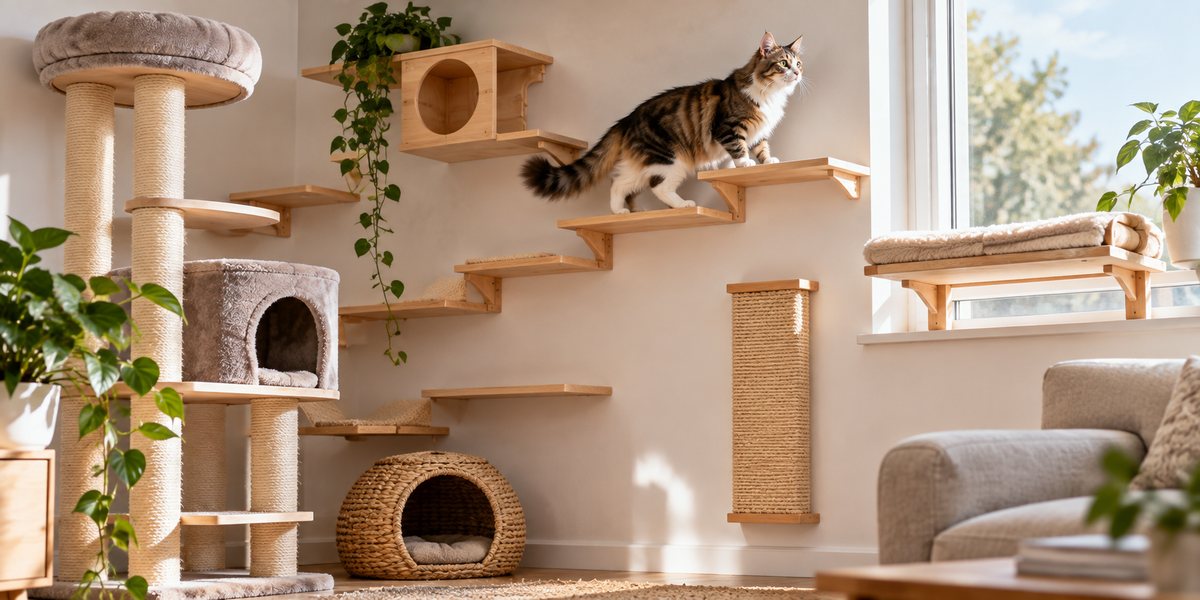
| Climbing & jumping | Moderate to high The Asian shares the lively, athletic character of the Burmese family and is likely to make frequent use of cat trees, shelves and elevated observation points. |
| Enrichment demand | High High enrichment demand: social play, interactive toys, climbing space and changing mental challenges suit this lively and inquisitive breed. |
| Learning & training | High The Asian combines Burmese-family intelligence with a social, playful temperament, making interactive games, household cues and simple tricks relatively easy to teach. |
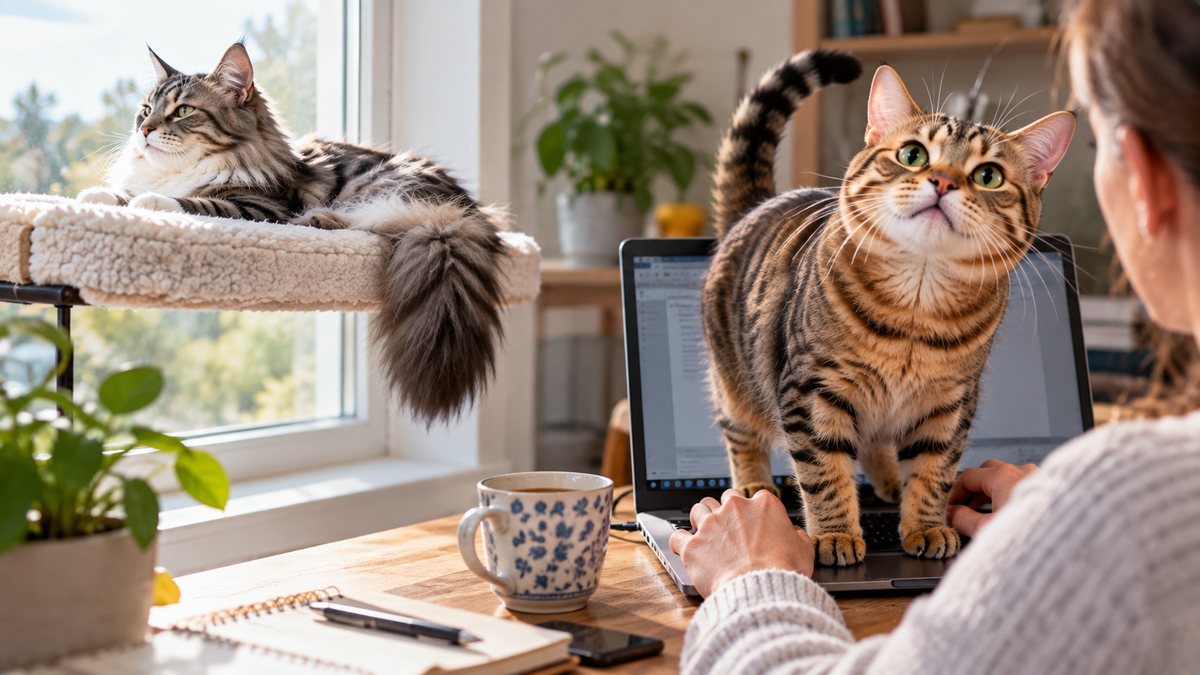
| Curiosity & exploration | High Asian cats share the lively, people-oriented Burmese-family temperament, so curiosity is typically high and often directed toward whatever their people are doing. |
| Hunting & chasing tendencies | Moderate to high Expect moderately strong chase play: the Asian's lively, interactive Burmese-family temperament generally translates into enthusiastic pursuit of moving toys. |
| Personality & social | |
| Sociability with familiar people | Very high Asian cats are notably sociable and interactive with their people. |
| Affection | Sociable · interactive · people oriented Affection is sociable and interactive, with the breed tending to take an active part in household life. |
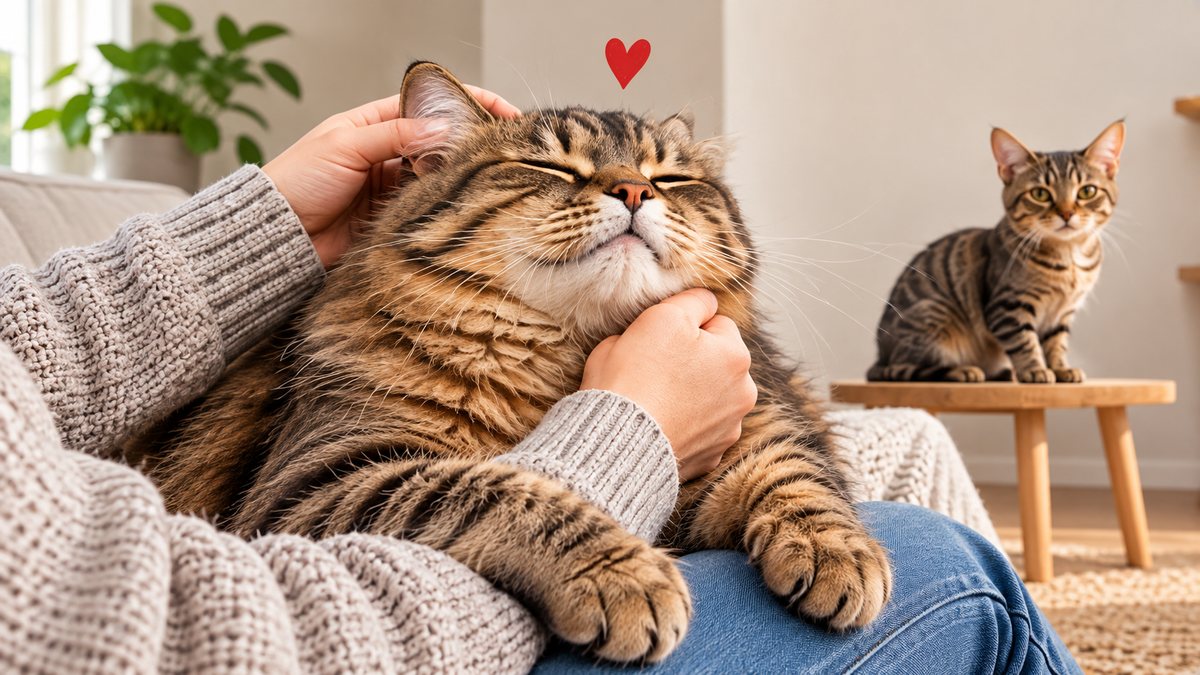
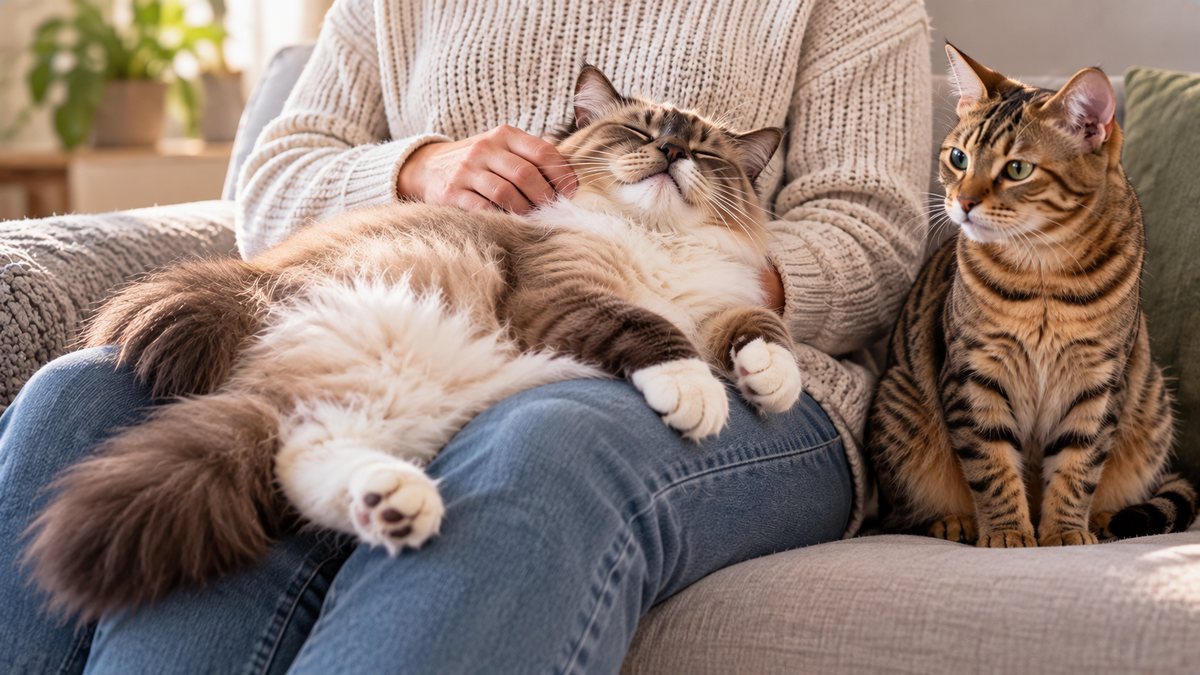
| Lap & cuddling preference | High Asian cats are strongly people-oriented and tactile; many actively seek close contact and will use a familiar lap as a regular resting place. |
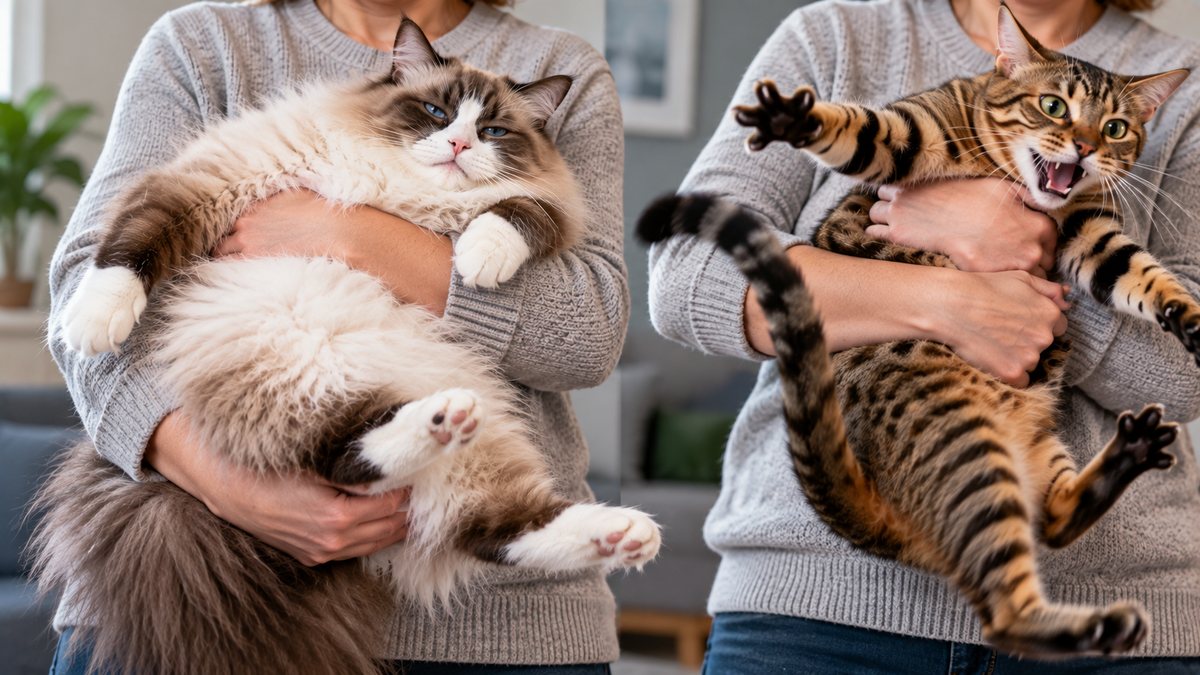
| Handling tolerance | High The Asian group is strongly people-oriented and Burmese-derived, so accustomed cats commonly accept close physical handling and brief carrying readily. |
| Independence & social demand | High social demand This strongly people-oriented breed generally prefers regular companionship and involvement in household life. |
| Vocalization | High Supplementary current breed material characterizes the Asian as distinctly vocal. |
| Response to unfamiliar people | High The Asian group's affectionate, extroverted Burmese-derived temperament usually produces good visitor confidence and relatively quick social engagement. |
| Adaptability to change | High Sociable, curious, and people-focused, the Asian usually settles into new routines readily, though abrupt isolation or loss of companionship can be harder than the physical change itself. |
| Noise & busy-environment sensitivity | Low to moderate People-focused and outgoing, Asian cats generally cope with an active home well, although their social nature does not make them immune to persistent loud noise. |
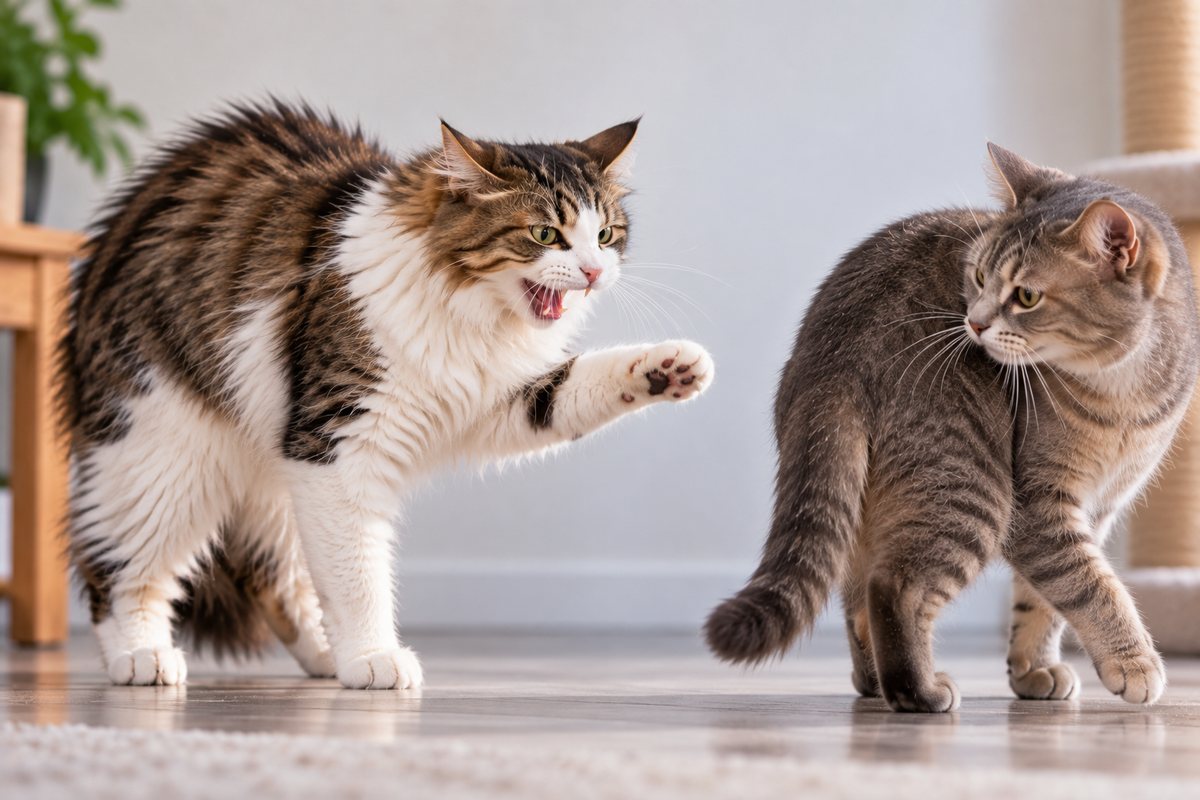
| Defensive & conflict behaviour | Low Burmese-derived sociability makes the Asian strongly people-oriented and generally non-avoidant. Conflict tendency is low, although its confident, interactive style can be persistent with less social housemates. |
| Household & environment | |
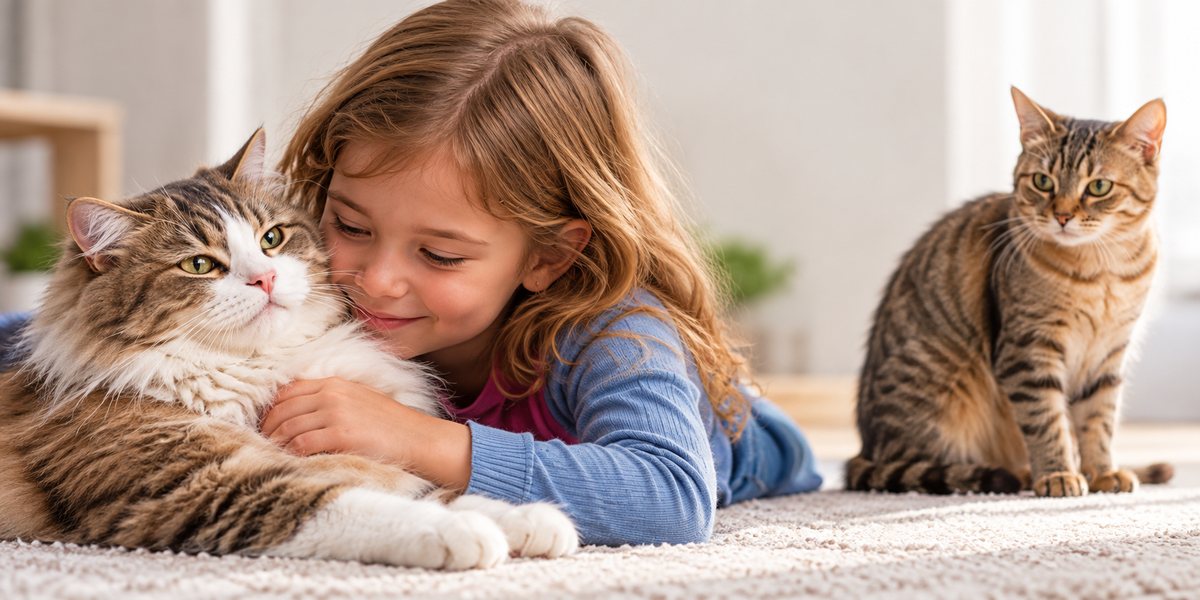
| Living with children | Good Asian cats are typically affectionate, outgoing and playful, making them strong family companions for children who interact gently. Their social nature means they often welcome games and attention, but persistent carrying or restraint should still be avoided. |
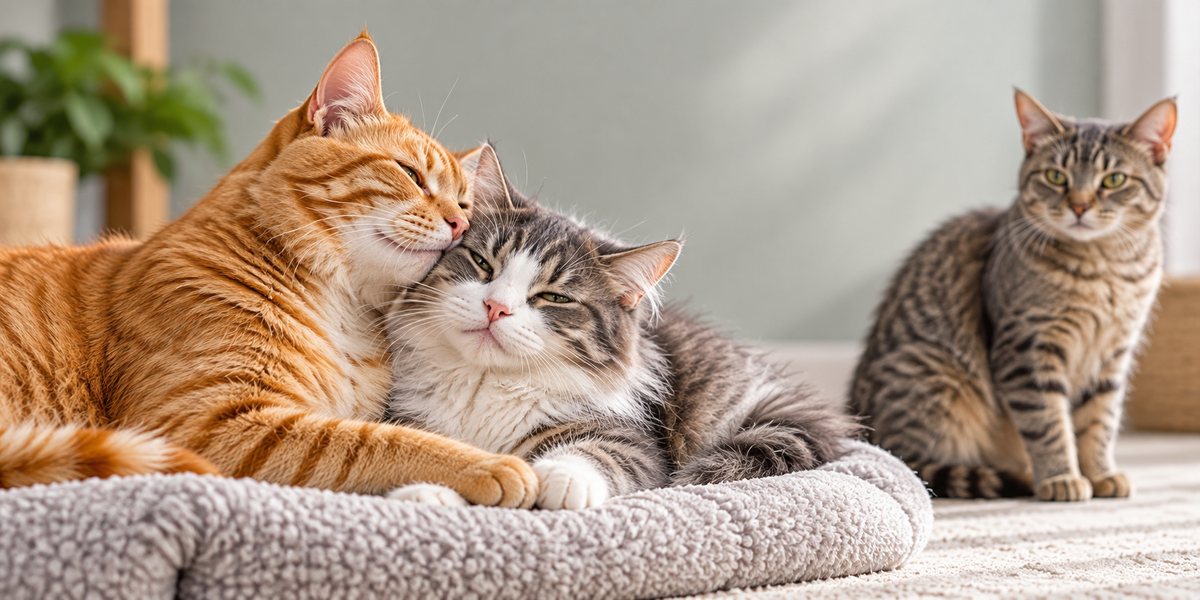
| Living with other cats | Often workable Asian cats are strongly social and interactive, and many appreciate animal companionship. Multi-cat homes can work very well, though competition for attention or resources can create friction in some individuals. |
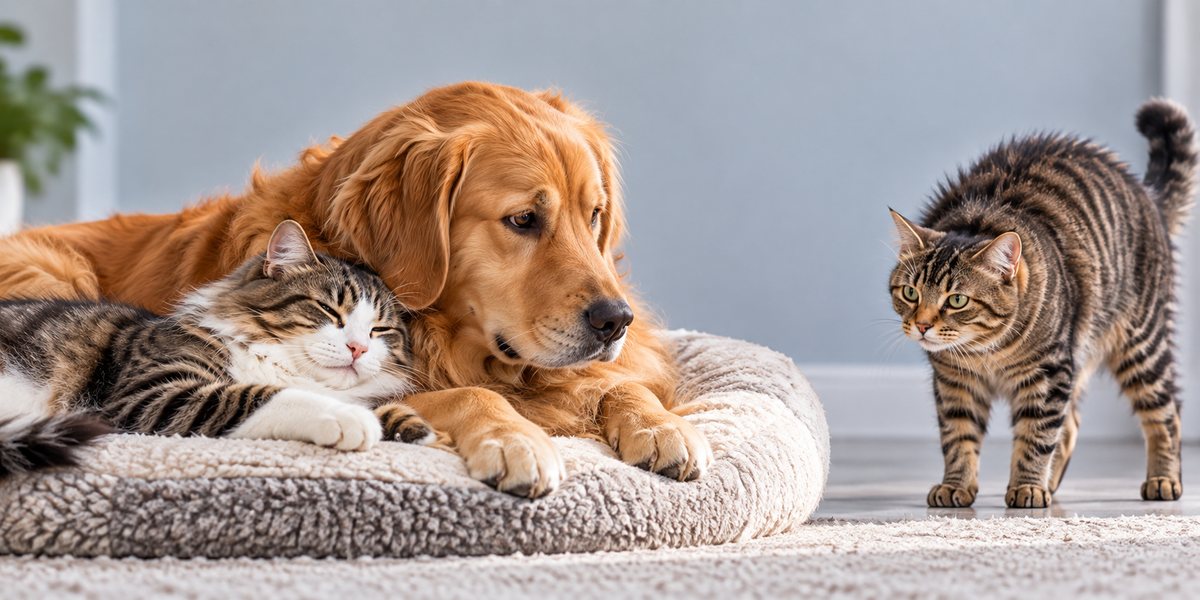
| Living with dogs | Good Asian cats are typically outgoing, playful and socially engaged, traits that can support a good relationship with a cat-friendly dog. They are best matched with dogs that welcome interaction without persistent chasing or rough play. |
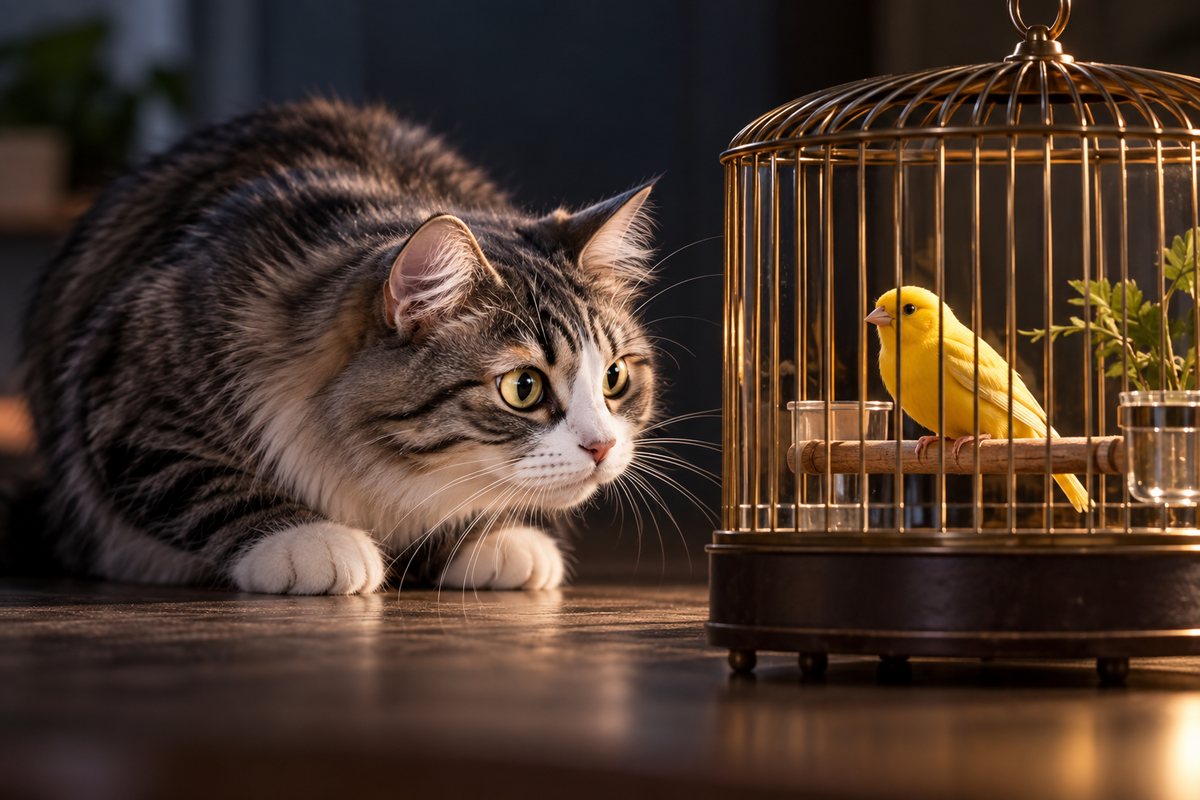
| Living around small pets | Normal predatory caution Asian cats are playful and curious but are not defined by an unusually strong hunting profile. Normal feline predatory caution still applies: birds, rodents and other vulnerable pets should be securely separated from unsupervised access. |
| Indoor & home environment needs | Social enriched indoor Asian cats are active, people-oriented companions that do best indoors when they can participate in household life. Provide climbing furniture, puzzle play, scratching sites and frequent interactive sessions rather than expecting them to entertain themselves for long periods. |
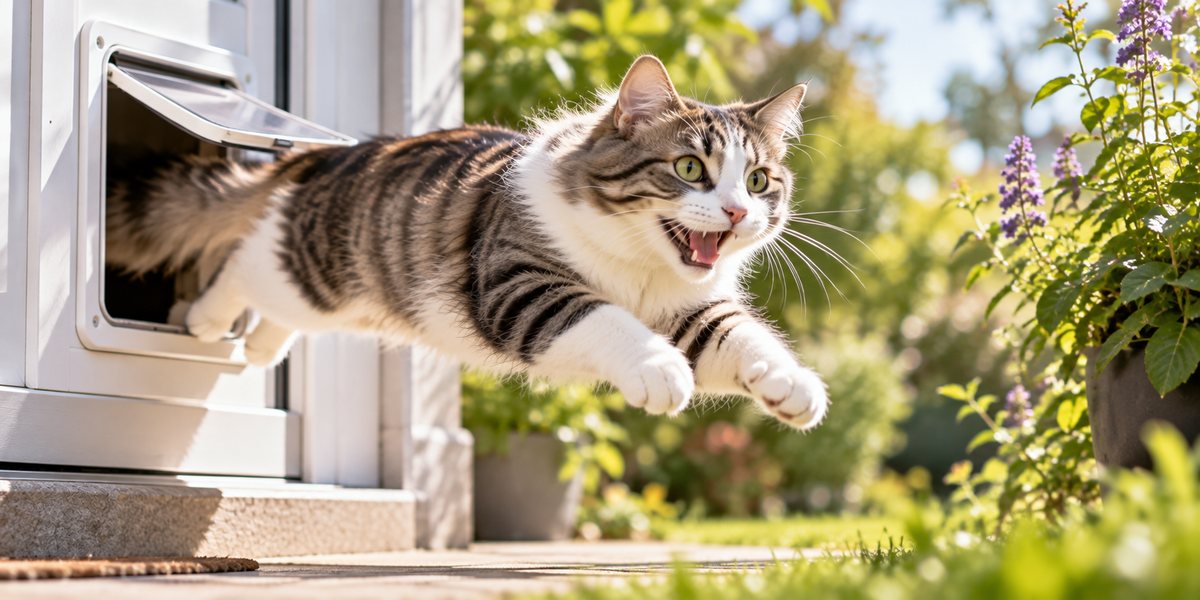
| Outdoor access considerations | Secure optional Asian cats are social, playful companions whose needs can be met indoors with good enrichment. Secure outdoor access can add variety, but free roaming is not necessary and may expose an inquisitive cat to avoidable hazards. |
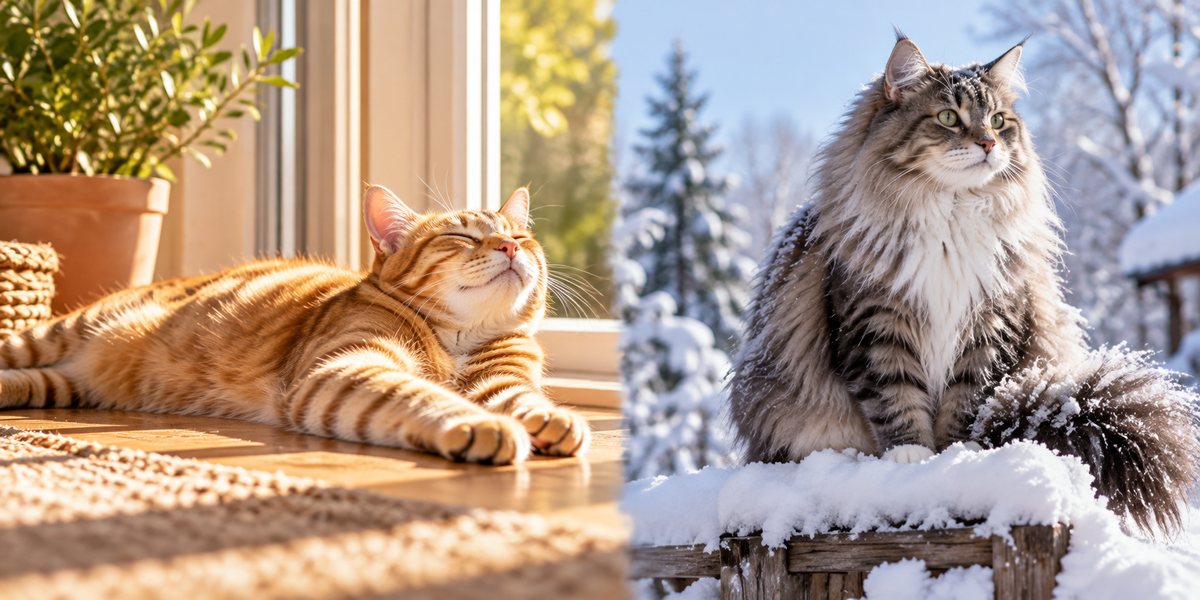
| Heat, cold & sun considerations | Shortcoat warmth preference Asian cats generally have a short, close coat with less insulation than dense northern breeds. They suit normal indoor temperatures well, often appreciate warm resting places in winter, and still require shade and hydration during hot weather. |
| Caregiver time & experience | Above average Asian cats are playful, outgoing and strongly people-oriented. Their coat is easy, but they benefit from frequent companionship, interactive play and mental stimulation, making daily engagement more important than grooming skill. |
| Health & welfare | |
| Documented health predispositions | Moderate family risks Asian cats share Burmese ancestry, so breeding programs should remain aware of Burmese-family inherited disorders such as hypokalaemic polymyopathy, with risk depending on the lines used. Family history and appropriate DNA testing are more informative than assuming uniform risk. |
| Screening & breeder questions | Ask what health problems are tracked in the lines and request actual test results Ask which Burmese-family disorders occur in the line, whether hypokalaemic polymyopathy testing is appropriate, and whether Persian ancestry makes PKD screening relevant. Request actual results for tests used. |
| Conformation-related welfare | Low conformation concern Asian cats generally have balanced Burmese-derived proportions without a defining harmful structural trait. Selection should preserve normal breathing, jaw alignment and athletic movement rather than exaggerating compactness or facial shape. |
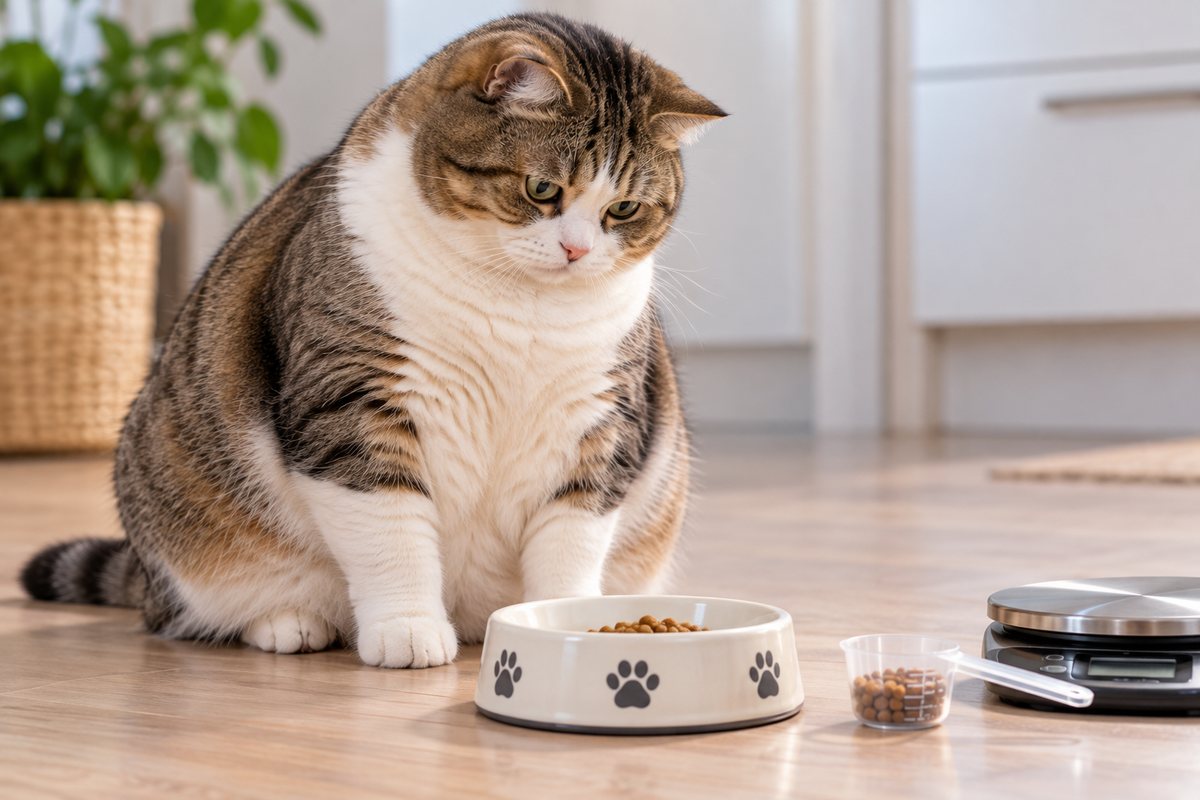
| Nutrition & weight management | Social companion weight watch Asian cats are playful but can settle into food-rich indoor routines. A complete diet with measured portions and regular body-condition checks helps prevent gradual gain, while interactive play supports both weight and enrichment. |
| Longevity | 14–18 years The Asian shares much of the Burmese family background and is generally long-lived; about 14–18 years is a useful expectation, with some cats living longer. |
| Cost & availability | |
| Purchase cost | Moderate to high: $600–$1,500 Asian: a practical breeder-market estimate is $600–$1,500. This reflects that it is an established mainly in the UK/Europe but less widely bred than Burmese. |
| Adoption & rehoming cost | Very rare in rescue: $100–$600 when genuinely available Asian: $100–$600 when genuinely available. The breed is scarce enough that a verified purebred rescue placement is unusual; transport may exceed the adoption fee. |
| Recurring ownership costs | Higher food/larger equipment Routine veterinary and coat costs are modest, but this social, playful breed benefits from ongoing interactive enrichment. Food and litter are ordinary; replacing toys and scratching equipment may add a small recurring premium. |
| Availability, waits & import | Regionally available Asian cats have their strongest established breeder presence in the United Kingdom and parts of Europe. They are much less common in North America and other regions, so availability depends heavily on which registry tradition is active locally. |
| Identity & real-world context | |
| Ownership & import restrictions | No known breed specific restrictions There are no known breed-specific ownership restrictions. Ordinary animal-welfare, identification, vaccination and cross-border import rules still apply where relevant. |
| Registry recognition | No separate current CFA/TICA/FIFe recognition Asian is not a separately recognized current breed identity in CFA, TICA or FIFe within the FSC core registry matrix; recognition by smaller, national or experimental registries can differ. |
| Similar breeds & identity distinctions | Burmese Burmilla Asian cats share Burmese-derived body type with Burmese and Burmilla. Asians are chiefly separated by their wider range of non-Burmese colors and patterns; Burmillas specifically have the silver shaded/tipped expression derived from their Persian ancestry. |
| Reported characteristic quirks | Individual quirks often center on play and exploration Asian cats often make themselves part of household routines, following people between rooms and investigating bags, cupboards or whatever is being handled. Their curiosity can make privacy scarce. |
Browse all 53 breed characteristics
Open any characteristic to compare all breeds on that dimension.

 English