
Compare Cat Breeds
Compare up to three breeds across all 53 characteristics. Values are shown directly so the differences are easier to scan.
| Characteristic |  American Shorthair |
|---|---|
| Body & development | |
| Adult size | Medium |
| Adult weight | Females 3.6–5.4 kg (7.9–11.9 lb); males 5.0–7.0 kg (11.0–15.4 lb) American Shorthairs are substantial cats; females commonly fall around 3.6–5.4 kg (7.9–11.9 lb) and males around 5.0–7.0 kg (11.0–15.4 lb). |
| Build & distinguishing morphology | Powerful · well knit · athletic Build: powerful; well knit; athletic. |
| Maturation | 3-4 years American Shorthairs mature slowly for a medium-large shorthair; although much of the frame is established earlier, the broad chest, head and muscular adult body can continue developing until roughly 3–4 years. |
| Coat & appearance | |
| Coat length | Short Canonical shorthair breed. |
| Coat texture & undercoat | Short · hard · lustrous · dense Coat: short; hard; lustrous; dense. |
| Colors & patterns | Broad traditional palette Colors/patterns: broad traditional palette. |
| Eye colors | Gold · copper · green · hazel · blue; coat-dependent Eye colour varies with coat: copper/gold is common, green occurs especially in silvers, and blue or odd eyes can occur in white cats. |
| Coat & routine care | |
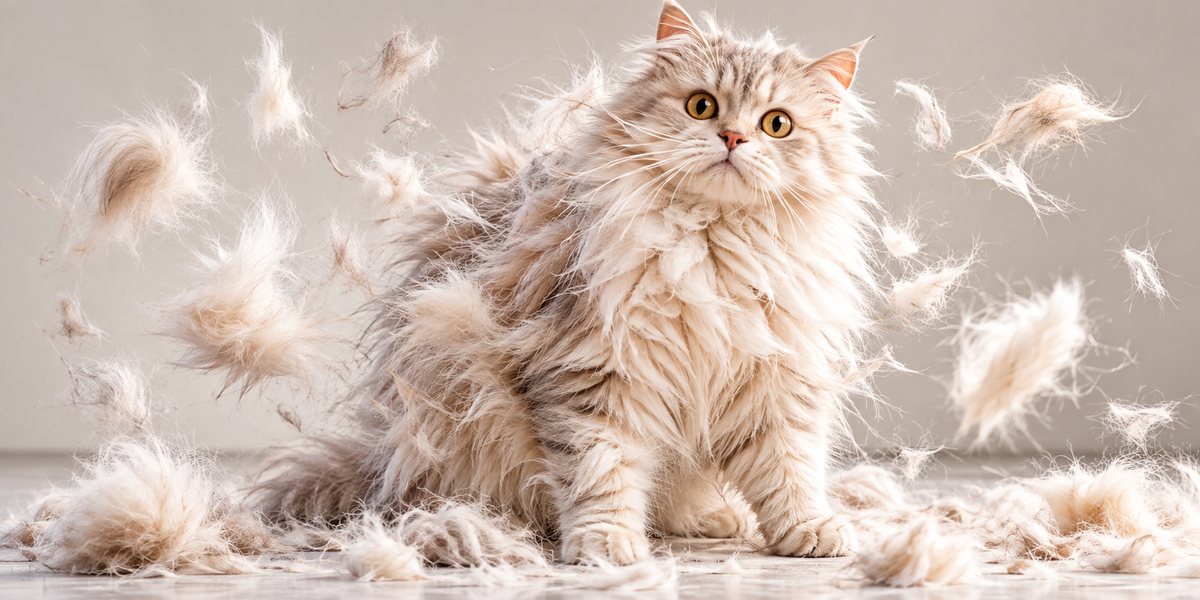
| Shedding | Moderate seasonal Moderate shedding with a noticeable seasonal rise as the dense protective coat turns over. |
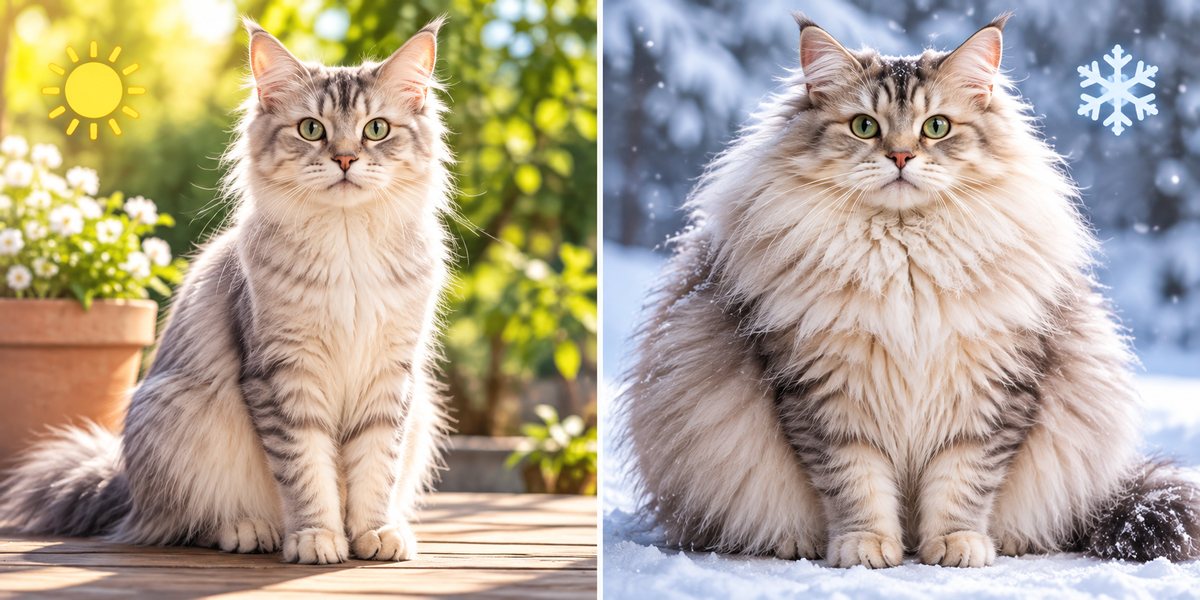
| Seasonal coat changes | Moderate spring fall shed The dense American Shorthair coat typically releases more hair in spring and autumn as its protective coat adjusts to temperature and day length. |
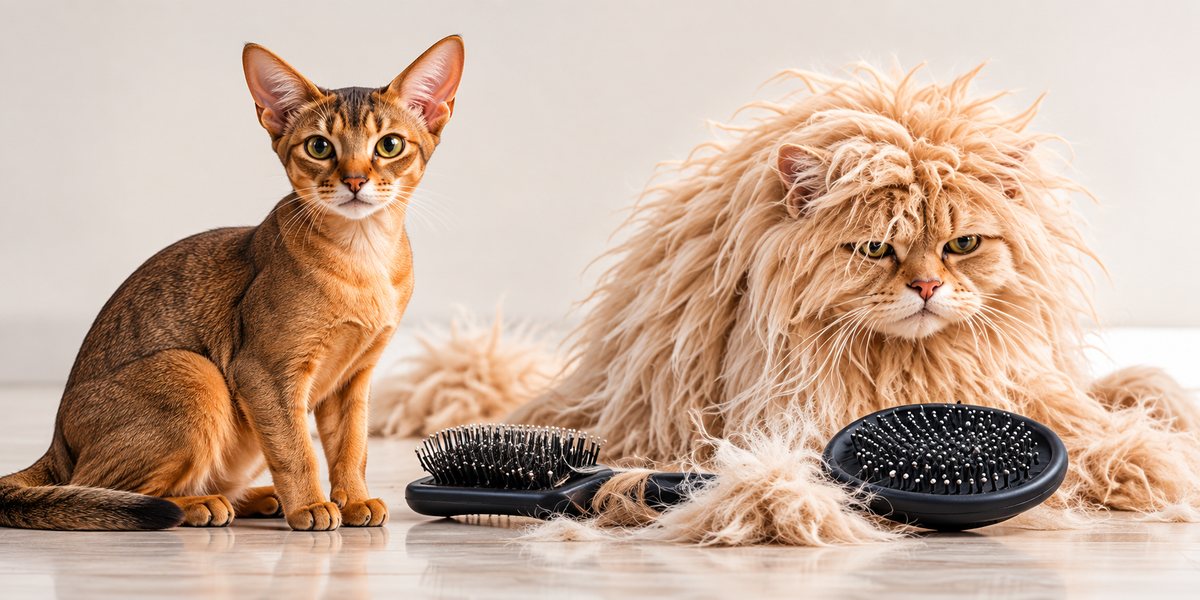
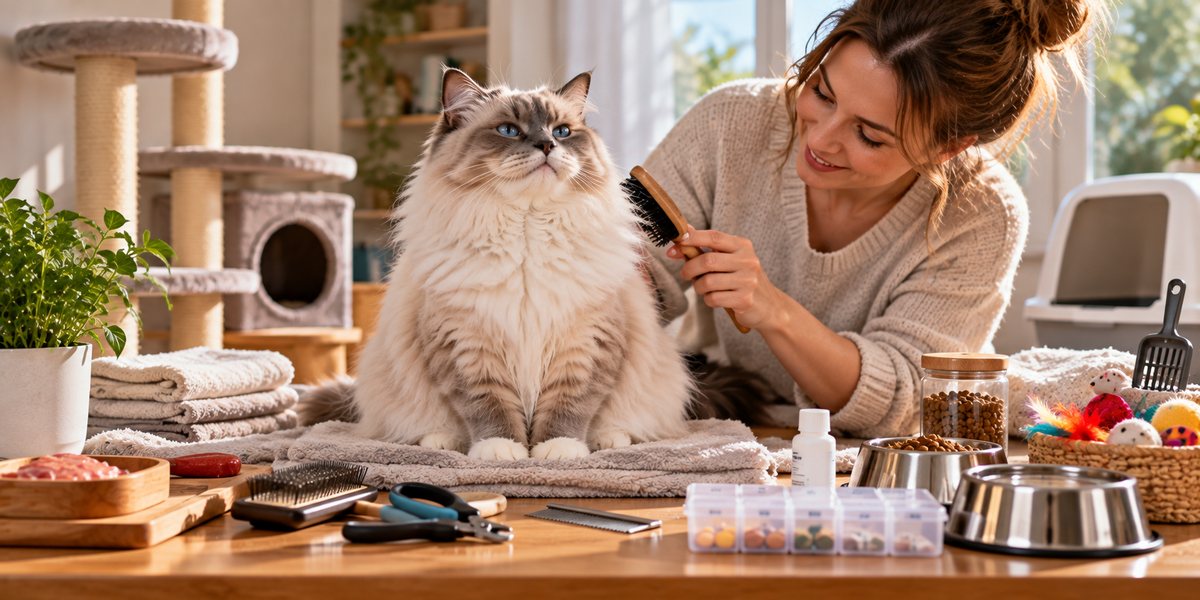
| Brushing & combing | Weekly or as needed Brushing/combing: weekly or as needed. |
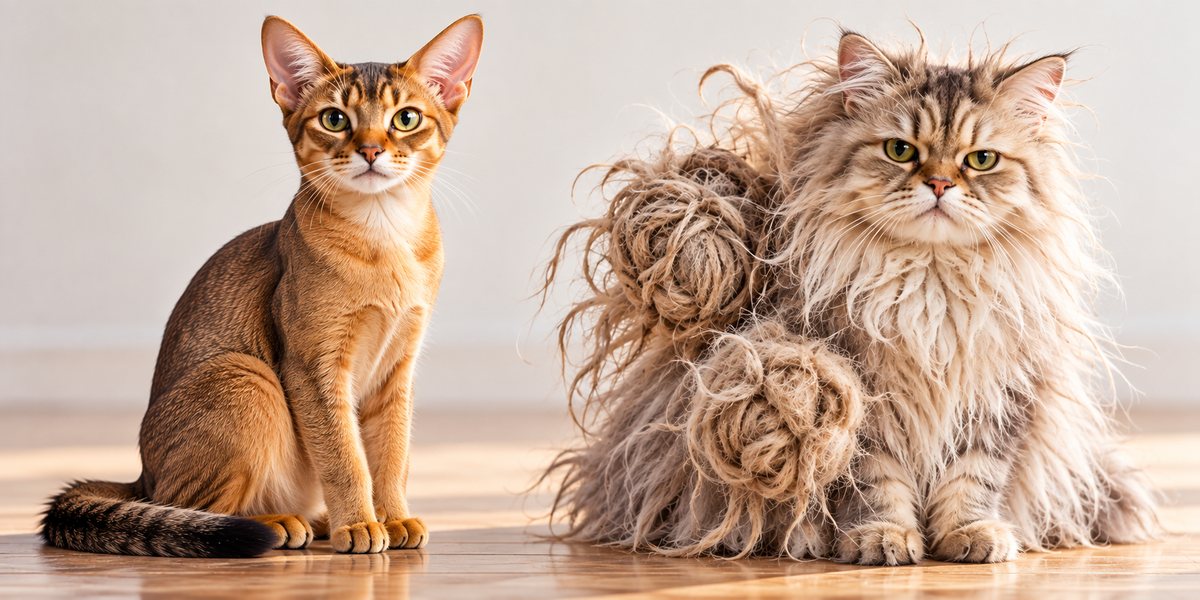
| Tangle & matting tendency | Very low The dense but short, resilient coat does not normally mat; shedding hair is a grooming issue rather than tangling. |
| Skin & bathing care | Bathing not routinely needed Routine bathing is generally unnecessary; bathe only when the coat is genuinely soiled or for a specific veterinary or grooming reason. |
| Distinctive routine care | Easy-care short coat The short, lustrous coat is straightforward to maintain. |
| Allergy & allergen evidence | No breed specific reduction established There is no known reason to regard this breed as hypoallergenic. All cats produce allergens, and coat length or shedding alone does not determine allergy risk. |
| Activity & intelligence | |
| Activity level | Moderate Enjoys active play such as fetch but is also content to relax with the family. |
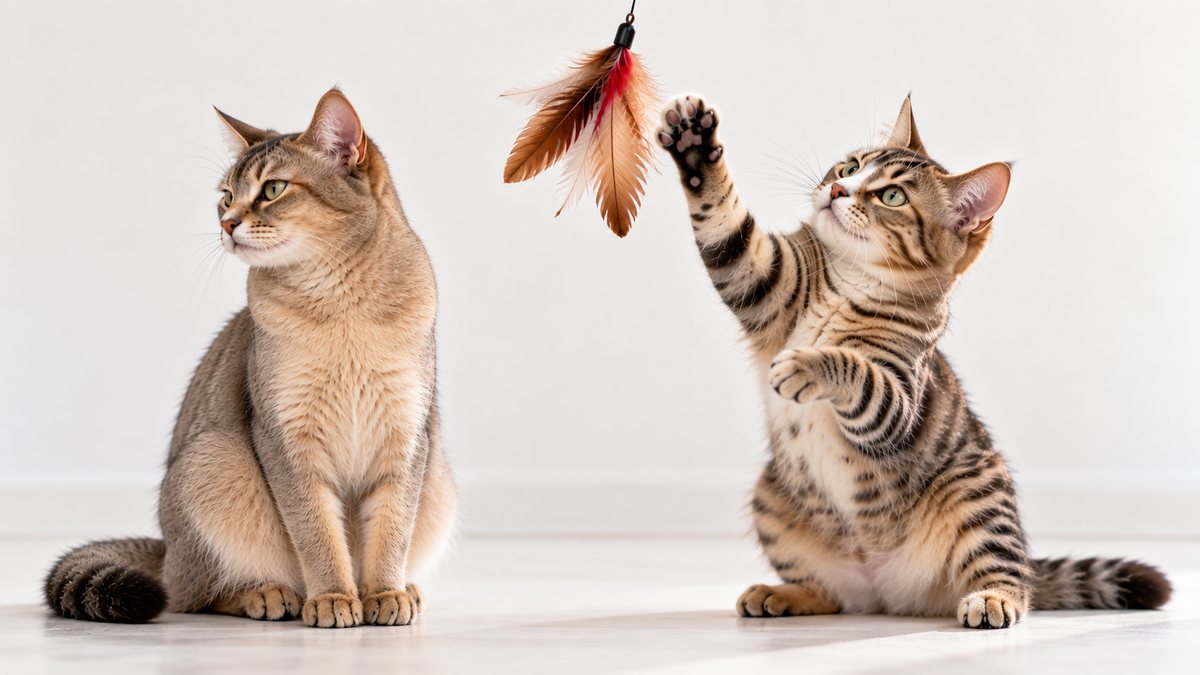
| Playfulness | High |
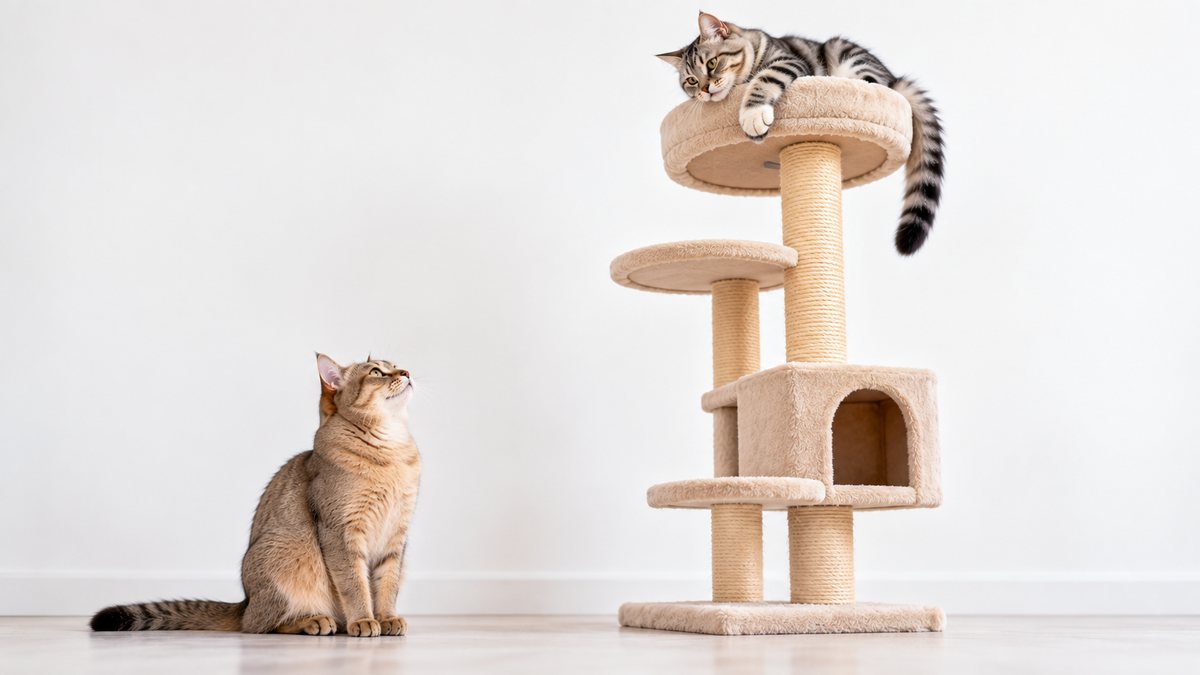
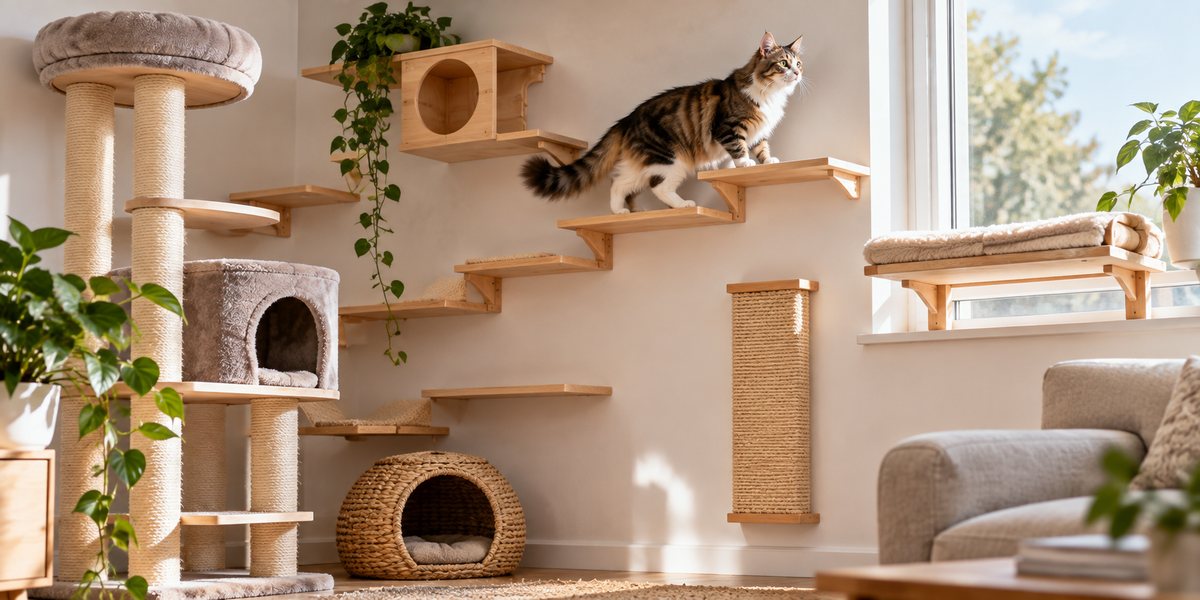
| Climbing & jumping | High A sturdy working-cat heritage and retained hunting play make the American Shorthair a capable climber that appreciates stable elevated perches. |
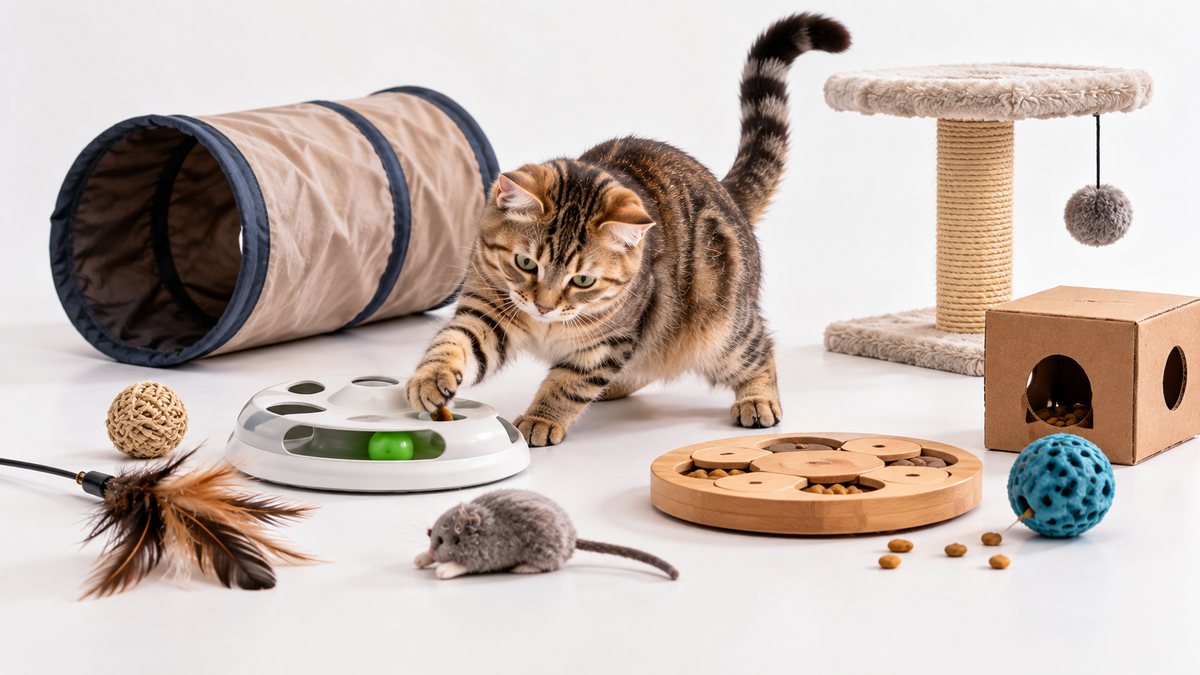
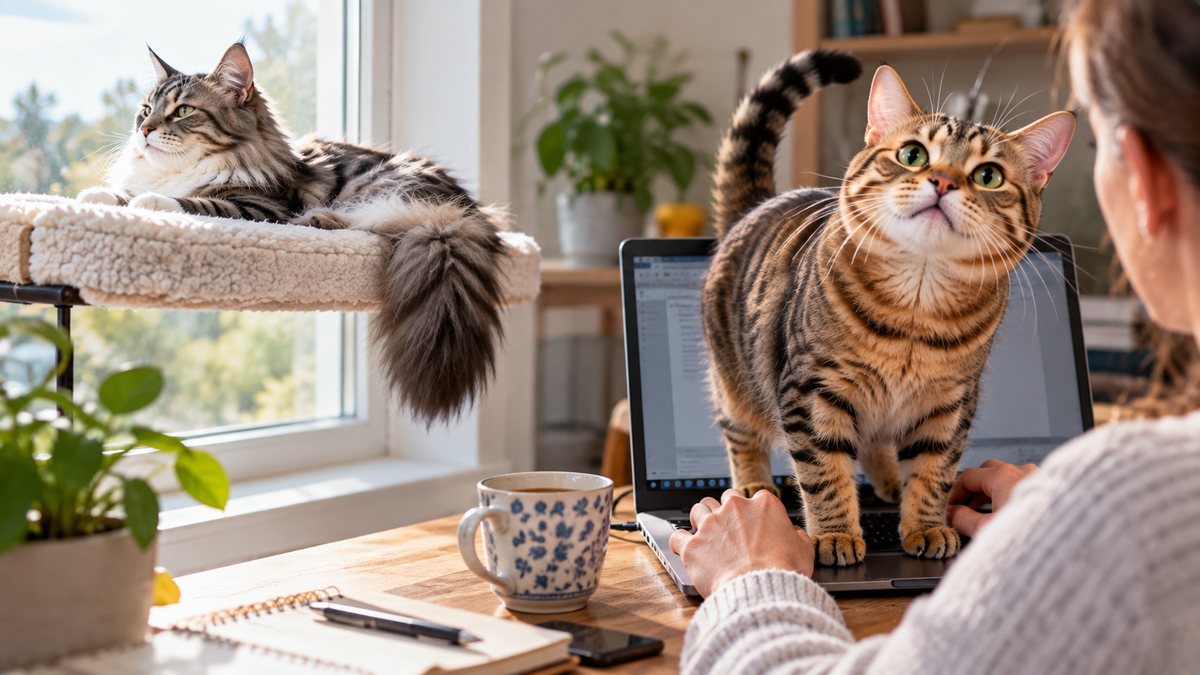
| Enrichment demand | High High enrichment demand despite a moderate overall activity level: hunting-style games, climbing and puzzle feeders give this playful cat useful outlets. |
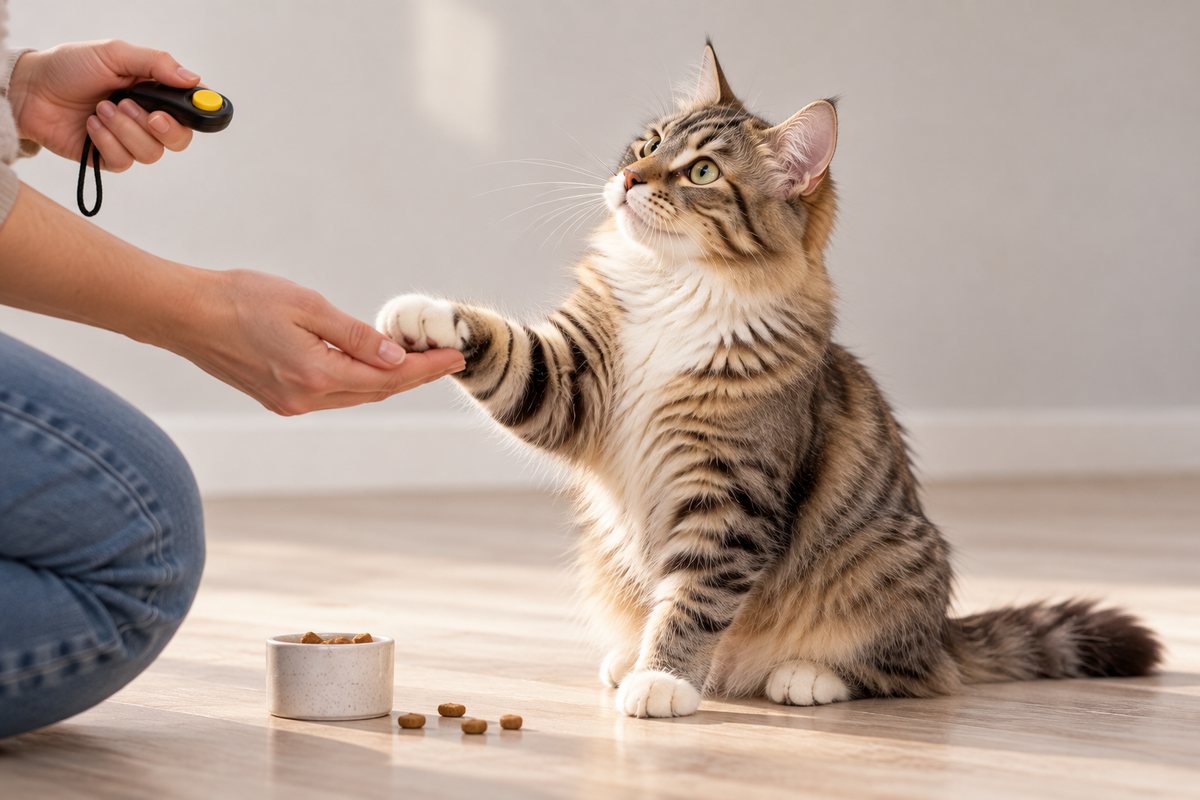
| Learning & training | High Generally easy to train for games and household routines. |
| Curiosity & exploration | High American Shorthairs are observant, capable hunters with moderate-to-high curiosity; they usually investigate changes and moving targets while remaining more measured than highly driven Oriental-type breeds. |
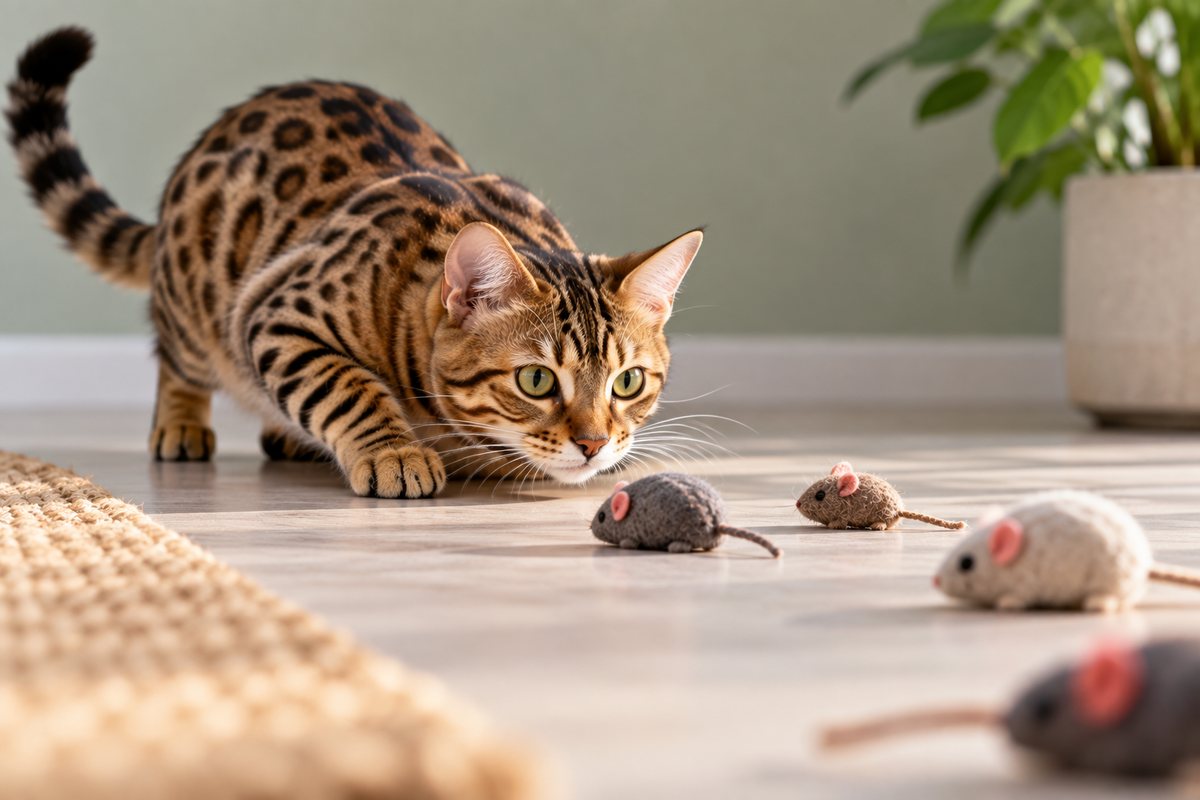
| Hunting & chasing tendencies | High Hunting interest is likely above average: the breed descends from practical rodent-control cats and typically retains patient stalking and pouncing behavior. |
| Personality & social | |
| Sociability with familiar people | High American Shorthairs are affectionate family companions but usually remain comfortably self-contained rather than excessively dependent. |
| Affection | Affectionate · calm · non demanding Calm and affectionate without being excessively demanding. |
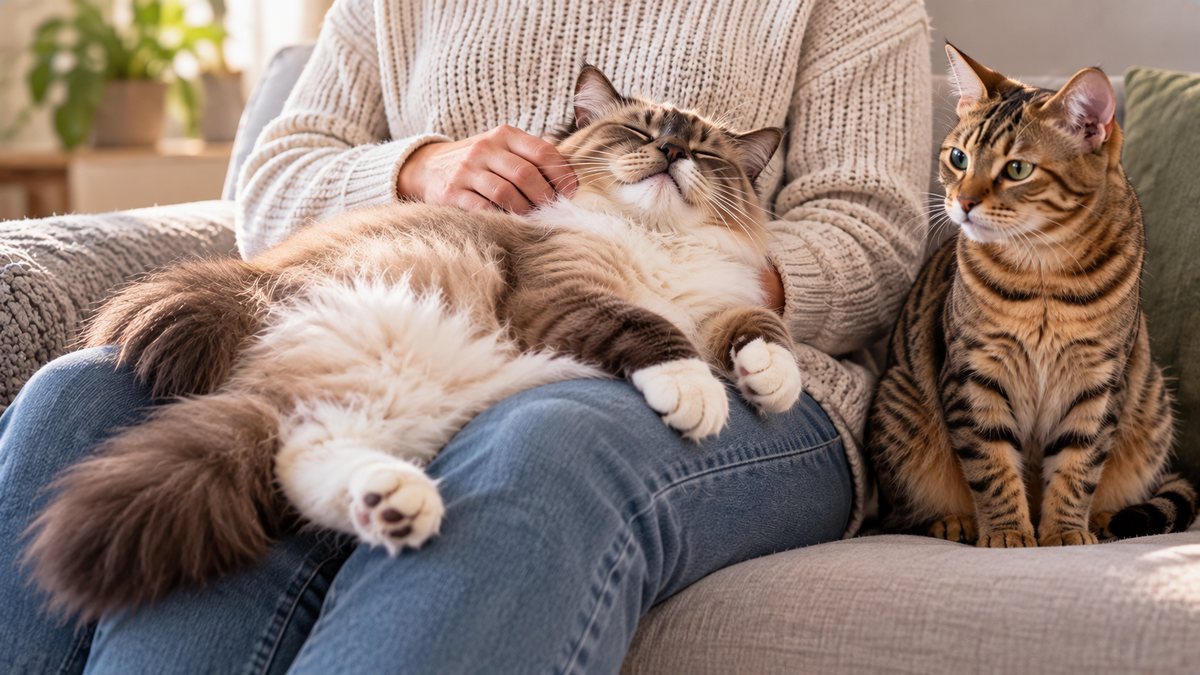
| Lap & cuddling preference | Moderate Many enjoy lap contact but it is not a defining universal trait. |
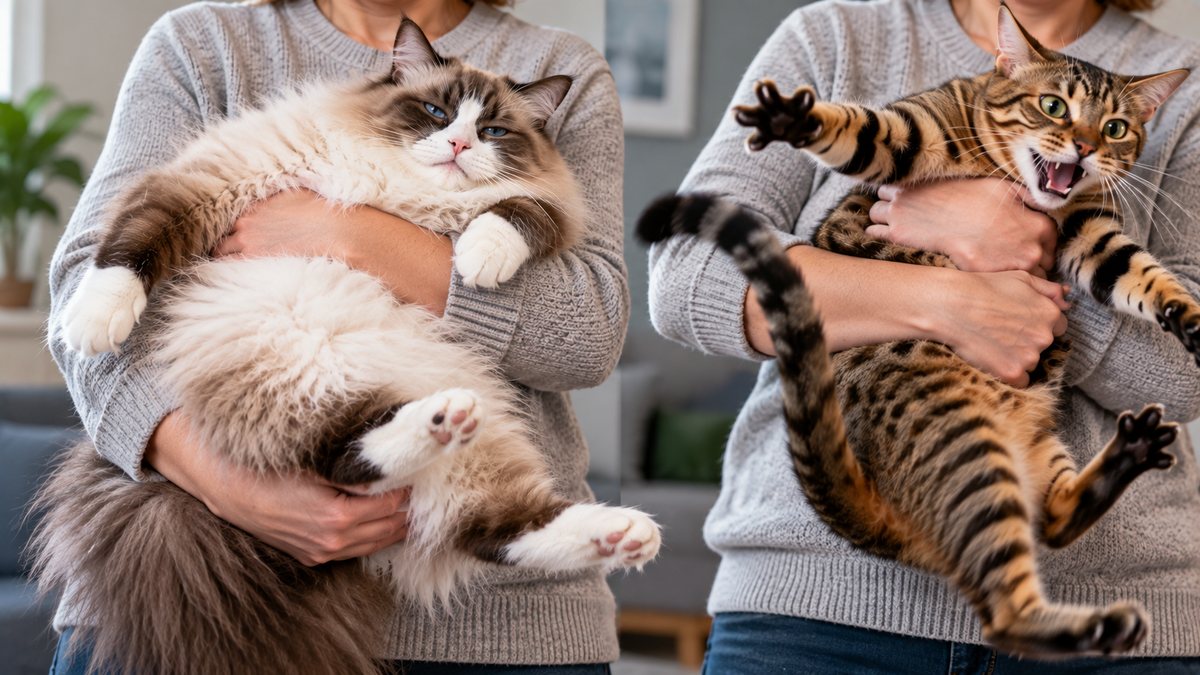
| Handling tolerance | Moderate Usually steady for routine handling when accustomed to it, but many are independent enough to prefer four paws on a surface rather than prolonged carrying. |
| Independence & social demand | Low to moderate Comparatively self-sufficient and able to entertain itself in a busy household. |
| Vocalization | Low to moderate; individual conversational style varies Usually quiet to moderately vocal; most communicate when they want something without the sustained conversational calling of Oriental breeds. |
| Response to unfamiliar people | High Even temperament supports good visitor acceptance. |
| Adaptability to change | Very high One of the more adaptable breeds, fitting a wide range of household types and ages. |
| Noise & busy-environment sensitivity | Low to moderate Steady and adaptable, the American Shorthair generally tolerates ordinary household noise better than more reactive breeds while still valuing a quiet refuge. |
| Defensive & conflict behaviour | Very low Even, non-confrontational temperament is a defining breed virtue. |
| Household & environment | |
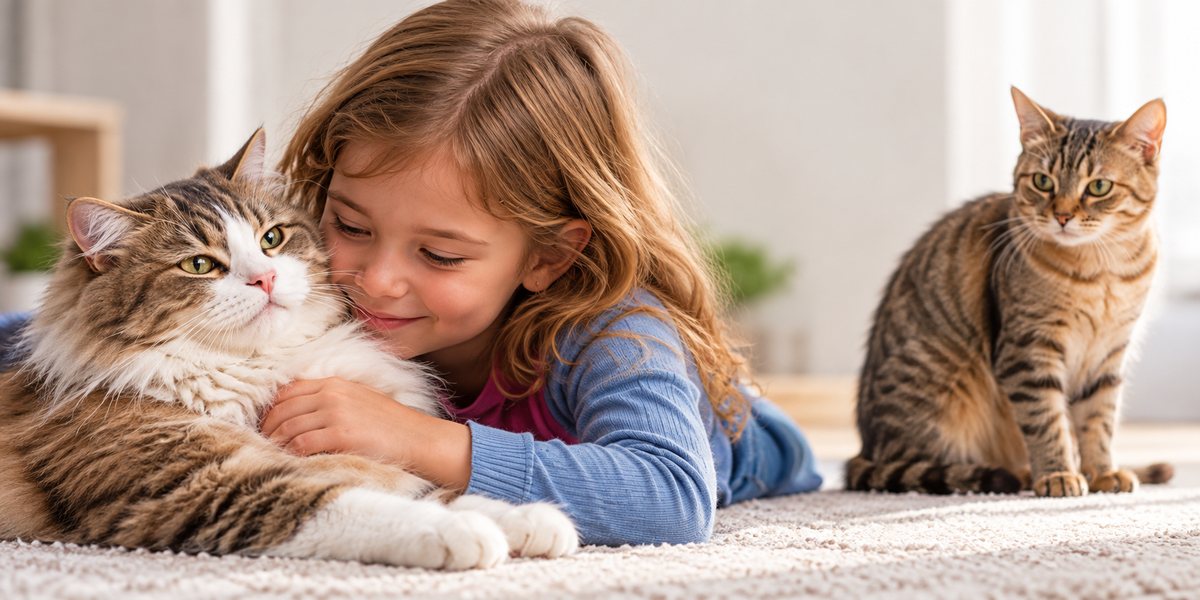
| Living with children | Favorable tendency Well known as a good family cat and generally excellent with respectful children. |
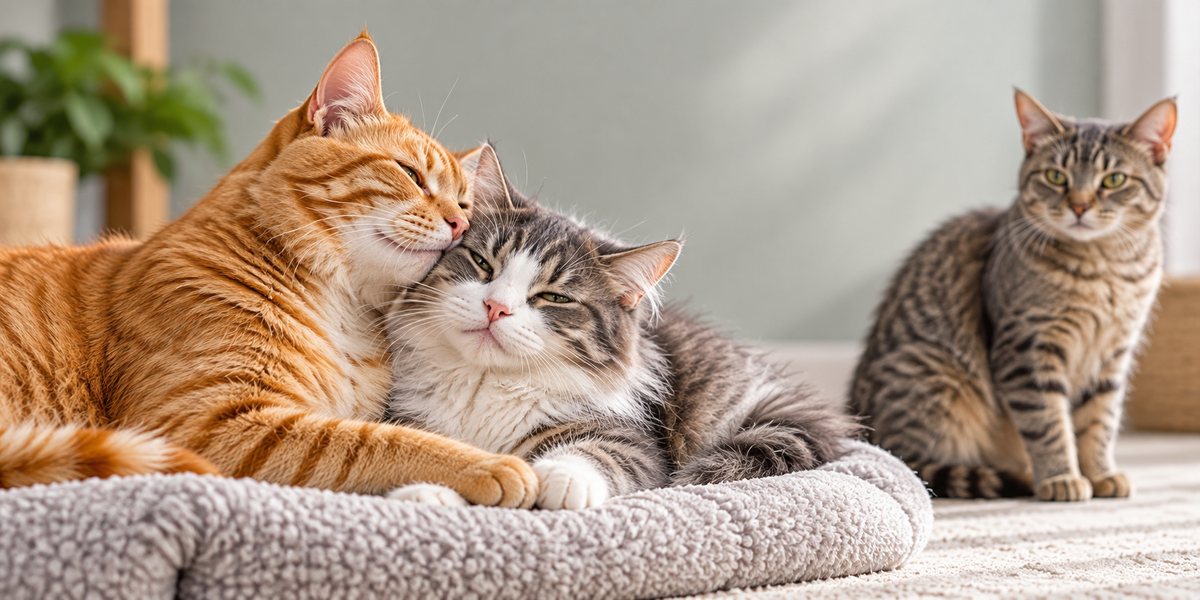
| Living with other cats | Often workable American Shorthairs are generally even-tempered and self-possessed, making another cat quite workable, although they do not necessarily need feline company and should have space to disengage. |
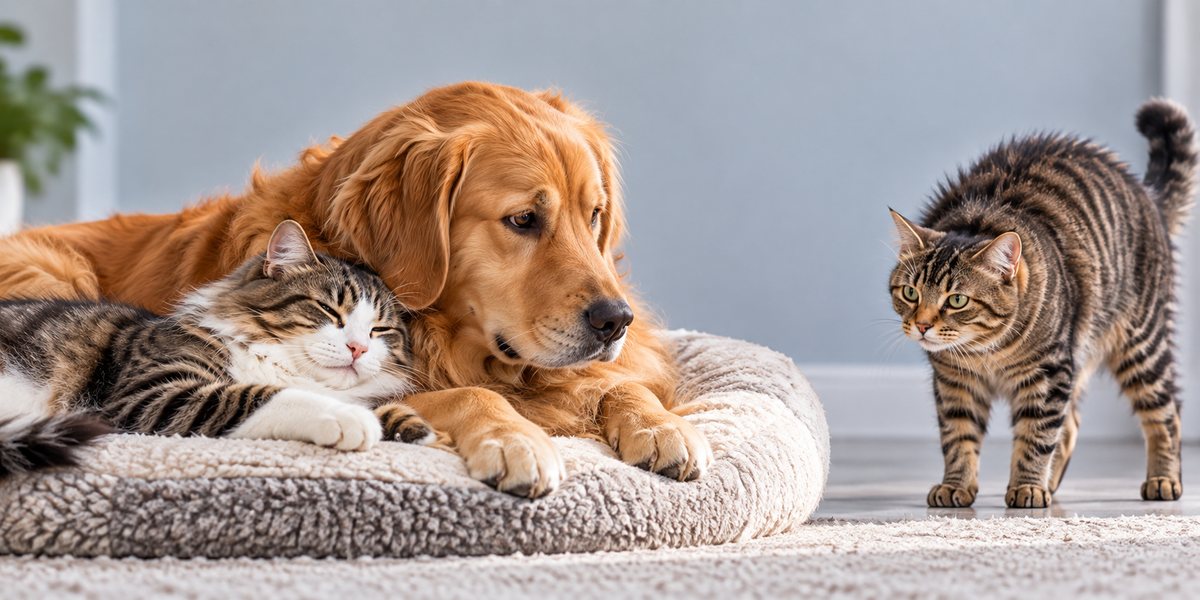
| Living with dogs | Moderate Generally adaptable to multi-pet households when introductions are handled well. |
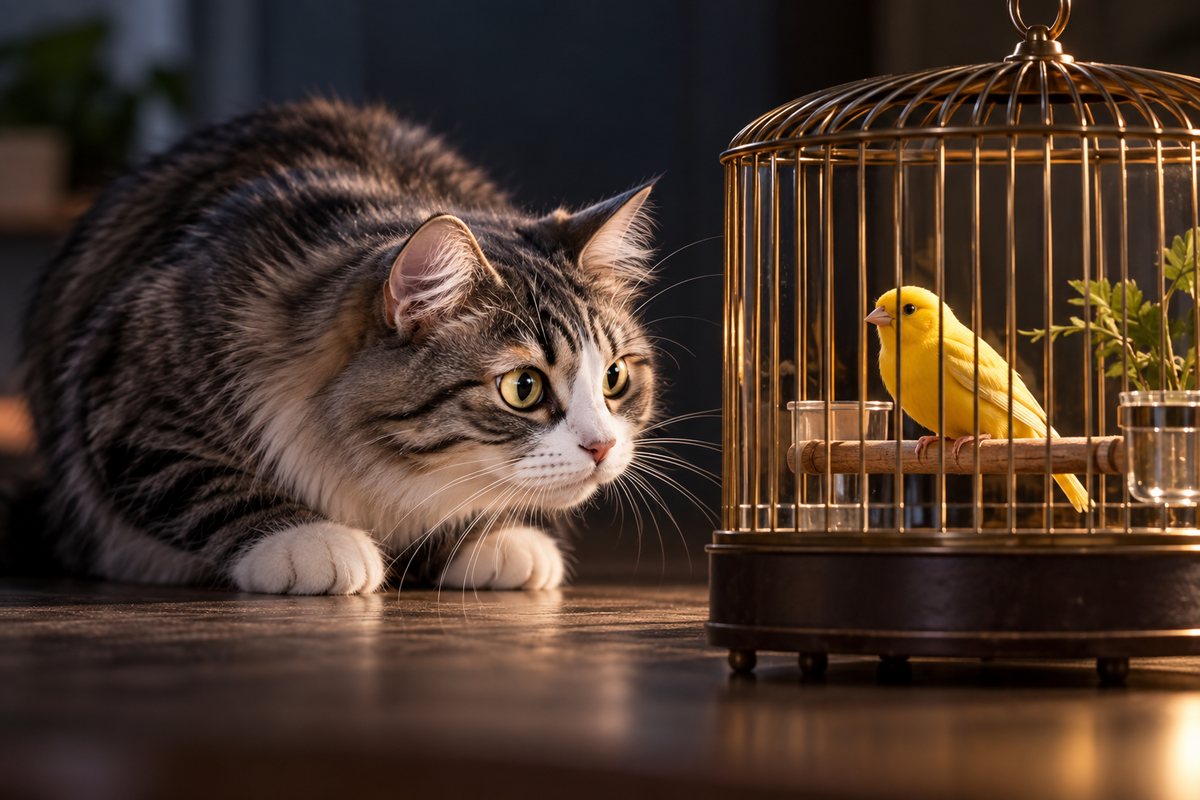
| Living around small pets | Additional caution American Shorthairs descend from practical working cats valued historically for rodent control. Their mousing heritage and robust hunting behavior warrant extra caution around pet rodents, birds and other small animals. |
| Indoor & home environment needs | Flexible home · weight management Broad adaptability suits many homes; moderate activity makes routine weight/play management useful. |
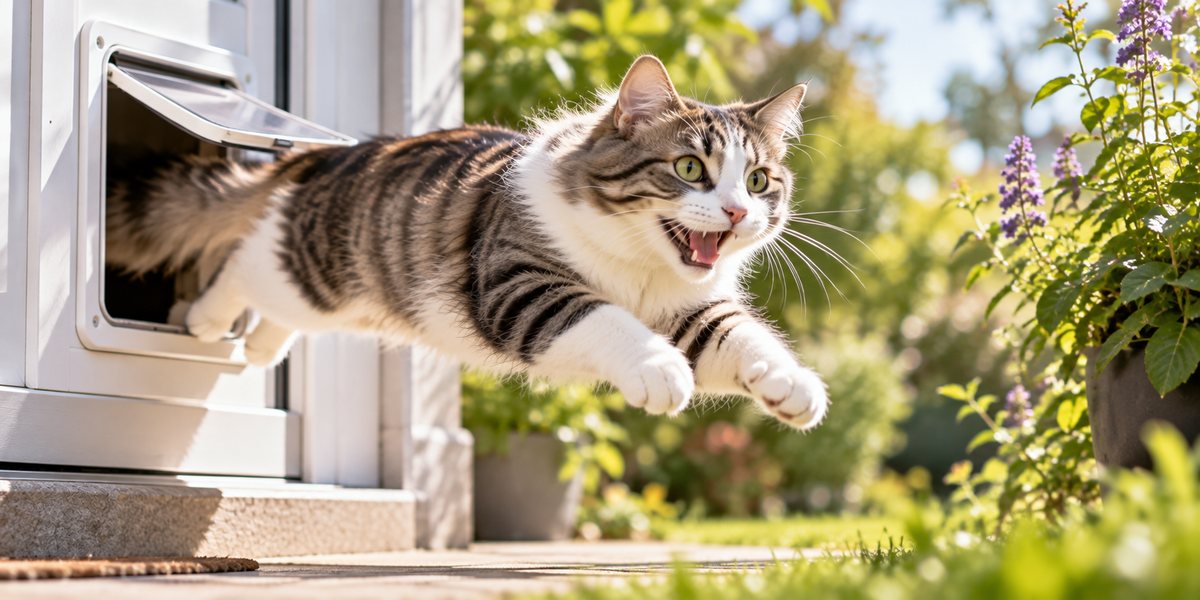
| Outdoor access considerations | Secure hunting control American Shorthairs are robust, capable hunters with working-cat ancestry. Controlled outdoor access allows exercise and observation while reducing opportunities for rodent and bird predation as well as ordinary road and disease risks. |
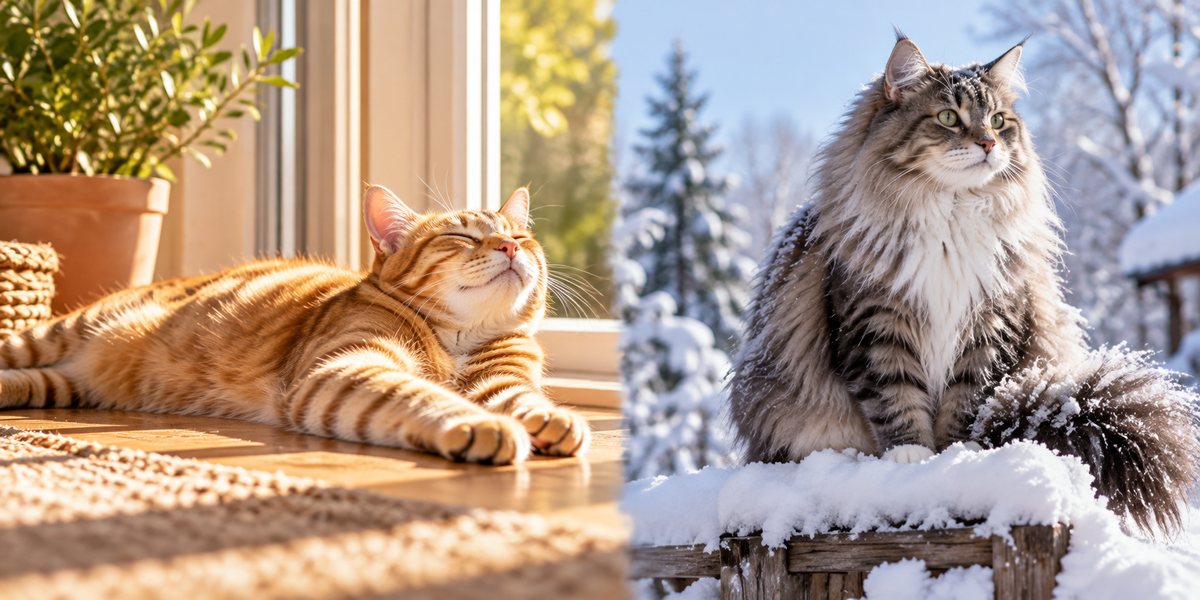
| Heat, cold & sun considerations | Dense coat heat caution American Shorthairs have a dense, protective short coat that gives useful insulation in cool weather. In hot conditions they need shade, water and cool resting surfaces, particularly if overweight or less active. |
| Caregiver time & experience | Low Stable temperament, independence and straightforward coat care make routine management comparatively modest. |
| Health & welfare | |
| Documented health predispositions | Moderate known risks American Shorthairs are generally robust, but hypertrophic cardiomyopathy occurs in the breed and hip dysplasia has also been reported. Weight gain is a common practical concern, so cardiac history, mobility and body condition deserve attention. |
| Screening & breeder questions | Ask what health problems are tracked in the lines and request actual test results Ask about hypertrophic cardiomyopathy and hip dysplasia in close relatives, whether breeding cats receive cardiac or orthopedic assessment, and request records rather than relying on the breed's generally robust reputation. |
| Conformation-related welfare | Low conformation concern American Shorthairs have a sturdy, moderate body plan without a defining structural extreme. Welfare selection should preserve balanced proportions and mobility and avoid allowing the desired substantial look to become obesity or excessive heaviness. |
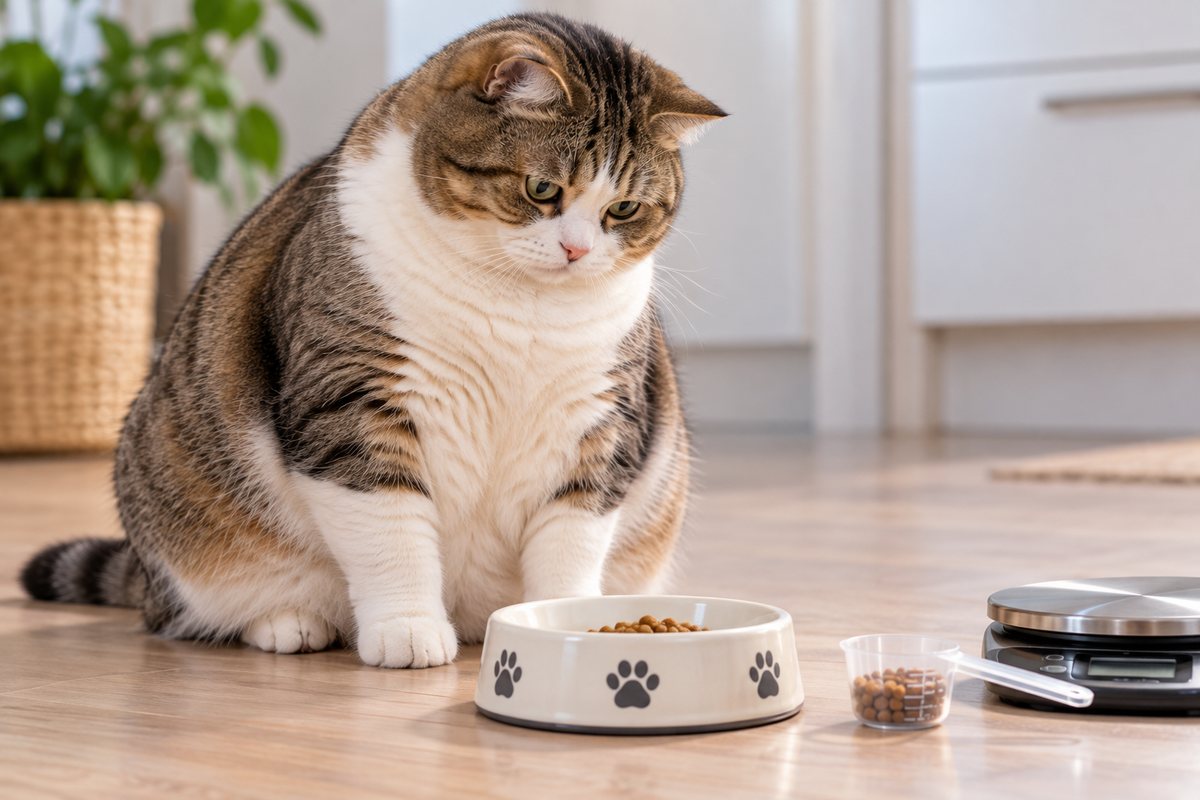
| Nutrition & weight management | Weight gain prone American Shorthairs can become overweight when their sturdy build and good appetite meet an indoor lifestyle. Measured meals, regular body-condition scoring and daily activity are more useful than a special breed formula. |
| Longevity | 15–20 years American Shorthairs are generally robust, slow-maturing cats; a practical expectation is about 15–20 years with good preventive care and healthy body condition. |
| Cost & availability | |
| Purchase cost | Moderate to high: $600–$1,500 American Shorthair: a practical breeder-market estimate is $600–$1,500. This reflects that it is an well-established breed with a broad breeder base. |
| Adoption & rehoming cost | Occasionally available: $75–$400 typical rescue/adoption fee American Shorthair: $75–$400 typical rescue/adoption fee. The breed is sufficiently numerous that genuine examples sometimes enter ordinary rescue or breed-rescue channels. |
| Recurring ownership costs | Enrichment/toy replacement Routine costs are usually moderate and predictable. The main breed-relevant budget issue is weight control: measured complete food and regular play are preferable to spending on specialty diets after obesity develops. |
| Availability, waits & import | Widely available north america American Shorthairs are well established in North America and also bred internationally, particularly in parts of Asia. They can be much less available in some European markets, where similarly named domestic shorthairs should not be mistaken for pedigreed American Shorthairs. |
| Identity & real-world context | |
| Ownership & import restrictions | No known breed specific restrictions There are no known breed-specific ownership restrictions. Ordinary animal-welfare, identification, vaccination and cross-border import rules still apply where relevant. |
| Registry recognition | CFA: recognized breed/division · TICA: Championship-recognized / current breed identity Currently recognized by CFA and TICA in the FSC core matrix; it is not a separately recognized FIFe breed identity in that matrix. |
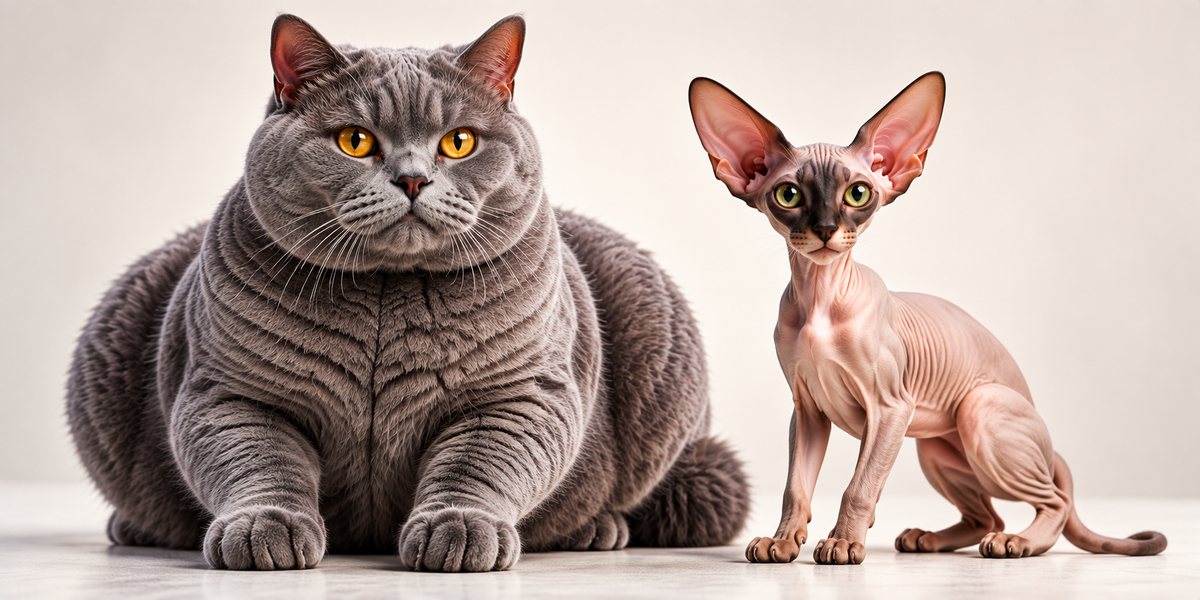
| Similar breeds & identity distinctions | British Shorthair domestic shorthair American Shorthairs are often confused with British Shorthairs or sturdy domestic shorthairs. They are generally less cobby and less plush-coated than British Shorthairs, while pedigree documentation separates them from look-alike domestic cats. |
| Reported characteristic quirks | Often remains playful into old age American Shorthairs commonly retain a playful streak well into later life. |
Browse all 53 breed characteristics
Open any characteristic to compare all breeds on that dimension.


 English